Get 50% OFF All Premium 3D & STL Models!

“`html
The world of 3D printing has opened up incredible possibilities for hobbyists, engineers, and automotive enthusiasts alike. One of the most exciting applications is the creation of detailed and accurate car models. This guide will provide you with a comprehensive understanding of the entire process, from selecting the right STL files to post-processing your finished print. Whether you’re a seasoned 3D printing expert or just starting out, this article will equip you with the knowledge and skills necessary to create stunning, high-quality 3D printed car models. We’ll cover everything from file formats and slicing parameters to material selection and advanced printing techniques. So, buckle up and get ready to dive into the exciting world of 3D printed automotive creations!
The STL (Stereolithography) file format is the cornerstone of 3D printing. It represents the surface geometry of a 3D object using a collection of triangles. Understanding the structure and limitations of STL files is crucial for successful 3D printing. A well-prepared STL file translates to a smooth, accurate, and visually appealing final product. Poorly constructed STL files, on the other hand, can lead to print failures, surface imperfections, and wasted filament or resin.
The quality of an STL file is directly related to the number of triangles used to represent the object’s surface. A higher triangle count results in a smoother, more detailed model. However, increasing the triangle count also increases the file size and processing time during slicing. Finding the right balance is key. For car models, especially those with intricate curves and details, a higher resolution is generally preferred. However, exceeding the practical limits of your printer’s resolution won’t yield noticeable improvements and will only add unnecessary processing overhead. Clean topology, where triangles are evenly distributed and well-formed, is also critical. Overlapping or self-intersecting triangles can cause errors during slicing.
A “manifold” mesh is a closed surface without any holes or self-intersections. STL files used for 3D printing *must* be manifold. Non-manifold geometry is a common cause of printing errors. Slicing software relies on the integrity of the mesh to correctly calculate the toolpaths for the 3D printer. Common issues include missing faces, internal faces, and edges that are connected to more than two faces. Before printing, it’s essential to check and repair your STL files using software like Meshmixer, Netfabb, or online STL repair services. These tools can automatically detect and fix common mesh errors, ensuring a successful print. When downloading models from marketplaces such as 88cars3d.com, you can typically expect the files to already be prepared and manifold, but it’s always a good practice to double-check.
Slicing is the process of converting a 3D model (STL file) into a series of layers that the 3D printer can understand. The slicing software generates G-code, which contains the specific instructions for the printer’s movements, temperature settings, and material extrusion. The slicing parameters you choose have a significant impact on the print quality, strength, and overall appearance of your 3D printed car model. Proper slicing is as important as the model itself.
Layer height is one of the most critical slicing parameters. It determines the thickness of each individual layer in the 3D print. A smaller layer height results in a smoother surface finish and finer details, but it also increases the print time significantly. A larger layer height reduces print time but sacrifices surface quality. For car models, a layer height between 0.1mm and 0.2mm is generally recommended for FDM printing. For resin printing, layer heights can be even smaller, typically ranging from 0.025mm to 0.05mm, achieving exceptional detail. Experimentation is key to finding the optimal balance between print quality and print time for your specific printer and material. For example, printing a scale model of a vintage car might benefit from a finer layer height to capture the intricate details of the grill and bodywork.
Infill refers to the internal structure of the 3D printed object. It provides support and strength to the model. Infill density is expressed as a percentage, with 0% being completely hollow and 100% being solid. For car models, especially larger ones, some level of infill is necessary to prevent warping and cracking. An infill density of 15-25% is usually sufficient for most car models. The infill pattern also affects the strength and weight of the model. Common infill patterns include rectilinear, grid, triangle, and honeycomb. Honeycomb infill offers a good balance of strength and weight for complex shapes. Consider the purpose of the model when choosing the infill. A display model might need less infill than a model intended for functional testing.
The material you choose for your 3D printed car model has a significant impact on its appearance, durability, and functionality. The most common materials for FDM printing are PLA, PETG, and ABS. Resin printing offers a wider range of specialized resins with different properties.
PLA (Polylactic Acid) is a biodegradable thermoplastic that is easy to print and produces good surface quality. It’s a great choice for beginners and for models that don’t require high heat resistance. PETG (Polyethylene Terephthalate Glycol-modified) is a more durable and heat-resistant alternative to PLA. It’s a good choice for models that need to withstand higher temperatures or more stress. ABS (Acrylonitrile Butadiene Styrene) is a strong and impact-resistant plastic that is commonly used in the automotive industry. However, it’s more difficult to print than PLA and PETG, requiring a heated bed and enclosure to prevent warping. When selecting an FDM filament, consider the intended use of the car model. For a display model, PLA is often sufficient. For a functional model, PETG or ABS might be more appropriate.
Resin printing offers several advantages over FDM printing, including higher resolution, smoother surface finish, and the ability to print complex geometries with intricate details. Resin printers use liquid resins that are cured by UV light. There are many types of resins available, each with different properties. Standard resins are suitable for general-purpose printing. Tough resins offer increased strength and impact resistance. Flexible resins are ideal for parts that need to bend or flex. Choosing the right resin is crucial for achieving the desired results. Resin printing also requires post-processing, including washing and curing, to remove excess resin and fully harden the printed part. Resin printers often produce more detailed car models with smoother surfaces compared to FDM printers, making them ideal for complex designs.
Support structures are temporary structures that are printed to support overhangs and bridges in a 3D model. Overhangs are parts of the model that extend beyond the previous layer, and bridges are spans between two points. Without support structures, these features would collapse during printing. Generating and removing support structures is a critical part of the 3D printing process, especially for complex car models with intricate details.
Most slicing software offers automatic support generation. The software analyzes the model and automatically generates support structures where they are needed. However, automatic support generation can sometimes be inefficient, creating unnecessary supports in areas that don’t require them. Manual support generation allows you to precisely control where support structures are placed, optimizing material usage and reducing post-processing effort. For complex car models, manual support generation can be particularly beneficial. You can strategically place supports in areas that need them most, while avoiding areas where they might be difficult to remove or might damage the surface of the model.
Removing support structures can be a delicate process. It’s important to use the right tools and techniques to avoid damaging the printed model. Common tools for support removal include pliers, cutters, and sandpaper. Start by carefully removing the bulk of the support structure, then use smaller tools to remove any remaining pieces. For delicate areas, consider using a heat gun to soften the support material before removal. Soluble support materials, such as HIPS (High Impact Polystyrene) for use with ABS, can be dissolved in a solvent, eliminating the need for manual removal. When designing or downloading printable car models, consider how the support structures will be removed. Models designed with strategically placed support interfaces will simplify the post-processing and reduce the risk of damage. Platforms like 88cars3d.com offer print-ready STL files that often include optimized support structures for easier removal.
Proper printer calibration and regular maintenance are essential for achieving consistent and high-quality 3D prints. A well-calibrated printer ensures that the dimensions of the printed model are accurate and that the layers are properly aligned. Regular maintenance prevents clogs, jams, and other issues that can affect print quality.
Bed leveling is the process of ensuring that the print bed is perfectly level. A level bed is crucial for good bed adhesion. If the bed is not level, the first layer of the print may not stick properly, leading to warping or complete print failure. Most 3D printers have manual or automatic bed leveling systems. It’s important to regularly check and adjust the bed level as needed. Bed adhesion can be improved by using a heated bed, applying a layer of glue stick or hairspray to the bed, or using a specialized bed surface, such as PEI (Polyetherimide). For larger car models, good bed adhesion is particularly important to prevent warping during printing.
A clogged nozzle can cause print failures and surface imperfections. Regular nozzle cleaning is essential for maintaining print quality. Use a thin needle or wire to clear any debris from the nozzle. Periodically perform a “cold pull” to remove any stubborn clogs. Filament management is also important. Store filament in a dry, airtight container to prevent moisture absorption, which can lead to printing problems. Regularly inspect the filament for kinks or damage. Use a filament filter to remove any dust or debris from the filament before it enters the extruder. By maintaining a clean and properly functioning nozzle and managing filament properly, you can prevent common printing problems and ensure consistent results.
Post-processing is the final stage of the 3D printing process. It involves cleaning, sanding, painting, and assembling the printed parts to achieve a professional finish. Post-processing can significantly enhance the appearance and durability of your 3D printed car model.
Sanding is used to remove layer lines and smooth the surface of the printed model. Start with a coarse grit sandpaper (e.g., 220 grit) and gradually move to finer grits (e.g., 400 grit, 600 grit, 800 grit). Wet sanding can help to reduce dust and improve the surface finish. For hard-to-reach areas, use small sanding sponges or files. After sanding, use a filler primer to fill in any remaining imperfections. Sand the primer smooth before painting. Vapor smoothing is another technique that can be used to smooth the surface of 3D printed parts. This involves exposing the part to a solvent vapor, which melts the surface and creates a smooth, glossy finish. Vapor smoothing is typically used for ABS and ASA filaments.
Painting is used to add color and detail to the 3D printed car model. Start by applying a primer to the model to create a smooth, even surface for the paint to adhere to. Use acrylic or enamel paints, depending on the desired finish and durability. Apply multiple thin coats of paint, allowing each coat to dry completely before applying the next. Use masking tape to protect areas that you don’t want to paint. After painting, apply a clear coat to protect the paint and add a glossy finish. Decals can be added to the model to add further detail. Carefully apply the decals to the model and smooth them out to remove any air bubbles. For a professional finish, consider using an airbrush to apply the paint and clear coat. With careful sanding, priming, and painting, you can transform a 3D printed car model into a stunning work of art.
Mastering the art of 3D printing car models is a rewarding journey that combines technical knowledge, creative skills, and a passion for automotive design. By understanding the intricacies of STL files, optimizing slicing parameters, choosing the right materials, and implementing effective post-processing techniques, you can create stunning, high-quality 3D printed car models that showcase your expertise and craftsmanship. This guide has provided you with a comprehensive overview of the entire process, from file preparation to final finishing. Remember to experiment with different settings, materials, and techniques to find what works best for your printer and your desired results. The world of 3D printing is constantly evolving, so continue to learn and explore new possibilities. Whether you’re creating models for your personal collection, for educational purposes, or for prototyping automotive designs, the skills and knowledge you’ve gained here will empower you to achieve your goals. Now, go forth and create your own fleet of 3D printed automotive masterpieces! Visit 88cars3d.com to explore a wide variety of printable car models in STL format, ready to bring your automotive dreams to life.
“`

Texture: Yes
Material: Yes
Download the Mercedes S-Class 2024 3D Model featuring clean geometry, realistic detailing, and a fully modeled interior. Includes .blend, .fbx, .obj, .glb, .stl, .ply, .unreal, and .max formats for rendering, simulation, and game development.
Price: $10

Texture: Yes
Material: Yes
Download the Chevrolet Camaro 1970 3D Model featuring clean geometry, realistic detailing, and a fully modeled interior. Includes .blend, .fbx, .obj, .glb, .stl, .ply, .unreal, and .max formats for rendering, simulation, and game development.
Price: $10

Texture: Yes
Material: Yes
Download the Mercedes-AMG GT 2015 3D Model featuring clean geometry, realistic detailing, and a fully modeled interior. Includes .blend, .fbx, .obj, .glb, .stl, .ply, .unreal, and .max formats for rendering, simulation, and game development.
Price: $88.99

Texture: Yes
Material: Yes
Download the Suzuki GSX-R 1000 3D Model featuring clean geometry, realistic detailing, and a fully modeled interior. Includes .blend, .fbx, .obj, .glb, .stl, .ply, .unreal, and .max formats for rendering, simulation, and game development.
Price: $10

Texture: Yes
Material: Yes
Download the Porsche Cayman S 2024 3D Model featuring clean geometry, realistic detailing, and a fully modeled interior. Includes .blend, .fbx, .obj, .glb, .stl, .ply, .unreal, and .max formats for rendering, simulation, and game development.
Price: $10

Texture: Yes
Material: Yes
Download the Holden Commodore Sportwagon 2017 3D Model featuring clean geometry, realistic detailing, and a fully modeled interior. Includes .blend, .fbx, .obj, .glb, .stl, .ply, .unreal, and .max formats for rendering, simulation, and game development.
Price: $10
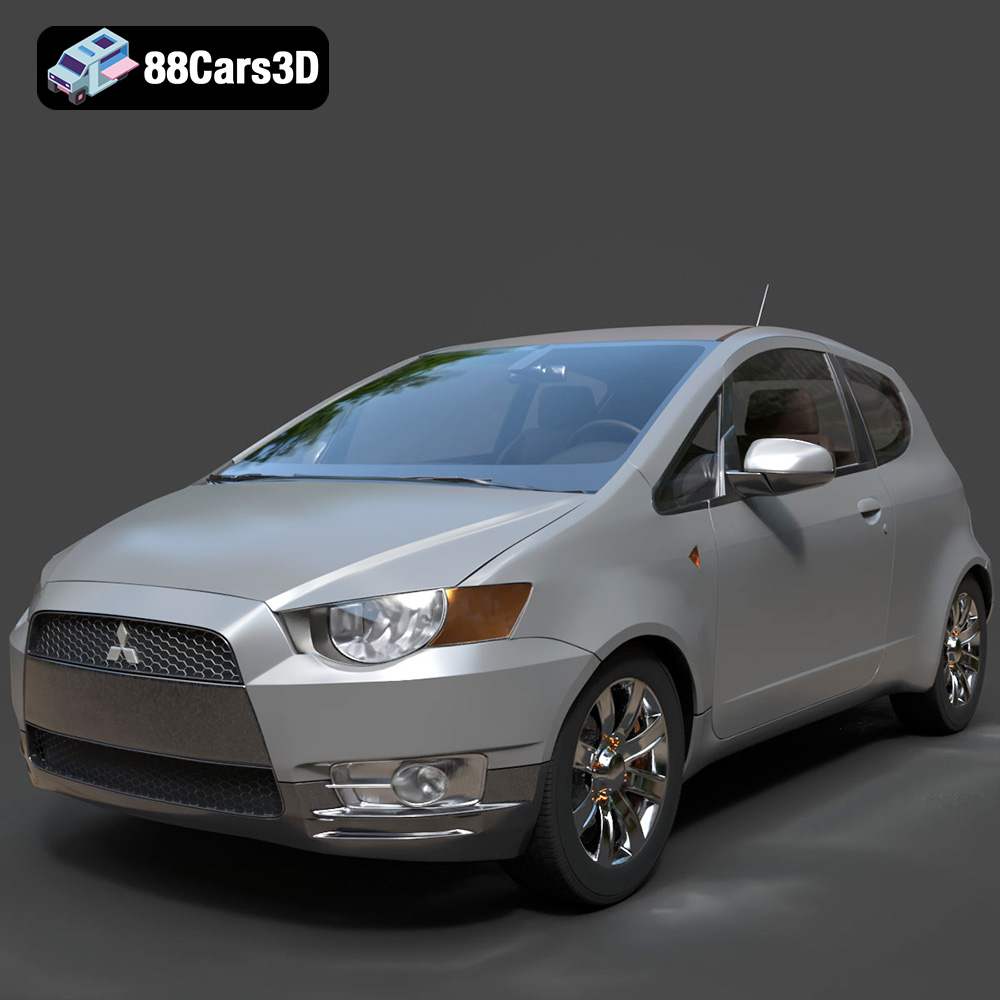
Texture: Yes
Material: Yes
Download the Mitsubishi Colt 3 Door 2008 3D Model featuring clean geometry, realistic detailing, and a fully modeled interior. Includes .blend, .fbx, .obj, .glb, .stl, .ply, .unreal, and .max formats for rendering, simulation, and game development.
Price: $10
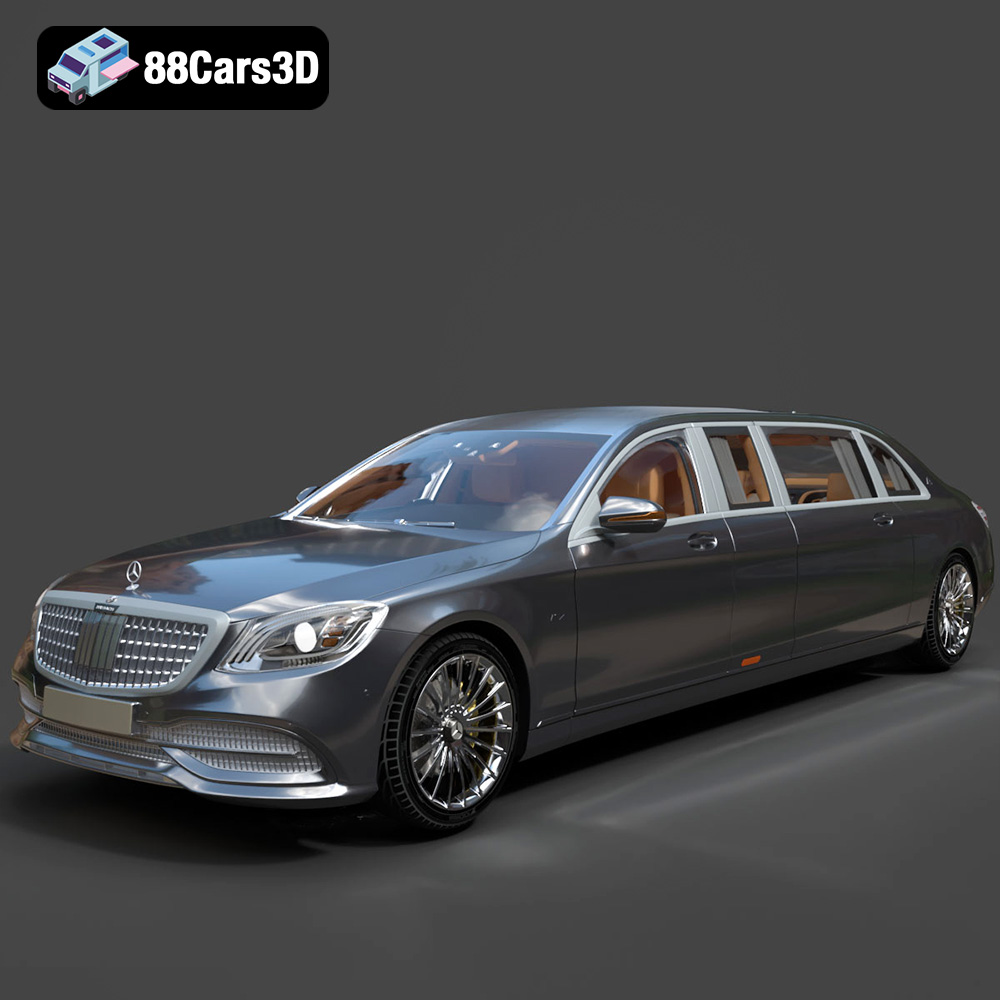
Texture: Yes
Material: Yes
Download the Mercedes-Benz S650 Pullman 3D Model featuring clean geometry, realistic detailing, and a fully modeled interior. Includes .blend, .fbx, .obj, .glb, .stl, .ply, .unreal, and .max formats for rendering, simulation, and game development.
Price: $95.99
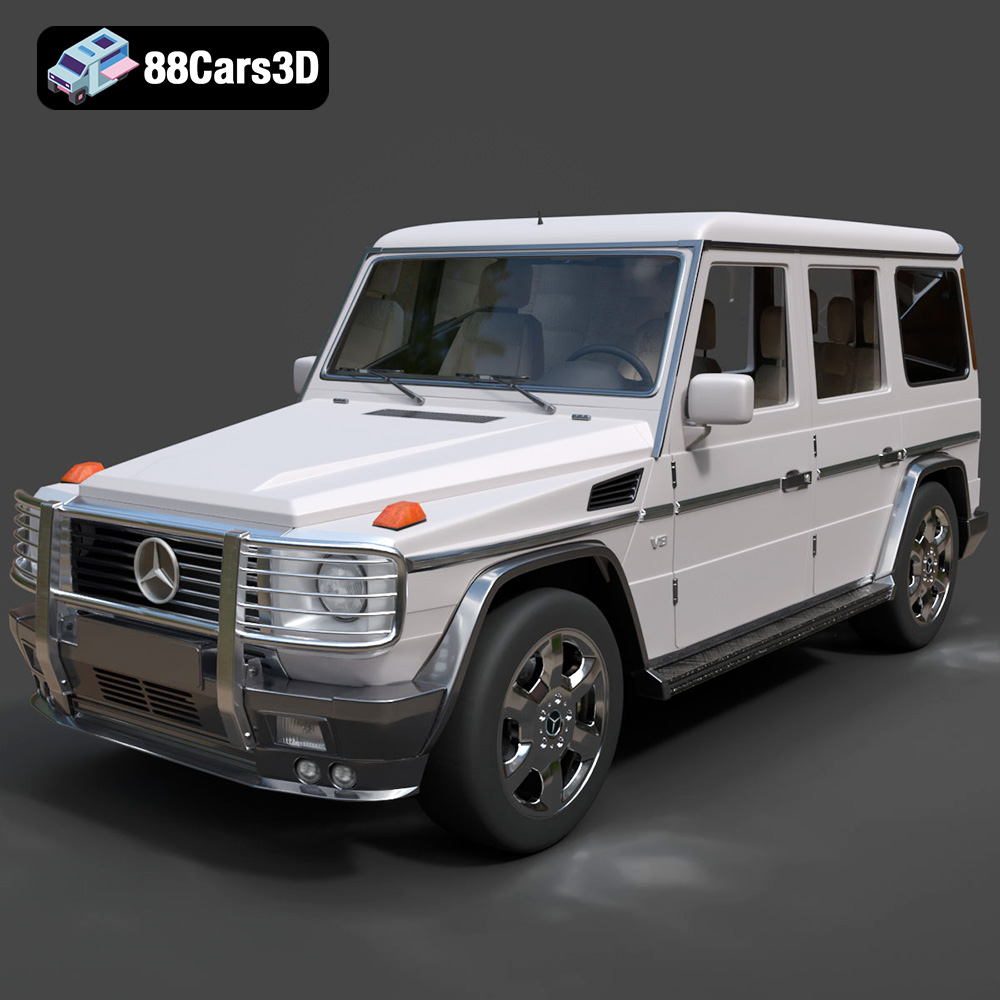
Texture: Yes
Material: Yes
Download the Mercedes G-Class SUV 2024 3D Model featuring clean geometry, realistic detailing, and a fully modeled interior. Includes .blend, .fbx, .obj, .glb, .stl, .ply, .unreal, and .max formats for rendering, simulation, and game development.
Price: $10

Texture: Yes
Material: Yes
Download the Volvo XC90 R-Design 2015 3D Model featuring clean geometry, realistic detailing, and a fully modeled interior. Includes .blend, .fbx, .obj, .glb, .stl, .ply, .unreal, and .max formats for rendering, simulation, and game development.
Price: $10

