Get 50% OFF All Premium 3D & STL Models!

“`html
The allure of 3D printing extends far beyond simple trinkets and prototypes. For automotive enthusiasts and model makers, it opens a world of possibilities, allowing you to create stunning, detailed car models right in your own home. However, achieving professional-quality results requires a solid understanding of the 3D printing process, from preparing your STL files to fine-tuning your printer settings. This comprehensive guide will walk you through every step, providing the knowledge and techniques you need to bring your dream car models to life. We’ll delve into the intricacies of STL file handling, slicing parameters, support structure optimization, and post-processing techniques, ensuring that your 3D printed car models stand out from the crowd. Whether you’re a seasoned pro or a curious beginner, this guide will equip you with the tools and insights necessary to elevate your 3D printing game.
The STL (Stereolithography) file format is the cornerstone of 3D printing. It represents the surface geometry of a 3D object using a collection of triangles. Understanding the structure and potential issues within an STL file is crucial for successful printing. A well-formed STL file translates into a smooth, accurate, and printable model. When downloading models from marketplaces such as 88cars3d.com, you’re typically working with STL files, so knowing how to handle them is key.
The resolution of an STL file dictates the number of triangles used to represent the model’s surface. Higher resolution means more triangles, resulting in a smoother, more detailed model, but also a larger file size and potentially longer slicing times. Lower resolution means fewer triangles, which can lead to faceting and a less refined appearance. The ideal resolution depends on the size and complexity of the model. For car models with intricate details, a higher resolution is generally preferred. Consider the trade-off between detail and processing time. Models on platforms like 88cars3d.com are often optimized for a balance between detail and printability.
STL files can sometimes contain errors, such as holes, non-manifold edges, or self-intersections. These errors can cause slicing problems and lead to failed prints. Mesh repair software, like Meshmixer or Netfabb, can automatically detect and fix these issues. Common repair techniques include closing holes, removing duplicate faces, and unifying normals. Before printing any STL file, it’s a good practice to run it through a mesh repair tool to ensure it’s watertight and error-free. Often, these errors are easily fixed with a single click, but understanding what the software is doing behind the scenes is essential for more complex repairs. Free online STL repair services are also readily available. When downloading models from various sources, always prioritize checking for and resolving potential mesh errors before proceeding to slicing.
Slicing is the process of converting a 3D model into a series of layers that the 3D printer can understand. Slicing software, such as Cura, PrusaSlicer, or Simplify3D, allows you to control various parameters that directly impact print quality, strength, and speed. Mastering these parameters is crucial for achieving the desired results, especially when printing intricate car models.
Layer height is the thickness of each individual layer of the 3D print. Lower layer heights (e.g., 0.1mm or 0.05mm) result in smoother surfaces and finer details, but they also increase print time. Higher layer heights (e.g., 0.2mm or 0.3mm) print faster but may sacrifice surface quality. For car models, a layer height of 0.1mm to 0.15mm is a good starting point, balancing detail and print speed. Experiment with different layer heights to find the optimal setting for your specific model and printer. Remember that the minimum layer height is limited by your printer’s capabilities; exceeding this limit can lead to extrusion issues.
Infill refers to the internal structure of the 3D print. Infill density is the percentage of the interior volume that is filled with material. Higher infill density increases the strength and weight of the print but also consumes more material and increases print time. Infill pattern affects the internal structure and can impact strength and print time. Common infill patterns include grid, lines, cubic, and gyroid. For car models, an infill density of 15-25% is generally sufficient for structural integrity. The gyroid pattern offers a good balance of strength and material usage. Experiment with different infill patterns to determine what works best for your model and desired properties. For purely aesthetic models, lower infill percentages or even hollow prints can significantly reduce material consumption.
Support structures are temporary scaffolding that supports overhanging features of a 3D model during printing. Without support structures, these features would collapse or warp. Generating and removing support structures is an essential part of 3D printing, particularly when printing complex car models with intricate shapes and overhangs. Selecting the right type of support and optimizing its placement can significantly impact print quality and ease of post-processing.
The type of support structures used depends on the 3D printing technology. FDM (Fused Deposition Modeling) printers typically use filament-based supports, which can be generated automatically by the slicing software. Resin printers, on the other hand, often require manually placed supports, especially for critical overhangs. FDM supports can be more challenging to remove cleanly, while resin supports tend to be more delicate and require careful removal. When printing car models on an FDM printer, consider using support interface layers to improve surface finish where the supports contact the model. For resin printers, strategically place supports to minimize scarring and ensure adequate support for delicate features.
Proper support placement is crucial for preventing print failures and ensuring clean removal. Focus on supporting overhangs greater than 45 degrees and bridging gaps longer than a few millimeters. Use support blockers to prevent supports from generating in areas where they are not needed, such as internal cavities. When removing supports, use appropriate tools, such as pliers, cutters, or a heat gun. Be patient and careful to avoid damaging the model. Post-processing techniques, such as sanding or filing, can be used to smooth any remaining support marks. Soluble support materials can be used with dual-extrusion FDM printers for easy, clean removal, though this adds to the cost and complexity of the printing process.
The material you choose for your 3D printed car model significantly impacts its appearance, strength, and durability. Different materials have different properties, print settings, and post-processing requirements. Understanding the characteristics of common 3D printing materials is essential for selecting the best option for your specific project.
PLA (Polylactic Acid) is a biodegradable thermoplastic known for its ease of printing and low warping. It’s a good choice for beginners and for models that don’t require high heat resistance. PETG (Polyethylene Terephthalate Glycol-modified) is a stronger and more durable alternative to PLA, with better temperature resistance and flexibility. ABS (Acrylonitrile Butadiene Styrene) is a strong and heat-resistant thermoplastic commonly used in automotive applications. However, it’s more challenging to print than PLA or PETG due to its tendency to warp. For car models, PLA is suitable for display pieces, while PETG or ABS are better choices for functional parts or models that will be exposed to higher temperatures. When using ABS, an enclosure is highly recommended to maintain a consistent temperature and prevent warping.
Resin printing offers superior detail and surface finish compared to FDM printing. Standard resins are suitable for general-purpose printing, while tough resins offer increased strength and impact resistance. Flexible resins are ideal for parts that need to bend or flex. For car models, standard resin is often sufficient for aesthetic parts, while tough resin may be preferred for functional components or models that will be handled frequently. Flexible resin can be used for tires or other parts that require elasticity. Ensure you have proper ventilation and safety equipment when working with resin, and always follow the manufacturer’s instructions for printing and post-processing.
To achieve optimal print quality, it’s essential to properly calibrate your 3D printer and fine-tune its settings. This includes bed leveling, temperature calibration, extrusion calibration, and more. A well-calibrated printer will produce more accurate and consistent results, minimizing the risk of print failures and maximizing the quality of your car models.
A level print bed is crucial for ensuring that the first layer adheres properly to the build plate. Uneven bed leveling can lead to warping, poor adhesion, and ultimately, failed prints. Most 3D printers have manual or automatic bed leveling systems. Follow your printer’s instructions for bed leveling and check the bed level periodically. Adhesion can be further improved by using a bed adhesive, such as glue stick, hairspray, or specialized build plate surfaces. For car models, a good first layer is especially important for capturing fine details and ensuring that the model adheres securely to the bed throughout the printing process. Regularly cleaning the build plate with isopropyl alcohol is essential for maintaining good adhesion.
The optimal printing temperature varies depending on the material you are using. Refer to the filament or resin manufacturer’s recommendations for the appropriate temperature range. Extrusion calibration ensures that the correct amount of material is being extruded. Under-extrusion can lead to weak prints and gaps in the model, while over-extrusion can cause clogs and dimensional inaccuracies. Use a calibration cube or other test print to fine-tune your temperature and extrusion settings. Consistent monitoring and adjustment of these settings are vital for maintaining high-quality prints over time.
Post-processing refers to the steps taken after printing to improve the appearance, strength, or functionality of the 3D printed model. This can include removing supports, sanding, painting, and assembling multiple parts. Post-processing is essential for achieving a professional-quality finish on your 3D printed car models.
Sanding is used to smooth the surface of the 3D print and remove any imperfections, such as layer lines or support marks. Start with a coarse grit sandpaper and gradually move to finer grits to achieve a smooth finish. Filling can be used to fill in any gaps or imperfections in the model. Use a putty or filler specifically designed for plastics. Priming provides a smooth, uniform surface for painting. Apply several thin coats of primer, allowing each coat to dry completely before applying the next. These steps are crucial for achieving a professional-looking paint job on your car model.
Painting is the final step in post-processing and can dramatically enhance the appearance of your 3D printed car model. Use high-quality paints designed for plastics, such as acrylic or enamel paints. Apply thin, even coats of paint, allowing each coat to dry completely before applying the next. Use masking tape to create clean lines and details. Detailing can include adding decals, weathering effects, or other embellishments to make your car model stand out. Consider using an airbrush for finer details and smoother gradients. Online tutorials and communities dedicated to model painting can offer valuable tips and techniques.
3D printing car models is a rewarding hobby that combines technical skill with artistic expression. By understanding the principles of STL file preparation, slicing parameters, support structure optimization, material selection, printer calibration, and post-processing techniques, you can create stunning, high-quality models that capture the essence of your favorite cars. Platforms like 88cars3d.com offer print-ready STL files that can significantly simplify the process, allowing you to focus on the creative aspects of 3D printing. Remember to experiment with different settings and materials to find what works best for your specific printer and model. With practice and patience, you can master the art of 3D printing and bring your automotive visions to life. Start small, learn from your mistakes, and don’t be afraid to explore new techniques. The possibilities are endless!
“`

Texture: Yes
Material: Yes
Download the Mercedes S-Class 2024 3D Model featuring clean geometry, realistic detailing, and a fully modeled interior. Includes .blend, .fbx, .obj, .glb, .stl, .ply, .unreal, and .max formats for rendering, simulation, and game development.
Price: $10

Texture: Yes
Material: Yes
Download the Chevrolet Camaro 1970 3D Model featuring clean geometry, realistic detailing, and a fully modeled interior. Includes .blend, .fbx, .obj, .glb, .stl, .ply, .unreal, and .max formats for rendering, simulation, and game development.
Price: $10

Texture: Yes
Material: Yes
Download the Mercedes-AMG GT 2015 3D Model featuring clean geometry, realistic detailing, and a fully modeled interior. Includes .blend, .fbx, .obj, .glb, .stl, .ply, .unreal, and .max formats for rendering, simulation, and game development.
Price: $88.99

Texture: Yes
Material: Yes
Download the Suzuki GSX-R 1000 3D Model featuring clean geometry, realistic detailing, and a fully modeled interior. Includes .blend, .fbx, .obj, .glb, .stl, .ply, .unreal, and .max formats for rendering, simulation, and game development.
Price: $10

Texture: Yes
Material: Yes
Download the Porsche Cayman S 2024 3D Model featuring clean geometry, realistic detailing, and a fully modeled interior. Includes .blend, .fbx, .obj, .glb, .stl, .ply, .unreal, and .max formats for rendering, simulation, and game development.
Price: $10

Texture: Yes
Material: Yes
Download the Holden Commodore Sportwagon 2017 3D Model featuring clean geometry, realistic detailing, and a fully modeled interior. Includes .blend, .fbx, .obj, .glb, .stl, .ply, .unreal, and .max formats for rendering, simulation, and game development.
Price: $10
Texture: Yes
Material: Yes
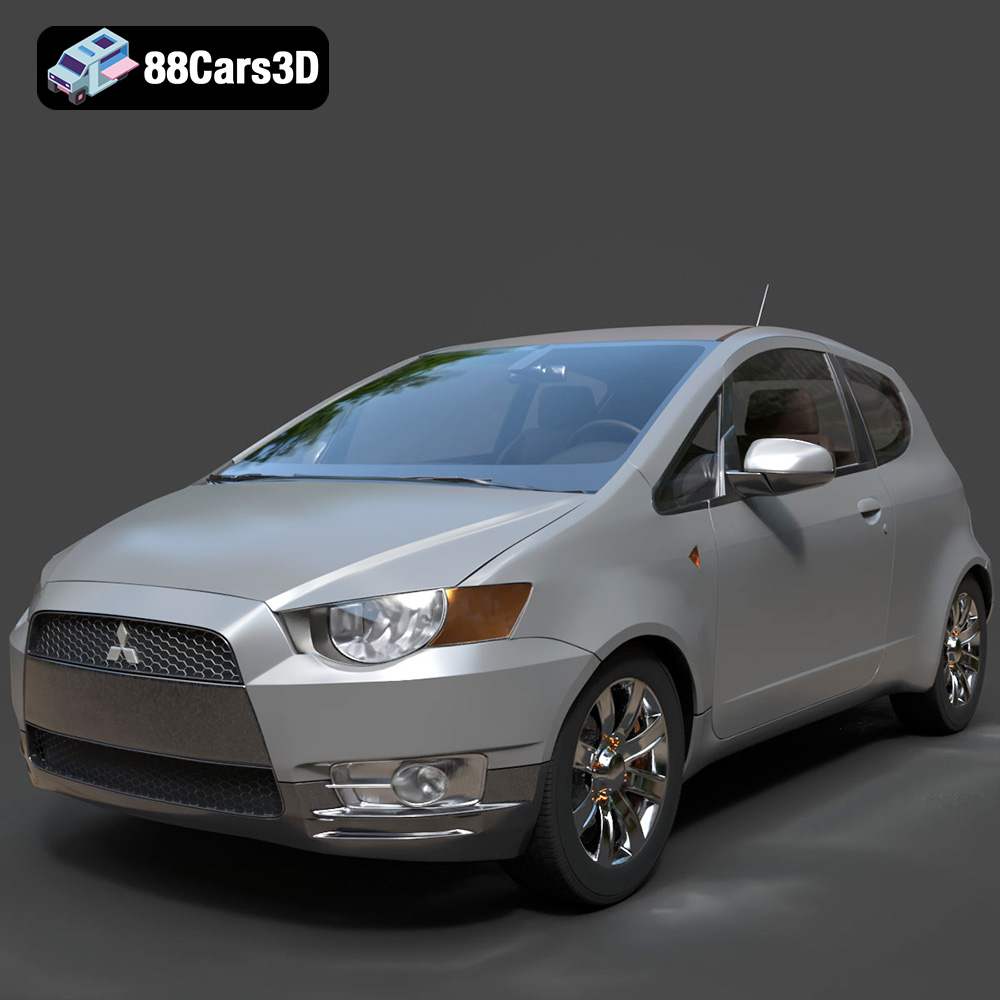
Download the Mitsubishi Colt 3 Door 2008 3D Model featuring clean geometry, realistic detailing, and a fully modeled interior. Includes .blend, .fbx, .obj, .glb, .stl, .ply, .unreal, and .max formats for rendering, simulation, and game development.
Price: $10
Texture: Yes
Material: Yes
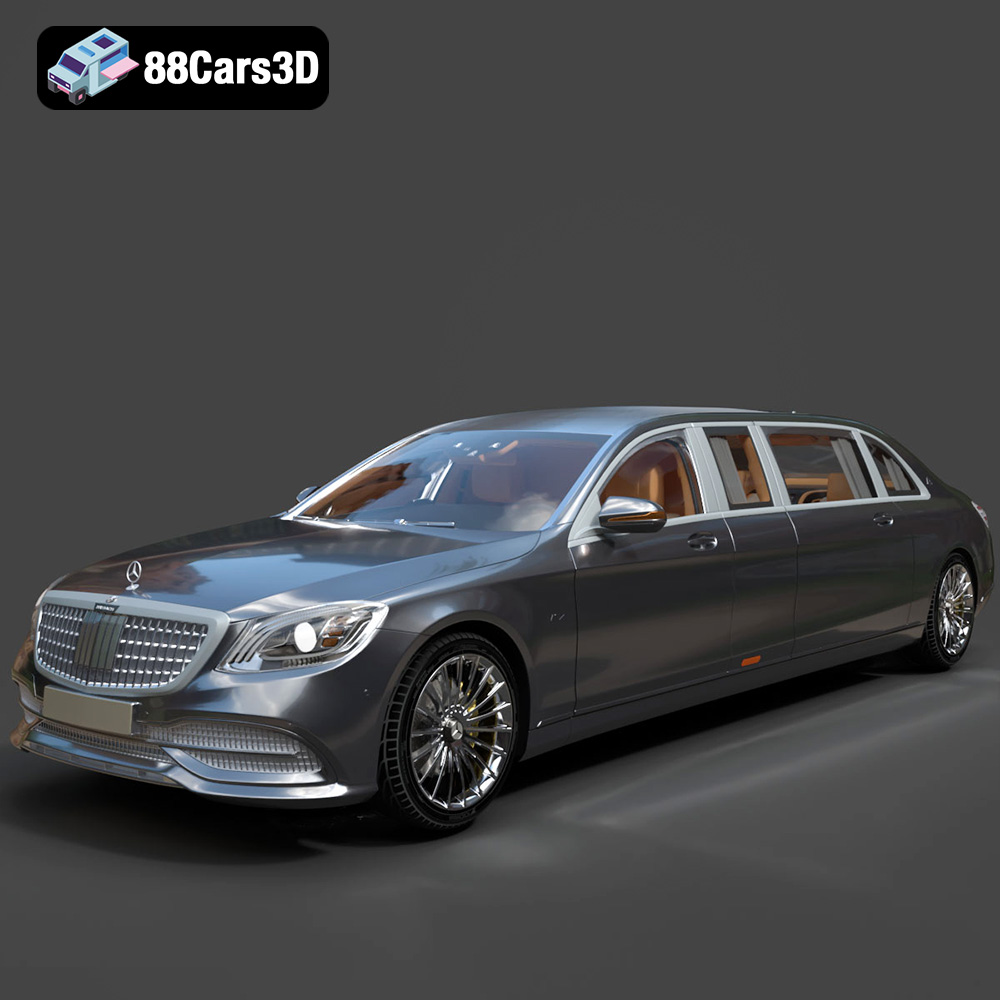
Download the Mercedes-Benz S650 Pullman 3D Model featuring clean geometry, realistic detailing, and a fully modeled interior. Includes .blend, .fbx, .obj, .glb, .stl, .ply, .unreal, and .max formats for rendering, simulation, and game development.
Price: $95.99
Texture: Yes
Material: Yes
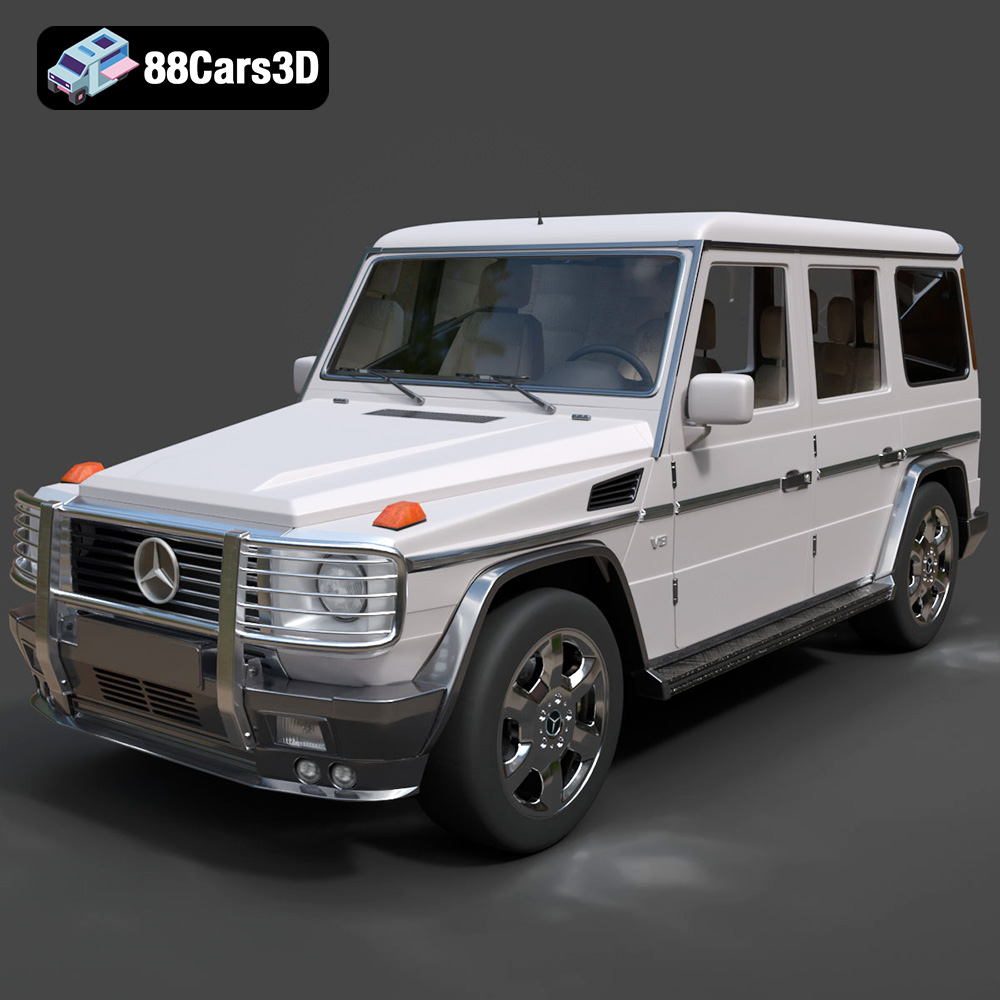
Download the Mercedes G-Class SUV 2024 3D Model featuring clean geometry, realistic detailing, and a fully modeled interior. Includes .blend, .fbx, .obj, .glb, .stl, .ply, .unreal, and .max formats for rendering, simulation, and game development.
Price: $10

Texture: Yes
Material: Yes
Download the Volvo XC90 R-Design 2015 3D Model featuring clean geometry, realistic detailing, and a fully modeled interior. Includes .blend, .fbx, .obj, .glb, .stl, .ply, .unreal, and .max formats for rendering, simulation, and game development.
Price: $10

