Get 50% OFF All Premium 3D & STL Models!

“`html
The world of 3D printing offers incredible possibilities, especially for automotive enthusiasts. Imagine bringing your favorite classic car or a sleek modern supercar to life, right on your desktop. This guide provides a deep dive into the technical aspects of 3D printing car models, covering everything from understanding STL files to optimizing printer settings and mastering post-processing techniques. Whether you’re a beginner just starting out or an experienced maker looking to refine your workflow, this comprehensive resource will equip you with the knowledge and skills to create stunning 3D printed car models.
In this guide, we will explore the intricacies of STL files, the importance of slicing parameters, the nuances of support structures, and the critical aspects of material selection. We’ll also delve into printer calibration, troubleshooting common issues, and advanced techniques for achieving exceptional print quality. By the end of this article, you’ll be well-equipped to navigate the 3D printing landscape and produce impressive car models that showcase your passion for automotive design.
The STL (stereolithography) file format is the cornerstone of 3D printing. It represents the surface geometry of a 3D object using a collection of triangles. A deeper understanding of STL files is crucial for ensuring successful and high-quality prints. This section will explore the inner workings of STL files, covering mesh topology, common issues, and file repair strategies.
An STL file approximates a 3D object’s surface with a mesh of interconnected triangles. The number of triangles, or the mesh resolution, directly impacts the smoothness and accuracy of the printed object. A higher resolution (more triangles) results in a smoother surface but increases file size and processing time. Conversely, a lower resolution can lead to faceted or blocky appearances, especially on curved surfaces. For printable car models, it’s essential to strike a balance between resolution and practicality. Models downloaded from platforms like 88cars3d.com are often optimized for this purpose. Think about the scale of your print; smaller models need a higher resolution to capture fine details. A good starting point is to aim for a mesh density where individual triangles are barely visible when viewing the model on your computer screen.
STL files can sometimes contain errors that can negatively affect 3D printing. Common issues include: non-manifold geometry (edges that are shared by more than two faces), holes, flipped normals (triangles facing the wrong direction), and self-intersections. These errors can confuse slicing software and lead to print failures. Luckily, several software tools can automatically detect and repair these issues. Netfabb Basic is a popular, free option for basic repairs. Meshmixer is another excellent choice, offering more advanced editing capabilities. When downloading models from marketplaces such as 88cars3d.com, you can often be confident that the files have already undergone a rigorous check, but it’s still prudent to verify them.
Slicing is the process of converting a 3D model into a series of thin layers that the 3D printer can understand and execute. The slicing software generates a G-code file, which contains the instructions for the printer’s movements, temperature settings, and material extrusion. Mastering slicing parameters is essential for achieving optimal print quality, strength, and speed.
Layer height is one of the most critical slicing parameters. It determines the thickness of each printed layer. A smaller layer height (e.g., 0.1mm) results in a smoother surface finish and finer details, but it also increases print time significantly. A larger layer height (e.g., 0.3mm) prints faster but produces a more noticeable stepped effect on curved surfaces. The ideal layer height depends on the desired level of detail and the overall size of the model. For car models, a layer height between 0.1mm and 0.2mm is generally recommended for achieving a good balance between print quality and speed. Experimenting with different layer heights is crucial to finding the sweet spot for your specific printer and material.
Infill refers to the internal structure of the 3D printed object. It provides strength and support while minimizing material usage. Infill density is the percentage of the object’s interior that is filled with material. A higher infill density (e.g., 50%) results in a stronger object but increases print time and material consumption. A lower infill density (e.g., 10%) prints faster and uses less material but may compromise structural integrity. The ideal infill density depends on the intended use of the model. For car models that are primarily for display, a lower infill density (15-20%) is usually sufficient. If the model needs to withstand stress or be functional, a higher infill density (30-50%) is recommended. The infill pattern also affects the strength and print time. Common infill patterns include rectilinear, grid, honeycomb, and gyroid. Gyroid infill offers excellent strength-to-weight ratio but can be more time-consuming to print.
Support structures are temporary structures that are printed to support overhanging parts of the model during the printing process. Without supports, these overhanging features would collapse due to gravity. Generating and removing supports effectively is crucial for achieving successful prints, especially for complex car models with intricate details.
Most slicing software offers both automatic and manual support generation. Automatic support generation algorithms analyze the model and automatically place supports where they are needed. This is a convenient option for simple models, but it can sometimes generate unnecessary supports or fail to support critical areas effectively. Manual support generation allows you to precisely place supports where they are needed, minimizing material usage and improving surface finish. This is a more time-consuming process, but it provides greater control and often results in better print quality. For complex car models, a combination of automatic and manual support generation is often the best approach. Start with automatic supports and then manually add or remove supports as needed to optimize the support structure.
Removing support structures can be a delicate process, especially for intricate car models. Careless removal can damage the model’s surface. Several techniques can be used to minimize damage during support removal. Using a sharp hobby knife or specialized support removal tools is essential. Heating the supports slightly with a heat gun or hairdryer can soften them and make them easier to remove. Dissolvable support materials, such as HIPS (High Impact Polystyrene) for ABS or PVA (Polyvinyl Alcohol) for PLA, can be used in dual-extrusion printers to eliminate the need for manual support removal. When removing supports, start with the larger, more accessible supports and work your way towards the smaller, more delicate ones. Post-processing techniques, such as sanding and filling, can be used to smooth out any imperfections left by support removal.
The choice of material significantly impacts the appearance, strength, and durability of the printed car model. FDM (Fused Deposition Modeling) printers typically use filaments, while resin printers use liquid resins. Each material has its own unique properties, advantages, and disadvantages.
PLA (Polylactic Acid) is a biodegradable thermoplastic that is easy to print and produces good surface finish. It is a popular choice for beginners and hobbyists. PETG (Polyethylene Terephthalate Glycol) is a more durable and heat-resistant thermoplastic than PLA. It is a good choice for functional car models that need to withstand stress or temperature changes. ABS (Acrylonitrile Butadiene Styrene) is a strong and heat-resistant thermoplastic that is commonly used in automotive applications. However, it is more difficult to print than PLA and PETG and requires a heated bed and enclosure to prevent warping. For car models, PLA is a good choice for display models, while PETG or ABS are better suited for functional or durable models. When choosing a filament, consider the following factors: ease of printing, strength, heat resistance, surface finish, and cost.
Resin printing offers superior detail and surface finish compared to FDM printing. SLA (Stereolithography) and DLP (Digital Light Processing) are the two main types of resin printing. SLA printers use a laser to selectively cure liquid resin, while DLP printers use a projector to cure an entire layer at once. Resin printing is ideal for producing highly detailed car models with smooth surfaces. However, resin printers are generally more expensive than FDM printers, and resin materials can be more brittle and require more post-processing. When choosing a resin, consider the following factors: strength, flexibility, heat resistance, and ease of post-processing. Common resin types include standard resin, tough resin, and flexible resin.
Proper printer calibration and maintenance are essential for achieving consistent and reliable 3D printing results. A well-calibrated printer will produce accurate and dimensionally precise parts, while regular maintenance will prevent common issues and prolong the lifespan of the printer.
Bed leveling is the process of ensuring that the print bed is perfectly level relative to the printer’s nozzle. An unlevel bed can lead to poor bed adhesion, warping, and print failures. Most modern 3D printers have automatic bed leveling features, but manual bed leveling is still necessary for some printers. Bed adhesion refers to the ability of the first layer to stick to the print bed. Poor bed adhesion can cause the print to detach from the bed during printing. Several techniques can be used to improve bed adhesion, including using a heated bed, applying adhesive materials (e.g., glue stick, hairspray), and adjusting the first layer settings in the slicing software. For car models, ensuring good bed adhesion is crucial, especially for large or complex prints. A raft or brim can be used to increase the surface area of the first layer and improve adhesion.
A clogged nozzle can cause extrusion problems and print failures. Regular nozzle cleaning is essential for maintaining optimal printer performance. Several methods can be used to clean a nozzle, including using a needle, a cold pull, or a specialized nozzle cleaning filament. Filament management is also important for preventing tangles and breaks. Store filaments in a dry and airtight container to prevent moisture absorption. Use a filament guide to ensure that the filament feeds smoothly into the extruder. For car models, using high-quality filaments and maintaining a clean nozzle will help to ensure consistent and reliable prints.
Post-processing refers to the steps taken to refine the 3D printed object after it has been printed. These techniques can improve the surface finish, strength, and appearance of the model. Common post-processing techniques include sanding, filling, painting, and assembly.
Sanding is used to smooth out the surface of the 3D printed object and remove any imperfections left by the printing process. Start with a coarse grit sandpaper (e.g., 120 grit) to remove larger imperfections and then gradually move to finer grit sandpaper (e.g., 400 grit, 600 grit, 800 grit) to achieve a smooth surface finish. Wet sanding can be used to further improve the surface finish and reduce dust. Filling is used to fill in any gaps or holes in the model. Common filling materials include epoxy putty, Bondo, and specialized 3D printing fillers. Apply the filler to the gaps and then sand it down to match the surrounding surface. For car models, sanding and filling are essential for achieving a professional-looking finish.
Painting is used to add color and detail to the 3D printed car model. Use acrylic paints or specialized model paints for best results. Apply a primer coat before painting to improve adhesion and provide a uniform surface for the paint. Use multiple thin coats of paint rather than one thick coat to prevent runs and drips. After painting, apply a clear coat to protect the paint and add a glossy or matte finish. Detailing can be used to add small details to the model, such as windows, lights, and trim. Use fine-tipped brushes and specialized model paints for detailing. For car models, painting and detailing are essential for bringing the model to life.
3D printing car models is a rewarding and challenging hobby that combines technical knowledge with artistic creativity. By understanding the intricacies of STL files, mastering slicing parameters, and honing your post-processing skills, you can create stunning 3D printed car models that showcase your passion for automotive design. Platforms like 88cars3d.com offer a wealth of high-quality STL files, making it easier than ever to bring your favorite cars to life. Remember to experiment with different materials, settings, and techniques to find what works best for you and your printer.
Your next steps should involve selecting a car model that interests you and experimenting with different slicing settings to understand their impact on the final print. Don’t be afraid to make mistakes – each failed print is a learning opportunity. Join online communities and forums to connect with other 3D printing enthusiasts and share your experiences. With dedication and perseverance, you’ll be well on your way to mastering the art of 3D printing car models and creating impressive pieces that you can be proud of.
“`

Texture: Yes
Material: Yes
Download the Mercedes S-Class 2024 3D Model featuring clean geometry, realistic detailing, and a fully modeled interior. Includes .blend, .fbx, .obj, .glb, .stl, .ply, .unreal, and .max formats for rendering, simulation, and game development.
Price: $10

Texture: Yes
Material: Yes
Download the Chevrolet Camaro 1970 3D Model featuring clean geometry, realistic detailing, and a fully modeled interior. Includes .blend, .fbx, .obj, .glb, .stl, .ply, .unreal, and .max formats for rendering, simulation, and game development.
Price: $10

Texture: Yes
Material: Yes
Download the Mercedes-AMG GT 2015 3D Model featuring clean geometry, realistic detailing, and a fully modeled interior. Includes .blend, .fbx, .obj, .glb, .stl, .ply, .unreal, and .max formats for rendering, simulation, and game development.
Price: $88.99

Texture: Yes
Material: Yes
Download the Suzuki GSX-R 1000 3D Model featuring clean geometry, realistic detailing, and a fully modeled interior. Includes .blend, .fbx, .obj, .glb, .stl, .ply, .unreal, and .max formats for rendering, simulation, and game development.
Price: $10

Texture: Yes
Material: Yes
Download the Porsche Cayman S 2024 3D Model featuring clean geometry, realistic detailing, and a fully modeled interior. Includes .blend, .fbx, .obj, .glb, .stl, .ply, .unreal, and .max formats for rendering, simulation, and game development.
Price: $10

Texture: Yes
Material: Yes
Download the Holden Commodore Sportwagon 2017 3D Model featuring clean geometry, realistic detailing, and a fully modeled interior. Includes .blend, .fbx, .obj, .glb, .stl, .ply, .unreal, and .max formats for rendering, simulation, and game development.
Price: $10
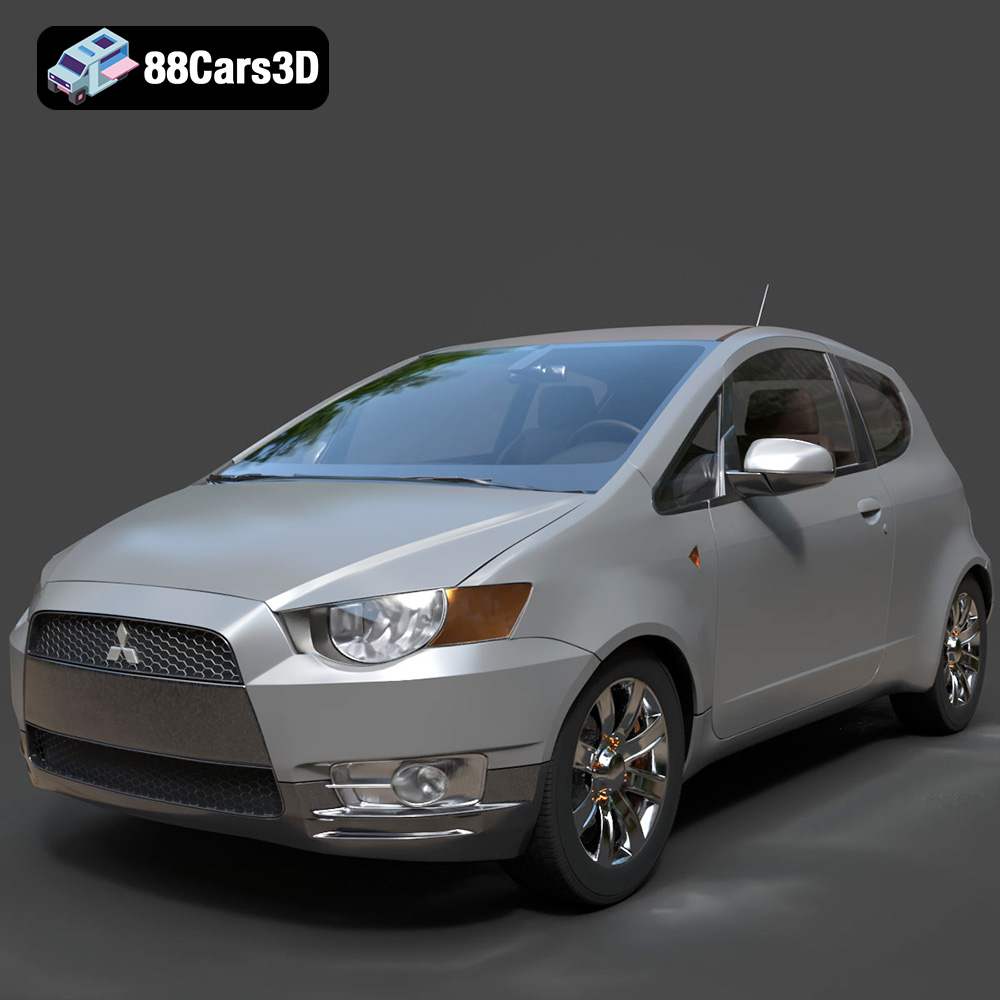
Texture: Yes
Material: Yes
Download the Mitsubishi Colt 3 Door 2008 3D Model featuring clean geometry, realistic detailing, and a fully modeled interior. Includes .blend, .fbx, .obj, .glb, .stl, .ply, .unreal, and .max formats for rendering, simulation, and game development.
Price: $10
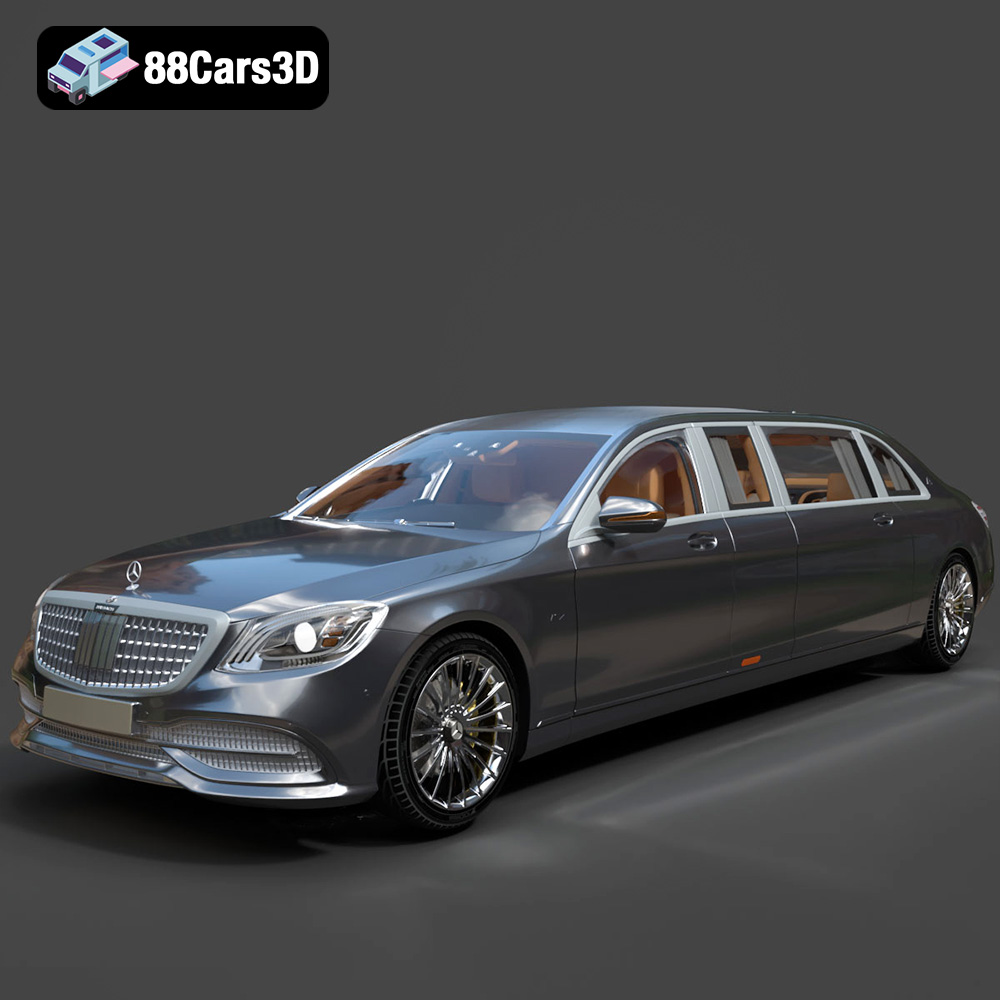
Texture: Yes
Material: Yes
Download the Mercedes-Benz S650 Pullman 3D Model featuring clean geometry, realistic detailing, and a fully modeled interior. Includes .blend, .fbx, .obj, .glb, .stl, .ply, .unreal, and .max formats for rendering, simulation, and game development.
Price: $95.99
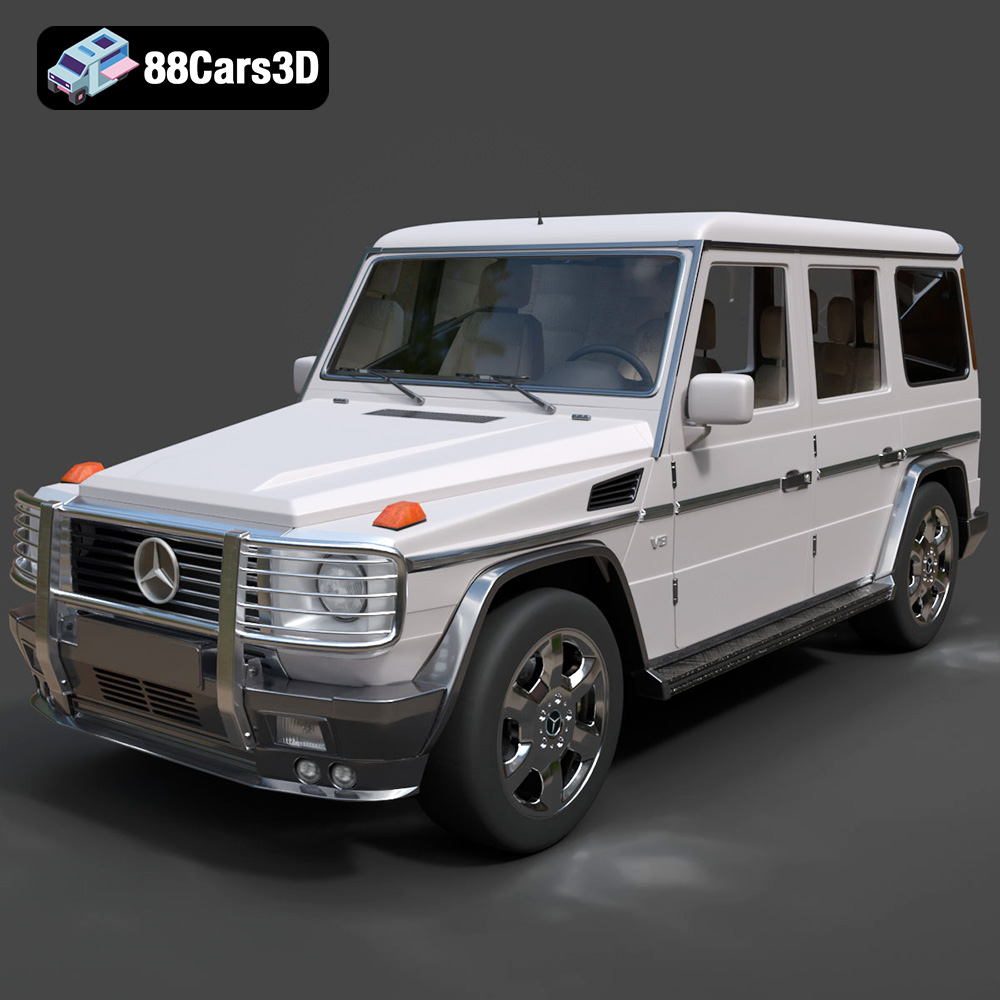
Texture: Yes
Material: Yes
Download the Mercedes G-Class SUV 2024 3D Model featuring clean geometry, realistic detailing, and a fully modeled interior. Includes .blend, .fbx, .obj, .glb, .stl, .ply, .unreal, and .max formats for rendering, simulation, and game development.
Price: $10

Texture: Yes
Material: Yes
Download the Volvo XC90 R-Design 2015 3D Model featuring clean geometry, realistic detailing, and a fully modeled interior. Includes .blend, .fbx, .obj, .glb, .stl, .ply, .unreal, and .max formats for rendering, simulation, and game development.
Price: $10

