Get 50% OFF All Premium 3D & STL Models!

“`html
In the world of digital creation, the 3D car model is a pinnacle of complexity and artistry. From the gleaming, photorealistic renders in automotive commercials to the high-octane action of a video game, these assets are incredibly versatile. However, a model built for a close-up cinematic shot is fundamentally different from one designed to be a real-time game asset or a physical 3D print. The secret to bridging these worlds lies in optimization—a multifaceted process of adapting a 3D model for a specific purpose without sacrificing its essential quality. This guide will take you on a deep dive into the technical workflows required to transform a high-detail 3D car model into a perfectly tailored asset for any application. We will explore the foundational principles of topology, the nuances of UV mapping for complex surfaces, the art of PBR material creation, and the critical performance-saving techniques for game engines, AR/VR, and even 3D printing. Whether you are a seasoned visualization professional, a game developer, or a 3D printing enthusiast, this comprehensive breakdown will equip you with the skills to get the most out of your 3D car models.
Every successful optimization workflow begins with a superior source model. Attempting to optimize a poorly constructed 3D car model is an uphill battle that often leads to visual artifacts and technical headaches. The gold standard is a high-polygon, quad-based model with meticulous topology. This foundational asset, often referred to as a “hero” or “studio” model, serves as the master version from which all other variations are derived. Platforms like 88cars3d.com specialize in providing this level of quality, offering a starting point that is clean, accurate, and ready for any production pipeline. The initial investment in a high-quality source pays dividends throughout the entire optimization process, from UV unwrapping to rendering and real-time performance.
The bedrock of a professional 3D car model is its topology—the arrangement of vertices, edges, and faces that form the mesh. The industry best practice is to use quad-based topology, meaning the model is constructed almost entirely from four-sided polygons (quads). This approach offers several distinct advantages over using triangles (tris) or polygons with more than four sides (n-gons). Quads are predictable and subdivide cleanly, allowing you to easily increase or decrease the model’s resolution using algorithms like TurboSmooth or Subdivision Surface modifiers without introducing pinching or artifacts. Furthermore, clean edge flow, where edge loops follow the natural contours and panel lines of the car, is paramount. This ensures that reflections flow smoothly and realistically across the car’s body, a critical detail for automotive rendering. A typical high-poly source model might range from 500,000 to over 2 million polygons, providing the necessary density to capture every subtle curve and detail.
Automotive surfaces are a study in precision. The reflections seen on a real car are seamless across its panels, a quality known as surface continuity (often referred to as G2 or G3 continuity in CAD terminology). Replicating this in 3D requires careful management of vertices along the edges of adjacent panels, such as a door and a fender. The vertices must be aligned perfectly to create the illusion of a single, flowing surface when smoothed. Equally important are the panel gaps—the small crevices between body panels. These must be modeled with intention, not just created by separating geometry. A common professional technique is to model the car as a single, continuous surface first, then use tools to create inset faces and extrude them inward to form clean, consistent gaps. This method ensures that the highlights and reflections behave realistically as they travel across the car’s surface, which is essential for achieving photorealism.
Once you have a topologically sound model, the next crucial step is UV mapping. This is the process of “unwrapping” the 3D mesh into a 2D space so that textures can be applied accurately. For a complex object like a car, with its mix of large, flat panels and intricate, curved surfaces, a one-size-fits-all approach to UV mapping doesn’t work. A strategic combination of techniques is required to ensure textures are applied without distortion and that resolution is used efficiently, whether you’re aiming for a hyper-realistic render or a memory-conscious game asset.
The key to unwrapping a car is to break it down into logical pieces, or UV islands. The primary goal is to hide UV seams in areas where they will be least noticeable, such as along sharp panel edges, underneath the vehicle, or within panel gaps.
The combination of these methods allows for a highly optimized UV layout that respects the unique geometry of each part of the car.
Your target application heavily influences how you organize your UV islands.
With a well-unwrapped model, you can now focus on creating materials that bring it to life. The modern standard for realistic materials is the Physically Based Rendering (PBR) workflow, which simulates how light interacts with surfaces in the real world. By using a set of standardized texture maps—such as Albedo (base color), Metalness, Roughness, and Normal—PBR allows you to create materials that look correct and consistent in any lighting condition. This is especially important for automotive visualization, where the interplay of light and material is everything.
Car paint is one of the most complex materials to replicate digitally. It is a multi-layered material, and a convincing shader must simulate these layers. A typical PBR car paint material includes:
Building this shader network correctly is the key to achieving a paint job that feels both vibrant and physically accurate.
Beyond the paint, a car features a wide array of materials that require specific attention.
Adapting a high-poly, multi-material model for a game engine like Unity or Unreal Engine is a process of strategic simplification. The goal is to dramatically reduce the model’s complexity to ensure it can be rendered in real-time (i.e., at 30, 60, or even 120 frames per second) while preserving its visual identity. This involves a complete overhaul of the geometry and a re-evaluation of the material setup.
The first step is creating a low-polygon version of the model. A hero car with 1 million polygons is completely unsuitable for a game. This high-poly mesh must be “retopologized” into a much lighter, game-ready asset. This can be done manually, by tracing new geometry over the high-poly surface, or by using automated tools like Blender’s Remesh modifier or the retopology tools in 3ds Max. The goal is to capture the car’s silhouette and key details with the fewest polygons possible. Target polygon counts vary widely:
During this process, the detail from the high-poly model is not lost; it is baked into a Normal map, which is then applied to the low-poly model to create the illusion of high-resolution detail.
Even a 100,000-triangle model is too heavy to render when it’s just a tiny speck in the distance. This is where Levels of Detail (LODs) come in. LODs are a series of progressively lower-resolution versions of the main game model. The game engine automatically switches between them based on the car’s distance from the camera. A typical setup might look like this:
This technique is one of the most powerful tools for maintaining high performance in games with large, open environments.
In a game engine, a “draw call” is a command sent from the CPU to the GPU to draw an object on the screen. Each object with its own unique material generates at least one draw call. A high-poly car model might have hundreds of separate parts, which would result in hundreds of draw calls, crippling performance. To solve this, parts of the low-poly model are combined. For example, all exterior body panels can be merged into a single mesh, the entire interior can be another, and all four wheels (or their non-moving parts) can be a third. By using the texture atlasing techniques discussed earlier, these combined meshes can use a single material, reducing hundreds of potential draw calls down to just a handful. This is a non-negotiable step for creating efficient game assets.
Beyond traditional rendering and gaming, 3D car models are increasingly used in emerging fields like Augmented Reality (AR), Virtual Reality (VR), and 3D printing. These applications have their own unique and strict technical requirements that demand specialized optimization workflows.
AR and VR applications, especially on mobile devices, operate under even tighter performance constraints than traditional games. Because they need to render a scene for each eye at very high frame rates (typically 90Hz or more) to avoid motion sickness, every polygon and texture byte counts. The optimization process is similar to that for mobile games but even more aggressive, with target polygon counts often falling between 10,000 and 40,000 triangles. Texture resolutions are also kept smaller (1K or 2K at most), and efficient file formats are essential. The **GLB** (for general use) and **USDZ** (for Apple devices) formats are the industry standards for AR/VR. They are self-contained, meaning the model, materials, and textures are all packed into a single file, making them incredibly efficient to load and render.
Preparing a model for 3D printing is an entirely different kind of optimization. Here, the concern is not visual performance but physical integrity. A 3D model must be a “watertight” or “manifold” solid. This means it must be a completely enclosed volume with no holes, no overlapping faces, and no non-manifold geometry (e.g., edges shared by more than two faces). Many detailed models designed for rendering are not watertight. Tools like Blender’s 3D-Print Toolbox add-on or external software like Meshmixer are used to analyze the mesh for errors and automatically or manually repair them. Additionally, every part of the model must have a minimum wall thickness to be physically printable. Thin parts like side mirrors, spoilers, or antennas often need to be artificially thickened in the 3D model to ensure they don’t break during printing or handling. Fine details, like panel lines or emblems, may also need to be exaggerated (made deeper or thicker) to remain visible after the printing process.
After optimizing your model for its specific purpose, the final step is to present it in the best possible light. For high-end visualization, the rendering setup is just as important as the model itself. The lighting, camera settings, and post-processing all work together to create a stunning final image that showcases the quality and detail of your 3D car model.
The two most common lighting scenarios for automotive rendering are studio and environment setups.
Often, the best results come from a combination of both: using an HDRI for general ambient light and reflections, and adding specific lights to create key highlights.
When using a powerful path-tracing render engine like Blender’s Cycles, achieving the perfect balance between image quality and render time is crucial. The official Blender 4.4 documentation provides excellent guidance on this. Key settings to manage include:
The raw render out of the 3D software is rarely the final image. The last 10% of the work, which often makes 90% of the difference, happens in post-processing. By rendering out different passes (such as reflections, shadows, and ambient occlusion), you gain immense control in a compositing application like Photoshop, After Effects, or Blender’s own Compositor. Here, you can fine-tune the color grading, add effects like lens flare, bloom, and chromatic aberration, and apply a subtle vignette to draw the viewer’s eye to the car. This final stage is where an excellent render becomes a truly breathtaking piece of art.
The journey from a single, high-resolution 3D car model to a diverse range of optimized assets is a testament to the versatility of digital art. As we’ve seen, the process is not about degradation but adaptation. By understanding the unique technical demands of photorealistic rendering, real-time game engines, AR/VR platforms, and 3D printing, you can intelligently deconstruct and rebuild a model to excel in any environment. The key takeaways are universal: always start with the highest quality source model possible, maintain clean topology, be strategic with your UVs and textures, and never underestimate the power of LODs and draw call reduction for real-time applications. Starting with a professionally crafted asset from a marketplace like 88cars3d.com can give you a significant head start, allowing you to focus on the creative and technical challenges of optimization rather than fixing foundational flaws. Now, take these workflows and apply them to your own projects—the road to perfect optimization is ready for you to drive.
“`

Texture: Yes
Material: Yes
Download the Mercedes S-Class 2024 3D Model featuring clean geometry, realistic detailing, and a fully modeled interior. Includes .blend, .fbx, .obj, .glb, .stl, .ply, .unreal, and .max formats for rendering, simulation, and game development.
Price: $10
Texture: Yes
Material: Yes
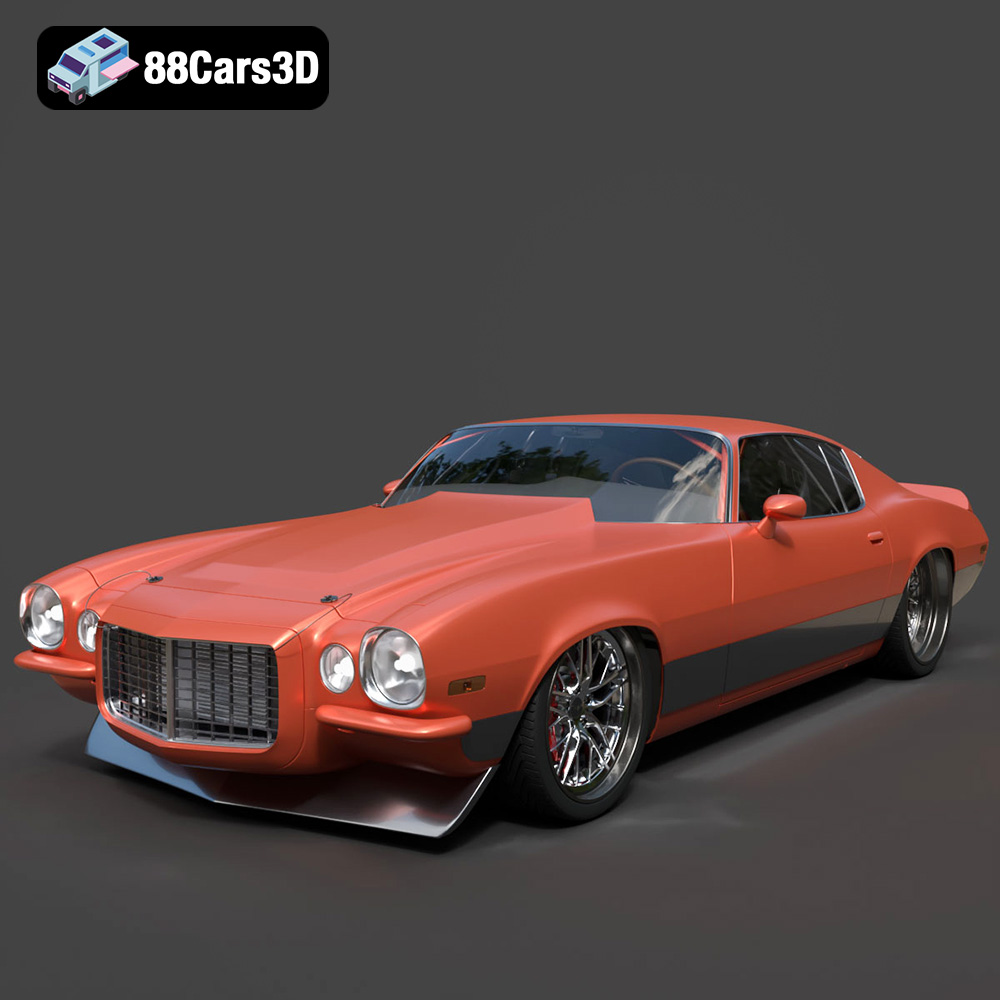
Download the Chevrolet Camaro 1970 3D Model featuring clean geometry, realistic detailing, and a fully modeled interior. Includes .blend, .fbx, .obj, .glb, .stl, .ply, .unreal, and .max formats for rendering, simulation, and game development.
Price: $10
Texture: Yes
Material: Yes
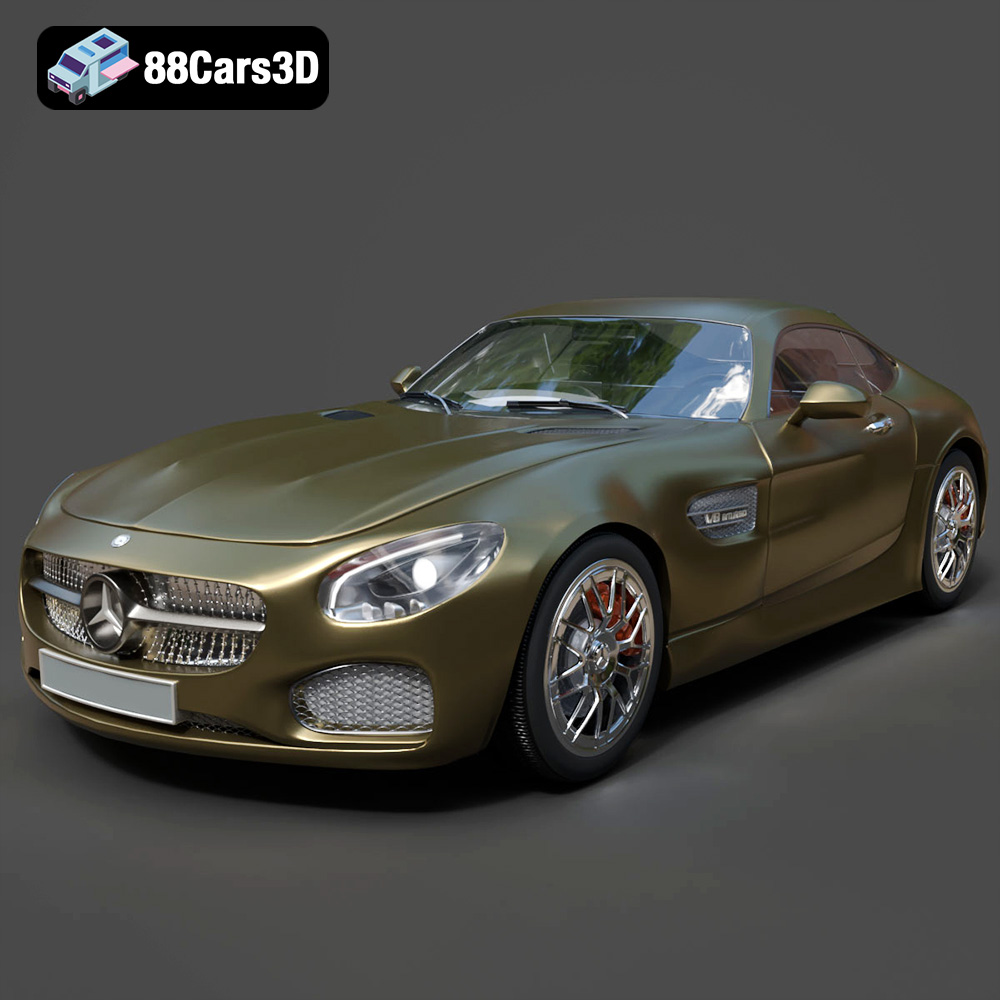
Download the Mercedes-AMG GT 2015 3D Model featuring clean geometry, realistic detailing, and a fully modeled interior. Includes .blend, .fbx, .obj, .glb, .stl, .ply, .unreal, and .max formats for rendering, simulation, and game development.
Price: $88.99
Texture: Yes
Material: Yes
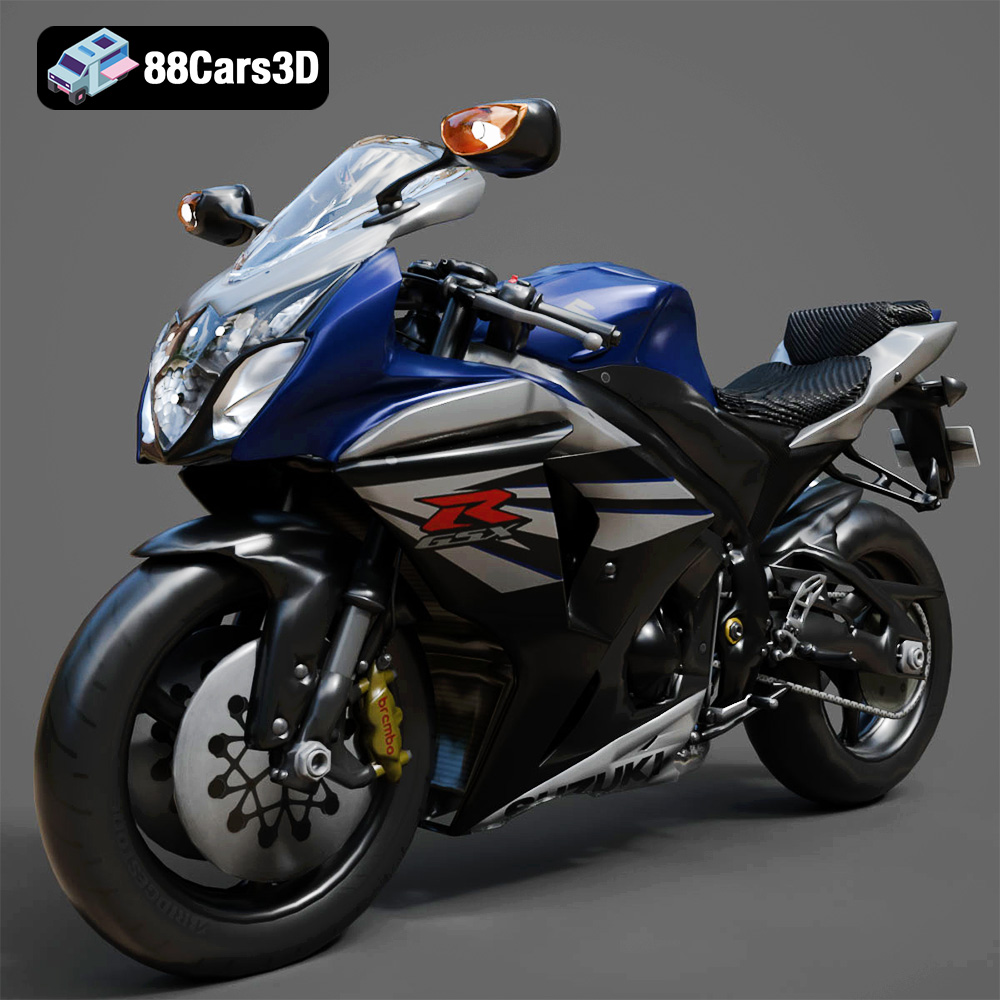
Download the Suzuki GSX-R 1000 3D Model featuring clean geometry, realistic detailing, and a fully modeled interior. Includes .blend, .fbx, .obj, .glb, .stl, .ply, .unreal, and .max formats for rendering, simulation, and game development.
Price: $10
Texture: Yes
Material: Yes
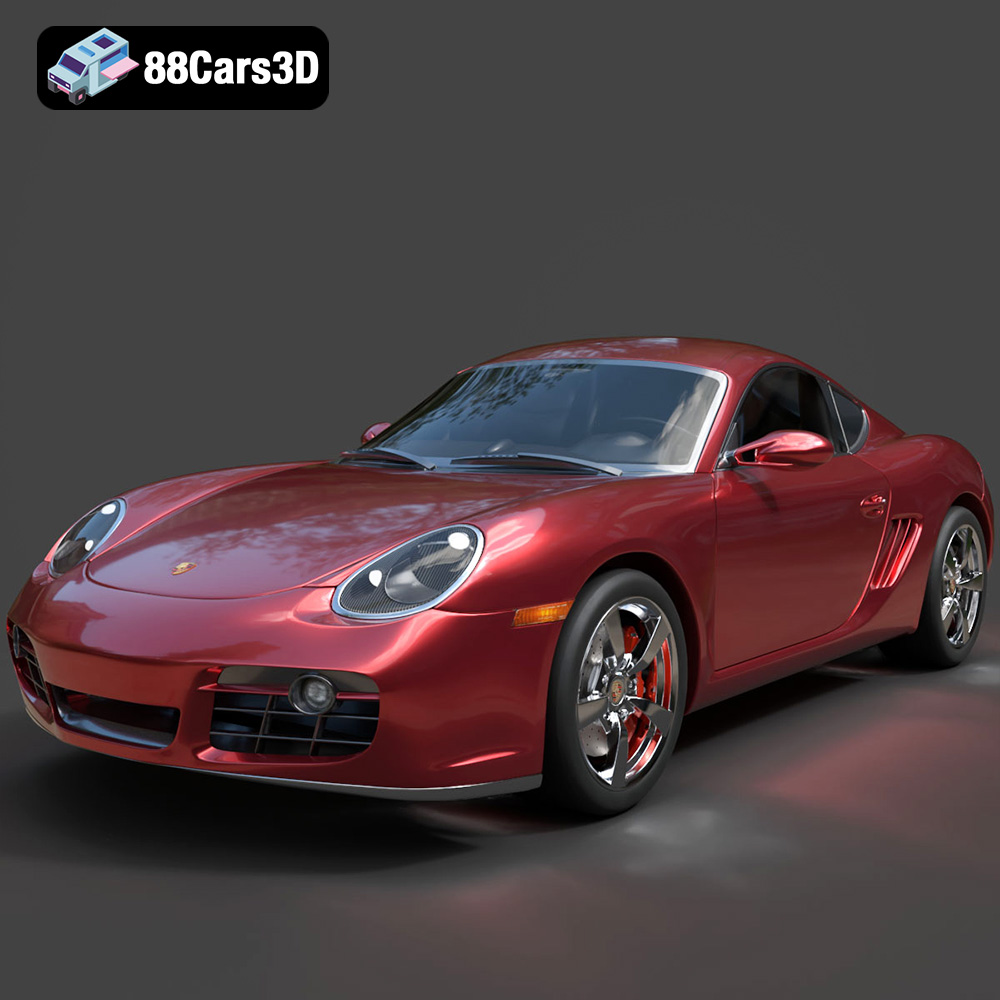
Download the Porsche Cayman S 2024 3D Model featuring clean geometry, realistic detailing, and a fully modeled interior. Includes .blend, .fbx, .obj, .glb, .stl, .ply, .unreal, and .max formats for rendering, simulation, and game development.
Price: $10
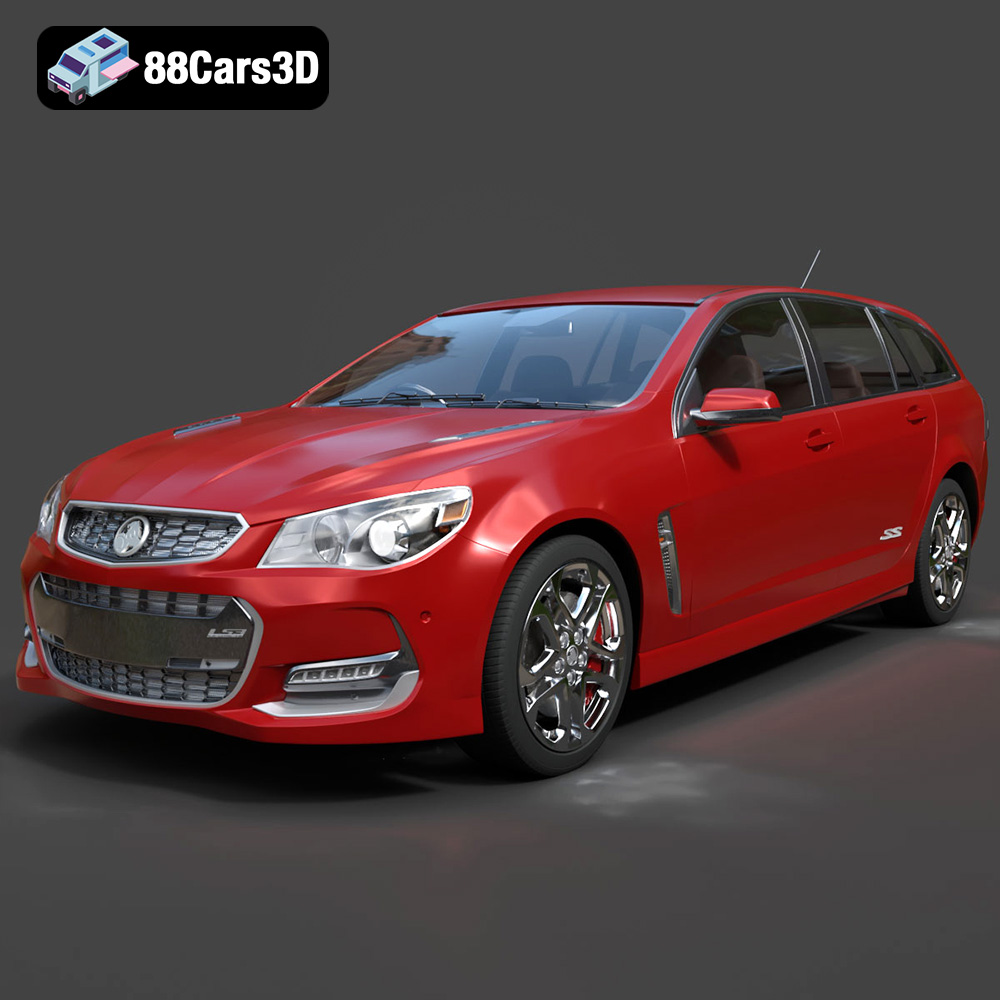
Texture: Yes
Material: Yes
Download the Holden Commodore Sportwagon 2017 3D Model featuring clean geometry, realistic detailing, and a fully modeled interior. Includes .blend, .fbx, .obj, .glb, .stl, .ply, .unreal, and .max formats for rendering, simulation, and game development.
Price: $10
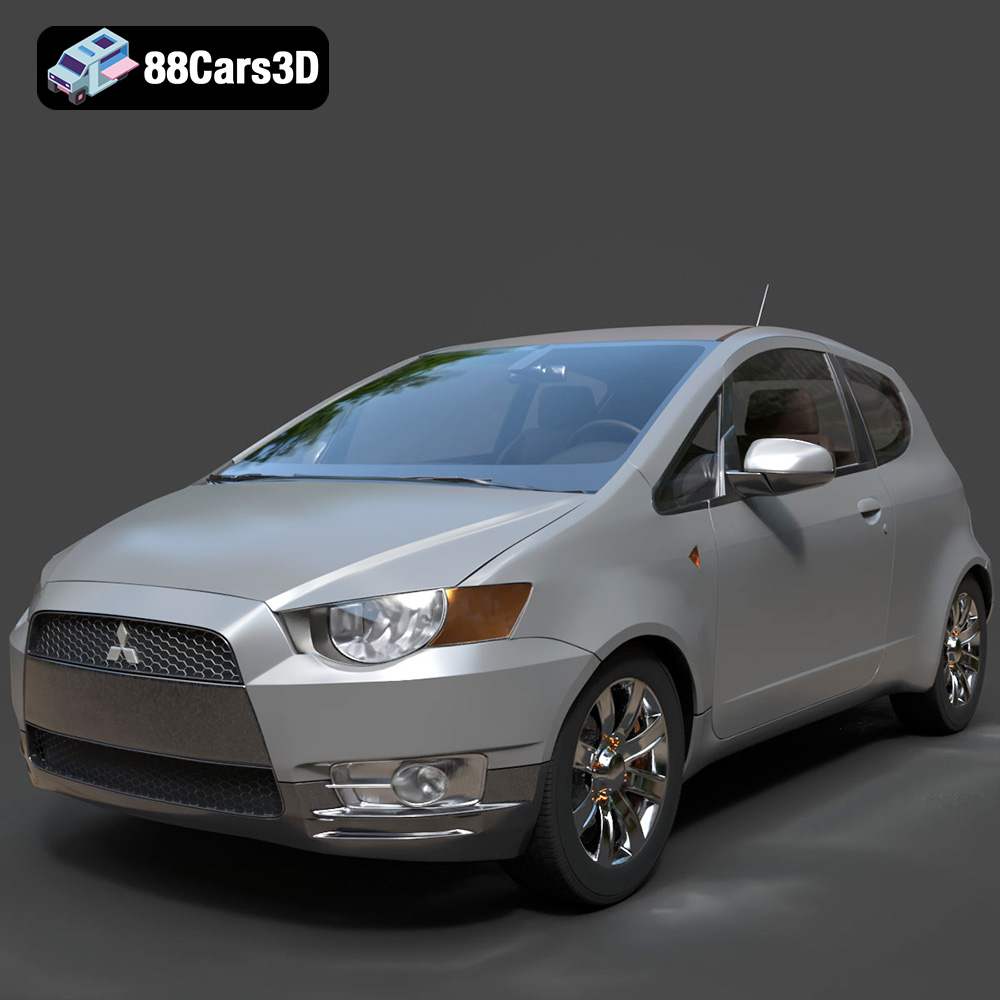
Texture: Yes
Material: Yes
Download the Mitsubishi Colt 3 Door 2008 3D Model featuring clean geometry, realistic detailing, and a fully modeled interior. Includes .blend, .fbx, .obj, .glb, .stl, .ply, .unreal, and .max formats for rendering, simulation, and game development.
Price: $10
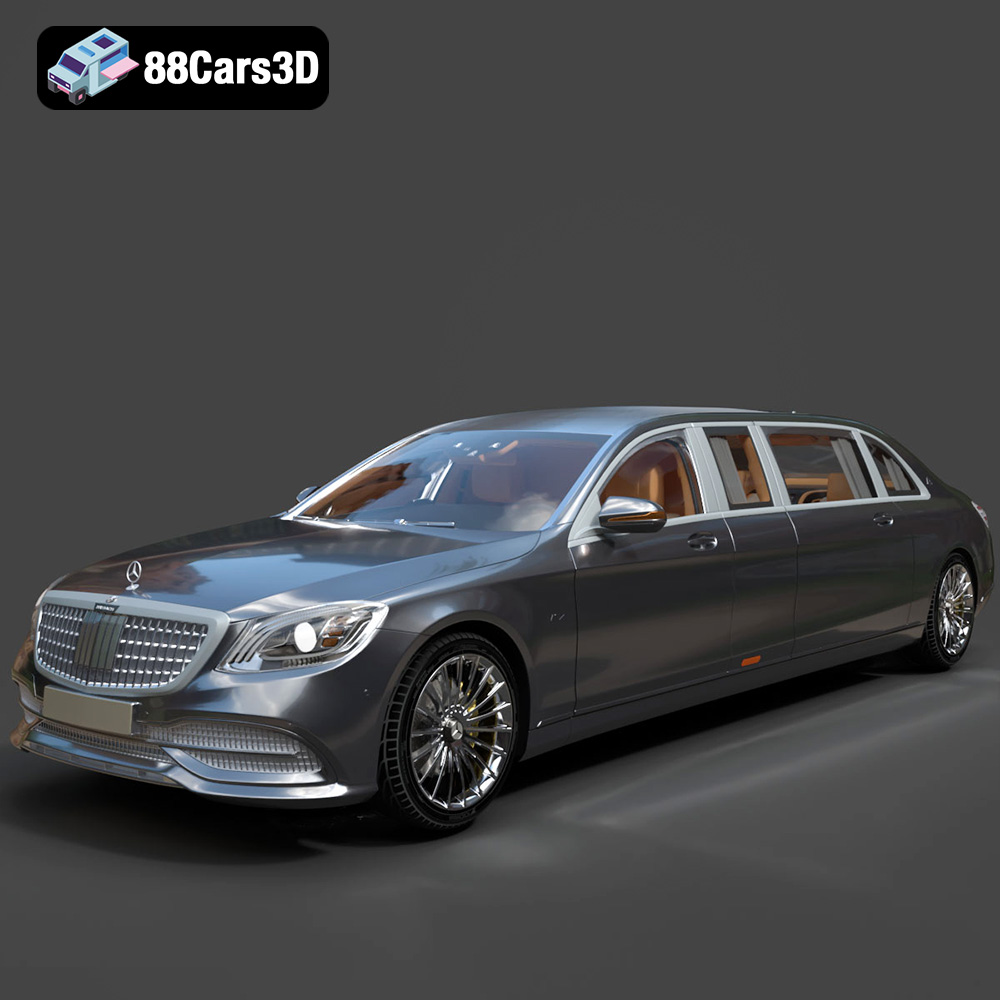
Texture: Yes
Material: Yes
Download the Mercedes-Benz S650 Pullman 3D Model featuring clean geometry, realistic detailing, and a fully modeled interior. Includes .blend, .fbx, .obj, .glb, .stl, .ply, .unreal, and .max formats for rendering, simulation, and game development.
Price: $95.99
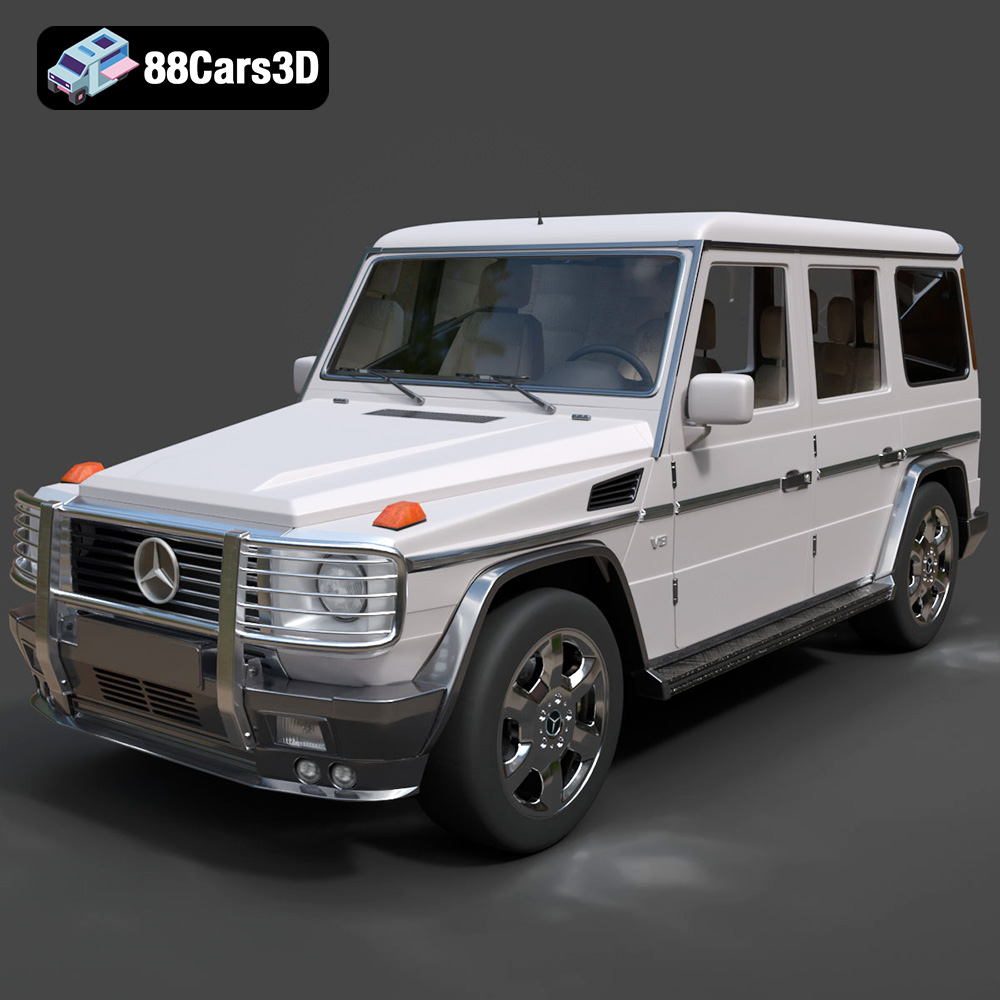
Texture: Yes
Material: Yes
Download the Mercedes G-Class SUV 2024 3D Model featuring clean geometry, realistic detailing, and a fully modeled interior. Includes .blend, .fbx, .obj, .glb, .stl, .ply, .unreal, and .max formats for rendering, simulation, and game development.
Price: $10
Texture: Yes
Material: Yes
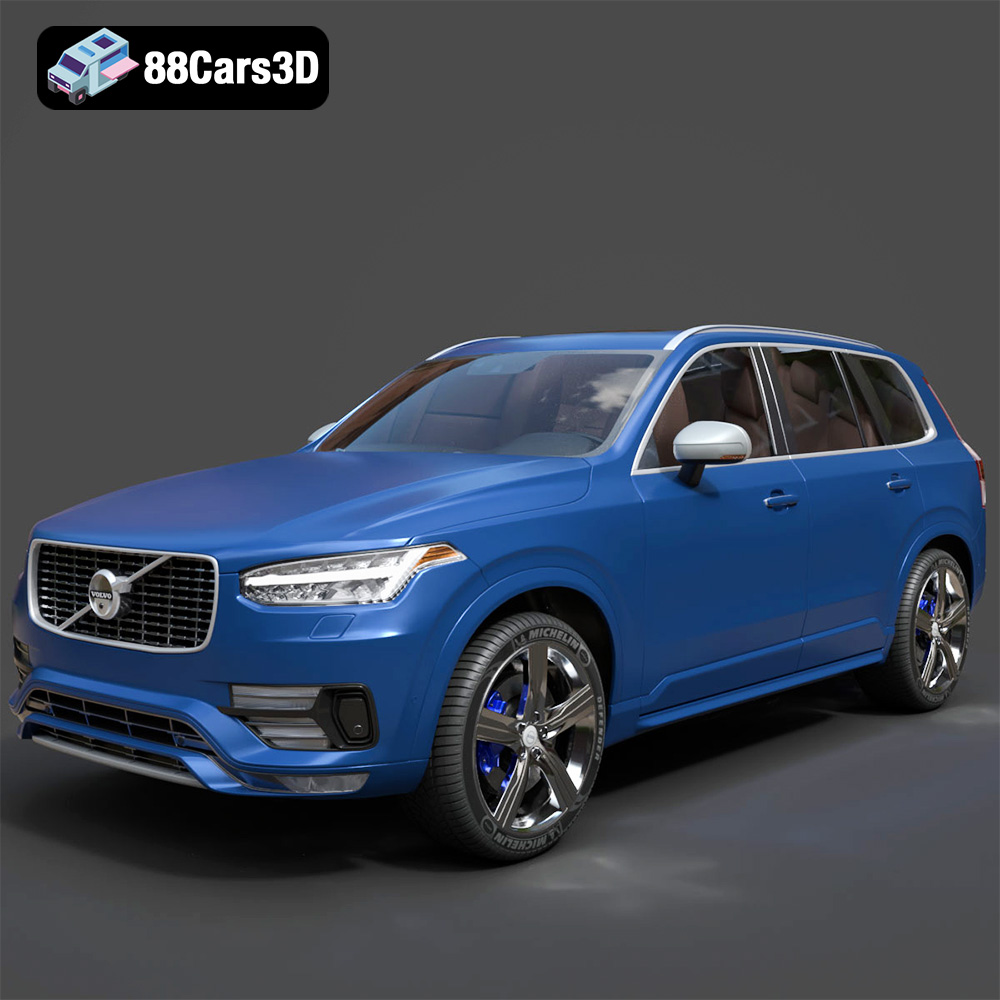
Download the Volvo XC90 R-Design 2015 3D Model featuring clean geometry, realistic detailing, and a fully modeled interior. Includes .blend, .fbx, .obj, .glb, .stl, .ply, .unreal, and .max formats for rendering, simulation, and game development.
Price: $10

