Get 50% OFF All Premium 3D & STL Models!

The world of automotive visualization has undergone a seismic shift. Gone are the days of long render times and static imagery being the only way to showcase a vehicle’s design. Today, Unreal Engine 5 stands at the forefront of this revolution, empowering artists, designers, and developers to create breathtakingly realistic, interactive, and cinematic automotive experiences in real-time. The ability to explore every curve, customize every finish, and see light play across surfaces instantly has transformed everything from car configurators to marketing campaigns and virtual production. This guide is your roadmap to harnessing this power. We will journey through the entire workflow, from preparing your project and importing high-quality 3D car models, to mastering PBR materials, leveraging the groundbreaking Lumen and Nanite systems, building interactivity with Blueprint, and crafting stunning cinematics with Sequencer. By the end, you’ll have the foundational knowledge to turn a static model into a dynamic masterpiece.
A successful project is built on a solid foundation. Before you even think about importing a model, configuring your Unreal Engine project correctly and preparing your assets meticulously is paramount. This initial stage dictates the quality, performance, and scalability of your entire automotive visualization. Taking the time to set up your environment properly will save you countless hours of troubleshooting down the line and ensure that Unreal Engine’s powerful features can operate at their full potential.
When creating a new project in Unreal Engine, the template you choose matters. For most automotive visualization work, starting with the Blank template under the ‘Games’ category or the Film/Video & Live Events category provides a clean slate. Once the project is open, a few key settings need to be adjusted:
Edit > Plugins. Search for and enable the “HDRI Backdrop” plugin for easy environment lighting and the “USD Importer” if you plan on working with Universal Scene Description files. You may need to restart the editor after enabling them.Edit > Project Settings. Under the ‘Rendering’ section, ensure ‘Dynamic Global Illumination Method’ is set to Lumen and ‘Reflection Method’ is also set to Lumen. For the highest fidelity, you can enable ‘Use Hardware Ray Tracing when available’ if your GPU supports it, which will enhance Lumen’s reflection and GI quality.These settings prime your project for the high-end real-time rendering required for photorealistic vehicles.
The quality of your final render is directly proportional to the quality of your source model. A poorly constructed model with bad topology or messy UVs will cause endless headaches with texturing, lighting, and performance. This is why sourcing assets from reputable marketplaces is crucial. Platforms like 88cars3d.com offer professionally crafted 3D car models that are specifically optimized for real-time engines, featuring clean topology, proper scale, and well-laid-out UVs. When you acquire a model, ensure it is available in a compatible format like FBX or USD, which are the industry standards for Unreal Engine.
Let’s break down why these two elements are so critical. Clean Topology refers to the efficient and logical flow of polygons (quads, primarily) that define the model’s shape. Good topology ensures that surfaces deform smoothly (important for animations like opening doors) and that lighting reflects accurately across curved surfaces without visual artifacts. UV Mapping is the process of unwrapping the 3D model’s surface into a 2D space so that textures can be applied correctly. Non-overlapping, distortion-free UVs are essential for applying detailed textures like decals, dirt maps, or complex PBR materials without stretching or seams. A model prepared for visualization should have multiple UV channels: one for general texturing and another for lightmaps, if you choose to use baked lighting in any part of your scene.
With a prepared asset and a configured project, the next step is bringing your vehicle into the Unreal Engine environment. This is more than a simple file import; it’s a critical optimization step where you decide how the engine will handle the model’s geometry. Unreal Engine 5 offers a revolutionary feature, Nanite, which has completely changed the game for handling high-polygon assets, making traditional optimization methods less of a bottleneck for high-end visualization.
FBX has long been the standard format for importing assets into Unreal Engine. When importing an FBX car model, you’ll be presented with an import dialog. A crucial setting here is ‘Combine Meshes’. For a car, you almost never want to enable this. You want the car to be imported as a collection of its individual parts (body, wheels, windows, calipers, etc.) so you can apply different materials to each. This is typically achieved by exporting the model from your 3D software with distinct objects. Another important option is to ensure ‘Import Materials’ is checked if the FBX contains basic material assignments.
USD (Universal Scene Description) is a newer, more powerful format, especially for complex scenes. It can contain geometry, materials, lighting, and even animation in a single file structure, making it ideal for collaborative workflows. Importing a USD file via the File > Import Into Level menu offers a non-destructive workflow, where changes in the source USD file can be easily updated in the Unreal scene.
Nanite is arguably one of Unreal Engine 5’s most transformative features for automotive visualization. It’s a virtualized geometry system that intelligently streams and renders only the detail you can perceive on screen. This means you can import multi-million polygon models—the kind previously reserved for offline cinematic renders—and have them run smoothly in real-time. To enable Nanite on an imported mesh, simply open the Static Mesh editor by double-clicking the asset, find the ‘Nanite Settings’ in the Details panel, and check the ‘Enable Nanite Support’ box. After applying changes, the engine will process the mesh. You can then view the Nanite visualization modes in the main viewport to confirm it’s working. This allows you to use a 2-million-poly car body without ever worrying about creating manual LODs for it.
Before Nanite, the standard for performance was creating several Levels of Detail (LODs) for each mesh. A high-poly LOD0 would be used when the camera is close, switching to a lower-poly LOD1, then LOD2, as the camera moves away. This was a time-consuming manual process. While Nanite effectively replaces this for most static geometry, there are still cases where manual LODs are relevant. For example, Nanite does not yet fully support skeletal meshes with complex deformations or certain material types like translucent glass with specific rendering features. For elements like wheels that will be animated to spin, you might still consider a traditional LOD approach for maximum performance in a game context, though for high-end configurators, keeping them as high-poly Nanite meshes is often perfectly fine. For the main car body, Nanite is almost always the superior choice, delivering cinematic quality with real-time performance.
A perfect model with poor materials will look flat and unconvincing. The Unreal Engine Material Editor is an incredibly powerful node-based system that allows you to create physically accurate and visually stunning surfaces. Mastering its principles, particularly the Physically Based Rendering (PBR) workflow, is essential for achieving photorealism in your automotive scenes. Every surface, from the deep gloss of the car paint to the subtle grain of the interior leather, is defined here.
Physically Based Rendering (PBR) is a methodology that aims to simulate how light interacts with materials in the real world. Instead of faking visuals, you define a material’s core physical properties. The primary inputs you’ll work with are:
By providing accurate values and textures for these inputs, you can create nearly any material imaginable.
Creating a unique material for every paint color is inefficient. The professional workflow is to create a single Master Material with exposed parameters. This allows you to create infinite variations by simply creating Material Instances and tweaking the parameters. A good car paint material utilizes the Clear Coat shading model in the Material Editor’s Details panel. This adds a secondary layer of reflections, simulating the protective lacquer coat on top of the base paint.
Here’s a basic structure for a car paint master material:
Once this master material is created, you can right-click it and create a Material Instance for “Red Paint,” another for “Blue Metallic,” and so on, simply by changing the parameter values.
Beyond basic paint, automotive visualization requires several other complex materials. For Carbon Fiber, you’ll use a PBR texture set with a specific normal map for the weave pattern and an anisotropic roughness map to make reflections stretch along the weave’s direction. For Glass, you’ll set the material’s Blend Mode to ‘Translucent’. Key parameters to control are Refraction (how much light bends as it passes through) and Opacity. High-quality automotive glass often has a slight tint, which can be added to the Base Color. For things like brake light plastic, you can use a Translucent material and connect a color to the Emissive input to make it glow when the lights are on. Learning these advanced techniques is a continual process, and the official Unreal Engine documentation is an invaluable resource for exploring the depths of the Material Editor.
Lighting can make or break the realism of your scene. It’s what reveals the form of the car, highlights its design lines, and grounds it in the environment. Unreal Engine 5’s Lumen Global Illumination and Reflections system is a game-changer, providing dynamic, high-quality lighting that reacts instantly to any changes in the scene without the need for light baking.
Lumen is a fully dynamic global illumination (GI) and reflection system. In simple terms, this means that light bounces around the scene realistically in real-time. If you place a bright red car in a white room, Lumen will automatically calculate the red light that should bounce off the car and tint the nearby white walls. It also provides high-quality reflections on all surfaces, including rough ones. When combined with a high-quality 3D car model, Lumen brings out the subtle details in the materials and geometry. In your project settings, ensuring Lumen is the selected method for GI and Reflections is all you need to do to enable it. You can then choose between Software and Hardware Ray Tracing modes for Lumen, with Hardware mode providing more accurate results at a higher performance cost.
The fastest way to achieve realistic lighting and reflections for an automotive scene is to use an HDRI (High Dynamic Range Image). The HDRI Backdrop actor simplifies this process immensely. You can drag it into your scene from the Place Actors panel, and it will create a sky dome that is both a light source and a visible background. In its Details panel, you can assign a “Cubemap” texture—your HDRI file. The actor will automatically use the image to light the scene, creating soft, realistic shadows and detailed reflections on your car’s surface. You can easily adjust the intensity of the light, the size of the backdrop, and its rotation to find the perfect angle for your reflections.
While an HDRI provides excellent base lighting, professional shots often require additional, carefully placed lights to act as highlights or fill lights. Rect Lights (Rectangle Lights) are perfect for this, as they simulate the softbox lights used in real-world photography studios. You can place them around the car to create sharp, controlled specular highlights along the body lines, making the car’s design “pop.”
Finally, the Post Process Volume is your digital darkroom. By adding one to your scene and setting its ‘Infinite Extent’ to true, you can apply scene-wide color grading and camera effects. You can adjust Exposure, Contrast, Bloom (for a soft glow on bright areas), and Chromatic Aberration to achieve a specific cinematic mood. Fine-tuning these settings is the final step in crafting a visually stunning image.
A major advantage of real-time rendering is the ability to create interactive experiences. Instead of just looking at a static car, users can engage with it—change its color, open its doors, or turn on its headlights. Unreal Engine’s visual scripting system, Blueprint, allows artists and designers to build this complex functionality without writing a single line of code.
Blueprint is a node-based system where you connect visual blocks (nodes) that represent functions, events, and variables to create logic. It can seem intimidating at first, but the core concept is simple: “When X happens, do Y.” For an artist, Blueprint is a powerful tool for adding life to a scene. To get started, you can create a new Blueprint Actor, add your car’s static meshes as components within it, and then start adding logic in the Event Graph. This encapsulates all the car’s parts and logic into one self-contained, reusable object.
An automotive configurator is a classic interactive use case. A simple color-changing system can be built with surprisingly little effort. The logic is as follows:
This same logic can be extended for swapping wheels. You would use a “Set Static Mesh” node on the wheel components instead of a “Set Material” node. This simple but powerful setup forms the basis of professional-grade car configurators.
To make the experience even more immersive, you can allow users to trigger animations. To make a door open, you could place a “Box Trigger” volume next to the door handle. In the Level Blueprint, you can use the “OnActorBeginOverlap” event for that trigger box. When the player walks into the box, you can fire off a timeline in your car’s Blueprint. The Timeline node can smoothly animate the door’s rotation from its closed to its open position over a few seconds. A similar logic can be used to toggle lights: an input event (like pressing the ‘L’ key) can trigger a “Flip Flop” node that alternately calls functions to turn the emissive parameter on the headlight materials up and down.
Beyond interactivity, Unreal Engine is a powerhouse for creating cinematic content. Sequencer, Unreal’s non-linear, real-time animation and cinematography editor, allows you to direct and film your virtual car just as you would in a real-world film shoot. This is perfect for creating marketing videos, product showcases, and stunning portfolio pieces.
Sequencer works with a “Level Sequence” asset. Once you create one, you can open it and begin adding actors from your scene to it, including your car and, most importantly, cameras. The Cine Camera Actor is the preferred choice as it mimics the settings of a real-world camera, with adjustable Focal Length, Aperture (for depth of field), and sensor size. You can create multiple cameras and use the “Camera Cuts” track in Sequencer to switch between them, effectively editing your film in real-time. This allows you to set up a wide establishing shot, a dramatic low-angle shot, and a detailed close-up shot, all within the same sequence.
Once your car is in the Sequencer timeline, you can keyframe its Transform property. By setting a keyframe at the start of the timeline, moving the playhead forward, moving the car to a new position, and setting another keyframe, you can create smooth vehicle motion. You can do the same for your cameras, creating elegant dolly, crane, and pan shots. A key professional technique is animating the camera’s focus. By enabling keyframing on the Cine Camera’s “Manual Focus Distance” property, you can create dynamic focus pulls, shifting the viewer’s attention from the front grille to the rear spoiler, adding a layer of professional polish to your cinematic.
When your sequence is complete, it’s time to render. While you can play it in real-time, for the absolute best quality, you’ll use the Movie Render Queue. This tool offers a host of advantages over legacy rendering methods. It allows you to render your sequence out as an image sequence (e.g., EXR or PNG) with advanced settings like anti-aliasing overrides and higher sample counts for motion blur. This provides much higher quality than a direct video export and gives you maximum flexibility for post-production work in software like DaVinci Resolve or After Effects. Rendering with the Movie Render Queue ensures your final cinematic looks as crisp and clean as possible.
We’ve traveled the entire pipeline, from the foundational steps of project configuration to the final polish of a cinematic render. We’ve seen how a meticulously prepared 3D car model is the essential starting point, and how powerful Unreal Engine 5 tools like Nanite and Lumen remove previous technical barriers, allowing for unprecedented realism in real-time. We’ve explored how to craft lifelike PBR materials that react realistically to light, how to build engaging interactive experiences with Blueprint, and how to tell compelling visual stories with Sequencer. The power to create stunning, interactive automotive visualization is more accessible than ever before. The key is to combine high-quality assets with a solid understanding of the engine’s core features. Your next step is to take these concepts and apply them. Start a new project, find a high-fidelity vehicle model from a marketplace such as 88cars3d.com, and begin experimenting. Follow the workflows outlined here, and you will be well on your way to mastering the art of real-time automotive rendering in Unreal Engine 5.

Texture: Yes
Material: Yes
Download the Mercedes S-Class 2024 3D Model featuring clean geometry, realistic detailing, and a fully modeled interior. Includes .blend, .fbx, .obj, .glb, .stl, .ply, .unreal, and .max formats for rendering, simulation, and game development.
Price: $10
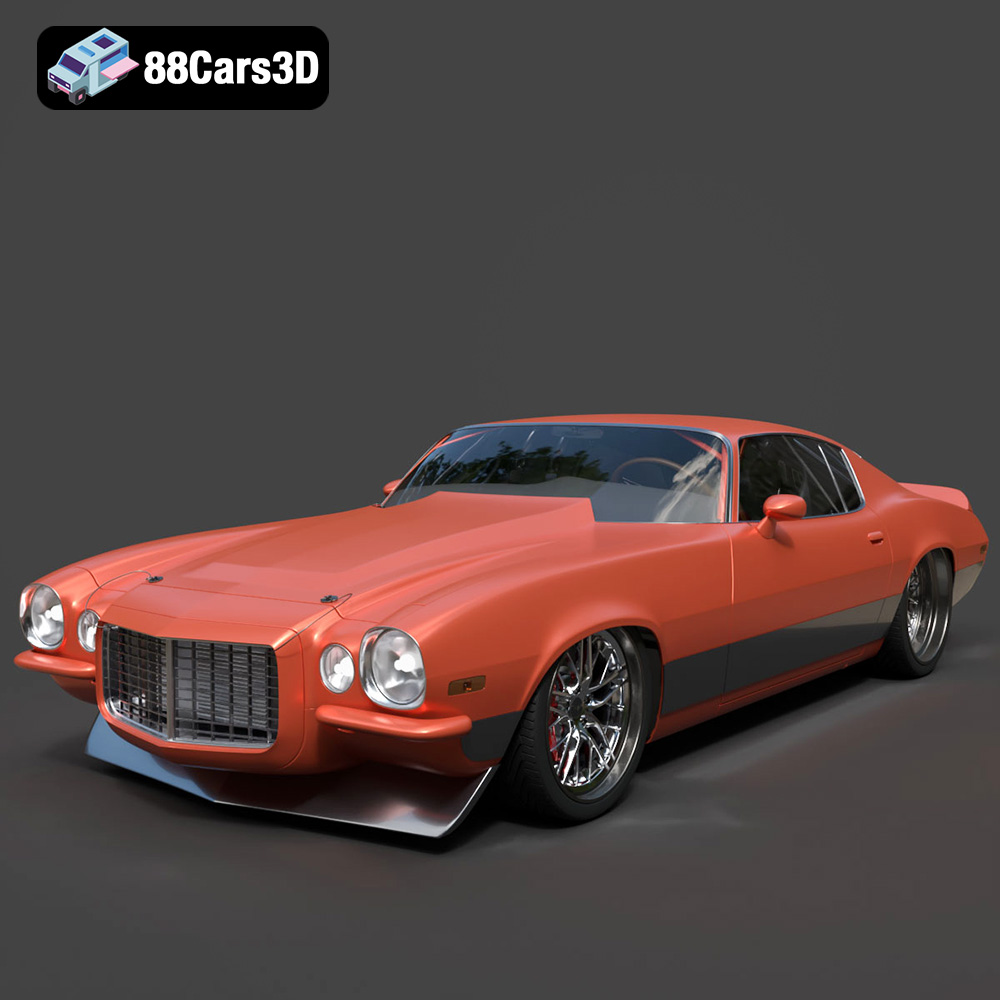
Texture: Yes
Material: Yes
Download the Chevrolet Camaro 1970 3D Model featuring clean geometry, realistic detailing, and a fully modeled interior. Includes .blend, .fbx, .obj, .glb, .stl, .ply, .unreal, and .max formats for rendering, simulation, and game development.
Price: $10
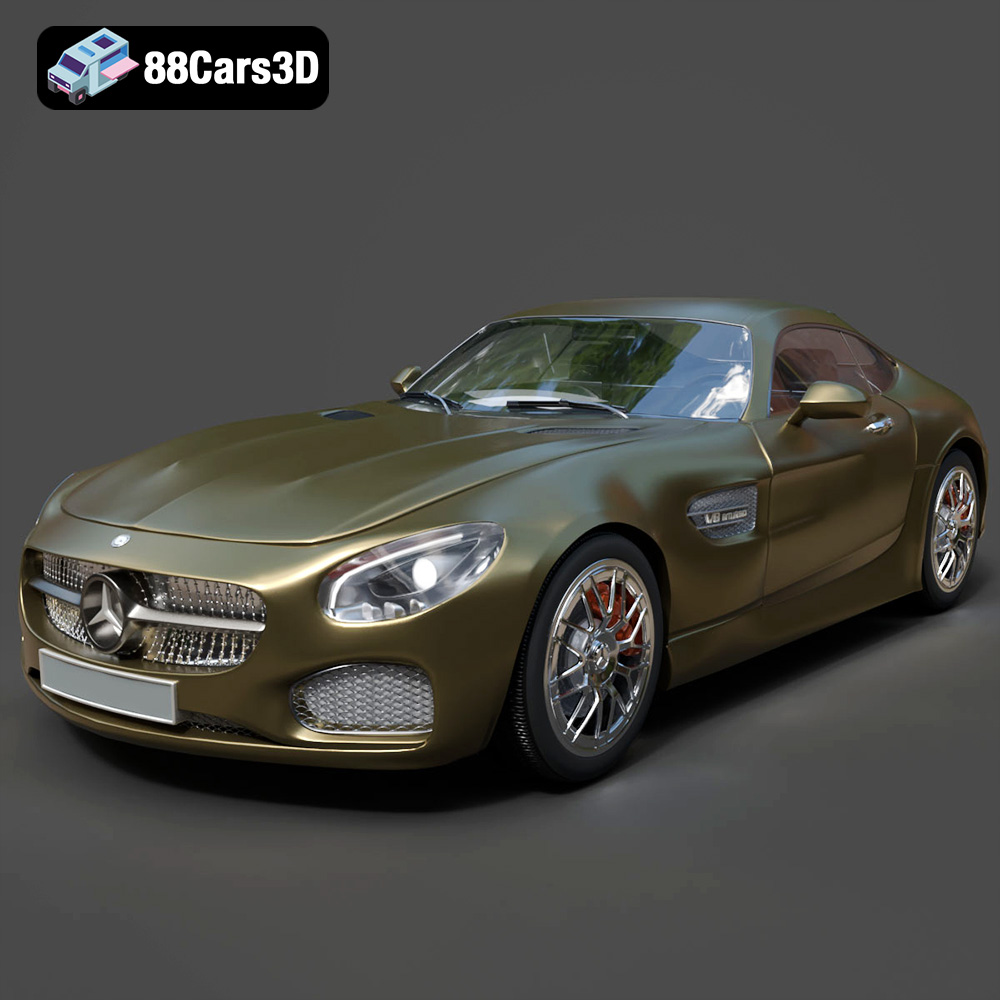
Texture: Yes
Material: Yes
Download the Mercedes-AMG GT 2015 3D Model featuring clean geometry, realistic detailing, and a fully modeled interior. Includes .blend, .fbx, .obj, .glb, .stl, .ply, .unreal, and .max formats for rendering, simulation, and game development.
Price: $88.99
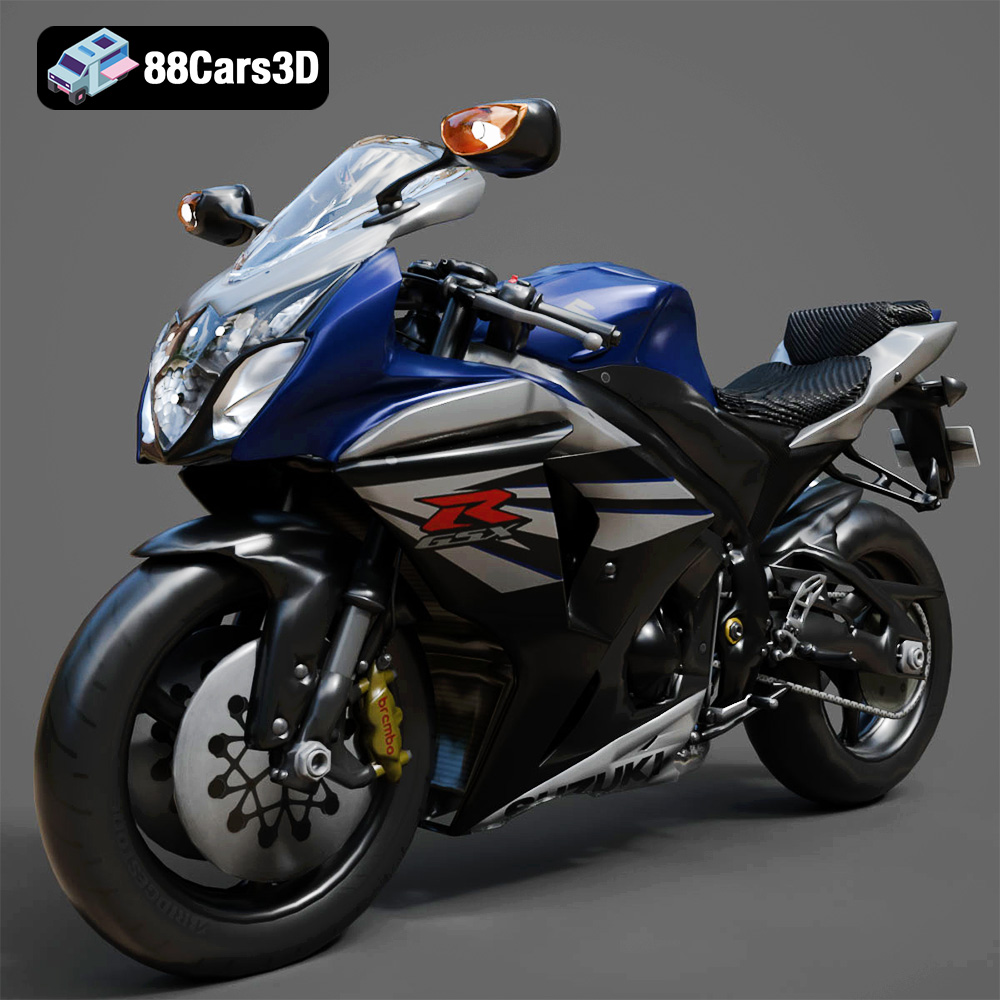
Texture: Yes
Material: Yes
Download the Suzuki GSX-R 1000 3D Model featuring clean geometry, realistic detailing, and a fully modeled interior. Includes .blend, .fbx, .obj, .glb, .stl, .ply, .unreal, and .max formats for rendering, simulation, and game development.
Price: $10
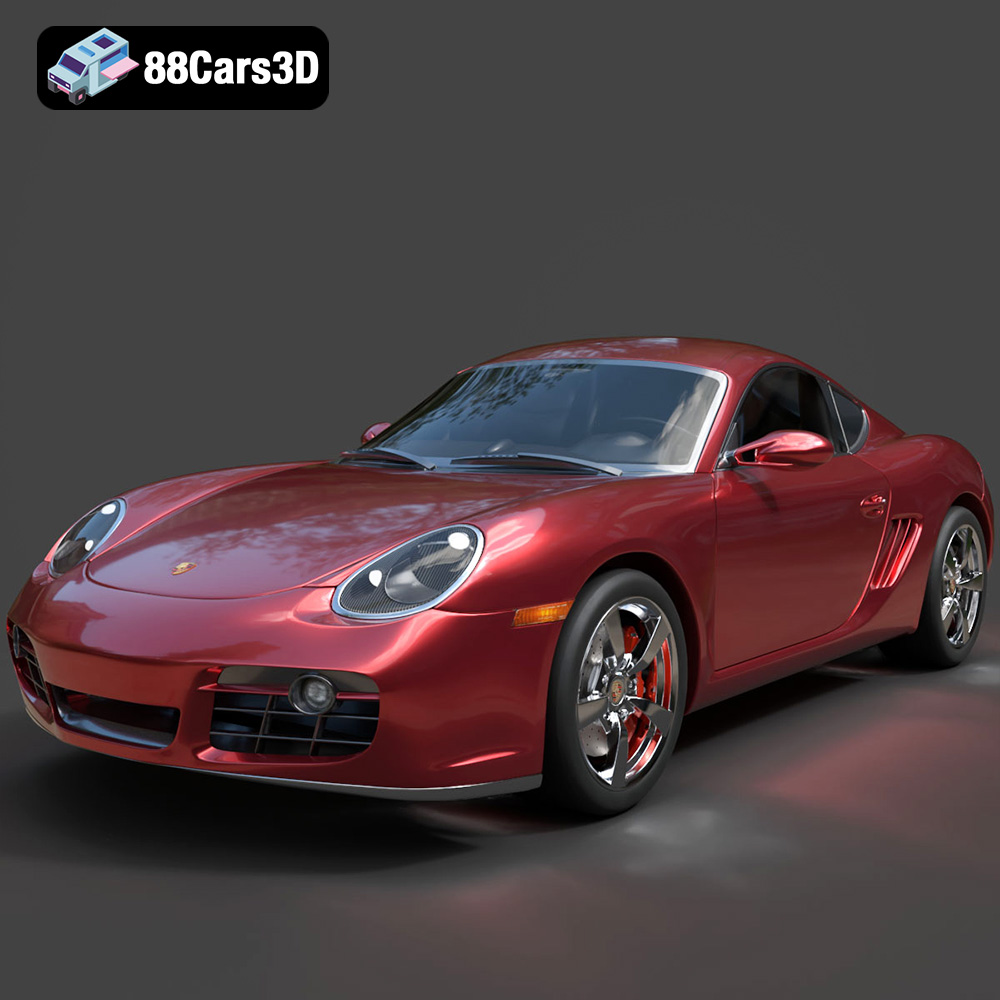
Texture: Yes
Material: Yes
Download the Porsche Cayman S 2024 3D Model featuring clean geometry, realistic detailing, and a fully modeled interior. Includes .blend, .fbx, .obj, .glb, .stl, .ply, .unreal, and .max formats for rendering, simulation, and game development.
Price: $10
Texture: Yes
Material: Yes
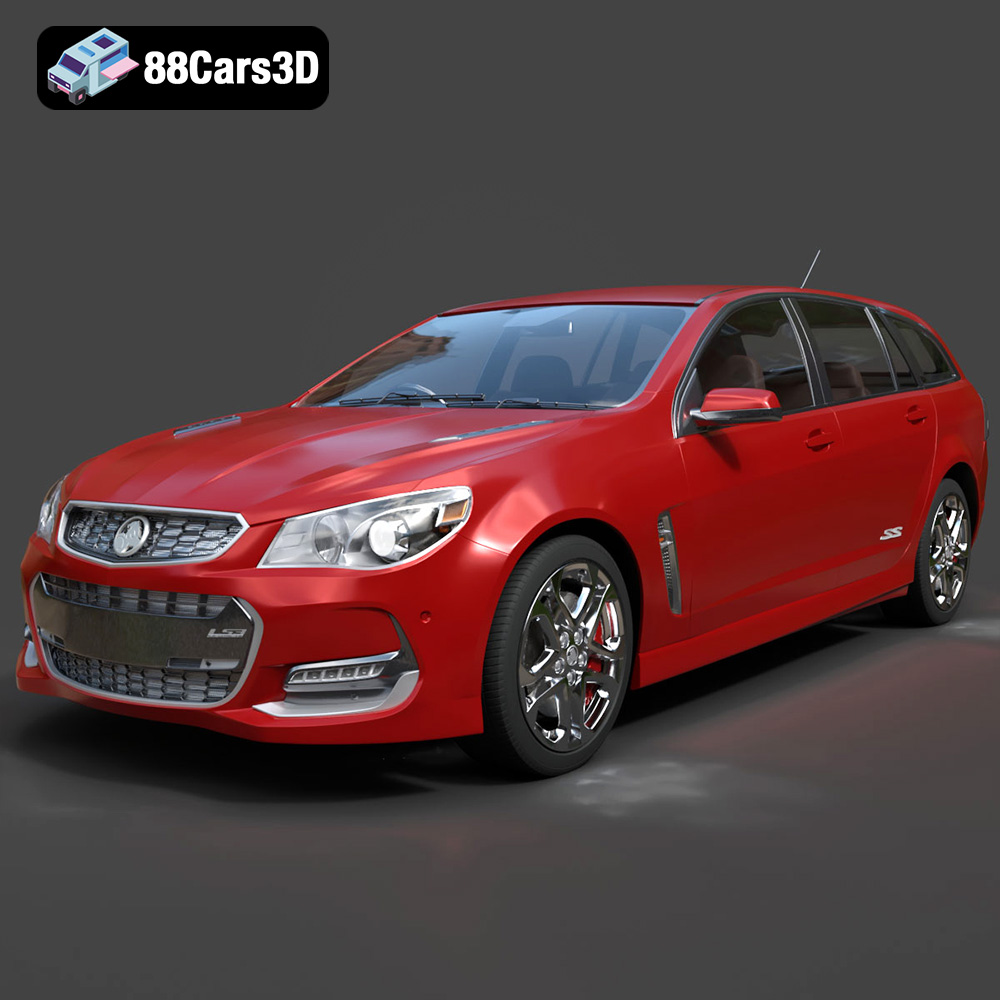
Download the Holden Commodore Sportwagon 2017 3D Model featuring clean geometry, realistic detailing, and a fully modeled interior. Includes .blend, .fbx, .obj, .glb, .stl, .ply, .unreal, and .max formats for rendering, simulation, and game development.
Price: $10
Texture: Yes
Material: Yes
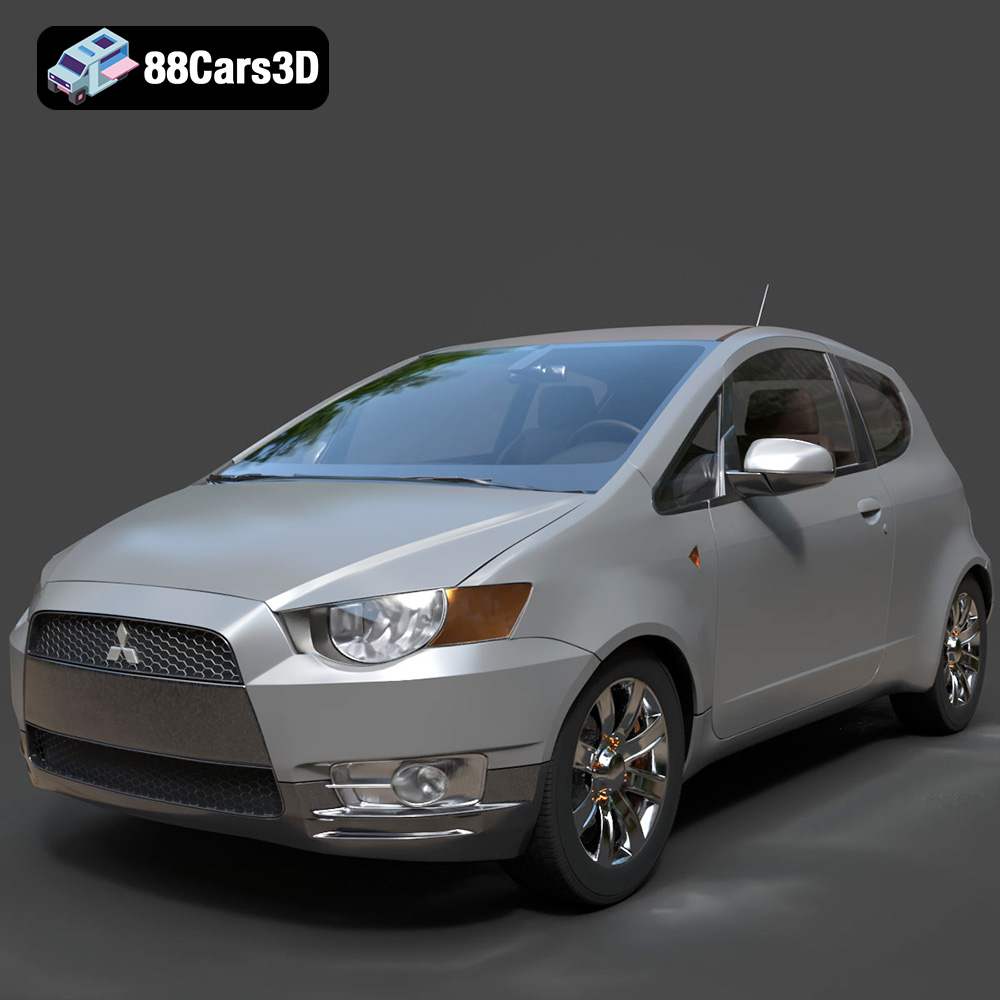
Download the Mitsubishi Colt 3 Door 2008 3D Model featuring clean geometry, realistic detailing, and a fully modeled interior. Includes .blend, .fbx, .obj, .glb, .stl, .ply, .unreal, and .max formats for rendering, simulation, and game development.
Price: $10
Texture: Yes
Material: Yes
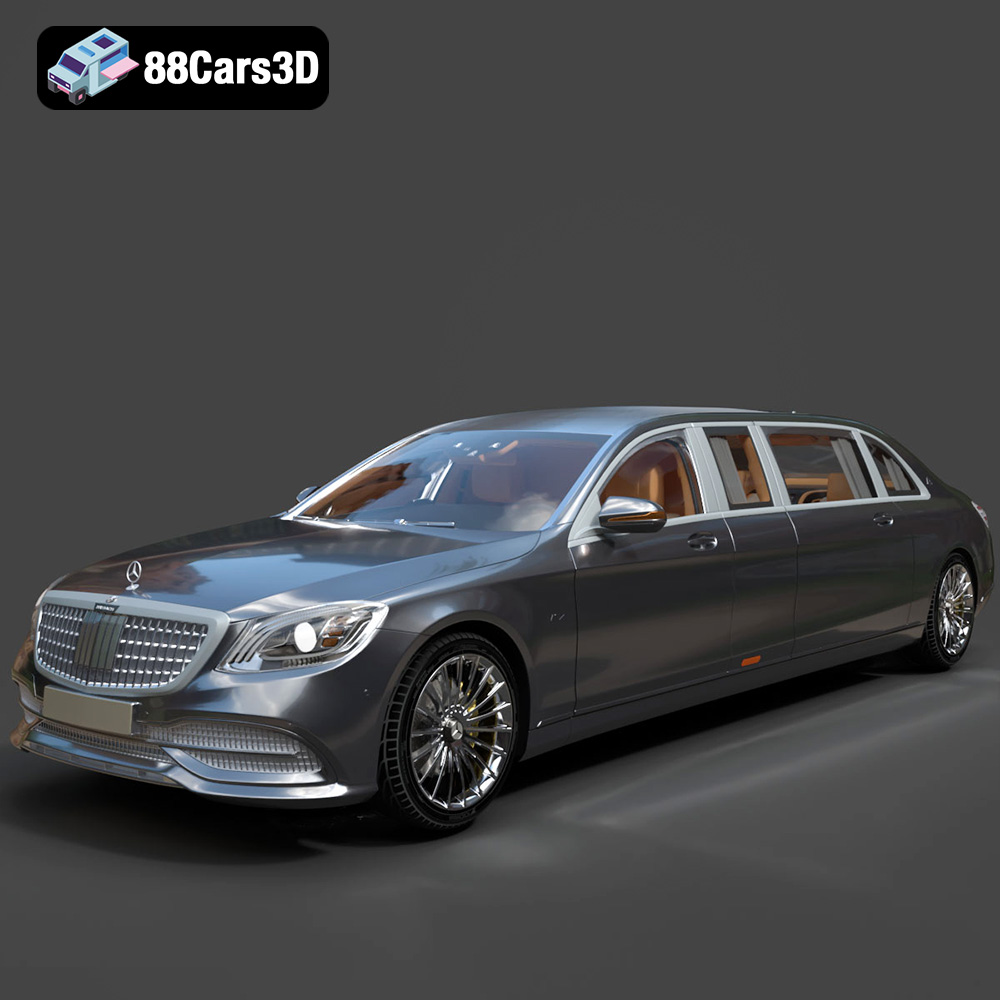
Download the Mercedes-Benz S650 Pullman 3D Model featuring clean geometry, realistic detailing, and a fully modeled interior. Includes .blend, .fbx, .obj, .glb, .stl, .ply, .unreal, and .max formats for rendering, simulation, and game development.
Price: $95.99
Texture: Yes
Material: Yes
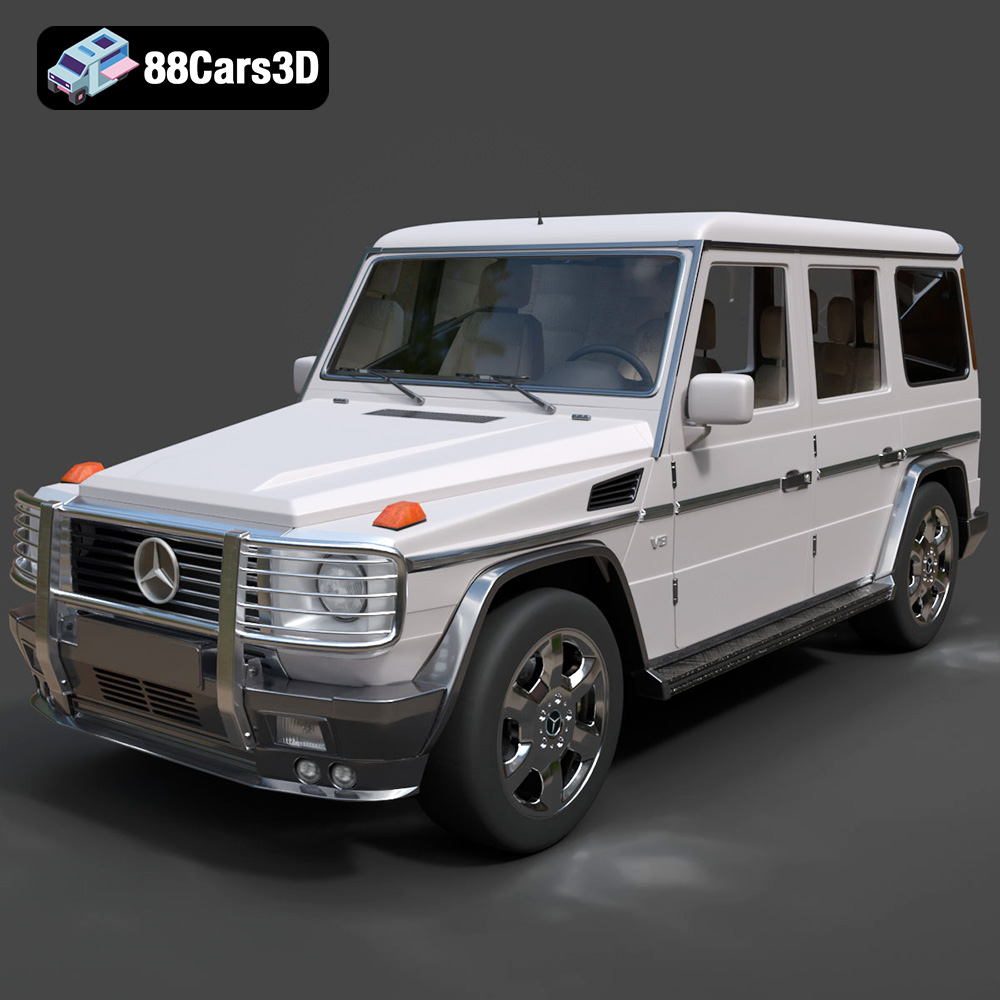
Download the Mercedes G-Class SUV 2024 3D Model featuring clean geometry, realistic detailing, and a fully modeled interior. Includes .blend, .fbx, .obj, .glb, .stl, .ply, .unreal, and .max formats for rendering, simulation, and game development.
Price: $10
Texture: Yes
Material: Yes
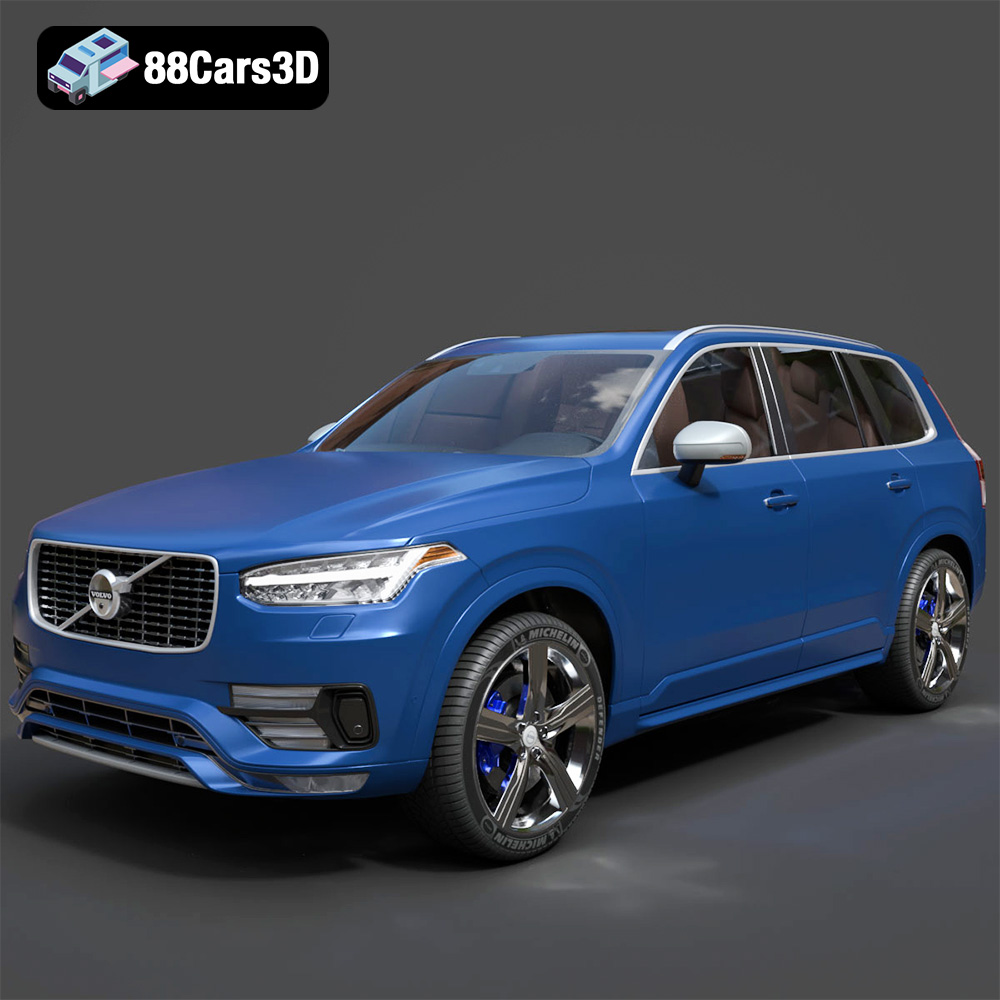
Download the Volvo XC90 R-Design 2015 3D Model featuring clean geometry, realistic detailing, and a fully modeled interior. Includes .blend, .fbx, .obj, .glb, .stl, .ply, .unreal, and .max formats for rendering, simulation, and game development.
Price: $10

