Get 50% OFF All Premium 3D & STL Models!

The world of automotive visualization is undergoing a seismic shift. For decades, generating photorealistic images and animations of vehicles was the domain of offline, ray-traced render engines, a process that demanded immense computational power and hours—sometimes days—of waiting. Today, the power of real-time rendering, spearheaded by platforms like Unreal Engine, has democratized the creation of stunning, interactive, and dynamic automotive experiences. No longer are we limited to static beauty shots; we can now build fully interactive car configurators, immersive VR test drives, and cinematic-quality commercials, all rendered in the blink of an eye. This transformation empowers artists, designers, and marketers to iterate faster, engage customers more deeply, and showcase automotive designs with unprecedented realism and flexibility.
This comprehensive guide will take you on a deep dive into the complete workflow for creating professional automotive visualizations in Unreal Engine 5. We will journey from the essential first steps of project setup and asset preparation to the cutting-edge techniques of crafting photorealistic materials, dynamic lighting with Lumen, and building interactive features with Blueprint. Whether you are a 3D artist aiming to elevate your portfolio, a game developer venturing into enterprise applications, or an automotive professional looking to harness real-time technology, this article will provide the technical knowledge and practical steps you need. We’ll explore how to leverage technologies like Nanite for unparalleled detail, Sequencer for creating breathtaking cinematics, and optimization strategies to ensure your project runs smoothly on any platform.
Before you can create breathtaking renders, you must lay a solid foundation. A well-structured project and properly prepared assets are non-negotiable for a smooth and efficient workflow in Unreal Engine. This initial phase is where you make critical decisions that will impact performance, visual quality, and the ease of development down the line. Rushing this stage often leads to technical debt, performance bottlenecks, and countless hours spent troubleshooting issues that could have been avoided. Taking the time to configure your project correctly and ensure your 3D assets are optimized for real-time use is the single most important investment you can make in your visualization’s success.
Unreal Engine offers several project templates to kickstart your development. For automotive visualization, the most common choices are the Games > Blank template for maximum control, or the Architecture, Engineering, and Construction > Collab Viewer template. The Collab Viewer is an excellent starting point as it comes pre-configured with useful tools for design review, including VR support and a basic user interface. However, for a truly custom experience, a blank project is often best. When setting up your project, ensure you select the following settings for the highest visual fidelity:
Once your project is created, it’s crucial to enable any necessary plugins. Navigate to Edit > Plugins and enable the Datasmith Importer. This powerful toolset is designed specifically for ingesting complex data from CAD and 3D design applications, preserving hierarchies, materials, and metadata far more effectively than a standard FBX import.
The quality of your final visualization is fundamentally limited by the quality of your source 3D car model. A model intended for real-time rendering is vastly different from one built for offline cinematic rendering or 3D printing. Key characteristics of a high-quality, game-ready automotive asset include:
Sourcing models that meet these criteria can be challenging. Marketplaces like 88cars3d.com specialize in providing 3D car models that are specifically optimized for real-time applications like Unreal Engine, saving you countless hours of manual cleanup and preparation.
While FBX is a common format, Datasmith is the superior choice for automotive and architectural assets. When you import a Datasmith file (.udatasmith), Unreal Engine creates a dedicated Datasmith Scene asset. This approach offers several advantages:
During import, you’ll be presented with options for geometry, materials, and lightmaps. For initial imports, it’s often best to let Datasmith create new materials and textures. You can disable the “Generate Lightmap UVs” option if you plan to use a fully dynamic lighting solution like Lumen.
Unreal Engine 5 introduced a revolutionary technology called Nanite Virtualized Geometry. Nanite fundamentally changes how we think about and handle geometric detail in real-time applications. For automotive visualization, where capturing every subtle curve and intricate detail is paramount, Nanite is a game-changer. It allows artists to use film-quality, high-polygon assets directly in the engine without the traditional, painstaking process of creating multiple Levels of Detail (LODs) or baking normal maps. This results in unprecedented visual fidelity and a more streamlined content creation pipeline.
Nanite is an intelligent geometry streaming and rendering system. It works by analyzing the 3D model and breaking it down into tiny, hierarchical clusters of triangles. At runtime, Nanite streams and renders only the clusters that are necessary to represent the model’s detail at the pixel level for the current camera view. This means a 10-million-polygon model and a 1-million-polygon model can have nearly identical performance costs if they occupy the same amount of screen space. For automotive visualization, this enables:
When working with Nanite, you can confidently source high-poly assets from platforms like 88cars3d.com, knowing that Unreal Engine can handle the geometric complexity with remarkable efficiency.
Enabling Nanite on a static mesh is incredibly straightforward. You can either check the “Build Nanite” option during the import process or enable it after the fact. To enable it on an existing mesh, simply open the Static Mesh Editor by double-clicking the asset in the Content Browser, find the Details panel, and under Nanite Settings, check the box for “Enable Nanite Support.” Click “Apply Changes,” and the engine will process the mesh.
You can verify that Nanite is working correctly using the viewport visualization modes. In the main viewport, click the “Lit” dropdown and navigate to Nanite Visualization. The available modes are invaluable for debugging:
While Nanite is revolutionary, it currently has some limitations. As of Unreal Engine 5.3, it does not support skeletal meshes (used for rigged characters), complex vertex animations, or materials using transparency with the “Masked” blend mode in certain configurations. For any components that cannot use Nanite, such as wheels that might be part of a vehicle physics rig (Skeletal Mesh) or glass with complex transparency, you must rely on traditional optimization methods. The primary method is creating Levels of Detail (LODs).
LODs are a series of lower-polygon versions of your mesh that the engine swaps in as the object gets further from the camera. You can either create these manually in a 3D modeling application and import them with your base mesh, or you can use Unreal Engine’s built-in automatic LOD generation tool. To access this, open the Static Mesh Editor, and under LOD Settings, you can specify the number of LODs to generate and the screen size at which each should become active. This is still a critical optimization technique for interactive experiences, especially for AR/VR applications or games where every ounce of performance counts.
A perfect 3D model is only half the story; its realism is brought to life through its materials. In Unreal Engine, this is achieved using a Physically-Based Rendering (PBR) workflow, which aims to simulate how light interacts with surfaces in the real world. The Material Editor is a powerful node-based interface that gives you complete control over every aspect of a surface’s appearance. For automotive visualization, mastering materials for car paint, glass, chrome, and plastics is essential for achieving a convincing and high-quality result.
The core of the PBR workflow revolves around a few key texture inputs that define a surface’s properties. When you source professional game assets, they typically come with these PBR textures.
Automotive paint is one of the most complex materials to replicate. It consists of multiple layers: a base paint layer, often with metallic flakes, and a smooth, reflective clear coat layer on top. Unreal Engine has a dedicated Shading Model specifically for this purpose.
To create a car paint material:
For advanced metallic flake effects, you can add a subtle, high-frequency noise texture to the base layer’s Normal input, giving the paint a sparkling appearance as light hits it from different angles.
Beyond the car paint, other materials complete the vehicle:
Lighting is the element that breathes life and emotion into your scene. It dictates the mood, highlights the form of the vehicle, and is the final ingredient for achieving photorealism. Unreal Engine 5’s Lumen Global Illumination and Reflections system is a revolutionary leap forward, providing fully dynamic, real-time bounced light and reflections without the need for lightmap baking or ray tracing setup. This allows for instant feedback and incredible flexibility when lighting your automotive scenes.
Lumen is Unreal Engine’s default dynamic global illumination (GI) and reflections solution. In simple terms, it simulates how light bounces off surfaces and indirectly illuminates other objects in the scene, which is crucial for creating soft, realistic shadows and color bleeding. It also provides high-quality reflections on glossy surfaces. Lumen can operate in two modes:
To get the most out of Lumen, ensure that “Dynamic Global Illumination Method” and “Reflection Method” are set to “Lumen” in your Project Settings. For detailed guidance on configuring your project for Lumen, the official Unreal Engine documentation at https://dev.epicgames.com/community/unreal-engine/learning is an indispensable resource.
The fastest way to achieve realistic product lighting is by using an Image-Based Lighting (IBL) setup with a High Dynamic Range Image (HDRI). This involves using a 360-degree panoramic image to cast light and reflections onto your scene.
The final polish for your scene comes from the Post Process Volume. This actor allows you to apply screen-space effects and color grading, much like you would in Adobe Photoshop or DaVinci Resolve. Add a Post Process Volume to your scene and enable the “Infinite Extent (Unbound)” setting to make its effects global.
Key settings to adjust for automotive scenes include:
Real-time rendering’s greatest advantage over traditional methods is interactivity. With Unreal Engine’s Blueprint visual scripting system, you can create compelling, interactive experiences like automotive configurators without writing a single line of code. Blueprint uses a node-based interface to create game logic, allowing artists and designers to build complex functionality in a visual and intuitive way. For automotive visualization, this can range from simple door animations to a fully-featured system for changing paint colors, wheel styles, and interior trims.
A Blueprint is an asset in Unreal Engine that encapsulates logic and functionality. The most common type is the Blueprint Class, which is essentially an object that can be placed in your world and can contain components (like Static Meshes or lights) and a graph of nodes that defines its behavior. The Event Graph is where you build this logic. It starts with red “Event” nodes (e.g., Event BeginPlay, Event Tick, or player input events), which trigger a flow of white “Execution” pins through a series of blue “Function” nodes that perform actions.
Let’s walk through a basic example: creating a system to change the car’s paint color when the user presses a key.
Now, when you place this Blueprint actor in your level and press ‘1’, the car’s paint will toggle between the two colors you selected. This simple logic is the foundation for building much more complex UI-driven configurators.
Interactivity can be extended to mechanical parts. To create an animated door opening, you can use the Timeline node in Blueprint. A Timeline allows you to animate a value (e.g., from 0 to 90 degrees) over a set period. You would use a user input event (like a mouse click on the door) to trigger the “Play” input on the Timeline. The Timeline’s “Update” execution pin would fire on every frame of the animation, and you would use its output value to drive the “Set Relative Rotation” node for the door mesh, creating a smooth opening and closing animation. This same principle can be applied to hoods, trunks, and even camera transitions for switching to an interior viewpoint.
While interactivity is powerful, there is still a high demand for traditional cinematic content like commercials, social media clips, and promotional videos. Unreal Engine’s Sequencer is a professional, non-linear cinematic editing and animation tool built directly into the editor. It allows you to choreograph complex scenes, animate objects and cameras, and render out high-quality video sequences using the powerful Movie Render Queue. It is the same tool used by filmmakers for virtual production and by game developers for creating in-game cutscenes.
To begin, you first create a Level Sequence asset. From the main toolbar, click the Cinematics dropdown and select “Add Level Sequence”. This creates the asset and opens the Sequencer editor at the bottom of the screen. The interface will be familiar to anyone who has used video editing software like Adobe Premiere Pro or DaVinci Resolve. It features a timeline on the right and a track list on the left. To add an object to Sequencer—like your car or a camera—simply select it in the viewport and click the “+ Track” button in Sequencer, choosing “Actor to Sequencer”.
A cinematic is only as good as its cinematography. Sequencer provides powerful tools for creating dynamic camera movements.
When it’s time to export your cinematic, avoid the legacy “Render Movie” button. Instead, use the Movie Render Queue (MRQ). It is a much more powerful and flexible rendering pipeline that provides higher quality results. To use it, you first need to enable its plugin. Then, open it from the Window > Cinematics menu.
Add your Level Sequence to the queue, and then click on its “Unsaved Config” to configure the output settings. MRQ offers significant advantages:
We’ve journeyed through the entire pipeline of creating state-of-the-art automotive visualizations in Unreal Engine 5. From establishing a robust project foundation with high-quality 3D car models to mastering the intricate details of PBR materials and dynamic lighting with Lumen, the power at your fingertips is immense. We’ve seen how game-changing technologies like Nanite unlock unprecedented geometric detail, while tools like Blueprint and Sequencer transform static renders into engaging interactive experiences and polished cinematic masterpieces. The barrier between real-time and offline photorealism has not just blurred; for many applications, it has completely vanished.
The key takeaway is that success in real-time rendering is built on a methodical approach. It begins with sourcing meticulously crafted assets, followed by a deep understanding of the engine’s core systems—materials, lighting, and rendering. By embracing this workflow, you can dramatically accelerate your creative process, produce visuals of staggering quality, and deliver interactive applications that were once the exclusive domain of large-scale development teams. Now is the time to open Unreal Engine, source a phenomenal automotive model, and begin applying these techniques. Start by perfecting a single material, then light a simple scene, and before you know it, you’ll be creating the kind of dynamic, photorealistic automotive content that defines the future of the industry.

Texture: Yes
Material: Yes
Download the Mercedes S-Class 2024 3D Model featuring clean geometry, realistic detailing, and a fully modeled interior. Includes .blend, .fbx, .obj, .glb, .stl, .ply, .unreal, and .max formats for rendering, simulation, and game development.
Price: $10

Texture: Yes
Material: Yes
Download the Chevrolet Camaro 1970 3D Model featuring clean geometry, realistic detailing, and a fully modeled interior. Includes .blend, .fbx, .obj, .glb, .stl, .ply, .unreal, and .max formats for rendering, simulation, and game development.
Price: $10

Texture: Yes
Material: Yes
Download the Mercedes-AMG GT 2015 3D Model featuring clean geometry, realistic detailing, and a fully modeled interior. Includes .blend, .fbx, .obj, .glb, .stl, .ply, .unreal, and .max formats for rendering, simulation, and game development.
Price: $88.99

Texture: Yes
Material: Yes
Download the Suzuki GSX-R 1000 3D Model featuring clean geometry, realistic detailing, and a fully modeled interior. Includes .blend, .fbx, .obj, .glb, .stl, .ply, .unreal, and .max formats for rendering, simulation, and game development.
Price: $10

Texture: Yes
Material: Yes
Download the Porsche Cayman S 2024 3D Model featuring clean geometry, realistic detailing, and a fully modeled interior. Includes .blend, .fbx, .obj, .glb, .stl, .ply, .unreal, and .max formats for rendering, simulation, and game development.
Price: $10

Texture: Yes
Material: Yes
Download the Holden Commodore Sportwagon 2017 3D Model featuring clean geometry, realistic detailing, and a fully modeled interior. Includes .blend, .fbx, .obj, .glb, .stl, .ply, .unreal, and .max formats for rendering, simulation, and game development.
Price: $10
Texture: Yes
Material: Yes
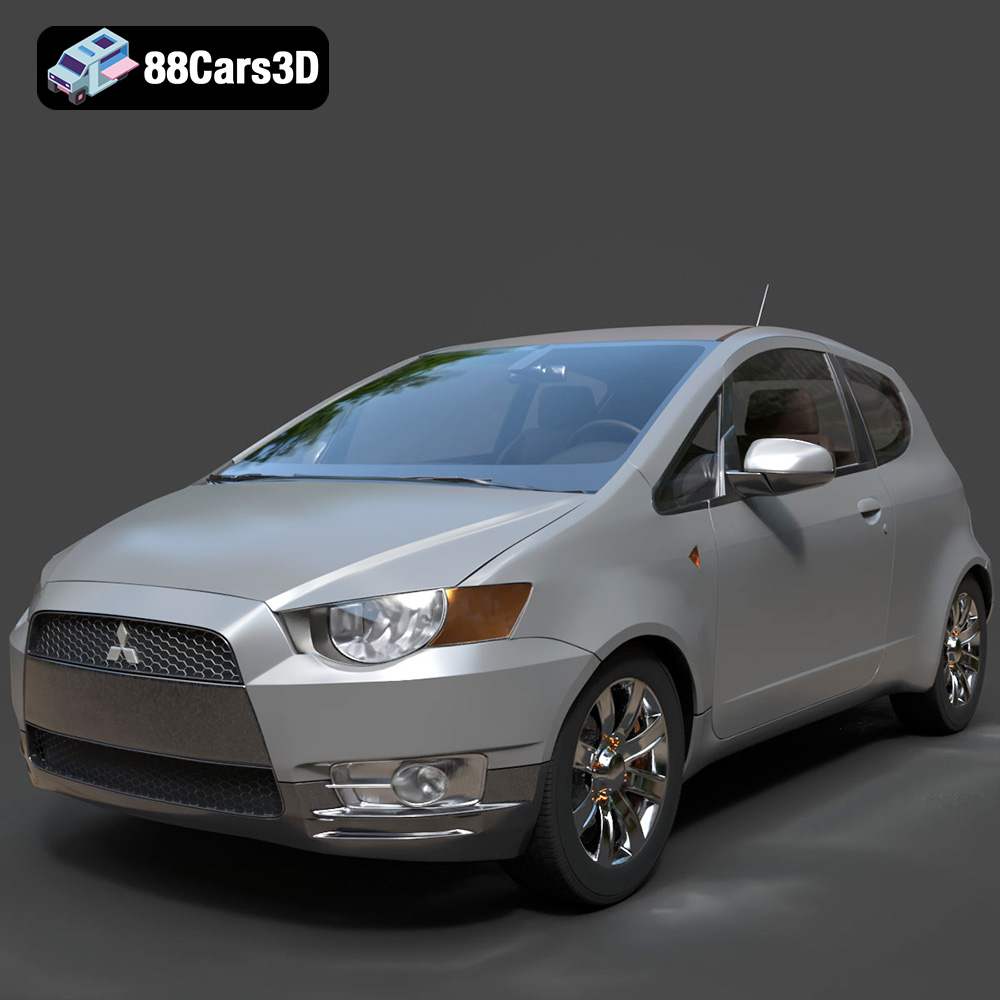
Download the Mitsubishi Colt 3 Door 2008 3D Model featuring clean geometry, realistic detailing, and a fully modeled interior. Includes .blend, .fbx, .obj, .glb, .stl, .ply, .unreal, and .max formats for rendering, simulation, and game development.
Price: $10
Texture: Yes
Material: Yes
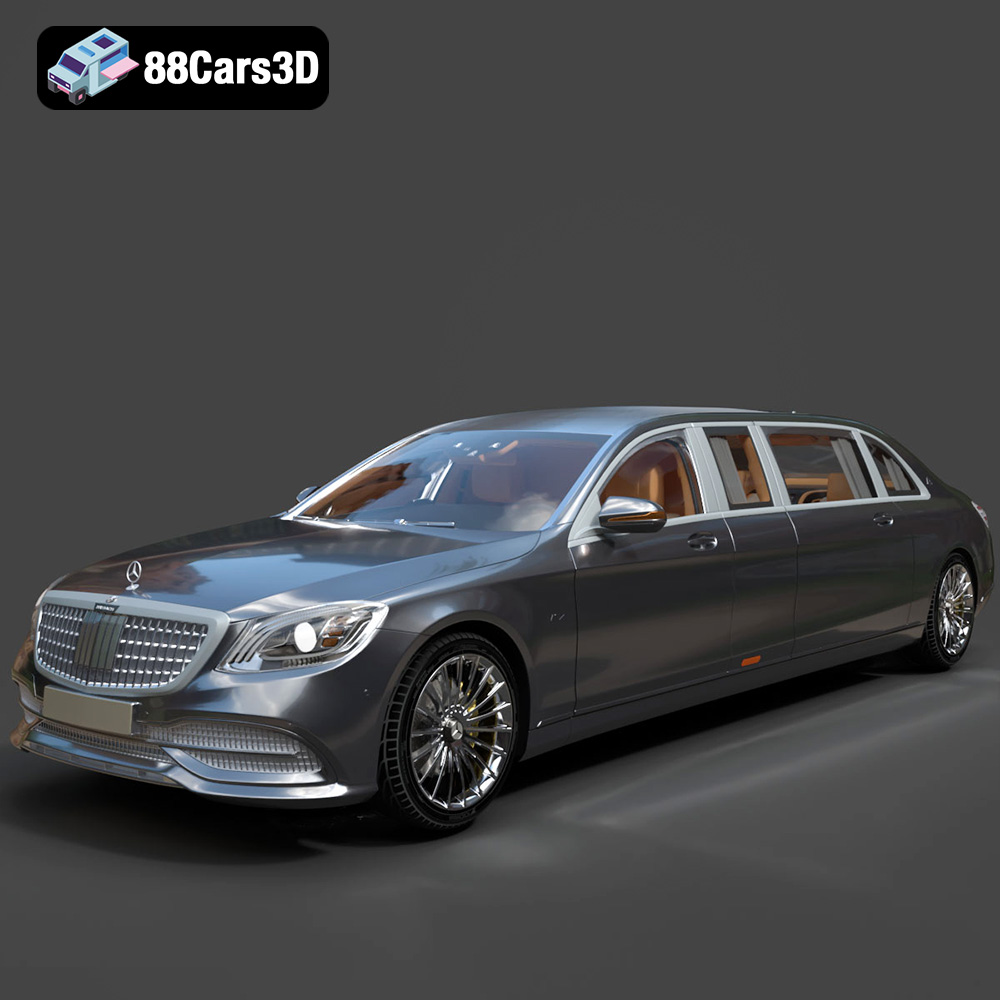
Download the Mercedes-Benz S650 Pullman 3D Model featuring clean geometry, realistic detailing, and a fully modeled interior. Includes .blend, .fbx, .obj, .glb, .stl, .ply, .unreal, and .max formats for rendering, simulation, and game development.
Price: $95.99
Texture: Yes
Material: Yes
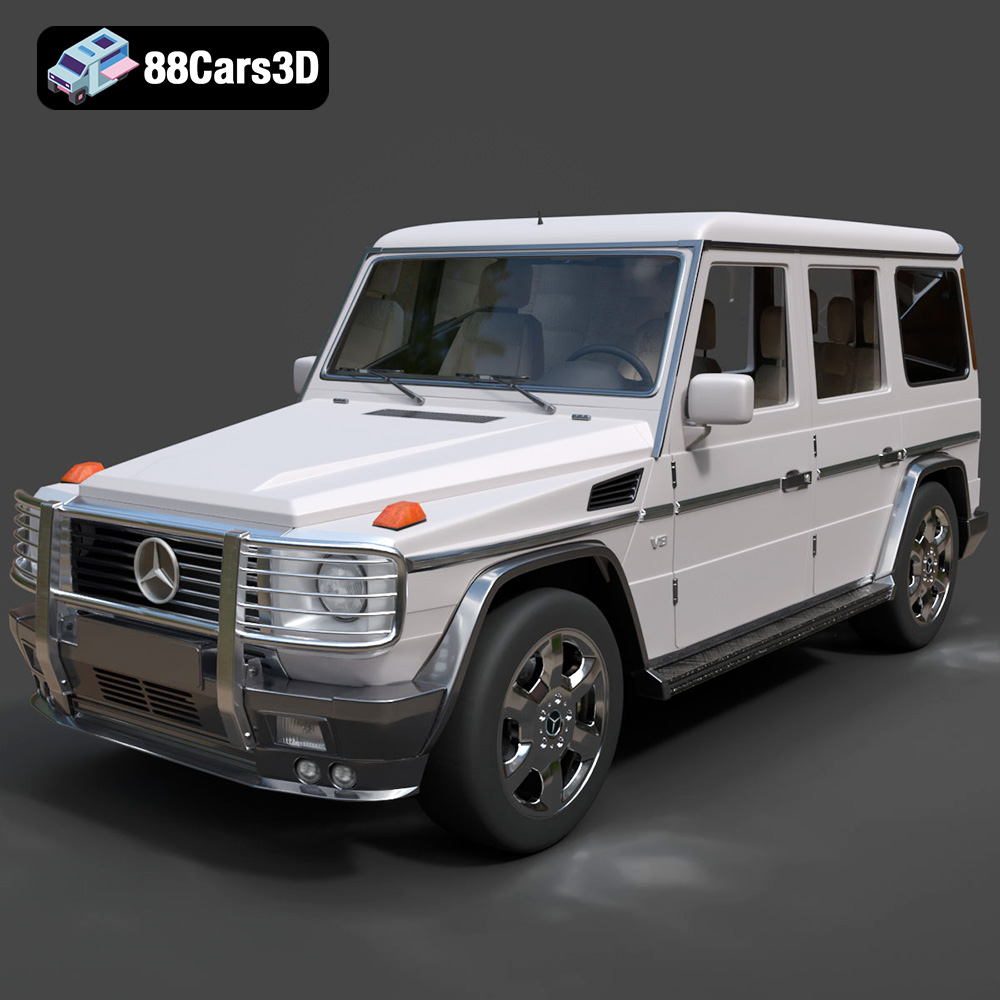
Download the Mercedes G-Class SUV 2024 3D Model featuring clean geometry, realistic detailing, and a fully modeled interior. Includes .blend, .fbx, .obj, .glb, .stl, .ply, .unreal, and .max formats for rendering, simulation, and game development.
Price: $10
Texture: Yes
Material: Yes
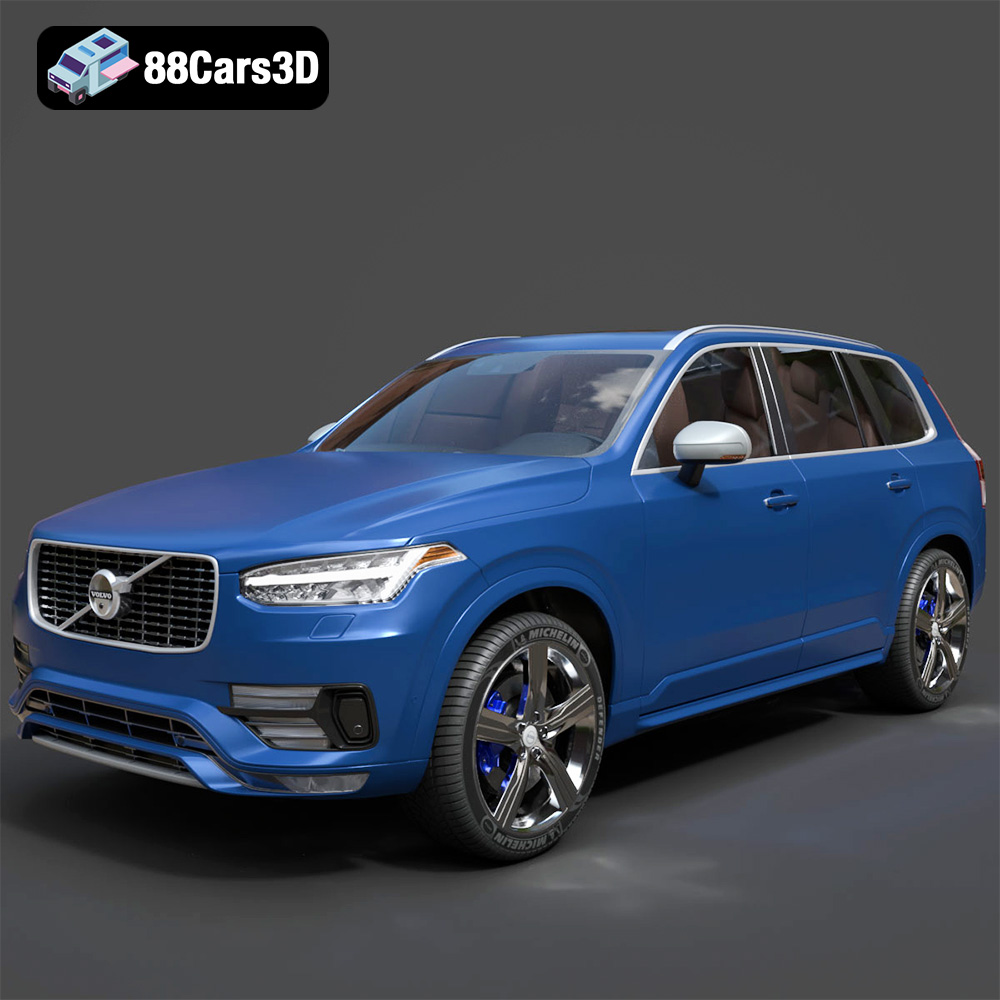
Download the Volvo XC90 R-Design 2015 3D Model featuring clean geometry, realistic detailing, and a fully modeled interior. Includes .blend, .fbx, .obj, .glb, .stl, .ply, .unreal, and .max formats for rendering, simulation, and game development.
Price: $10

