Get 50% OFF All Premium 3D & STL Models!

“`html
The world of 3D printing has opened incredible possibilities for automotive enthusiasts and model makers. Creating detailed and accurate 3D printed car models is now within reach, but achieving professional-looking results requires a deep understanding of the entire process, from selecting the right STL file to mastering post-processing techniques. This comprehensive guide will walk you through every step, offering expert insights into file preparation, slicing parameters, printer settings, material selection, and finishing touches. Whether you’re a seasoned maker or just starting your 3D printing journey, this guide will empower you to create stunning 3D printed car models that you’ll be proud to display.
In this article, you will learn:
The foundation of any successful 3D printed car model lies in the quality of the STL file. STL (stereolithography) is the standard file format for 3D printing, representing a 3D object as a collection of triangles. Understanding the structure and potential issues within an STL file is crucial for achieving a high-quality print.
An STL file stores surface geometry using a list of triangular facets. Each facet is defined by its three vertices (coordinates) and a normal vector indicating its orientation. A well-formed STL file should have closed, manifold geometry, meaning that every edge is shared by exactly two triangles, and there are no holes or self-intersections. Platforms like 88cars3d.com offer print-ready STL files that are pre-validated for these criteria, saving you significant preparation time.
The density of the triangular mesh directly impacts the smoothness and detail of the final print. A higher mesh density (more triangles) results in a smoother surface but increases file size and processing time. Finding the right balance between detail and file size is important. For car models with intricate curves and fine details, a higher resolution mesh is generally preferred. Most slicing software allows you to control the mesh density during import or through mesh simplification tools.
Before slicing, it’s essential to inspect and repair any errors in the STL file. Common issues include:
Software like Meshmixer, Netfabb, and online STL repair services can automatically detect and fix these errors. For example, in Meshmixer, you can use the “Make Solid” tool to automatically close holes and create a watertight mesh. Repairing these issues is crucial for successful slicing and printing.
Slicing is the process of converting a 3D model into a set of instructions (G-code) that the 3D printer can understand. These instructions define the movement of the printer head, the amount of material to extrude, and other crucial parameters. Proper slicing parameters are essential for achieving the desired print quality, strength, and accuracy for car models.
Layer height is arguably the most important slicing parameter. It determines the thickness of each layer of printed material. A smaller layer height results in a smoother surface finish and finer details but increases print time significantly. A larger layer height prints faster but sacrifices surface quality. For car models, a layer height between 0.1mm and 0.2mm is generally recommended for FDM printing. For resin printing, layer heights can go as low as 0.025mm for exceptional detail.
Infill refers to the internal structure of the 3D printed object. Infill density is the percentage of the object’s interior that is filled with material. A higher infill density increases the strength and weight of the model but also consumes more material and increases print time. For car models, an infill density of 15-25% is usually sufficient for structural integrity while keeping the model lightweight. Common infill patterns include:
Print speed and temperature are closely related and must be carefully calibrated for the chosen material. Higher temperatures allow for faster printing, but excessive heat can lead to warping and stringing. Lower temperatures improve accuracy but can cause adhesion issues. For PLA, a print temperature of 200-220°C and a bed temperature of 60°C are typical starting points. For ABS, higher temperatures of 230-250°C and a bed temperature of 80-110°C are required. Print speed should be adjusted based on the complexity of the model, typically ranging from 40-60mm/s for detailed car models.
Many car models feature overhanging parts that require support structures to prevent them from collapsing during printing. Support structures are temporary scaffolding that provides a foundation for these overhangs. Generating and removing support structures effectively is crucial for achieving a clean and accurate print.
There are several types of support structures, each with its own advantages and disadvantages:
The choice of support structure depends on the geometry of the car model and the desired surface finish. Tree supports are often preferred for complex overhangs as they minimize the impact on the surface quality. When downloading models from marketplaces such as 88cars3d.com, check if the model is pre-supported, as this can save you significant time and effort.
The placement and orientation of support structures are critical for minimizing scarring and ensuring structural integrity. Consider the following:
Slicing software like Cura and PrusaSlicer offer advanced support generation tools that allow you to customize the placement, density, and type of support structures.
Removing support structures without damaging the model requires patience and careful technique. Common methods include:
For delicate car models, manual removal with fine tools is often the best approach. Dissolvable supports are ideal for complex geometries where manual removal is difficult.
The choice of material significantly impacts the strength, appearance, and durability of the 3D printed car model. Different materials have different properties and require different printer settings. Common materials for 3D printing car models include PLA, PETG, ABS, and various resins.
PLA is a biodegradable thermoplastic derived from renewable resources. It’s easy to print, has low warping, and produces a smooth surface finish. PLA is a good choice for beginners and for models that don’t require high heat resistance. However, PLA is brittle and can deform under high temperatures. Specific recommendations include a nozzle temperature of 200-220°C, bed temperature of 60°C, and print speed of 40-60mm/s.
PETG is a strong and durable thermoplastic with good heat resistance and flexibility. It’s more resistant to warping than ABS and easier to print. PETG is a good choice for functional parts and models that require higher impact resistance. However, PETG can be prone to stringing. Typical settings include a nozzle temperature of 230-250°C, a bed temperature of 70-80°C, and a print speed of 50-70mm/s.
ABS is a strong and heat-resistant thermoplastic that’s commonly used in automotive applications. It’s more durable than PLA and PETG, but it’s also more challenging to print due to its high warping tendency. ABS requires a heated bed and an enclosed chamber to maintain a consistent temperature. ABS is suitable for models that require high strength and heat resistance. Recommended settings include a nozzle temperature of 230-250°C, a bed temperature of 80-110°C, and a print speed of 40-60mm/s. An enclosure is highly recommended to prevent warping.
Resin printing (SLA/DLP) uses liquid resin that is cured by UV light. Resin printing offers exceptional detail and smooth surface finish, making it ideal for highly detailed car models. However, resin prints are typically more brittle than FDM prints and require post-processing, such as washing and curing. Different types of resin are available, each with its own properties, such as standard resin, tough resin, and flexible resin. Layer heights can range from 0.025mm to 0.05mm for optimal detail. Exposure times need to be calibrated based on the resin type and printer.
Post-processing is the final step in creating a high-quality 3D printed car model. It involves cleaning up the print, removing imperfections, and applying finishes to achieve a professional appearance. Common post-processing techniques include sanding, filling, priming, and painting.
Sanding is used to smooth out layer lines and remove any imperfections from the surface of the print. Start with coarse sandpaper (e.g., 220 grit) and gradually move to finer grits (e.g., 400, 600, 800, 1000 grit). Wet sanding can help to reduce dust and improve the surface finish. Filling is used to fill in any gaps or imperfections in the surface. Body filler or spot putty can be applied and then sanded smooth. Proper ventilation and safety precautions (e.g., wearing a mask) are essential during sanding and filling.
Priming provides a smooth and uniform surface for painting. Apply several thin coats of primer, allowing each coat to dry completely before applying the next. Lightly sand the primer with fine-grit sandpaper (e.g., 600 grit) to remove any imperfections. Painting is the final step in post-processing. Use high-quality automotive paints and apply several thin coats, allowing each coat to dry completely. Clear coat can be applied to protect the paint and add a glossy finish. Airbrushing can provide a more even and professional finish compared to using spray cans.
Many car models consist of multiple parts that need to be assembled. Use adhesive or screws to join the parts together. Add details such as windows, lights, and emblems to enhance the realism of the model. Decals can be applied to add logos and graphics. Consider using weathering techniques to create a more realistic and aged appearance. Research real-world examples for reference and inspiration.
Even with careful planning and execution, 3D printing is prone to errors. Understanding common issues and how to troubleshoot them is essential for achieving consistent results.
Warping occurs when the printed object lifts off the build plate during printing. This is often caused by uneven cooling or insufficient bed adhesion. To prevent warping:
Stringing occurs when molten plastic oozes from the nozzle and creates thin strands between different parts of the print. To prevent stringing:
Layer shifting occurs when the printer head moves out of alignment during printing, causing a sudden shift in the layers. To prevent layer shifting:
Poor adhesion can cause the first layer to not stick to the bed. Clean the print bed with isopropyl alcohol before each print. Make sure the bed is properly leveled. Adjust the Z-offset to ensure the nozzle is the correct distance from the bed. Increase the bed temperature.
Creating stunning 3D printed car models requires a combination of technical knowledge, practical skills, and artistic vision. By understanding the nuances of STL files, mastering slicing parameters, choosing the right materials, and applying effective post-processing techniques, you can transform digital designs into tangible works of art. Remember to experiment with different settings and materials to find what works best for your printer and your specific model. Platforms like 88cars3d.com provide a great starting point with high-quality STL files designed for optimal printing. Don’t be afraid to iterate and learn from your mistakes – with practice and perseverance, you’ll be creating showroom-worthy 3D printed car models in no time. Now, take the knowledge you’ve gained and start printing! Experiment, refine your process, and share your creations with the world. The possibilities are endless, and the journey is rewarding.
“`

Texture: Yes
Material: Yes
Download the Mercedes S-Class 2024 3D Model featuring clean geometry, realistic detailing, and a fully modeled interior. Includes .blend, .fbx, .obj, .glb, .stl, .ply, .unreal, and .max formats for rendering, simulation, and game development.
Price: $10

Texture: Yes
Material: Yes
Download the Chevrolet Camaro 1970 3D Model featuring clean geometry, realistic detailing, and a fully modeled interior. Includes .blend, .fbx, .obj, .glb, .stl, .ply, .unreal, and .max formats for rendering, simulation, and game development.
Price: $10

Texture: Yes
Material: Yes
Download the Mercedes-AMG GT 2015 3D Model featuring clean geometry, realistic detailing, and a fully modeled interior. Includes .blend, .fbx, .obj, .glb, .stl, .ply, .unreal, and .max formats for rendering, simulation, and game development.
Price: $88.99

Texture: Yes
Material: Yes
Download the Suzuki GSX-R 1000 3D Model featuring clean geometry, realistic detailing, and a fully modeled interior. Includes .blend, .fbx, .obj, .glb, .stl, .ply, .unreal, and .max formats for rendering, simulation, and game development.
Price: $10

Texture: Yes
Material: Yes
Download the Porsche Cayman S 2024 3D Model featuring clean geometry, realistic detailing, and a fully modeled interior. Includes .blend, .fbx, .obj, .glb, .stl, .ply, .unreal, and .max formats for rendering, simulation, and game development.
Price: $10
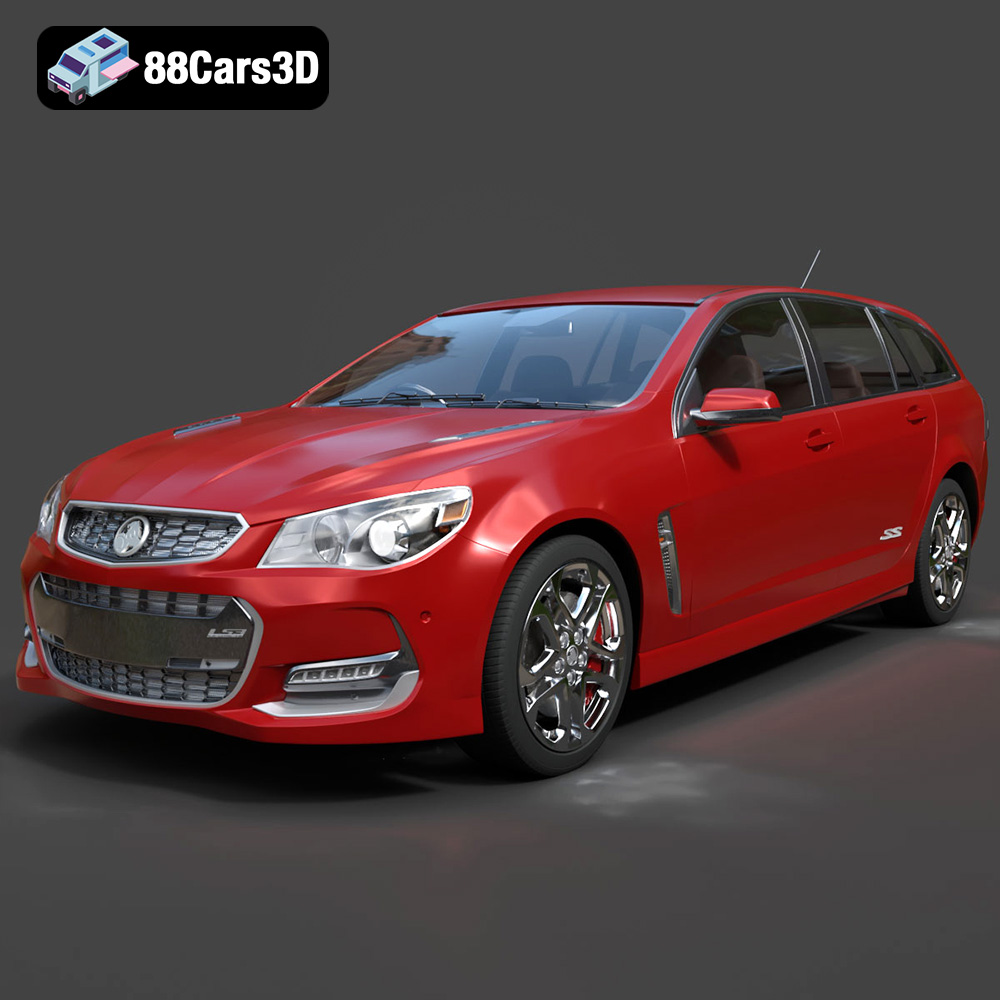
Texture: Yes
Material: Yes
Download the Holden Commodore Sportwagon 2017 3D Model featuring clean geometry, realistic detailing, and a fully modeled interior. Includes .blend, .fbx, .obj, .glb, .stl, .ply, .unreal, and .max formats for rendering, simulation, and game development.
Price: $10
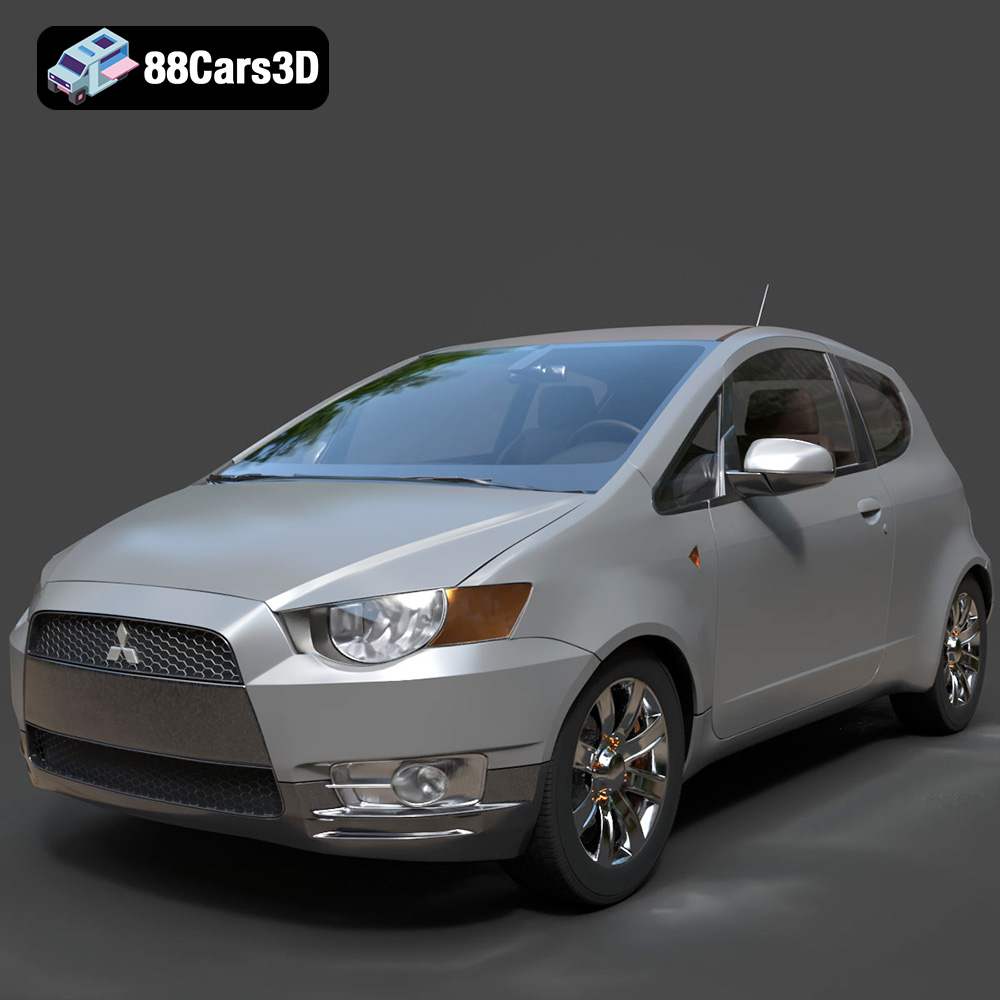
Texture: Yes
Material: Yes
Download the Mitsubishi Colt 3 Door 2008 3D Model featuring clean geometry, realistic detailing, and a fully modeled interior. Includes .blend, .fbx, .obj, .glb, .stl, .ply, .unreal, and .max formats for rendering, simulation, and game development.
Price: $10
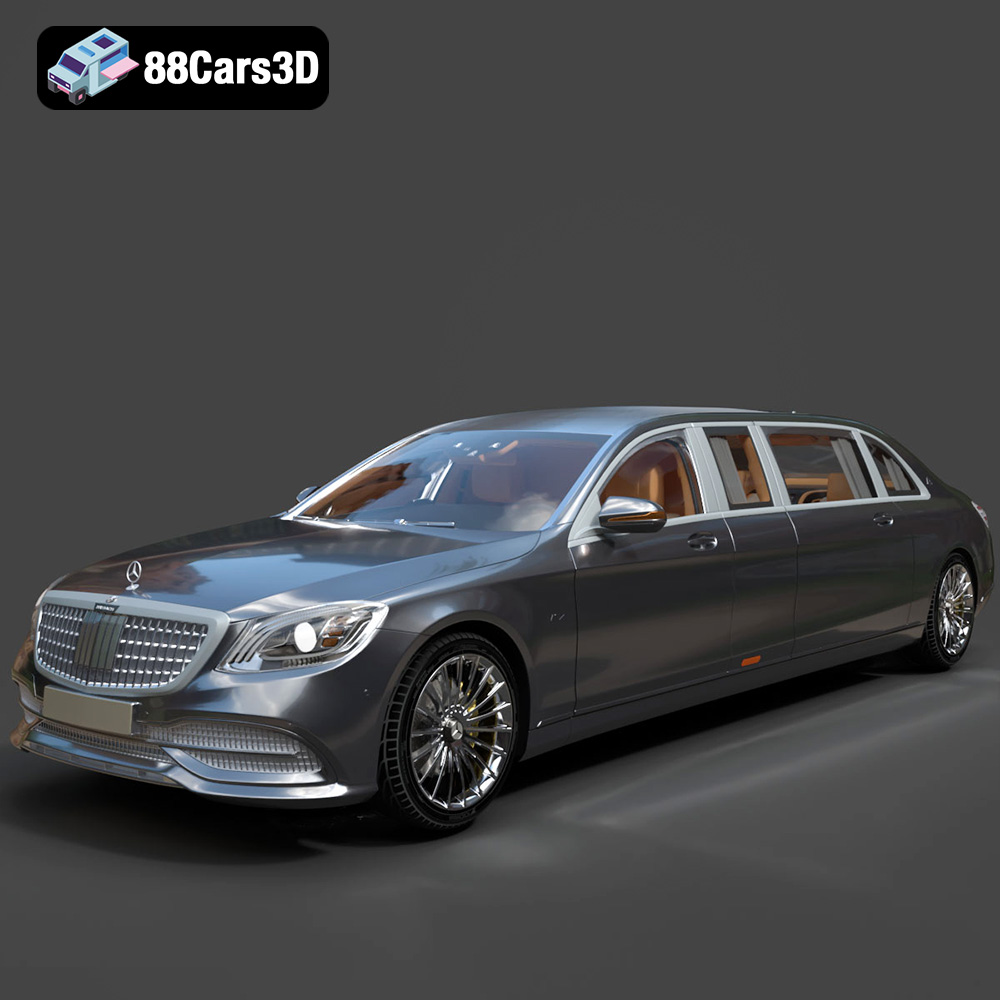
Texture: Yes
Material: Yes
Download the Mercedes-Benz S650 Pullman 3D Model featuring clean geometry, realistic detailing, and a fully modeled interior. Includes .blend, .fbx, .obj, .glb, .stl, .ply, .unreal, and .max formats for rendering, simulation, and game development.
Price: $95.99
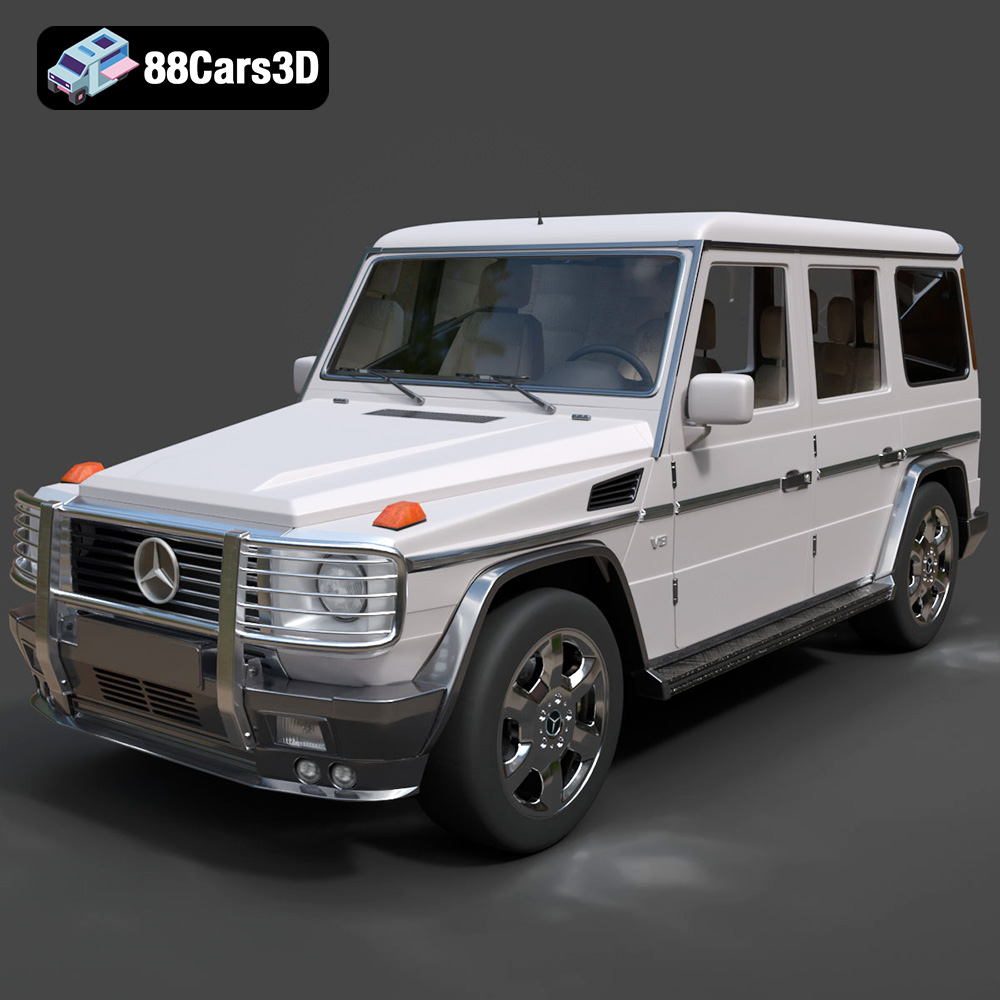
Texture: Yes
Material: Yes
Download the Mercedes G-Class SUV 2024 3D Model featuring clean geometry, realistic detailing, and a fully modeled interior. Includes .blend, .fbx, .obj, .glb, .stl, .ply, .unreal, and .max formats for rendering, simulation, and game development.
Price: $10

Texture: Yes
Material: Yes
Download the Volvo XC90 R-Design 2015 3D Model featuring clean geometry, realistic detailing, and a fully modeled interior. Includes .blend, .fbx, .obj, .glb, .stl, .ply, .unreal, and .max formats for rendering, simulation, and game development.
Price: $10

