Get 50% OFF All Premium 3D & STL Models!

“`html
The world of automotive visualization has been revolutionized by real-time rendering, and at the forefront of this transformation is Unreal Engine. What was once the exclusive domain of time-consuming offline renderers is now accessible in real-time, offering unparalleled interactivity, speed, and photorealism. For designers, marketers, filmmakers, and game developers, this technology opens up a new frontier for creating stunning car configurators, immersive VR showrooms, and breathtaking cinematic sequences. However, achieving these high-fidelity results requires a blend of artistic skill and deep technical knowledge. It all starts with a superior asset—a meticulously crafted 3D car model—and an understanding of the powerful tools within Unreal Engine needed to bring it to life.
This comprehensive guide will walk you through the entire professional workflow, from initial project setup to final render. We’ll explore how to properly import and prepare high-quality 3D car models, craft complex and realistic PBR materials for everything from metallic paint to leather interiors, and leverage cutting-edge features like Lumen for dynamic lighting and Nanite for incredible geometric detail. You’ll learn the fundamentals of creating interactive experiences with Blueprint, producing cinematic shots with Sequencer, and crucially, how to optimize your project for smooth, real-time performance. Whether you’re a seasoned professional or just starting your journey in automotive visualization, this article will provide you with the technical insights and actionable steps to elevate your projects in Unreal Engine.
Before you can create stunning renders, you must lay a solid foundation. A well-structured project and properly prepared assets are non-negotiable for a smooth and efficient workflow. Rushing this initial stage often leads to performance bottlenecks, material issues, and countless hours of troubleshooting later on. Taking the time to configure your Unreal Engine project correctly and meticulously validate your 3D assets will pay dividends throughout the development cycle. This phase is about ensuring your digital garage is clean, organized, and ready for high-performance work.
When creating a new project in Unreal Engine, the template you choose matters. For most automotive visualization work, starting with the Architecture, Engineering, and Construction (AEC) template is an excellent choice. It comes pre-configured with settings optimized for high-fidelity visuals, including support for ray tracing and Lumen. Here’s a quick checklist for initial setup:
Getting these settings right from the start ensures that features like Lumen and high-quality reflections will work as expected, saving you from having to diagnose rendering issues down the line.
The quality of your final output is directly proportional to the quality of your input asset. Sourcing professional 3D car models from marketplaces like 88cars3d.com is a critical first step, as they are typically built with clean topology and proper UVs suitable for real-time engines. A production-ready model should have:
The most common formats for importing into Unreal Engine are FBX and USD. For complex automotive models, FBX is a robust and widely supported choice. When importing, pay close attention to the FBX Import Options dialog:
After importing, drag the model into a blank level and perform a quick validation. Check the scale against a default Unreal Engine mannequin, inspect for any smoothing group or normal errors, and ensure all components are present and correctly pivoted.
Materials are what transform a collection of polygons into a believable digital replica of a vehicle. Unreal Engine’s Material Editor is an incredibly powerful node-based system for creating physically-based rendering (PBR) materials that accurately simulate how light interacts with real-world surfaces. For automotive assets, mastering materials for car paint, glass, metal, and leather is paramount to achieving photorealism.
Modern car paint is a complex, multi-layered material, and replicating it requires a sophisticated shader. The key is to use Unreal Engine’s Clear Coat shading model. This two-layer model simulates a base paint layer covered by a transparent, reflective varnish.
Here’s a breakdown of a typical car paint material graph:
Beyond the paint, other materials complete the vehicle. Here are some quick tips:
Never create a separate master material for every color variation. Instead, create one master car paint material and expose key parameters (like Base Color, Flake Intensity, and Clear Coat Roughness) as Material Parameters. You can then right-click this master material and create a Material Instance. These instances are lightweight “children” of the master material, allowing you to create hundreds of color options by simply changing the parameter values without recompiling shaders, which is essential for building automotive configurators.
Lighting is the final, crucial ingredient that brings your scene to life. Unreal Engine 5’s Lumen Global Illumination and Reflections system is a game-changer for automotive visualization, providing stunning, real-time bounced light and reflections without the need for lightmap baking or lengthy pre-computation. Understanding how to leverage Lumen in a professional studio environment is key to producing jaw-dropping imagery.
Lumen works by tracing rays against a simplified representation of the scene, allowing it to calculate indirect lighting and reflections dynamically. To ensure Lumen is working correctly, go to Project Settings > Engine > Rendering and set:
Lumen excels at capturing the subtle color bleed from the environment onto the car and producing soft, realistic shadows. When an emissive light source or the Sky Light changes, the global illumination updates in real-time, making look development incredibly fast and interactive. For the highest quality reflections on smooth surfaces like car paint, Lumen can leverage hardware ray tracing if it’s enabled, providing a hybrid approach that offers the best of both worlds.
A common setup for automotive rendering is a virtual photo studio. The HDRI Backdrop actor is the perfect tool for this. It combines a sky dome with a powerful Skylight, all driven by a single High Dynamic Range Image (HDRI) texture. This instantly provides realistic, image-based lighting and reflections.
However, relying solely on an HDRI can sometimes produce flat lighting. To create more dramatic and controlled results, supplement the HDRI with manual lights:
Use the “Source Texture” property on Rect Lights to simulate realistic softboxes for even softer and more natural reflections on the car’s surface.
Accurate reflections are everything in automotive visualization. While Lumen provides excellent dynamic reflections, you may need additional tools for perfection. Sphere and Box Reflection Capture actors can be placed to provide more localized, parallax-corrected reflections, especially for interiors. For ultimate quality, Hardware Ray Traced Reflections (if enabled) will provide the most accurate, crisp results, though at a higher performance cost. A common professional workflow is to use Lumen for general GI and reflections, and then enable ray-traced reflections specifically for close-up hero shots where perfection is required.
One of the biggest challenges in real-time rendering has always been the polygon budget. Highly detailed game assets and CAD models for cars can easily run into millions or even tens of millions of polygons, making them impossible to render smoothly in real-time—until Nanite. Nanite is Unreal Engine’s virtualized micropolygon geometry system, which intelligently streams and renders only the detail you can perceive, effectively removing the constraints of polygon counts.
With Nanite, you can import extremely high-poly models—even raw CAD data—directly into Unreal Engine without the need for manual retopology or LOD (Level of Detail) creation. This is a monumental shift. A typical hero car model might be 20 million polygons; Nanite can handle this with ease, maintaining crisp, perfect detail on panel gaps, emblems, and interior stitching even in extreme close-ups.
To enable Nanite on a static mesh:
The engine will process the mesh, and it will now be rendered using the Nanite pipeline. You can verify this using the “Nanite Visualization” view modes in the level editor viewport.
While Nanite is revolutionary, it’s not a magic bullet for all geometry. It’s important to understand its current state. As of Unreal Engine 5.3, Nanite works best with rigid, opaque geometry. Key things to consider:
A typical workflow involves enabling Nanite for all opaque parts of the car (body, wheels, interior dashboard, seats) and leaving the glass, light lenses, and any animated parts as traditional meshes.
The true power of real-time rendering lies in interactivity. With Unreal Engine’s Blueprint visual scripting system, you can create fully-featured automotive configurators, allowing users to change paint colors, swap wheels, and explore vehicle features without writing a single line of code. This elevates a static render into an engaging, user-driven experience.
This is the cornerstone of any configurator. Assuming you’ve already created a master car paint material with a “Base Color” parameter and several Material Instances for different colors, the Blueprint logic is straightforward:
Bringing a car to life involves more than just colors. You can use Blueprints to script simple animations for doors, trunks, and lights. The Timeline node is perfect for this.
To create an animated door:
A similar logic can be applied to control light intensity by Lerping between 0 and a high value for an emissive material parameter.
While Blueprint is highly optimized, complex logic can still impact performance. Avoid placing logic on the Event Tick node whenever possible, as it runs every single frame. Instead, use event-driven logic. Trigger your functions from user input, timers, or other specific events. For more advanced interactions between multiple Blueprints, use Event Dispatchers and Blueprint Interfaces for a clean and efficient communication system. For further in-depth knowledge on optimizing scripts and other Unreal Engine workflows, the official Unreal Engine documentation at https://dev.epicgames.com/community/unreal-engine/learning is an invaluable resource for developers of all skill levels.
Beyond interactive experiences, Unreal Engine is a powerhouse for creating traditional cinematic content. Its real-time nature allows for virtual cinematography, where you can direct, light, and shoot your car in a way that was previously only possible on a physical film set. The primary tools for this are Sequencer and the Movie Render Queue.
Sequencer is Unreal Engine’s multi-track, non-linear editor. It allows you to animate almost any property of any actor in your scene over time, from an object’s position to a material’s color or a camera’s focal length.
A typical automotive cinematic workflow involves:
While you can render a sequence directly from the viewport, the Movie Render Queue (MRQ) provides far more control and higher-quality output, making it the standard for professional work. MRQ allows you to render your sequence offline with settings that would be too demanding for real-time playback.
Key MRQ settings for high-quality automotive renders include:
Using MRQ allows you to achieve quality that rivals offline path tracers, but in a fraction of the time, combining the best of real-time iteration with final-frame perfection.
We’ve journeyed through the complete professional pipeline for bringing high-quality 3D car models to life in Unreal Engine. It’s a process that begins with a crucial first step: sourcing a meticulously crafted asset. Platforms like 88cars3d.com provide the clean, production-ready models that serve as the perfect canvas for the powerful tools Unreal Engine offers. From there, the path to photorealism is built on a series of technical and artistic pillars: the precise construction of multi-layered PBR materials, the dynamic and realistic illumination provided by Lumen, and the paradigm-shifting detail enabled by Nanite.
But stunning visuals are only half the story. The true power of a real-time engine is unleashed through interactivity and cinematic storytelling. By mastering Blueprint, you can transform a static model into an engaging product configurator. With Sequencer and the Movie Render Queue, you become a virtual director, capable of producing cinematic content that rivals traditional offline renders at a fraction of the time and cost. The convergence of these technologies has firmly established Unreal Engine as the new industry standard for automotive visualization. The next step is to apply these techniques to your own projects. Start with a high-quality model, build your scene with a solid technical foundation, and begin exploring the limitless creative possibilities of real-time rendering.
“`

Texture: Yes
Material: Yes
Download the Mercedes S-Class 2024 3D Model featuring clean geometry, realistic detailing, and a fully modeled interior. Includes .blend, .fbx, .obj, .glb, .stl, .ply, .unreal, and .max formats for rendering, simulation, and game development.
Price: $10

Texture: Yes
Material: Yes
Download the Chevrolet Camaro 1970 3D Model featuring clean geometry, realistic detailing, and a fully modeled interior. Includes .blend, .fbx, .obj, .glb, .stl, .ply, .unreal, and .max formats for rendering, simulation, and game development.
Price: $10

Texture: Yes
Material: Yes
Download the Mercedes-AMG GT 2015 3D Model featuring clean geometry, realistic detailing, and a fully modeled interior. Includes .blend, .fbx, .obj, .glb, .stl, .ply, .unreal, and .max formats for rendering, simulation, and game development.
Price: $88.99

Texture: Yes
Material: Yes
Download the Suzuki GSX-R 1000 3D Model featuring clean geometry, realistic detailing, and a fully modeled interior. Includes .blend, .fbx, .obj, .glb, .stl, .ply, .unreal, and .max formats for rendering, simulation, and game development.
Price: $10

Texture: Yes
Material: Yes
Download the Porsche Cayman S 2024 3D Model featuring clean geometry, realistic detailing, and a fully modeled interior. Includes .blend, .fbx, .obj, .glb, .stl, .ply, .unreal, and .max formats for rendering, simulation, and game development.
Price: $10

Texture: Yes
Material: Yes
Download the Holden Commodore Sportwagon 2017 3D Model featuring clean geometry, realistic detailing, and a fully modeled interior. Includes .blend, .fbx, .obj, .glb, .stl, .ply, .unreal, and .max formats for rendering, simulation, and game development.
Price: $10

Texture: Yes
Material: Yes
Download the Mitsubishi Colt 3 Door 2008 3D Model featuring clean geometry, realistic detailing, and a fully modeled interior. Includes .blend, .fbx, .obj, .glb, .stl, .ply, .unreal, and .max formats for rendering, simulation, and game development.
Price: $10

Texture: Yes
Material: Yes
Download the Mercedes-Benz S650 Pullman 3D Model featuring clean geometry, realistic detailing, and a fully modeled interior. Includes .blend, .fbx, .obj, .glb, .stl, .ply, .unreal, and .max formats for rendering, simulation, and game development.
Price: $95.99
Texture: Yes
Material: Yes
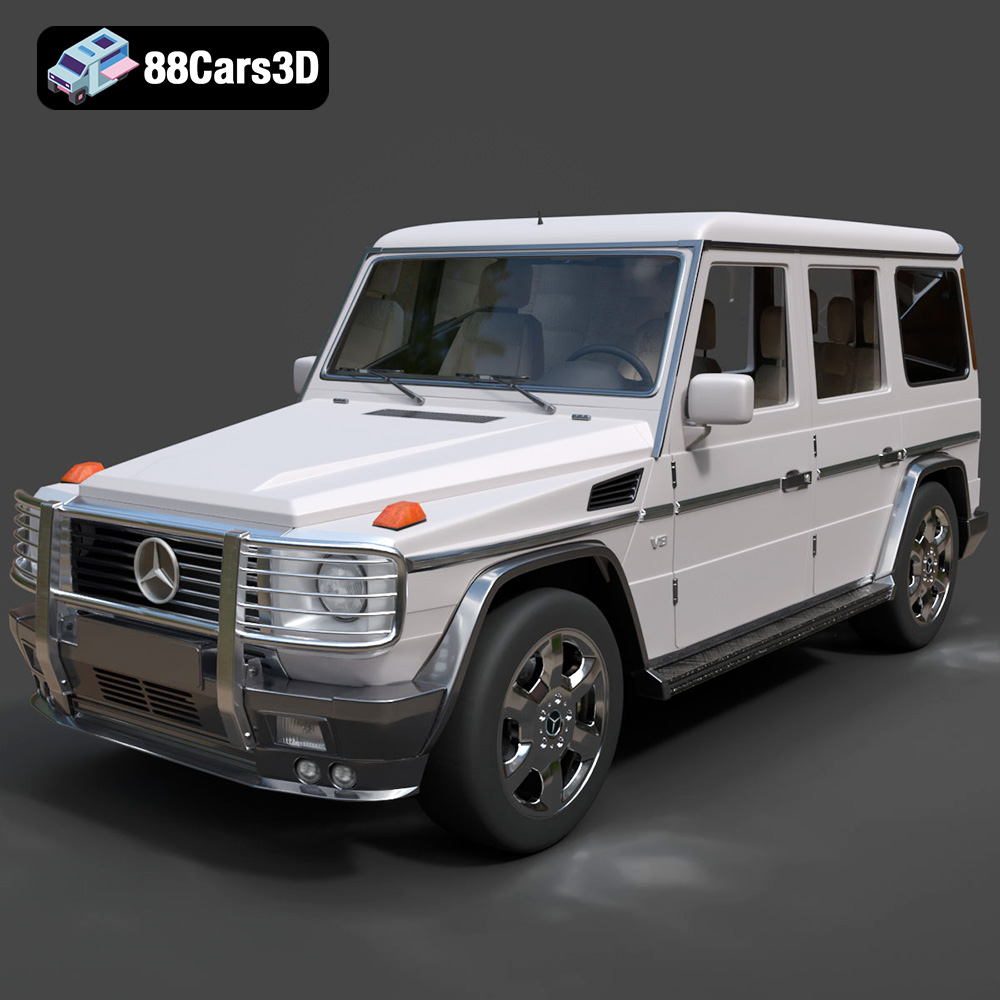
Download the Mercedes G-Class SUV 2024 3D Model featuring clean geometry, realistic detailing, and a fully modeled interior. Includes .blend, .fbx, .obj, .glb, .stl, .ply, .unreal, and .max formats for rendering, simulation, and game development.
Price: $10
Texture: Yes
Material: Yes
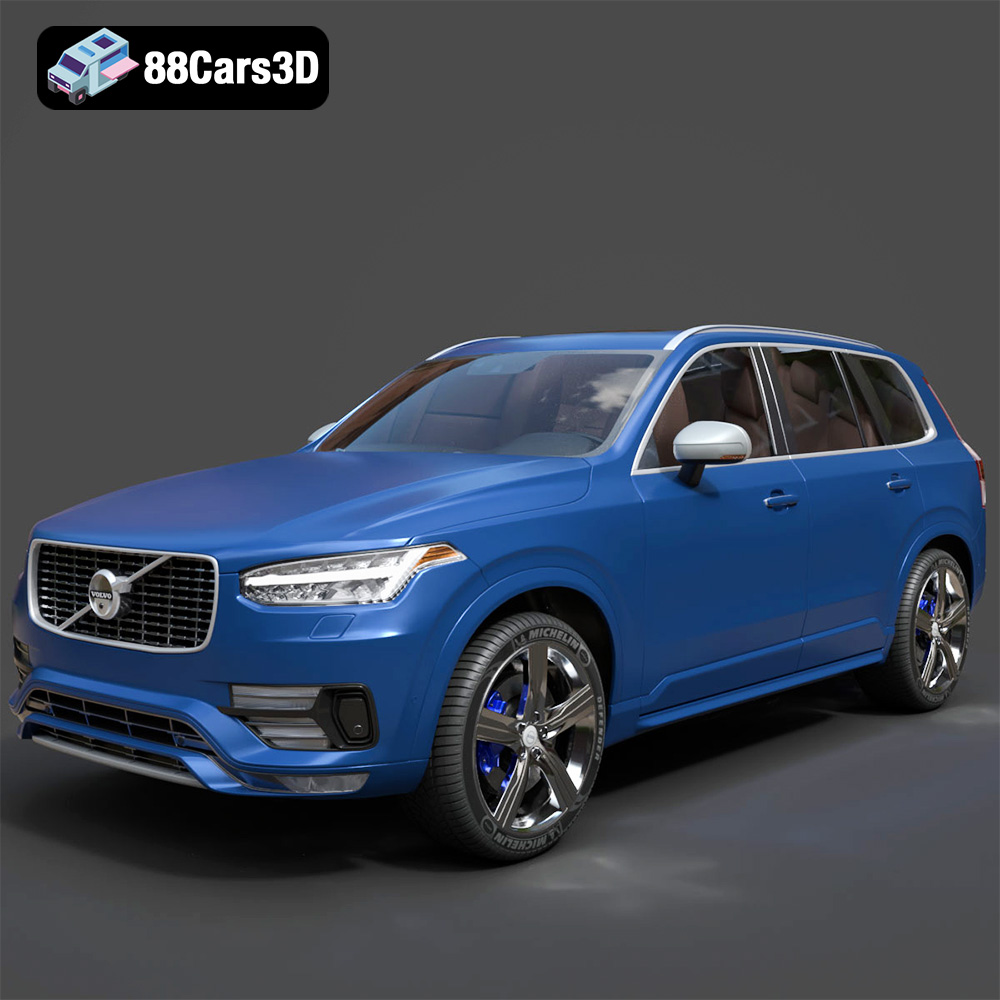
Download the Volvo XC90 R-Design 2015 3D Model featuring clean geometry, realistic detailing, and a fully modeled interior. Includes .blend, .fbx, .obj, .glb, .stl, .ply, .unreal, and .max formats for rendering, simulation, and game development.
Price: $10

