Get 50% OFF All Premium 3D & STL Models!

“`html
In the world of digital creation, few assets are as captivating and technically demanding as a high-quality 3D car model. From the gleaming, multi-layered paint of a supercar in a cinematic render to the optimized, performance-ready vehicle in a blockbuster game, 3D cars are a fusion of artistic precision and technical mastery. They are the heroes of automotive commercials, the interactive centerpieces of AR/VR showrooms, and the tangible prototypes born from 3D printers. For any 3D artist, automotive designer, or game developer, mastering the lifecycle of a 3D car model is a critical skill that opens doors to countless creative and professional opportunities. This comprehensive guide will take you under the hood of 3D vehicle creation and utilization, exploring the entire pipeline from foundational modeling principles to advanced optimization techniques for various applications. We will dissect the crucial elements that separate an amateur model from a professional-grade asset, covering everything from pristine topology and efficient UV mapping to photorealistic PBR material creation, rendering, and specialized preparations for real-time engines, AR/VR, and 3D printing.
The journey of every great 3D car model begins with a flawless mesh. The quality of the underlying geometry, or topology, dictates its entire potential. It affects how the model subdivides, how it catches light, how it deforms, and how efficiently it can be textured and rendered. For automotive models, characterized by their smooth, sweeping curves and sharp, defined details, clean topology is non-negotiable. The industry standard is a quad-based workflow, where the mesh is constructed almost entirely from four-sided polygons (quads). This approach ensures smooth subdivision using algorithms like TurboSmooth in 3ds Max or Subdivision Surface in Blender, which is essential for creating the high-resolution surfaces needed for close-up renders. A poorly planned topology with arbitrary triangles or n-gons (polygons with more than four sides) will inevitably lead to pinching, artifacts, and shading errors when smoothed, destroying the illusion of a perfect metal surface.
A clean, all-quad mesh is the gold standard for automotive modeling. Quads create predictable, grid-like structures that are easy to work with and produce beautiful, smooth surfaces. When modeling a car body, the goal is to maintain an even distribution of quads across the surface, avoiding long, thin polygons or overly dense areas next to sparse ones. This uniform density ensures that reflections flow smoothly and without distortion across panels. While it’s sometimes necessary to use a triangle to terminate an edge loop or resolve a complex intersection, this should be done sparingly and placed in flat, inconspicuous areas where it won’t disrupt the surface curvature. Professional artists spend a significant amount of time refining their base mesh, ensuring every vertex contributes to the model’s perfect form.
Edge flow refers to the direction and arrangement of the polygon edges that make up the mesh. For a 3D car model, the edge flow must follow the natural curves and contours of the vehicle’s design. The lines of your topology should mimic the character lines of the car, defining the sharp creases of a hood, the gentle arc of a roofline, or the tight curve of a wheel arch. Proper edge flow is what allows light to catch on a vehicle’s shoulder line realistically. To achieve this, artists use support edges—additional edge loops placed strategically around key details—to control the sharpness of the transition during subdivision. For a sharp panel gap, you would place support loops very close to the edge, while a softer, filleted edge would have its support loops placed further apart. This meticulous control over edge flow is what gives a model its precision and realism.
The required level of detail is dictated by the model’s final use case. A “hero” car for a feature film or a high-resolution marketing render might have millions of polygons after subdivision to capture every minute detail, from the emblem’s texture to the bolt heads in the wheels. Conversely, a 3D car model intended as a game asset must be far more economical with its polygon budget. A typical high-quality game-ready vehicle might range from 80,000 to 200,000 triangles. This is where skilled modelers use techniques like baking normal maps, where the surface detail of a high-poly model is transferred to a texture map applied to a lower-poly model, creating the illusion of detail without the performance cost. When sourcing models from marketplaces such as 88cars3d.com, you will often find assets provided with varying levels of detail to suit these different needs.
If modeling creates the form, UV mapping provides the canvas for its surface detail. UV mapping is the process of unwrapping the 3D mesh into a 2D representation, called a UV map or UV layout. This 2D map tells the rendering engine precisely how to apply a 2D texture image (like a decal, a carbon fiber pattern, or a dirt map) onto the 3D surface. For complex objects like cars, with their intricate panels, interiors, and mechanical parts, effective UV mapping is a crucial and often challenging step. A clean, well-organized UV map prevents texture distortion, stretching, and visible seams, ensuring that materials and details appear crisp and realistic from every angle.
To unwrap a 3D model, you must define “seams,” which are edges on the mesh where the UVs will be split apart, much like cutting a sewing pattern. The key to professional UV mapping is placing these seams strategically. For a car, the best places for seams are along natural breaks in the object’s surface. Good locations include:
Placing seams in the middle of a large, smooth panel like a car door or hood is a critical mistake, as it will be nearly impossible to hide the texture mismatch in the final render. The goal is to create logical “UV islands” that can lay flat with minimal distortion.
For hyper-realistic automotive rendering where extreme close-ups are required, a single UV texture space is often insufficient to hold the necessary detail. This is where the UDIM (U-Dimension) workflow comes in. UDIMs allow artists to use multiple texture maps for a single model, spreading the UV islands across multiple UV tiles. Each tile can then have its own high-resolution texture set (e.g., 4K or 8K). For a car, you might dedicate one UDIM tile to the main body, another to the wheels and tires, a third to the interior dashboard, and so on. This method provides immense texture resolution without being limited by a single map, making it standard practice in the film and high-end visualization industries.
Once the model is unwrapped, the resulting UV islands must be efficiently arranged, or “packed,” within the 0-to-1 UV space (or across multiple UDIM tiles). Good packing aims to maximize the use of the texture area, minimizing wasted space. This is critical for game assets, where texture memory is a precious resource. Furthermore, the relative scale of the UV islands is important. Parts of the model that will be seen up close, like the car’s badging or the dashboard instruments, should occupy a larger area of the UV map (giving them higher texel density) than parts that are less visible, like the undercarriage. Automated packing tools in software like 3ds Max, Blender, and Maya are a good starting point, but professional artists often spend time manually tweaking the layout for optimal results.
With a solid model and clean UVs, the next step is to breathe life into the car with realistic materials and textures. Modern 3D graphics rely on Physically Based Rendering (PBR), a methodology for shading and rendering that provides a more accurate representation of how light interacts with materials in the real world. A PBR workflow simplifies the process for artists by using intuitive parameters like Base Color, Metallic, Roughness, and Normal maps. For automotive models, mastering PBR materials is the key to creating everything from the deep, reflective clear coat of car paint to the subtle imperfections on a leather seat.
Car paint is one of the most complex materials to replicate digitally. It’s a multi-layered material, typically consisting of a base paint layer, a metallic flake layer, and a top clear coat layer. In a PBR shader network, this is often achieved by layering shaders or using a specialized car paint shader.
Subtle details, like a very faint “orange peel” effect in the clear coat, can be added using a faint noise texture plugged into the Normal input of the clear coat layer, pushing the realism even further.
Beyond the paint, other materials require careful attention.
While the PBR principles are universal, their implementation can vary slightly between software.
The final step in creating a stunning still image or animation is the rendering and lighting phase. This is where all the hard work in modeling, UVing, and texturing comes together. The quality of the lighting and rendering settings can make or break the final result, transforming a good model into a photorealistic masterpiece. For automotive visualization, the lighting is especially critical as it defines the reflections that reveal the car’s shape and surface quality. A combination of realistic lighting setups and carefully tuned render settings is essential to produce professional-grade imagery.
The fastest and most effective way to achieve realistic lighting and reflections for a car is to use High Dynamic Range Image (HDRI) lighting. An HDRI is a 360-degree panoramic image that contains a vast range of light intensity information. When used as an environment map in a 3D scene, it projects light from all directions, perfectly simulating a real-world environment. This is ideal for cars because their reflective surfaces will pick up all the rich detail from the HDRI, creating believable and complex reflections. Whether you use an HDRI of an outdoor road, a professional photo studio, or an abstract lighting environment, it provides the foundational lighting and reflection information that grounds the vehicle in a realistic context.
While HDRI lighting is excellent for realism, sometimes a more controlled, artistic look is desired, similar to what you’d see in a commercial car advertisement. This is achieved with a classic studio lighting setup, typically using a combination of large area lights. A common approach is the three-point lighting system, adapted for vehicles:
Many artists use a combination of both an HDRI for ambient fill light and reflections, along with manually placed area lights to sculpt the final highlights exactly where they want them.
Raw renders are rarely the final product. Professional artists rely on post-processing and compositing to add the final layer of polish. This is done by rendering out various layers, known as render passes or AOVs (Arbitrary Output Variables), such as diffuse color, reflections, shadows, and ambient occlusion. These passes are then layered together in software like Adobe Photoshop, After Effects, or Blackmagic Fusion. This gives the artist complete control to:
This final step is what elevates a render from a simple 3D output to a compelling and professional piece of art.
Creating a 3D car model for a real-time application like a video game or an interactive simulator presents a completely different set of challenges compared to creating one for pre-rendered cinematics. In a real-time environment, every polygon and every texture read contributes to the computational load that must be processed every frame, typically 30 to 60 times per second. Performance is paramount. Therefore, game assets must be heavily optimized to run smoothly without sacrificing too much visual quality. This optimization process involves a careful balancing act of reducing polygon counts, consolidating materials, and implementing clever techniques to maintain the illusion of detail.
Levels of Detail (LODs) are a fundamental optimization technique for game engines like Unity and Unreal Engine. The concept is simple: you create multiple versions of the car model, each with a progressively lower polygon count. The highest-detail version, LOD0, is shown when the player is close to the car. As the car moves further away from the camera, the game engine automatically swaps it for a lower-detail version (LOD1, LOD2, etc.). A distant car might be represented by a model with only a few hundred polygons (LOD3), saving immense rendering power. Creating good LODs is an art; it requires simplifying the geometry intelligently, removing small details like bolts and interior components first, while preserving the car’s main silhouette for as long as possible.
Every unique material on a model can result in a separate “draw call” for the graphics card, which is a command to draw a piece of geometry. Too many draw calls can severely impact performance. To combat this, game artists use texture atlasing. This involves combining the textures for multiple different parts of the car into a single, larger texture sheet. For example, the textures for the dashboard, seats, and steering wheel could all be packed into one texture atlas. This allows all of those parts to be rendered with a single material and a single draw call. This process requires careful planning during the UV mapping stage, as all the different UV islands must be laid out together in one UV space. The result is a dramatic improvement in rendering efficiency.
The target platform heavily influences the optimization strategy.
For any real-time project, understanding these technical budgets from the outset is crucial for a successful outcome.
The utility of a high-quality 3D car model extends far beyond traditional renders and video games. The rise of immersive technologies and additive manufacturing has opened up exciting new applications, from interactive augmented reality car configurators to physically printed scale models and prototypes. However, each of these applications requires a specialized preparation and optimization workflow. A model prepared for a photorealistic render will not work out-of-the-box for an AR experience or a 3D printer. Understanding the unique technical requirements of these platforms is key to successfully deploying 3D car models in these cutting-edge fields.
Augmented Reality (AR) applications, which overlay 3D models onto the real world through a smartphone or headset, require models that are both lightweight and realistic. The two dominant file formats for AR are GLB (for Android and web-based AR) and USDZ (for Apple’s iOS devices). These formats are designed to be self-contained, packing the model’s geometry, materials, and textures into a single, highly compressed file.
Key preparation steps include:
Preparing a 3D car model for 3D printing is a completely different discipline that focuses on structural integrity rather than visual appearance. The goal is to create a “watertight” or “manifold” mesh that a 3D printer can interpret as a solid object.
Technical considerations include:
This process transforms a visual asset into a precise blueprint for physical manufacturing.
The creation and application of a 3D car model is a journey that spans multiple disciplines, from the meticulous art of subdivision modeling to the rigorous science of real-time optimization. As we’ve explored, the path from a collection of vertices to a stunning final product is paved with critical decisions at every stage. A foundation of clean, purposeful topology is paramount, enabling both the flawless surfaces required for automotive rendering and the efficient deformations needed for animation. Thoughtful UV mapping and sophisticated PBR material work are what build upon that foundation to achieve true photorealism. Finally, the intended destination—be it a cinematic render, an interactive game, an immersive AR experience, or a physical 3D print—dictates the specific optimization and preparation techniques required to ensure success. For artists and developers, mastering this entire lifecycle not only hones technical skills but also develops a crucial understanding of planning and purpose in a production pipeline. Whether you are building from scratch or leveraging the exceptional quality of assets from platforms like 88cars3d.com, this knowledge empowers you to push creative boundaries and deliver professional, high-impact results across any medium.
“`

Texture: Yes
Material: Yes
Download the Mercedes S-Class 2024 3D Model featuring clean geometry, realistic detailing, and a fully modeled interior. Includes .blend, .fbx, .obj, .glb, .stl, .ply, .unreal, and .max formats for rendering, simulation, and game development.
Price: $10

Texture: Yes
Material: Yes
Download the Chevrolet Camaro 1970 3D Model featuring clean geometry, realistic detailing, and a fully modeled interior. Includes .blend, .fbx, .obj, .glb, .stl, .ply, .unreal, and .max formats for rendering, simulation, and game development.
Price: $10

Texture: Yes
Material: Yes
Download the Mercedes-AMG GT 2015 3D Model featuring clean geometry, realistic detailing, and a fully modeled interior. Includes .blend, .fbx, .obj, .glb, .stl, .ply, .unreal, and .max formats for rendering, simulation, and game development.
Price: $88.99

Texture: Yes
Material: Yes
Download the Suzuki GSX-R 1000 3D Model featuring clean geometry, realistic detailing, and a fully modeled interior. Includes .blend, .fbx, .obj, .glb, .stl, .ply, .unreal, and .max formats for rendering, simulation, and game development.
Price: $10

Texture: Yes
Material: Yes
Download the Porsche Cayman S 2024 3D Model featuring clean geometry, realistic detailing, and a fully modeled interior. Includes .blend, .fbx, .obj, .glb, .stl, .ply, .unreal, and .max formats for rendering, simulation, and game development.
Price: $10

Texture: Yes
Material: Yes
Download the Holden Commodore Sportwagon 2017 3D Model featuring clean geometry, realistic detailing, and a fully modeled interior. Includes .blend, .fbx, .obj, .glb, .stl, .ply, .unreal, and .max formats for rendering, simulation, and game development.
Price: $10
Texture: Yes
Material: Yes
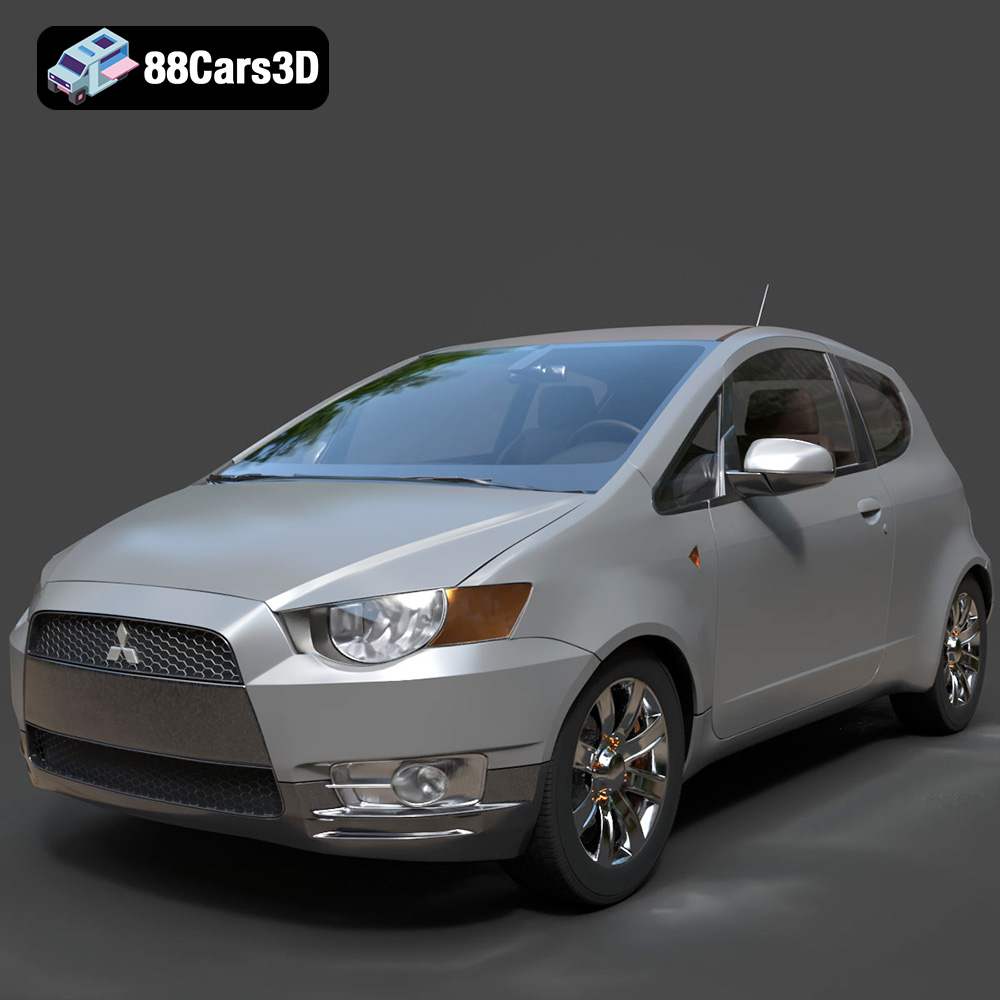
Download the Mitsubishi Colt 3 Door 2008 3D Model featuring clean geometry, realistic detailing, and a fully modeled interior. Includes .blend, .fbx, .obj, .glb, .stl, .ply, .unreal, and .max formats for rendering, simulation, and game development.
Price: $10
Texture: Yes
Material: Yes
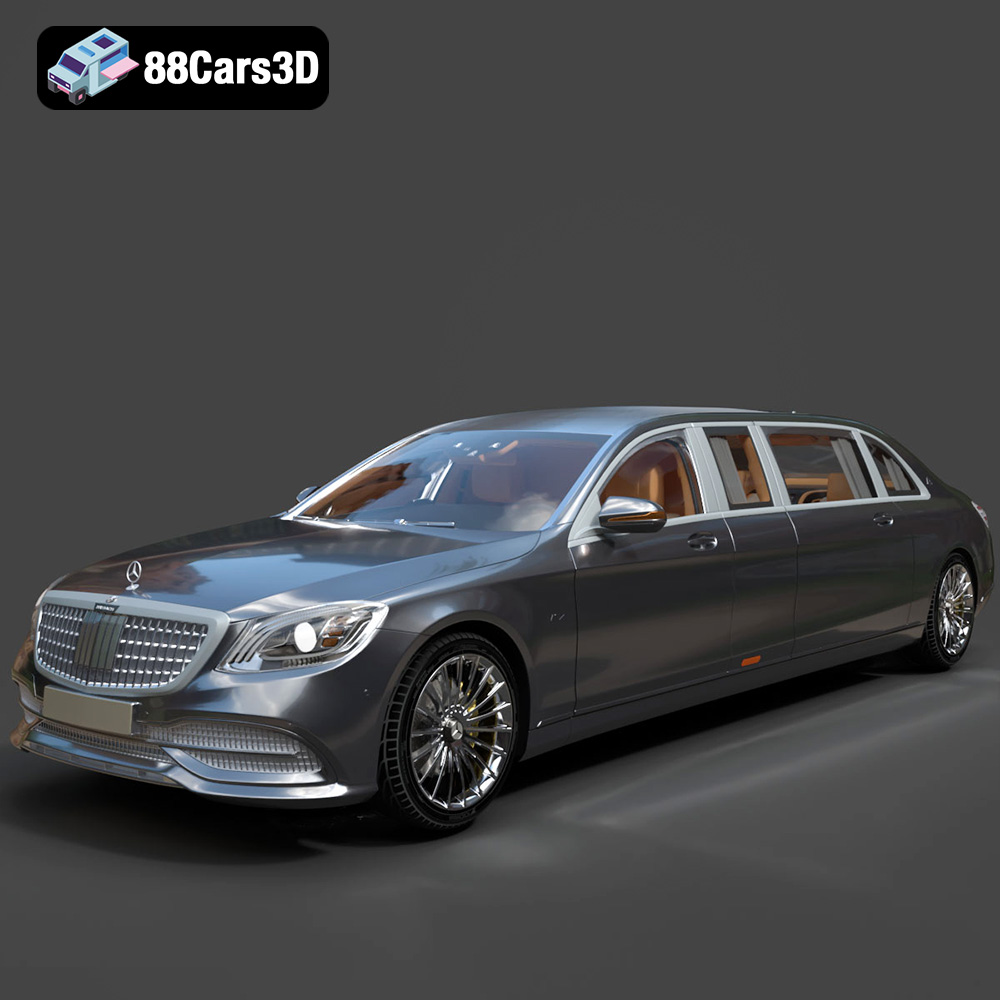
Download the Mercedes-Benz S650 Pullman 3D Model featuring clean geometry, realistic detailing, and a fully modeled interior. Includes .blend, .fbx, .obj, .glb, .stl, .ply, .unreal, and .max formats for rendering, simulation, and game development.
Price: $95.99
Texture: Yes
Material: Yes
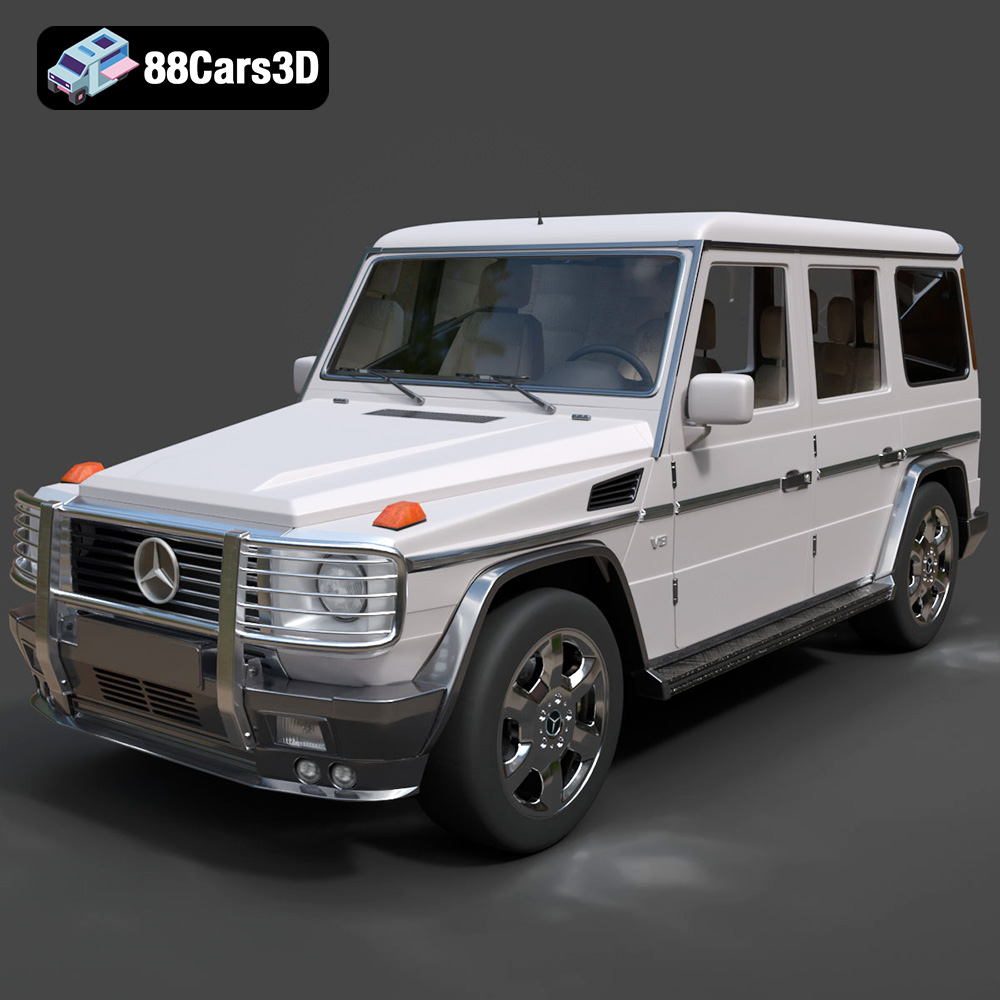
Download the Mercedes G-Class SUV 2024 3D Model featuring clean geometry, realistic detailing, and a fully modeled interior. Includes .blend, .fbx, .obj, .glb, .stl, .ply, .unreal, and .max formats for rendering, simulation, and game development.
Price: $10
Texture: Yes
Material: Yes
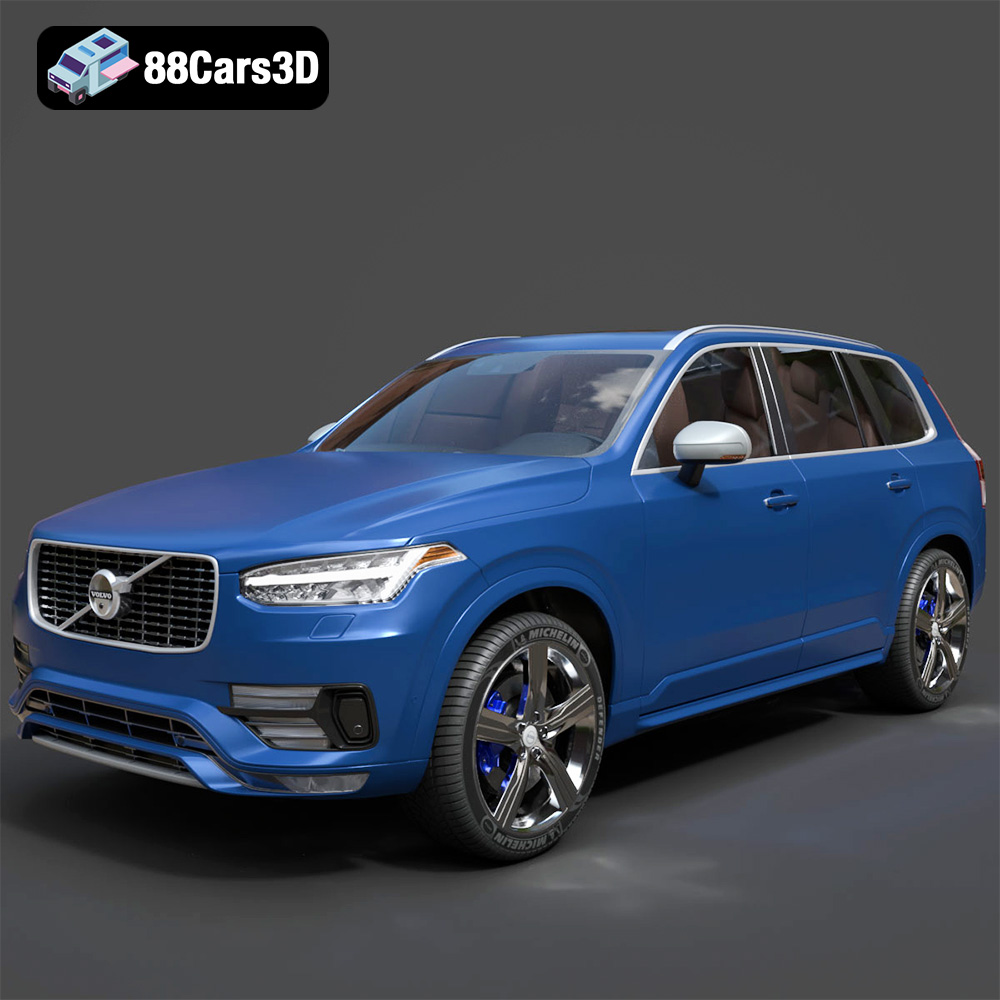
Download the Volvo XC90 R-Design 2015 3D Model featuring clean geometry, realistic detailing, and a fully modeled interior. Includes .blend, .fbx, .obj, .glb, .stl, .ply, .unreal, and .max formats for rendering, simulation, and game development.
Price: $10

