Get 50% OFF All Premium 3D & STL Models!

“`html
The world of 3D printing has revolutionized model making, prototyping, and hobbyist projects, especially when it comes to creating intricate designs like car models. Successfully 3D printing car models from STL files requires a blend of technical knowledge, careful preparation, and a dash of artistic flair. This comprehensive guide will walk you through every stage of the process, from understanding STL file structure to optimizing printer settings and mastering post-processing techniques. Whether you’re a seasoned 3D printing enthusiast or just starting your journey, this article will equip you with the expertise to create stunning, high-quality 3D printed car models. We’ll delve into the intricacies of STL files, explore slicing software, discuss FDM and resin printing techniques, and provide troubleshooting tips to overcome common printing challenges. By the end of this guide, you’ll be well-versed in the art of 3D printing car models that capture the beauty and detail of your favorite vehicles. Platforms like 88cars3d.com offer print-ready STL files, making it even easier to bring your automotive dreams to life.
At the heart of 3D printing lies the STL (Stereolithography) file format. This file type is the language your 3D printer understands, defining the geometry of your model as a collection of interconnected triangles. Understanding the intricacies of STL files is crucial for achieving successful and high-quality prints. The quality of your STL file directly impacts the final outcome, so paying attention to its structure and topology is paramount.
STL files represent 3D objects as a surface tessellation of triangles. Each triangle is defined by its three vertices (points in 3D space) and a normal vector. The normal vector indicates the direction the triangle is facing, which is essential for the slicer to interpret the model correctly. A well-formed STL file ensures that all triangles are properly connected and oriented. Issues like overlapping triangles, inverted normals, or gaps in the mesh can lead to printing errors. For complex models like car models, the number of triangles can be quite large, affecting file size and processing time. A higher triangle count generally results in a smoother surface finish but also increases the computational load on your 3D printer and slicing software.
Mesh topology refers to the connectivity and arrangement of the triangles in the STL file. A “manifold” mesh is a critical requirement for successful 3D printing. A manifold mesh is one that is watertight, meaning it has no holes, self-intersections, or non-manifold edges (edges shared by more than two triangles). Think of it like trying to fill a leaky bucket – if the mesh isn’t watertight, the slicer won’t be able to define the inside and outside of the object correctly. Non-manifold meshes often result in printing errors such as missing sections, unexpected voids, or complete print failures. Software like Netfabb, Meshmixer, and Blender can be used to identify and repair non-manifold issues in STL files. These tools offer features like automatic hole filling, mesh healing, and normal correction to ensure that your model is print-ready. For example, in Netfabb, you can use the “Repair” function to automatically fix common mesh errors. Similarly, Meshmixer’s “Make Solid” tool can convert a non-manifold mesh into a solid, printable object.
Slicing is the process of converting your 3D model (STL file) into a series of instructions (G-code) that your 3D printer can understand. The slicing software divides the model into thin horizontal layers, defining the path that the printer’s nozzle or laser will follow to create each layer. The parameters you set in your slicing software have a profound impact on the print quality, strength, and overall appearance of your car model. Understanding these parameters and how to optimize them is essential for achieving the desired results.
Layer height is the thickness of each individual layer in your 3D print. A smaller layer height (e.g., 0.1mm) results in a smoother surface finish and finer details, but it also increases the printing time significantly. A larger layer height (e.g., 0.3mm) reduces the printing time but compromises the surface quality. For car models where aesthetics are important, a smaller layer height is generally preferred. However, for prototyping or functional parts, a larger layer height may be acceptable. A good starting point for detailed car models is a layer height of 0.15mm to 0.2mm. Experiment with different layer heights to find the optimal balance between print quality and speed for your specific model and printer. Remember that layer height also affects the visibility of layer lines – a common issue in FDM printing. Post-processing techniques like sanding and painting can help to minimize the appearance of layer lines.
Infill refers to the internal structure of your 3D print. It provides strength and support to the outer walls of the model. Infill density is the percentage of the interior volume that is filled with infill material. A higher infill density (e.g., 50%) results in a stronger and heavier print, while a lower infill density (e.g., 15%) results in a lighter and faster print. The choice of infill pattern also affects the strength and printing time. Common infill patterns include rectilinear, grid, triangles, and gyroid. Gyroid infill is known for its excellent strength-to-weight ratio and isotropic properties (meaning it has similar strength in all directions). For car models, the infill density depends on the purpose of the model. If it’s purely for display, a lower infill density (10-20%) is usually sufficient. If the model needs to withstand some stress or be functional, a higher infill density (30-50%) is recommended. Consider using different infill densities for different parts of the model. For example, you might use a higher infill density for the wheels and chassis, and a lower infill density for the body panels to save material and printing time. When downloading models from marketplaces such as 88cars3d.com, consider the intended purpose and adjust infill accordingly.
Support structures are temporary structures that are printed to support overhanging parts of your 3D model. These structures prevent the model from collapsing during printing and ensure that unsupported areas are printed correctly. Support generation is a crucial aspect of 3D printing, especially for complex models like car models with intricate curves and overhangs. Proper support placement and removal are essential for achieving a clean and aesthetically pleasing final product.
Most slicing software offers both automatic and manual support placement options. Automatic support generation algorithms analyze the model and automatically place supports where they are needed. This is a convenient option for beginners, but it may not always be the most efficient or optimal solution. Manual support placement allows you to fine-tune the support structures, placing them strategically to minimize material usage, printing time, and potential damage to the model during removal. For car models, consider using manual support placement to target specific areas like the wheel arches, spoilers, and complex body curves. Avoid placing supports on visible surfaces whenever possible to minimize the need for post-processing. When using automatic support generation, carefully review the placement and make adjustments as needed. Pay attention to the support density, angle, and connection points to ensure that they provide adequate support without being overly difficult to remove. Software like Cura and PrusaSlicer offer advanced support settings that allow you to customize the support structure to suit your specific needs.
The choice of support material depends on the printing technology (FDM or resin) and the material used for the model. In FDM printing, the support material is usually the same as the model material (e.g., PLA or ABS). However, some printers support the use of soluble support materials like PVA (Polyvinyl Alcohol) or HIPS (High Impact Polystyrene), which can be dissolved in water or limonene, respectively. This eliminates the need for manual support removal and results in a cleaner surface finish. In resin printing, the support material is typically the same resin used for the model. Support removal can be more challenging in resin printing due to the strong adhesion between the support and the model. Carefully use tools like snippers, scrapers, and fine-tipped pliers to remove the supports. Soaking the model in warm water or using a heat gun can help to soften the supports and make them easier to remove. Take extra care when removing supports from delicate areas to avoid damaging the model. Consider using a small file or sandpaper to smooth out any remaining support marks. For FDM printing, a heated bed scraper and careful application of force can remove most supports, but be patient and work slowly to avoid damaging the model. Investing in a good set of precision tools can significantly improve the support removal process.
The choice of material and printer settings significantly impacts the final quality, strength, and appearance of your 3D printed car model. Selecting the right material for the job, along with fine-tuning your printer settings, is crucial for achieving the desired results. Factors like temperature, print speed, and bed adhesion all play a vital role in the printing process.
FDM (Fused Deposition Modeling) and resin printing (SLA/DLP/LCD) are the two most common 3D printing technologies. FDM printing involves extruding molten plastic through a nozzle to build the model layer by layer. Resin printing uses a light source (laser or projector) to cure liquid resin layer by layer. FDM printing is generally more affordable and suitable for larger models and functional parts. Resin printing offers higher resolution and finer details, making it ideal for intricate models and miniatures like car models. When choosing between FDM and resin printing, consider the level of detail required, the size of the model, and your budget. For highly detailed car models, resin printing is often the preferred choice. However, FDM printing can still produce excellent results with careful calibration and the right settings. FDM printers are also more versatile in terms of material compatibility, offering a wider range of options like PLA, PETG, ABS, and nylon. Resin printers are limited to using specific types of resin, which can be more expensive and require more careful handling. Resin printing also typically requires more post-processing steps, such as washing and curing, to fully harden the model.
Optimizing temperature, speed, and bed adhesion are crucial for successful FDM printing. The optimal printing temperature depends on the material being used. PLA typically prints at 190-220°C, while ABS requires higher temperatures (230-260°C). Print speed affects the print quality and printing time. A slower print speed generally results in a smoother surface finish and better detail resolution, but it also increases the printing time. A good starting point is a print speed of 40-60mm/s. Bed adhesion is essential for ensuring that the first layer of the print sticks to the build plate. Poor bed adhesion can lead to warping, lifting, or complete print failure. To improve bed adhesion, ensure that the bed is properly leveled and clean. Use a bed adhesive like glue stick, hairspray, or painter’s tape to enhance adhesion. A heated bed can also help to improve bed adhesion, especially for materials like ABS that are prone to warping. Resin printing requires different settings. Exposure time, layer height, and lift speed are key parameters. Exposure time determines how long each layer is exposed to the light source. Layer height affects the resolution of the print. Lift speed controls how quickly the build plate moves up after each layer is cured. Calibrating these settings for your specific resin and printer is essential for achieving optimal results. Conduct exposure tests and leveling procedures to guarantee good adhesion and the best details for the model.
Post-processing refers to the steps taken after the 3D printing process to improve the appearance, strength, and functionality of the model. For car models, post-processing is essential for achieving a professional and realistic finish. Techniques like sanding, filling, priming, and painting can transform a raw 3D print into a stunning masterpiece. Proper post-processing can also enhance the durability and longevity of the model.
Sanding is used to smooth out the surface of the 3D print and remove layer lines, support marks, and other imperfections. Start with coarse-grit sandpaper (e.g., 120-grit) to remove larger imperfections, and then gradually move to finer-grit sandpaper (e.g., 400-grit, 600-grit, and even higher) to achieve a smooth surface. Wet sanding can help to reduce dust and improve the sanding performance. Filling is used to fill in gaps, holes, and other imperfections. Epoxy putty, body filler, or specialized 3D printing fillers can be used for this purpose. Apply the filler to the affected areas and allow it to dry completely before sanding it smooth. Priming is used to create a uniform surface for painting. Primer also helps to improve the adhesion of the paint and protect the model from moisture and UV damage. Apply several thin coats of primer, allowing each coat to dry completely before applying the next. Sand the primer lightly between coats to achieve a smooth surface. Consider using different primers depending on the material and the type of paint you plan to use. For example, a plastic primer is recommended for PLA and ABS, while a metal primer is suitable for metal-infused filaments.
Painting is the final step in the post-processing process. Use high-quality paints specifically designed for models. Acrylic paints, enamel paints, and lacquer paints are all suitable options. Apply several thin coats of paint, allowing each coat to dry completely before applying the next. Use masking tape to create clean lines and protect areas that you don’t want to paint. Consider using an airbrush for a smoother and more even finish. Clear coating helps to protect the paint and add a glossy or matte finish. Apply several thin coats of clear coat, allowing each coat to dry completely before applying the next. Assembly involves putting together the different parts of the car model. Use glue, screws, or other fasteners to join the parts together. Ensure that the parts are properly aligned and securely attached. For complex models, refer to the assembly instructions provided with the STL files. When painting your model, consider using realistic automotive paints and detailing techniques to achieve a professional and authentic look. Research the color codes and finishes of the real-life car models you are replicating to ensure accuracy. Weathering and detailing techniques, such as washes and dry brushing, can add depth and realism to your model. When downloading models from marketplaces such as 88cars3d.com, verify if the model is designed for multi-part printing to simplify painting and assembly.
Even with careful preparation and optimized settings, 3D printing failures can still occur. Understanding the common causes of these failures and how to troubleshoot them is essential for achieving consistent and successful prints. This section will cover some of the most common 3D printing problems and provide practical solutions to overcome them.
Warping occurs when the corners or edges of the print lift off the build plate during printing. This is often caused by uneven cooling or poor bed adhesion. To prevent warping, ensure that the bed is properly leveled and clean. Use a bed adhesive like glue stick, hairspray, or painter’s tape to enhance adhesion. A heated bed can also help to improve bed adhesion, especially for materials like ABS that are prone to warping. Enclosing the printer can help to maintain a more consistent temperature and reduce warping. Bed adhesion issues can also be caused by incorrect first layer settings. Ensure that the first layer is printing at the correct height and temperature. Elephant’s foot is a condition where the first layer of the print is wider than the subsequent layers. This is often caused by excessive bed adhesion or too much pressure on the first layer. To fix elephant’s foot, reduce the bed temperature slightly or increase the distance between the nozzle and the bed. Adjusting the “Initial Layer Horizontal Expansion” setting in your slicer can also help. For resin printing, warping and bed adhesion issues can be caused by insufficient exposure time or poor leveling. Increase the exposure time slightly or re-level the build plate to improve adhesion. Using a raft or brim can also help to prevent warping and improve bed adhesion.
Stringing occurs when thin strands of plastic are left between different parts of the print. This is often caused by excessive retraction distance or temperature. To prevent stringing, reduce the retraction distance or lower the printing temperature. Increasing the travel speed can also help to minimize stringing. Blobs are small clumps of plastic that appear on the surface of the print. This is often caused by inconsistent extrusion or excessive nozzle pressure. To prevent blobs, calibrate your extruder and ensure that the filament is flowing smoothly. Reduce the nozzle temperature slightly or increase the retraction speed. Layer shifting occurs when the layers of the print are misaligned. This is often caused by loose belts, stepper motor issues, or vibrations. To prevent layer shifting, tighten the belts on your printer and ensure that the stepper motors are functioning correctly. Reduce the printing speed and minimize vibrations by placing the printer on a stable surface. Inspect the printer’s frame for rigidity and consider adding dampeners to reduce resonance. If the issue persists, check the G-code file for errors or try using a different slicing software.
Mastering 3D printing of car models from STL files is a journey that combines technical understanding with creative application. By understanding STL file structure, optimizing slicing parameters, mastering support generation, selecting the right materials and printer settings, and perfecting post-processing techniques, you can create stunning and high-quality 3D printed car models. Troubleshooting common printing failures is also essential for achieving consistent results. Remember to experiment with different settings and techniques to find what works best for your specific printer, material, and model. The world of 3D printing is constantly evolving, so stay curious, keep learning, and enjoy the process of bringing your automotive dreams to life. With the right knowledge and tools, you can transform digital STL files into tangible works of art. The possibilities are endless, so start exploring and unleash your creativity! When starting your search for STL models, remember to check out online marketplaces with well-prepared files, such as 88cars3d.com.
“`

Texture: Yes
Material: Yes
Download the Mercedes S-Class 2024 3D Model featuring clean geometry, realistic detailing, and a fully modeled interior. Includes .blend, .fbx, .obj, .glb, .stl, .ply, .unreal, and .max formats for rendering, simulation, and game development.
Price: $10

Texture: Yes
Material: Yes
Download the Chevrolet Camaro 1970 3D Model featuring clean geometry, realistic detailing, and a fully modeled interior. Includes .blend, .fbx, .obj, .glb, .stl, .ply, .unreal, and .max formats for rendering, simulation, and game development.
Price: $10

Texture: Yes
Material: Yes
Download the Mercedes-AMG GT 2015 3D Model featuring clean geometry, realistic detailing, and a fully modeled interior. Includes .blend, .fbx, .obj, .glb, .stl, .ply, .unreal, and .max formats for rendering, simulation, and game development.
Price: $88.99

Texture: Yes
Material: Yes
Download the Suzuki GSX-R 1000 3D Model featuring clean geometry, realistic detailing, and a fully modeled interior. Includes .blend, .fbx, .obj, .glb, .stl, .ply, .unreal, and .max formats for rendering, simulation, and game development.
Price: $10

Texture: Yes
Material: Yes
Download the Porsche Cayman S 2024 3D Model featuring clean geometry, realistic detailing, and a fully modeled interior. Includes .blend, .fbx, .obj, .glb, .stl, .ply, .unreal, and .max formats for rendering, simulation, and game development.
Price: $10

Texture: Yes
Material: Yes
Download the Holden Commodore Sportwagon 2017 3D Model featuring clean geometry, realistic detailing, and a fully modeled interior. Includes .blend, .fbx, .obj, .glb, .stl, .ply, .unreal, and .max formats for rendering, simulation, and game development.
Price: $10
Texture: Yes
Material: Yes
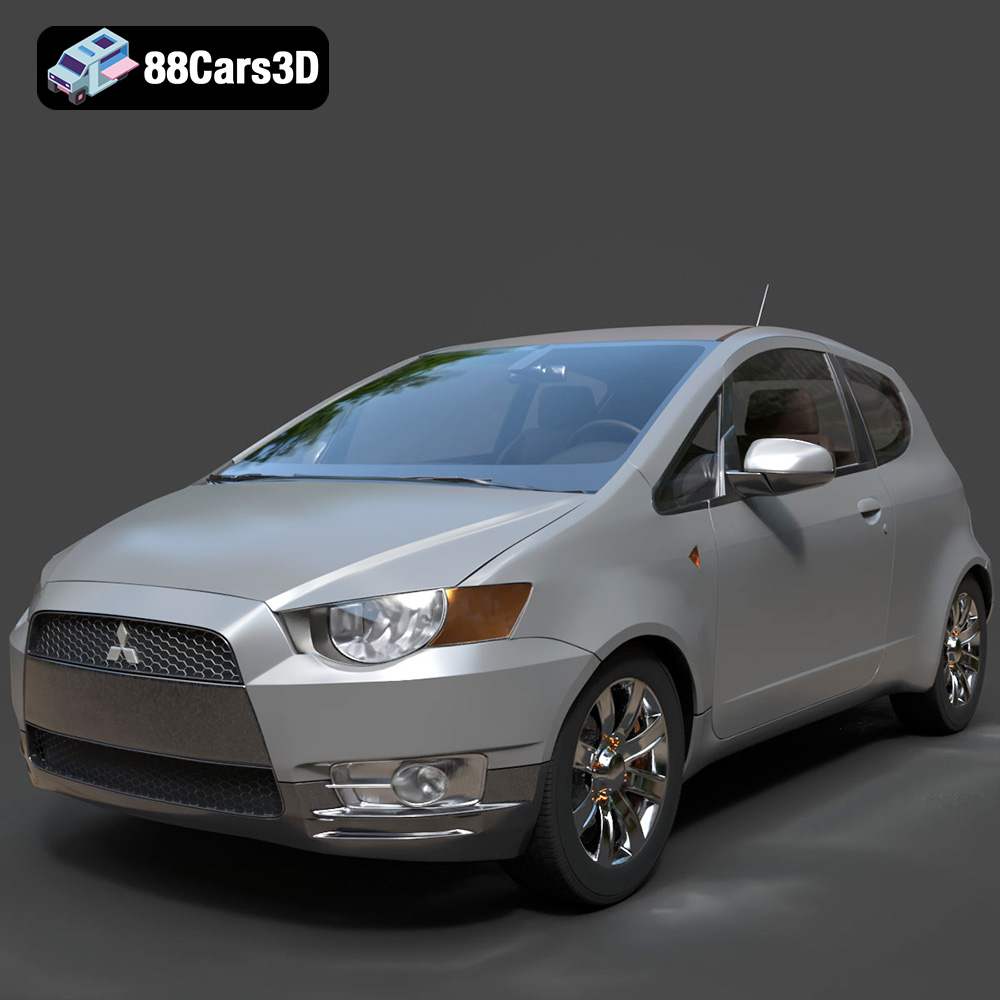
Download the Mitsubishi Colt 3 Door 2008 3D Model featuring clean geometry, realistic detailing, and a fully modeled interior. Includes .blend, .fbx, .obj, .glb, .stl, .ply, .unreal, and .max formats for rendering, simulation, and game development.
Price: $10
Texture: Yes
Material: Yes
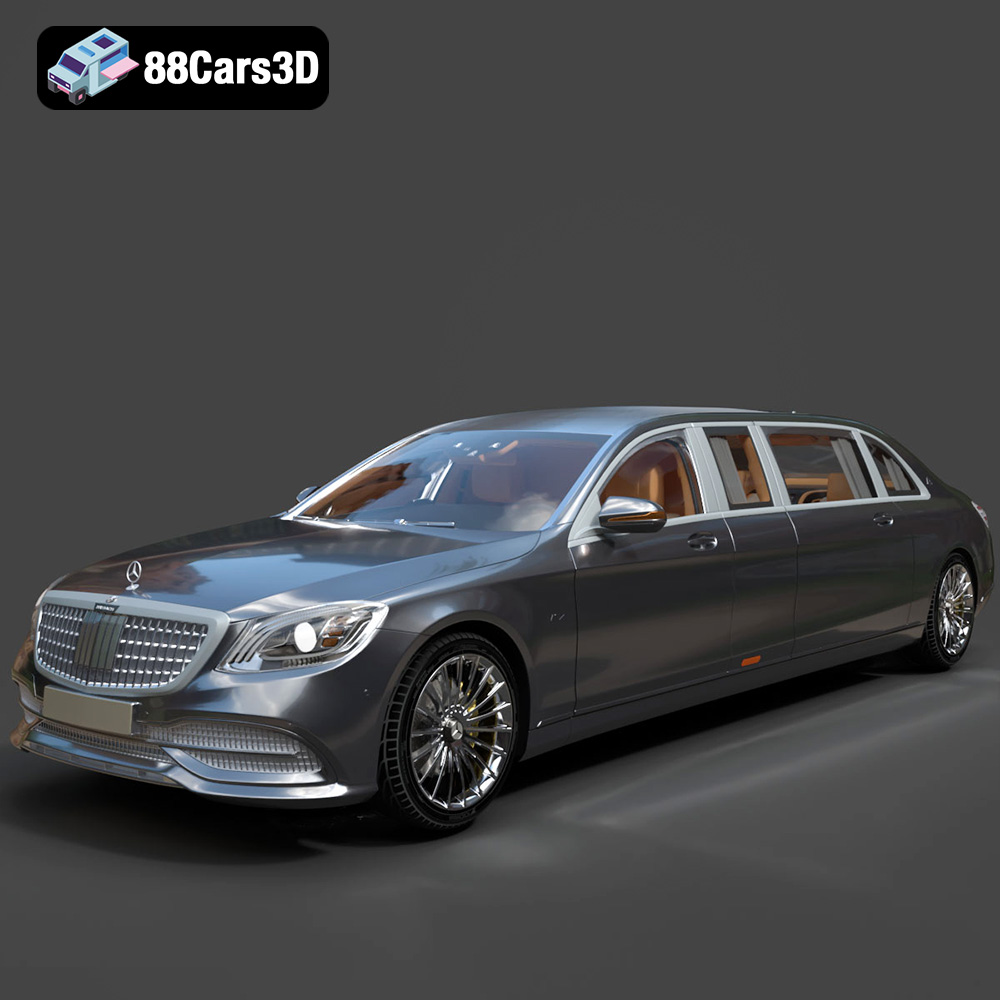
Download the Mercedes-Benz S650 Pullman 3D Model featuring clean geometry, realistic detailing, and a fully modeled interior. Includes .blend, .fbx, .obj, .glb, .stl, .ply, .unreal, and .max formats for rendering, simulation, and game development.
Price: $95.99
Texture: Yes
Material: Yes
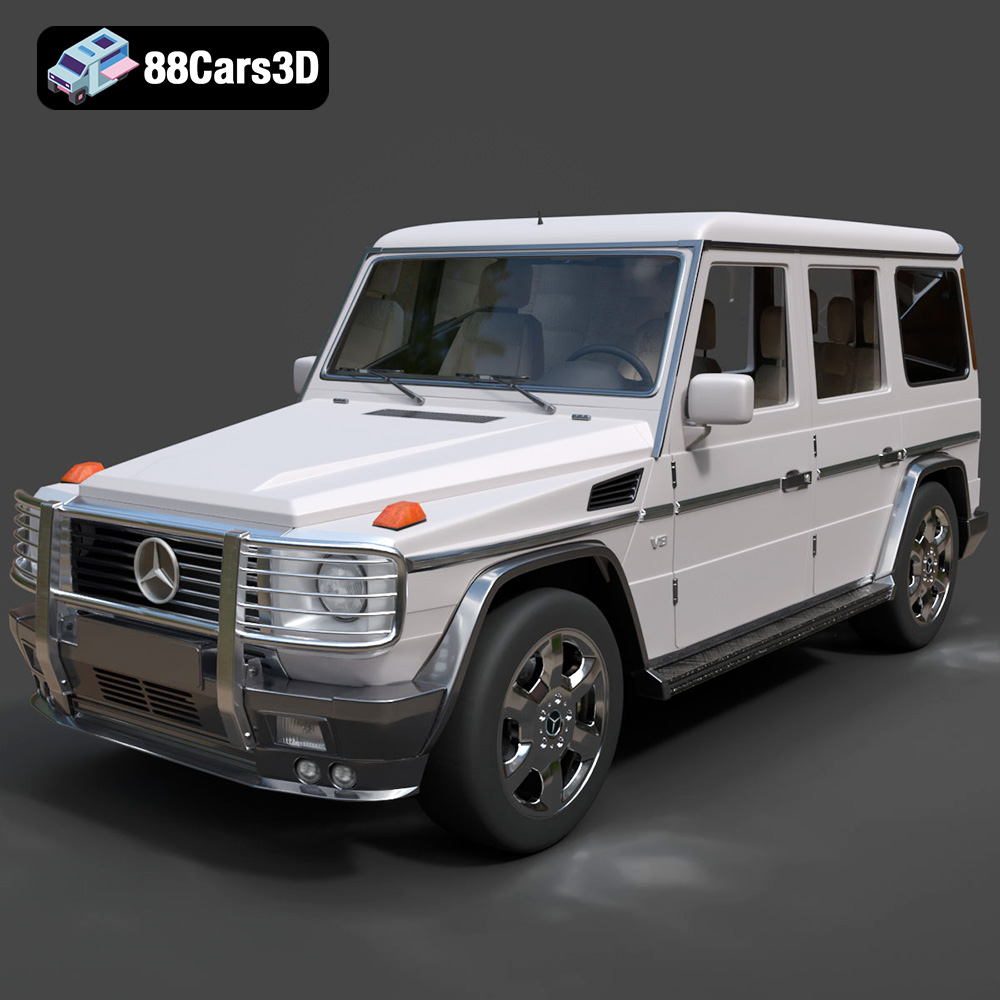
Download the Mercedes G-Class SUV 2024 3D Model featuring clean geometry, realistic detailing, and a fully modeled interior. Includes .blend, .fbx, .obj, .glb, .stl, .ply, .unreal, and .max formats for rendering, simulation, and game development.
Price: $10

Texture: Yes
Material: Yes
Download the Volvo XC90 R-Design 2015 3D Model featuring clean geometry, realistic detailing, and a fully modeled interior. Includes .blend, .fbx, .obj, .glb, .stl, .ply, .unreal, and .max formats for rendering, simulation, and game development.
Price: $10

