Get 50% OFF All Premium 3D & STL Models!

“`html
The world of 3D printing has opened up incredible possibilities for automotive enthusiasts, model makers, and engineers. From creating detailed scale models to prototyping new designs, the ability to bring digital car models to life is truly revolutionary. However, achieving high-quality results requires a deep understanding of the 3D printing process, from preparing STL files to optimizing printer settings and mastering post-processing techniques. This comprehensive guide will walk you through every step of the process, providing the technical knowledge and practical tips you need to create stunning 3D printed car models. We’ll cover STL file preparation, slicing techniques, print parameter optimization, support structure strategies, and post-processing methods, ensuring you can confidently tackle even the most complex projects. Platforms like 88cars3d.com offer print-ready STL files, significantly streamlining this process, but understanding the underlying principles is still crucial for achieving optimal results.
The STL (stereolithography) file format is the cornerstone of 3D printing. It represents a 3D model as a collection of interconnected triangles, forming a mesh that approximates the object’s surface. The quality of the STL file directly impacts the final print, so understanding its structure and potential issues is essential. When downloading models from marketplaces such as 88cars3d.com, you’re receiving an STL (or sometimes other formats like OBJ) file that your slicer software will interpret.
The density of the triangular mesh determines the resolution of the STL file. A higher resolution (more triangles) results in a smoother surface and finer details, but also increases the file size and processing time. Low-resolution meshes can exhibit faceting, where the individual triangles become visible on the printed surface. Consider the desired level of detail when choosing or preparing an STL file. For car models, particularly those with curved surfaces, a higher resolution is generally preferred to capture the smooth lines accurately.
Larger STL files require more processing power from your slicer software and can slow down the 3D printing process. Optimize the mesh resolution to balance detail and file size. Tools like MeshLab or Blender can be used to reduce the number of triangles while preserving essential details through decimation algorithms. A good starting point is to aim for an STL file size under 50MB for most consumer-grade 3D printers. However, complex models with intricate details might require larger file sizes.
A common issue with STL files is non-manifold geometry. This occurs when the mesh contains errors such as holes, self-intersections, or inverted normals (triangles facing the wrong direction). Non-manifold geometry can cause slicing errors and failed prints. Use mesh repair tools like Netfabb Basic or Meshmixer to identify and fix these issues before slicing. Netfabb’s automatic repair tool is particularly effective at resolving a wide range of mesh errors. Meshmixer allows for more manual control, allowing you to sculpt and refine the mesh as needed.
Slicing software is the bridge between the digital STL file and the physical 3D printer. It takes the STL file as input, divides it into thin layers, and generates G-code, the language that instructs the printer’s movements, temperature settings, and material extrusion. Choosing the right slicing software and understanding its parameters is crucial for achieving optimal print quality. Popular options include Cura, PrusaSlicer, Simplify3D, and IdeaMaker, each offering a range of features and customization options.
Layer height is the thickness of each printed layer. A smaller layer height (e.g., 0.1mm) results in smoother surfaces and finer details, but also increases the print time. A larger layer height (e.g., 0.3mm) prints faster but may exhibit visible layer lines. For car models, a layer height between 0.1mm and 0.2mm is generally recommended for a good balance of detail and speed. Experiment with different layer heights to find the optimal setting for your specific printer and model.
Infill refers to the internal structure of the 3D printed object. It provides strength and support while minimizing material usage. Infill density is the percentage of the object’s interior that is filled with material. A higher infill density (e.g., 50%) results in a stronger but heavier print. A lower infill density (e.g., 15%) prints faster and uses less material but may be less strong. Common infill patterns include grid, honeycomb, gyroid, and triangles, each offering different strength and print time characteristics. For car models, a gyroid infill pattern at 20-25% density provides a good balance of strength and weight. Consider increasing the infill density for parts that experience significant stress, such as wheel axles or suspension components.
Print speed controls how quickly the printer moves and extrudes material. Higher print speeds can reduce print time but may also decrease print quality, especially for intricate details. Slower print speeds generally result in smoother surfaces and more accurate dimensions. Temperature settings control the temperature of the nozzle and the print bed. Different materials require different temperature settings for optimal adhesion and extrusion. For PLA, a nozzle temperature of 200-220°C and a bed temperature of 60°C are generally recommended. For ABS, a nozzle temperature of 230-250°C and a bed temperature of 80-110°C are typically required. Refer to the material manufacturer’s recommendations for specific temperature settings.
Support structures are temporary structures that provide support for overhanging features during 3D printing. They prevent the material from sagging or collapsing and ensure that the print adheres properly to the build plate. Generating and removing support structures effectively is a crucial skill for printing complex car models with intricate details and overhangs.
Most slicing software offers automatic support generation, which analyzes the model and automatically places supports where needed. While convenient, automatic supports may not always be optimal and can sometimes generate unnecessary supports or fail to adequately support critical areas. Manual support generation allows for more control over the placement and type of supports, enabling you to optimize for strength, material usage, and ease of removal. Consider using manual support generation for complex areas or when automatic supports are not producing satisfactory results. For example, supporting the underside of a car spoiler might require carefully placed manual supports to ensure a smooth, accurate finish.
The choice of support material can significantly impact the ease of support removal. Some materials, such as HIPS (High Impact Polystyrene), are soluble in specific solvents, allowing for effortless support removal. Other materials, such as PLA, require manual removal, which can be more challenging and may leave behind blemishes on the printed surface. Support density affects the strength and stability of the supports. A higher support density provides more support but can also be more difficult to remove. A lower support density is easier to remove but may not provide sufficient support for heavy overhangs. Experiment with different support materials and densities to find the optimal balance for your specific model.
Proper support removal is essential to avoid damaging the printed model. Use specialized tools such as pliers, tweezers, and hobby knives to carefully remove the supports. For soluble supports, immerse the print in the appropriate solvent until the supports dissolve. For manual removal, start by gently breaking away the larger support structures, then use the tools to remove the smaller, more delicate supports. Be careful not to scratch or damage the surface of the model. Sanding and polishing can be used to smooth out any remaining blemishes after support removal.
The choice of material significantly impacts the strength, durability, and appearance of your 3D printed car model. Common FDM (Fused Deposition Modeling) materials include PLA (Polylactic Acid), PETG (Polyethylene Terephthalate Glycol), and ABS (Acrylonitrile Butadiene Styrene). Resin printing, also known as stereolithography (SLA) or digital light processing (DLP), uses liquid resin that is cured by UV light and offers higher resolution and smoother surfaces.
PLA is a popular choice for beginners due to its ease of printing and biodegradability. It has a low melting point and requires minimal bed heating, making it compatible with a wide range of 3D printers. PLA is relatively strong and stiff, but it is also brittle and prone to warping in high-temperature environments. It’s best suited for decorative models or prototypes that don’t require high strength or heat resistance. PLA is also a good option for initial test prints due to its lower cost.
PETG offers a good balance of strength, durability, and heat resistance. It is more flexible than PLA and less prone to warping than ABS. PETG is also food-safe, making it suitable for functional parts that may come into contact with food or liquids. It requires slightly higher printing temperatures than PLA but is still relatively easy to print. PETG is a good choice for car models that require some degree of flexibility and resistance to heat and impacts.
ABS is a strong, heat-resistant material that is commonly used in automotive and industrial applications. It has a higher melting point than PLA and PETG and requires a heated bed to prevent warping. ABS also emits fumes during printing, so it is recommended to print in a well-ventilated area. ABS is a good choice for car models that require high strength, heat resistance, and durability, such as functional prototypes or parts that will be exposed to high temperatures. Consider an enclosure to maintain a stable temperature during printing to minimize warping.
Resin printing offers significantly higher resolution and smoother surfaces than FDM printing. It is ideal for creating highly detailed car models with intricate features. Resin printers use liquid resin that is cured by UV light, resulting in parts with exceptional detail and accuracy. However, resin printing can be more expensive than FDM printing, and the resins themselves can be toxic and require special handling and disposal procedures. Resin-printed parts also tend to be more brittle than FDM-printed parts and may not be suitable for functional applications that require high strength. After printing, resin parts require washing in isopropyl alcohol (IPA) and curing under UV light to fully harden. For smaller, highly detailed car models, resin printing offers unmatched quality.
Post-processing is the final stage in the 3D printing process and involves a range of techniques to improve the appearance, strength, and functionality of the printed part. Common post-processing techniques include sanding, painting, and assembly. Mastering these techniques is essential for achieving a professional finish on your 3D printed car models.
Sanding is used to remove layer lines and smooth out the surface of the printed part. Start with coarse-grit sandpaper (e.g., 220 grit) to remove large imperfections, then gradually move to finer-grit sandpaper (e.g., 400, 600, 800 grit) to achieve a smooth, polished surface. Wet sanding can help to reduce dust and improve the sanding process. Be careful not to sand too aggressively, as this can remove too much material and distort the shape of the part. Consider using a primer filler spray to fill in any remaining imperfections before painting.
Painting is used to add color and protect the surface of the printed part. Start by applying a primer coat to improve adhesion and provide a uniform surface for the paint. Then, apply multiple thin coats of paint, allowing each coat to dry completely before applying the next. Use high-quality paints designed for plastic models to achieve the best results. Consider using an airbrush for a smooth, even finish. After painting, apply a clear coat to protect the paint and add a glossy or matte finish. Polishing compounds can be used to further enhance the glossiness of the finish.
Many car models consist of multiple parts that need to be assembled after printing. Use adhesives such as super glue or epoxy to join the parts together. Be careful to align the parts correctly and avoid using too much adhesive, which can create unsightly seams. Additional detailing can be added to the model using decals, paint pens, and other accessories. Consider adding realistic details such as windows, lights, and interior components to enhance the realism of the model.
Even with careful preparation and optimized settings, 3D printing can sometimes encounter issues. Understanding common problems and their solutions is crucial for minimizing failures and achieving successful prints.
Warping occurs when the printed part lifts off the build plate during printing, often due to uneven cooling or poor bed adhesion. To prevent warping, ensure that the build plate is clean and level. Use a bed adhesive such as glue stick, hairspray, or painter’s tape to improve adhesion. Preheat the build plate to the recommended temperature for the material being used. Consider using a brim or raft to increase the surface area in contact with the build plate. For ABS, an enclosure is highly recommended to maintain a stable temperature and prevent warping.
Stringing occurs when the printer extrudes material while moving between different parts of the print, leaving thin strands of plastic behind. Blobs are small accumulations of plastic on the surface of the print. To prevent stringing and blobs, optimize the retraction settings in your slicing software. Increase the retraction distance and speed. Lower the printing temperature slightly. Ensure that the nozzle is clean and free of debris. Consider using a travel move over open areas to minimize stringing.
Layer shifting occurs when the printer suddenly shifts the position of the print along one or more axes, resulting in misaligned layers. This can be caused by loose belts, stepper motor issues, or excessive print speeds. To prevent layer shifting, tighten the belts on your 3D printer. Ensure that the stepper motors are properly calibrated and not overheating. Reduce the print speed, especially for complex or tall prints. Check for any obstructions that may be interfering with the printer’s movement.
Mastering 3D printing for car models requires a combination of technical knowledge, practical skills, and patience. By understanding STL file structure, slicing parameters, support structures, material selection, and post-processing techniques, you can create stunning 3D printed car models that showcase your creativity and technical expertise. Remember to experiment with different settings and techniques to find what works best for your specific printer, materials, and models. Platforms like 88cars3d.com provide access to a wide range of high-quality STL files, but the ultimate success of your print depends on your understanding and application of these principles. Start with simpler models and gradually work your way up to more complex projects. Don’t be afraid to experiment, learn from your mistakes, and continuously refine your techniques. The world of 3D printed car models is vast and exciting, and with dedication and practice, you can create truly exceptional results. Your next step is to choose a model, prepare your printer, and start experimenting!
“`

Texture: Yes
Material: Yes
Download the Mercedes S-Class 2024 3D Model featuring clean geometry, realistic detailing, and a fully modeled interior. Includes .blend, .fbx, .obj, .glb, .stl, .ply, .unreal, and .max formats for rendering, simulation, and game development.
Price: $10

Texture: Yes
Material: Yes
Download the Chevrolet Camaro 1970 3D Model featuring clean geometry, realistic detailing, and a fully modeled interior. Includes .blend, .fbx, .obj, .glb, .stl, .ply, .unreal, and .max formats for rendering, simulation, and game development.
Price: $10

Texture: Yes
Material: Yes
Download the Mercedes-AMG GT 2015 3D Model featuring clean geometry, realistic detailing, and a fully modeled interior. Includes .blend, .fbx, .obj, .glb, .stl, .ply, .unreal, and .max formats for rendering, simulation, and game development.
Price: $88.99

Texture: Yes
Material: Yes
Download the Suzuki GSX-R 1000 3D Model featuring clean geometry, realistic detailing, and a fully modeled interior. Includes .blend, .fbx, .obj, .glb, .stl, .ply, .unreal, and .max formats for rendering, simulation, and game development.
Price: $10

Texture: Yes
Material: Yes
Download the Porsche Cayman S 2024 3D Model featuring clean geometry, realistic detailing, and a fully modeled interior. Includes .blend, .fbx, .obj, .glb, .stl, .ply, .unreal, and .max formats for rendering, simulation, and game development.
Price: $10

Texture: Yes
Material: Yes
Download the Holden Commodore Sportwagon 2017 3D Model featuring clean geometry, realistic detailing, and a fully modeled interior. Includes .blend, .fbx, .obj, .glb, .stl, .ply, .unreal, and .max formats for rendering, simulation, and game development.
Price: $10
Texture: Yes
Material: Yes
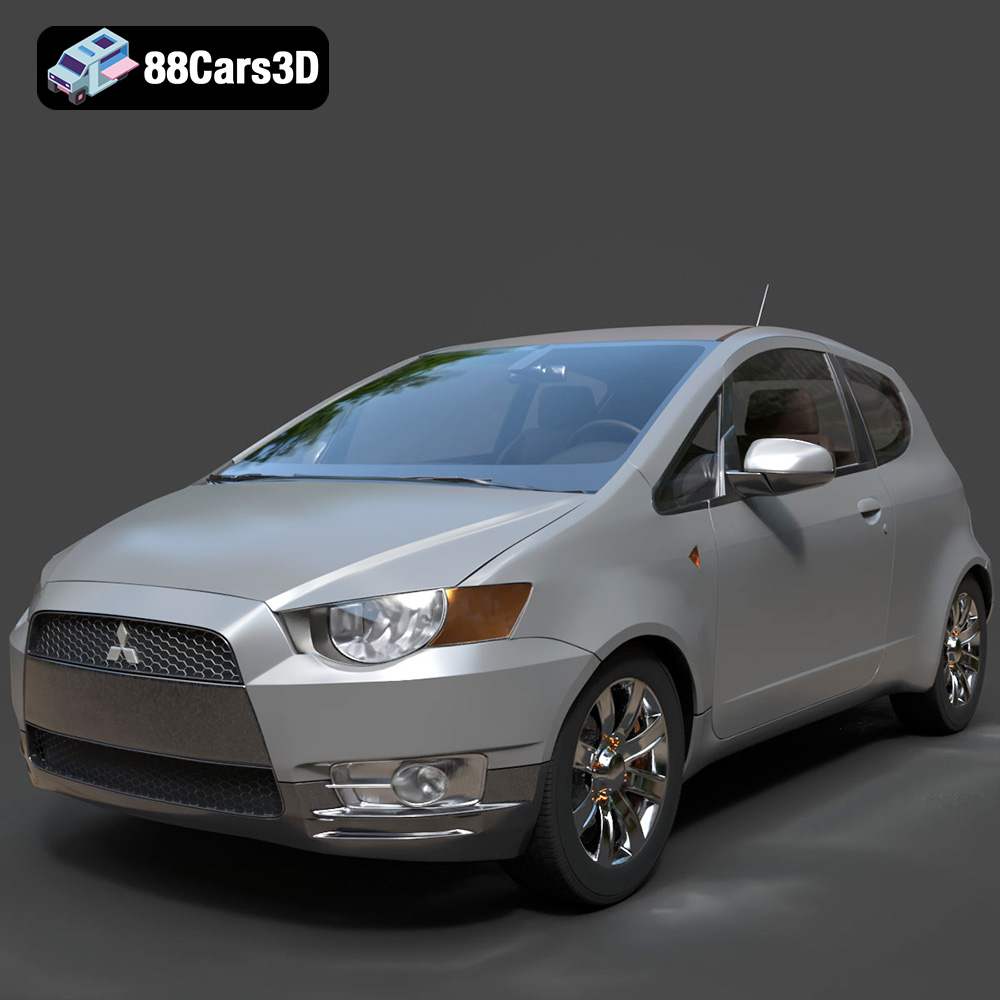
Download the Mitsubishi Colt 3 Door 2008 3D Model featuring clean geometry, realistic detailing, and a fully modeled interior. Includes .blend, .fbx, .obj, .glb, .stl, .ply, .unreal, and .max formats for rendering, simulation, and game development.
Price: $10
Texture: Yes
Material: Yes
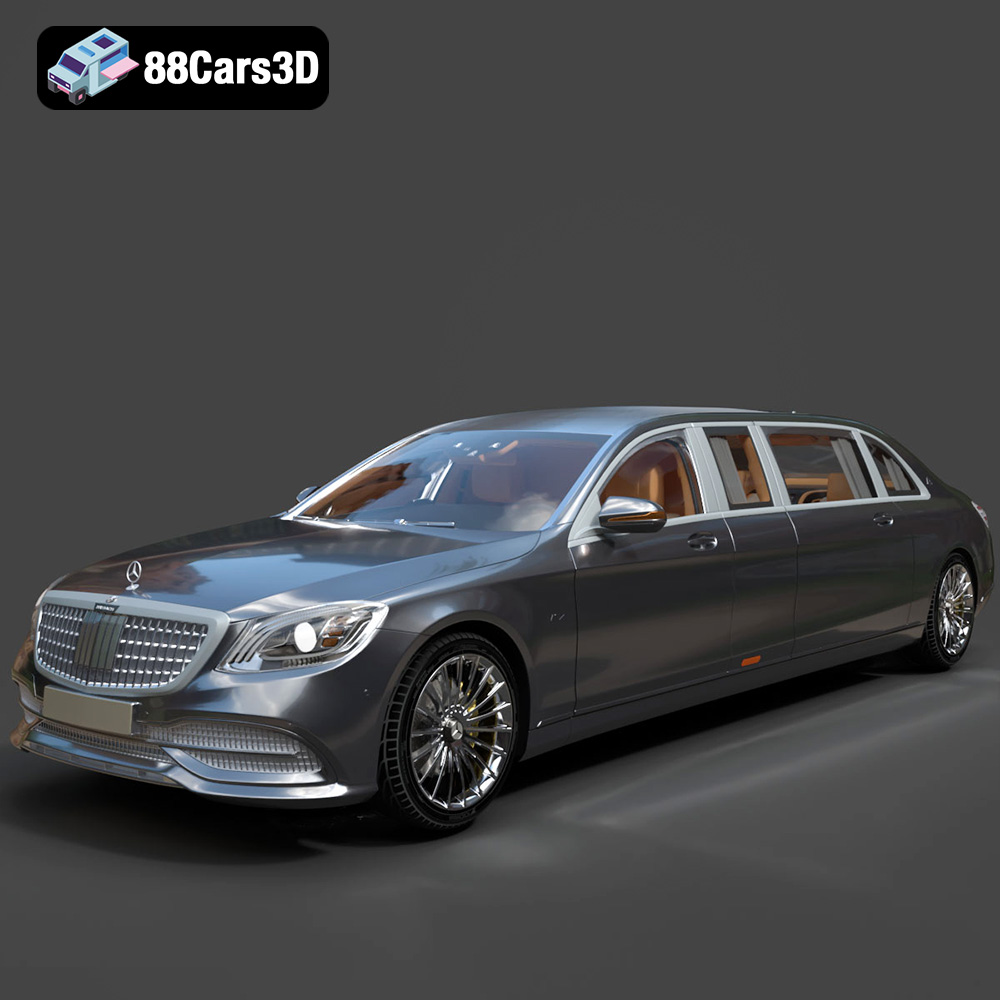
Download the Mercedes-Benz S650 Pullman 3D Model featuring clean geometry, realistic detailing, and a fully modeled interior. Includes .blend, .fbx, .obj, .glb, .stl, .ply, .unreal, and .max formats for rendering, simulation, and game development.
Price: $95.99
Texture: Yes
Material: Yes
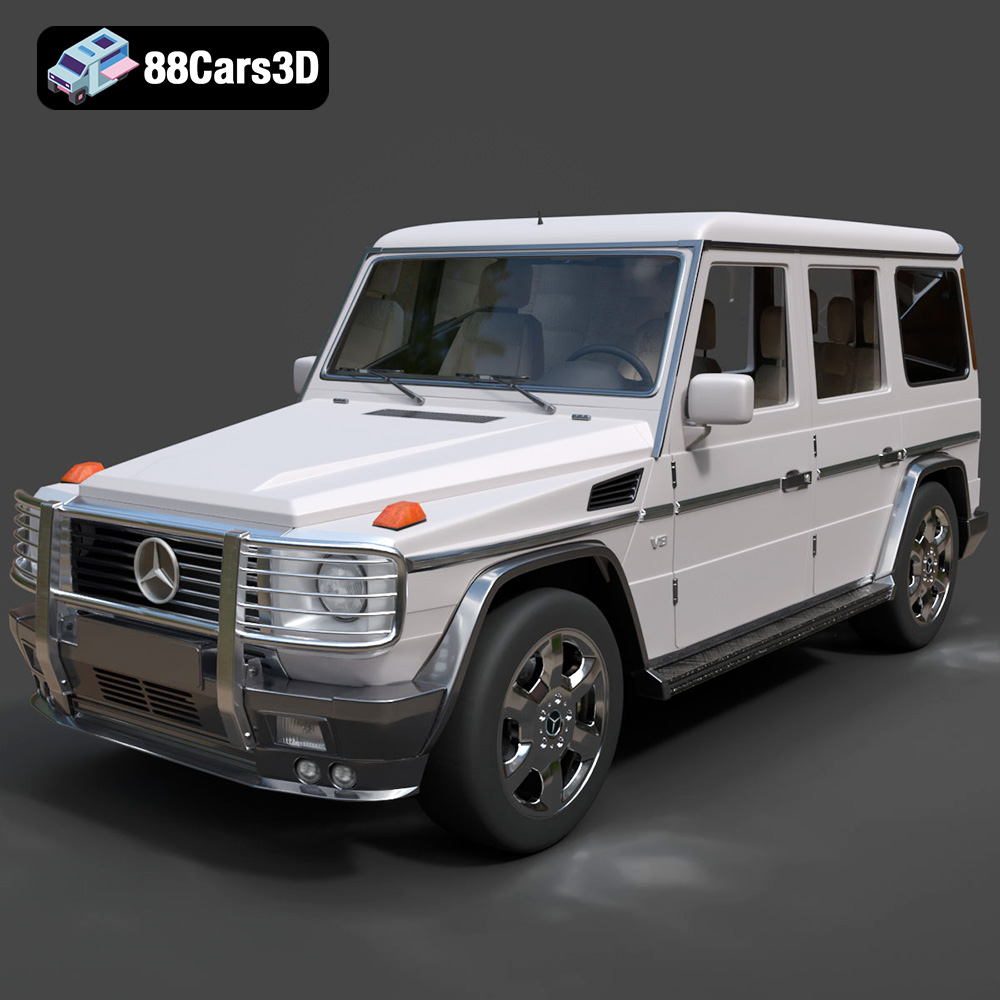
Download the Mercedes G-Class SUV 2024 3D Model featuring clean geometry, realistic detailing, and a fully modeled interior. Includes .blend, .fbx, .obj, .glb, .stl, .ply, .unreal, and .max formats for rendering, simulation, and game development.
Price: $10

Texture: Yes
Material: Yes
Download the Volvo XC90 R-Design 2015 3D Model featuring clean geometry, realistic detailing, and a fully modeled interior. Includes .blend, .fbx, .obj, .glb, .stl, .ply, .unreal, and .max formats for rendering, simulation, and game development.
Price: $10

