Get 50% OFF All Premium 3D & STL Models!

The world of automotive visualization has been revolutionized. Gone are the days of long overnight renders for a single static image. Today, real-time rendering engines like Unreal Engine have empowered artists, designers, and marketers to create breathtaking, interactive, and photorealistic experiences at the speed of thought. Whether you’re building a high-octane racing game, a dynamic car configurator for a dealership website, or a cinematic commercial using virtual production, Unreal Engine offers an unparalleled suite of tools. However, the quality of your final output is fundamentally tied to the quality of your source assets. A powerful engine needs premium fuel, and in this context, that means a meticulously crafted 3D car model.
This comprehensive guide will walk you through the entire workflow of taking a high-quality 3D car model and transforming it into a stunning, interactive asset inside Unreal Engine 5. We will explore everything from initial project setup and asset preparation to harnessing the groundbreaking power of Nanite for high-poly geometry and Lumen for dynamic global illumination. We’ll dive deep into creating photorealistic PBR materials, building interactive elements with Blueprint, and optimizing your scene for flawless real-time performance. By the end of this article, you will have a clear, actionable roadmap for elevating your automotive visualization projects from good to truly exceptional.
A successful project begins with a solid foundation. Before you can even think about stunning lighting or complex materials, you need to configure your Unreal Engine project correctly and ensure your 3D car model is prepared for a seamless import process. This initial phase is critical for avoiding technical headaches and performance bottlenecks down the line.
When you first launch Unreal Engine, you’re presented with several project templates. The choice you make here sets up initial configurations tailored to different use cases. For automotive visualization, two templates are typically the best starting points:
For most real-time visualization work, starting with the Virtual Production template is a strong choice as it enables many essential rendering features by default. Remember to also enable the Hardware Ray Tracing and Path Tracing options in your Project Settings (under Engine > Rendering) if you plan to use those features for the highest quality offline renders.
The quality of your source model is paramount. Sourcing assets from professional marketplaces such as 88cars3d.com can save you hundreds of hours, as these models are typically built with clean topology, proper UV mapping, and a logical object hierarchy. When importing your model (usually as an FBX file), the import dialog presents several crucial options:
After importing, drop the model into your scene and perform a quick validation. Check the scale, ensure all parts are present, and verify that the object hierarchy (e.g., wheels separate from the body) is intact in the Outliner panel.
A complex automotive scene can quickly become cluttered. Use Unreal Engine’s Data Layers system to keep things organized. You can create layers for different parts of your scene, such as `Geo_Car`, `Lighting_Studio`, `Cameras`, and `Environment`. This allows you to easily toggle the visibility of entire groups of objects, which is invaluable for focusing on specific tasks like lighting or animation without visual noise. This disciplined approach to organization is a hallmark of professional workflows.
One of the most significant advancements in recent Unreal Engine versions is Nanite. For automotive visualization, it represents a paradigm shift, effectively eliminating the traditional constraints of polygon budgets and manual Level of Detail (LOD) creation for the main vehicle body.
Nanite is Unreal Engine’s virtualized geometry system. In simple terms, it allows you to render film-quality, multi-million-polygon meshes in real-time without significant performance loss. Instead of loading the entire mesh into memory, Nanite intelligently breaks it down into small clusters and streams only the visible, detail-necessary clusters to the GPU. For automotive models, which rely on perfect curvature and tiny details (headlight interiors, panel gaps, brake calipers), this is revolutionary. You can now use your source CAD data or high-subdivision models directly in the engine, preserving every nuance of the design without spending weeks on manual optimization and retopology.
While Nanite is incredibly powerful, it works best with well-prepared assets. High-quality 3D car models are often already well-suited for this workflow. Here are the key considerations:
Even with Nanite, performance is a consideration. You can use Nanite’s built-in visualization modes (accessible in the Level Viewport under “Nanite Visualization”) to audit your scene. The Clusters view shows the granular level at which Nanite operates, while the Triangles view shows the incredible efficiency of its decimation—rendering only the triangles needed for the current view. If you notice performance issues, check the Mask view. A fully green object indicates it’s rendering efficiently through Nanite, while red indicates a fallback mesh is being used due to an unsupported feature (like certain types of vertex deformation).
A high-poly model is only half the story; photorealism is achieved through meticulously crafted materials. Unreal Engine’s Material Editor is an incredibly powerful node-based system that allows you to simulate virtually any real-world surface using a Physically Based Rendering (PBR) workflow.
The PBR workflow aims to simulate how light interacts with surfaces in the real world. This is achieved through a set of texture maps that control different surface properties:
When working with assets from a marketplace like 88cars3d.com, you’ll often receive these PBR textures, ready to be plugged into the Unreal Material Editor.
Automotive paint is one of the most complex materials to replicate. It’s a multi-layered surface with a base coat, metallic flakes, and a glossy clear coat on top. Unreal’s Material Editor can simulate this perfectly using the Clear Coat shading model.
By building this as a “Master Material” with parameters, you can then create dozens of Material Instances and change the color, flake intensity, and clear coat properties without ever recompiling the base material shader.
Beyond car paint, you’ll need to create materials for glass, chrome, rubber, and carbon fiber.
Lighting is what breathes life into a scene, transforming a sterile 3D model into a convincing, emotive image. Unreal Engine 5’s Lumen system provides a fully dynamic Global Illumination and Reflections solution that makes achieving photorealistic lighting faster and more interactive than ever before.
Lumen is the default lighting system in new UE5 projects. It calculates realistic light bounces (Global Illumination) and reflections in real-time without the need for pre-calculating lightmaps or using reflection probes for every surface. For automotive visualization, this is a massive advantage. You can move your car, change the lights, or swap environments, and the lighting and reflections update instantly with stunning accuracy. Lumen uses a combination of techniques, including Screen Space Traces and a Software Ray Tracing pass against a simplified scene representation, to achieve this balance of quality and performance.
A classic way to showcase a vehicle is in a virtual photo studio. Here’s a simple but effective setup:
While Lumen is a software-based ray tracing solution, Unreal Engine also supports dedicated Hardware Ray Tracing, which leverages the RT Cores on modern GPUs (NVIDIA RTX, AMD RDNA2+).
You can enable Hardware Ray Tracing support within Lumen itself in the Project Settings to get the best of both worlds: fast performance with higher-quality reflections on supported hardware.
A static model is impressive, but a dynamic, interactive experience is truly engaging. Unreal Engine provides two core tools for this: Blueprint for creating interactivity without code, and Sequencer for crafting film-quality cinematic animations.
Blueprint is Unreal Engine’s visual scripting system. It allows you to create complex logic and interactivity using a node-based interface. A classic example in automotive visualization is a color changer.
Here’s a simplified conceptual workflow:
This same logic can be extended to open doors, turn on headlights, or even swap out different wheel options, forming the core of a powerful automotive configurator.
Sequencer is Unreal Engine’s non-linear, cinematic animation tool. It’s like a professional video editing suite built directly into the engine. You can use it to create sweeping camera moves, animate the vehicle, and produce polished marketing videos.
To create a simple fly-around shot:
Sequencer is incredibly deep, allowing you to control materials, lighting, and even time of day, giving you full creative control over your automotive films. To learn more about its powerful features, the official Unreal Engine documentation offers extensive tutorials and guides.
Whether you’re targeting a high-end PC, a VR headset, or a web browser, performance is key. A beautiful scene that runs at 10 frames per second is unusable. Optimization is the art and science of balancing visual fidelity with smooth, real-time performance.
The first step in optimization is identifying where the bottleneck is. Use the console command `Stat Unit` to display the Frame time, Game thread time, Draw thread time, and GPU time. If the GPU time is the highest number, you are “GPU-bound,” meaning your materials or scene complexity are too heavy. If the Game thread is highest, your Blueprint logic or physics simulations are the culprit.
For GPU bottlenecks, use the `Stat GPU` command to see a detailed breakdown of what the GPU is spending its time on. This can help you identify expensive features like shadows, post-processing, or translucency.
While Nanite handles the main body of the car, you may have other components that don’t support Nanite (like translucent glass or rigged parts). For these meshes, traditional Level of Detail (LOD) models are still essential. LODs are lower-polygon versions of a mesh that the engine swaps to as the object gets further from the camera. Unreal can auto-generate LODs, but for best results, they should be created manually by an artist to preserve the silhouette and key features at each level.
Optimizing for different platforms requires different strategies:
We’ve traveled the full production pipeline, from a pristine 3D model to a fully realized, interactive, and cinematic automotive experience within Unreal Engine. We’ve seen how a high-quality asset is the essential starting point, and how modern engine features like Nanite and Lumen have removed long-standing technical barriers, allowing for unprecedented creative freedom. By combining meticulously crafted game assets with the powerful rendering and scripting tools of Unreal Engine, you can create automotive visualizations that are not just realistic, but truly immersive and engaging.
The key takeaways are clear: start with a solid foundation by choosing a clean, well-prepared 3D model. Embrace the power of Nanite and Lumen to push visual fidelity while maintaining performance. Master the art of PBR material creation to capture the nuance of every surface. Finally, leverage Blueprint and Sequencer to bring your creations to life with interactivity and cinematic flair. The world of real-time automotive visualization is more accessible and powerful than ever. Now is the perfect time to open Unreal Engine, import your next vehicle, and start building the future of automotive experiences.

Texture: Yes
Material: Yes
Download the Mercedes S-Class 2024 3D Model featuring clean geometry, realistic detailing, and a fully modeled interior. Includes .blend, .fbx, .obj, .glb, .stl, .ply, .unreal, and .max formats for rendering, simulation, and game development.
Price: $10
Texture: Yes
Material: Yes
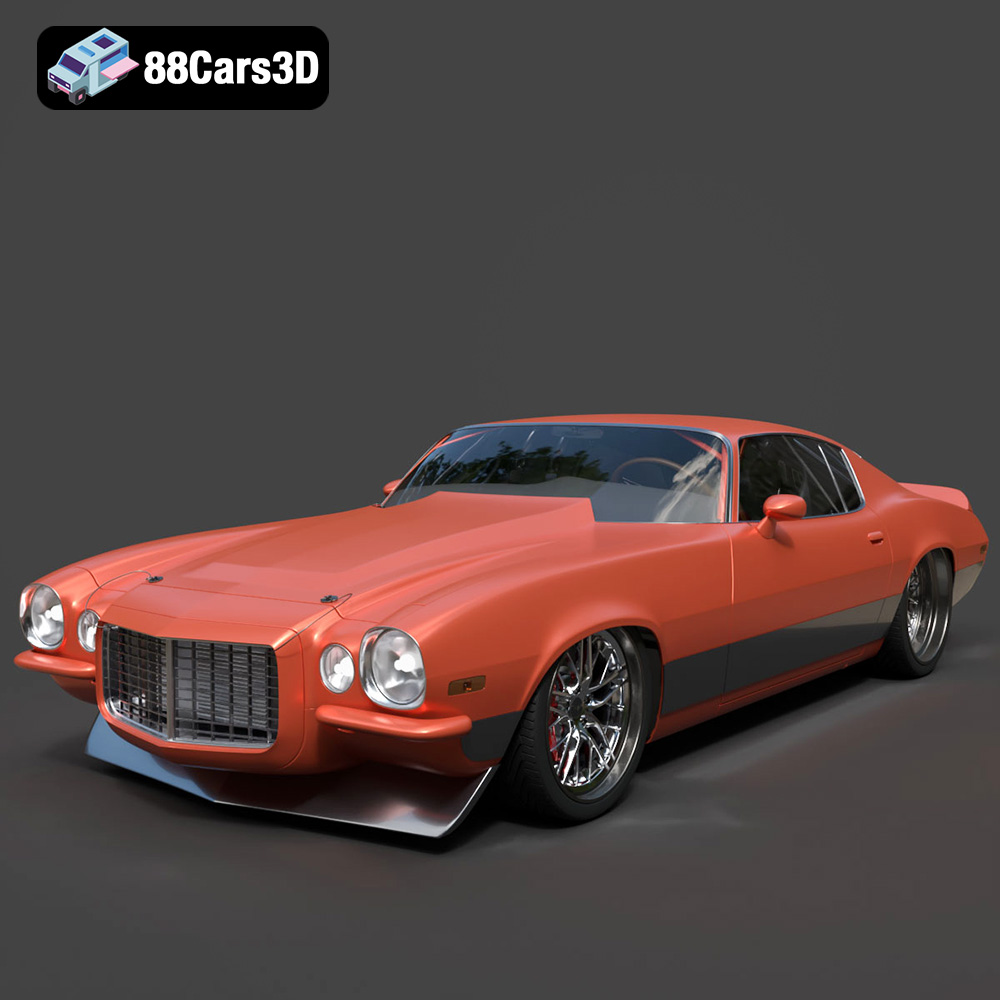
Download the Chevrolet Camaro 1970 3D Model featuring clean geometry, realistic detailing, and a fully modeled interior. Includes .blend, .fbx, .obj, .glb, .stl, .ply, .unreal, and .max formats for rendering, simulation, and game development.
Price: $10
Texture: Yes
Material: Yes
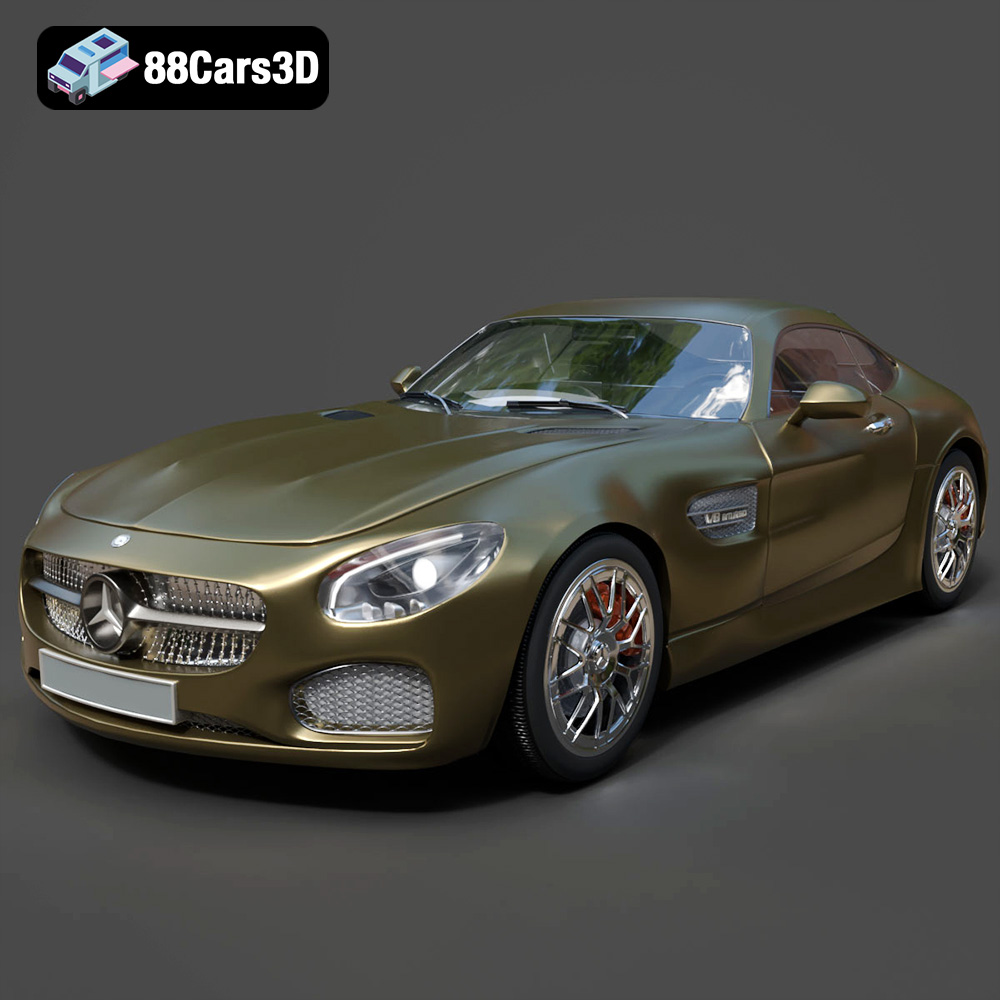
Download the Mercedes-AMG GT 2015 3D Model featuring clean geometry, realistic detailing, and a fully modeled interior. Includes .blend, .fbx, .obj, .glb, .stl, .ply, .unreal, and .max formats for rendering, simulation, and game development.
Price: $88.99
Texture: Yes
Material: Yes
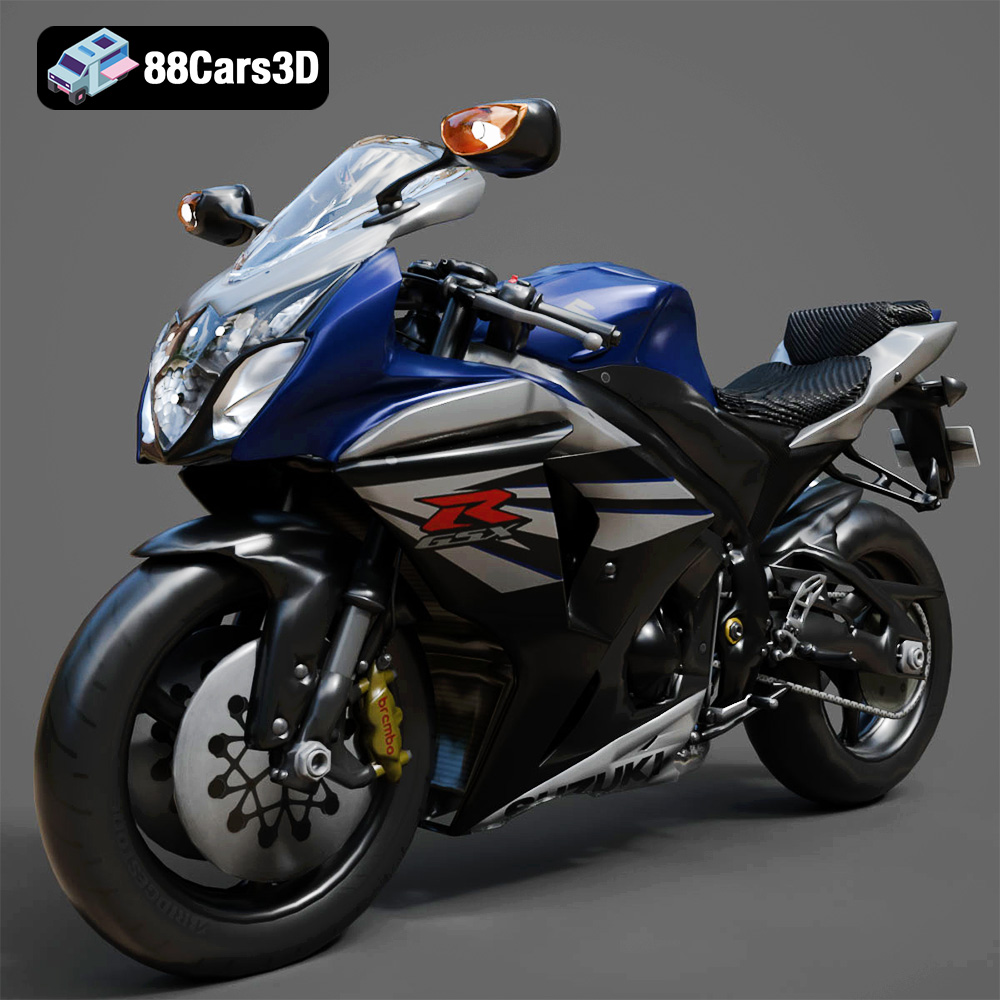
Download the Suzuki GSX-R 1000 3D Model featuring clean geometry, realistic detailing, and a fully modeled interior. Includes .blend, .fbx, .obj, .glb, .stl, .ply, .unreal, and .max formats for rendering, simulation, and game development.
Price: $10
Texture: Yes
Material: Yes
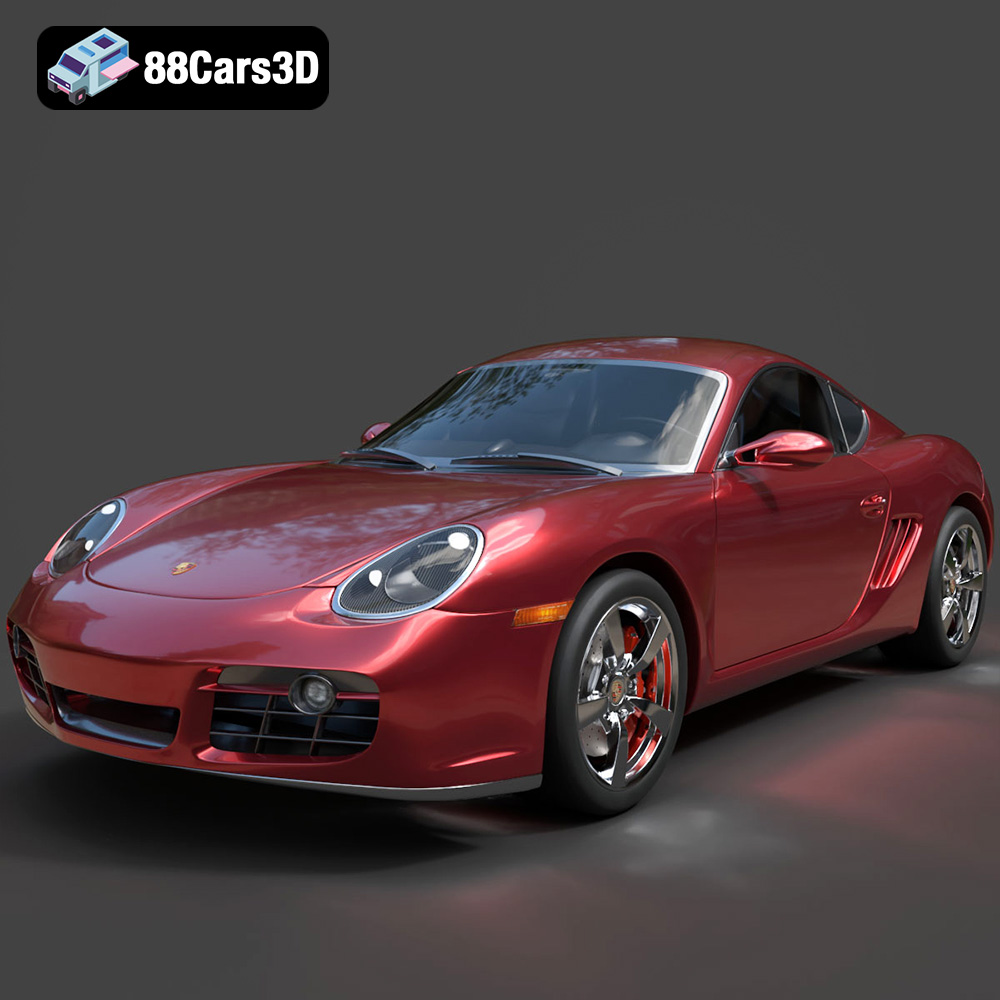
Download the Porsche Cayman S 2024 3D Model featuring clean geometry, realistic detailing, and a fully modeled interior. Includes .blend, .fbx, .obj, .glb, .stl, .ply, .unreal, and .max formats for rendering, simulation, and game development.
Price: $10
Texture: Yes
Material: Yes
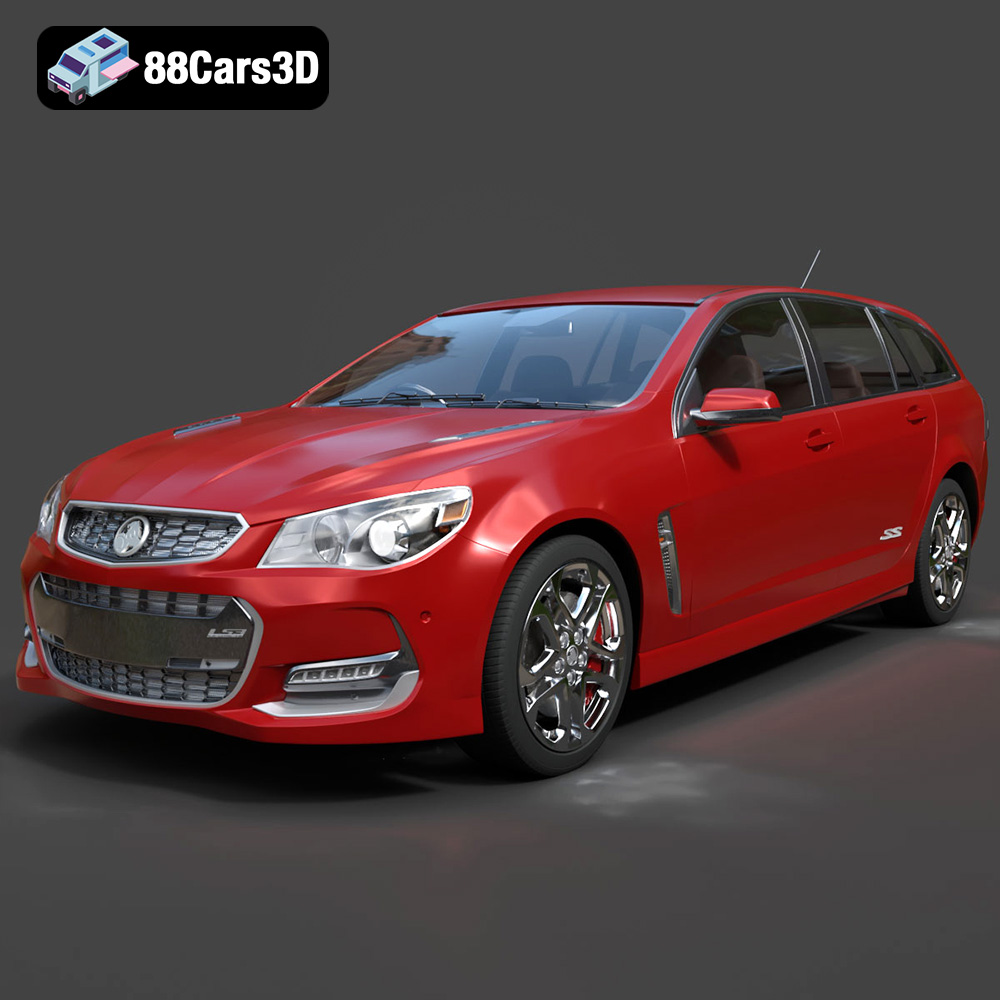
Download the Holden Commodore Sportwagon 2017 3D Model featuring clean geometry, realistic detailing, and a fully modeled interior. Includes .blend, .fbx, .obj, .glb, .stl, .ply, .unreal, and .max formats for rendering, simulation, and game development.
Price: $10
Texture: Yes
Material: Yes
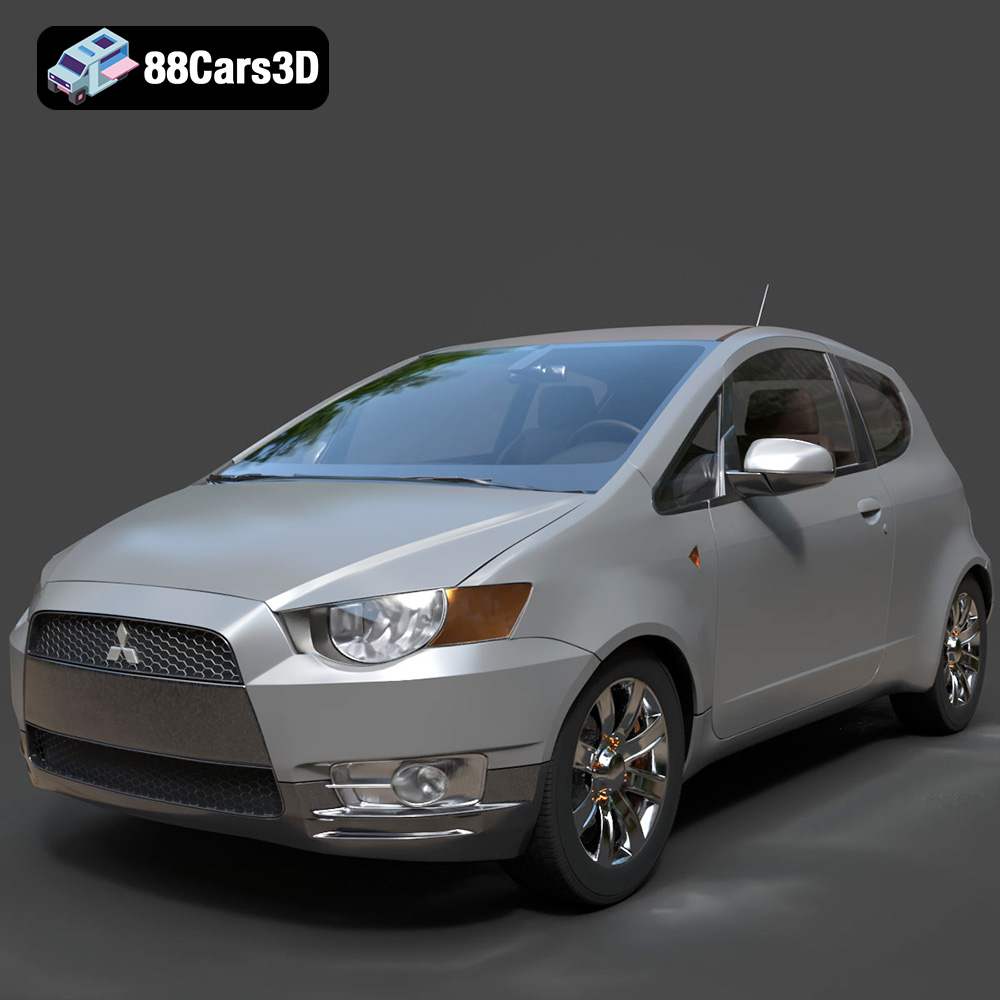
Download the Mitsubishi Colt 3 Door 2008 3D Model featuring clean geometry, realistic detailing, and a fully modeled interior. Includes .blend, .fbx, .obj, .glb, .stl, .ply, .unreal, and .max formats for rendering, simulation, and game development.
Price: $10
Texture: Yes
Material: Yes
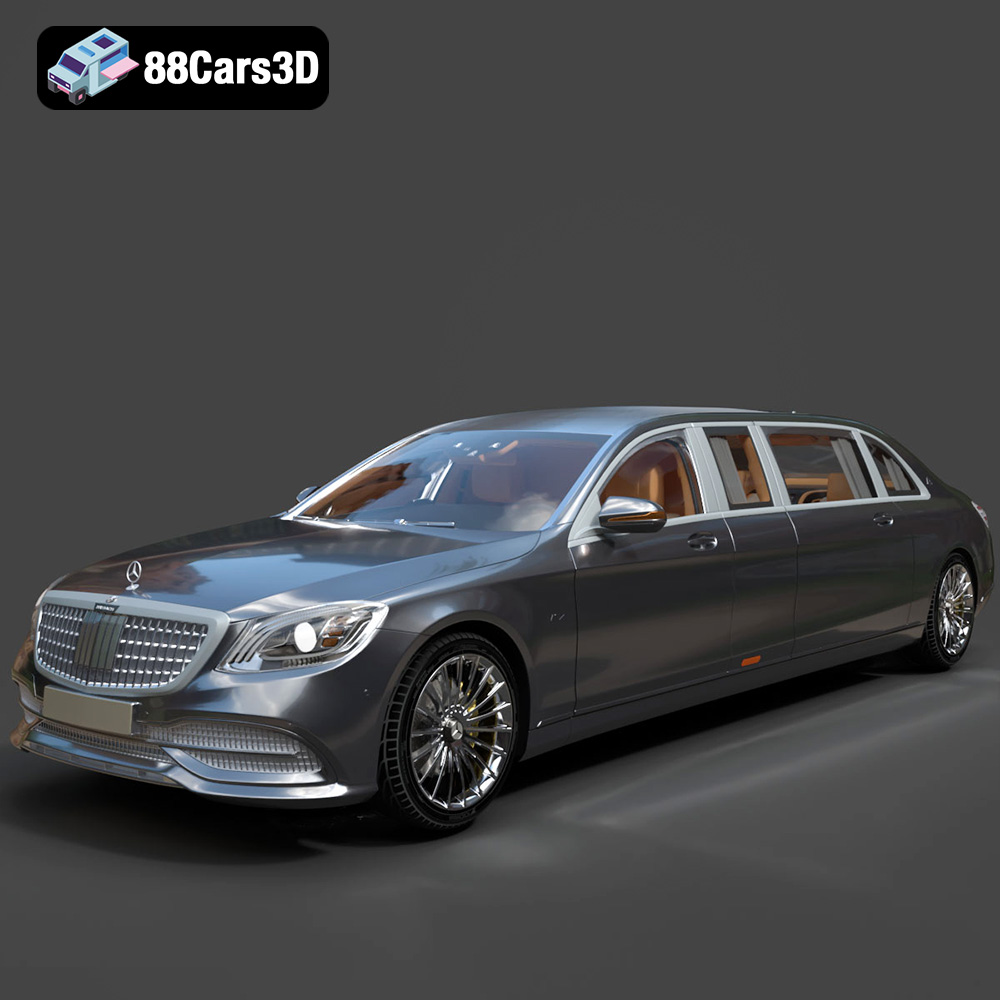
Download the Mercedes-Benz S650 Pullman 3D Model featuring clean geometry, realistic detailing, and a fully modeled interior. Includes .blend, .fbx, .obj, .glb, .stl, .ply, .unreal, and .max formats for rendering, simulation, and game development.
Price: $95.99
Texture: Yes
Material: Yes
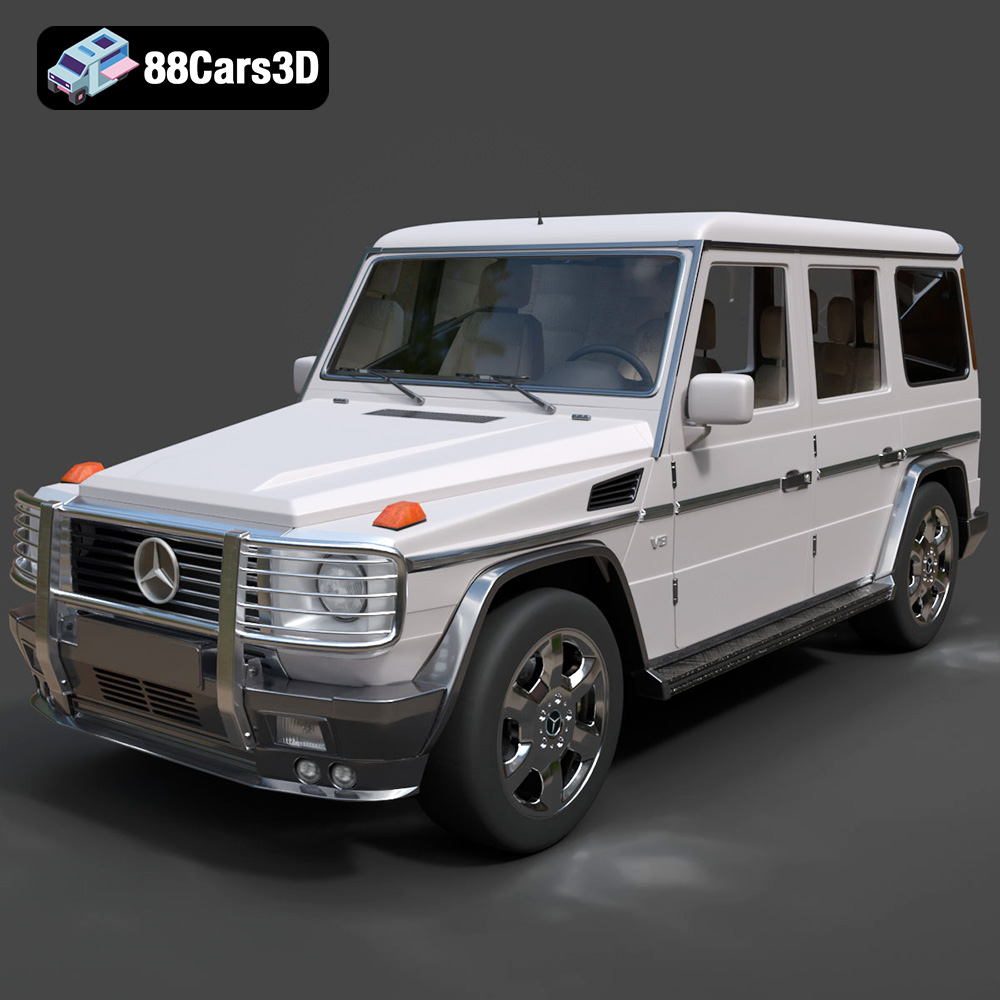
Download the Mercedes G-Class SUV 2024 3D Model featuring clean geometry, realistic detailing, and a fully modeled interior. Includes .blend, .fbx, .obj, .glb, .stl, .ply, .unreal, and .max formats for rendering, simulation, and game development.
Price: $10
Texture: Yes
Material: Yes
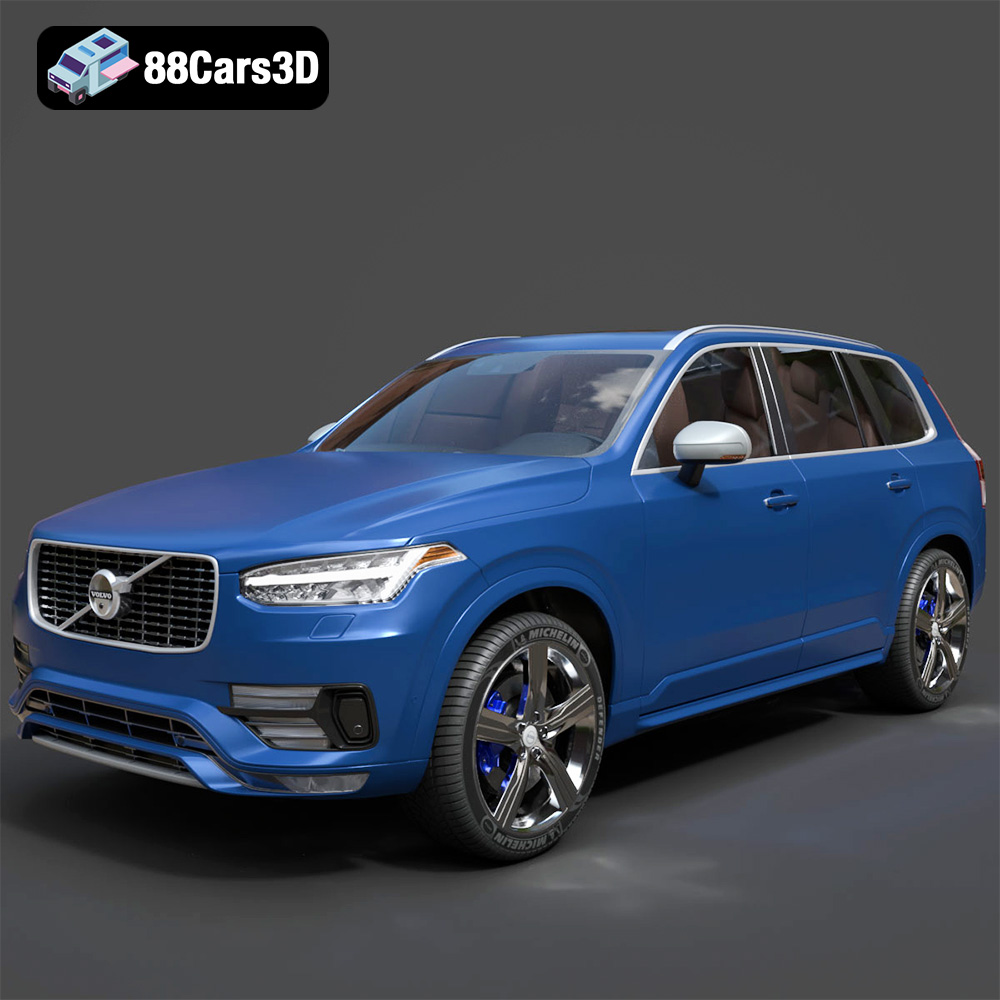
Download the Volvo XC90 R-Design 2015 3D Model featuring clean geometry, realistic detailing, and a fully modeled interior. Includes .blend, .fbx, .obj, .glb, .stl, .ply, .unreal, and .max formats for rendering, simulation, and game development.
Price: $10

