Get 50% OFF All Premium 3D & STL Models!

The world of automotive visualization has been revolutionized. Gone are the days of waiting hours, or even days, for a single photorealistic render. The power of real-time rendering, spearheaded by Unreal Engine, has democratized the ability to create stunning, interactive, and dynamic automotive experiences. From high-octane game sequences to sophisticated virtual showrooms and cutting-edge car configurators, Unreal Engine provides a complete ecosystem for bringing digital vehicles to life with unparalleled fidelity. However, navigating this powerful toolset can be daunting. The journey from a static 3D model to a fully realized, interactive masterpiece involves a series of critical steps, each demanding technical precision and artistic vision.
This comprehensive guide will walk you through the entire professional workflow. We will deconstruct the process, starting with the essential project setup and model preparation. We’ll then dive deep into the intricacies of creating hyper-realistic PBR materials, mastering the revolutionary Lumen lighting system, and leveraging the game-changing Nanite virtualized geometry. Finally, we’ll explore how to add life and interactivity using Blueprint and Sequencer, all while keeping performance optimization at the forefront. Whether you’re a 3D artist, a game developer, or a visualization specialist, this article will equip you with the knowledge to transform high-quality 3D car models into breathtaking real-time applications.
Before you can create stunning visuals, you must establish a solid foundation. A correctly configured project and a meticulously prepared 3D asset are the cornerstones of a successful automotive visualization pipeline in Unreal Engine. Rushing this stage often leads to complex technical issues and performance bottlenecks down the line. Taking the time to set up your environment and optimize your model properly will ensure a smoother, more efficient workflow.
When creating a new project in Unreal Engine, you’re presented with several templates. For automotive work, the two most common starting points are the Games > Blank template and the Automotive, Product Design & Manufacturing > Collab Viewer or Photo-Realistic 3D Product Configurator templates.
For most high-fidelity projects, enabling Support Hardware Ray Tracing and setting the Default RHI to DirectX 12 in your Project Settings is highly recommended to unlock the full potential of features like Lumen.
The quality of your final render is directly proportional to the quality of your source model. Starting with a high-quality, game-ready asset is non-negotiable for professional results. Platforms like 88cars3d.com offer a wide range of meticulously crafted 3D car models that are optimized for Unreal Engine, featuring clean topology and PBR-ready textures, saving you countless hours of prep work. Before exporting from your 3D software (Blender, 3ds Max, Maya), follow this checklist:
Export your model primarily as FBX for standard game workflows or USD (Universal Scene Description) for more complex pipelines, especially those involving collaboration across multiple software packages.
Unreal Engine offers two main ways to import models: the standard FBX importer and the Datasmith plugin.
During import, ensure you choose to Import Materials and Import Textures. Unreal will automatically create basic material graphs for you based on the data in the FBX file, providing a great starting point for refinement.
A vehicle’s realism in real-time rendering is defined by how its surfaces react to light. This is where Physically Based Rendering (PBR) materials come in. Unreal Engine’s Material Editor is an incredibly powerful node-based system that allows you to simulate virtually any real-world surface. For automotive visualization, mastering materials for car paint, glass, chrome, and rubber is paramount.
The PBR workflow simplifies material creation by using a set of intuitive parameters that correspond to real-world physical properties. The primary inputs you’ll work with are:
When you acquire a pre-made asset, such as a vehicle from a specialized marketplace like 88cars3d.com, it often comes with a well-structured material setup and PBR textures. Your job then becomes one of refinement and customization within Unreal’s Material Editor to achieve the exact look you desire.
A simple PBR material won’t do justice to modern car paint. A convincing car paint material requires simulating multiple layers. Unreal’s Material Editor has a specific Shading Model for this: Clear Coat.
This layered approach is the key to achieving the depth and richness characteristic of high-quality automotive paint.
Never apply your master material directly to a model. Instead, right-click your master material and select Create Material Instance. A Material Instance is a lightweight copy that allows you to change parameters you’ve exposed in the master material without recompiling shaders. To expose a parameter, right-click a node (e.g., a Vector3 for color) in the Material Editor and select Convert to Parameter. Give it a unique name. Now, in your Material Instance, you can change the car’s color, the roughness of the clear coat, or the size of the metallic flakes in real-time, making it perfect for building car configurators.
Lighting is what transforms a collection of assets and materials into a cohesive, believable scene. Unreal Engine 5’s Lumen Global Illumination and Reflections system is a revolutionary leap forward, enabling fully dynamic real-time bounce lighting and reflections that were previously only possible in offline renders.
Lumen is Unreal Engine’s default global illumination (GI) system. It simulates the way light bounces off surfaces and indirectly illuminates other objects in the scene. For automotive visualization, this means soft, realistic ambient shadows and color bleed from the environment onto the car’s body.
A classic technique for product visualization is to use an Image-Based Lighting (IBL) setup. This can be achieved in Unreal Engine using a Sky Light with an HDRI (High Dynamic Range Image) texture.
The final 10% of a scene’s look comes from post-processing. Add a PostProcess Volume to your scene and set its ‘Infinite Extent (Unbound)’ property to true to make it affect the entire level. Key settings to adjust for automotive scenes include:
Historically, a major challenge in real-time rendering has been the trade-off between geometric detail and performance. Highly detailed models, especially those derived from CAD data with millions of polygons, were impossible to render in real-time. Unreal Engine’s Nanite virtualized geometry system completely shatters this limitation.
Nanite is a geometry system that intelligently streams and renders only the detail you can perceive on screen. It bypasses traditional polygon count limits, allowing you to import and render film-quality assets with millions or even billions of polygons in real-time. For a 3D car model, this means you no longer need to spend days creating multiple Levels of Detail (LODs) or baking normal maps to fake surface detail. You can use the high-poly source model directly.
While Nanite is revolutionary, it’s not a silver bullet for everything. Here’s a quick breakdown:
A common workflow is to use Nanite for the main vehicle and environment, and traditional Static Meshes with LODs for smaller, less significant props in the background.
Even with powerful features like Nanite and Lumen, optimization is key. Unreal Engine provides built-in tools to diagnose performance issues.
The true power of real-time rendering lies in interactivity. Moving beyond static images, Unreal Engine allows you to create dynamic experiences like car configurators, cinematic animations, and even playable driving simulations. This is primarily achieved through the Blueprint visual scripting system and the Sequencer cinematic tool.
Blueprint is Unreal Engine’s visual scripting language. It allows you to create complex game logic and interactivity without writing a single line of code. For an automotive configurator, you can use Blueprint to script features like changing paint colors, swapping wheels, or turning on the headlights.
A simple color-changing setup would look like this:
This node-based approach is intuitive and allows artists and designers to quickly prototype and build fully functional interactive experiences.
Sequencer is Unreal Engine’s cinematic and animation editor. It’s a non-linear, track-based tool that allows you to animate almost anything in your scene: cameras, object positions, material parameters, lights, and more. It’s the perfect tool for creating high-quality marketing videos, turntable animations, or cinematic reveals.
For a truly interactive experience, you can make your car drivable. Unreal Engine’s built-in physics engine, Chaos, includes a robust vehicle system. Setting it up involves:
While setting up a production-quality driving model is a complex task, the documentation available on the official Unreal Engine learning platform provides a solid starting point for getting a basic vehicle on the road. This opens the door to creating test-drive simulators, interactive game levels, and more.
We’ve traveled the full length of the modern automotive visualization pipeline, from the foundational steps of project setup to the advanced realms of interactivity and cinematic creation. It’s clear that Unreal Engine is more than just a game engine; it’s a comprehensive creative suite that empowers creators to achieve a level of realism and interactivity that was once unthinkable in real-time. By embracing a structured workflow—preparing your assets meticulously, building layered materials, mastering light with Lumen, leveraging the raw power of Nanite, and breathing life into your scenes with Blueprint and Sequencer—you can produce work that stands alongside the best in the industry.
The key takeaway is that success lies in the synergy of technical knowledge and artistic execution. The tools are more powerful than ever, but they are most effective when guided by a deep understanding of both the software’s capabilities and the principles of lighting, composition, and material science. Your next step is to put this knowledge into practice. Start with a high-quality 3D car model, experiment with a studio lighting setup, and try building a simple material parameter controller in Blueprint. The world of real-time rendering moves fast, but with the foundation you’ve built today, you are well-equipped to create the next generation of stunning automotive experiences.

Texture: Yes
Material: Yes
Download the Mercedes S-Class 2024 3D Model featuring clean geometry, realistic detailing, and a fully modeled interior. Includes .blend, .fbx, .obj, .glb, .stl, .ply, .unreal, and .max formats for rendering, simulation, and game development.
Price: $10

Texture: Yes
Material: Yes
Download the Chevrolet Camaro 1970 3D Model featuring clean geometry, realistic detailing, and a fully modeled interior. Includes .blend, .fbx, .obj, .glb, .stl, .ply, .unreal, and .max formats for rendering, simulation, and game development.
Price: $10

Texture: Yes
Material: Yes
Download the Mercedes-AMG GT 2015 3D Model featuring clean geometry, realistic detailing, and a fully modeled interior. Includes .blend, .fbx, .obj, .glb, .stl, .ply, .unreal, and .max formats for rendering, simulation, and game development.
Price: $88.99

Texture: Yes
Material: Yes
Download the Suzuki GSX-R 1000 3D Model featuring clean geometry, realistic detailing, and a fully modeled interior. Includes .blend, .fbx, .obj, .glb, .stl, .ply, .unreal, and .max formats for rendering, simulation, and game development.
Price: $10

Texture: Yes
Material: Yes
Download the Porsche Cayman S 2024 3D Model featuring clean geometry, realistic detailing, and a fully modeled interior. Includes .blend, .fbx, .obj, .glb, .stl, .ply, .unreal, and .max formats for rendering, simulation, and game development.
Price: $10
Texture: Yes
Material: Yes
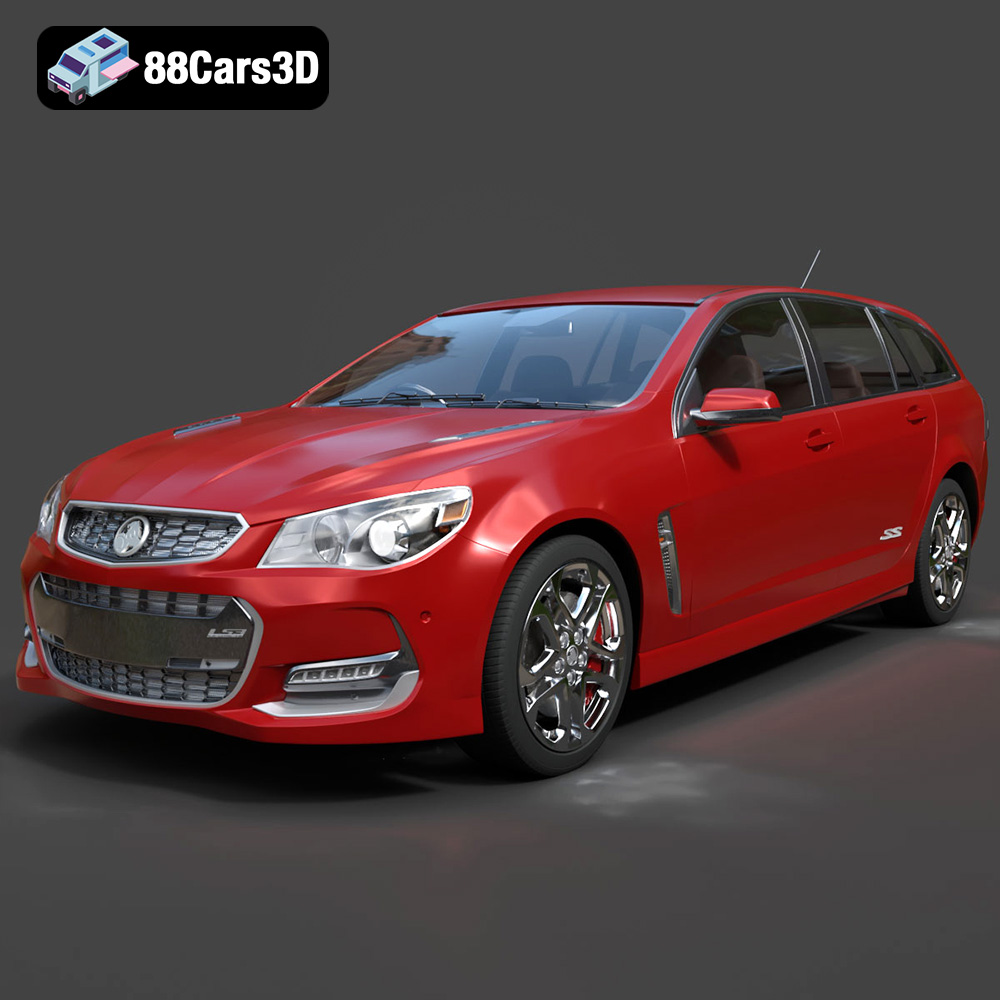
Download the Holden Commodore Sportwagon 2017 3D Model featuring clean geometry, realistic detailing, and a fully modeled interior. Includes .blend, .fbx, .obj, .glb, .stl, .ply, .unreal, and .max formats for rendering, simulation, and game development.
Price: $10
Texture: Yes
Material: Yes
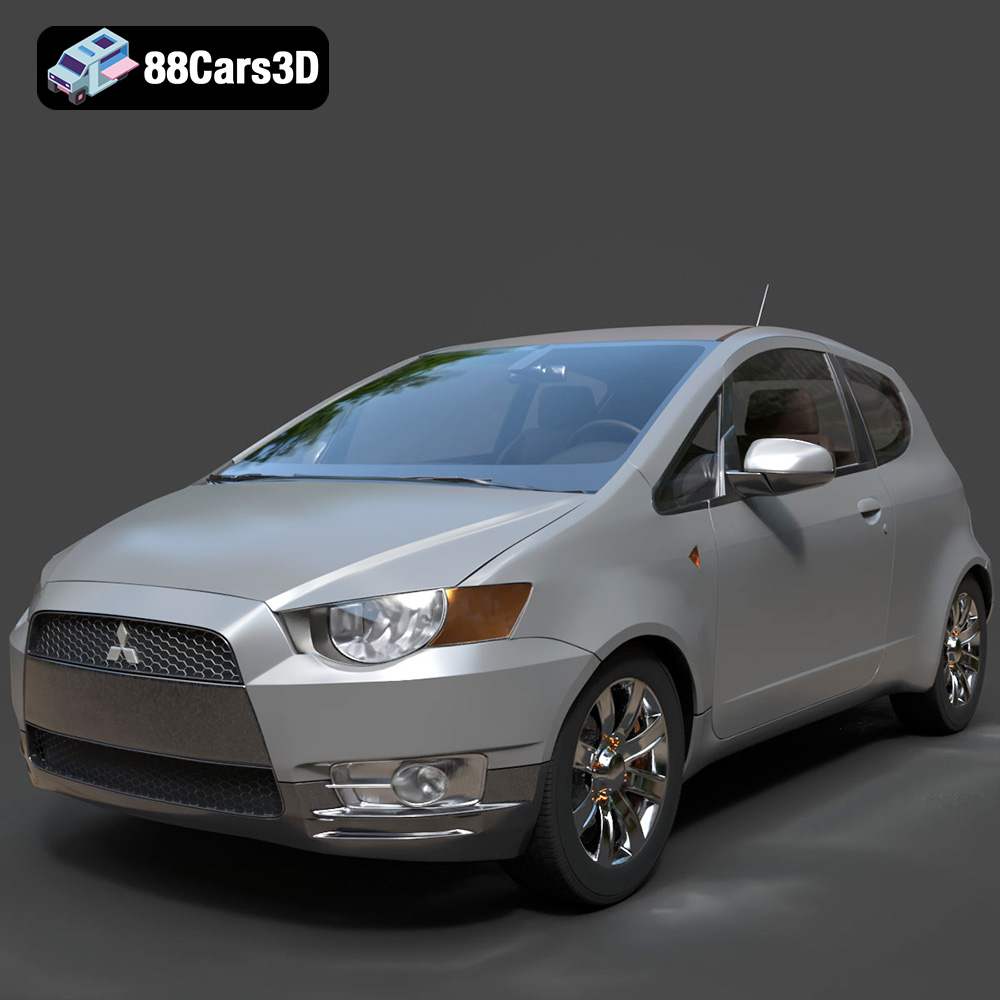
Download the Mitsubishi Colt 3 Door 2008 3D Model featuring clean geometry, realistic detailing, and a fully modeled interior. Includes .blend, .fbx, .obj, .glb, .stl, .ply, .unreal, and .max formats for rendering, simulation, and game development.
Price: $10
Texture: Yes
Material: Yes
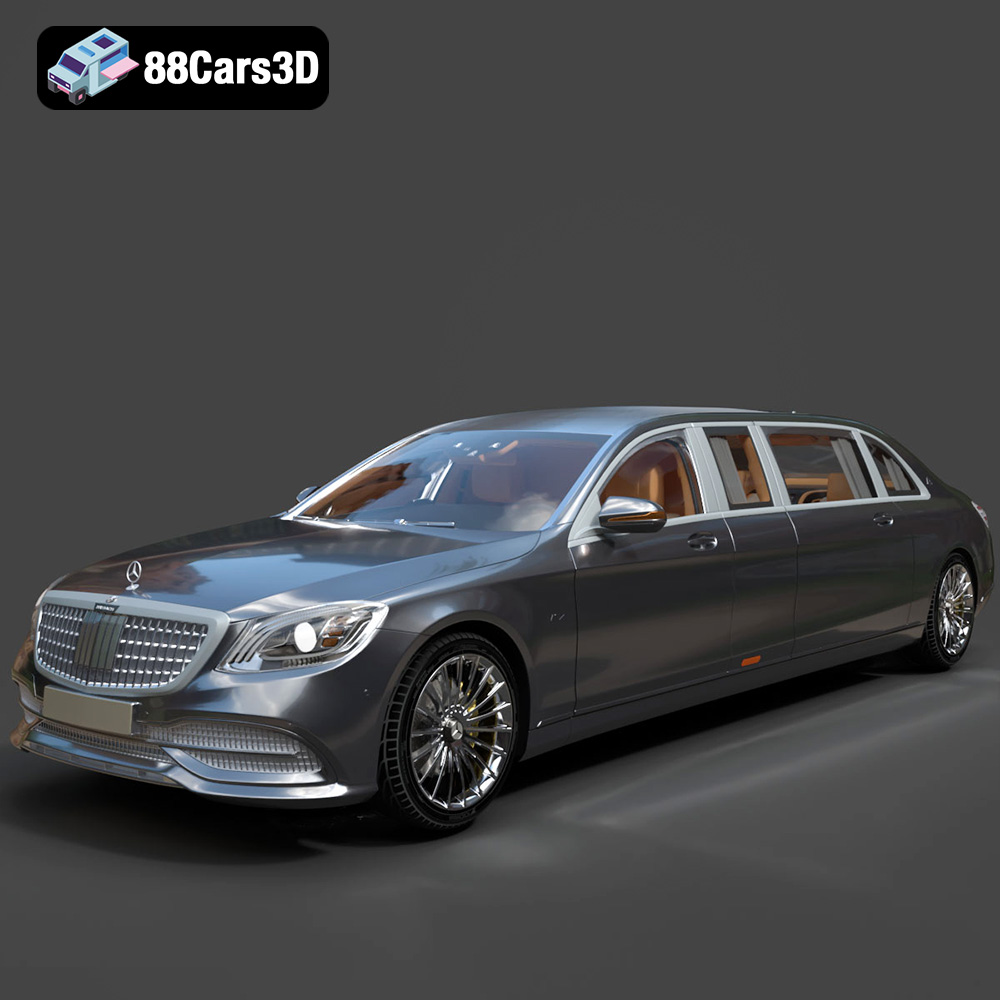
Download the Mercedes-Benz S650 Pullman 3D Model featuring clean geometry, realistic detailing, and a fully modeled interior. Includes .blend, .fbx, .obj, .glb, .stl, .ply, .unreal, and .max formats for rendering, simulation, and game development.
Price: $95.99
Texture: Yes
Material: Yes
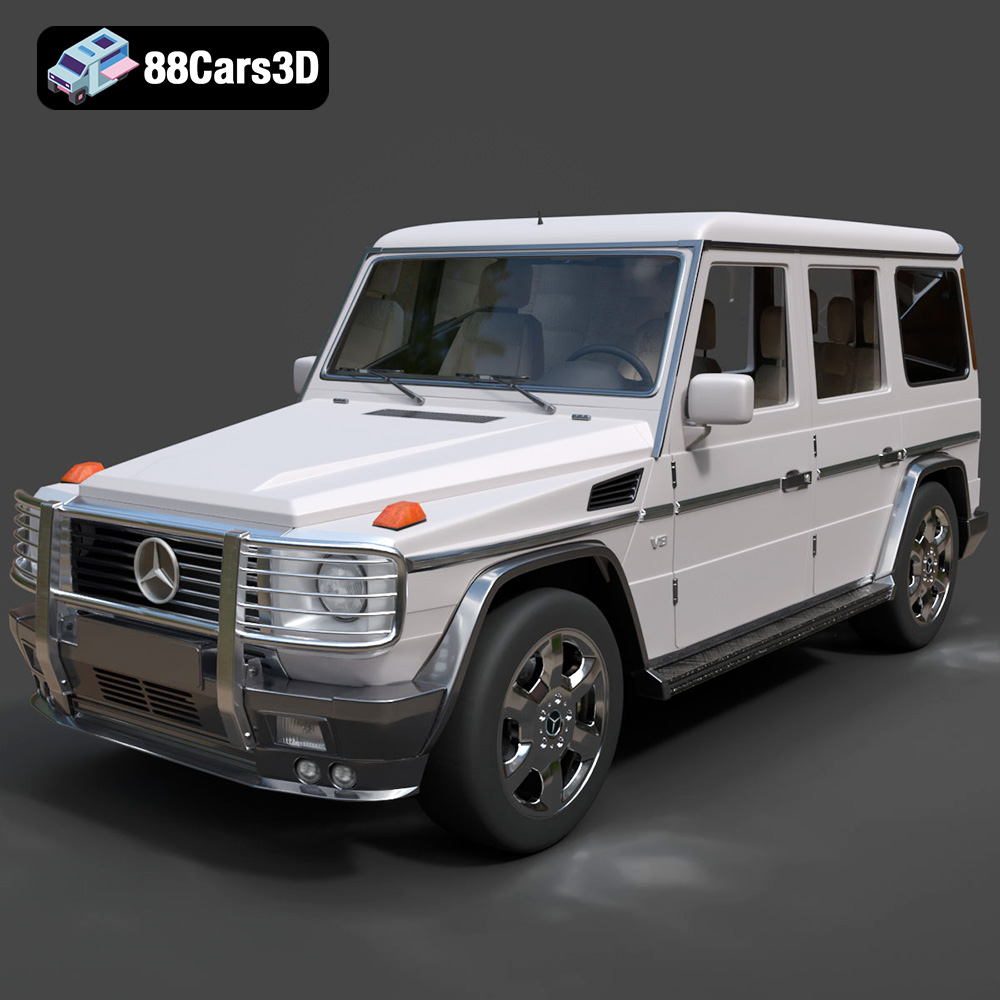
Download the Mercedes G-Class SUV 2024 3D Model featuring clean geometry, realistic detailing, and a fully modeled interior. Includes .blend, .fbx, .obj, .glb, .stl, .ply, .unreal, and .max formats for rendering, simulation, and game development.
Price: $10
Texture: Yes
Material: Yes
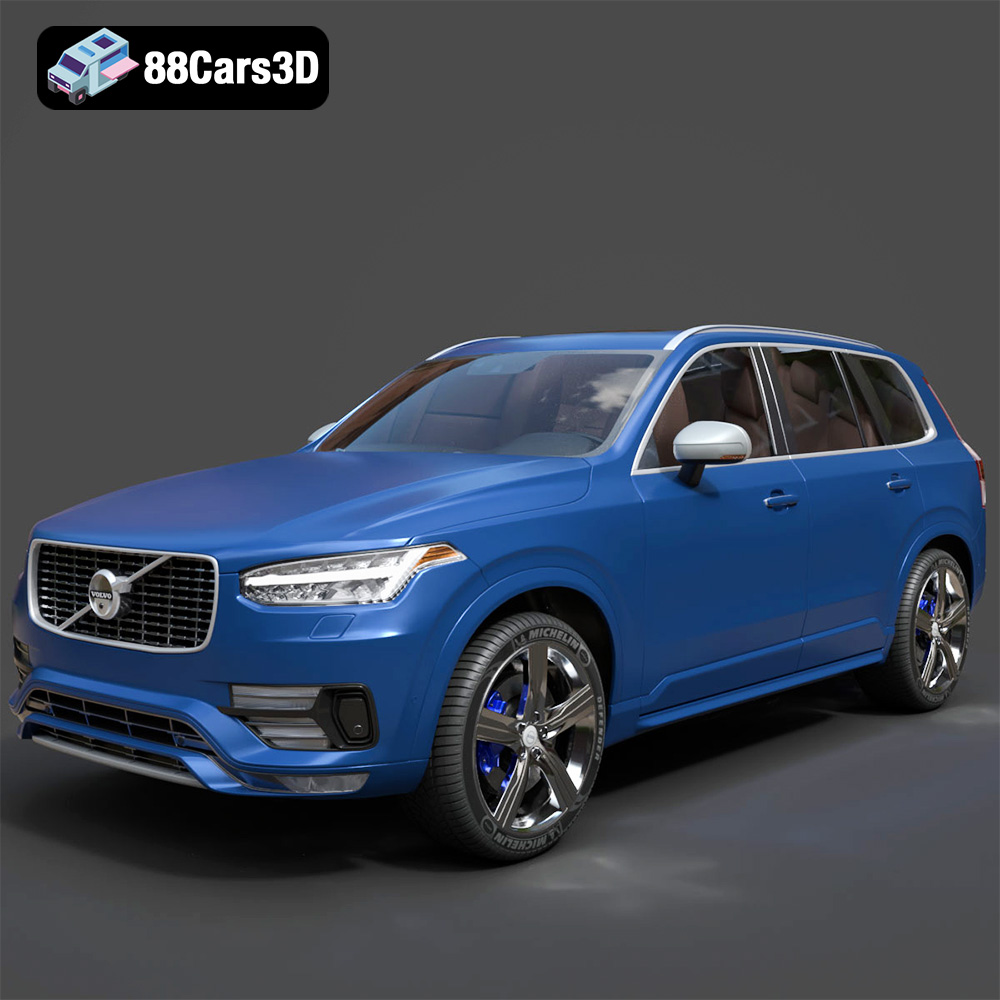
Download the Volvo XC90 R-Design 2015 3D Model featuring clean geometry, realistic detailing, and a fully modeled interior. Includes .blend, .fbx, .obj, .glb, .stl, .ply, .unreal, and .max formats for rendering, simulation, and game development.
Price: $10

