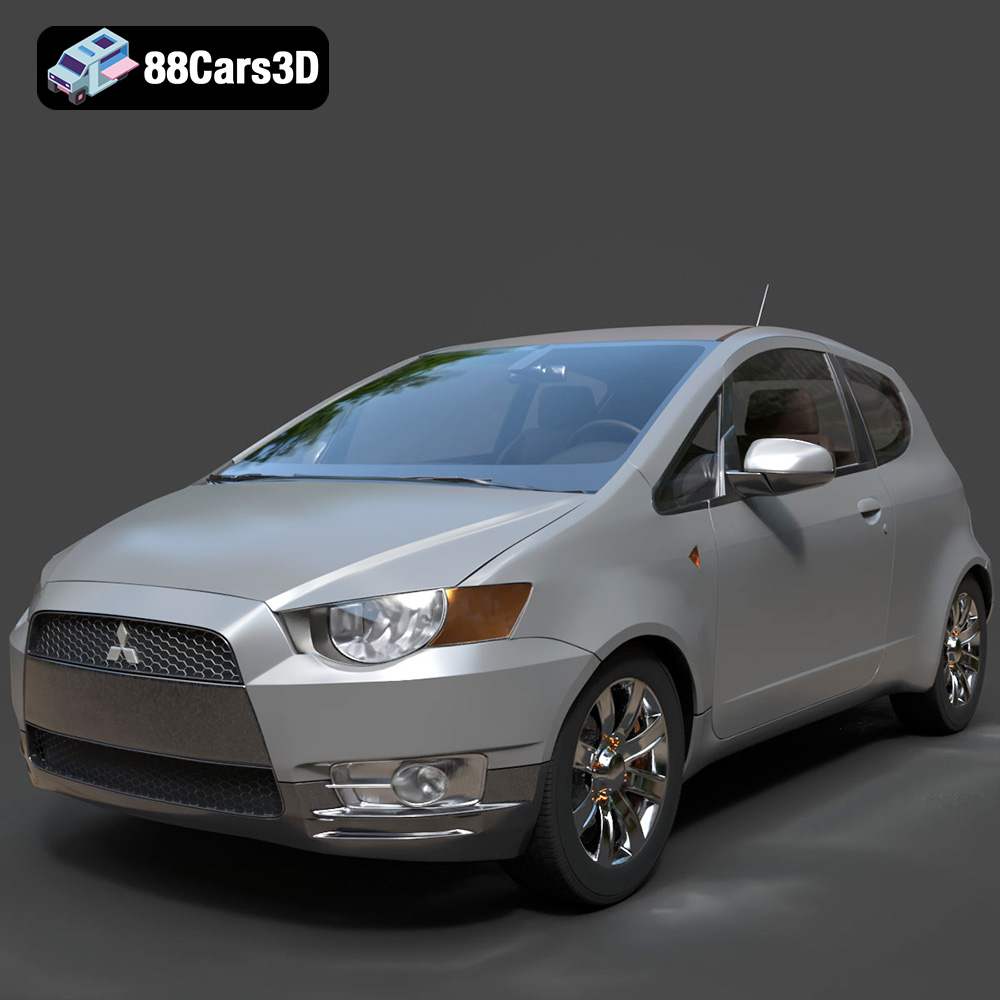
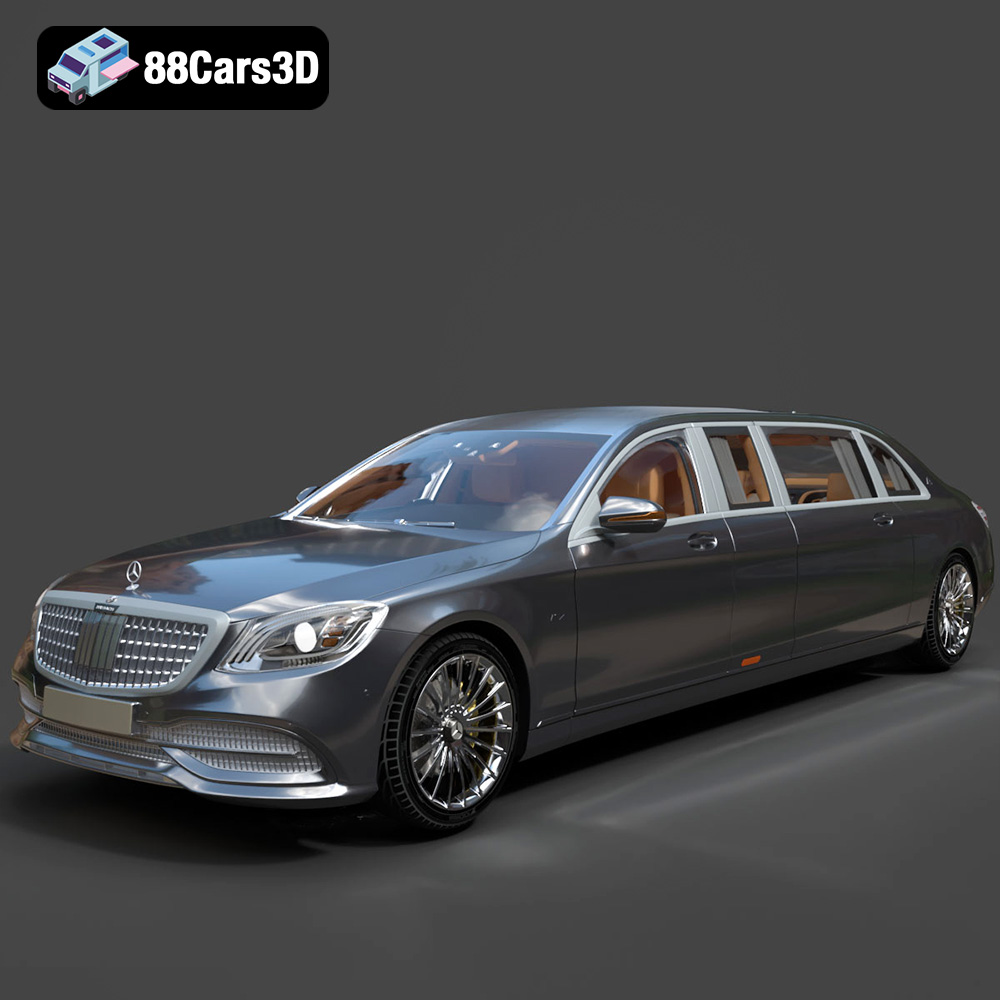
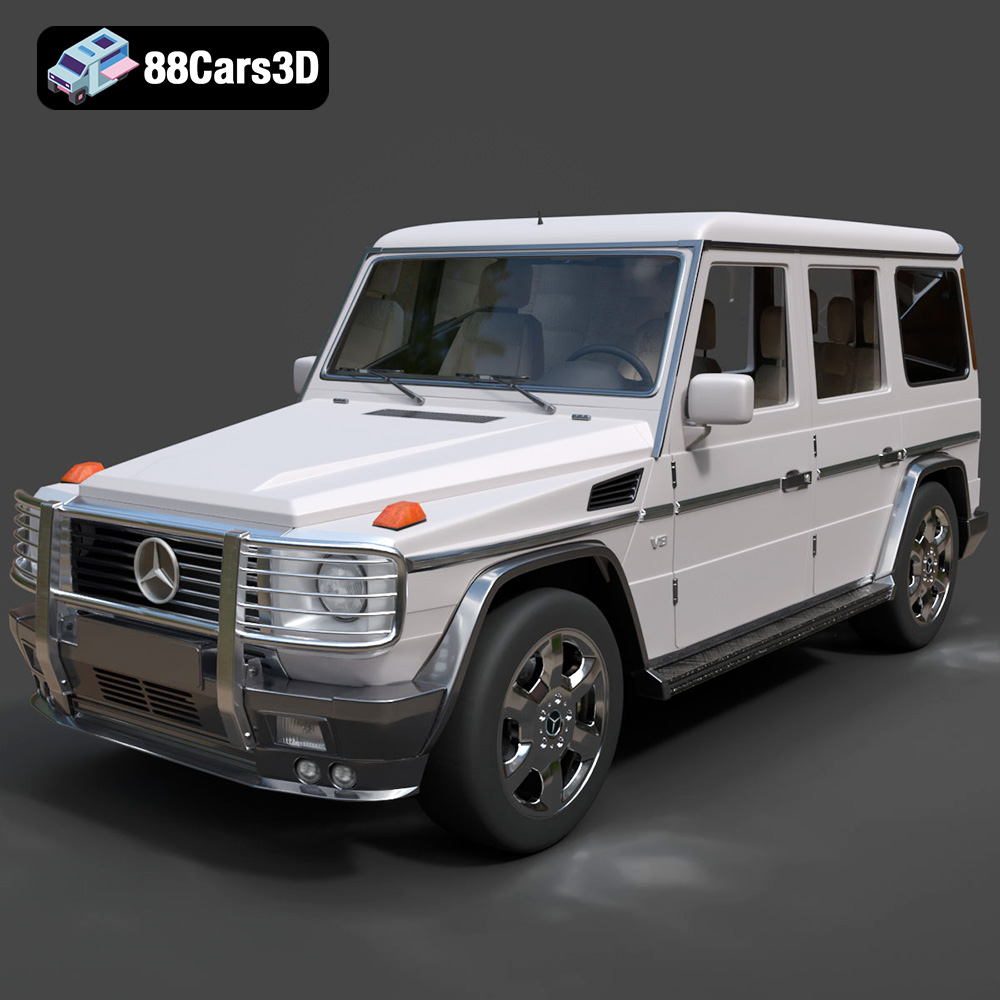
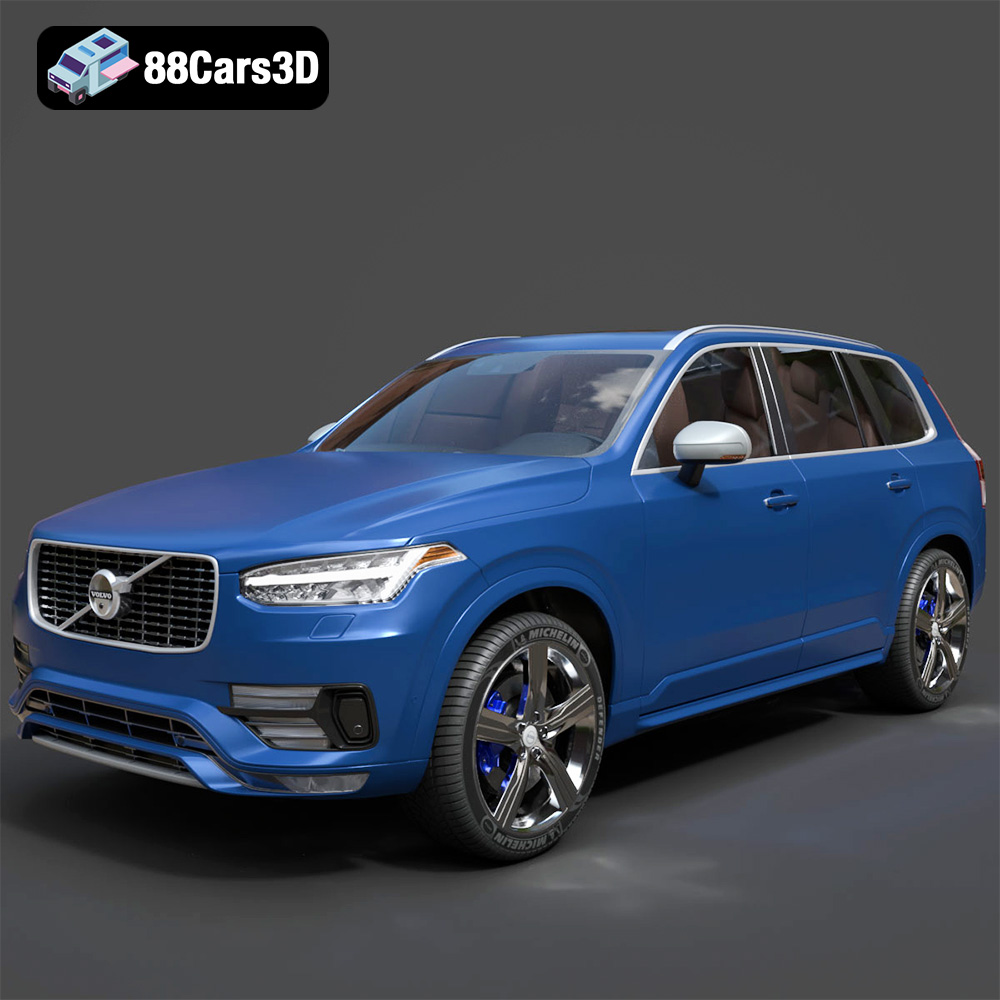
Get 50% OFF All Premium 3D & STL Models!

From blockbuster visual effects and hyper-realistic automotive configurators to next-generation video games, high-fidelity 3D car models are the engine that drives digital realism. A meticulously crafted vehicle model can elevate a scene from good to unforgettable, adding a layer of authenticity that captivates audiences. However, acquiring a great model is only the first step. Understanding how to effectively integrate these complex assets into your specific pipeline—whether for cinematic automotive rendering or as interactive game assets—is what separates amateur work from professional results.
This comprehensive guide will take you under the hood of professional 3D car models. We will explore their fundamental anatomy, demystify the complex world of file formats, and provide detailed workflows for both photorealistic rendering and real-time game engine integration. Whether you are an architect, a game developer, or a VFX artist, this article will equip you with the technical knowledge to get the most out of your premium 3D assets.
Not all 3D models are created equal. A professional-grade asset, like those available from marketplaces such as 88cars3d.com, is built with precision, versatility, and performance in mind. Understanding its core components is crucial for any artist or developer.
Topology refers to the flow of polygons (the “mesh”) that form the model’s surface. Good topology is characterized by clean, quad-based geometry with even spacing and edge loops that follow the car’s natural curves and contours. This is critical for two reasons: it ensures smooth, predictable deformations during animation (like a door opening) and, more importantly, it guarantees clean, artifact-free reflections in renderings. A high-poly model for rendering might feature hundreds of thousands or even millions of polygons to capture every subtle detail, from panel gaps to headlight intricacies. In contrast, a model destined for a game engine will need a much lower polygon count to ensure smooth frame rates.
If a 3D model is a sculpture, UVs are the flattened template that allows you to paint on its surface. Professional models feature clean, non-overlapping UV maps. This means each part of the model has its own unique space on the texture map, preventing errors and allowing for high-resolution details. Modern 3D car models utilize a Physically Based Rendering (PBR) workflow. This involves a set of texture maps—such as Base Color, Metallic, Roughness, and Normal—that work together to realistically simulate how light interacts with different materials like car paint, chrome, rubber, and glass under various lighting conditions.
A high-quality car model is never a single, static mesh. It is a collection of logically separated, named components. Wheels, doors, the steering wheel, brake calipers, and trunk should all be distinct objects. This hierarchical structure is essential for animation and interactivity. It allows an animator to easily rig the vehicle for movement, a game developer to program functioning doors, or a VFX artist to create a destruction sequence. Each part is pivoted correctly, so a door swings on its hinges and a wheel rotates around its axle.
Choosing the correct file format is one of the most critical decisions in a 3D pipeline. The format dictates what data is preserved—from mesh geometry and UVs to materials, animations, and scene hierarchy. Using the wrong one can lead to broken materials, incorrect scaling, or a complete failure to import. Here is a detailed breakdown of the common formats you’ll encounter with professional 3D car models and their ideal use cases.
The goal of automotive rendering is to create an image that is indistinguishable from a real photograph. This requires a combination of a high-quality model, sophisticated lighting, and meticulous material setup.
Start by importing your chosen model, preferably the .max source file for maximum control. Your first step is to establish a realistic lighting environment. An HDRI (High Dynamic Range Image) is perfect for this. Create a V-Ray Dome Light and load a high-resolution HDRI of an outdoor scene or a studio environment. This will provide both the primary illumination and realistic reflections on the car’s body. For the materials, a high-end model will come with PBR textures. Use a VRayMtl, plugging the Base Color, Roughness, and Normal maps into their respective slots. For the car paint, use the specialized VRayCarPaintMtl, which gives you precise control over the base coat, flake layer, and clear coat for that deep, glossy finish.
The process in Blender is conceptually similar. After opening the .blend file, ensure your render engine is set to Cycles for the most realistic light transport. Set up your world lighting using an Environment Texture node in the World Shader Editor, loading in your chosen HDRI. For materials, Blender’s Principled BSDF node is an all-in-one PBR shader. Connect the PBR texture maps from your model to the corresponding inputs (Base Color to Base Color, Roughness to Roughness, etc.). For the normal map, make sure to add a Normal Map node in between the image texture and the shader’s Normal input to ensure it’s interpreted correctly. Add a ground plane and a camera, using a long focal length (e.g., 85mm or 135mm) to mimic automotive photography and reduce perspective distortion.
Preparing a high-poly model for a game engine like Unreal Engine or Unity is a process of strategic optimization. The goal is to retain maximum visual fidelity while ensuring the game runs at a high, stable frame rate.
A 500,000-polygon rendering model is unsuitable for a game. The first step is retopology: creating a new, clean, low-polygon mesh that traces the shape of the original high-poly model. This “LOD0” (Level of Detail 0) might be between 50,000 and 100,000 polygons. This is the version players see up close. From there, you create even lower-poly versions: LOD1 (for mid-range), LOD2 (for far distances), and so on. The game engine automatically swaps these models based on the player’s distance from the car, saving massive amounts of processing power.
How does a low-poly model look detailed? The magic is in texture baking. Using software like Marmoset Toolbag or Substance Painter, you project the surface details from the high-poly mesh onto the texture maps of the low-poly mesh. The most important baked map is the Normal Map, which fakes the lighting information of small details like vents, bolts, and panel lines, giving the illusion of high-poly geometry without the performance cost. Other maps like Ambient Occlusion (for soft shadows) and Curvature are also baked to enhance the final PBR material.
Once your game-ready model and its textures are prepared, you’ll export it as an .fbx file. In Unreal Engine, import the FBX, making sure to check “Import Textures” and “Create Material.” Unreal will create basic material instances for you. It’s best practice to create a “Master Material” for the car, with parameters exposed for color, roughness, and metallic values. Then, you can create material instances from this master for different parts of the car. For a drivable vehicle, you’ll need to configure a Physics Asset for collisions and set up the vehicle’s movement properties within a Vehicle Blueprint, assigning the wheels and configuring engine, transmission, and steering parameters.
The true value of a professional 3D car model is demonstrated in its application across various industries.
An architectural firm was tasked with creating marketing renders for a luxury high-rise condominium. To add a sense of scale, life, and prestige to their exterior shots, they needed a photorealistic vehicle. Instead of spending days modeling one from scratch, they licensed a high-quality 3D car model from a trusted source. Using the .max file directly in their 3ds Max and V-Ray workflow, they were able to drag-and-drop the asset into their scene. The pre-built, high-quality materials and clean geometry meant it rendered perfectly alongside their building, instantly elevating the perceived value of the property.
A small indie team was developing a racing game but lacked a dedicated vehicle artist. The time and budget required to create a fleet of game-ready cars from scratch would have been prohibitive. They turned to 88cars3d.com, acquiring a collection of models that came with optimized low-poly meshes and PBR textures. Using the provided .fbx files, they quickly imported the cars into Unreal Engine. This allowed them to focus their limited resources on gameplay mechanics and level design, accelerating their production timeline by months.
An automotive aftermarket company wanted to create a web-based AR experience allowing customers to see custom wheels on their own car. They needed a lightweight yet realistic model for this. They started with a high-poly model and optimized it down to a single .glb file under 10MB. This compact, self-contained format was perfect for fast loading on mobile devices. Customers could now point their phone at their driveway, and a 3D model of the car with the new wheels would appear in augmented reality, leading to a significant increase in user engagement and sales.
Whether you are crafting a stunning piece of automotive rendering or building the next great racing game, the final result is directly tied to the quality of the assets you begin with. A professional 3D car model provides a foundation of clean topology, meticulous UVs, and PBR-ready textures, saving you invaluable time and effort.
By understanding the anatomy of these models, selecting the correct file format for your pipeline, and applying the proper workflows for either rendering or real-time applications, you can transform a great asset into a truly spectacular final product. The key is to leverage the expertise embedded in these models to accelerate your creative process and focus on what you do best: bringing incredible digital experiences to life.