Get 50% OFF All Premium 3D & STL Models!

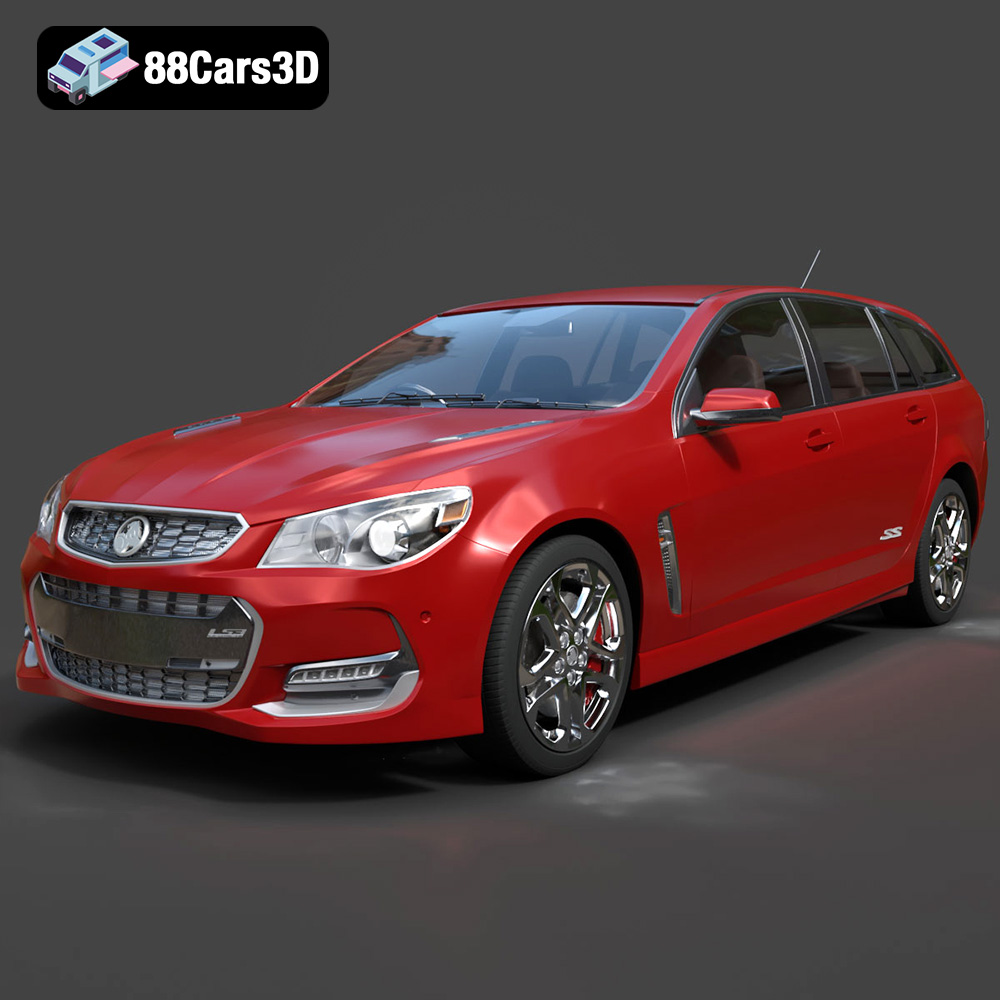
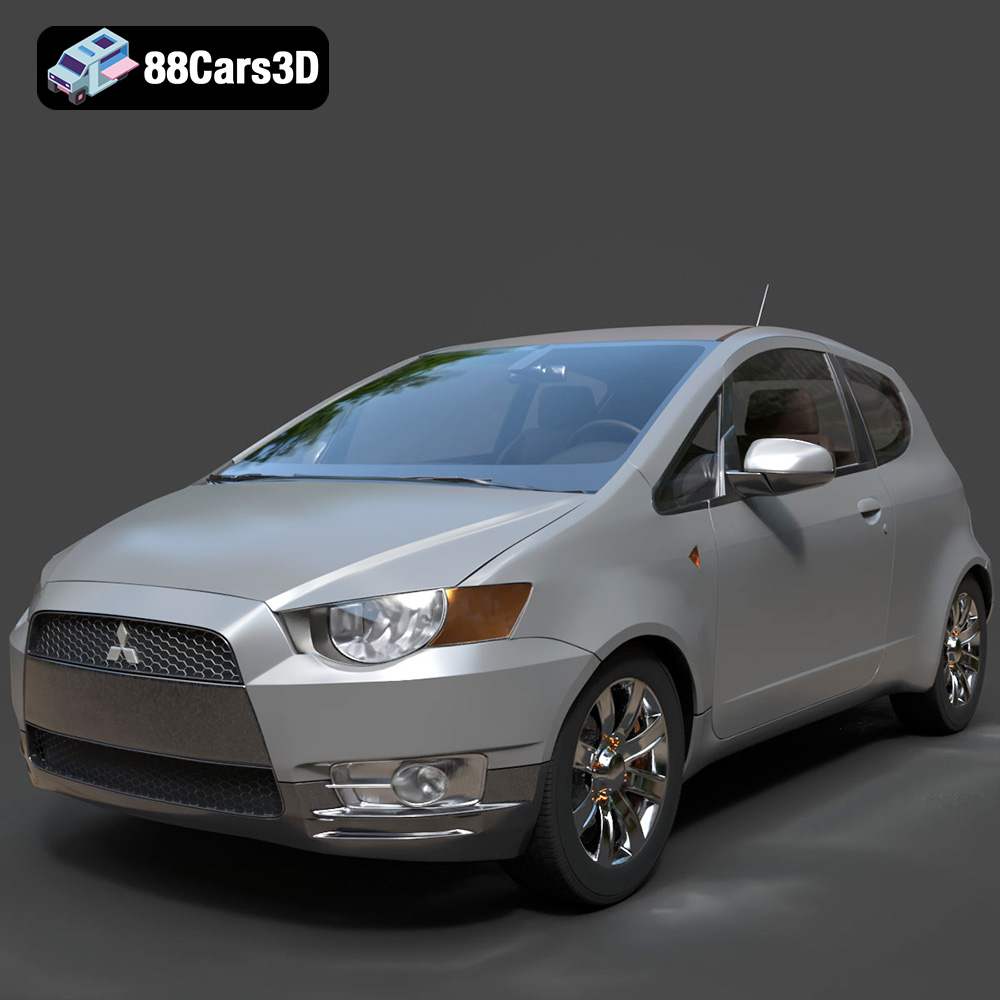
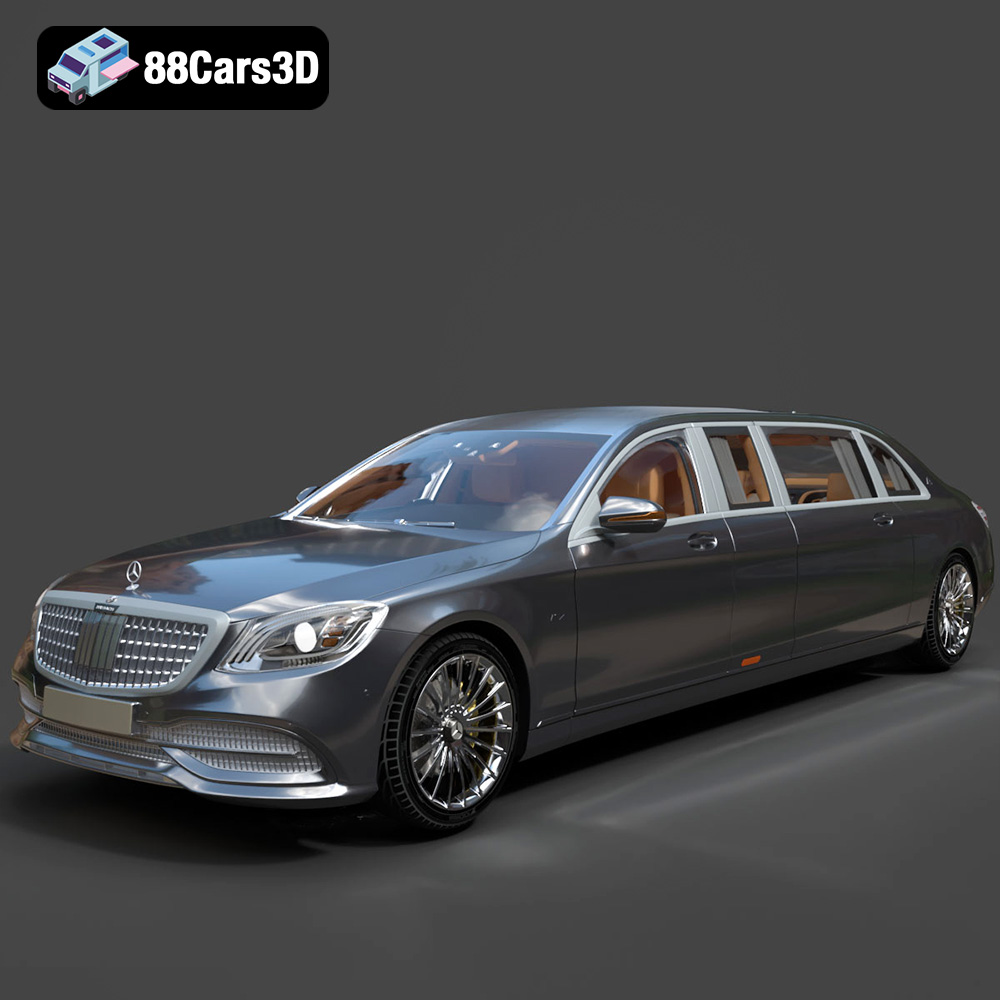
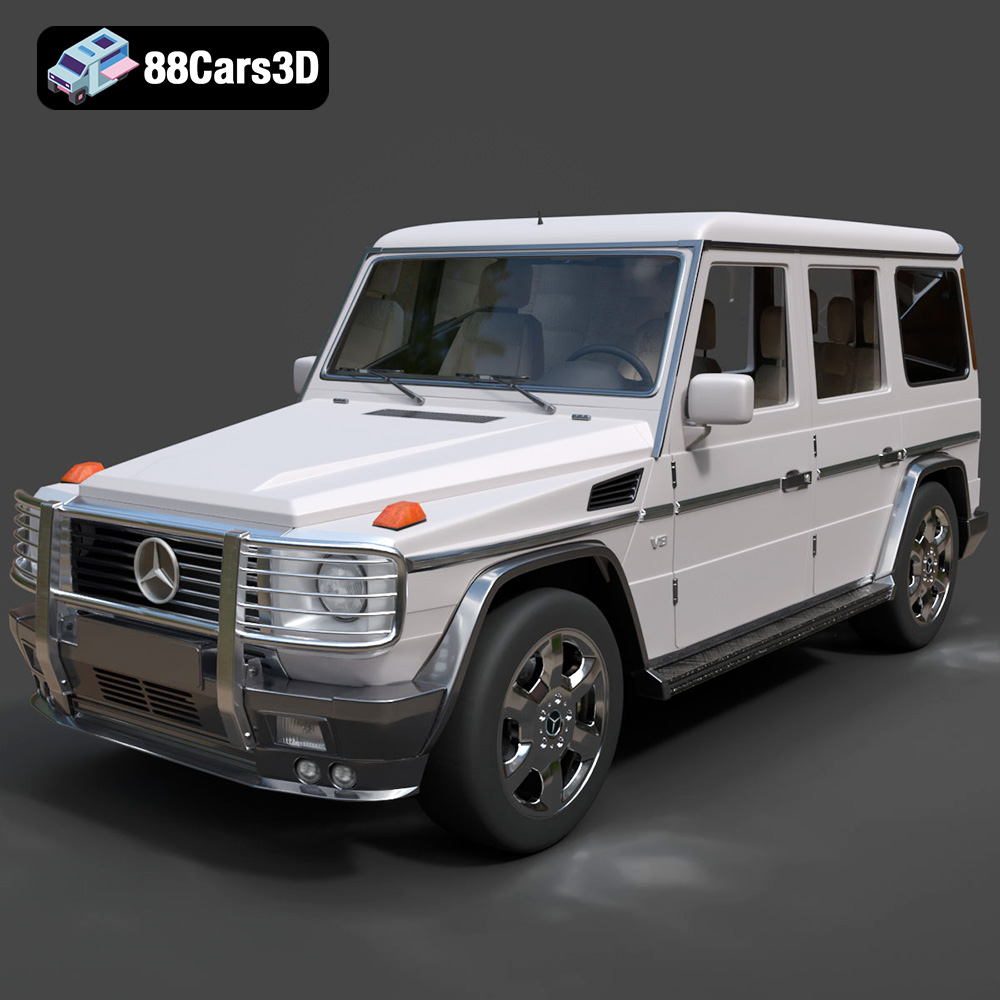
A flawlessly rendered sports car reflecting a dramatic sunset, a hero vehicle tearing through a virtual city in a video game, or an interactive augmented reality experience showcasing a new electric vehicle—these powerful visuals all begin with a single, crucial element: a high-quality 3D car model. For artists, designers, and developers, the 3D model is the canvas. Its quality dictates the potential of the final product, whether it’s a photorealistic still, a dynamic animation, or an immersive real-time application. However, navigating the path from a downloaded file to a stunning final asset is a journey filled with technical decisions and creative challenges.
This comprehensive guide is designed to be your roadmap. We will deconstruct the entire process, from selecting the right model and understanding its file structure to preparing it for high-end automotive rendering and optimizing it for performance-critical game assets. We’ll explore specific workflows in industry-standard software and provide the technical insights needed to elevate your projects from good to breathtaking. Whether you’re a seasoned professional or an ambitious artist, mastering these techniques is essential for success in the competitive world of 3D visualization.
The success of your project is often determined before you even open your 3D software. Choosing the correct model from the outset saves countless hours of remediation and ensures your final output meets professional standards. This initial decision hinges on understanding your project’s specific needs and being able to interpret the technical specifications of a model.
The first and most critical distinction to make is whether the model is intended for pre-rendered output or a real-time application. This choice fundamentally changes the required specifications.
When browsing a marketplace like 88cars3d.com, you’ll encounter a list of technical specs. Understanding them is key.
Topology refers to the flow of polygons across the model’s surface. Good topology follows the natural curves of the car, resulting in clean reflections and smooth deformations if animated. Poor topology, characterized by stretched polygons, chaotic edge flow, and excessive triangles, will cause rendering artifacts like pinching and strange lighting behavior, which are incredibly difficult to fix later.
Once you’ve selected a model, you’re presented with a list of file formats. Choosing the right one is not a matter of preference but a critical technical decision that directly impacts your workflow, software compatibility, and editing capabilities. Each format is designed for a specific purpose, carrying different types of data and optimizations. A professional provider will offer a variety of formats to ensure the asset can be seamlessly integrated into any production pipeline. Here is a detailed breakdown of the most common formats you’ll encounter and their ideal use cases.
Creating jaw-dropping automotive renders requires a blend of technical setup and artistic vision. Starting with a high-polygon 3D car model is just the beginning. The magic happens in how you light, shade, and frame the vehicle within your chosen software, such as 3ds Max with V-Ray or Corona, or Blender with Cycles.
The foundation of a realistic render is lighting. The most effective method for automotive scenes is Image-Based Lighting (IBL) using a High Dynamic Range Image (HDRI). Use a Dome Light (or a World Environment in Blender) and load a high-resolution HDRI (at least 8K, preferably 16K+) of an appropriate environment—a studio, an open road, or a cityscape. This single light source will provide realistic ambient light, detailed reflections, and soft shadows. Add a ground plane with a shadow-catching material to ground the vehicle in the scene.
A car’s visual appeal comes from its complex materials. This is where you’ll spend most of your time.
The raw render is rarely the final image. Export your render with multiple passes (render elements), such as Ambient Occlusion (AO), Reflections, Specular, and Z-Depth. In a compositing program like Adobe Photoshop or After Effects, layer these passes to gain full control. Use the AO pass to enhance contact shadows, the reflection pass to boost highlights, and the Z-Depth pass to add subtle atmospheric haze or depth of field. Final color grading, lens flare, and vignette effects are the final touches that create a truly cinematic shot.
Preparing a 3D car model for a game engine like Unreal Engine 5 is a process of strategic optimization. The goal is to retain maximum visual quality while ensuring the game runs smoothly. This involves reducing geometric complexity, baking details into textures, and setting up efficient materials within the engine.
A high-poly source model is still the best starting point, even for games. You’ll create several lower-polygon versions from it, known as Levels of Detail (LODs).
This reduction can be done manually for best results using retopology tools in Blender or 3ds Max, or with automated tools like Simplygon or Unreal Engine’s built-in reduction tools for a faster workflow.
The secret to making a low-poly model look detailed is texture baking. This process transfers surface detail from the high-poly model onto the low-poly model’s UV map. The most important map is the Normal Map, which fakes the way light interacts with a high-poly surface, creating the illusion of intricate detail (like panel gaps, bolts, and vents) on a flat plane. You would also bake an Ambient Occlusion map to create soft contact shadows and a Curvature map to help with procedural texturing or wear-and-tear effects.
Once your LODs and baked textures are ready, it’s time to import into the engine. Use the FBX format. In Unreal Engine, you’ll need to set up a master material for the car. The Car Paint shader in Unreal is highly advanced, allowing you to control multiple layers. Create material instances from this master material for each different type of surface (paint, glass, chrome, rubber). This is an efficient way to manage materials. Connect your baked texture maps (Base Color, Normal, and a channel-packed map for Ambient Occlusion, Roughness, and Metallic) to the correct inputs. Finally, configure the imported mesh asset to use the LOD group you created, and the engine will handle the rest.
High-quality 3D car models are not just for hobbyists; they are foundational assets in multi-billion dollar industries. Their versatility allows them to be deployed across a wide spectrum of professional applications, each with its own set of technical requirements and creative goals.
Luxury car brands increasingly use real-time configurators on their websites. A high-fidelity, game-engine-ready model is used as the base. This model is broken down into modular parts: wheels, spoilers, interior trim, etc. In Unreal Engine or Unity, a user interface allows customers to swap these parts and change the car paint in real-time. This requires a perfectly optimized model with meticulously clean UVs and well-structured materials to allow for dynamic customization without performance loss. The result is an engaging sales tool that provides a much richer experience than a static photo gallery.
In a AAA racing or open-world game, player vehicles are “hero” assets that are constantly on screen. A model destined for this role undergoes intense scrutiny. The base model must be optimized for performance while retaining a strong silhouette. An interior view, complete with functional dashboard dials, is often required. Damage states are modeled and implemented using vertex deformation or material swapping. The physics engine requires a separate, simplified collision mesh. It’s a complex pipeline that demonstrates the peak of real-time asset development.
For an architectural firm creating a fly-through of a new luxury apartment complex, realism is everything. While the building is the focus, the scene feels lifeless without context. Placing high-quality, render-ready 3D car models in the driveway and parking garage instantly adds a sense of scale, life, and luxury. These models don’t need to be game-optimized; instead, they need to have photorealistic materials and detail that hold up under close scrutiny, ensuring the final animation is as immersive and convincing as possible.
The journey from a digital file to a compelling final image or experience is paved with technical knowledge and creative execution. It begins with the crucial decision of selecting a professionally crafted 3D car model that is fit for purpose, whether for breathtaking automotive rendering or as a high-performance game asset. Understanding the nuances of file formats, the demands of different workflows, and the art of optimization are the pillars upon which stunning results are built.
By investing in a high-quality asset from a trusted source and applying the principles of professional scene setup, material creation, and post-processing, you empower yourself to create visuals that captivate audiences and meet the highest industry standards. The car is more than just an object in your scene—it’s often the star. Giving it the technical and artistic attention it deserves is the key to unlocking its full potential and driving your project across the finish line.