Get 50% OFF All Premium 3D & STL Models!

“`html
There’s an undeniable allure to a beautifully crafted automobile. The way light dances across its curved surfaces, the intricate details of the interior, the aggressive stance of its wheels—it’s a symphony of design and engineering. Capturing this essence in the digital realm is one of the most challenging yet rewarding tasks a 3D artist can undertake. High-quality 3D car models are more than just digital replicas; they are versatile assets essential for photorealistic automotive rendering, blockbuster video games, immersive AR/VR experiences, and even physical 3D printing. The journey from a blank viewport to a stunning, optimized model is a complex one, demanding a mastery of various specialized techniques.
This comprehensive guide will navigate you through the entire professional pipeline. We’ll start with the foundational principles of 3D modeling, focusing on the pristine topology required for automotive surfaces. From there, we’ll delve into the meticulous art of UV mapping, ensuring your textures apply without distortion. We’ll then explore the science behind PBR materials to create shaders that mimic real-world physics, from multi-layered car paint to brake-dusted alloys. Finally, we’ll cover critical optimization workflows for different end-goals, whether it’s achieving hyper-realism in a Corona render, ensuring buttery-smooth performance in Unreal Engine, or preparing a model for the real world through 3D printing. Get ready to shift your skills into a higher gear.
The creation of any successful 3D car model begins with a rock-solid foundation: the mesh itself. Unlike organic modeling, automotive design is a discipline of precision, defined by clean lines, perfect curves, and seamless panel transitions. Achieving this requires a deep understanding of topology—the underlying structure and flow of polygons. A model built with poor topology will fail at every subsequent stage, resulting in shading artifacts during rendering, texture distortions, and poor deformation. For professional automotive work, the goal is always to create a clean, quad-based mesh that is “subdivision-ready,” meaning it can be smoothly subdivided to add more detail without breaking its form.
The key to a flawless automotive surface is managing the topology and its edge flow. Edge flow refers to the direction in which polygon edges are aligned, and on a car, they must follow the vehicle’s character lines and contours. For instance, the edges should flow smoothly along the wheel arches, wrap cleanly around the window frames, and define the sharp crease running down the side of the body. To maintain these sharp creases during subdivision, artists use support loops (also called holding edges). These are extra edge loops placed closely on either side of a hard edge. This technique prevents the subdivision algorithm (like 3ds Max’s TurboSmooth or Blender’s Subdivision Surface modifier) from rounding the edge too much, giving you crisp, defined panel gaps and character lines while the larger surfaces remain perfectly smooth.
The most common method for modeling a real-world vehicle starts with reference blueprints. The typical workflow is as follows:
The required level of detail is dictated entirely by the model’s intended use. A “hero” car for a cinematic shot or a high-resolution marketing render might have a polygon count ranging from 500,000 to over 2 million polygons, including a fully detailed interior, engine bay, and undercarriage. Conversely, a typical game asset for a PC or console title needs to be much more conservative, usually falling under 100,000 polygons for the highest Level of Detail (LOD). Mobile game assets are even stricter, often requiring models to be below 20,000 polygons. Mastering the use of subdivision modifiers is key to managing this balance. You can work on a relatively low-polygon base mesh and use the modifier to generate the smooth, high-poly result for rendering, while the base mesh itself can be used for real-time applications.
Once the modeling is complete, the next critical phase is UV mapping. This process involves “unfolding” the 3D mesh into a 2D representation, which tells the software how to apply a 2D texture image onto the 3D surface. For a complex object like a car, proper UV mapping is a meticulous but essential task. A rushed or sloppy UV layout will lead to visible texture seams, inconsistent resolution, and severe stretching or pinching, immediately breaking the illusion of realism. Whether you’re applying a simple decal, a complex racing livery, or procedural dirt and grime, the quality of your UVs will determine the quality of your final textures.
The UV unwrapping process begins by defining seams. These are edges on the 3D model where the mesh will be “cut” to allow it to be flattened into 2D space. The strategic placement of seams is an art form. For automotive models, the best practice is to hide seams along natural divisions, such as:
Once the seams are marked, the mesh is unwrapped into several distinct 2D pieces called UV shells or islands. A typical car model will have many shells: one for the main body, one for the hood, separate shells for each door, shells for the tires, wheels, windows, and so on. These shells must then be efficiently arranged and packed into the 0-to-1 UV space. Good packing minimizes wasted texture space, allowing you to use the highest possible resolution for your textures.
For cinematic-quality assets where extreme detail is required, a single UV map might not provide enough resolution. This is where the UDIM (U-Dimension) workflow comes in. UDIMs allow you to spread your UV shells across multiple UV tiles, each with its own texture map. For example, you could dedicate an entire 4K texture to just the car’s front bumper, another to the door, and another to the hood. This technique, heavily used in visual effects, enables artists to achieve incredible texture fidelity without being limited by a single map’s resolution. Software like Maya, Blender, and Substance Painter have robust UDIM support.
Texel density is a crucial concept that refers to the resolution of your texture map relative to the size of the 3D model’s surface. In simple terms, it’s how many pixels of texture are used to cover a certain area of the model (e.g., 1024 pixels per meter). Maintaining a consistent texel density across the entire model is vital for realism. If the door has a much higher texel density than the fender next to it, the difference in texture sharpness will be jarringly obvious. Most professional UV unwrapping tools, including plugins for 3ds Max and built-in tools in Blender, have visualizers that color-code the mesh to help you check and maintain a consistent texel density across all your UV shells.
With a perfectly modeled and unwrapped car, the next step is to breathe life into it with realistic materials. Modern 3D graphics have standardized on the PBR (Physically Based Rendering) workflow, which aims to simulate how light interacts with materials in a physically plausible way. Instead of faking reflections and highlights, a PBR approach uses a set of texture maps that describe the physical properties of a surface. This results in materials that look correct and consistent in any lighting condition, a critical requirement for high-end automotive rendering.
The most common PBR workflow is the Metallic/Roughness model. It relies on a few core texture maps:
Creating a convincing car paint material is a rite of passage for any 3D artist. It’s more than just a single color; it’s a complex, multi-layered shader. Here’s a breakdown of a typical car paint shader setup in renderers like Corona, V-Ray, or Blender Cycles:
By layering these materials, you can achieve the characteristic depth and sparkle of real-world automotive paint.
The final touch that separates a good render from a great one is the addition of subtle imperfections. A perfectly clean, flawless car looks artificial. To achieve true photorealism, you need to introduce the minor wear and tear of the real world. This can be done using specialized texturing software like Substance Painter or directly within your renderer’s shader editor. Consider adding:
With a meticulously crafted model and hyper-realistic materials, the final step in creating a stunning image is the lighting and rendering. This stage is where artistry truly meets technical skill. The right lighting can accentuate a car’s design, create a specific mood, and produce a visually striking final image. The choice of lighting and render settings will dramatically impact the outcome, whether you’re aiming for a clean studio product shot or a dynamic action scene.
There are two primary approaches to lighting 3D car models, each serving a different purpose:
Often, a combination of both methods yields the best results—using an HDRI for realistic ambient light and reflections, supplemented with a few area lights to add specific highlights or fill in dark areas.
Your virtual camera and render settings are just as important as the lighting. For realistic proportions, use a camera focal length between 50mm and 85mm. Wider lenses (<35mm) can cause perspective distortion, while longer lenses (>100mm) can flatten the image too much. A shallow Depth of Field (DOF) can help draw the viewer’s eye to a specific part of the car and create a more photographic look. In your render engine, whether it’s Corona, V-Ray, or Blender’s Cycles, pay attention to these settings:
When working in Blender, the official Blender 4.4 documentation is an invaluable resource for understanding the specific settings within the Cycles render engine to achieve optimal quality and performance.
The raw output from the renderer is rarely the final image. Post-processing is where you add the final layer of polish. Using software like Photoshop, Affinity Photo, or After Effects, you can perform several key adjustments:
Creating 3D car models for real-time applications like video games presents a different set of challenges. While visual quality is still important, performance is king. A model that looks stunning but causes the game’s frame rate to drop is unusable. The entire workflow is built around a core principle: create the illusion of high detail on a low-polygon model. This involves a process of retopology, baking, and careful management of textures and materials to ensure the asset runs smoothly in game engines like Unreal Engine and Unity.
The standard workflow begins with a very high-polygon “source” model, similar to one you would create for cinematic rendering. This model contains all the fine details. To make it game-ready, this high-poly mesh must be converted into a low-poly one through retopology. This can be done with automatic tools, but for hero assets, manual retopology is often preferred to ensure the most efficient edge flow for shading and deformation. The resulting low-poly mesh (e.g., 80,000 polygons) is then UV unwrapped. The next step is baking, where the surface details from the high-poly model are transferred onto texture maps that are then applied to the low-poly model. The most important baked map is the Normal map, which fakes the lighting of small details, making the low-poly mesh appear much more detailed than it actually is. Other maps like Ambient Occlusion and Curvature are also baked to aid in the texturing process.
Even a well-optimized low-poly model can be too heavy to render hundreds of times in a scene (e.g., in a racing game with many cars). This is solved using Levels of Detail (LODs). An LOD system uses multiple versions of the same model, each with a progressively lower polygon count. The game engine automatically switches to a lower-poly version as the object gets further from the camera. A typical car might have:
This technique is fundamental to maintaining high performance in complex real-time scenes. Marketplaces like 88cars3d.com often provide pre-made LODs with their game-ready models, saving developers a huge amount of time.
In a game engine, every time the CPU has to tell the GPU to draw an object with a specific material, it’s called a draw call. Too many draw calls can create a performance bottleneck. One of the most effective ways to reduce draw calls is through texture atlasing. This is the process of combining the texture maps for multiple different parts of the car onto a single, larger texture sheet. For example, instead of having separate materials and textures for the dashboard, seats, and steering wheel, their UVs are laid out together in one UV space, and they all share a single “Interior” material and texture set. This allows the GPU to render all of those objects in a single draw call, significantly improving performance.
The utility of 3D car models extends far beyond traditional renders and games. Emerging technologies like Augmented Reality (AR), Virtual Reality (VR), and additive manufacturing (3D printing) have opened up new frontiers for these digital assets. However, each of these platforms has its own unique set of technical requirements and optimization challenges. Preparing a model for an interactive AR car configurator is vastly different from preparing it for a physical 3D print.
AR and VR applications demand extreme performance, especially on mobile devices. The goal is to deliver a smooth, high-frame-rate experience, which requires aggressive optimization.
Preparing a car model for 3D printing is a process of ensuring the digital mesh can be successfully translated into a physical object. The primary considerations are:
Blender’s built-in 3D-Print Toolbox is an excellent resource for analyzing and repairing a mesh to make it printable.
Different applications require different file formats, and providing a range of options is crucial for a versatile asset. Understanding the main formats is key:
When sourcing models from marketplaces such as 88cars3d.com, look for products that offer a variety of these file formats to ensure maximum compatibility with your project pipeline.
The journey of creating a high-quality 3D car model is a multi-faceted endeavor that blends technical precision with artistic vision. As we’ve seen, the process extends far beyond simply shaping polygons. It involves a meticulous pipeline that includes strategic topology, clean UV mapping, physically accurate material creation, and thoughtful lighting. Furthermore, the path diverges significantly based on the final destination of the asset. A model destined for a hyper-realistic automotive render will prioritize detail above all else, while a game-ready model must be rigorously optimized for real-time performance through retopology, LODs, and texture atlasing. And for the exciting worlds of AR, VR, and 3D printing, a new set of rules around file formats and physical constraints comes into play.
Mastering these diverse workflows is the hallmark of a professional 3D artist in the automotive space. Each stage builds upon the last, and a weakness in one area can undermine the entire project. For those just starting out, the best way to learn is by doing. Pick a favorite car and attempt to model it, focusing on clean edge flow. For those looking to accelerate their projects, studying professionally crafted models can be an invaluable learning tool. Assets from dedicated marketplaces like 88cars3d.com provide an excellent benchmark for quality and offer a fantastic way to deconstruct these complex techniques, helping you understand how to build versatile, high-performance automotive visualization assets for any application you can imagine.
“`

Texture: Yes
Material: Yes
Download the Mercedes S-Class 2024 3D Model featuring clean geometry, realistic detailing, and a fully modeled interior. Includes .blend, .fbx, .obj, .glb, .stl, .ply, .unreal, and .max formats for rendering, simulation, and game development.
Price: $10
Texture: Yes
Material: Yes
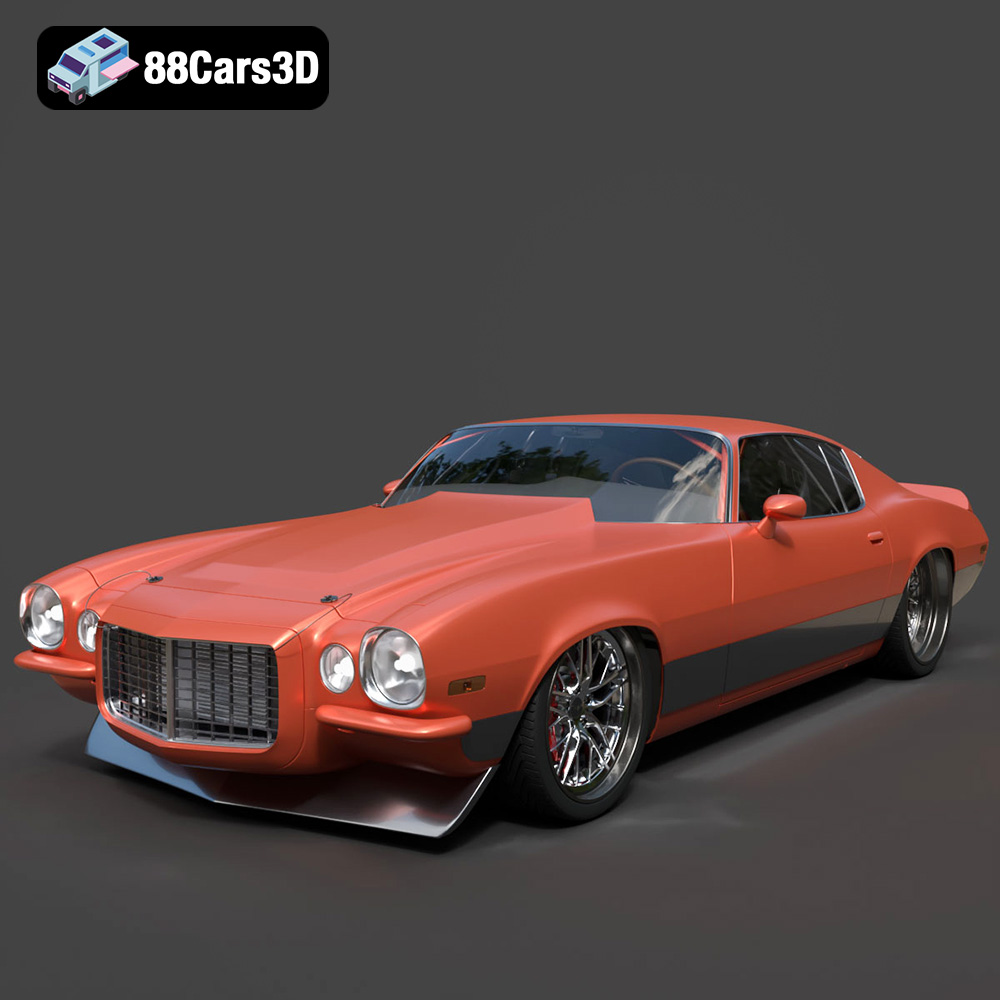
Download the Chevrolet Camaro 1970 3D Model featuring clean geometry, realistic detailing, and a fully modeled interior. Includes .blend, .fbx, .obj, .glb, .stl, .ply, .unreal, and .max formats for rendering, simulation, and game development.
Price: $10
Texture: Yes
Material: Yes
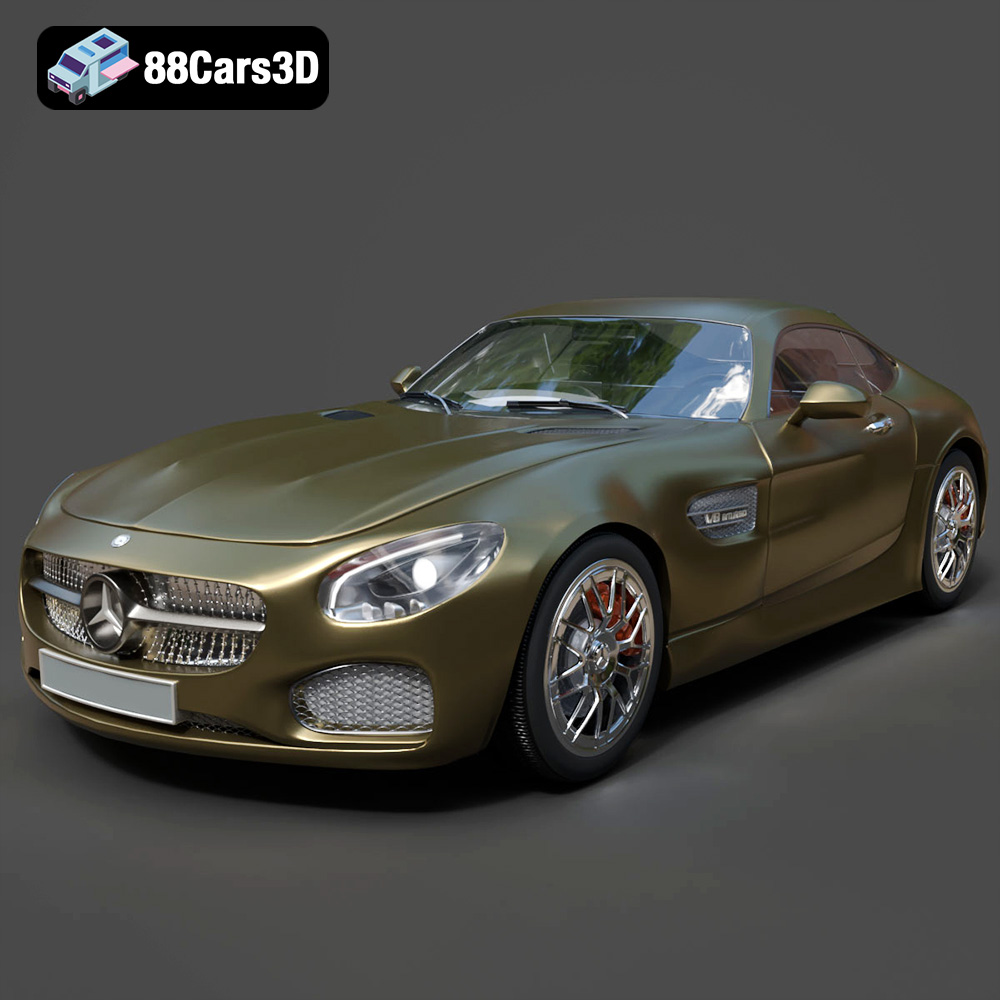
Download the Mercedes-AMG GT 2015 3D Model featuring clean geometry, realistic detailing, and a fully modeled interior. Includes .blend, .fbx, .obj, .glb, .stl, .ply, .unreal, and .max formats for rendering, simulation, and game development.
Price: $88.99
Texture: Yes
Material: Yes
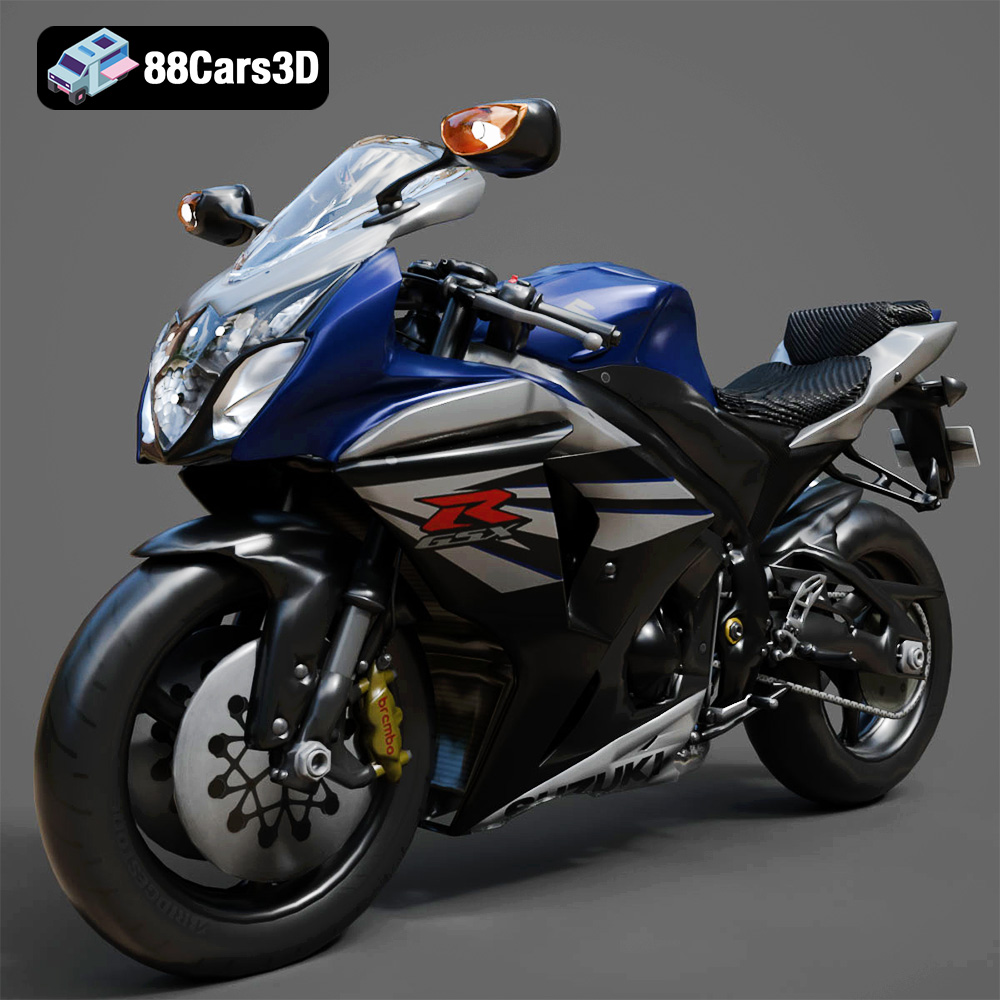
Download the Suzuki GSX-R 1000 3D Model featuring clean geometry, realistic detailing, and a fully modeled interior. Includes .blend, .fbx, .obj, .glb, .stl, .ply, .unreal, and .max formats for rendering, simulation, and game development.
Price: $10
Texture: Yes
Material: Yes
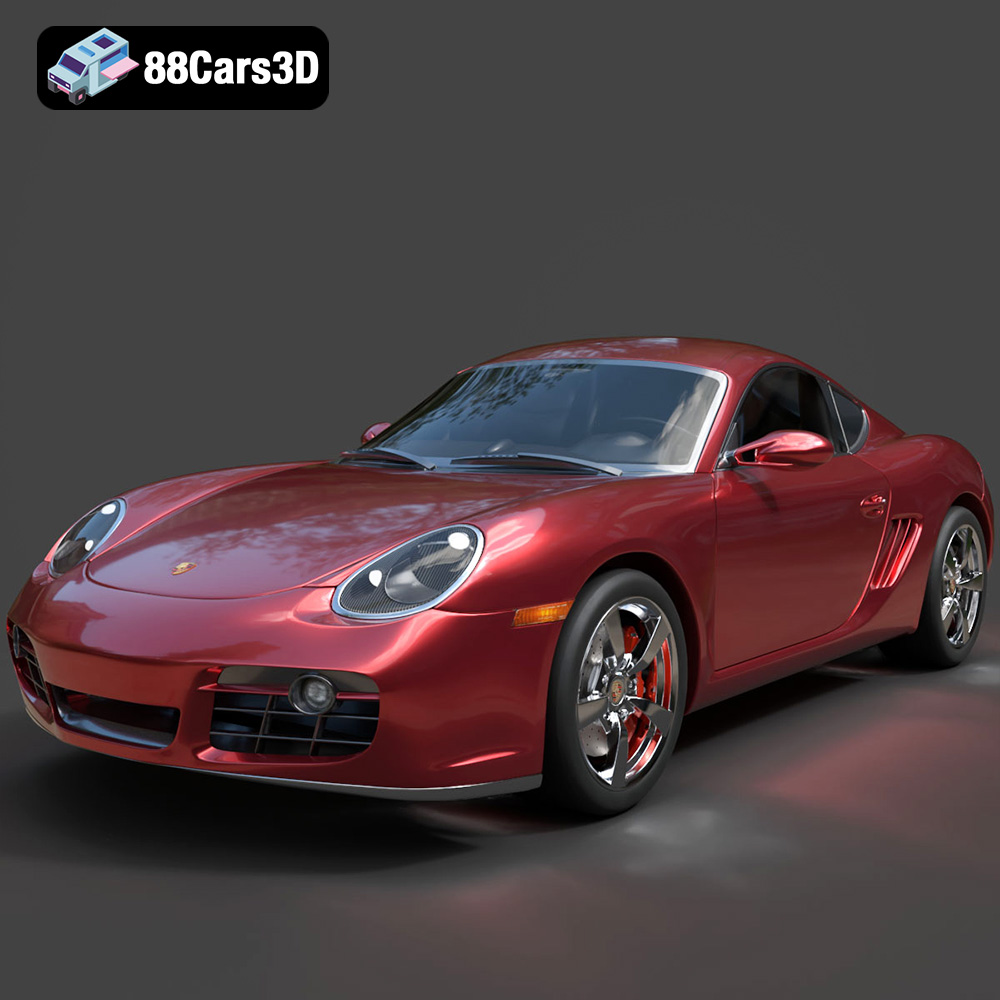
Download the Porsche Cayman S 2024 3D Model featuring clean geometry, realistic detailing, and a fully modeled interior. Includes .blend, .fbx, .obj, .glb, .stl, .ply, .unreal, and .max formats for rendering, simulation, and game development.
Price: $10
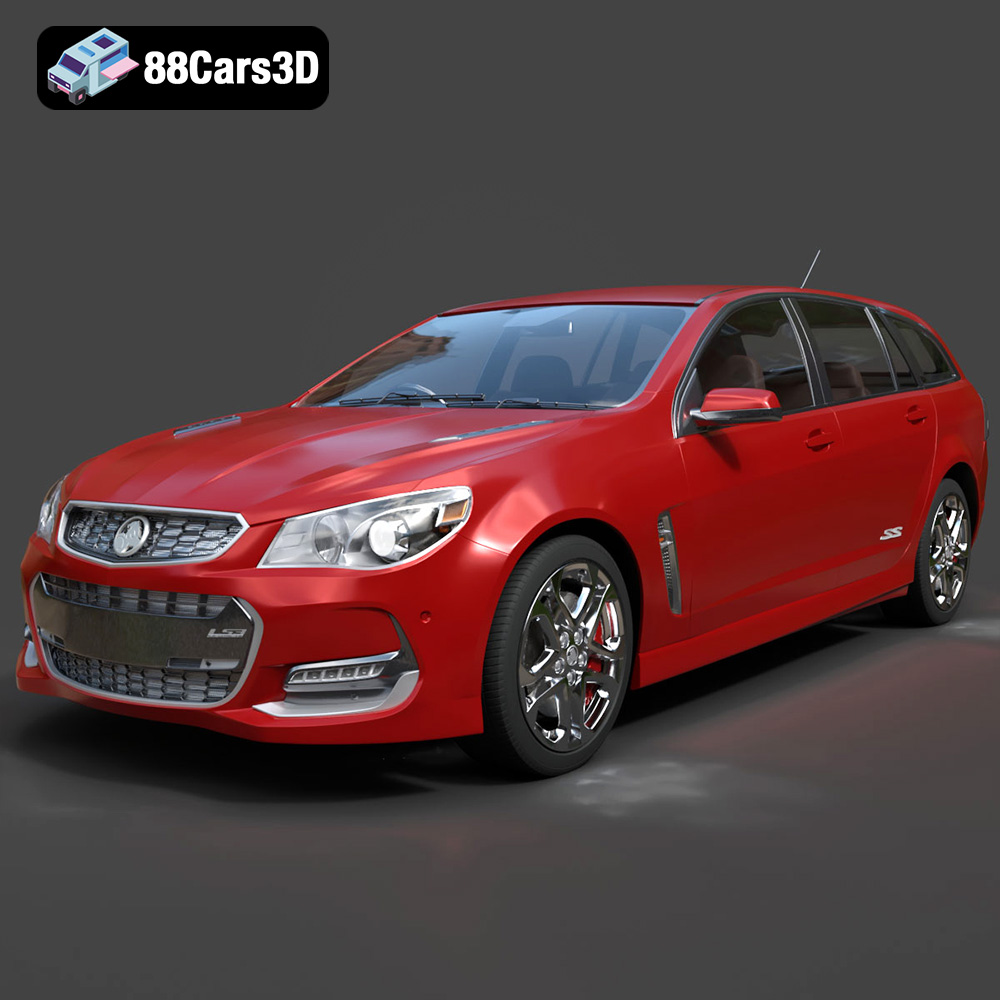
Texture: Yes
Material: Yes
Download the Holden Commodore Sportwagon 2017 3D Model featuring clean geometry, realistic detailing, and a fully modeled interior. Includes .blend, .fbx, .obj, .glb, .stl, .ply, .unreal, and .max formats for rendering, simulation, and game development.
Price: $10
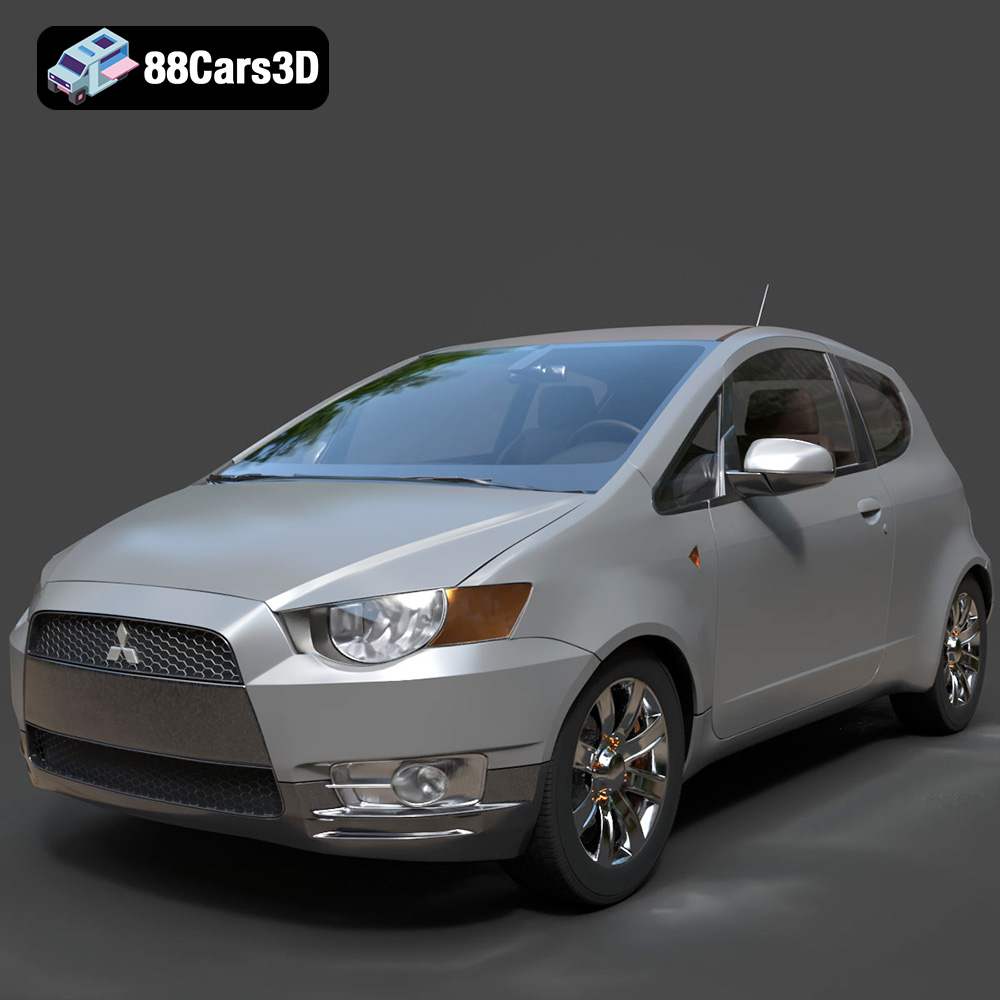
Texture: Yes
Material: Yes
Download the Mitsubishi Colt 3 Door 2008 3D Model featuring clean geometry, realistic detailing, and a fully modeled interior. Includes .blend, .fbx, .obj, .glb, .stl, .ply, .unreal, and .max formats for rendering, simulation, and game development.
Price: $10
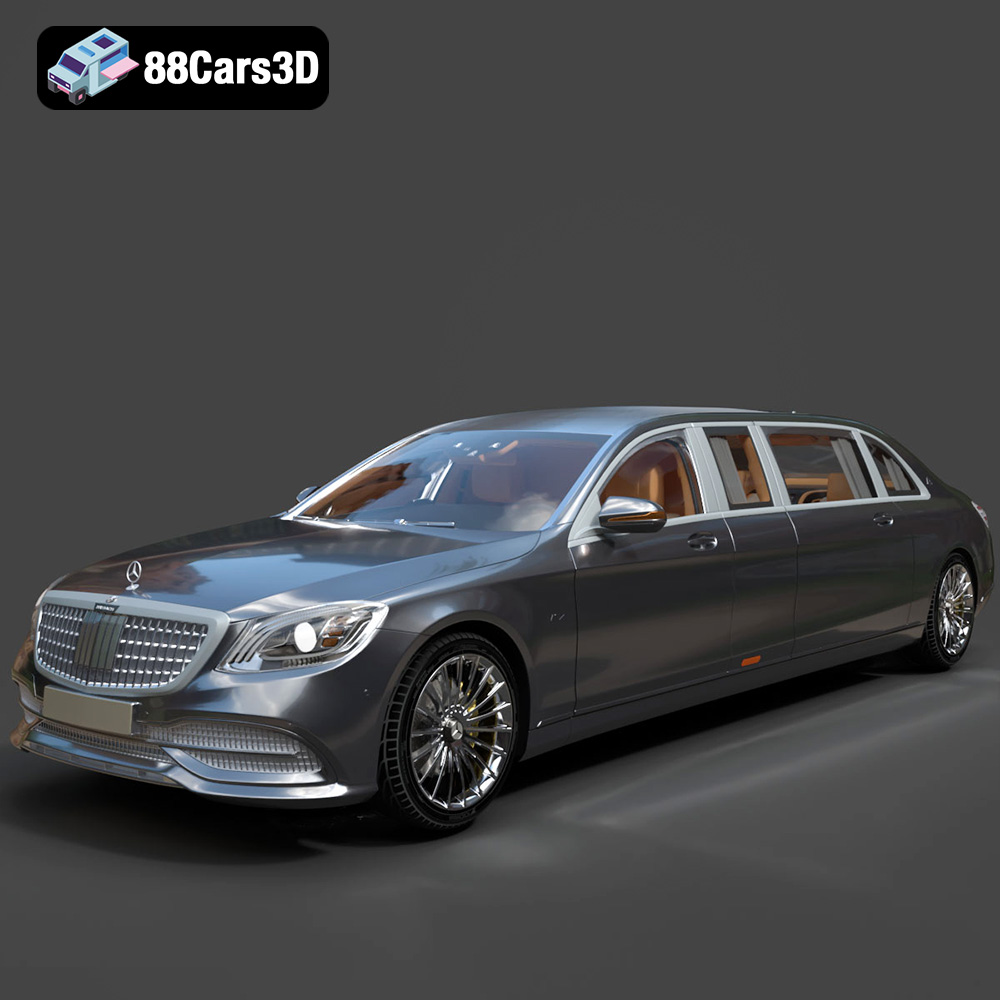
Texture: Yes
Material: Yes
Download the Mercedes-Benz S650 Pullman 3D Model featuring clean geometry, realistic detailing, and a fully modeled interior. Includes .blend, .fbx, .obj, .glb, .stl, .ply, .unreal, and .max formats for rendering, simulation, and game development.
Price: $95.99
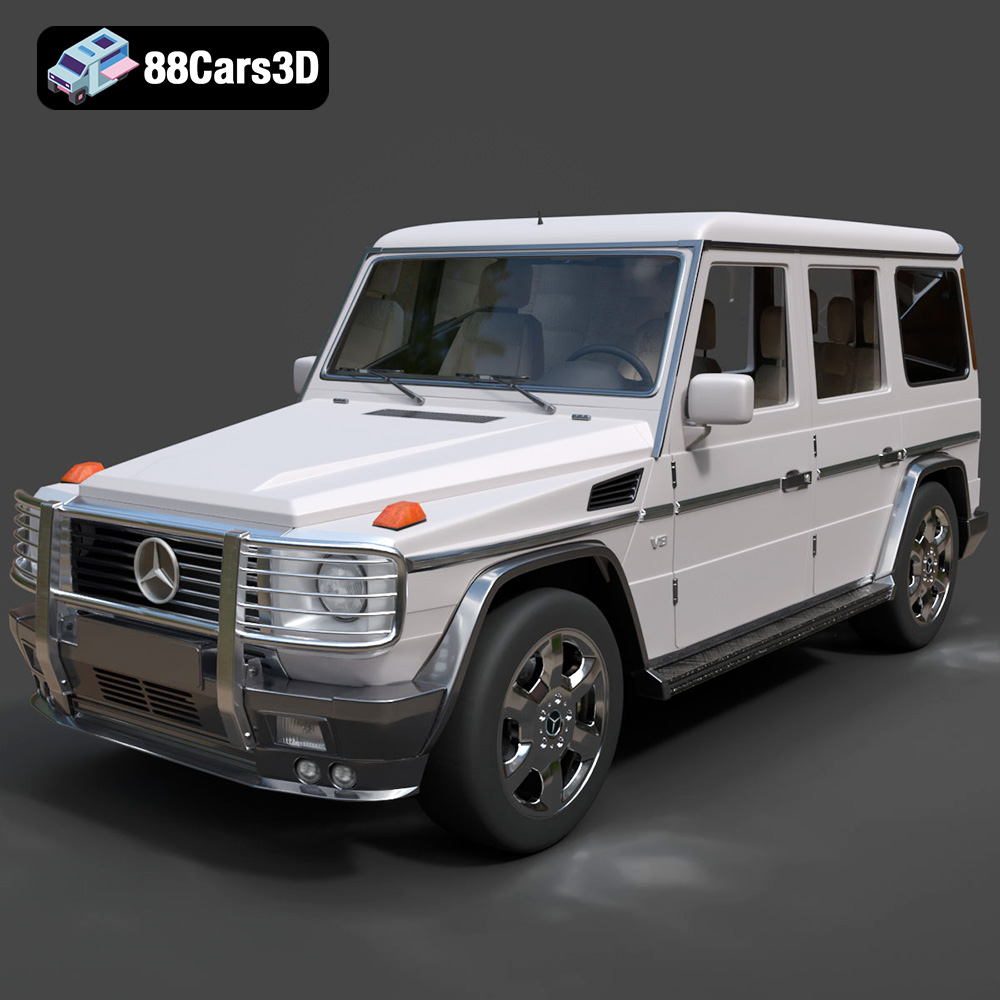
Texture: Yes
Material: Yes
Download the Mercedes G-Class SUV 2024 3D Model featuring clean geometry, realistic detailing, and a fully modeled interior. Includes .blend, .fbx, .obj, .glb, .stl, .ply, .unreal, and .max formats for rendering, simulation, and game development.
Price: $10
Texture: Yes
Material: Yes
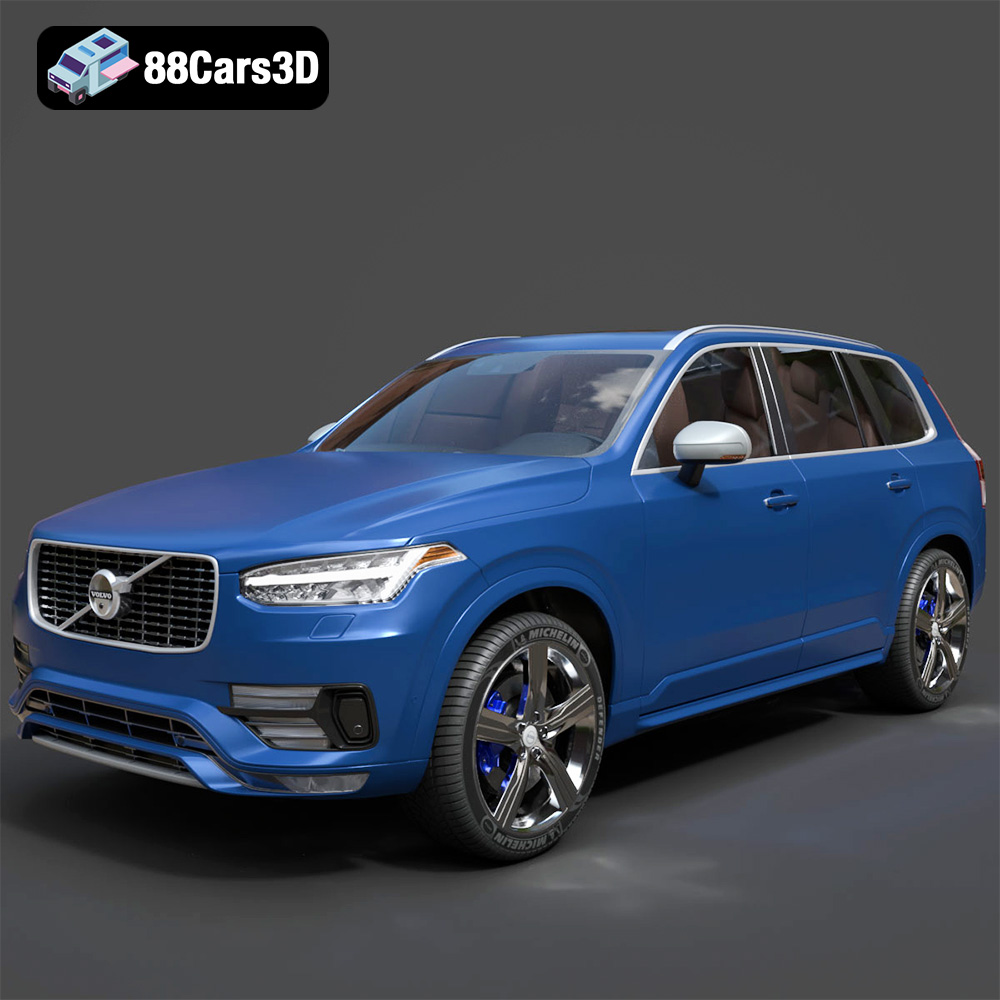
Download the Volvo XC90 R-Design 2015 3D Model featuring clean geometry, realistic detailing, and a fully modeled interior. Includes .blend, .fbx, .obj, .glb, .stl, .ply, .unreal, and .max formats for rendering, simulation, and game development.
Price: $10

