Get 50% OFF All Premium 3D & STL Models!

“`html
3D printing has revolutionized the world of model making, particularly for automotive enthusiasts. The ability to bring intricate designs to life, layer by layer, offers unprecedented control and customization. But achieving exceptional results requires a deep understanding of the entire process, from selecting the right STL file to optimizing your 3D printer settings. This comprehensive guide will take you through the essential steps, offering detailed technical insights to help you create stunning 3D printed car models. Whether you’re a seasoned 3D printing veteran or just starting out, you’ll find valuable information here to elevate your projects.
We’ll cover everything from the intricacies of STL files and mesh repair to choosing the optimal 3D printer settings for FDM and resin printers. We’ll delve into the nuances of slicing software, explore support structure generation and removal techniques, and discuss post-processing methods to achieve professional-grade finishes. By the end of this article, you’ll have a thorough understanding of how to transform digital designs into tangible masterpieces, ready to showcase your passion for automotive artistry.
The STL (Stereolithography) file format is the cornerstone of 3D printing. It represents the surface geometry of a 3D object using a collection of triangles. While seemingly simple, the quality of an STL file directly impacts the final print. A well-designed STL file will have a clean, watertight mesh, while a poorly constructed one can lead to printing errors and a subpar finished product. Platforms like 88cars3d.com offer print-ready STL files designed for optimal 3D printing outcomes.
The number of triangles used to represent the 3D model is crucial. Higher polygon counts result in smoother surfaces and more detailed features but can increase file size and processing time during slicing. Lower polygon counts reduce file size but can lead to faceting, where curved surfaces appear blocky. Striking the right balance depends on the complexity of the car model and the capabilities of your 3D printer. A good rule of thumb is to aim for a polygon count that captures the necessary details without overwhelming your system. For example, a detailed car model might require a polygon count in the hundreds of thousands, whereas a simpler model could suffice with tens of thousands. Consider the target layer height; a very low layer height will better hide the facets of a lower polygon count model.
A manifold mesh is a closed, watertight surface. Non-manifold geometry, such as holes, intersecting faces, or disconnected edges, can cause significant problems during slicing and printing. Slicing software relies on the assumption that the mesh is a closed volume. Mesh repair tools, such as those found in Meshmixer, Netfabb, or Blender, are essential for identifying and correcting these errors. Common repair operations include filling holes, stitching edges, and removing overlapping faces. When downloading models from marketplaces such as 88cars3d.com, you can generally trust that the files have already undergone rigorous mesh repair, saving you valuable time and effort. However, if you modify the files or create your own, mesh repair becomes a critical step.
The success of your 3D printed car model hinges on carefully configuring your 3D printer settings. These settings dictate how the printer lays down each layer of material, influencing the print’s resolution, strength, and overall quality. Choosing the right parameters for your specific printer, material, and model is paramount. Key settings to consider include layer height, infill density, print speed, and temperature.
Layer height is the thickness of each individual layer of material. Lower layer heights result in smoother surfaces and finer details but increase print time. Higher layer heights print faster but sacrifice resolution. For detailed car models, a layer height of 0.1mm to 0.2mm is often a good starting point for FDM printers. For resin printers, layer heights can be significantly lower, typically ranging from 0.025mm to 0.05mm, allowing for incredibly fine details. Experiment with different layer heights to find the optimal balance between print quality and speed. Remember that the nozzle size also influences the minimum achievable layer height for FDM printing. For example, a 0.4mm nozzle is generally not recommended for layer heights below 0.1mm.
Infill refers to the internal structure of the 3D printed object. Infill density determines how much material is used to fill the interior, affecting the print’s strength and weight. For car models, an infill density of 15% to 25% is typically sufficient for structural integrity without adding excessive weight. Infill patterns, such as grid, honeycomb, or gyroid, offer different trade-offs between strength, print time, and material usage. Gyroid infill, for example, provides excellent strength in all directions with relatively low material consumption. Consider the function of the model; if it’s purely for display, a lower infill density will suffice, while a model intended for play or handling might require a higher density.
Slicing software is the bridge between your 3D model and your 3D printer. It takes the STL file as input and generates a set of instructions, known as G-code, that the printer can understand. The slicing process involves dividing the 3D model into thin layers, calculating the toolpaths for the printer’s nozzle, and adding necessary support structures. Popular slicing software options include Cura, PrusaSlicer, Simplify3D, and Chitubox (for resin printers). Each slicer offers a range of settings and features to optimize your prints.
Support structures are temporary scaffolding that helps to support overhanging features and prevent warping during printing. Slicing software automatically generates support structures based on the model’s geometry and the printer’s capabilities. Choosing the right support settings is crucial for ensuring print success and minimizing post-processing effort. Consider the support density, overhang angle, and support interface thickness. Denser supports provide more stability but can be more difficult to remove. Support interface layers can make removal easier but may leave a rougher surface finish. Experiment with different support settings to find the optimal balance for your specific model and printer.
Print speed dictates how quickly the printer moves its nozzle or build platform. Slower print speeds generally result in higher quality prints with better layer adhesion but increase print time. Faster print speeds can reduce print time but may compromise print quality. Temperature control is crucial for proper material extrusion and layer bonding. The optimal temperature depends on the material being used. PLA typically prints at temperatures between 190°C and 220°C, while ABS requires higher temperatures, typically between 230°C and 260°C. Bed adhesion is also affected by bed temperature; a heated bed is essential for many materials, such as ABS, to prevent warping. Carefully adjust print speed and temperature settings based on the manufacturer’s recommendations for your specific material.
FDM (Fused Deposition Modeling) and resin printing are the two most common 3D printing technologies. FDM printing uses a filament of thermoplastic material that is heated and extruded through a nozzle, layer by layer. Resin printing, on the other hand, uses a liquid resin that is cured by UV light. Each technology has its own strengths and weaknesses, making them suitable for different applications. Understanding the differences between FDM and resin printing is essential for choosing the right technology for your car model projects.
FDM printing is known for its versatility, affordability, and ease of use. FDM printers are generally less expensive than resin printers, and a wide range of materials is available, including PLA, ABS, PETG, and TPU. FDM printing is well-suited for larger car models or models that require high strength and durability. However, FDM prints typically have lower resolution and layer lines may be visible. Post-processing, such as sanding and painting, is often required to achieve a smooth surface finish. FDM printing is ideal for beginners and hobbyists who want a versatile and accessible 3D printing solution.
Resin printing excels at producing highly detailed and accurate prints with smooth surface finishes. Resin printers use a liquid resin that is cured by UV light, layer by layer, resulting in exceptional resolution and intricate details. Resin printing is ideal for smaller car models or models that require fine details, such as intricate body panels or detailed interior components. However, resin printers can be more expensive than FDM printers, and the resin materials can be more costly and require careful handling. Resin prints also tend to be more brittle than FDM prints and may require post-curing to achieve optimal strength. If your priority is achieving the highest possible level of detail and surface finish, resin printing is the clear choice.
Post-processing is the final step in the 3D printing process, transforming a raw print into a polished and professional-looking model. Post-processing techniques can include support removal, sanding, filling, priming, and painting. The specific techniques required will depend on the printing technology used, the material, and the desired finish. Mastering post-processing is essential for achieving exceptional results.
The first step in post-processing is typically removing the support structures. For FDM prints, this can often be done manually using pliers or cutters. For resin prints, supports are often more delicate and may require careful removal using specialized tools. After removing the supports, the surface of the print may be rough or uneven. Sanding is used to smooth out the surface and remove any remaining support marks. Start with a coarse grit sandpaper (e.g., 220 grit) and gradually move to finer grits (e.g., 400 grit, 600 grit, 800 grit) to achieve a smooth surface. Wet sanding can help to reduce dust and improve the surface finish. For larger imperfections, filler can be used to fill in gaps or scratches before sanding.
Priming is an essential step before painting, as it creates a uniform surface for the paint to adhere to. A good primer will also help to fill in any remaining imperfections and improve the overall finish. Apply thin, even coats of primer, allowing each coat to dry completely before applying the next. Once the primer is dry, you can begin painting. Use high-quality paints specifically designed for models. Apply thin, even coats of paint, allowing each coat to dry completely before applying the next. Multiple thin coats are better than one thick coat, as they reduce the risk of drips and runs. Consider using an airbrush for a more professional-looking finish. After painting, you can apply a clear coat to protect the paint and add a glossy or matte finish. Polishing compounds and waxes can further enhance the shine and protect the paintwork.
Even with careful planning and optimized settings, 3D printing can sometimes present challenges. Common issues include warping, bed adhesion problems, layer separation, stringing, and nozzle clogging. Understanding the causes of these problems and how to troubleshoot them is essential for achieving consistent and reliable print results.
Warping occurs when the corners or edges of a print lift off the build plate during printing. This is often caused by uneven cooling or poor bed adhesion. To prevent warping, ensure that your build plate is properly leveled and cleaned. Use a bed adhesive, such as hairspray or glue stick, to improve bed adhesion. For materials like ABS, a heated bed is essential to maintain a consistent temperature and prevent warping. Enclosing the printer in a chamber can also help to reduce temperature fluctuations and prevent warping. If warping persists, try increasing the bed temperature or adding a brim or raft to the print.
Layer separation occurs when the layers of a print do not properly adhere to each other. This can be caused by insufficient extrusion temperature, low print speed, or poor layer bonding. To prevent layer separation, increase the extrusion temperature or reduce the print speed. Ensure that your filament is dry and free of moisture, as moisture can weaken layer adhesion. Stringing occurs when the printer nozzle oozes material while traveling between different parts of the print. This can be caused by excessive retraction distance, high extrusion temperature, or slow travel speed. To prevent stringing, increase the retraction distance, lower the extrusion temperature, or increase the travel speed. Experiment with different retraction settings to find the optimal balance for your specific material and printer.
Mastering 3D printing for car models requires a combination of technical knowledge, experimentation, and patience. By understanding the intricacies of STL files, optimizing your 3D printer settings, mastering slicing software, and perfecting post-processing techniques, you can transform digital designs into stunning, tangible masterpieces. Whether you choose FDM or resin printing, each technology offers unique advantages for creating detailed and realistic car models. Platforms like 88cars3d.com provide a valuable resource for accessing high-quality STL files that are ready to be brought to life with your 3D printer.
Take the time to experiment with different settings and techniques to find what works best for your specific printer, material, and model. Don’t be afraid to troubleshoot and learn from your mistakes. With practice and dedication, you’ll be able to create impressive 3D printed car models that showcase your passion for automotive artistry. The journey from digital design to physical model is rewarding and opens up endless possibilities for customization and creativity. Now, go forth and bring your automotive dreams to life, one layer at a time!
“`

Texture: Yes
Material: Yes
Download the Mercedes S-Class 2024 3D Model featuring clean geometry, realistic detailing, and a fully modeled interior. Includes .blend, .fbx, .obj, .glb, .stl, .ply, .unreal, and .max formats for rendering, simulation, and game development.
Price: $10

Texture: Yes
Material: Yes
Download the Chevrolet Camaro 1970 3D Model featuring clean geometry, realistic detailing, and a fully modeled interior. Includes .blend, .fbx, .obj, .glb, .stl, .ply, .unreal, and .max formats for rendering, simulation, and game development.
Price: $10

Texture: Yes
Material: Yes
Download the Mercedes-AMG GT 2015 3D Model featuring clean geometry, realistic detailing, and a fully modeled interior. Includes .blend, .fbx, .obj, .glb, .stl, .ply, .unreal, and .max formats for rendering, simulation, and game development.
Price: $88.99

Texture: Yes
Material: Yes
Download the Suzuki GSX-R 1000 3D Model featuring clean geometry, realistic detailing, and a fully modeled interior. Includes .blend, .fbx, .obj, .glb, .stl, .ply, .unreal, and .max formats for rendering, simulation, and game development.
Price: $10

Texture: Yes
Material: Yes
Download the Porsche Cayman S 2024 3D Model featuring clean geometry, realistic detailing, and a fully modeled interior. Includes .blend, .fbx, .obj, .glb, .stl, .ply, .unreal, and .max formats for rendering, simulation, and game development.
Price: $10

Texture: Yes
Material: Yes
Download the Holden Commodore Sportwagon 2017 3D Model featuring clean geometry, realistic detailing, and a fully modeled interior. Includes .blend, .fbx, .obj, .glb, .stl, .ply, .unreal, and .max formats for rendering, simulation, and game development.
Price: $10
Texture: Yes
Material: Yes
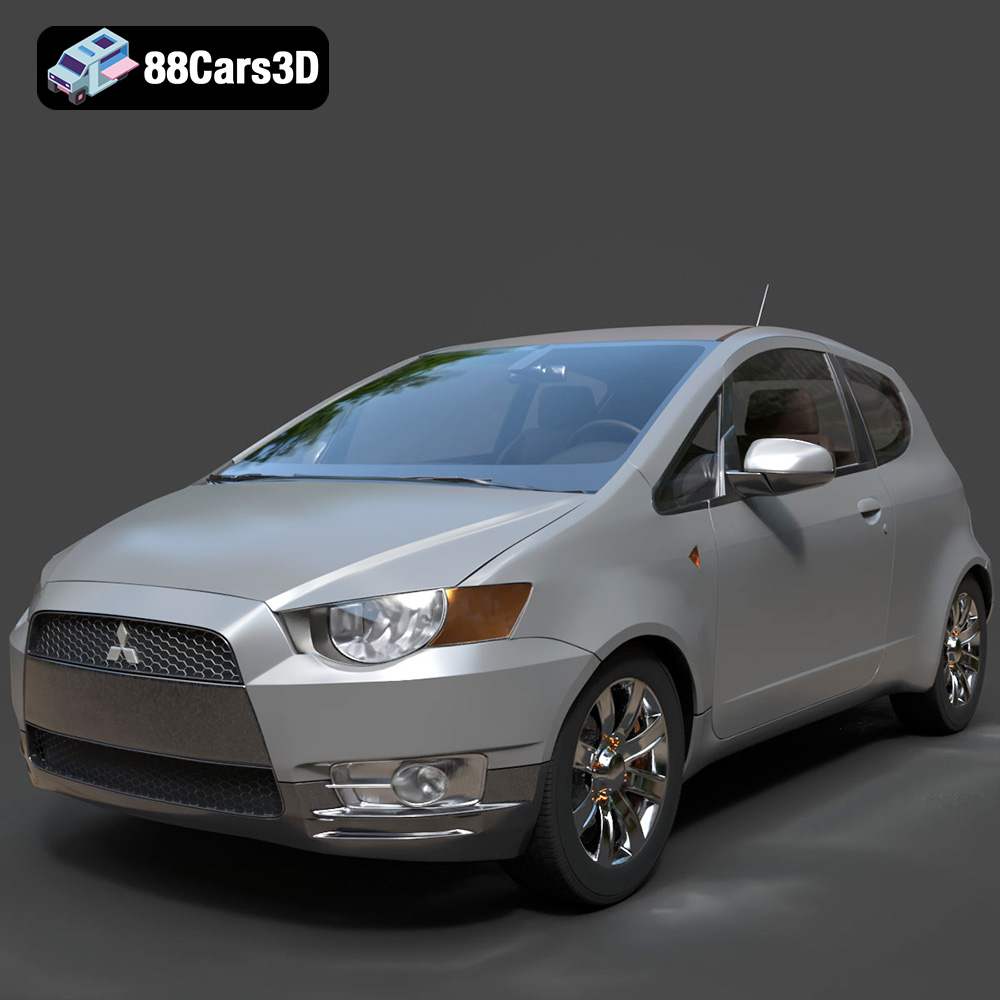
Download the Mitsubishi Colt 3 Door 2008 3D Model featuring clean geometry, realistic detailing, and a fully modeled interior. Includes .blend, .fbx, .obj, .glb, .stl, .ply, .unreal, and .max formats for rendering, simulation, and game development.
Price: $10
Texture: Yes
Material: Yes
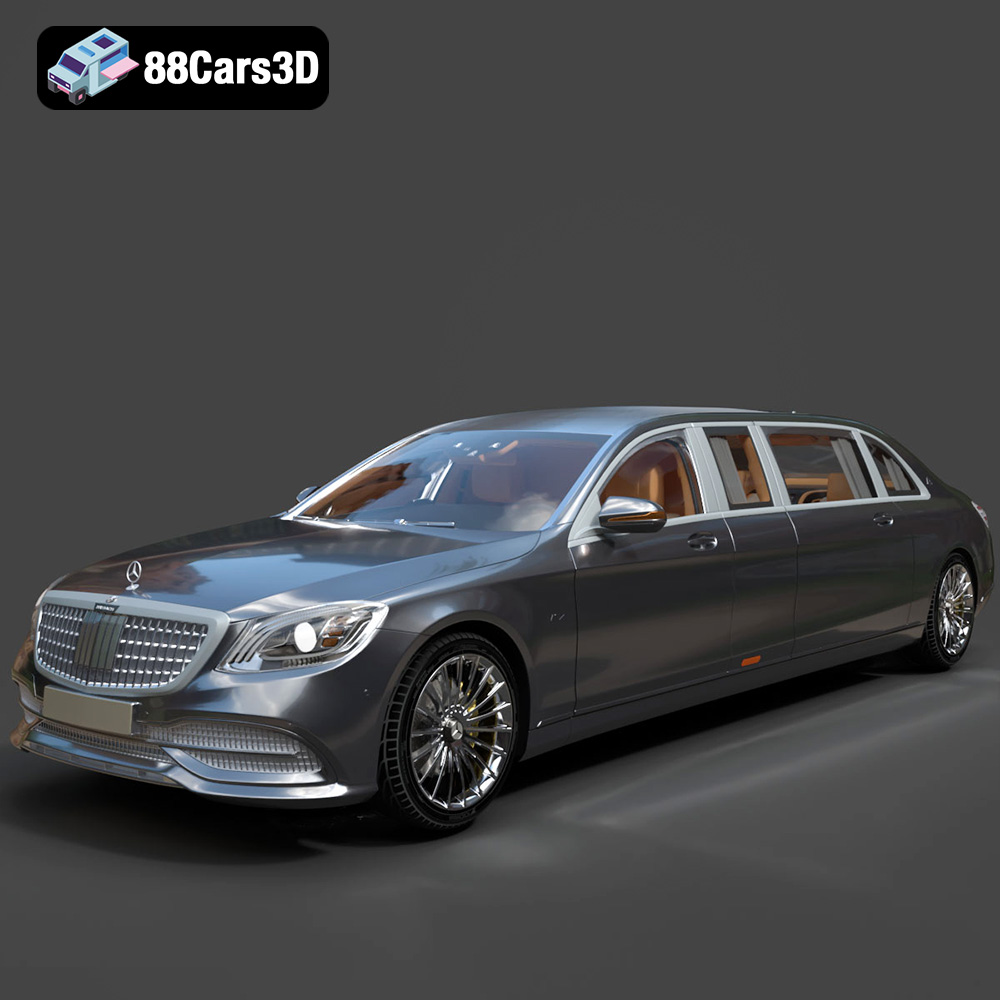
Download the Mercedes-Benz S650 Pullman 3D Model featuring clean geometry, realistic detailing, and a fully modeled interior. Includes .blend, .fbx, .obj, .glb, .stl, .ply, .unreal, and .max formats for rendering, simulation, and game development.
Price: $95.99
Texture: Yes
Material: Yes
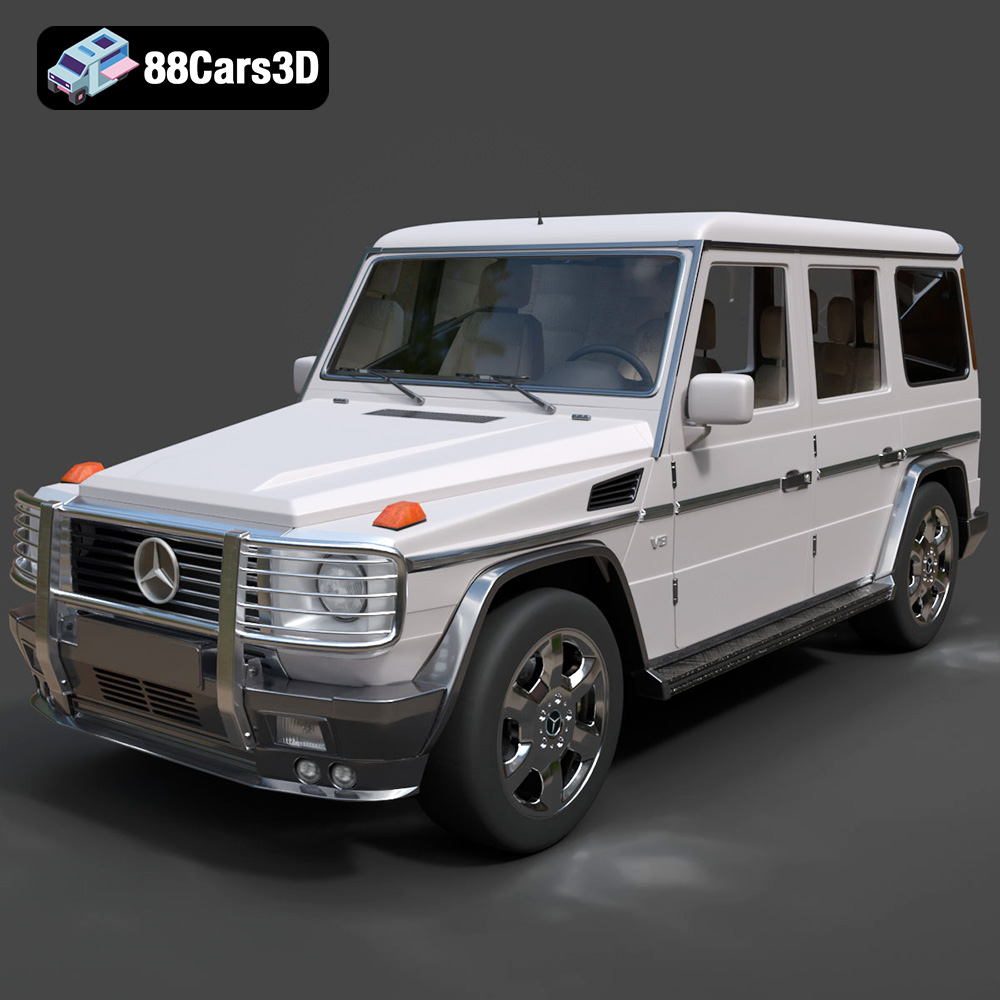
Download the Mercedes G-Class SUV 2024 3D Model featuring clean geometry, realistic detailing, and a fully modeled interior. Includes .blend, .fbx, .obj, .glb, .stl, .ply, .unreal, and .max formats for rendering, simulation, and game development.
Price: $10

Texture: Yes
Material: Yes
Download the Volvo XC90 R-Design 2015 3D Model featuring clean geometry, realistic detailing, and a fully modeled interior. Includes .blend, .fbx, .obj, .glb, .stl, .ply, .unreal, and .max formats for rendering, simulation, and game development.
Price: $10

