Get 50% OFF All Premium 3D & STL Models!

“`html
3D printing has revolutionized the way we create and interact with physical objects. For automotive enthusiasts, the ability to 3D print detailed car models offers a unique opportunity to build collections, create prototypes, or simply enjoy a rewarding hobby. However, achieving high-quality prints requires a deep understanding of the 3D printing process, from preparing your STL files to fine-tuning your printer settings. This comprehensive guide will walk you through every step, covering essential techniques and best practices for 3D printing stunning car models.
In this article, you will learn about STL file structures, critical slicing parameters, support generation strategies, print orientation techniques, material selection considerations, post-processing methods, and troubleshooting common printing failures. Whether you’re a beginner or an experienced 3D printing enthusiast, this guide provides valuable insights to enhance your 3D printing journey. You’ll also learn how marketplaces like 88cars3d.com offer print-ready STL files that significantly simplify the process.
The STL (stereolithography) file format is the cornerstone of 3D printing. It represents the surface geometry of a 3D object as a collection of triangles. Understanding its structure is crucial for successful 3D printing. The STL file contains information about each triangle, including its vertices (corner points) and normal vector (direction the triangle is facing). Proper mesh topology is critical; overlapping or self-intersecting triangles can lead to printing errors. When downloading models from marketplaces such as 88cars3d.com, you can be confident in the quality and integrity of the STL files.
Mesh density directly impacts the visual quality of your 3D printed car model. A higher density (more triangles) results in a smoother surface but increases file size and processing time. For car models, balancing detail and printability is essential. Aim for a mesh density that captures intricate details without overwhelming your 3D printer. A good starting point is to inspect the STL in a mesh editing software like Meshmixer. If curved surfaces appear noticeably faceted, increase the mesh density. Keep in mind that excessive density can strain your printer’s processing power.
Before slicing, always check your STL files for errors like holes, non-manifold edges, or inverted normals. Non-manifold geometry means the mesh is not “watertight” and can cause slicing failures. Several software tools can automatically repair STL files. Netfabb is an industry-standard for advanced repair. Meshmixer offers a user-friendly interface for basic repairs. Using these tools, you can automatically fill holes, stitch edges, and reorient normals, ensuring your model is print-ready. Repairing files prevents unexpected printing issues and ensures a clean, accurate final result.
Slicing is the process of converting a 3D model into a series of layers that the 3D printer can understand. The slicer software divides the STL file into horizontal cross-sections and generates a toolpath for the printer to follow. Choosing the right slicing parameters is crucial for achieving optimal print quality. Key parameters include layer height, infill density, print speed, and temperature settings. Popular slicing software options include Cura, PrusaSlicer, and Simplify3D.
Layer height is the thickness of each printed layer and directly affects the print’s resolution and printing time. Lower layer heights (e.g., 0.1mm) produce smoother surfaces and finer details but significantly increase printing time. Higher layer heights (e.g., 0.3mm) print faster but result in more visible layer lines. For car models, a layer height between 0.1mm and 0.2mm often strikes a good balance. Experiment with different layer heights to find the best compromise between quality and speed for your specific model and printer.
Infill refers to the internal structure of the 3D print. Infill patterns determine the shape and arrangement of the internal support, while infill density controls the amount of material used inside the model. Higher infill densities (e.g., 50%) provide greater strength and rigidity but increase printing time and material consumption. Lower infill densities (e.g., 15%) print faster and save material but may compromise structural integrity. For car models, a gyroid or honeycomb infill pattern at 20-30% density typically provides adequate strength without excessive weight. Consider increasing infill density for areas that require more support, such as the chassis or suspension components.
Support structures are temporary scaffolding used to support overhanging features during 3D printing. Without supports, gravity would cause these features to collapse. Slicing software automatically generates support structures based on the model’s geometry and print orientation. Effective support generation and removal are crucial for achieving clean, accurate prints, especially for complex car models with intricate details.
Most slicing software offers automatic support generation, which is a convenient starting point. However, manual support placement provides greater control and can optimize support structures for specific features. Manually adding supports to critical areas, such as the underside of the car body or protruding details, can prevent sagging and ensure dimensional accuracy. Software like Meshmixer allows you to precisely place supports. Consider the ease of removal when placing supports; avoid placing them in hard-to-reach areas or on delicate surfaces.
The material used for supports can significantly impact their ease of removal and the surface finish of the printed part. Some materials, like HIPS (high-impact polystyrene), can be dissolved in a solvent, leaving a clean surface. Interface layers, which are printed between the support structure and the model, can further improve support removal. Interface layers use a different material or settings to create a weaker bond, making it easier to separate the support from the part. Experiment with different support materials and interface layer settings to optimize support removal for your 3D printed car models.
Print orientation refers to the direction in which the model is placed on the build plate. Orientation significantly affects print quality, support requirements, and bed adhesion. Proper bed adhesion ensures the model stays firmly attached to the build plate throughout the printing process, preventing warping and print failures. Careful consideration of print orientation and bed adhesion techniques is essential for successful 3D printing.
Strategically orienting your car model can minimize the need for support structures. For example, placing the car body with the roof facing down reduces the number of overhanging features requiring support. Consider the geometry of the model and identify the orientation that minimizes overhangs and maximizes bed contact. Orienting the model diagonally can also reduce the staircase effect on curved surfaces. Remember that the optimal orientation depends on the specific model and printer.
Several techniques can improve bed adhesion. A brim is a single-layer outline printed around the base of the model, increasing the surface area in contact with the build plate. A raft is a multi-layer platform printed beneath the model, providing a stable foundation. Applying a thin layer of glue stick or using specialized bed adhesion solutions can also enhance bed adhesion. The choice of technique depends on the material and the size of the model. For larger car models, a raft is often recommended to prevent warping. Ensure the build plate is clean and level before starting the print.
The choice of material significantly impacts the appearance, strength, and durability of your 3D printed car model. Common materials include PLA (polylactic acid), PETG (polyethylene terephthalate glycol), and ABS (acrylonitrile butadiene styrene). Each material has its own set of properties and printing requirements. Printer calibration ensures the printer is accurately extruding material and maintaining proper temperature, leading to consistent and high-quality prints.
PLA is a biodegradable thermoplastic known for its ease of printing and good surface finish. It’s a great choice for beginners and for models that don’t require high heat resistance. PETG is a more durable and flexible material with good chemical resistance. It’s a good alternative to ABS for functional parts. ABS is a strong and heat-resistant material commonly used in automotive applications. However, ABS is more challenging to print due to its tendency to warp. Consider the intended use of your car model when selecting a material. For example, if the model will be exposed to sunlight, choose a UV-resistant material like ASA.
Proper calibration is crucial for optimal print quality. Calibrate the extruder temperature by printing a temperature tower, which consists of sections printed at different temperatures. Evaluate the surface finish and strength of each section to determine the optimal temperature for your chosen material. Similarly, calibrate the bed temperature to ensure good bed adhesion. Adjust the bed temperature in small increments until you achieve consistent adhesion without warping. A well-calibrated printer produces more reliable and high-quality prints.
Post-processing refers to the steps taken after 3D printing to improve the appearance and functionality of the model. Common post-processing techniques include removing support structures, sanding, filling gaps, priming, and painting. These techniques can transform a raw 3D print into a professional-looking car model.
Sanding smooths the surface of the 3D print, removing layer lines and imperfections. Start with coarse sandpaper (e.g., 220 grit) and gradually move to finer grits (e.g., 400, 600, 800 grit). Priming creates a smooth, uniform surface for painting. Apply multiple thin layers of primer, sanding lightly between each coat. Painting adds color and detail to the model. Use automotive-grade paints for a durable and realistic finish. Consider using airbrushing techniques for finer details and gradients.
Many 3D printed car models consist of multiple parts that need to be assembled. Use adhesive to bond the parts together securely. Pay attention to alignment and fitment during assembly. Adding details such as decals, mirrors, and lights can further enhance the realism of the model. Consider using resin printing for small, intricate parts to achieve higher resolution and detail.
Mastering 3D printing car models requires a combination of technical knowledge, careful planning, and hands-on experience. By understanding STL file structures, optimizing slicing parameters, mastering support generation, and employing effective post-processing techniques, you can create stunning 3D printed car models. Remember to choose the right material for your specific needs and calibrate your printer for optimal performance. Platforms like 88cars3d.com provide access to high-quality STL files, streamlining the process and enabling you to focus on the creative aspects of 3D printing.
Start experimenting with different settings and techniques to refine your workflow. Don’t be afraid to try new materials and explore advanced post-processing methods. With dedication and perseverance, you’ll be able to create impressive 3D printed car models that showcase your passion for automotive design and 3D printing technology. The journey of 3D printing is a continuous learning process, so embrace the challenges and celebrate your successes!
“`
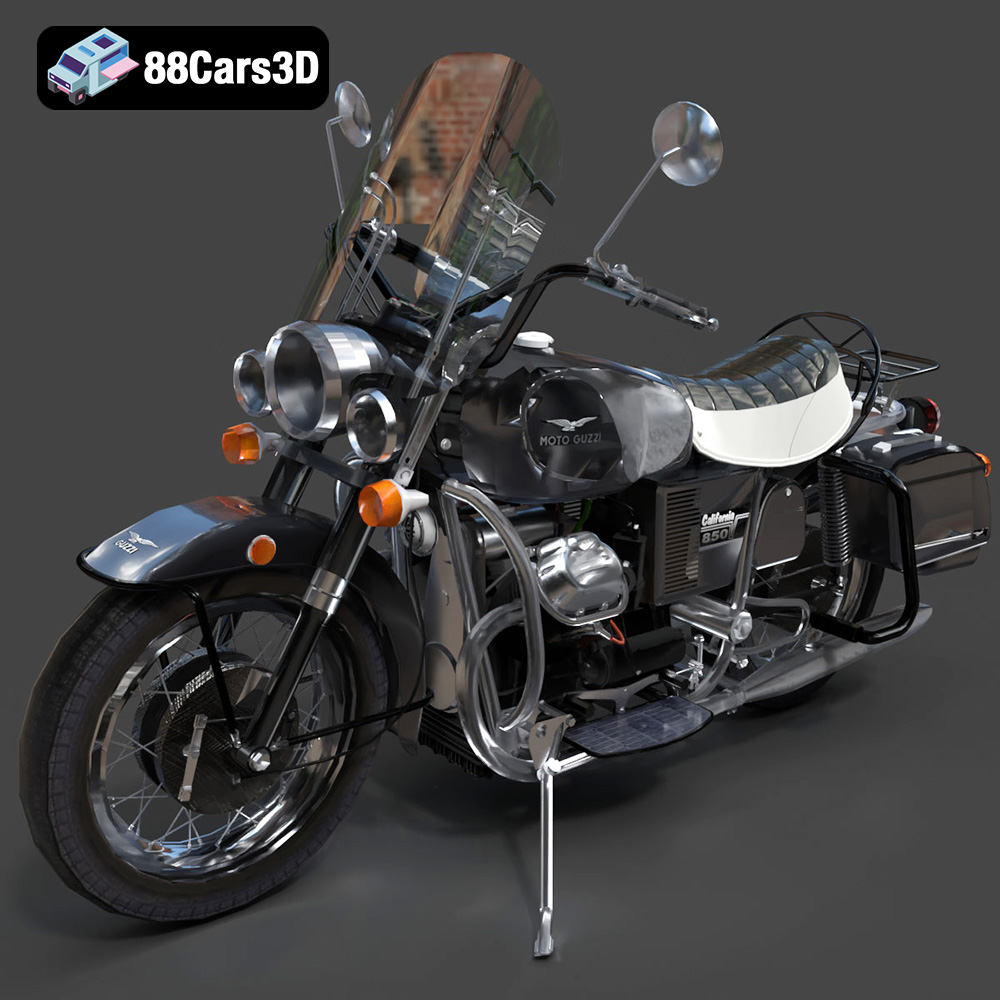
Texture: Yes
Material: Yes
Download the Moto Guzzi Classic Motorcycle 2024 3D Model featuring clean geometry, realistic detailing, and a fully modeled interior. Includes .blend, .fbx, .obj, .glb, .stl, .ply, .unreal, and .max formats for rendering, simulation, and game development.
Price: $10

Texture: Yes
Material: Yes
Download the Mercedes S-Class 2024 3D Model featuring clean geometry, realistic detailing, and a fully modeled interior. Includes .blend, .fbx, .obj, .glb, .stl, .ply, .unreal, and .max formats for rendering, simulation, and game development.
Price: $10

Texture: Yes
Material: Yes
Download the Chevrolet Camaro 1970 3D Model featuring clean geometry, realistic detailing, and a fully modeled interior. Includes .blend, .fbx, .obj, .glb, .stl, .ply, .unreal, and .max formats for rendering, simulation, and game development.
Price: $10

Texture: Yes
Material: Yes
Download the Mercedes-AMG GT 2015 3D Model featuring clean geometry, realistic detailing, and a fully modeled interior. Includes .blend, .fbx, .obj, .glb, .stl, .ply, .unreal, and .max formats for rendering, simulation, and game development.
Price: $88.99

Texture: Yes
Material: Yes
Download the Suzuki GSX-R 1000 3D Model featuring clean geometry, realistic detailing, and a fully modeled interior. Includes .blend, .fbx, .obj, .glb, .stl, .ply, .unreal, and .max formats for rendering, simulation, and game development.
Price: $10

Texture: Yes
Material: Yes
Download the Porsche Cayman S 2024 3D Model featuring clean geometry, realistic detailing, and a fully modeled interior. Includes .blend, .fbx, .obj, .glb, .stl, .ply, .unreal, and .max formats for rendering, simulation, and game development.
Price: $10

Texture: Yes
Material: Yes
Download the Holden Commodore Sportwagon 2017 3D Model featuring clean geometry, realistic detailing, and a fully modeled interior. Includes .blend, .fbx, .obj, .glb, .stl, .ply, .unreal, and .max formats for rendering, simulation, and game development.
Price: $10
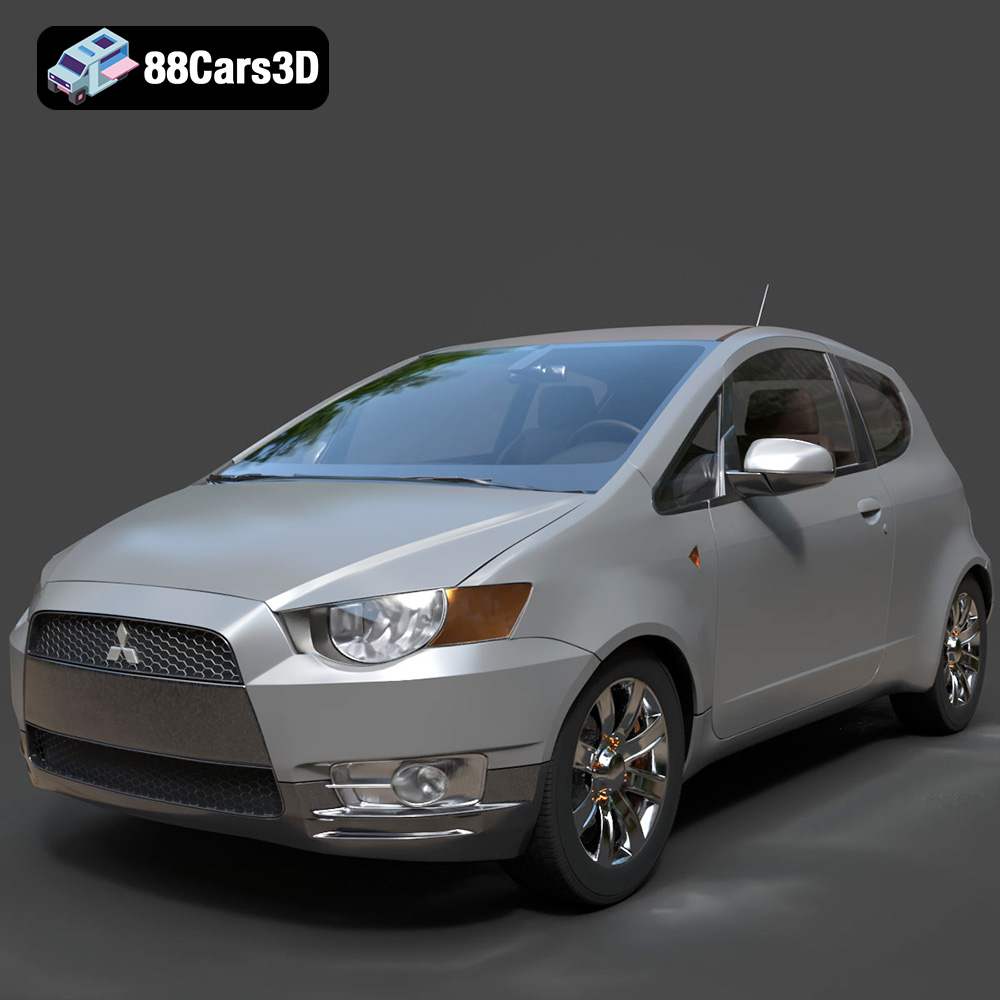
Texture: Yes
Material: Yes
Download the Mitsubishi Colt 3 Door 2008 3D Model featuring clean geometry, realistic detailing, and a fully modeled interior. Includes .blend, .fbx, .obj, .glb, .stl, .ply, .unreal, and .max formats for rendering, simulation, and game development.
Price: $10
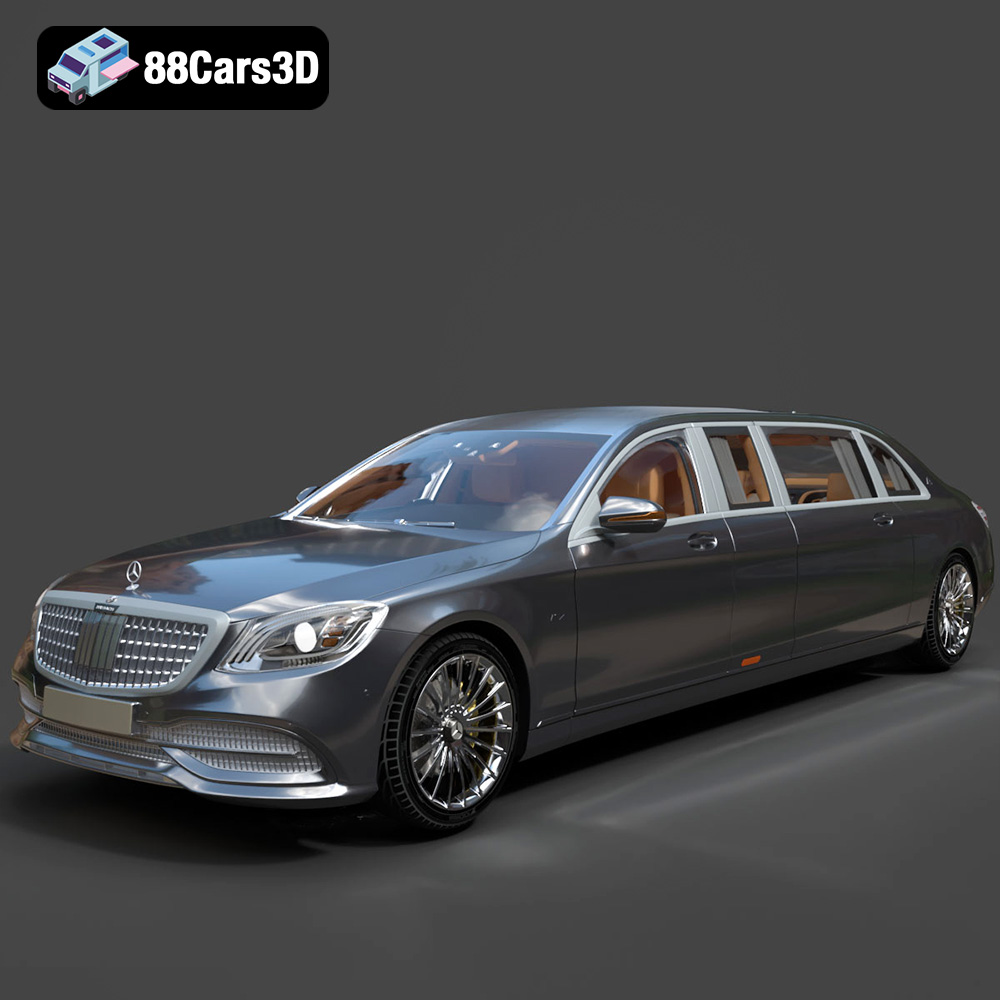
Texture: Yes
Material: Yes
Download the Mercedes-Benz S650 Pullman 3D Model featuring clean geometry, realistic detailing, and a fully modeled interior. Includes .blend, .fbx, .obj, .glb, .stl, .ply, .unreal, and .max formats for rendering, simulation, and game development.
Price: $95.99
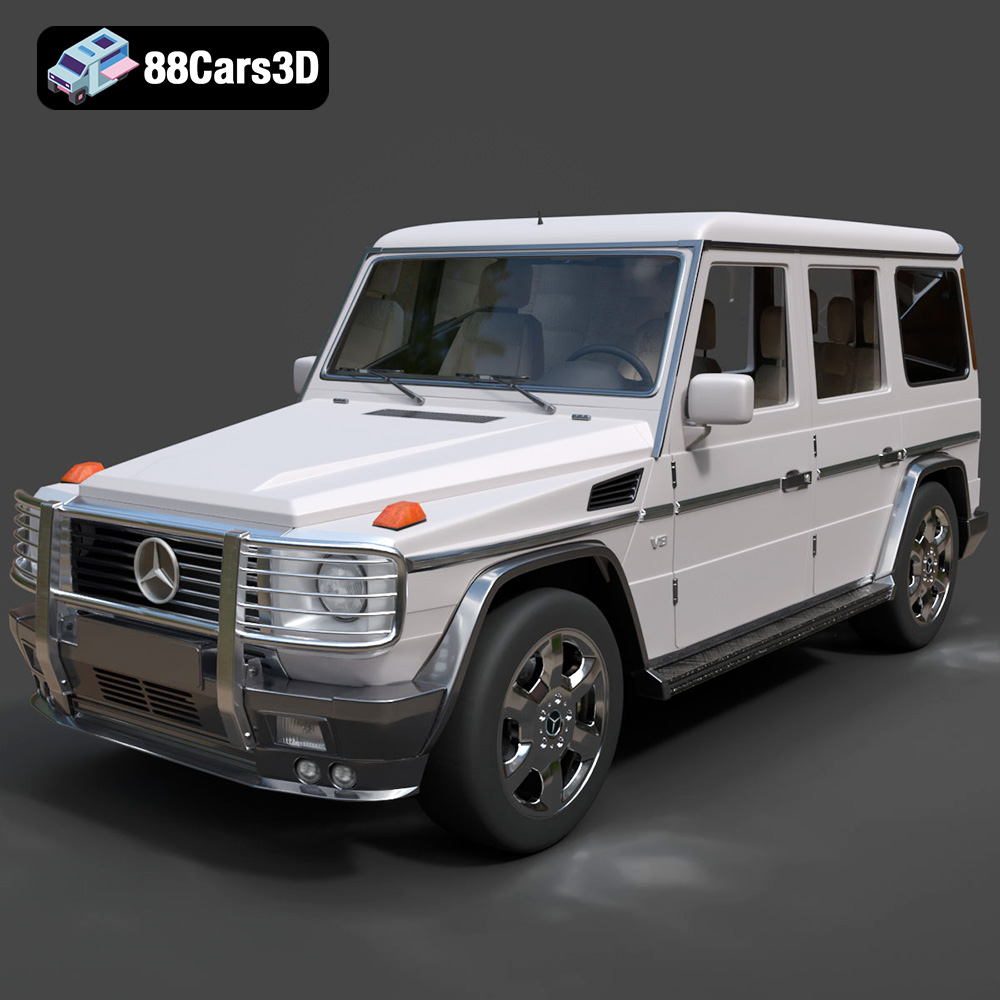
Texture: Yes
Material: Yes
Download the Mercedes G-Class SUV 2024 3D Model featuring clean geometry, realistic detailing, and a fully modeled interior. Includes .blend, .fbx, .obj, .glb, .stl, .ply, .unreal, and .max formats for rendering, simulation, and game development.
Price: $10

