Get 50% OFF All Premium 3D & STL Models!

“`html
The world of 3D printing has revolutionized model making, particularly for automotive enthusiasts. Imagine bringing your dream car to life, not as a static display piece, but as a tangible object created with precision and detail. This guide delves into the intricacies of 3D printing car models, covering everything from STL file preparation to advanced post-processing techniques. Whether you’re a seasoned 3D printing expert or a beginner eager to learn, this article provides the knowledge and insights needed to achieve professional-quality results. You’ll learn about selecting the right materials, optimizing your 3D printer settings, mastering slicing software, and troubleshooting common printing challenges. Let’s dive in and transform digital designs into stunning physical realities.
Before embarking on your 3D printing journey, it’s crucial to understand the fundamentals. The STL (Stereolithography) file format is the industry standard for 3D printing. It represents the surface geometry of a 3D object as a collection of triangles. The density and arrangement of these triangles directly impact the resolution and smoothness of your printed model. A well-prepared STL file is the foundation for a successful print. Platforms like 88cars3d.com offer print-ready STL files optimized for various 3D printing technologies.
An STL file essentially contains a list of triangles, each defined by three vertices (points in 3D space) and a normal vector (indicating the triangle’s orientation). These triangles approximate the shape of the desired object. The smaller the triangles, the more detailed and accurate the representation. However, excessively small triangles can lead to larger file sizes and increased processing time. The goal is to find a balance between detail and efficiency. When downloading models from marketplaces such as 88cars3d.com, ensure the files have been verified for manifold geometry and proper normals.
The integrity of the mesh is paramount for successful 3D printing. A “manifold” mesh is one that is closed, without any holes or self-intersections. Non-manifold meshes can cause slicing software to produce incorrect toolpaths, leading to printing errors. Software like Netfabb and Meshmixer can be used to repair non-manifold meshes. Another important aspect is the orientation of the normals. All normals should point outwards, indicating the “outside” of the object. Incorrectly oriented normals can result in inverted prints or other unexpected behavior.
Slicing software acts as the translator between your STL file and your 3D printer. It converts the 3D model into a series of 2D layers, each representing a cross-section of the object. These layers are then translated into machine-readable instructions for the printer. Key slicing parameters include layer height, infill density, print speed, and support structures. Mastering these parameters is essential for achieving optimal print quality and minimizing printing time. Popular slicing software options include Cura, PrusaSlicer, Simplify3D, and Chitubox (for resin printing).
Layer height is one of the most critical slicing parameters. It determines the thickness of each layer and directly impacts the print resolution and surface finish. Smaller layer heights result in smoother surfaces and finer details, but they also increase printing time. Typical layer heights for FDM printing range from 0.1mm to 0.3mm. For highly detailed car models, a layer height of 0.1mm or 0.15mm is recommended. For resin printing, layer heights can be significantly smaller, often in the range of 0.025mm to 0.05mm, enabling even greater detail.
Infill refers to the internal structure of the 3D printed object. It provides support and rigidity while minimizing material usage. Infill density is expressed as a percentage, with 0% representing a hollow object and 100% representing a solid object. For car models, an infill density of 15-25% is usually sufficient for most parts. Common infill patterns include grid, honeycomb, and gyroid. Gyroid infill offers excellent strength-to-weight ratio and is particularly suitable for complex geometries.
Support structures are temporary structures that support overhanging features during the 3D printing process. They prevent these features from collapsing or warping due to gravity. Support structures are essential for printing complex geometries, such as wheel arches, spoilers, and intricate body panels. The type, density, and placement of support structures significantly impact the print quality and the ease of post-processing. Both FDM and resin printing require careful consideration of support placement.
There are various types of support structures, including tree supports, linear supports, and raft supports. Tree supports are branching structures that provide targeted support while minimizing material usage. Linear supports are more rigid and suitable for supporting large, flat overhangs. Raft supports are a thin layer printed beneath the model to improve bed adhesion and provide a stable base for the initial layers. The best type of support structure depends on the specific geometry of the car model.
Removing support structures can be a delicate process, especially for intricate car models. Start by carefully breaking away the bulk of the supports using pliers or cutters. Then, use finer tools like hobby knives or sandpaper to remove any remaining residue. In some cases, dissolvable support materials (e.g., PVA for PLA) can be used to simplify the removal process. After removing the supports, the model may require sanding, filling, and painting to achieve a smooth and polished finish.
The choice of material significantly influences the appearance, strength, and durability of your 3D printed car model. Common FDM printing materials include PLA, PETG, and ABS. For resin printing, there are various types of resins available, each with its own unique properties. Understanding the characteristics of each material is essential for selecting the best option for your specific project.
PLA (Polylactic Acid) is a biodegradable thermoplastic known for its ease of printing and low odor. It’s a good choice for beginners and for models that don’t require high heat resistance. PETG (Polyethylene Terephthalate Glycol) offers a balance of strength, flexibility, and heat resistance. It’s a more durable option than PLA and is suitable for parts that may experience some stress. ABS (Acrylonitrile Butadiene Styrene) is a strong and heat-resistant plastic commonly used in automotive applications. However, it’s more challenging to print than PLA and PETG due to its tendency to warp.
Resin printing offers exceptional detail and smooth surfaces, making it ideal for intricate car models. Standard resins are suitable for general-purpose printing and offer good resolution. Tough resins are formulated to be more durable and impact-resistant, making them suitable for parts that may experience stress. Flexible resins allow for the creation of parts with some degree of flexibility, which can be useful for tires or other components that need to bend or flex.
Achieving high-quality 3D prints requires careful calibration and optimization of your 3D printer settings. This includes factors like bed adhesion, temperature control, print speed, and retraction settings. Proper calibration ensures that the printer is accurately extruding material and that the layers are properly bonded together. Optimized settings minimize warping, stringing, and other common printing defects.
Bed adhesion is crucial for preventing warping and ensuring that the first layer is properly adhered to the build plate. Common bed adhesion techniques include using a heated bed, applying adhesive solutions like glue stick or hairspray, and using a raft or brim. The optimal bed temperature depends on the material being used, but generally ranges from 60°C to 70°C for PLA and 80°C to 110°C for ABS. A well-leveled bed is also essential for good bed adhesion.
Maintaining the correct temperature is essential for preventing warping and ensuring proper layer adhesion. The optimal printing temperature depends on the material being used, but generally ranges from 190°C to 220°C for PLA and 230°C to 260°C for ABS. Print speed also affects the print quality. Slower print speeds generally result in smoother surfaces and fewer defects, but they also increase printing time. A print speed of 40-60mm/s is a good starting point for most car models.
Post-processing is the final step in the 3D printing process, and it’s essential for achieving a professional-quality finish. This includes removing support structures, sanding down imperfections, filling gaps, and painting the model. The level of post-processing required depends on the desired level of detail and the intended use of the model.
Sanding is used to smooth out the surface of the 3D printed model and remove any layer lines or imperfections. Start with a coarse grit sandpaper (e.g., 220 grit) and gradually move to finer grits (e.g., 400 grit, 600 grit, 800 grit). For larger gaps or imperfections, use a filler like Bondo or epoxy putty. Apply the filler to the affected area, let it dry, and then sand it smooth.
Painting is used to add color and detail to the 3D printed car model. Start by applying a primer to the model to create a smooth and uniform surface for the paint to adhere to. Then, apply several thin coats of paint, allowing each coat to dry completely before applying the next. Use masking tape to create clean lines and separate different colors. Finally, apply a clear coat to protect the paint and add a glossy finish.
3D printing car models is a rewarding and challenging hobby that combines technical skills with artistic creativity. By understanding the fundamentals of STL files, slicing software, material selection, and post-processing techniques, you can create stunning replicas of your favorite vehicles. Remember to start with simple models and gradually work your way up to more complex designs. Experiment with different materials, settings, and techniques to find what works best for you. And don’t be afraid to ask for help from the online 3D printing community. With practice and patience, you’ll be able to create 3D printed car models that you can be proud of. High-quality STL files are the foundation, so be sure to check out resources like 88cars3d.com to find the perfect models for your next project. Happy printing!
“`
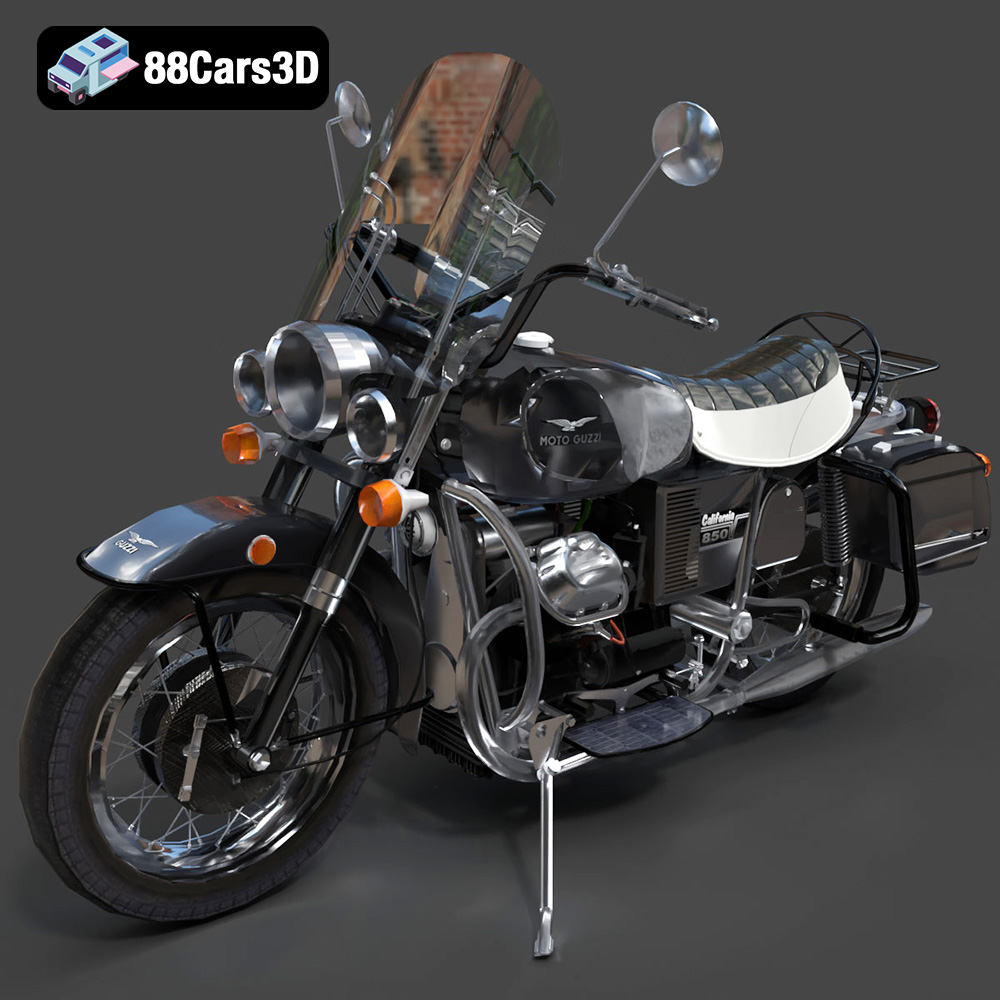
Texture: Yes
Material: Yes
Download the Moto Guzzi Classic Motorcycle 2024 3D Model featuring clean geometry, realistic detailing, and a fully modeled interior. Includes .blend, .fbx, .obj, .glb, .stl, .ply, .unreal, and .max formats for rendering, simulation, and game development.
Price: $10

Texture: Yes
Material: Yes
Download the Mercedes S-Class 2024 3D Model featuring clean geometry, realistic detailing, and a fully modeled interior. Includes .blend, .fbx, .obj, .glb, .stl, .ply, .unreal, and .max formats for rendering, simulation, and game development.
Price: $10

Texture: Yes
Material: Yes
Download the Chevrolet Camaro 1970 3D Model featuring clean geometry, realistic detailing, and a fully modeled interior. Includes .blend, .fbx, .obj, .glb, .stl, .ply, .unreal, and .max formats for rendering, simulation, and game development.
Price: $10

Texture: Yes
Material: Yes
Download the Mercedes-AMG GT 2015 3D Model featuring clean geometry, realistic detailing, and a fully modeled interior. Includes .blend, .fbx, .obj, .glb, .stl, .ply, .unreal, and .max formats for rendering, simulation, and game development.
Price: $88.99

Texture: Yes
Material: Yes
Download the Suzuki GSX-R 1000 3D Model featuring clean geometry, realistic detailing, and a fully modeled interior. Includes .blend, .fbx, .obj, .glb, .stl, .ply, .unreal, and .max formats for rendering, simulation, and game development.
Price: $10

Texture: Yes
Material: Yes
Download the Porsche Cayman S 2024 3D Model featuring clean geometry, realistic detailing, and a fully modeled interior. Includes .blend, .fbx, .obj, .glb, .stl, .ply, .unreal, and .max formats for rendering, simulation, and game development.
Price: $10

Texture: Yes
Material: Yes
Download the Holden Commodore Sportwagon 2017 3D Model featuring clean geometry, realistic detailing, and a fully modeled interior. Includes .blend, .fbx, .obj, .glb, .stl, .ply, .unreal, and .max formats for rendering, simulation, and game development.
Price: $10

Texture: Yes
Material: Yes
Download the Mitsubishi Colt 3 Door 2008 3D Model featuring clean geometry, realistic detailing, and a fully modeled interior. Includes .blend, .fbx, .obj, .glb, .stl, .ply, .unreal, and .max formats for rendering, simulation, and game development.
Price: $10

Texture: Yes
Material: Yes
Download the Mercedes-Benz S650 Pullman 3D Model featuring clean geometry, realistic detailing, and a fully modeled interior. Includes .blend, .fbx, .obj, .glb, .stl, .ply, .unreal, and .max formats for rendering, simulation, and game development.
Price: $95.99
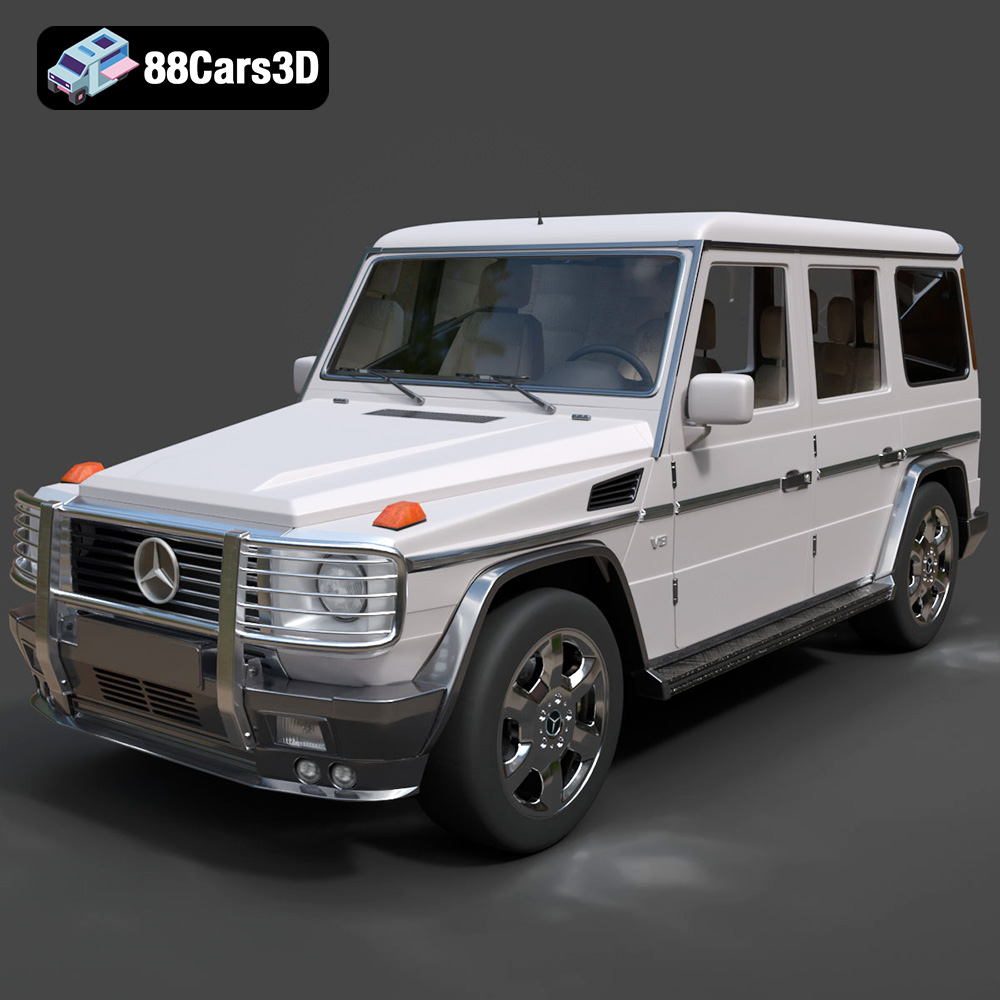
Texture: Yes
Material: Yes
Download the Mercedes G-Class SUV 2024 3D Model featuring clean geometry, realistic detailing, and a fully modeled interior. Includes .blend, .fbx, .obj, .glb, .stl, .ply, .unreal, and .max formats for rendering, simulation, and game development.
Price: $10

