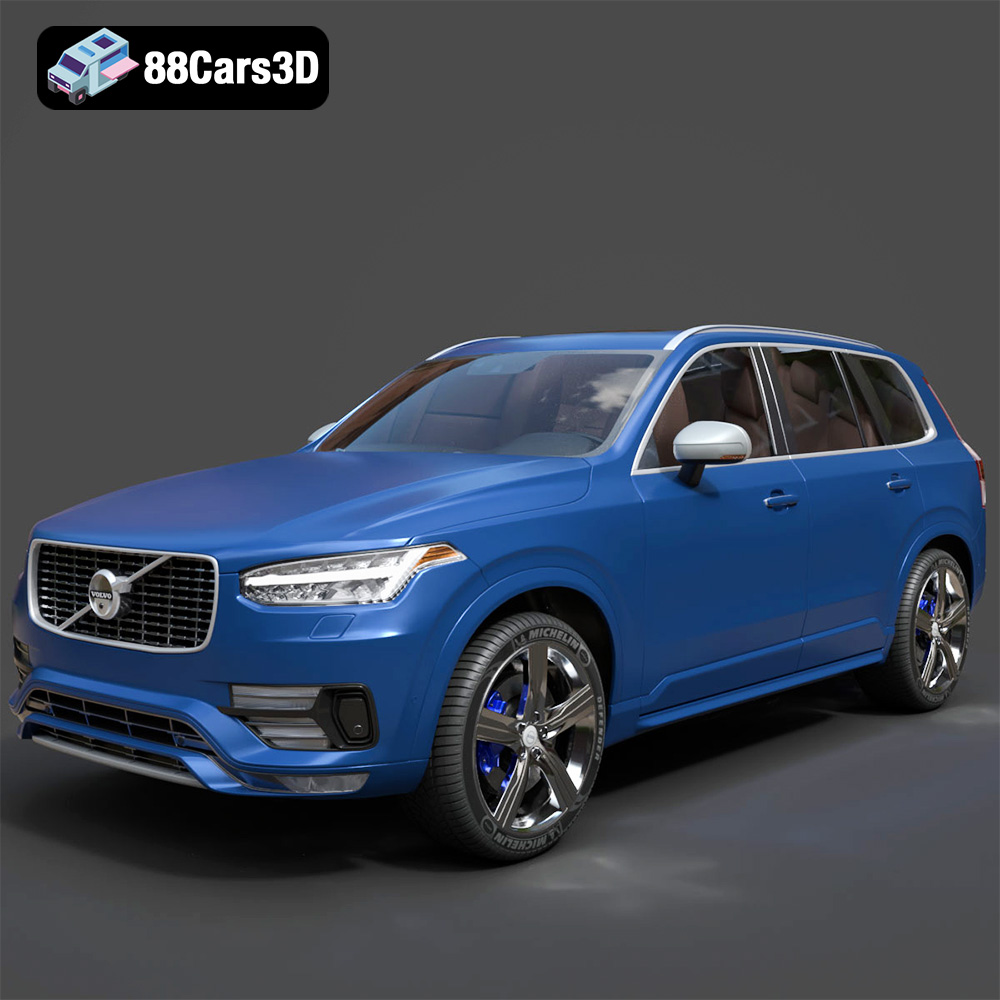
PBR vs Non-PBR Materials: What Matters Most for Vehicle Visualization
PBR vs Non-PBR Materials: What Matters Most for Vehicle Visualization
In the relentless pursuit of visual fidelity, 3D artists and developers constantly grapple with choices that define the look and feel of their creations. When it comes to vehicle visualization – be it for high-stakes game development, precise architectural renderings, or captivating cinematic sequences – the materials you choose are paramount. The debate often boils down to two fundamental approaches: Physically Based Rendering (PBR) materials and Non-PBR (traditional) materials. But what truly matters most for making those cars, trucks, and futuristic spacecraft look their best?
This comprehensive guide will demystify PBR and Non-PBR materials, comparing their strengths and weaknesses specifically through the lens of vehicle asset creation. We’ll delve into their underlying principles, practical applications, and provide a clear decision framework to help you choose the right material pipeline for your next project, ensuring your 3D vehicle models achieve the desired level of realism and performance.
Understanding Material Rendering Paradigms
Before diving into the specifics of PBR and Non-PBR, it’s essential to grasp the fundamental role materials play in 3D graphics.
What are 3D Materials?
In 3D rendering, a “material” defines how the surface of a 3D object interacts with light. It’s not just about color; it dictates reflectivity, shininess, transparency, emissiveness, and how textures are applied. Without materials, a 3D model would be a flat, unlit, and often uninteresting mesh of polygons. Materials are the skin that brings a model to life, giving it properties like the metallic sheen of a car’s body, the matte finish of its tires, or the transparency of its windows.
The Evolution of Realism: From Phong to PBR
Early 3D rendering relied on simplified shading models like Lambert and Phong. These models provided basic control over diffuse color (how a surface reflects light evenly) and specular highlights (the shiny spots). While revolutionary for their time, they often resulted in a somewhat “plastic” look, struggled with varied lighting conditions, and required significant artistic tweaking to achieve convincing results. The artist’s eye was the primary guide, often leading to inconsistencies. The demand for more consistent and believable realism across diverse lighting environments paved the way for Physically Based Rendering.
Delving into PBR (Physically Based Rendering) Materials
PBR is the modern standard for creating realistic 3D models, particularly crucial for objects like vehicles that have complex surfaces and reflections.
The Core Principles of PBR
PBR aims to mimic how light behaves in the real world by adhering to physical laws. Its core principles include:
- Energy Conservation: Light energy is neither created nor destroyed. The more light a surface reflects (specular), the less it can absorb and scatter (diffuse), and vice versa. This ensures a realistic balance between reflections and color.
- Metallicity vs. Dielectric Workflow: PBR distinguishes between metallic and dielectric (non-metallic) surfaces. Metals absorb light and reflect much of it, resulting in tinted reflections. Dielectrics absorb light and scatter it, with reflections that are generally untinted and less intense.
- Fresnel Effect: This phenomenon dictates that objects become more reflective at grazing angles (when viewed from a shallow angle) and less reflective when viewed head-on. PBR materials inherently calculate this, making surfaces like car paint and glass look incredibly authentic.
- Micro-surface Details (Roughness/Glossiness): This property defines how smooth or rough a surface is at a microscopic level. A rough surface scatters light in many directions, resulting in diffuse reflections. A smooth surface reflects light more uniformly, creating sharp, clear reflections. This is critical for differentiating between polished chrome, brushed aluminum, and matte rubber on a vehicle.
Key PBR Texture Maps for Vehicle Visualization
To implement these principles, PBR materials rely on a set of standardized texture maps:
- Albedo (Base Color): This map defines the fundamental color of the surface, stripped of any lighting or shading information. For a car, this would be the pure color of its paint, interior fabric, or unlit tire rubber.
- Normal/Bump Map: Adds surface detail without increasing polygon count, simulating bumps and grooves (e.g., tire treads, panel lines, subtle dents).
- Roughness/Glossiness Map: Controls the micro-surface detail. A roughness map (common in Unreal Engine, Substance Painter) dictates how rough a surface is; a glossiness map (common in V-Ray, Unity) indicates how smooth. This is vital for showing the difference between a waxed car finish and a dull, dusty one.
- Metallic Map: A grayscale map defining which parts of the surface are metallic (white) and which are dielectric (black). Essential for car parts like chrome trim, painted metal panels, and engine components.
- Ambient Occlusion (AO) Map: Simulates soft shadows where surfaces are close together, enhancing perceived depth (e.g., crevices around car doors, under the hood).
- Emission Map: For self-illuminating parts like headlights, taillights, or interior dashboard lights.
- Opacity/Alpha Map: For transparent or semi-transparent parts like windows, headlights covers, or grilles.
Practical Example: Imagine creating a high-performance sports car. The Albedo map defines its vibrant red paint. The Normal map adds subtle panel gaps and door lines. A low Roughness value (or high glossiness) on the paint and chrome parts makes them reflective, while a high Roughness on the tires makes them absorb light. The Metallic map clearly separates the painted metallic body from the rubber tires and plastic trim. The AO map deepens the shadows in the wheel wells and door seams, making the vehicle look grounded and realistic.
Advantages of PBR for Vehicles
- Unparalleled Realism: Achieves highly convincing car paint, chrome, glass, and rubber effects that react realistically to any lighting condition.
- Consistency Across Engines: PBR materials created in one software (e.g., Substance Painter) will look consistent when imported into different PBR-compliant rendering engines (e.g., Unreal Engine, Unity, Blender Cycles, V-Ray).
- Reduced Artistic Guesswork: Artists define physical properties rather than subjective color values, leading to more predictable and accurate results.
- Improved Scalability: Complex scenes with many vehicles maintain visual integrity because each material interacts with light in a physically plausible way.
Disadvantages of PBR for Vehicles
- Higher Resource Demands: PBR often requires more texture maps and slightly more complex shader calculations, which can increase memory usage and rendering time.
- Steeper Learning Curve: Artists need to understand the physical properties of materials (e.g., how metals reflect vs. dielectrics) rather than just aesthetic values.
- Requires Calibrated Lighting: Optimal PBR results depend on using physically accurate lighting environments (e.g., HDRIs) for consistent and believable reflections.
Exploring Non-PBR (Traditional/Legacy) Materials
While PBR is dominant, Non-PBR materials still hold relevance, especially for specific artistic styles or performance targets.
How Non-PBR Materials Work
Non-PBR materials (often based on models like Phong or Blinn-Phong) are more “artist-driven.” Instead of adhering to strict physical rules, they allow artists to directly control parameters like diffuse color, specular color, and shininess. There’s no energy conservation and often no distinction between metallic and dielectric surfaces in the same way PBR does.
- Diffuse Color: The primary color of the surface, often directly linked to a color map.
- Specular Color & Shininess: These parameters directly control the color, intensity, and tightness of the specular highlight. Artists can “cheat” realism by making a surface very shiny without it accurately reflecting the environment.
Typical Texture Maps in Non-PBR
- Diffuse Map (Color Map): The primary color texture for the surface.
- Specular Map: A grayscale or color map that dictates where and how intense specular highlights appear. This provides fine-tuned control over shininess.
- Normal/Bump Map: Similar to PBR, for adding surface detail.
- Opacity Map: For transparency.
Practical Example: In an older mobile game, a car might use a simple diffuse map for its base color, and a separate specular map could define the “shine” of the paint and chrome. The artist might manually paint brighter areas onto the specular map to ensure certain parts always look shiny, regardless of the actual light source, which is a classic non-PBR “cheat” for performance or stylized looks.
Advantages of Non-PBR for Vehicles
- Lower Performance Cost: Generally requires fewer texture maps and simpler shader calculations, making it suitable for older hardware, highly optimized mobile games, or very large scenes where every millisecond counts.
- Simpler Setup: Fewer maps and parameters can mean a faster workflow for artists familiar with the system, especially for stylized or less demanding assets.
- Greater Artistic Control (for “Cheating”): Allows artists to directly manipulate how light appears to react, enabling stylized looks, hand-painted details, or specific visual effects that might break physical rules for aesthetic reasons.
- Suitable for Legacy Projects: If working on an older project or within an engine that doesn’t fully support PBR, Non-PBR is the only option.
Disadvantages of Non-PBR for Vehicles
- Lack of Consistent Realism: Materials often look different under varied lighting conditions, requiring significant manual adjustments or creating an unrealistic “flat” appearance.
- “Plastic” or “Flat” Look: Without careful tweaking, Non-PBR materials can appear less natural, lacking the nuanced interactions of real-world surfaces.
- Requires More Manual Adjustment: Each scene or specific lighting setup might require artists to re-tweak material parameters to maintain a consistent look.
- Not Standard in Modern Pipelines: Most modern game engines and rendering software are built around PBR, making Non-PBR less compatible or harder to integrate into contemporary workflows.
PBR vs Non-PBR: A Direct Comparison for Vehicle Visualization
To summarize their key differences, let’s look at a direct comparison:
| Feature |
PBR Materials |
Non-PBR Materials |
| Realism |
High, physically accurate, consistent across lighting. Excels at complex surfaces like car paint, chrome, glass. |
Variable, artist-driven, less consistent. Can look “plastic” without careful tweaking. |
| Performance |
Moderately higher (more texture maps, complex shaders). |
Generally lower (fewer maps, simpler shaders). |
| Artistic Control |
Defines physical properties. Less freedom to “cheat” light interaction. |
Direct control over diffuse/specular. More freedom for stylized “cheats.” |
| Setup Complexity |
Requires understanding of physical properties. Standardized map sets. |
Simpler parameters, but can require more trial-and-error for realism. |
| Engine Compatibility |
Standard across modern engines (Unreal, Unity, Blender, V-Ray). |
Primarily for older engines or specific legacy/stylized needs. |
| Key Use Cases for Vehicles |
Photorealistic car rendering, high-end games, arch-viz vehicles, VFX. |
Highly stylized vehicles, mobile games with strict performance budgets, legacy projects. |
What Matters Most: Key Differentiators for Vehicles
For vehicles specifically, several factors stand out:
- Realism of Reflective Surfaces: Car bodies are predominantly made of highly reflective materials – painted metal, chrome, glass. PBR’s ability to accurately simulate these interactions, including Fresnel, micro-surface details, and energy conservation, is unparalleled. This is arguably the single most important factor for realistic vehicle visualization.
- Dynamic Lighting Environments: Vehicles rarely exist in static lighting. They drive through tunnels, under sunlight, into shadow, and past streetlights. PBR materials inherently react correctly to these changing conditions, maintaining their visual integrity and realism. Non-PBR materials often require significant re-tuning or look flat in varied lighting.
- Stylization vs. Photorealism: If your project demands absolute photorealistic cars, PBR is non-negotiable. If you’re aiming for a stylized, hand-painted, or toon-shaded look, Non-PBR (or a highly stylized PBR approach) might offer more direct artistic control over specific lighting nuances that defy physical rules.
- Target Platform & Performance: For high-end PCs, consoles, or offline rendering, PBR’s performance impact is usually negligible compared to the visual benefits. For low-end mobile devices or extremely performance-sensitive applications, Non-PBR might still offer a necessary optimization advantage, though modern mobile engines are increasingly PBR-capable.
- Production Pipeline & Team Expertise: Most contemporary 3D vehicle asset production pipelines are built around PBR. Using Non-PBR might be an uphill battle if your team is geared for PBR or if you plan to share assets across different modern projects/engines.
Making the Right Choice: A Decision Framework for Your Vehicle Project
Your choice between PBR and Non-PBR for vehicle visualization should be driven by your project’s specific goals and constraints.
Scenario 1: High-End Photorealistic Games, Arch-Viz, VFX
- Decision: PBR is almost mandatory.
- Why: The expectation for realism in these fields is incredibly high. PBR’s ability to render complex reflections, accurate lighting, and consistent material properties across diverse environments makes it the only viable choice for achieving convincing photorealistic vehicle rendering. Car paint, chrome, and glass, which are critical components of a vehicle’s appeal, simply look superior and more natural with PBR.
Scenario 2: Stylized Games, Mobile Games, Indie Projects
- Decision: Can go either way, or even a hybrid approach.
- Why:
- PBR for Stylization: Many stylized games (e.g., Overwatch, Fortnite) still use PBR because it provides consistent and predictable lighting, even for non-photorealistic assets. This allows artists to focus on the art style rather than fighting with inconsistent lighting.
- Non-PBR for Extreme Optimization or Unique Aesthetics: If your mobile game demands absolute minimal draw calls and texture memory, or if your artistic vision specifically requires breaking physical rules (e.g., an exaggerated toon shader with custom highlight control), Non-PBR might still be relevant. It allows for more aggressive optimization and direct “cheating” of light interaction.
Scenario 3: Legacy Projects or Specific Artistic Needs
- Decision: Non-PBR might still be the practical choice.
- Why: If you’re working on updating an older game built on a Non-PBR engine, or if you need to create new assets that seamlessly integrate with existing legacy 3D assets, sticking with Non-PBR might be necessary for consistency. Similarly, highly niche artistic requirements that intentionally bypass physical accuracy for specific visual effects could still leverage Non-PBR’s direct controls.
Practical Tips for Implementing Vehicle Materials
Regardless of whether you choose PBR or Non-PBR, these tips will help you achieve better vehicle visuals:
- Reference Images are Crucial: Always gather high-quality reference photos of real vehicles, focusing on material details like paint sheen, tire texture, and headlight refraction.
- Experiment with Texture Maps: Don’t just use default values. Experiment with different roughness/glossiness variations, metallic values, and normal map strengths to find the perfect look for your 3D car model.
- Test in Target Lighting Conditions: Always preview your materials in the lighting conditions they will ultimately appear in. A material that looks great in a brightly lit studio might fall flat in a dark, atmospheric scene.
- Optimize Texture Resolutions: Use appropriate texture resolutions. A large, complex vehicle might need 4K textures for its body, but smaller, less visible parts might only need 1K or 2K to save memory and improve performance.
- Consider LODs (Levels of Detail): For games, create multiple versions of your vehicle model and materials with varying levels of detail (and texture resolution) that swap in and out based on distance from the camera.
Conclusion
When it comes to PBR vs Non-PBR materials for vehicle visualization, “what matters most” boils down to your project’s specific goals for realism, performance, and artistic intent. For the vast majority of modern projects aiming for photorealism in games, architectural visualization, or cinematic rendering, PBR materials are the undisputed champions. Their adherence to physical laws ensures consistent, believable results that elegantly handle dynamic lighting and complex surface interactions, making everything from polished car paint to rubber tires look incredibly authentic.
However, Non-PBR still offers a valuable alternative for highly stylized projects, ultra-optimized mobile experiences, or maintaining consistency with legacy pipelines. The key is to make an informed decision based on your technical constraints and creative vision. By understanding the strengths and weaknesses of each paradigm, you can confidently choose the material workflow that best elevates your 3D vehicle assets, bringing them to life with unparalleled visual impact.
Ready to Elevate Your Vehicle Visuals?
Unlock the full potential of your 3D vehicle models. Whether you’re aiming for breathtaking realism or a distinct stylized look, understanding and mastering material workflows is crucial. Contact us today for expert consultation on optimizing your game engine materials, developing custom PBR textures, or creating high-quality 3D vehicle assets tailored to your project’s needs. Let’s make your vehicles truly stand out!
Recommended undefined Models