Get 50% OFF All Premium 3D & STL Models!

“`html
3D printing offers incredible possibilities, allowing enthusiasts to create detailed replicas of their favorite cars. However, a common challenge arises when dealing with large 3D car models: they often exceed the build volume of your 3D printer. Fortunately, the solution lies in strategically splitting the model into smaller, manageable parts. This comprehensive guide will walk you through the process of splitting large STL files, preparing them for printing, and ensuring a seamless final assembly. We’ll explore various software options, best practices, and troubleshooting tips to help you achieve stunning results, even with complex automotive designs, such as those you might find on platforms like 88cars3d.com.
Whether you’re a seasoned 3D printing veteran or just starting your journey, understanding how to effectively split models is a crucial skill. This article covers everything from assessing your printer’s limitations to post-processing techniques that will elevate your finished car model to the next level. Get ready to unlock the full potential of your 3D printer and bring your dream car to life, piece by piece!
Before diving into splitting your 3D car model, it’s crucial to carefully assess both the model’s size and your printer’s build volume. Ignoring this step can lead to frustration and wasted filament. Consider the overall dimensions of the car model and compare them to the printable area of your 3D printer. Remember to account for any necessary support structures, which will increase the overall footprint of each part.
Your printer’s build volume is typically defined as Length x Width x Height (e.g., 220mm x 220mm x 250mm). However, the usable build volume might be slightly smaller due to limitations in bed adhesion or nozzle reach. Experiment with test prints to determine the true limits of your printer. Furthermore, the orientation of the model significantly impacts whether it fits within the build volume. Rotating the model can sometimes allow it to fit diagonally or reduce the required height. Consider testing various orientations in your slicing software before committing to splitting the model.
The complexity of the car model also influences your splitting strategy. Models with intricate details or overhangs might require more careful consideration when determining cut lines. Ideally, you want to split the model along natural seams or existing panel lines to minimize visible joints after assembly. Consider how the parts will be joined together after printing – will you use glue, screws, or a combination of both? Plan your splits accordingly, ensuring that the resulting parts have sufficient flat surfaces for bonding. Look for existing features in the model that can be used as natural dividing points.
Several software options are available for splitting STL files, each with its strengths and weaknesses. Some popular choices include Meshmixer, Blender, Netfabb, and even some slicing software. The best option for you will depend on your experience level, the complexity of the model, and your desired level of control over the splitting process. When downloading models from marketplaces such as 88cars3d.com, ensure you use a program that can handle high-resolution meshes effectively.
Meshmixer is a free and powerful tool from Autodesk that’s well-suited for splitting STL files. Its intuitive interface and robust mesh editing capabilities make it a popular choice among 3D printing enthusiasts. To split a model in Meshmixer, import the STL file, select the “Edit” menu, and choose the “Plane Cut” tool. You can then position and rotate the cutting plane to define the split line. Meshmixer also allows you to fill the cut surfaces with a flat plane, creating a clean, printable surface. Remember to save each resulting part as a separate STL file.
Blender is a professional-grade 3D modeling software that offers unparalleled control over the splitting process. While it has a steeper learning curve than Meshmixer, its advanced features allow you to create complex cuts and manipulate the mesh with precision. To split a model in Blender, import the STL file, enter “Edit Mode,” and use the “Knife Tool” to create custom cut lines. You can then separate the selected vertices into new objects. Blender also provides tools for smoothing and refining the cut surfaces, ensuring a seamless fit between the parts. This is particularly useful when working with complex curves or intricate details.
Once you’ve split your 3D car model into individual parts, the next crucial step is to optimize the slicing parameters for each part. This involves configuring your slicing software (e.g., Cura, PrusaSlicer) to achieve the best possible print quality, strength, and efficiency. Key parameters to consider include layer height, infill density, support structures, and printing speed. The optimal settings will depend on the size and complexity of each part, as well as the material you’re using.
Layer height directly affects the print resolution and surface finish. Smaller layer heights (e.g., 0.1mm) result in smoother surfaces and more detailed features, but they also increase print time. Larger layer heights (e.g., 0.2mm) are faster but produce a less refined surface. For car models, a layer height of 0.15mm to 0.2mm is often a good balance between quality and speed. Consider using adaptive layer height settings, where the layer height varies depending on the curvature of the model, to optimize both print time and surface finish. Remember to experiment with different layer heights to find the sweet spot for your specific printer and material.
Infill density determines the internal strength and weight of the printed part. Higher infill densities (e.g., 20-30%) provide greater strength but also consume more filament and increase print time. Lower infill densities (e.g., 10-15%) are faster and more economical but may compromise the structural integrity of the part. For car model parts, an infill density of 15-20% is generally sufficient, especially if the parts are primarily for aesthetic purposes. Consider using different infill patterns, such as gyroid or honeycomb, to optimize strength and weight. For parts that will be subjected to stress, such as suspension components, a higher infill density may be necessary. Furthermore, using multiple walls (at least 3) can greatly increase the part’s strength without significantly impacting print time or material usage.
Support structures are essential for printing parts with overhangs or bridges. However, generating and removing supports can be a tricky process. The goal is to create supports that adequately support the overhanging features without being too difficult to remove or leaving behind unsightly marks on the finished part. Choosing the right support type, density, and placement is crucial for achieving optimal results.
Slicing software offers various support types, such as tree supports, linear supports, and grid supports. Tree supports are often preferred for complex models as they use less material and are easier to remove. Linear supports are suitable for simple overhangs, while grid supports provide more robust support for large, flat surfaces. The support density determines the amount of material used for the supports. Higher support densities provide greater stability but are also more difficult to remove. Experiment with different support densities to find the optimal balance between support strength and ease of removal. A good starting point is a support density of 10-15%.
Removing supports requires patience and the right tools. Start by carefully breaking away the bulk of the support material with your fingers or pliers. Then, use a sharp knife or scraper to remove any remaining support remnants. For delicate areas, consider using a heat gun to soften the support material before removing it. Be careful not to damage the printed part during the removal process. Post-processing techniques, such as sanding or filing, can be used to smooth out any imperfections left behind by the supports. Soluble support materials, such as PVA or HIPS, can be used in dual-extrusion printers for easier removal, but this requires specialized equipment and materials.
Post-processing is the final step in bringing your 3D printed car model to life. This involves sanding, painting, and assembling the individual parts to create a finished product that looks and feels professional. The quality of your post-processing will significantly impact the overall appearance of the model. Even with perfectly printed parts, sloppy post-processing can ruin the final result. A little extra effort in this stage can make a huge difference.
Sanding is essential for smoothing out layer lines and imperfections on the printed surface. Start with coarse sandpaper (e.g., 220 grit) to remove any major bumps or ridges. Then, gradually move to finer grits (e.g., 400 grit, 600 grit, 800 grit) to achieve a smooth, polished surface. Wet sanding can help to reduce dust and improve the surface finish. After sanding, thoroughly clean the parts to remove any sanding residue before painting. Applying a primer coat before painting will help to improve adhesion and create a more uniform surface.
Painting is the key to adding color and realism to your 3D printed car model. Choose high-quality paints specifically designed for plastic models. Apply thin, even coats to avoid drips and runs. Multiple thin coats are always better than one thick coat. Allow each coat to dry completely before applying the next. Consider using masking tape to create clean lines and separate different colors. After painting, you can apply a clear coat to protect the paint and add a glossy or matte finish. Decals and other detailing can be added to further enhance the realism of the model. Platforms like 88cars3d.com offer print-ready STL files that are designed to be easily painted and detailed.
The choice of printing material and proper printer calibration are fundamental to achieving high-quality 3D printed car models. Different materials offer varying properties in terms of strength, flexibility, and temperature resistance. Understanding these properties and matching them to the specific requirements of your project is critical. Furthermore, a properly calibrated printer ensures accurate dimensions, consistent layer adhesion, and optimal print quality.
PLA (Polylactic Acid) is a biodegradable thermoplastic that’s easy to print and offers good detail. It’s a popular choice for beginners and for models that don’t require high strength or temperature resistance. PETG (Polyethylene Terephthalate Glycol) is a more durable and flexible alternative to PLA, with better temperature resistance. It’s a good choice for parts that need to withstand some stress or heat. ABS (Acrylonitrile Butadiene Styrene) is a strong and heat-resistant plastic that’s commonly used in automotive applications. However, it’s more difficult to print than PLA or PETG and requires a heated bed and enclosure to prevent warping. The best material for your car model will depend on its intended use and the specific requirements of the parts.
Proper printer calibration is essential for achieving accurate and consistent prints. This includes leveling the build plate, calibrating the extruder, and adjusting the printing temperature. Leveling the build plate ensures that the first layer adheres properly to the bed. Calibrating the extruder ensures that the correct amount of filament is extruded. Adjusting the printing temperature optimizes layer adhesion and prevents warping or stringing. Regularly check and adjust these settings to maintain optimal print quality. Remember to perform test prints to verify the calibration and make any necessary adjustments. A well-calibrated printer will significantly improve the accuracy and reliability of your 3D printed car models.
Splitting large 3D car models for printing is a manageable and rewarding process. By understanding your printer’s limitations, choosing the right software, optimizing slicing parameters, and mastering post-processing techniques, you can create stunning replicas of your favorite cars. Don’t be afraid to experiment with different materials, settings, and techniques to find what works best for you. Remember to plan your splits carefully, prioritize smooth surfaces for joining, and take your time with post-processing.
The skills and knowledge gained in this guide will empower you to tackle even the most complex 3D printing projects. Embrace the challenges, learn from your mistakes, and enjoy the satisfaction of bringing your dream car to life, one carefully printed piece at a time. Now, go forth and create something amazing!
“`
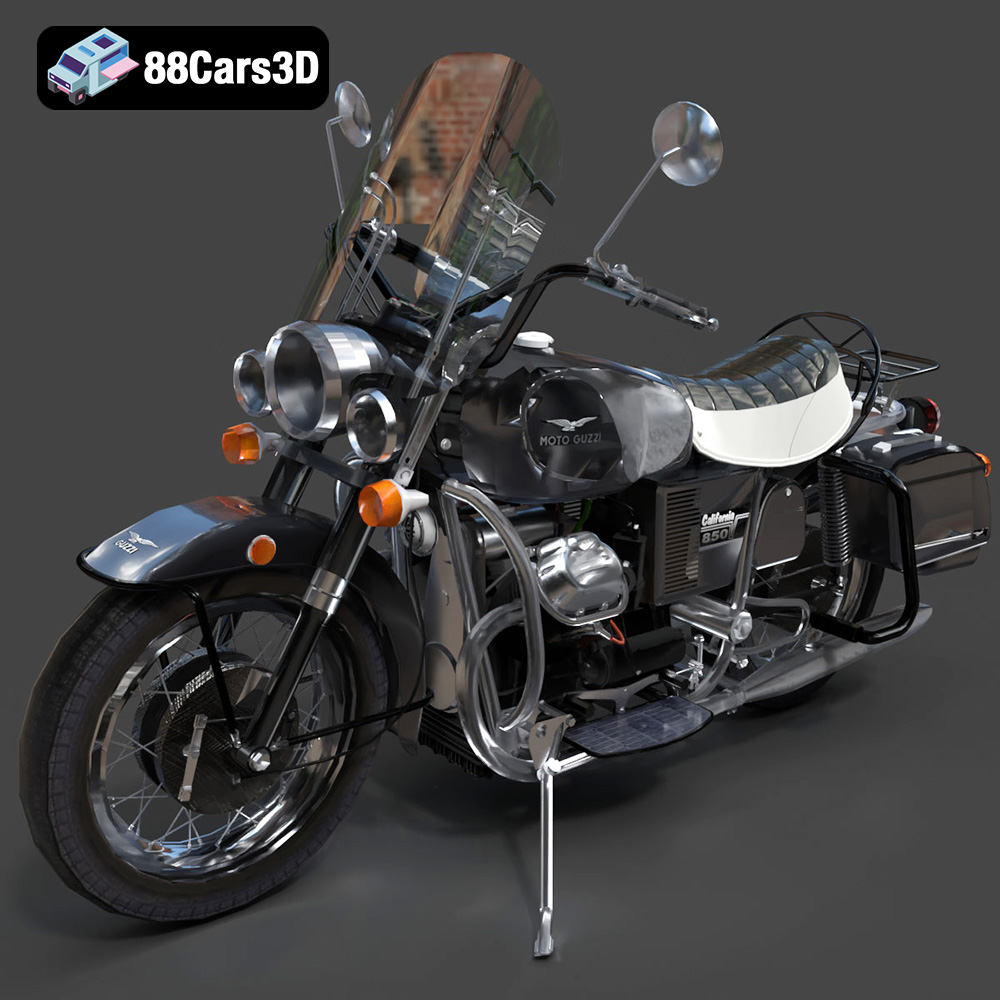
Texture: Yes
Material: Yes
Download the Moto Guzzi Classic Motorcycle 2024 3D Model featuring clean geometry, realistic detailing, and a fully modeled interior. Includes .blend, .fbx, .obj, .glb, .stl, .ply, .unreal, and .max formats for rendering, simulation, and game development.
Price: $10

Texture: Yes
Material: Yes
Download the Mercedes S-Class 2024 3D Model featuring clean geometry, realistic detailing, and a fully modeled interior. Includes .blend, .fbx, .obj, .glb, .stl, .ply, .unreal, and .max formats for rendering, simulation, and game development.
Price: $10

Texture: Yes
Material: Yes
Download the Chevrolet Camaro 1970 3D Model featuring clean geometry, realistic detailing, and a fully modeled interior. Includes .blend, .fbx, .obj, .glb, .stl, .ply, .unreal, and .max formats for rendering, simulation, and game development.
Price: $10

Texture: Yes
Material: Yes
Download the Mercedes-AMG GT 2015 3D Model featuring clean geometry, realistic detailing, and a fully modeled interior. Includes .blend, .fbx, .obj, .glb, .stl, .ply, .unreal, and .max formats for rendering, simulation, and game development.
Price: $88.99

Texture: Yes
Material: Yes
Download the Suzuki GSX-R 1000 3D Model featuring clean geometry, realistic detailing, and a fully modeled interior. Includes .blend, .fbx, .obj, .glb, .stl, .ply, .unreal, and .max formats for rendering, simulation, and game development.
Price: $10

Texture: Yes
Material: Yes
Download the Porsche Cayman S 2024 3D Model featuring clean geometry, realistic detailing, and a fully modeled interior. Includes .blend, .fbx, .obj, .glb, .stl, .ply, .unreal, and .max formats for rendering, simulation, and game development.
Price: $10
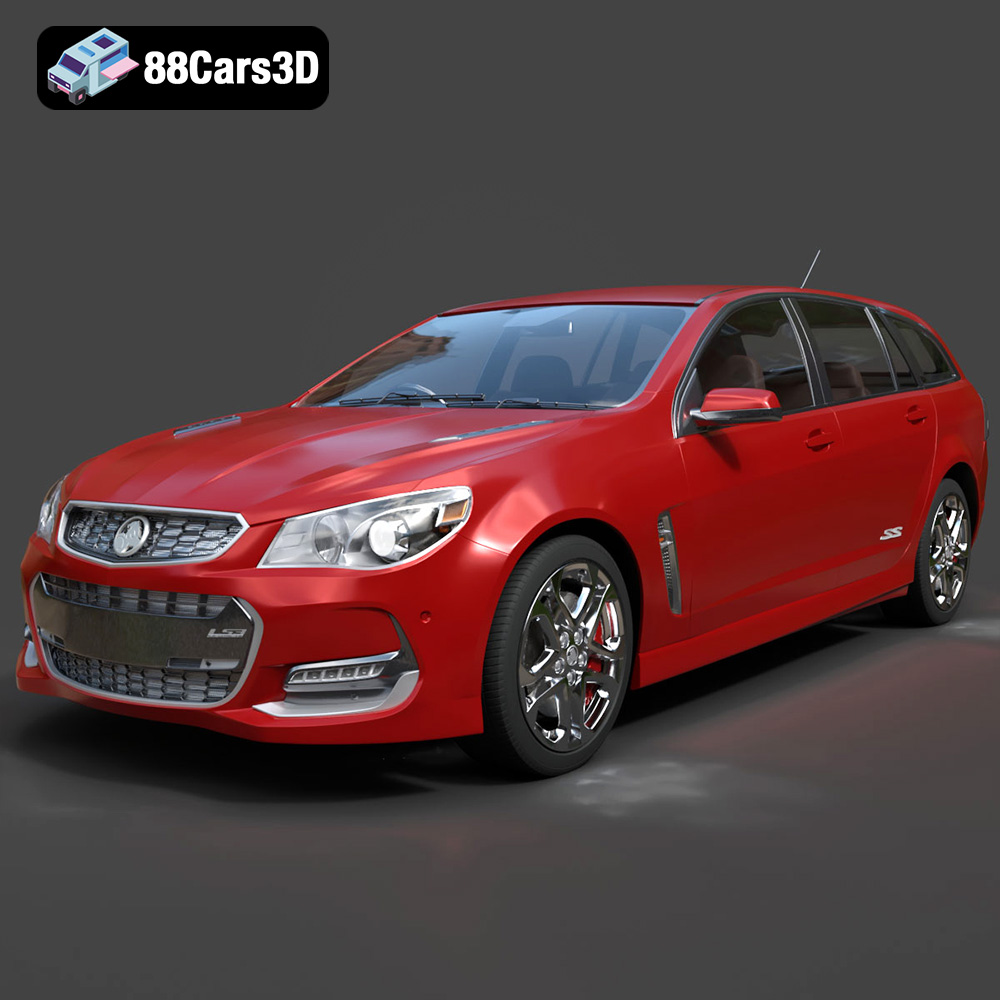
Texture: Yes
Material: Yes
Download the Holden Commodore Sportwagon 2017 3D Model featuring clean geometry, realistic detailing, and a fully modeled interior. Includes .blend, .fbx, .obj, .glb, .stl, .ply, .unreal, and .max formats for rendering, simulation, and game development.
Price: $10
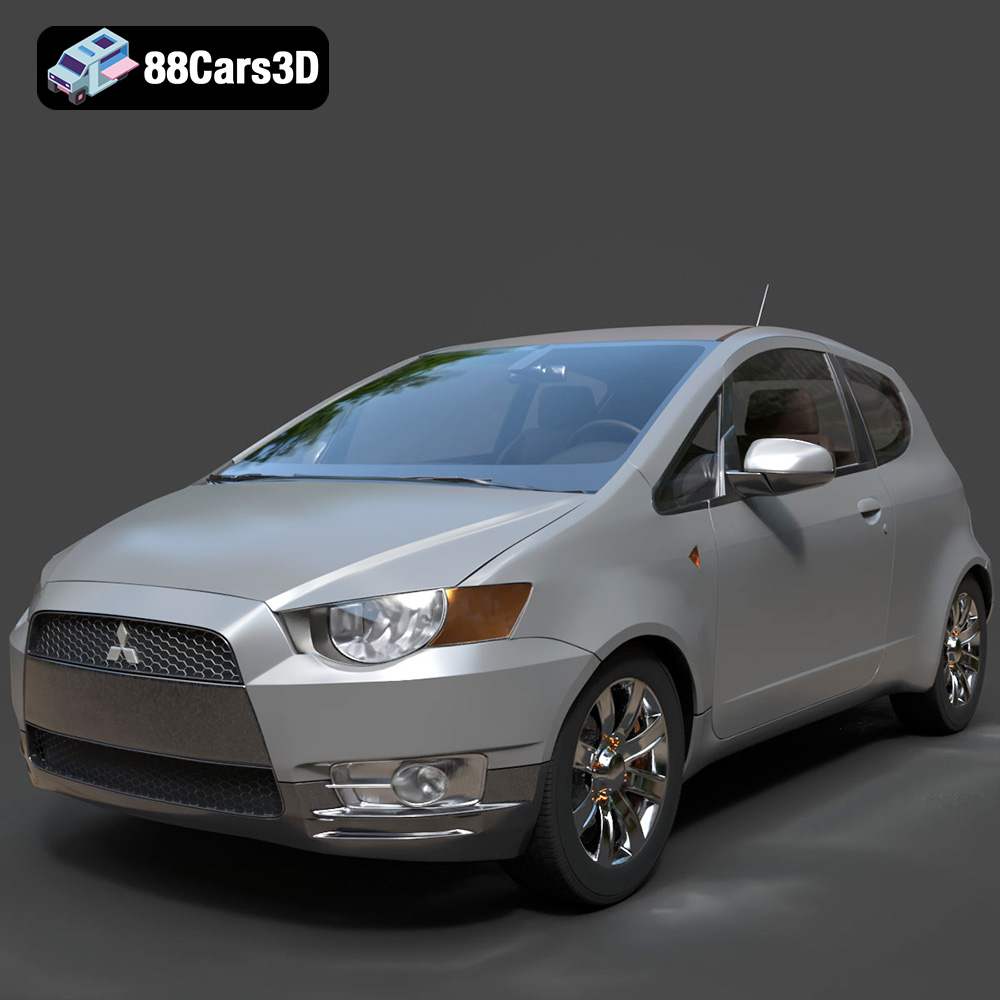
Texture: Yes
Material: Yes
Download the Mitsubishi Colt 3 Door 2008 3D Model featuring clean geometry, realistic detailing, and a fully modeled interior. Includes .blend, .fbx, .obj, .glb, .stl, .ply, .unreal, and .max formats for rendering, simulation, and game development.
Price: $10
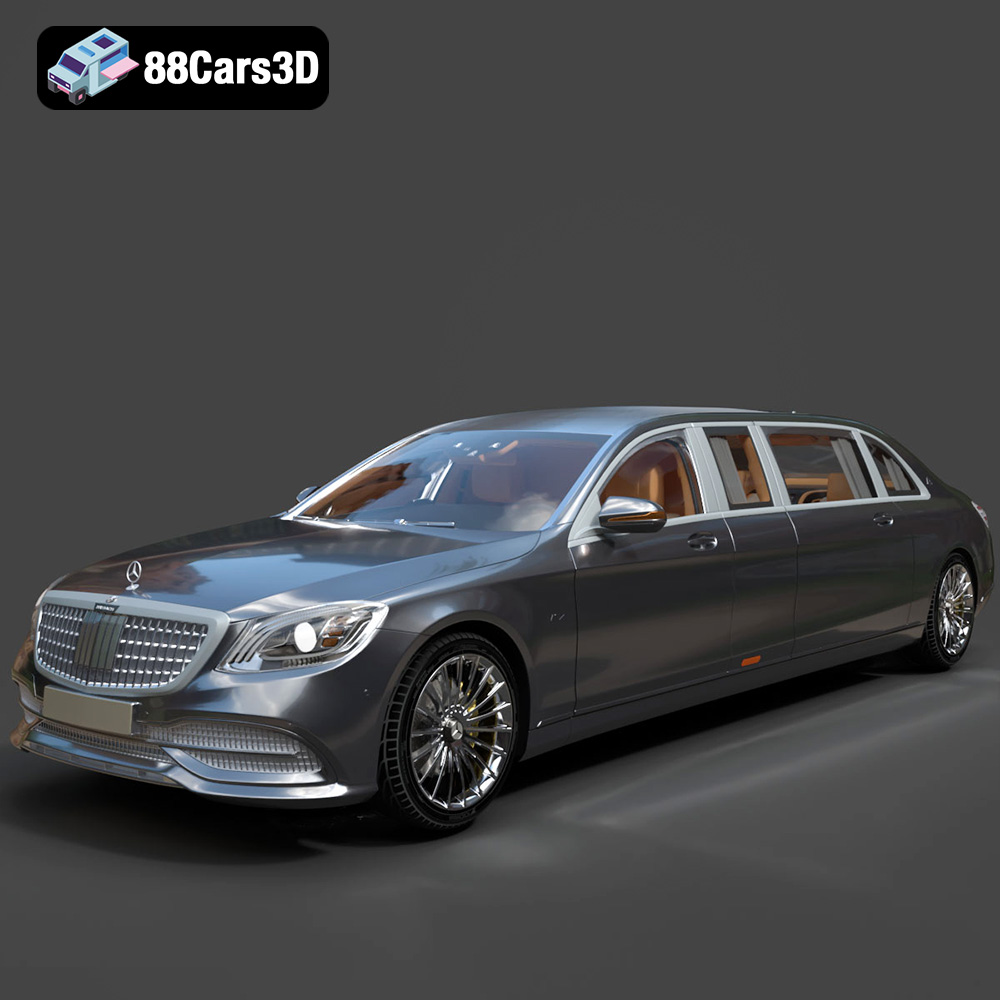
Texture: Yes
Material: Yes
Download the Mercedes-Benz S650 Pullman 3D Model featuring clean geometry, realistic detailing, and a fully modeled interior. Includes .blend, .fbx, .obj, .glb, .stl, .ply, .unreal, and .max formats for rendering, simulation, and game development.
Price: $95.99
Texture: Yes
Material: Yes
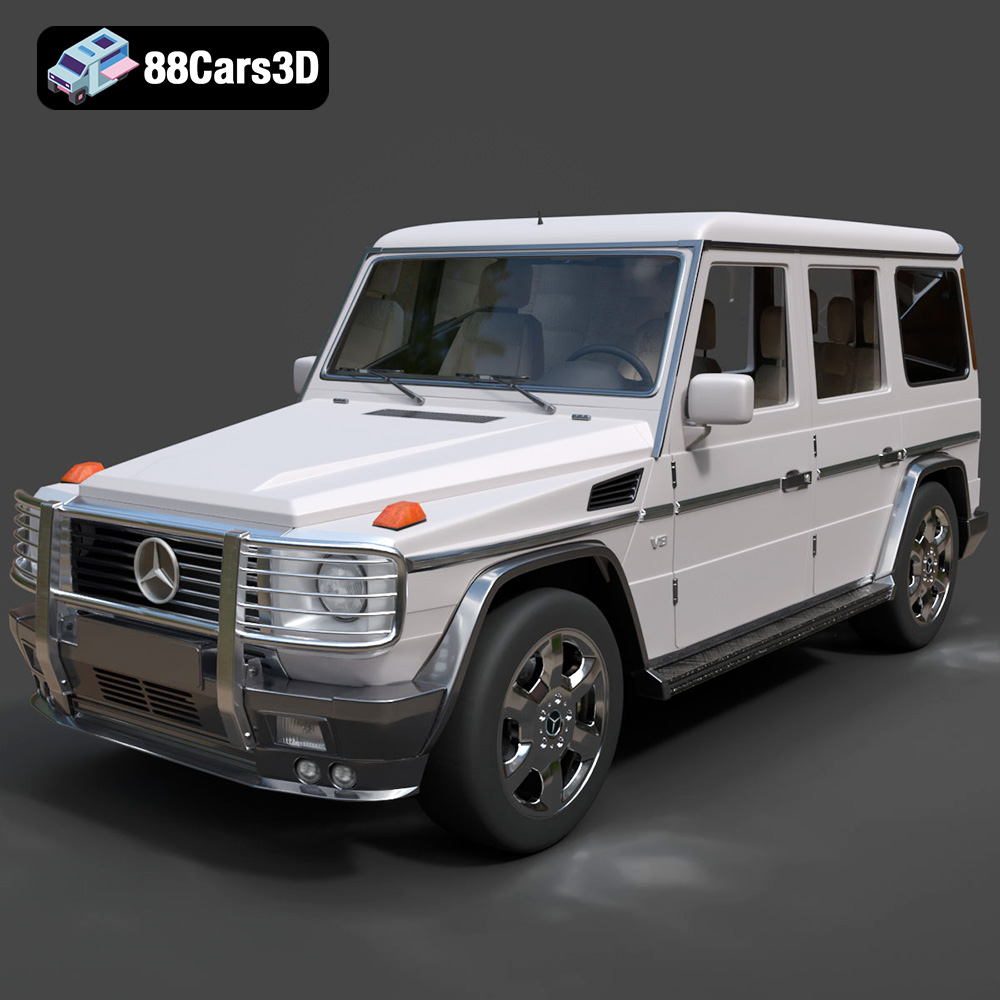
Download the Mercedes G-Class SUV 2024 3D Model featuring clean geometry, realistic detailing, and a fully modeled interior. Includes .blend, .fbx, .obj, .glb, .stl, .ply, .unreal, and .max formats for rendering, simulation, and game development.
Price: $10

