Get 50% OFF All Premium 3D & STL Models!

In the world of 3D, achieving photorealism is the ultimate goal, and nowhere is this truer than in automotive visualization. The sleek curves, flawless reflections, and intricate details of a car are a true test of any artist’s skill. While a high-quality 3D model provides the foundation, it’s the materials that breathe life into the digital vehicle, transforming it from a simple mesh into a stunning, believable asset. This is where Physically Based Rendering (PBR) comes in. PBR is not just a feature; it’s a methodology that has become the industry standard for creating materials that react to light just as they would in the real world. Mastering PBR is the key to unlocking next-level realism in your automotive renders, game assets, and visualizations. In this comprehensive guide, we will deconstruct the entire PBR workflow for automotive 3D models. We’ll start with the fundamental principles, dive deep into creating complex car paint, and cover everything from the brushed metal of brake discs to the textured plastic of the dashboard. By the end, you’ll have the technical knowledge and best practices needed to create truly breathtaking automotive materials.
Before diving into shader networks and texture maps, it’s essential to grasp the foundational concepts that make Physically Based Rendering so powerful. At its heart, PBR is less about specific tools and more about a mindset—a physics-based approach to shading that aims to simulate the behavior of light and surfaces accurately. This adherence to physical principles ensures that your materials will look correct and consistent across a wide variety of lighting environments, which is a significant advantage over older, more abstract shading models. By building materials based on their real-world properties, you create assets that are not only more realistic but also more portable and predictable across different rendering engines and applications.
Physically Based Rendering is a shading model that seeks to render graphics in a way that more accurately models the flow of light in the real world. Unlike older models that often relied on artistic “cheats” to approximate reflections and highlights, PBR is grounded in several key physics principles. The most important of these is energy conservation. This principle states that an object can never reflect more light than it receives. As a surface becomes more metallic, for example, its diffuse reflection (color) decreases proportionally. Similarly, the light reflected is split between specular reflections and diffuse scattering; a rougher surface will have a larger, dimmer highlight, while a smoother surface will have a smaller, more intense highlight, but the total amount of reflected light remains the same. This ensures that materials don’t accidentally “create” energy, leading to a more natural and balanced final image.
In the world of PBR, there are two primary workflows for defining a material’s properties, each with its own set of texture maps. The most common and intuitive workflow, especially for real-time applications like Unity and Unreal Engine, is the Metallic/Roughness workflow. Its primary maps include:
The second workflow is Specular/Glossiness. Here, the maps are slightly different:
While both can produce identical results, the Metallic/Roughness workflow has become the de facto standard due to its simplicity and efficiency, especially when dealing with materials that are either purely metallic or purely dielectric.
The complex and varied surfaces of a car make it a perfect candidate for the PBR methodology. An automotive model features a wide range of materials—glossy paint, brushed aluminum, matte rubber, clear glass, and textured plastics—all existing side-by-side. The PBR workflow allows artists to create each of these surfaces with physically accurate parameters, ensuring they react believably under any lighting scenario. A car rendered in a bright, sunlit studio will look just as correct when placed in a dimly lit garage or a vibrant city street at night. This predictability and consistency are invaluable, saving artists countless hours of tweaking materials for different scenes. It’s this robust, physics-driven approach that allows for the creation of truly photorealistic automotive rendering and visualization.
The single most important material on any automotive model is the car paint. It’s the largest surface, the one that defines the vehicle’s character, and the most complex to replicate digitally. Modern automotive paint isn’t a simple, single-color surface; it’s a sophisticated multi-layered finish designed to interact with light in dynamic ways. It consists of a primer, a base color coat, a layer of metallic or pearlescent flakes, and a thick, protective clear coat on top. Each of these layers plays a distinct role in how the final surface appears, from the rich depth of the color to the sparkling highlights that dance across the bodywork as the viewing angle changes. Successfully recreating this layered effect is the cornerstone of a believable car render.
To build a realistic car paint shader, you must first understand its physical composition. The structure can be broken down into three main visual components that we need to simulate:
Simulating these distinct layers is key. A simple glossy material will never capture the nuanced interplay of light that defines real car paint.
Modern render engines like Corona and V-Ray make building layered materials intuitive. Using the Corona Physical Material or VRayMtl, the process is straightforward. First, you create the base layer. Set the Base Color to your desired paint color. If it’s a metallic paint, increase the Metalness value (typically between 0.8 and 1.0). To create the flakes, you can use a procedural noise map like Corona’s NormalFlakes or a similar map plugged into the bump or normal slot. This map simulates the orientation of the flakes, creating variance in the reflections. The next and most critical step is to enable the Clear Coat layer in the material settings. This adds a virtual second layer of reflections on top. You should set the clear coat’s IOR (Index of Refraction) to around 1.5-1.6, which is typical for automotive varnish. The clear coat’s Roughness can be adjusted to simulate anything from a perfectly polished finish to a slightly worn one. For an “orange peel” effect—the subtle waviness common in real car paint—a very subtle noise map can be plugged into the clear coat’s bump channel.
Blender’s primary shader, the Principled BSDF node, is a powerful, all-in-one solution that is perfectly capable of creating a stunning car paint material. As detailed in the official Blender 4.4 documentation, this single node contains all the necessary parameters. The workflow mirrors the layered approach. The main BSDF inputs—Base Color, Metallic, and Roughness—are used to define the base paint layer. For the sparkling flakes, a common technique is to use a combination of a Voronoi Texture node (set to F1, Distance to Edge) and a Noise Texture node, which are then fed through a ColorRamp to isolate small white specks. This flake map can be used to subtly vary the Base Color or Roughness. The magic happens with the dedicated Clearcoat and Clearcoat Roughness inputs on the Principled BSDF node. By increasing the Clearcoat value to 1.0, you add that essential reflective top layer. You can then control its sharpness with Clearcoat Roughness. Just as in 3ds Max, a faint noise texture can be connected to the Clearcoat Normal input to simulate the orange peel effect, completing the realistic look.
From the gleaming chrome trim around the windows to the brushed aluminum of the wheels and the raw steel of the brake discs, metals are an integral part of any vehicle’s aesthetic. Creating believable metals in PBR is not just about making a surface shiny; it’s about understanding the fundamental differences in how metals and non-metals (dielectrics) interact with light. Unlike car paint, which has distinct layers, most automotive metals are a single, uniform surface. Their realism comes from accurately defining their core physical properties and, most importantly, from adding the subtle surface imperfections that sell the illusion. A perfectly clean, mathematically smooth metal surface often looks fake. It’s the microscopic scratches, smudges, and variations in roughness that ground the material in reality.
In PBR, every material is classified as either a dielectric or a metal. This distinction is controlled by the **Metallic** parameter. Dielectrics (value of 0.0) are non-conductive materials like plastic, rubber, glass, and the base layer of paint. They have a base color (Albedo) and reflect light with a colorless, specular highlight. Metals (value of 1.0), on the other hand, are conductive. A key characteristic is that their reflections are tinted. For example, gold has a yellowish reflection, while copper has a reddish one. In the Metallic/Roughness PBR workflow, the Base Color map is used to define this reflection tint for metals. Because metals absorb light that isn’t reflected, they have no diffuse color, so for a pure metal, the Base Color should contain only the color of the reflection, with its brightness indicating the reflectivity.
Creating polished metals like chrome, steel, or aluminum is a foundational PBR skill. The workflow is straightforward and relies on three key parameters:
By simply adjusting these three parameters, you can create a vast array of common metals found on a vehicle.
The secret to truly photorealistic metal is in the imperfections. No real-world surface is perfectly smooth or perfectly clean. To elevate your metals from good to great, you must break up the uniformity. This is almost always done via the Roughness channel. By using a subtle grunge map, a fingerprint texture, or a map of fine scratches, you can introduce microscopic variations in the surface roughness. These imperfections will catch the light differently, creating a much more dynamic and believable surface. For example, light smudges on a chrome bumper will appear as slightly blurry patches in the reflection. On a brake disc, you can use a radial roughness map to simulate the fine lines left by the machining process. When sourcing 3D car models from marketplaces such as 88cars3d.com, you’ll often find that these high-quality assets come with detailed UVs and textures that already include these crucial imperfection maps, providing a fantastic head start.
Transparent and translucent materials present a unique set of challenges in 3D rendering. They don’t just reflect light; they refract and absorb it, adding another layer of physical simulation to the process. On a car, these materials are everywhere: the windshield, side windows, headlight covers, taillight plastics, and even transparent elements on the dashboard. Creating convincing glass and plastic requires a careful balance of transparency, reflectivity, and subtle imperfections. The goal is not just to make something see-through, but to accurately simulate how light bends as it passes through the material, how it reflects off the surface, and how it might be subtly tinted by the material’s properties. Getting these details right is critical for a finished look.
Automotive glass is a dielectric material defined by its refractive properties. The key parameters for creating standard window glass are:
Headlights and taillights are complex assemblies of multiple material types. The outer cover is typically a transparent plastic, created using the same principles as glass but perhaps with a slightly lower IOR (around 1.49 for polycarbonate). The true complexity lies within the housing. The interior reflectors are usually made of highly polished chrome (Metallic: 1.0, Roughness: <0.05) to maximize light reflection. The most important detail for modern lights is the intricate patterns on both the outer lens and the internal reflectors. These patterns are responsible for shaping the light beam. They are best created using a normal map or a bump map. A high-quality radial or prismatic normal map applied to the transparent cover and chrome surfaces will realistically scatter the light. Finally, the light source itself (the bulb, LED, or light guide) should be a separate piece of geometry with an emissive material applied to it to cast light.
The interior and exterior of a car are filled with various textured plastics, from the soft-touch dashboard to the hard, unpainted bumper trim. These are all dielectric materials, so their Metallic value should be 0. The key to making them look realistic lies in the Roughness and Normal maps. The Base Color is usually a simple dark gray or black. The realism comes from a tiled microstructure texture. A fine-grained noise pattern or a leather texture applied as a normal map gives the plastic its characteristic textured surface. The roughness map is equally important; it should have subtle variations to simulate wear, oils from fingerprints, and dust. For example, areas of the dashboard that are frequently touched should have a slightly lower roughness value, making them a bit shinier than the surrounding surfaces. This level of detail in the texture maps is what separates a plasticky-looking render from a truly convincing one.
While the car paint and glass are often the first things people notice, it’s the smaller details that truly sell the realism of an automotive model. Materials for the tires, rims, and interior components bring the vehicle to life, grounding it with tangible textures and signs of use. A pristine, glossy car body paired with flat, textureless tires will immediately look artificial. The rough, matte surface of rubber, the complex metallic finish of an alloy wheel, and the rich grain of interior leather all require specific PBR setups. These materials tell a story—of miles driven, of brake dust accumulating, and of a well-maintained or well-worn interior. Paying close attention to these supporting elements is crucial for achieving a holistic and convincing final result.
Tire rubber is a classic example of a rough dielectric material. To create it, start with a Metallic value of 0. The Base Color should be a very dark gray (e.g., RGB 20, 20, 20), but never pure black, as pure black does not exist in the real world and can cause energy loss issues in the render. The most defining characteristic of rubber is its roughness. A new tire will have a high Roughness value, typically around 0.8 to 0.9. To add realism, this roughness can be varied with a subtle grunge or dirt map to simulate wear and dust. The most important element for tires, however, is the intricate detail on the sidewall. All the branding, specifications, and warning text should be created with a high-resolution normal map. For ultra-high-quality renders, a displacement map can be used to give these details real geometry at render time, creating accurate shadows and highlights on the lettering.
Wheels, or rims, come in a variety of finishes. Common painted alloys can be created using a car paint material, often with a metallic base and a clear coat. For bare metal finishes like polished or brushed aluminum, a metallic PBR workflow is used. The key to making rims look real is adding imperfections. A roughness map should be used to add subtle scratches, and a separate dirt or brake dust map (often using an ambient occlusion-based workflow) can be layered on top to show grime buildup, especially in the crevices and around the lug nuts. Brake discs require a specific type of metal material. They are typically steel with a machined, brushed finish. This look is best achieved with an anisotropic reflection, where highlights are stretched in a specific direction. A radial ramp texture connected to the anisotropy rotation parameter, combined with a fine-lined bump or normal map, will perfectly simulate the look of a lathed brake disc.
The interior is a showcase of diverse materials. For leather seats, a detailed normal map is essential to create the fine grain and creasing patterns. The Roughness value is crucial for capturing the unique sheen of leather; it’s not overly glossy but has a soft highlight that responds to light. Fabric materials, like those found on seats or headliners, are more complex. They often exhibit a soft, velvety appearance caused by microfibers. This can be simulated using a Sheen parameter in shaders like Blender’s Principled BSDF or a Falloff/Fresnel map to brighten the material at grazing angles. For high-performance vehicles, carbon fiber is a common sight. This material requires a high-quality, tiling carbon fiber weave texture for the Base Color, a matching Normal map to give the weave depth, and a glossy Clear Coat layer on top to provide the smooth, reflective finish.
Creating beautiful PBR materials is one half of the equation; optimizing them for your target application is the other. The requirements for a cinematic-quality offline render are vastly different from those for a real-time game engine or an AR/VR experience. For high-end visualization, the focus is on maximum detail and physical accuracy, often at the cost of long render times. In contrast, game engines and interactive applications demand real-time performance, which necessitates careful optimization of textures, shaders, and geometry. Understanding how to adapt your PBR materials and textures for each specific use case is a critical skill for any 3D artist. This ensures your work not only looks great but also performs efficiently on the intended platform.
When creating automotive rendering for advertising, film, or print, realism is the top priority and performance is a secondary concern. In this context, you can push your materials to their limits.
For game development, performance is paramount. Every texture, material, and draw call counts. The goal is to achieve the highest visual fidelity within a strict performance budget.
Applications for augmented reality, virtual reality, and web-based 3D viewers have the strictest performance constraints, especially on mobile devices. Optimization is not just a recommendation; it’s a requirement.
The journey to creating photorealistic automotive materials is one of both technical knowledge and artistic observation. As we’ve explored, the PBR workflow provides a powerful, physics-based framework that brings logic and predictability to the art of material creation. By understanding its core principles, you can move beyond simply tweaking sliders and begin to construct surfaces from the ground up, considering how each layer—from the metallic flakes in the paint to the smudges on the chrome—interacts with light. We’ve seen that mastering the multi-layered car paint shader is paramount, that imperfections are what sell the realism of metals, and that every material, no matter how small, plays a crucial role in the final image. Ultimately, the quality of your materials is only as good as the model geometry and the lighting environment they exist in. A perfect material will still look poor on a flawed model or under flat, uninspired lighting.
Your next steps are clear: practice and observe. Choose one material from this guide—perhaps a challenging metallic car paint or a textured interior plastic—and dedicate time to perfecting it. Scrutinize real-world vehicles, paying close attention to how light reflects off different surfaces under various conditions. Collect reference photos. Experiment with creating your own imperfection maps to add that next level of detail. By consistently applying these principles and honing your eye for detail, you will steadily close the gap between your 3D renders and reality, creating automotive visualizations that are not just realistic, but truly breathtaking.
Texture: Yes
Material: Yes
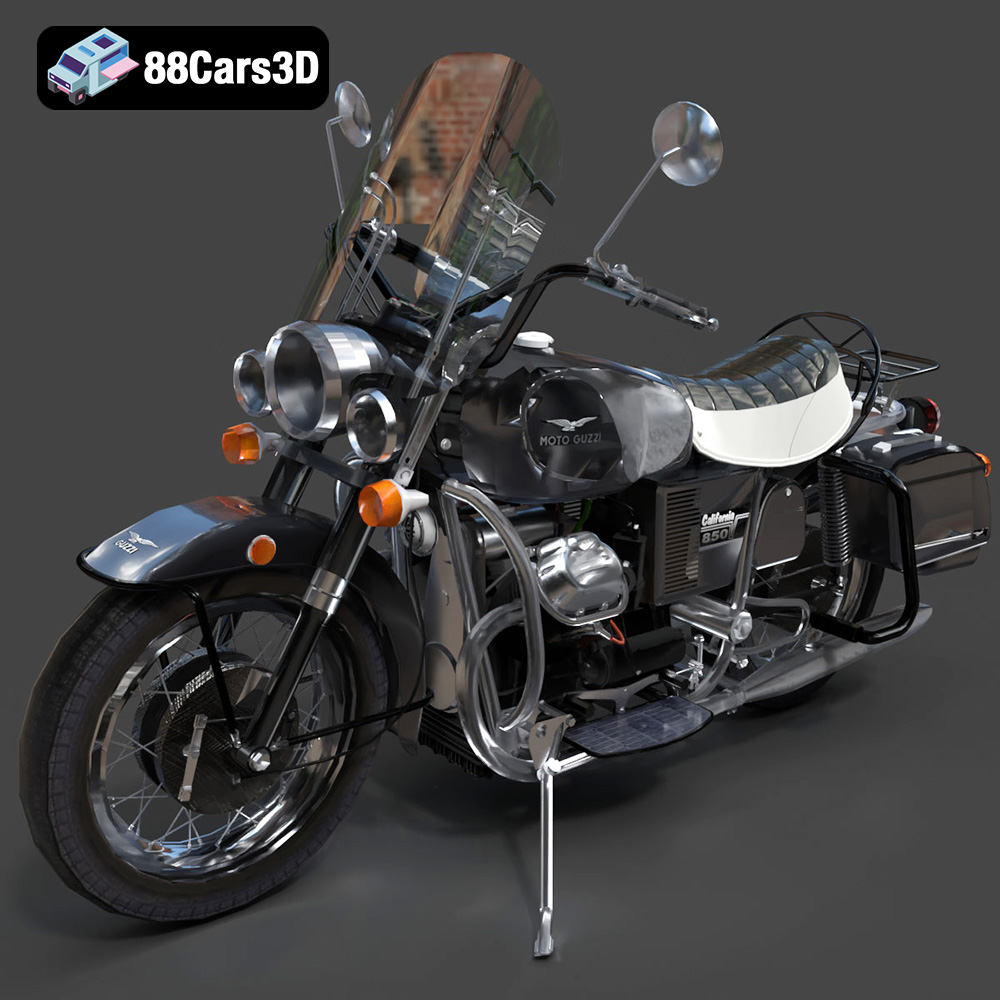
Download the Moto Guzzi Classic Motorcycle 2024 3D Model featuring clean geometry, realistic detailing, and a fully modeled interior. Includes .blend, .fbx, .obj, .glb, .stl, .ply, .unreal, and .max formats for rendering, simulation, and game development.
Price: $10

Texture: Yes
Material: Yes
Download the Mercedes S-Class 2024 3D Model featuring clean geometry, realistic detailing, and a fully modeled interior. Includes .blend, .fbx, .obj, .glb, .stl, .ply, .unreal, and .max formats for rendering, simulation, and game development.
Price: $10

Texture: Yes
Material: Yes
Download the Chevrolet Camaro 1970 3D Model featuring clean geometry, realistic detailing, and a fully modeled interior. Includes .blend, .fbx, .obj, .glb, .stl, .ply, .unreal, and .max formats for rendering, simulation, and game development.
Price: $10

Texture: Yes
Material: Yes
Download the Mercedes-AMG GT 2015 3D Model featuring clean geometry, realistic detailing, and a fully modeled interior. Includes .blend, .fbx, .obj, .glb, .stl, .ply, .unreal, and .max formats for rendering, simulation, and game development.
Price: $88.99

Texture: Yes
Material: Yes
Download the Suzuki GSX-R 1000 3D Model featuring clean geometry, realistic detailing, and a fully modeled interior. Includes .blend, .fbx, .obj, .glb, .stl, .ply, .unreal, and .max formats for rendering, simulation, and game development.
Price: $10

Texture: Yes
Material: Yes
Download the Porsche Cayman S 2024 3D Model featuring clean geometry, realistic detailing, and a fully modeled interior. Includes .blend, .fbx, .obj, .glb, .stl, .ply, .unreal, and .max formats for rendering, simulation, and game development.
Price: $10
Texture: Yes
Material: Yes
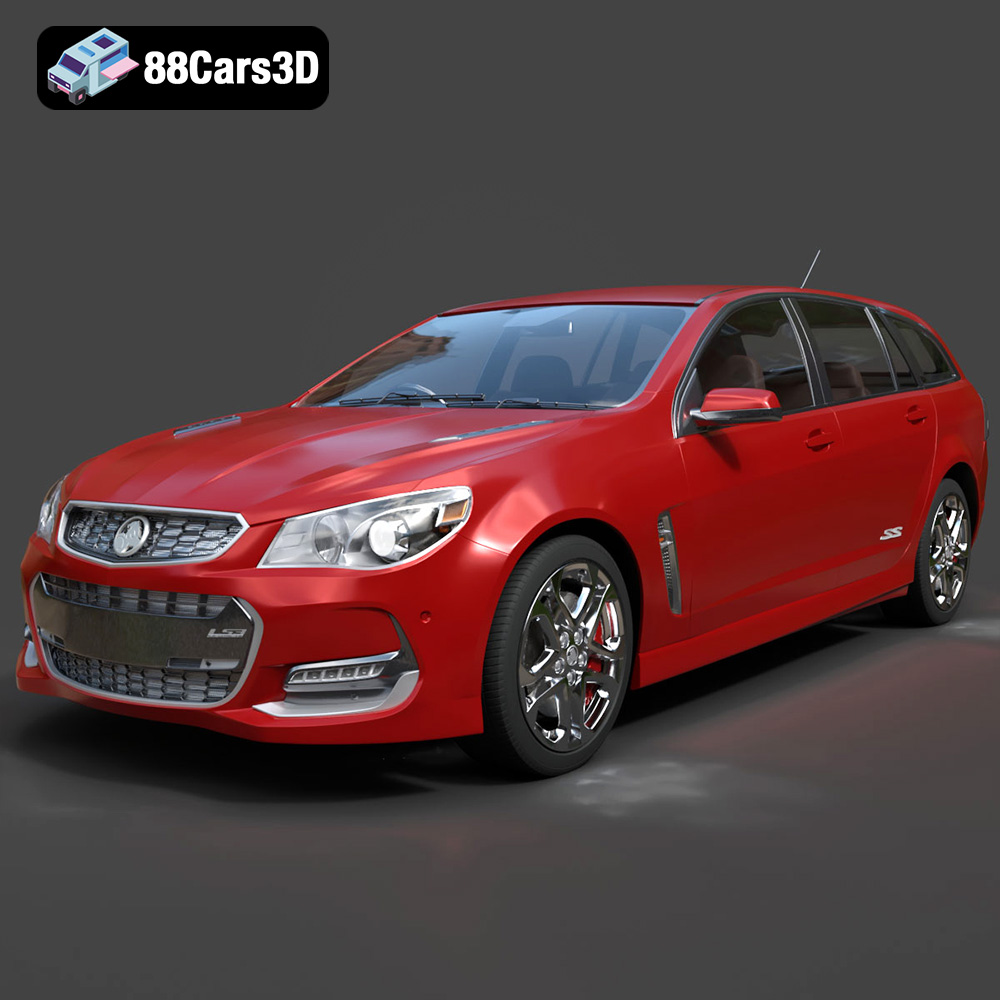
Download the Holden Commodore Sportwagon 2017 3D Model featuring clean geometry, realistic detailing, and a fully modeled interior. Includes .blend, .fbx, .obj, .glb, .stl, .ply, .unreal, and .max formats for rendering, simulation, and game development.
Price: $10
Texture: Yes
Material: Yes
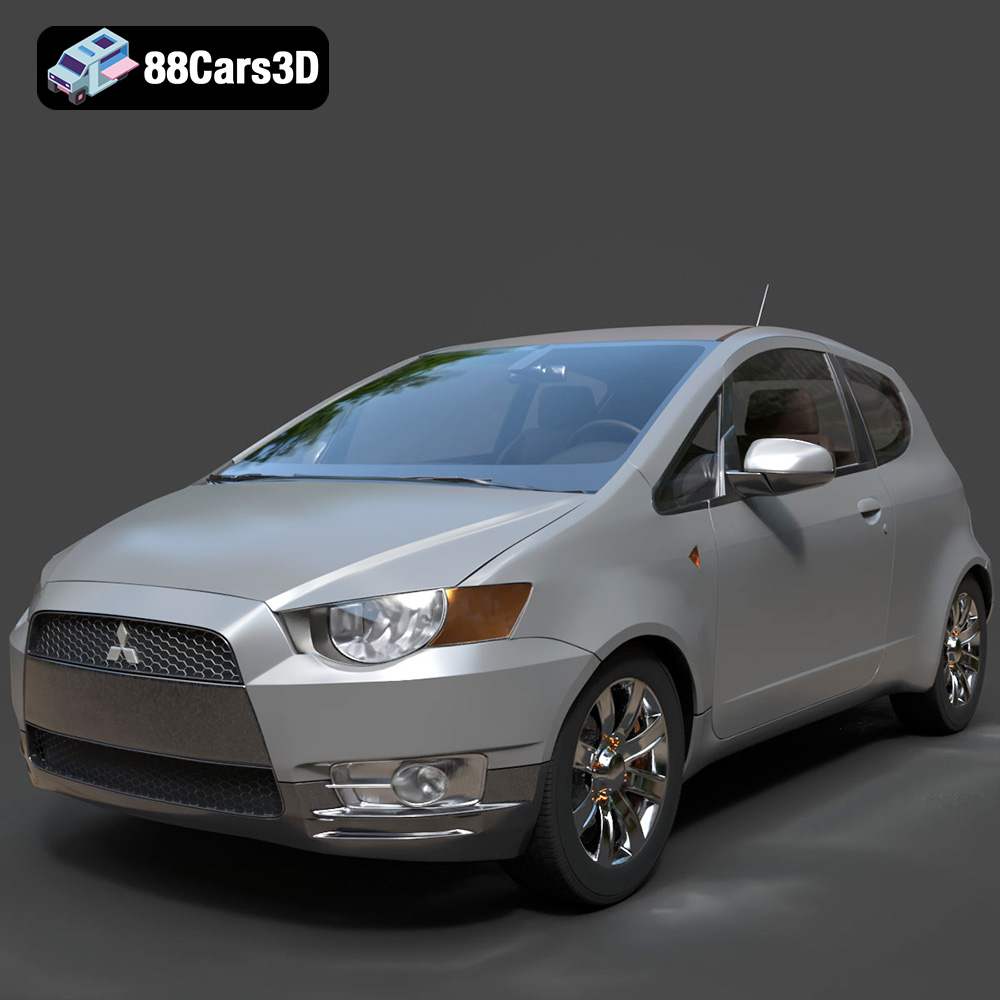
Download the Mitsubishi Colt 3 Door 2008 3D Model featuring clean geometry, realistic detailing, and a fully modeled interior. Includes .blend, .fbx, .obj, .glb, .stl, .ply, .unreal, and .max formats for rendering, simulation, and game development.
Price: $10
Texture: Yes
Material: Yes
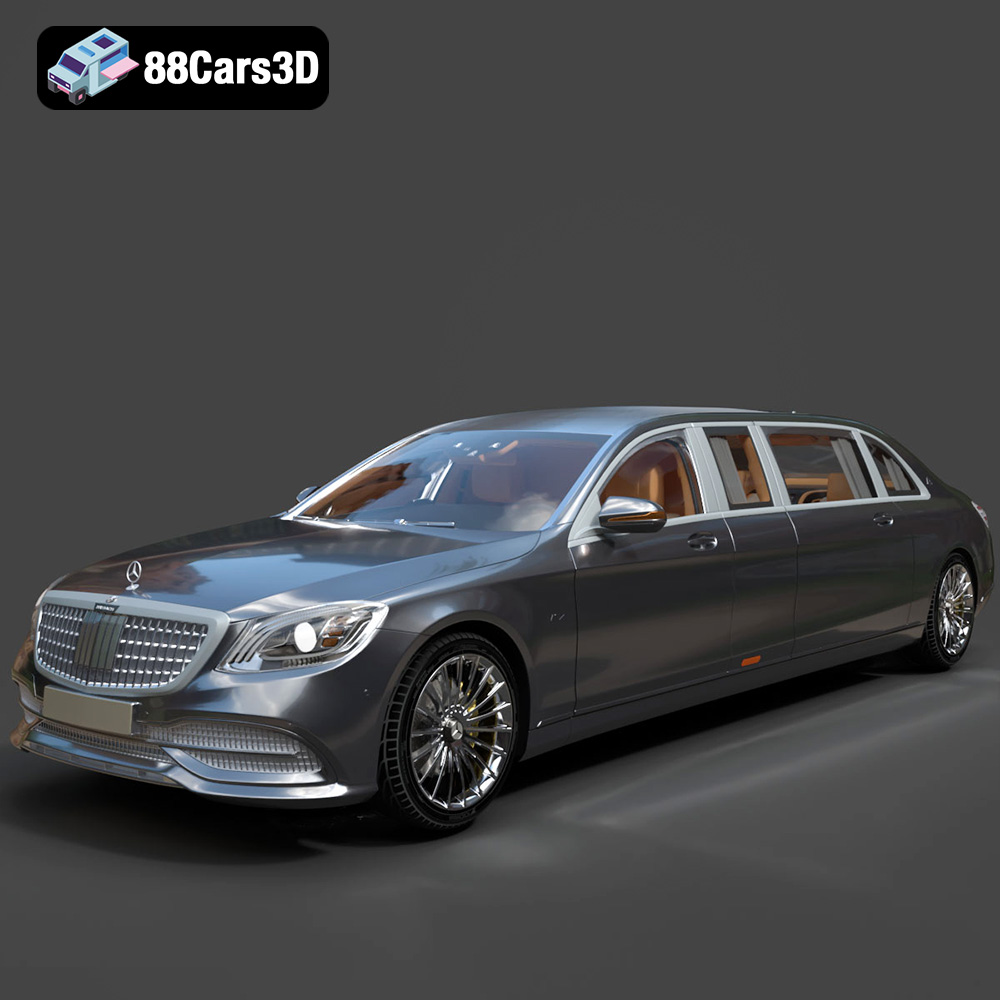
Download the Mercedes-Benz S650 Pullman 3D Model featuring clean geometry, realistic detailing, and a fully modeled interior. Includes .blend, .fbx, .obj, .glb, .stl, .ply, .unreal, and .max formats for rendering, simulation, and game development.
Price: $95.99
Texture: Yes
Material: Yes
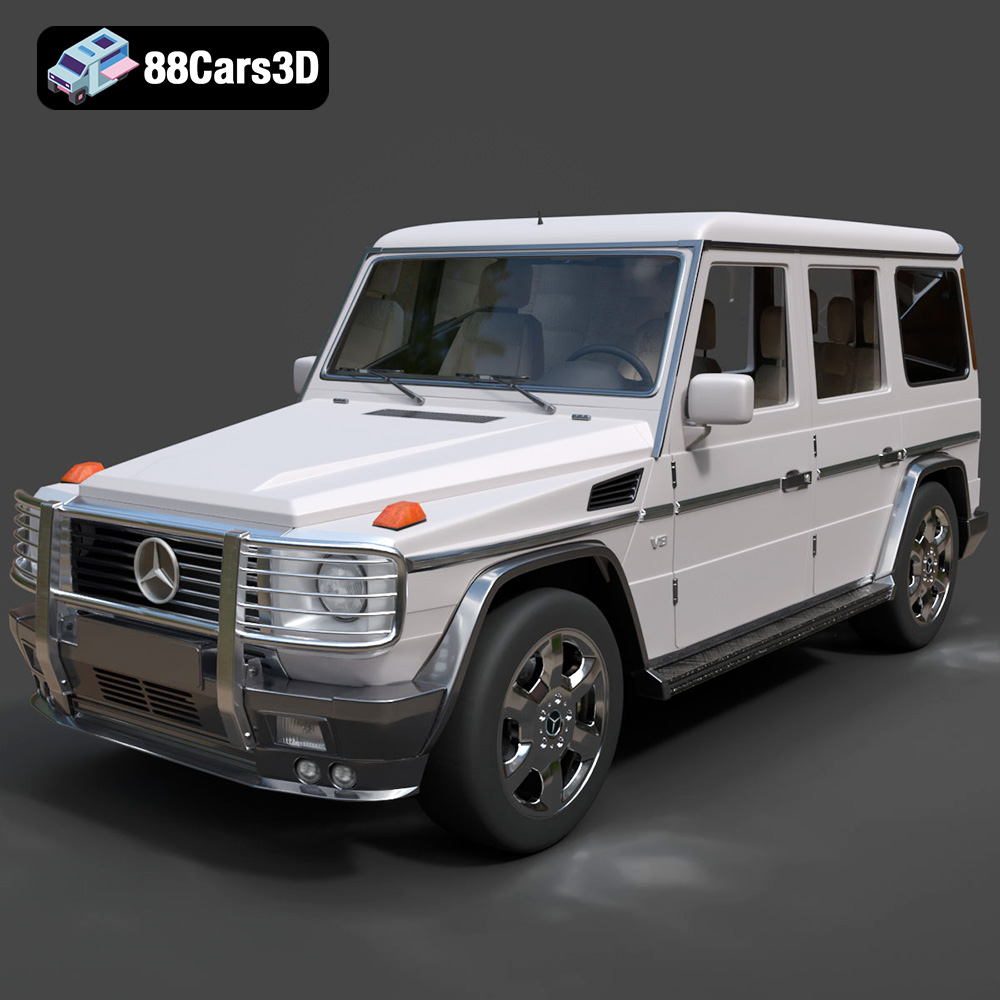
Download the Mercedes G-Class SUV 2024 3D Model featuring clean geometry, realistic detailing, and a fully modeled interior. Includes .blend, .fbx, .obj, .glb, .stl, .ply, .unreal, and .max formats for rendering, simulation, and game development.
Price: $10

