Get 50% OFF All Premium 3D & STL Models!

“`html
3D printing has revolutionized how we create, prototype, and manufacture objects. For enthusiasts and professionals alike, the journey from digital design to physical reality often begins with an STL (Stereolithography) file. However, STL files, while ubiquitous, are not always perfect. Corrupted or poorly designed STL files are a common cause of 3D printing failures, leading to wasted filament, time, and frustration. Before sending your intricate 3D model of a classic car from platforms like 88cars3d.com to the printer, it’s crucial to ensure its integrity. This comprehensive guide will walk you through common STL file errors, explain how to identify them, and provide proven techniques to fix them, ensuring a smooth and successful 3D printing experience. We’ll cover everything from understanding mesh topology to utilizing specialized software tools, empowering you to troubleshoot and resolve issues before they impact your print.
In this article, you’ll learn to identify and fix common STL file errors that cause print failures. You will learn how to use software tools like Meshmixer, Netfabb, and Blender for mesh repair, understand how to orient your parts correctly, and optimize print settings to avoid errors related to bad STL files. We will discuss FDM and resin printing considerations, and share tips for successful post-processing. By mastering these techniques, you’ll be well-equipped to tackle any STL file challenge and bring your 3D printing visions to life.
The STL file format is the industry standard for 3D printing. It represents a 3D object as a collection of triangles, essentially creating a surface mesh. While simple in concept, this representation can be prone to various errors that impact printability. Understanding the underlying structure and common error types is the first step towards successful troubleshooting.
STL files use a faceted representation of a 3D model, approximating its surface with numerous small triangles. The more triangles, the smoother the surface, but also the larger the file size. Each triangle is defined by its three vertices (coordinates in 3D space) and a normal vector indicating its orientation. A well-formed STL file ensures that all triangles are connected, forming a closed and continuous surface, also known as a “manifold” mesh. Errors in mesh topology, such as gaps, holes, and self-intersections, can disrupt the slicing process and lead to print failures. These errors can arise from the original design process or from exporting the model incorrectly.
Several common error types can plague STL files. Holes are gaps in the mesh where triangles are missing, breaking the surface continuity. Inverted normals occur when the normal vector of a triangle points inward instead of outward, causing the slicer to interpret the surface incorrectly. Self-intersections happen when triangles intersect with each other, creating ambiguous geometry. Non-manifold edges are edges shared by more than two triangles, indicating a break in the surface. Shells or disjointed meshes mean that the model is not a single, continuous object; this can happen if multiple meshes were improperly joined together. Identifying these errors early is crucial for preventing printing issues.
Detecting STL file errors often requires a combination of visual inspection and specialized software tools. While some errors are readily apparent, others are more subtle and require a closer look. Employing the right techniques can save you time and resources by identifying potential problems before printing.
A basic visual inspection in a 3D viewing program can often reveal obvious errors. Look for visible holes, gaps, or distortions in the model’s surface. Rotate the model to examine all angles and identify any unusual features. Pay close attention to areas with complex geometry, as these are more prone to errors. While visual inspection is useful for spotting blatant issues, it’s not always sufficient for detecting subtle errors that can still cause printing problems.
Several software tools offer built-in mesh analysis features to automatically detect and highlight errors in STL files. Meshmixer, Netfabb, and even some slicers like PrusaSlicer provide these capabilities. These tools analyze the mesh for holes, inverted normals, self-intersections, and other common issues, providing a detailed report of any errors found. For instance, Netfabb’s repair module not only detects errors but also offers automated solutions to fix them. PrusaSlicer’s “Repair” function is also very effective for minor errors. Using these tools is an essential step in ensuring the printability of your STL files.
Once you’ve identified errors in your STL file, the next step is to repair them. Several software solutions offer tools and techniques to address these issues, from automated fixes to manual adjustments. Choosing the right approach depends on the severity and type of error.
For simple errors like small holes or minor self-intersections, automated repair tools can often provide a quick and effective solution. Netfabb is renowned for its powerful automated repair capabilities, often able to fix complex mesh issues with a single click. Meshmixer also offers automated repair options, although they may not be as comprehensive as Netfabb’s. Even online services like MakePrintable can automatically repair STL files. While these tools are convenient, it’s important to review the results to ensure that the automated repair hasn’t introduced any new artifacts or distortions.
For more complex errors, or when automated repair tools fail to produce satisfactory results, manual mesh editing may be necessary. Software like Blender and Meshmixer provide tools for manually editing the mesh, allowing you to close holes, flip inverted normals, and remove self-intersections. This requires a deeper understanding of mesh topology and can be time-consuming, but it offers greater control over the repair process. For example, in Blender, you can use the “Fill” tool to close holes by selecting the boundary edges and creating new faces. You can also use the “Merge by Distance” tool to remove duplicate vertices and simplify the mesh.
When editing meshes for printable car models from a source like 88cars3d.com, it’s important to maintain the fidelity of the original design. Manual repairs should be focused on fixing errors without altering the aesthetic or functional aspects of the model.
Even a perfectly repaired STL file may not print successfully without proper slicing and support structures. Slicing is the process of converting the 3D model into a series of layers that the 3D printer can understand. Support structures are temporary structures that support overhanging parts of the model during printing. Optimizing these aspects is crucial for achieving high-quality prints.
Slicing parameters such as layer height, infill density, print speed, and temperature significantly impact the print quality and success. Lower layer heights result in smoother surfaces but increase print time. Higher infill densities provide greater strength but use more material. Optimizing these parameters depends on the specific model and printer. For detailed models, a layer height of 0.1mm to 0.2mm is generally recommended. Infill density can range from 15% to 50% depending on the desired strength. Print speed should be adjusted based on the printer’s capabilities and the complexity of the model. For instance, printing a detailed car model might require a slower speed than a simple geometric shape. Experimentation and fine-tuning are often necessary to find the optimal settings for your specific situation.
Support structures are essential for printing overhanging parts of a model, preventing them from collapsing during the printing process. Slicing software like Cura and PrusaSlicer can automatically generate support structures, but it’s important to customize them to minimize material usage and ease of removal. Consider the support density, pattern, and placement. Denser supports provide greater stability but are more difficult to remove. Strategic placement of supports can minimize their impact on the finished surface. After printing, carefully remove the support structures using tools like pliers, knives, or dissolving agents (for soluble support materials). Pay attention to delicate areas to avoid damaging the model. Often, supports generated are too difficult to remove – modifying the support settings in your slicer can yield more easily removable support structures. Setting the support interface layer to a higher density can help support overhanging features, while lowering the density where the support contacts the build plate will make it easier to remove.
The choice of printing material and proper printer calibration are fundamental for successful 3D printing. Different materials have different properties and require specific settings. A well-calibrated printer ensures accurate and consistent results.
The most common materials for FDM (Fused Deposition Modeling) printing are PLA, PETG, and ABS. PLA is easy to print, biodegradable, and suitable for general-purpose models. PETG offers greater strength and heat resistance than PLA. ABS is a durable and impact-resistant material, but it requires a heated bed and enclosure to prevent warping. For resin printing (SLA/DLP), various resin types are available, each with unique properties such as flexibility, strength, and chemical resistance. Choose the material that best suits the intended application of your printed object. For example, a printable car model intended for display might be printed in PLA for its ease of use and smooth finish, while a functional part might require the strength and durability of PETG or ABS. The type of printer you have will limit the materials you can use, but within those limitations there is often still flexibility.
Proper printer calibration is essential for accurate and consistent prints. This includes leveling the print bed, calibrating the extruder, and adjusting the temperature settings. Bed leveling ensures that the first layer adheres properly to the build plate. Extruder calibration ensures that the correct amount of material is extruded. Temperature settings should be adjusted according to the material being used. Regular maintenance, such as cleaning the nozzle and lubricating moving parts, is also crucial for maintaining optimal printer performance. Consistently checking and maintaining your printer will lead to fewer failed prints and higher quality output overall.
To illustrate the importance of fixing STL file errors, let’s examine some real-world examples and case studies. These examples highlight the types of problems that can occur and the solutions that can be applied.
A hobbyist attempted to print a highly detailed car model downloaded from an online marketplace. The initial print failed due to several small holes and non-manifold edges in the STL file. Using Netfabb, the hobbyist identified and repaired these errors, resulting in a successful print with excellent detail. This case demonstrates the importance of thorough STL file analysis and repair for complex models with intricate geometry.
An architecture firm needed to 3D print a large-scale model of a building. The initial STL file contained numerous self-intersections and inverted normals, causing significant issues during slicing. By manually editing the mesh in Blender, the firm was able to correct these errors and produce a high-quality model that accurately represented the building’s design. This example illustrates the need for manual mesh editing for complex errors that cannot be resolved with automated tools. When downloading models from marketplaces such as 88cars3d.com, where models are designed by various contributors, it is always a good idea to inspect the model for errors before printing, even if the models are advertised as print-ready.
Even after repairing and optimizing your STL file, print failures can still occur. Understanding the common causes and troubleshooting techniques can help you identify and resolve these issues.
Warping occurs when the printed object lifts off the build plate during printing, often due to uneven cooling or poor bed adhesion. This can be caused by an uneven build plate, incorrect temperature settings, or insufficient adhesion. To prevent warping, ensure that the build plate is properly leveled, use a heated bed (if applicable), and apply an adhesive like hairspray or glue stick to the build plate. You can also use a raft or brim to increase the surface area of the first layer, improving adhesion. Ensuring the first layer goes down correctly is often half the battle when printing.
Layer separation occurs when the layers of the printed object do not adhere properly, resulting in a weak and brittle print. This can be caused by incorrect temperature settings, insufficient extrusion, or poor layer adhesion. To prevent layer separation, increase the printing temperature, adjust the extrusion multiplier, and ensure that the layers are properly bonded together. You can also increase the infill density for greater strength. Additionally, ensure that your STL file has sufficient wall thickness – models with walls that are too thin will often be fragile. Many slicers will warn you about wall thicknesses that are thinner than the nozzle size you’ve selected.
Fixing STL file errors is an essential step in the 3D printing workflow. By understanding the structure of STL files, identifying common error types, and employing appropriate repair techniques, you can significantly improve the success rate and quality of your prints. From utilizing automated repair tools to mastering manual mesh editing, the techniques outlined in this guide will empower you to tackle any STL file challenge. Remember to optimize slicing parameters, choose the right material, and calibrate your printer for best results. Platforms like 88cars3d.com offer a vast library of printable car models, but even with high-quality files, a proactive approach to error detection and correction ensures a smooth and rewarding printing experience.
Take the time to inspect and repair your STL files before printing, and you’ll be rewarded with stunning, accurate, and durable 3D printed objects. The key is patience, attention to detail, and a willingness to learn and experiment. By mastering these techniques, you’ll be well-equipped to bring your 3D printing visions to life, one perfect layer at a time. Now, go forth and conquer those STL files!
“`
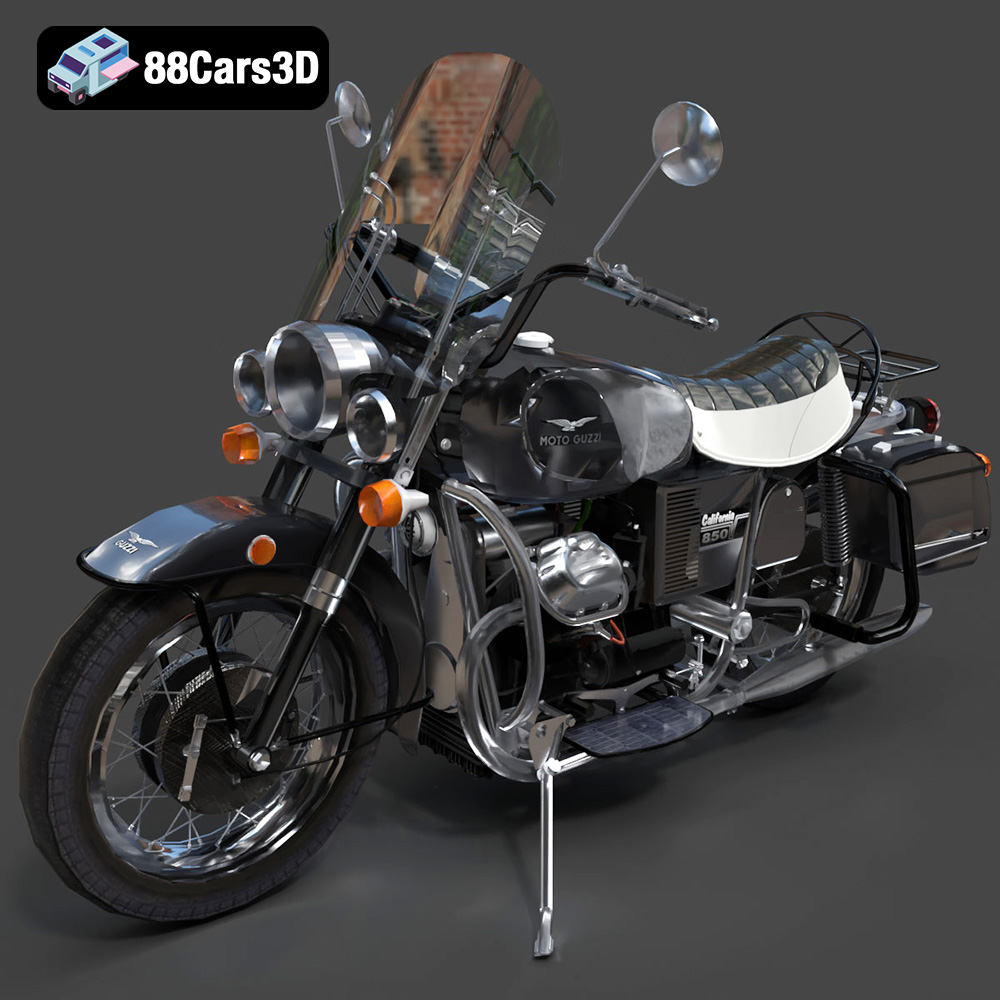
Texture: Yes
Material: Yes
Download the Moto Guzzi Classic Motorcycle 2024 3D Model featuring clean geometry, realistic detailing, and a fully modeled interior. Includes .blend, .fbx, .obj, .glb, .stl, .ply, .unreal, and .max formats for rendering, simulation, and game development.
Price: $10

Texture: Yes
Material: Yes
Download the Mercedes S-Class 2024 3D Model featuring clean geometry, realistic detailing, and a fully modeled interior. Includes .blend, .fbx, .obj, .glb, .stl, .ply, .unreal, and .max formats for rendering, simulation, and game development.
Price: $10
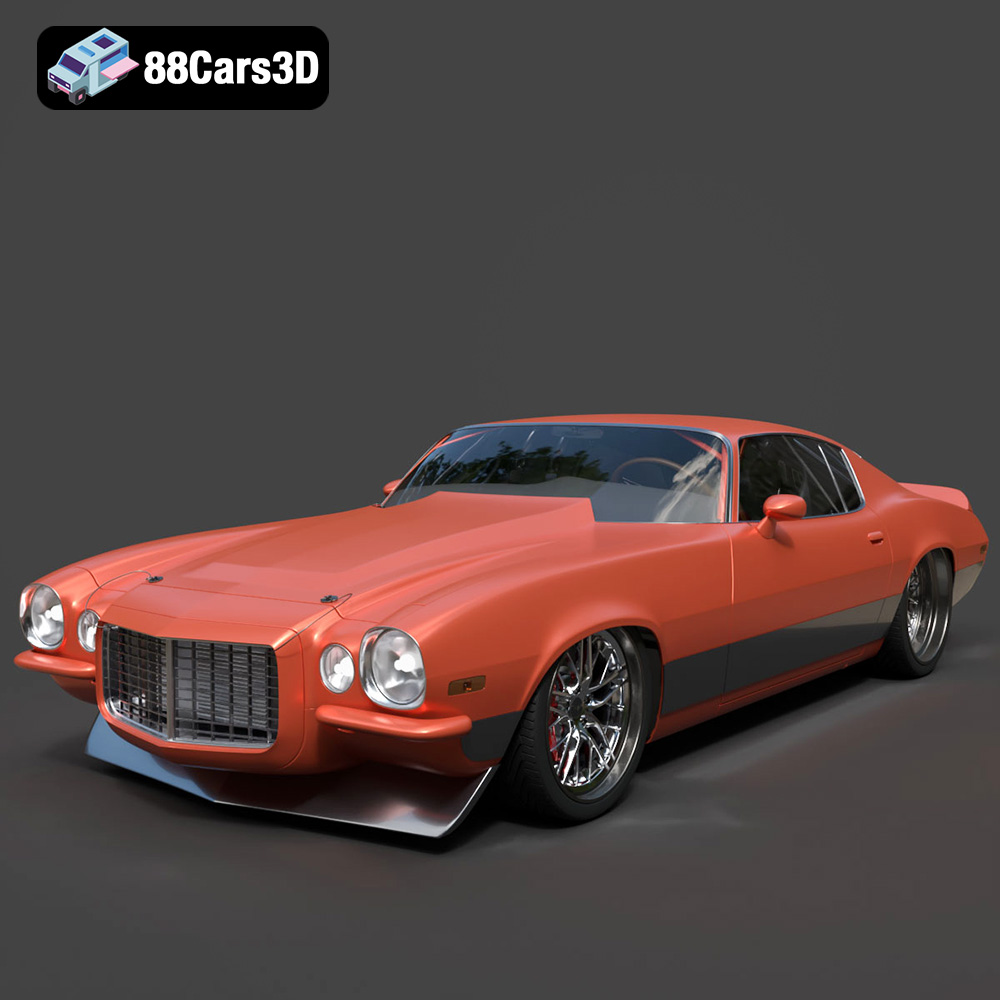
Texture: Yes
Material: Yes
Download the Chevrolet Camaro 1970 3D Model featuring clean geometry, realistic detailing, and a fully modeled interior. Includes .blend, .fbx, .obj, .glb, .stl, .ply, .unreal, and .max formats for rendering, simulation, and game development.
Price: $10

Texture: Yes
Material: Yes
Download the Mercedes-AMG GT 2015 3D Model featuring clean geometry, realistic detailing, and a fully modeled interior. Includes .blend, .fbx, .obj, .glb, .stl, .ply, .unreal, and .max formats for rendering, simulation, and game development.
Price: $88.99

Texture: Yes
Material: Yes
Download the Suzuki GSX-R 1000 3D Model featuring clean geometry, realistic detailing, and a fully modeled interior. Includes .blend, .fbx, .obj, .glb, .stl, .ply, .unreal, and .max formats for rendering, simulation, and game development.
Price: $10

Texture: Yes
Material: Yes
Download the Porsche Cayman S 2024 3D Model featuring clean geometry, realistic detailing, and a fully modeled interior. Includes .blend, .fbx, .obj, .glb, .stl, .ply, .unreal, and .max formats for rendering, simulation, and game development.
Price: $10

Texture: Yes
Material: Yes
Download the Holden Commodore Sportwagon 2017 3D Model featuring clean geometry, realistic detailing, and a fully modeled interior. Includes .blend, .fbx, .obj, .glb, .stl, .ply, .unreal, and .max formats for rendering, simulation, and game development.
Price: $10

Texture: Yes
Material: Yes
Download the Mitsubishi Colt 3 Door 2008 3D Model featuring clean geometry, realistic detailing, and a fully modeled interior. Includes .blend, .fbx, .obj, .glb, .stl, .ply, .unreal, and .max formats for rendering, simulation, and game development.
Price: $10

Texture: Yes
Material: Yes
Download the Mercedes-Benz S650 Pullman 3D Model featuring clean geometry, realistic detailing, and a fully modeled interior. Includes .blend, .fbx, .obj, .glb, .stl, .ply, .unreal, and .max formats for rendering, simulation, and game development.
Price: $95.99
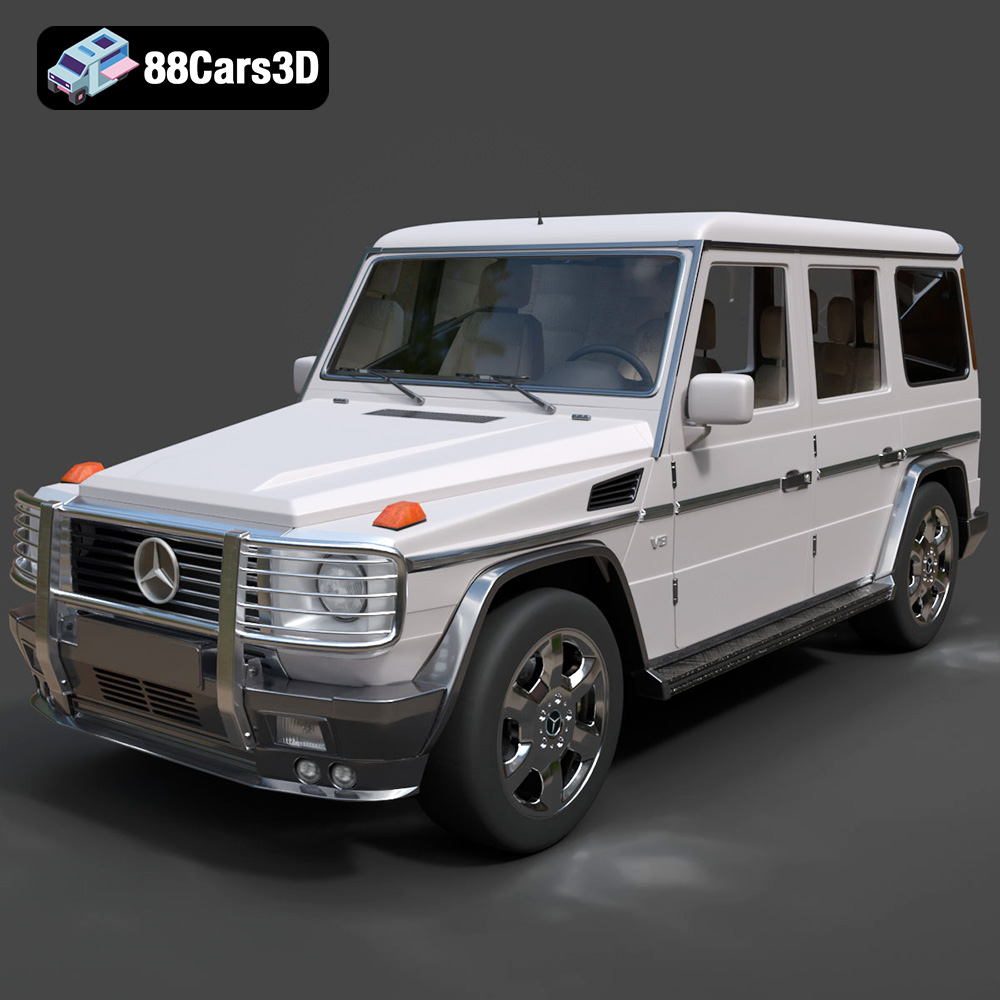
Texture: Yes
Material: Yes
Download the Mercedes G-Class SUV 2024 3D Model featuring clean geometry, realistic detailing, and a fully modeled interior. Includes .blend, .fbx, .obj, .glb, .stl, .ply, .unreal, and .max formats for rendering, simulation, and game development.
Price: $10

