Get 50% OFF All Premium 3D & STL Models!

“`html
The allure of automotive design and engineering is undeniable, and 3D printing offers an incredible way to bring those iconic shapes to life. Whether you’re a seasoned hobbyist, a budding engineer, or simply an automotive enthusiast, printing realistic car models from STL files opens up a world of possibilities. This guide will delve into the intricacies of the 3D printing process, focusing on optimizing your workflow from file preparation to post-processing, ensuring you achieve stunning, realistic results. We’ll explore essential techniques, software settings, material choices, and troubleshooting tips to master the art of 3D printing automotive masterpieces. By the end of this article, you’ll have a solid understanding of how to transform digital STL files into tangible, high-quality car models.
The foundation of any successful 3D print lies in the quality of the STL file. STL (Stereolithography) is a file format that represents 3D surfaces as a collection of triangles. While simple, understanding its nuances is crucial for achieving optimal results. A well-constructed STL file will have a closed, manifold mesh, meaning it’s watertight and has no holes or self-intersections. Poorly designed STL files often lead to printing errors, so meticulous preparation is key.
The density of triangles in an STL file directly impacts the smoothness and detail of the printed model. A higher triangle count results in a smoother surface but also increases file size and processing time. For car models, especially those with intricate curves and details, a balance must be struck. Platforms like 88cars3d.com often provide models optimized for printing, but it’s still important to understand how to evaluate and adjust mesh density. Use software like MeshMixer or Blender to inspect the mesh. Look for areas with visible facets (low resolution) or excessive triangle density (unnecessary detail). Remeshing tools can help to uniformly distribute triangles and optimize the file size without sacrificing critical details. A target triangle count of 500,000 to 1 million is a good starting point for a detailed car model around 15-20cm in length. Aim for smaller triangles in areas with curves and larger triangles in flat areas.
Before sending your STL file to the slicer, it’s imperative to check for and repair any errors. Non-manifold geometry, such as open edges, flipped normals, and self-intersections, can cause printing failures. Several software packages offer tools for automatic mesh repair. Netfabb Basic is a popular choice, providing robust tools for identifying and fixing common STL errors. MeshMixer also offers effective repair tools. When using these tools, pay attention to the repair settings. Sometimes, aggressive repair algorithms can inadvertently remove details or alter the intended shape of the model. For example, Netfabb’s “Automatic Repair” often works well, but for complex models, it’s best to manually inspect and fix errors using tools like “Close All Holes” and “Remove Duplicate Triangles.” Remember to always export the repaired STL file to ensure the changes are saved.
The slicing process is where the digital model is translated into instructions that the 3D printer can understand. The slicer software divides the model into thin layers and generates the G-code that controls the printer’s movements, temperature, and material extrusion. Choosing the right slicing parameters is critical for achieving high-quality prints. This involves carefully configuring layer height, infill density, print speed, temperature settings, and support structures.
Layer height significantly impacts the print resolution and overall print time. A smaller layer height, such as 0.1mm or 0.05mm, produces smoother surfaces and finer details. However, it also increases the print time considerably. For realistic car models, a layer height between 0.1mm and 0.15mm is generally recommended as a good balance between quality and speed. Experiment with different layer heights to find the optimal setting for your specific model and printer. Consider using adaptive layer height features in slicers like PrusaSlicer. This feature automatically adjusts the layer height based on the curvature of the model, using thinner layers for curved surfaces and thicker layers for flat surfaces, optimizing both print quality and speed.
Infill refers to the internal structure of the 3D printed object. While a solid infill provides maximum strength, it also increases material consumption and print time. For car models, a balance between strength and material usage is desirable. Infill density is typically expressed as a percentage, with 0% being hollow and 100% being solid. A density of 15-25% is usually sufficient for car models, providing adequate strength without excessive material usage. Experiment with different infill patterns, such as grid, gyroid, or honeycomb. Gyroid infill offers excellent strength-to-weight ratio and is a good choice for models that require structural integrity. For areas that require extra strength, such as mounting points for wheels or axles, consider using a higher infill density or adding localized reinforcement.
Support structures are essential for printing models with overhangs or intricate geometries. They provide a temporary base for the printer to build upon. However, generating and removing supports can be a delicate process. Poorly placed or inadequately designed supports can damage the model’s surface during removal. Therefore, understanding support generation settings and employing effective removal techniques is crucial.
The goal of support generation is to provide adequate support without excessive material usage or potential damage to the model’s surface. Slicers like Cura and PrusaSlicer offer various support generation options, including tree supports, linear supports, and customizable support settings. For car models, tree supports are often a good choice, as they use less material and are easier to remove than linear supports. Adjust the support density, angle, and overhang threshold to optimize support placement. A support overhang angle of 45-60 degrees is a good starting point. Consider using support blockers to prevent supports from being generated in areas where they are not needed or where they might be difficult to remove. Experiment with different support settings to find the optimal configuration for your specific model. Remember that when downloading models from marketplaces such as 88cars3d.com, the models are often designed with optimal support considerations in mind.
Removing supports without damaging the model requires patience and the right tools. Start by carefully detaching the supports from the build plate. Use a sharp knife or flush cutters to trim away the supports close to the model’s surface. For delicate areas, consider using a heat gun or hot air to soften the supports before removal. Be careful not to overheat the model, as this can cause warping or melting. After removing the bulk of the supports, use sandpaper or a rotary tool to smooth any remaining support marks. Start with a coarse grit sandpaper (e.g., 220 grit) and gradually move to finer grits (e.g., 400 grit, 600 grit) to achieve a smooth, even surface. For difficult-to-reach areas, consider using specialized tools like dental picks or small files.
The choice of material significantly impacts the strength, appearance, and durability of the 3D printed car model. The most common materials for FDM (Fused Deposition Modeling) printing are PLA, PETG, and ABS. Resin printing, using materials like epoxy-based resins, offers even finer detail and smoother surfaces but requires a different printing process.
PLA (Polylactic Acid) is a biodegradable thermoplastic known for its ease of use and relatively low printing temperature. It’s a good choice for beginners and for models that don’t require high strength or heat resistance. PETG (Polyethylene Terephthalate Glycol) offers a good balance of strength, flexibility, and heat resistance. It’s more durable than PLA and is a good choice for models that will be subjected to some stress or outdoor use. ABS (Acrylonitrile Butadiene Styrene) is a strong, heat-resistant thermoplastic that is commonly used in automotive applications. However, it’s more difficult to print than PLA or PETG and requires a heated bed and enclosure to prevent warping. When selecting an FDM material, consider the intended use of the model, the level of detail required, and your printing experience. For a display model, PLA or PETG may be sufficient. For a functional model that will be handled frequently, PETG or ABS would be a better choice.
Resin printing, also known as stereolithography (SLA) or digital light processing (DLP), uses liquid resin that is cured by UV light. Resin printing offers significantly higher resolution and smoother surfaces than FDM printing. This makes it ideal for printing highly detailed car models. However, resin printing also has its drawbacks. Resin materials are generally more expensive than FDM filaments, and the printing process can be more messy and time-consuming. Resin prints also require post-processing, including washing and curing. When choosing a resin material, consider the desired properties of the model, such as strength, flexibility, and heat resistance. There are various types of resins available, including standard resins, tough resins, and flexible resins. For car models, a tough resin is a good choice, as it provides good strength and durability. Always follow the manufacturer’s instructions for printing and post-processing resin models. Use proper personal protective equipment (PPE), such as gloves and safety glasses, when handling resin materials.
Post-processing is the final stage of the 3D printing process, where the model is refined and finished to achieve the desired appearance and functionality. This typically involves sanding, painting, and assembly of multiple parts. Careful post-processing can significantly enhance the realism and quality of the printed car model.
Sanding is essential for removing layer lines and support marks from the 3D printed surface. Start with a coarse grit sandpaper (e.g., 220 grit) to remove major imperfections. Gradually move to finer grits (e.g., 400 grit, 600 grit, 800 grit) to achieve a smooth, even surface. Wet sanding can help to prevent the sandpaper from clogging and produce a smoother finish. Use a sanding block or sponge to ensure even pressure and prevent gouging the surface. For difficult-to-reach areas, consider using small files or a rotary tool with a sanding attachment. After sanding, clean the model thoroughly to remove any sanding dust before painting. Consider using filler primer to fill in any remaining imperfections before painting. Apply thin, even coats of primer and allow it to dry completely before sanding again with fine-grit sandpaper (e.g., 800 grit). This will create a smooth, uniform surface for painting.
Painting is where the car model truly comes to life. Choose paints that are compatible with the material used for printing. Acrylic paints are a good choice for PLA and PETG, while enamel paints are often used for ABS. Apply thin, even coats of paint using an airbrush or spray paint. Allow each coat to dry completely before applying the next. Use masking tape to create sharp lines and prevent overspray. Consider using stencils to add intricate details, such as logos or racing stripes. After painting, apply a clear coat to protect the paint and add a glossy finish. For a more realistic appearance, consider using weathering techniques, such as dry brushing or washes, to simulate dirt, grime, and wear. Pay attention to details such as panel lines, trim, and lights. Highlighting these details with different colors or shades can significantly enhance the realism of the model.
3D printing, while rewarding, can also be frustrating at times. Common issues include warping, bed adhesion problems, stringing, and layer shifting. Understanding the causes of these issues and knowing how to troubleshoot them is essential for successful 3D printing.
Warping occurs when the corners of the printed object lift off the build plate. This is often caused by uneven cooling or poor bed adhesion. To prevent warping, ensure that the build plate is clean and level. Use a bed adhesive, such as glue stick, hairspray, or blue painter’s tape, to improve bed adhesion. Adjust the bed temperature to the recommended setting for the material being used. Enclosing the printer can help to maintain a consistent temperature and prevent warping, especially when printing with ABS. If warping persists, consider adding a brim or raft to the model to increase the contact area with the build plate. A brim is a single-layer outline that surrounds the model, while a raft is a multi-layer platform that the model is printed on. Experiment with different bed adhesion techniques to find the one that works best for your printer and material. Regularly clean the build plate with isopropyl alcohol to remove any oils or residues that could affect adhesion.
Stringing occurs when the printer extrudes material while moving between different parts of the model, leaving thin strands of plastic behind. This is often caused by excessive retraction, high printing temperature, or slow travel speed. To reduce stringing, adjust the retraction settings in the slicer software. Increase the retraction distance and speed. Lower the printing temperature. Increase the travel speed. Layer shifting occurs when the printer’s X or Y axis unexpectedly shifts during printing. This can be caused by loose belts, motor problems, or insufficient power supply. Check the belts and pulleys to ensure that they are tight and properly aligned. Inspect the motors and drivers for any signs of damage or overheating. Ensure that the power supply is providing adequate power to the printer. If layer shifting persists, consider reducing the print speed or simplifying the model’s geometry. Other common print defects include over-extrusion, under-extrusion, and z-wobble. Over-extrusion occurs when the printer extrudes too much material, resulting in a rough or blobby surface. Under-extrusion occurs when the printer extrudes too little material, resulting in gaps or weak layers. Z-wobble is a wavy pattern that appears on the vertical surfaces of the printed object. To resolve these issues, calibrate the extruder, adjust the flow rate, and ensure that the Z-axis is properly aligned. Reference your 3D printer’s documentation or online forums for specific troubleshooting steps.
3D printing realistic car models from STL files is a journey that combines technical knowledge with artistic expression. By understanding the intricacies of STL file preparation, slicing parameters, support generation, material selection, and post-processing techniques, you can transform digital designs into tangible works of art. Platforms like 88cars3d.com offer print-ready STL files and can be a great resource. Remember to experiment with different settings, learn from your mistakes, and continuously refine your workflow. With dedication and practice, you’ll be well on your way to creating stunning, realistic car models that capture the beauty and engineering of the automotive world. Take the next step: Download a high-quality STL file, experiment with different slicing settings, and start printing your own automotive masterpiece today!
“`
Texture: Yes
Material: Yes
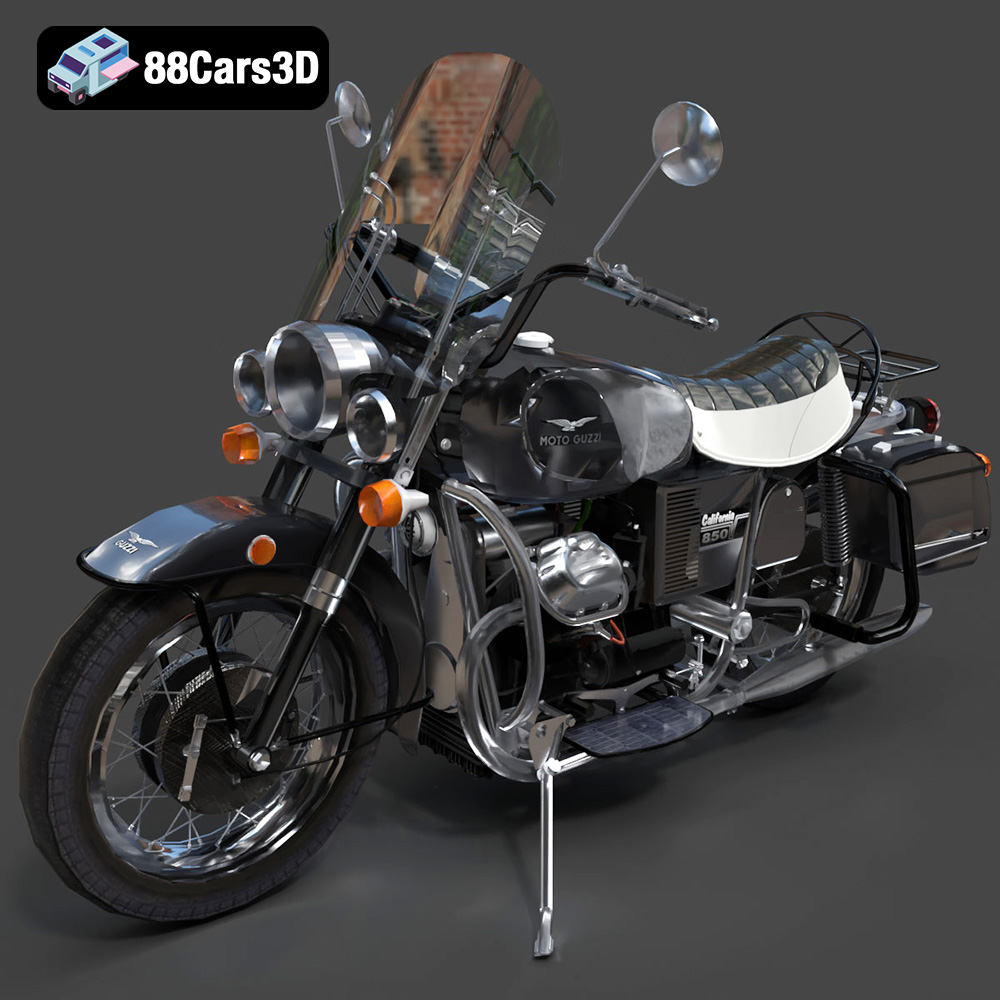
Download the Moto Guzzi Classic Motorcycle 2024 3D Model featuring clean geometry, realistic detailing, and a fully modeled interior. Includes .blend, .fbx, .obj, .glb, .stl, .ply, .unreal, and .max formats for rendering, simulation, and game development.
Price: $10

Texture: Yes
Material: Yes
Download the Mercedes S-Class 2024 3D Model featuring clean geometry, realistic detailing, and a fully modeled interior. Includes .blend, .fbx, .obj, .glb, .stl, .ply, .unreal, and .max formats for rendering, simulation, and game development.
Price: $10

Texture: Yes
Material: Yes
Download the Chevrolet Camaro 1970 3D Model featuring clean geometry, realistic detailing, and a fully modeled interior. Includes .blend, .fbx, .obj, .glb, .stl, .ply, .unreal, and .max formats for rendering, simulation, and game development.
Price: $10

Texture: Yes
Material: Yes
Download the Mercedes-AMG GT 2015 3D Model featuring clean geometry, realistic detailing, and a fully modeled interior. Includes .blend, .fbx, .obj, .glb, .stl, .ply, .unreal, and .max formats for rendering, simulation, and game development.
Price: $88.99

Texture: Yes
Material: Yes
Download the Suzuki GSX-R 1000 3D Model featuring clean geometry, realistic detailing, and a fully modeled interior. Includes .blend, .fbx, .obj, .glb, .stl, .ply, .unreal, and .max formats for rendering, simulation, and game development.
Price: $10

Texture: Yes
Material: Yes
Download the Porsche Cayman S 2024 3D Model featuring clean geometry, realistic detailing, and a fully modeled interior. Includes .blend, .fbx, .obj, .glb, .stl, .ply, .unreal, and .max formats for rendering, simulation, and game development.
Price: $10

Texture: Yes
Material: Yes
Download the Holden Commodore Sportwagon 2017 3D Model featuring clean geometry, realistic detailing, and a fully modeled interior. Includes .blend, .fbx, .obj, .glb, .stl, .ply, .unreal, and .max formats for rendering, simulation, and game development.
Price: $10
Texture: Yes
Material: Yes
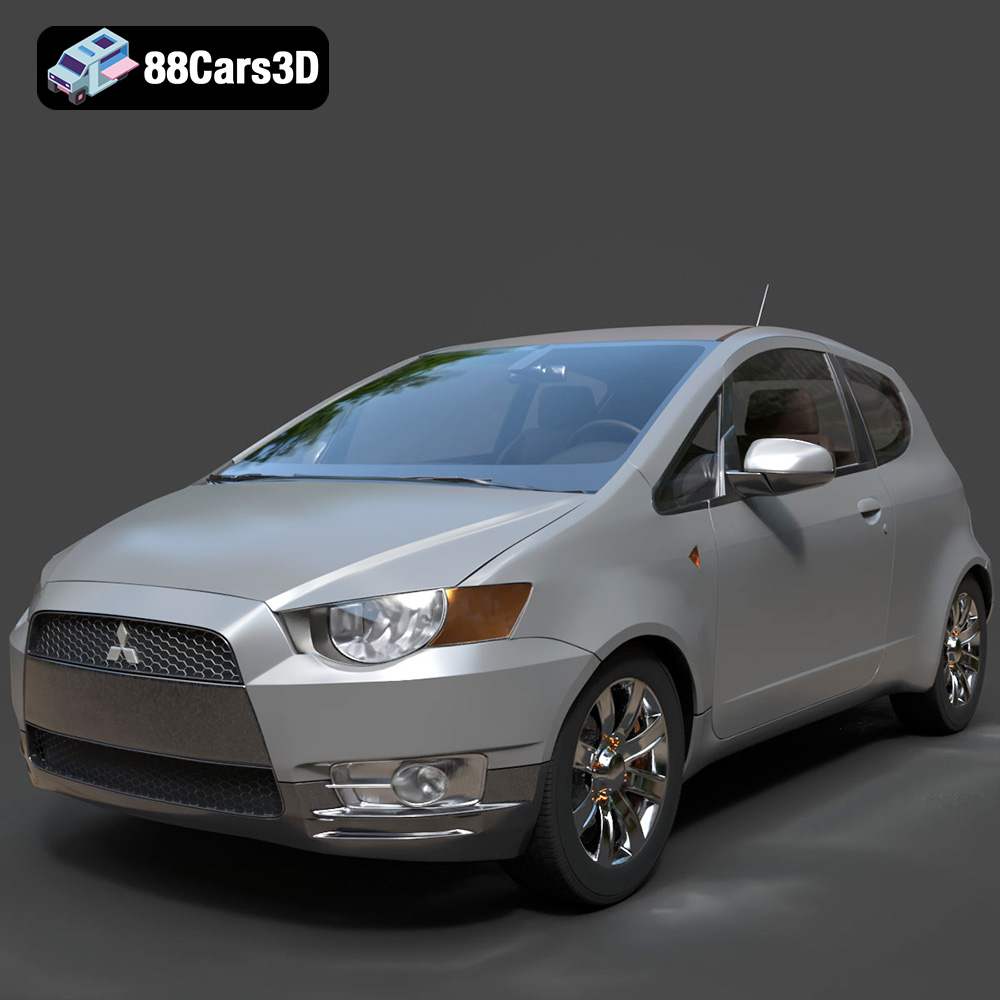
Download the Mitsubishi Colt 3 Door 2008 3D Model featuring clean geometry, realistic detailing, and a fully modeled interior. Includes .blend, .fbx, .obj, .glb, .stl, .ply, .unreal, and .max formats for rendering, simulation, and game development.
Price: $10
Texture: Yes
Material: Yes
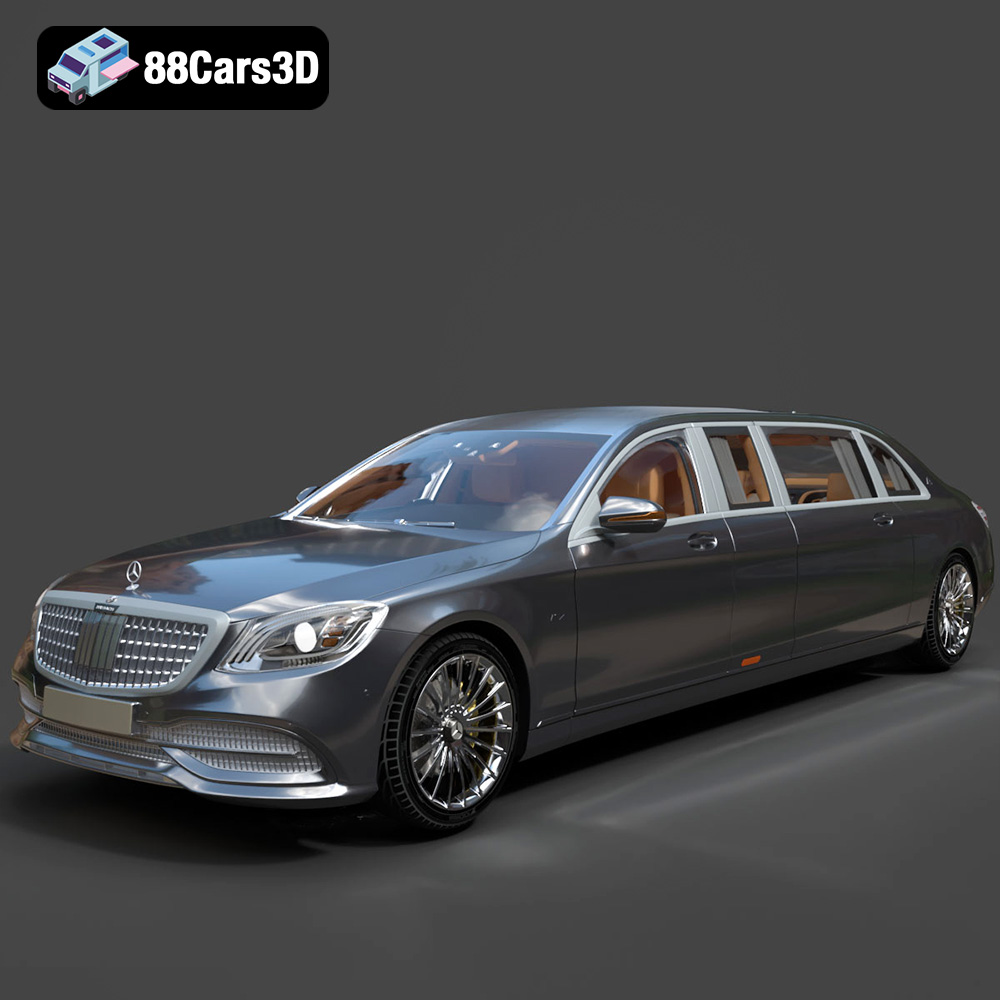
Download the Mercedes-Benz S650 Pullman 3D Model featuring clean geometry, realistic detailing, and a fully modeled interior. Includes .blend, .fbx, .obj, .glb, .stl, .ply, .unreal, and .max formats for rendering, simulation, and game development.
Price: $95.99
Texture: Yes
Material: Yes
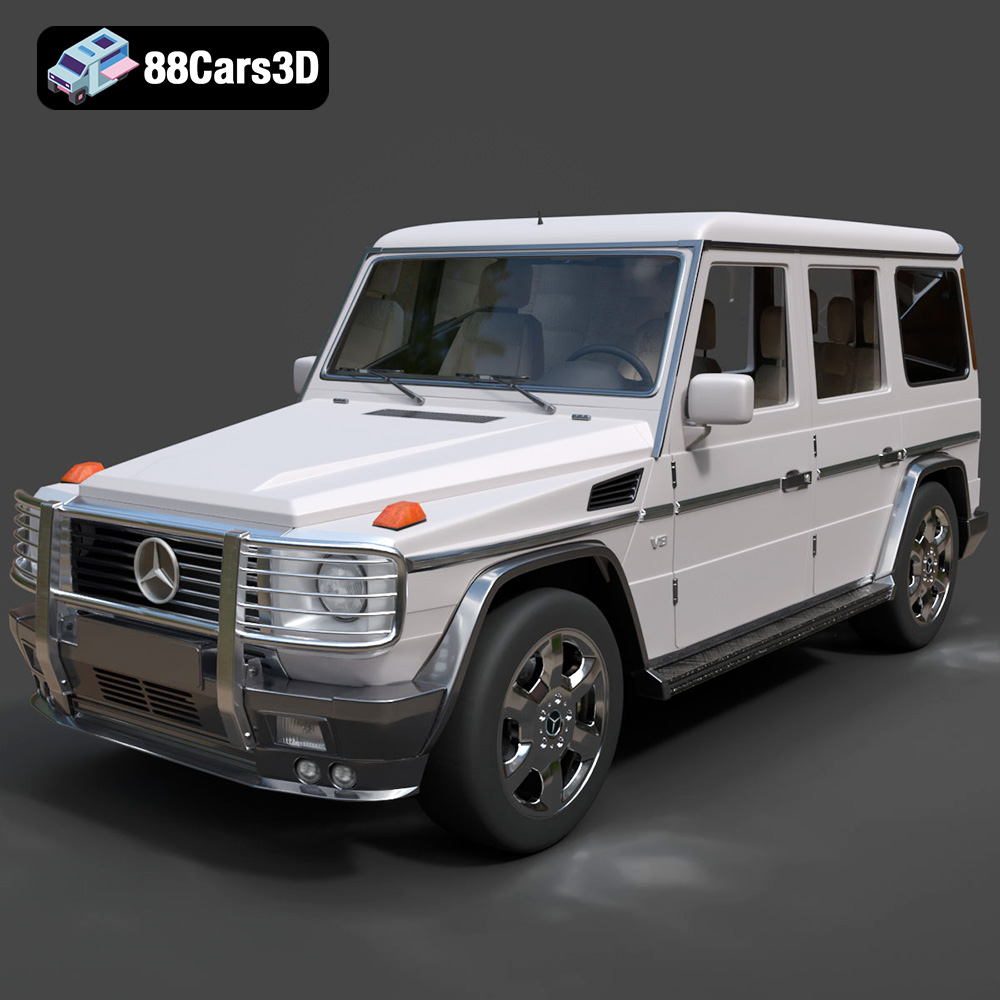
Download the Mercedes G-Class SUV 2024 3D Model featuring clean geometry, realistic detailing, and a fully modeled interior. Includes .blend, .fbx, .obj, .glb, .stl, .ply, .unreal, and .max formats for rendering, simulation, and game development.
Price: $10

