Get 50% OFF All Premium 3D & STL Models!

“`html
For years, 3D artists and real-time rendering specialists in the automotive industry have been locked in a constant battle with polygon counts. The dream has always been to use cinematic-quality, high-poly 3D car models—the kind straight from a digital sculptor’s toolkit—directly within a real-time engine without compromise. This pursuit often led to a painstaking and time-consuming process of manual retopology, Level of Detail (LOD) creation, and normal map baking, all in an effort to trick the eye into seeing detail that wasn’t truly there. With the arrival of Unreal Engine 5, this paradigm has been shattered. Epic Games introduced Nanite, a virtualized micropolygon geometry system that fundamentally changes how we interact with and render complex geometry. This technology is not just an incremental improvement; it’s a revolutionary leap forward, especially for industries like automotive visualization that thrive on detail and precision. In this comprehensive guide, we will dive deep into Nanite, exploring how this groundbreaking technology empowers you to create breathtaking, real-time automotive experiences with unprecedented fidelity and efficiency.
At its core, Nanite is Unreal Engine’s virtualized geometry system that allows for the rendering of an immense number of polygons and objects with exceptional performance. It intelligently streams and processes only the geometric detail that can be perceived by the viewer, effectively decoupling scene complexity from real-time performance constraints. This means that multi-million polygon 3D car models, once reserved for offline ray-traced renders, can now be rendered in real-time at high frame rates. But how does it actually achieve this? It’s not magic, but a brilliant combination of advanced software engineering.
Nanite works by taking the source high-polygon mesh and analyzing its structure. It then breaks the mesh down into hierarchical groups of triangles called “clusters.” These clusters are stored in a highly compressed format and are designed to be streamed from disk and decompressed on the GPU with incredible speed. Instead of loading the entire 10-million-polygon car model into VRAM, Nanite only loads the clusters necessary to represent the car’s silhouette and details for the current camera view. This on-demand streaming is the foundation of its efficiency, ensuring memory usage and rendering costs are tied to what’s on-screen, not the total complexity of the source asset.
During rendering, Nanite evaluates which clusters are needed and at what level of detail based on their screen-space size. A cluster representing a distant wheel might be rendered with just a few triangles, while a cluster for a headlight up close will be rendered with thousands. This process is so precise that Nanite aims to render only one triangle per pixel of screen space, achieving an incredible level of detail without wasting rendering resources on geometry that is too small to be seen. This dynamic LOD generation is fully automatic and far more granular than traditional, manually created LOD meshes. This eliminates the jarring “pop-in” effect often seen when switching between discrete LOD levels in older workflows.
The traditional workflow involved creating 3 to 5 distinct versions of a model (LOD0, LOD1, LOD2, etc.), each with a progressively lower polygon count. This was a tedious, manual process that required significant artist time and introduced potential for visual inconsistencies. Nanite completely automates this. The source mesh you import is the only one you need. Nanite generates the equivalent of thousands of continuous LOD levels on the fly. This not only saves countless hours of production time but also guarantees that the rendered detail is always the maximum possible for the given view, preserving the original artistic intent of the modeler down to the finest detail.
While Nanite is incredibly powerful, preparing your assets correctly ensures you get the most out of the technology. The new mantra is “don’t decimate, detail.” The system thrives on high-resolution source geometry. This is where high-quality asset marketplaces become invaluable. When sourcing 3D car models from platforms like 88cars3d.com, you can be confident that you are getting master-level assets with the polygon density needed to truly shine with Nanite.
The ideal Nanite mesh is a high-polygon, closed (or “watertight”) static mesh. Think of the source sculpts or CAD data conversions that used to be the starting point for a long optimization process. Now, they are the ideal input for Nanite. Look for models with polygon counts in the millions, featuring intricate details like dashboard stitching, brake caliper branding, and complex wheel spokes. These are the elements that were previously simplified or baked into normal maps but can now be represented with actual geometry. Ensure the model has clean topology, even if it’s dense, as this helps Nanite’s clustering algorithm work more efficiently. Avoid models with complex overlapping shells or non-manifold geometry where possible.
When importing your FBX or USD file into Unreal Engine, the process is largely the same, but with a few key settings to keep in mind for Nanite.
The “Build Nanite” option is available directly in the static mesh import settings, allowing you to enable it from the very beginning of the workflow.
Once imported and enabled, Unreal Engine provides powerful visualization tools to confirm Nanite is functioning correctly. In the level viewport, under “View Modes,” you will find the Nanite Visualization submenu.
Integrating a Nanite-enabled 3D car model into a scene is a straightforward process, but understanding the material and performance implications is key to a successful project. The workflow frees you from polygon budget worries and lets you focus on the creative aspects of your automotive visualization.
If you didn’t enable Nanite during import, you can do so at any time. Simply open the Static Mesh Editor by double-clicking the asset in the Content Browser. In the “Details” panel, navigate to the “Nanite Settings” section. Check the “Enable Nanite Support” box and click “Apply Changes.” The editor will then process the mesh, which may take a few moments for particularly dense models. You can also adjust the “Position Precision” setting to optimize for mesh size versus accuracy, though the default settings are usually sufficient for automotive models. For further detailed guidance on these settings, the official Unreal Engine documentation at https://dev.epicgames.com/community/unreal-engine/learning is an excellent resource.
Nanite works best with fully opaque materials. While support is expanding, features like transparency, translucency, and complex World Position Offset (WPO) animations are currently limited or have performance implications. For automotive projects, this is rarely an issue for car paint, metals, and plastics. However, for glass and light covers, you’ll need a separate, non-Nanite mesh. A common workflow is to have the car body, interior, and wheels as a single Nanite mesh, with separate traditional static meshes for the glass components. It’s also important to be mindful of material complexity. Nanite reduces the geometry cost, but complex shaders with many texture lookups can still be a performance factor. Keep your master car paint and material shaders optimized for best results.
To monitor Nanite’s performance, use the console command `NaniteStats`. This will display an overlay with crucial information, including the number of Nanite-culled clusters and the total number of triangles being rendered. This is far more informative than a traditional poly-count budget. You’ll notice that the number of rendered triangles fluctuates dramatically as you move the camera, which is Nanite’s core strength in action. This allows you to build incredibly dense scenes, such as a full car dealership or a detailed urban environment, without the performance hit you would expect from traditional rendering pipelines.
Nanite solves the geometry problem, but what about lighting? This is where Lumen, Unreal Engine 5’s fully dynamic global illumination and reflections system, comes in. Nanite and Lumen are designed to work in concert, leveraging each other’s strengths to produce stunning, photorealistic results that were previously impossible in real-time rendering.
Lumen generates its high-quality lighting solution by tracing rays against a simplified representation of the scene. When Nanite is used, Lumen can access the full-detail mesh data. This means that subtle ambient occlusion in the panel gaps of a car, soft shadows cast by the side-view mirror, and intricate light bounces within a detailed interior are all captured with incredible accuracy. Without Nanite, this level of detail would be lost on a simplified LOD mesh. The combination allows for incredibly realistic lighting that reacts instantly to any changes, whether it’s opening a car door or driving through a tunnel.
For automotive visualization, reflections are paramount. Lumen’s reflection system also benefits immensely from Nanite. It can trace against the high-poly Nanite geometry, resulting in sharp, accurate reflections that ground the vehicle in its environment. You can see the detailed environment reflected perfectly across the curved surfaces of the car’s bodywork. This eliminates the need for complex workarounds like pre-baked cubemaps or planar reflections for many scenarios, streamlining the process of creating dynamic and believable scenes. When combined with high-quality PBR materials, the results are virtually indistinguishable from offline renders.
Beyond creating stunning still images and cinematic sequences, Nanite opens the door to a new generation of interactive automotive experiences. The ability to use high-fidelity models without performance penalty unlocks applications that were previously impractical or prohibitively expensive to develop.
Imagine a real-time car configurator where the user can customize every option—from wheel rims to interior trim—and see the results instantly rendered with cinematic quality. With Nanite, you don’t need to compromise on the geometry for each swappable part. Every wheel option can be a multi-hundred-thousand polygon model, and the interior can feature finely modeled stitching and textures. Building a high-end configurator starts with a detailed base model, and using pre-optimized game assets from providers such as 88cars3d.com can significantly accelerate this process. Using Blueprint visual scripting, you can easily create logic to swap between these high-detail Nanite meshes, providing a seamless and incredibly immersive customer experience.
In the world of virtual production for film and advertising, Nanite is a game-changer. Automotive commercials are often shot against LED walls running Unreal Engine scenes. Nanite allows these virtual environments and the digital car models themselves to be rendered with final-render quality in real-time on set. This provides accurate lighting and reflections on the real-world vehicle and allows directors to make creative decisions on the fly, knowing that what they see in-camera is what they will get in the final shot, drastically reducing post-production time and costs.
It’s important to acknowledge Nanite’s current limitations. As of now, it does not support skeletal meshes (used for character animation or complex mechanical rigs), deformable meshes, or materials using transparency. As mentioned, the common workaround for car models is to separate transparent elements like windows and light lenses into standard static meshes. For animated parts like a convertible roof or complex suspension, you would typically rig and animate those as skeletal meshes, leaving the static body as a Nanite mesh. The technology is constantly evolving, and Epic Games continues to expand its capabilities with each engine update.
Unreal Engine 5’s Nanite technology represents a fundamental shift in the landscape of real-time rendering and automotive visualization. By removing the long-standing barrier of polygon budgets, it empowers artists, designers, and developers to focus on what truly matters: creativity and quality. The tedious, technical hurdles of mesh optimization and LOD creation are now largely a thing of the past. This allows for workflows that are faster, more flexible, and capable of producing a level of visual fidelity that was once the exclusive domain of offline, non-interactive rendering.
By pairing high-quality 3D car models with the power of Nanite and Lumen, you can build everything from photorealistic cinematic animations in Sequencer to fully interactive car configurators and immersive VR/AR experiences. The technology encourages you to embrace complexity and detail, knowing that the engine can handle it gracefully. As you embark on your next Unreal Engine project, we encourage you to start with the highest quality assets you can find and let Nanite do the heavy lifting. The results will not only elevate the quality of your work but will also transform your entire creative process, unlocking new possibilities for visualizing the future of automotive design.
“`
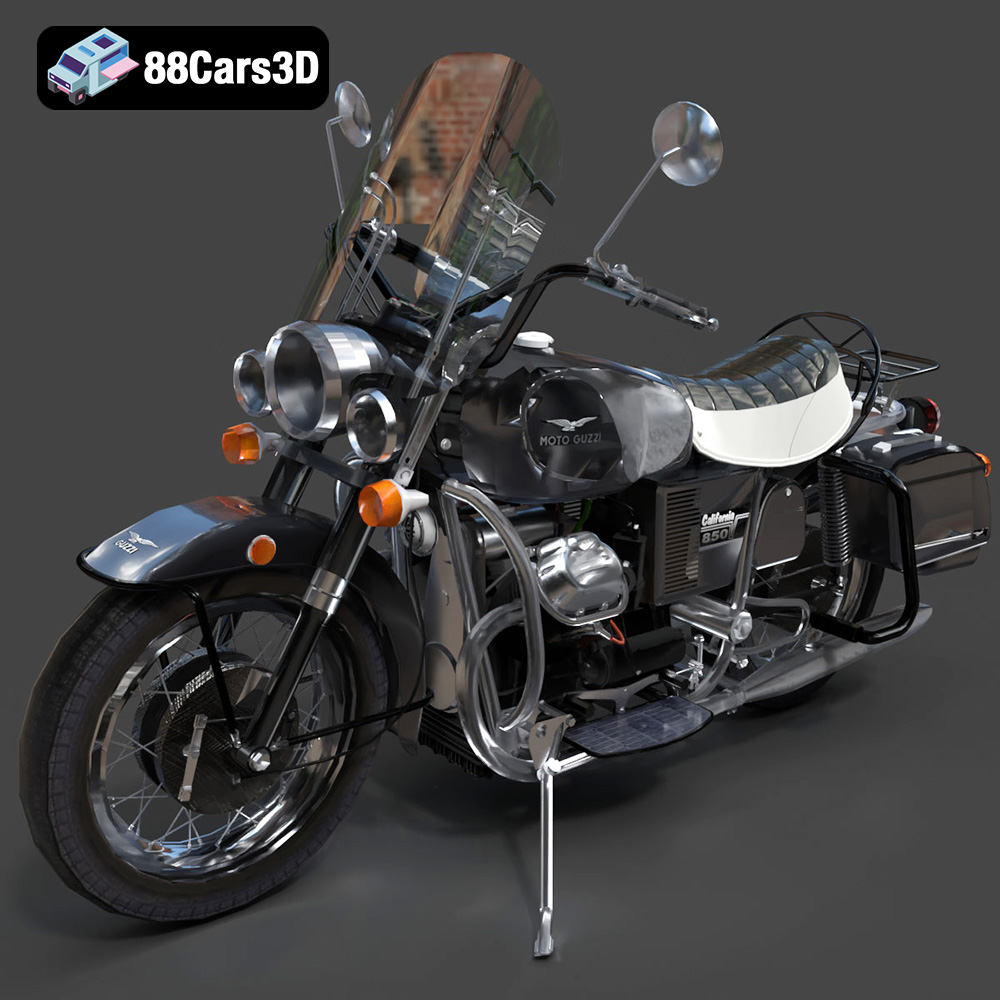
Texture: Yes
Material: Yes
Download the Moto Guzzi Classic Motorcycle 2024 3D Model featuring clean geometry, realistic detailing, and a fully modeled interior. Includes .blend, .fbx, .obj, .glb, .stl, .ply, .unreal, and .max formats for rendering, simulation, and game development.
Price: $10

Texture: Yes
Material: Yes
Download the Mercedes S-Class 2024 3D Model featuring clean geometry, realistic detailing, and a fully modeled interior. Includes .blend, .fbx, .obj, .glb, .stl, .ply, .unreal, and .max formats for rendering, simulation, and game development.
Price: $10
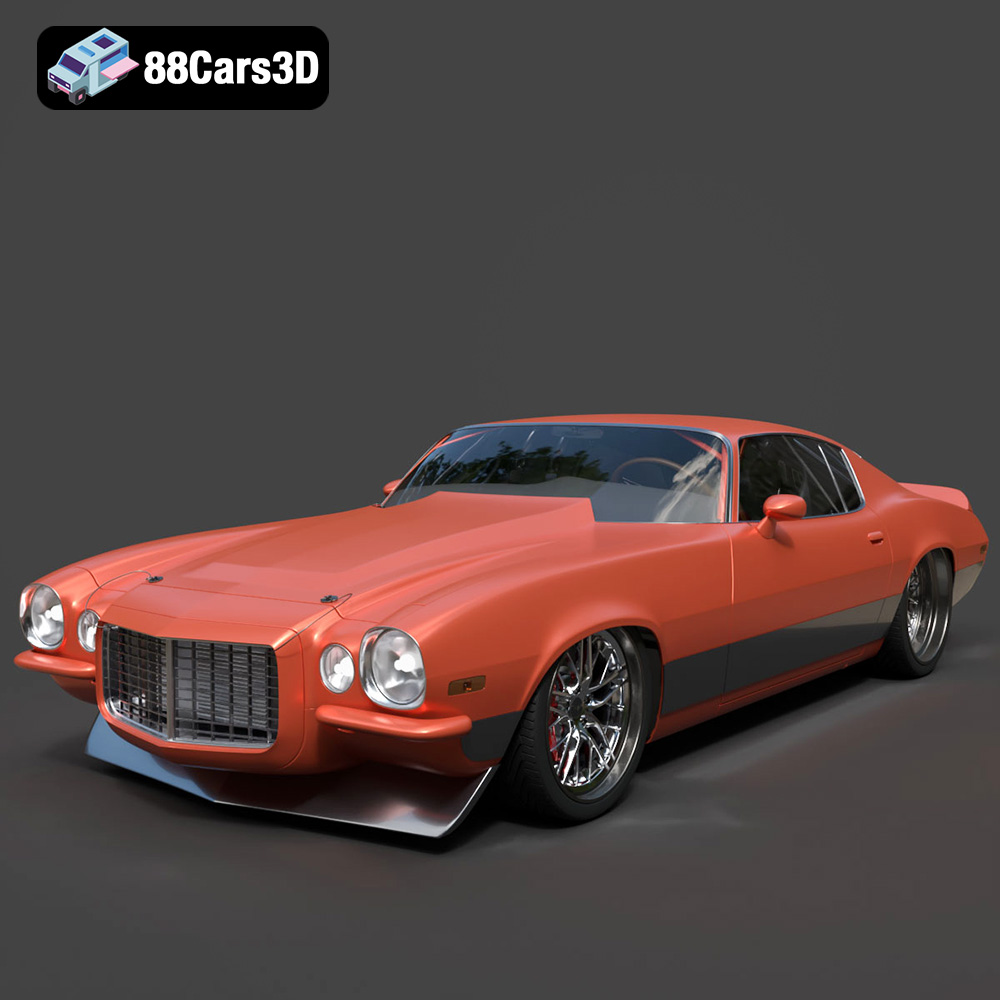
Texture: Yes
Material: Yes
Download the Chevrolet Camaro 1970 3D Model featuring clean geometry, realistic detailing, and a fully modeled interior. Includes .blend, .fbx, .obj, .glb, .stl, .ply, .unreal, and .max formats for rendering, simulation, and game development.
Price: $10
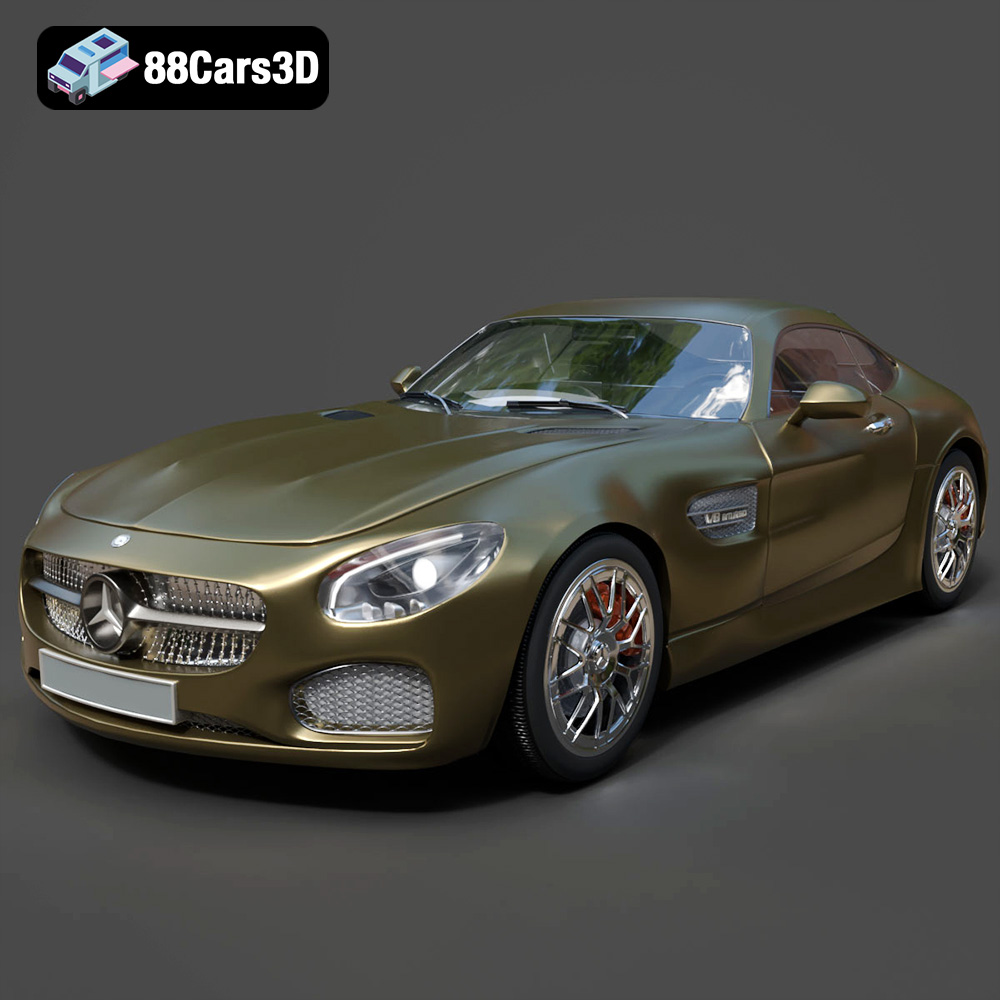
Texture: Yes
Material: Yes
Download the Mercedes-AMG GT 2015 3D Model featuring clean geometry, realistic detailing, and a fully modeled interior. Includes .blend, .fbx, .obj, .glb, .stl, .ply, .unreal, and .max formats for rendering, simulation, and game development.
Price: $88.99
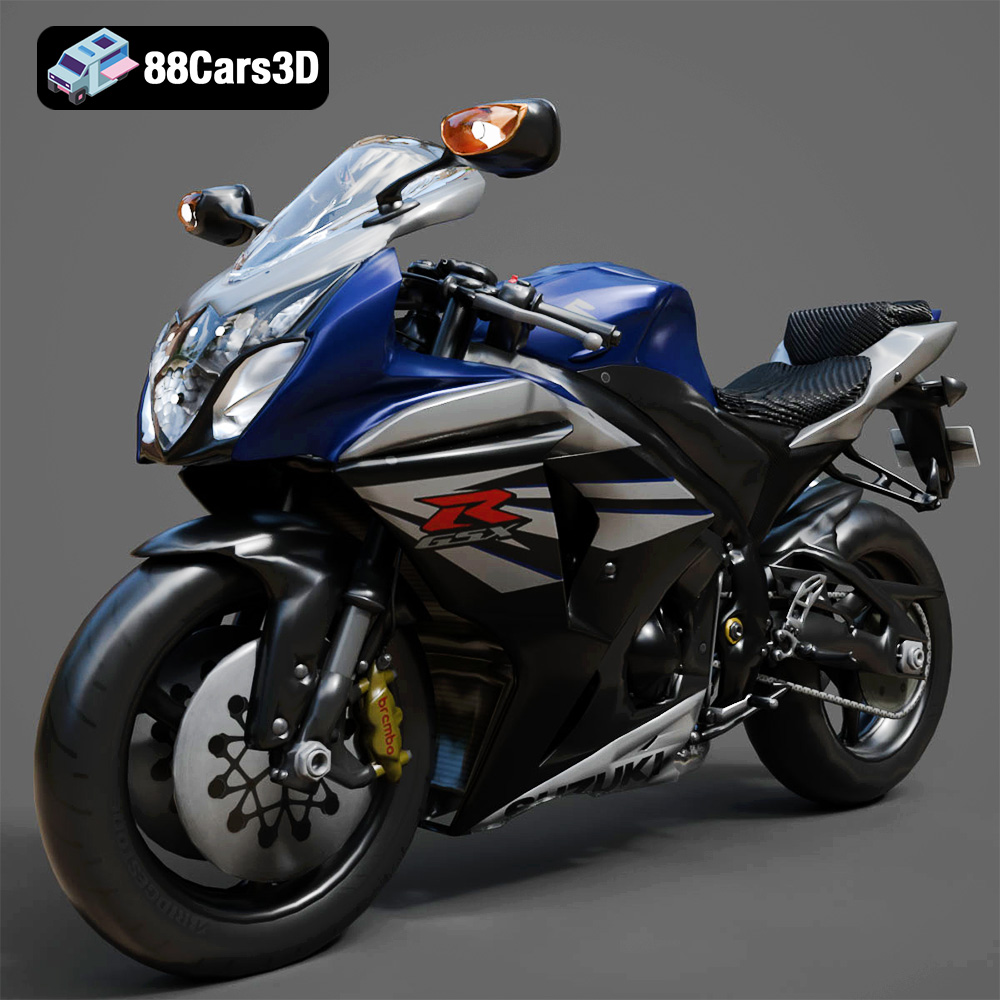
Texture: Yes
Material: Yes
Download the Suzuki GSX-R 1000 3D Model featuring clean geometry, realistic detailing, and a fully modeled interior. Includes .blend, .fbx, .obj, .glb, .stl, .ply, .unreal, and .max formats for rendering, simulation, and game development.
Price: $10
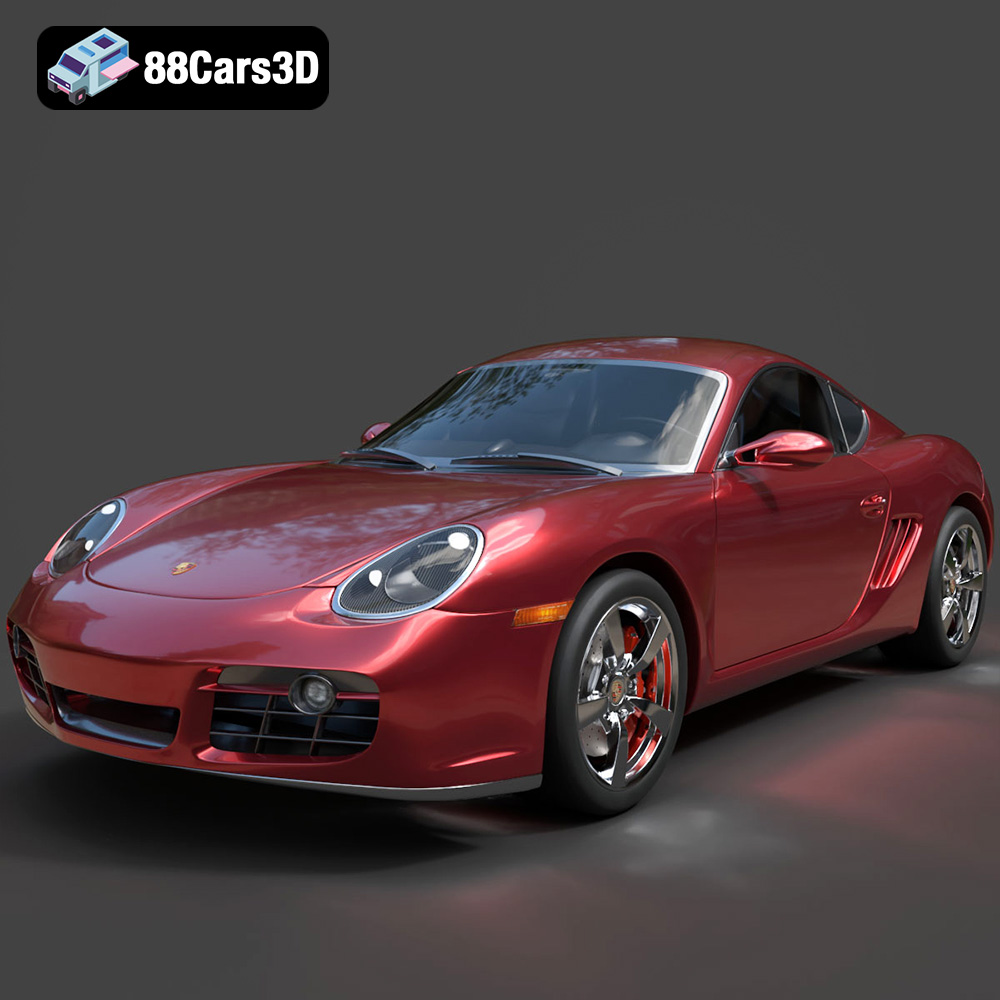
Texture: Yes
Material: Yes
Download the Porsche Cayman S 2024 3D Model featuring clean geometry, realistic detailing, and a fully modeled interior. Includes .blend, .fbx, .obj, .glb, .stl, .ply, .unreal, and .max formats for rendering, simulation, and game development.
Price: $10
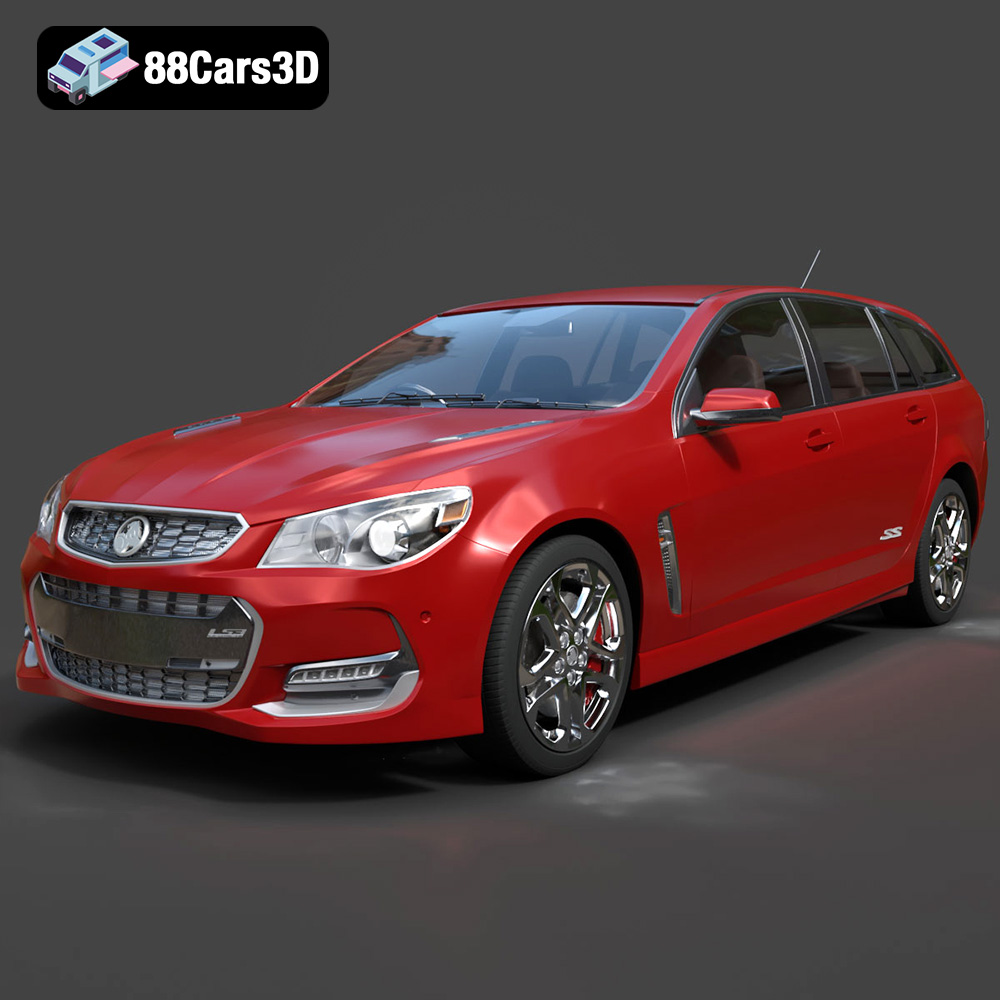
Texture: Yes
Material: Yes
Download the Holden Commodore Sportwagon 2017 3D Model featuring clean geometry, realistic detailing, and a fully modeled interior. Includes .blend, .fbx, .obj, .glb, .stl, .ply, .unreal, and .max formats for rendering, simulation, and game development.
Price: $10
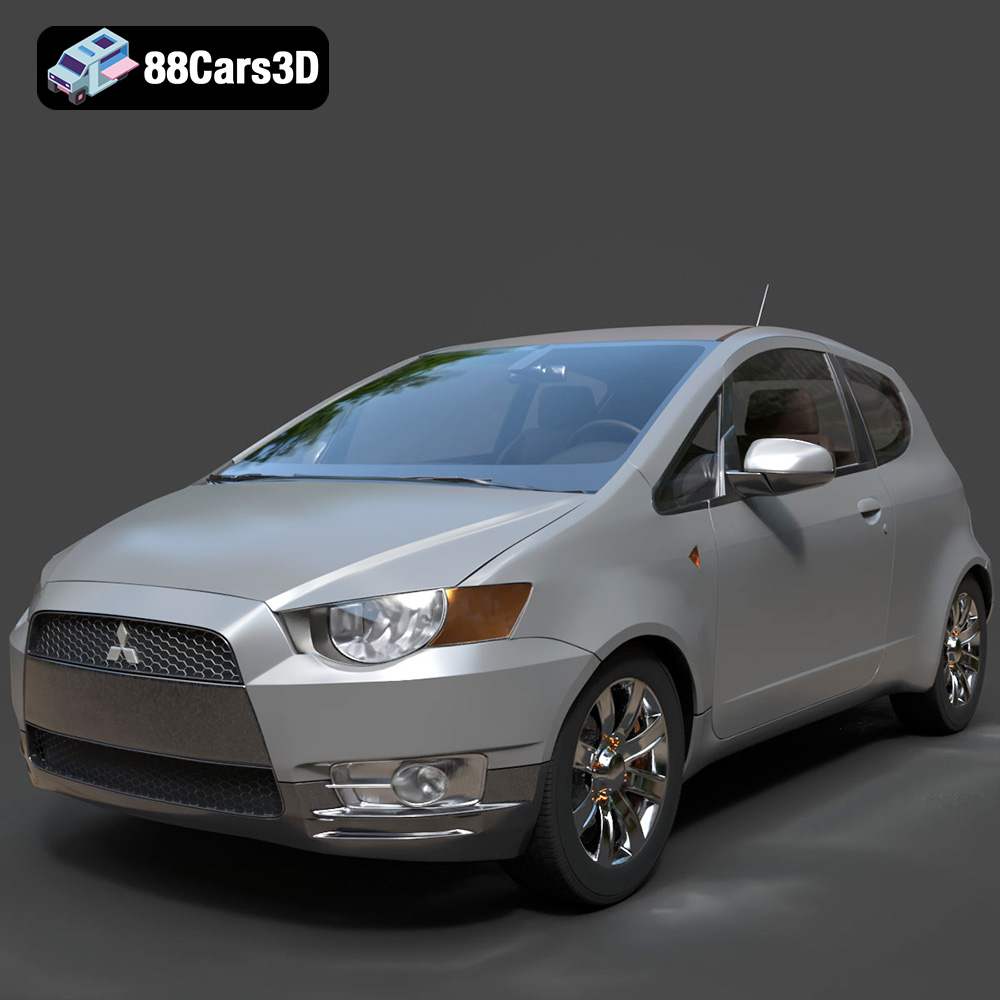
Texture: Yes
Material: Yes
Download the Mitsubishi Colt 3 Door 2008 3D Model featuring clean geometry, realistic detailing, and a fully modeled interior. Includes .blend, .fbx, .obj, .glb, .stl, .ply, .unreal, and .max formats for rendering, simulation, and game development.
Price: $10
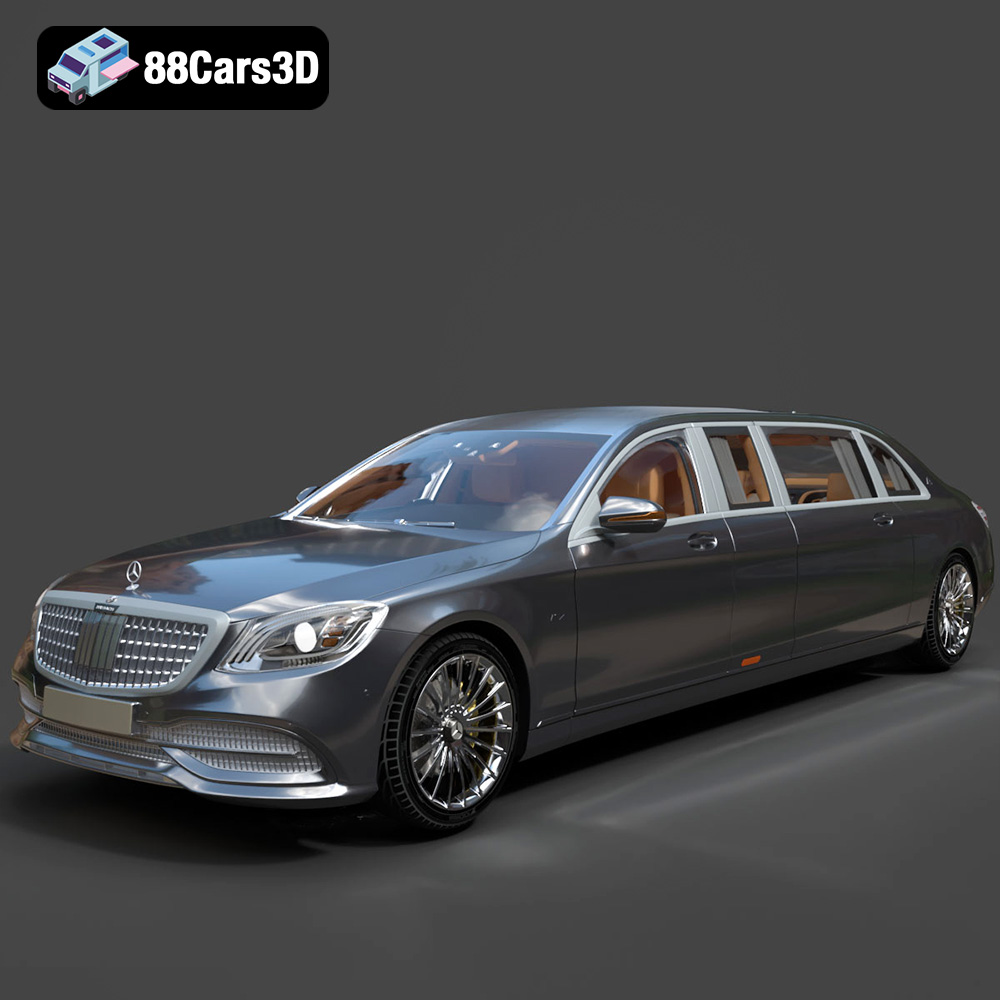
Texture: Yes
Material: Yes
Download the Mercedes-Benz S650 Pullman 3D Model featuring clean geometry, realistic detailing, and a fully modeled interior. Includes .blend, .fbx, .obj, .glb, .stl, .ply, .unreal, and .max formats for rendering, simulation, and game development.
Price: $95.99
Texture: Yes
Material: Yes
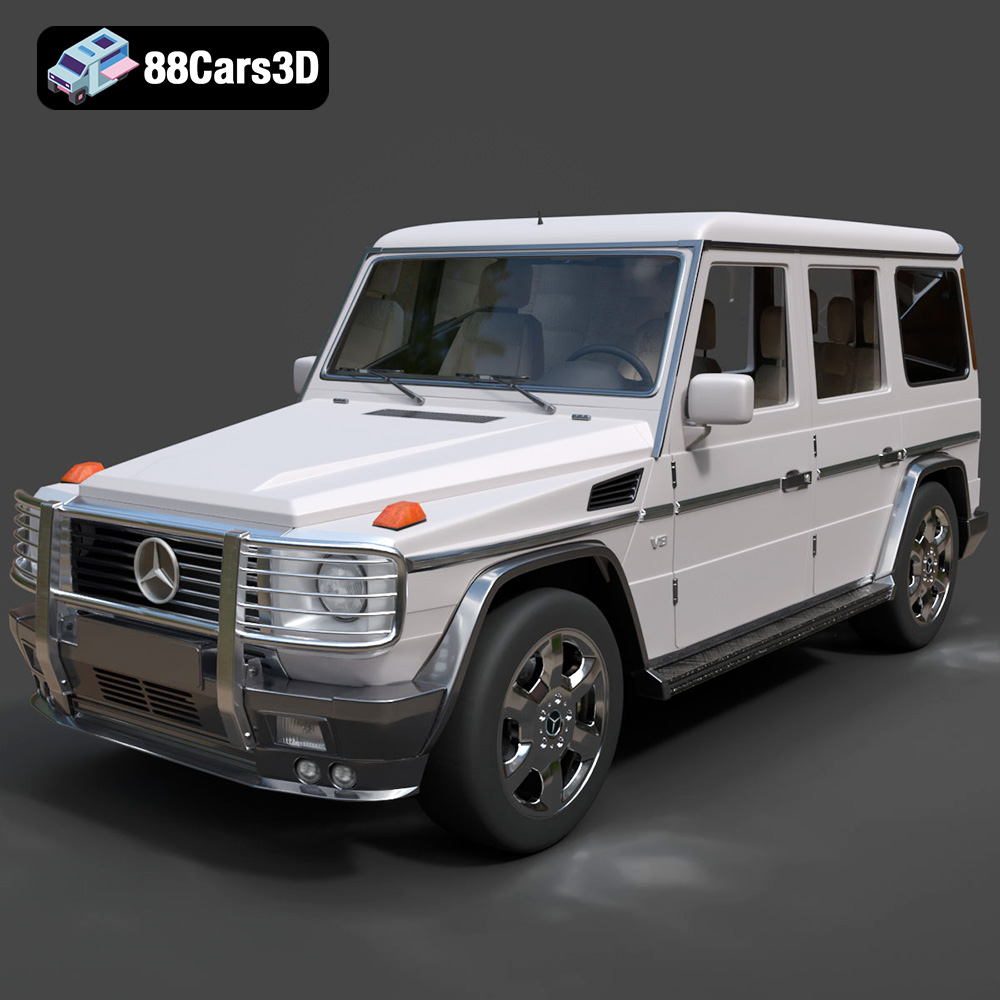
Download the Mercedes G-Class SUV 2024 3D Model featuring clean geometry, realistic detailing, and a fully modeled interior. Includes .blend, .fbx, .obj, .glb, .stl, .ply, .unreal, and .max formats for rendering, simulation, and game development.
Price: $10

