From Polygon to Photorealism: The Ultimate Technical Guide to Professional 3D Car Models
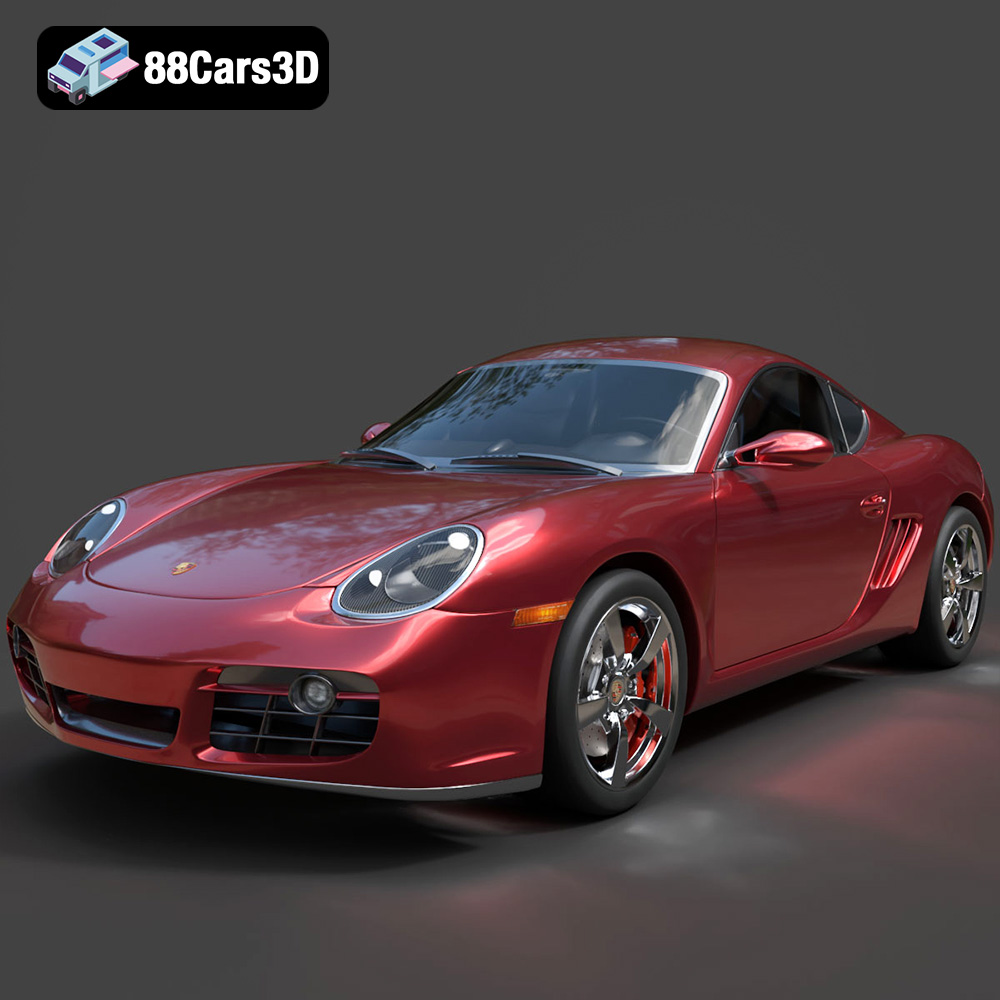
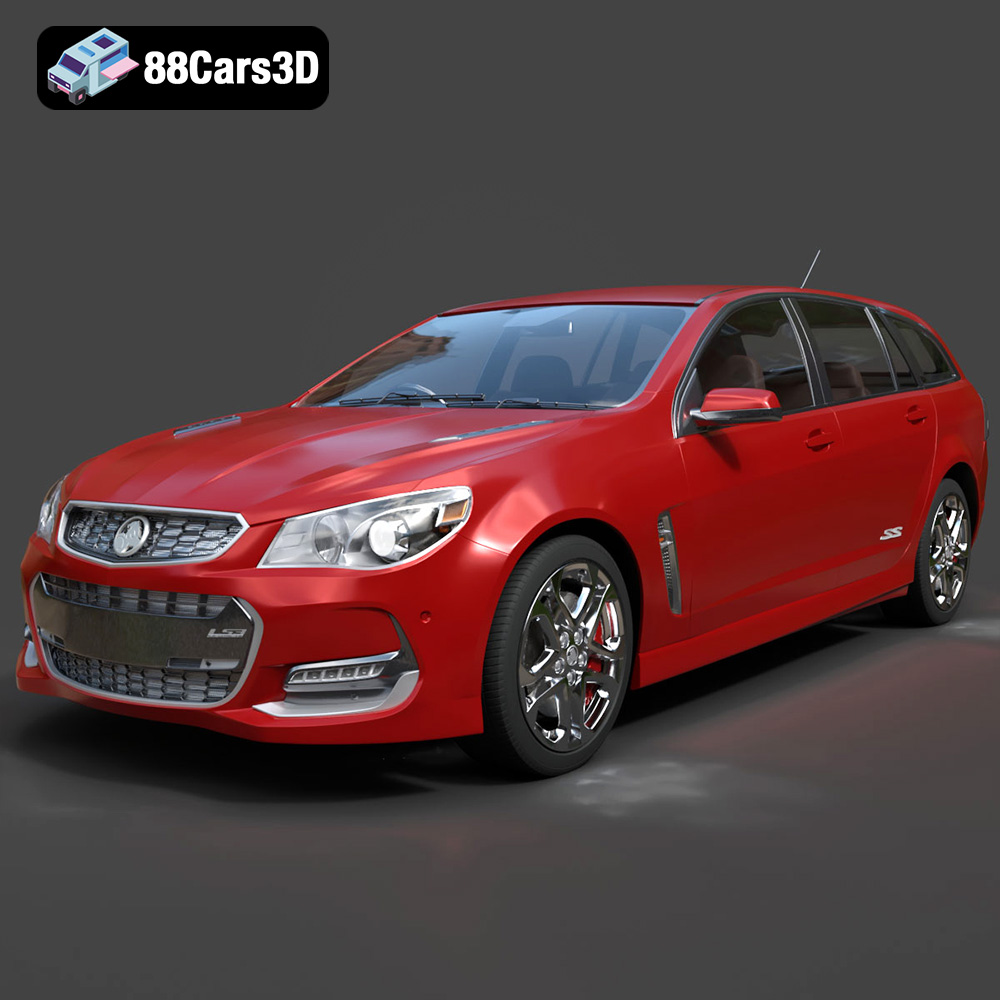
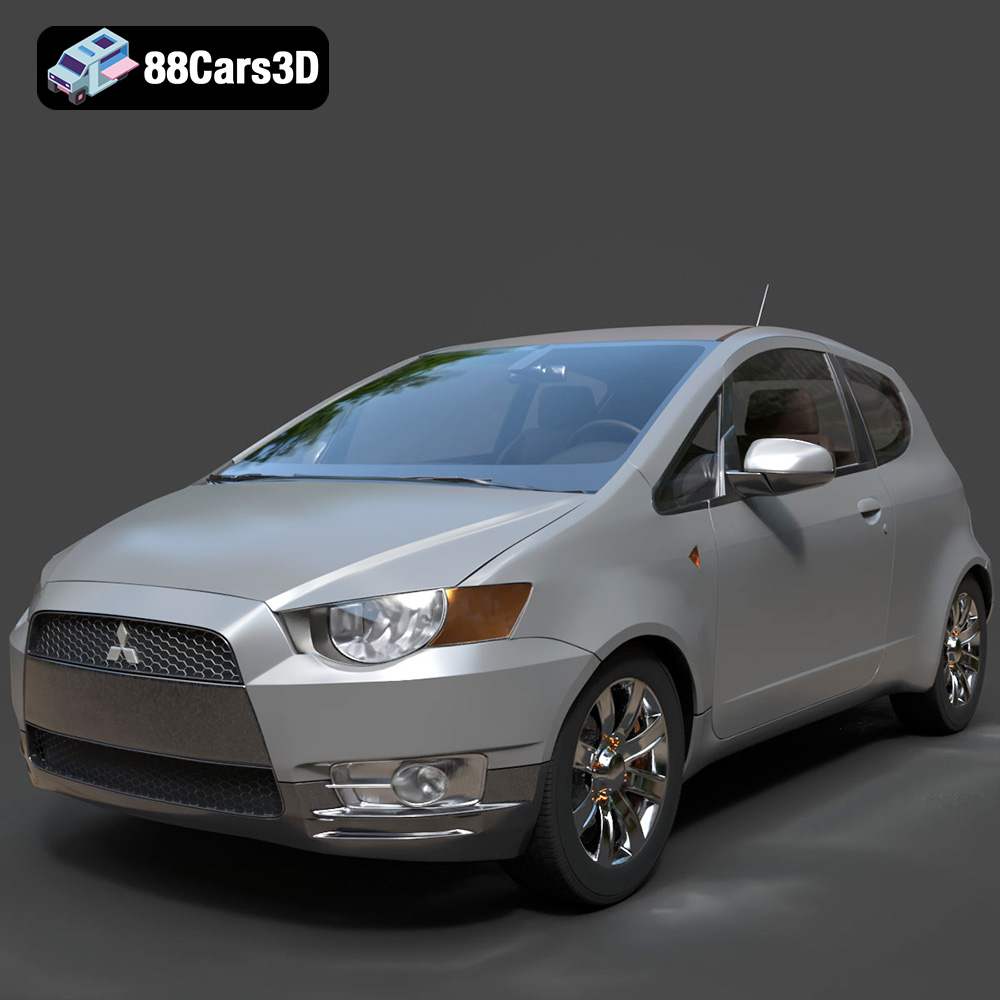
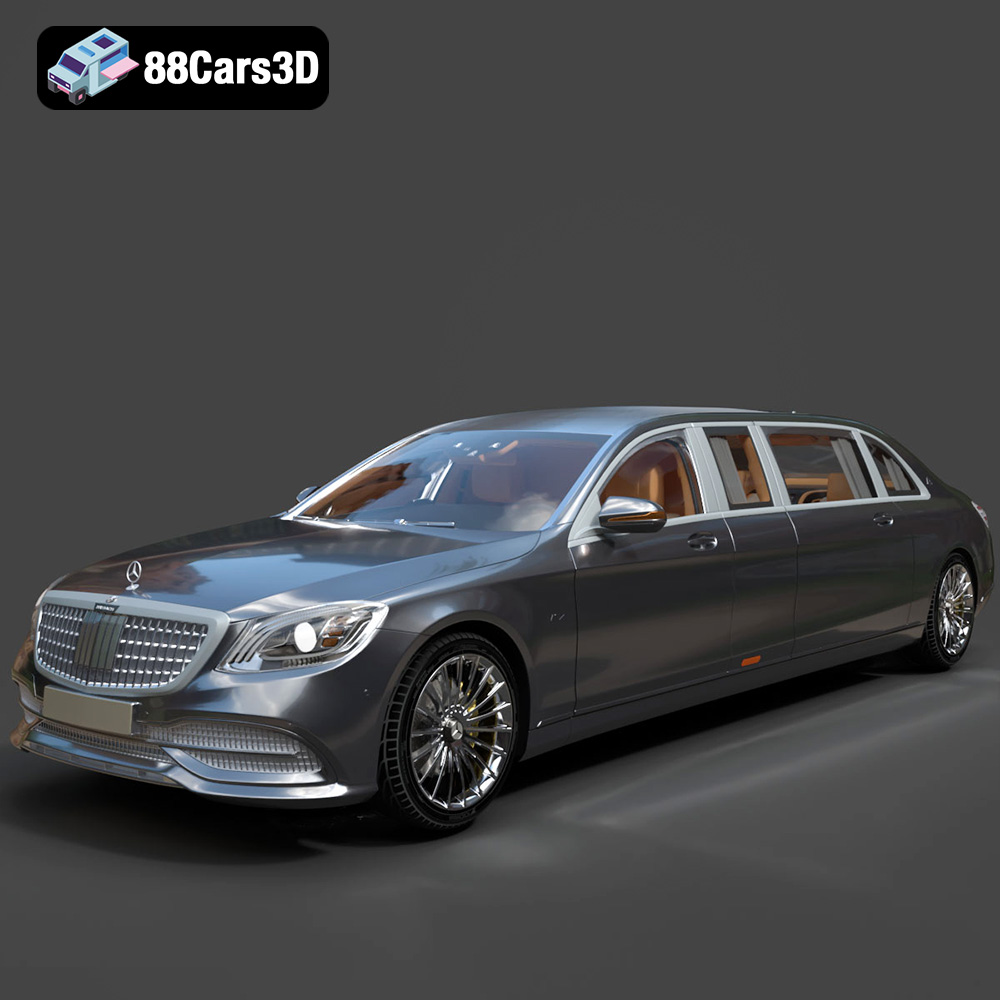
In the world of digital creation, few objects are as challenging and rewarding to replicate as the automobile. From the subtle curvature of a fender to the intricate reflections in a multi-coat paint job, the modern vehicle is a masterpiece of design and engineering. For 3D artists, animators, and developers, capturing this essence is paramount. Whether you’re producing stunning automotive rendering for a marketing campaign, building driveable game assets for a blockbuster title, or crafting immersive AR experiences, the quality of your foundational 3D car models will make or break the final result.
However, not all 3D models are created equal. A model that looks great in a static render might fall apart in a game engine or fail entirely in a 3D printer. The difference lies in the technical details: clean topology, meticulous UV mapping, and a deep understanding of the various file formats and their intended pipelines. This comprehensive guide will dissect the anatomy of a professional-grade 3D car model, explore the critical role of file formats, and provide practical workflows for integrating these assets into industry-standard software like 3ds Max, Blender, and Unreal Engine. We will move beyond simple aesthetics and delve into the technical specifications that separate a hobbyist model from a production-ready asset, empowering you to make informed decisions for your next project.
The Anatomy of a High-Quality 3D Car Model
Before you even consider importing a model into your scene, it’s crucial to understand the fundamental components that define its quality and usability. A professional model is a careful balance of artistic detail and technical precision, built with specific use cases in mind. Inspecting these core attributes will save you countless hours of frustration and rework down the line.
Topology and Polygon Count: Beyond Just Looks
Topology refers to the flow and structure of polygons (or “faces”) that form the model’s surface. Good topology is the bedrock of a versatile asset. Look for models built primarily with four-sided polygons (quads). This “quad-based” geometry subdivides cleanly, allowing you to smoothly increase detail for close-up shots without creating artifacts or pinching. The edge flow should follow the natural contours and style lines of the vehicle, which ensures that reflections and highlights behave realistically across the surface. For a high-end model from a marketplace like 88cars3d.com, you can expect this level of craftsmanship.
Polygon count is not just a measure of detail; it’s a measure of performance cost. A model’s poly count should be appropriate for its intended application:
- High-Poly (500,000 – 2,000,000+ polys): Intended for cinematic offline rendering (e.g., V-Ray, Corona, Arnold). The focus is on maximum detail for hero shots, with little concern for real-time performance.
- Mid-Poly (150,000 – 500,000 polys): A versatile range suitable for real-time architectural visualization, automotive configurators, and high-end mobile games. It balances detail with performance.
- Low-Poly (20,000 – 150,000 polys): Optimized for performance in games. These models often utilize baked normal maps to simulate fine details and are typically accompanied by even lower-poly LODs (Levels of Detail).
UV Unwrapping and PBR Texturing
UV unwrapping is the process of “flattening” the 3D model’s surface into a 2D map, which tells the software how to apply textures correctly. A professional model will have clean, non-overlapping UVs that are efficiently packed into the texture space to maximize resolution. For hyper-realistic assets, look for models that use UDIMs (U-Dimension), a system that allows textures to be spread across multiple UV tiles. This enables incredibly high resolutions (8K and beyond) for different parts of the car without being constrained to a single texture map.
Modern workflows rely on Physically Based Rendering (PBR), which simulates how light interacts with real-world materials. A production-ready model will include a set of PBR texture maps, such as:
- Albedo/Base Color: The pure color of the surface, free of lighting or shadow information.
- Roughness: Controls how rough or smooth a surface is, determining whether reflections are sharp (like chrome) or diffuse (like rubber).
- Metallic: A black-and-white map that defines which parts of the model are raw metal (white) and which are non-metal/dielectric (black).
- Normal: Adds fine surface detail like leather grain, tire treads, or subtle imperfections without adding extra polygons.
Object Separation and Rigging Preparation
A static, single-mesh model is of limited use. For any kind of animation or interactivity, the model must be intelligently separated into logical components. Wheels, doors, the steering wheel, trunk, and hood should all be separate objects with their pivot points set correctly for proper rotation. For example, the pivot for a door should be at its hinge, and the pivot for a wheel should be at its center axle. This preparation is essential for creating everything from simple door-opening animations to complex, fully driveable vehicle rigs in a game engine.
Understanding 3D Model File Formats
The file format you choose is one of the most critical decisions in your production pipeline. It dictates compatibility, editability, and performance. Using the wrong format can lead to lost data, broken materials, or assets that are simply unusable in your target application. A professional asset provider will offer multiple formats, each tailored for a specific workflow. Let’s break down the most common ones you’ll encounter and when to use them.
Source Files vs. Interchange Formats
It’s vital to distinguish between native “source” files and standardized “interchange” formats. Source files, like .max (3ds Max) or .blend (Blender), contain the complete project scene. This includes not just the geometry but also the modifier stacks, lighting setups, specific renderer materials, and animation curves. They offer maximum editability but are locked to their specific software. Interchange formats like .fbx and .obj are designed to be a bridge, transferring model data between different applications, though sometimes with a loss of specific information.
A Deep Dive into Common Formats
- .max (3ds Max): This is the native project file for Autodesk 3ds Max. If your pipeline involves rendering with V-Ray or Corona, this is your gold standard. It preserves all material properties, modifier histories, and scene setups, allowing for immediate rendering and deep customization within the 3ds Max ecosystem.
- .blend (Blender): The native project file for Blender. For users of Blender’s Cycles or Eevee render engines, this format is ideal. It contains the entire scene, including geometry, complex node-based shaders, lighting, and animation data, ensuring a seamless, one-to-one transfer of the artist’s original vision.
- .fbx (Filmbox): The undisputed king of interchange formats for real-time and animation pipelines. Its greatest strength is its ability to package geometry, UVs, PBR materials, object hierarchies, and even complex animation data into a single file. This makes it the go-to choice for importing game assets into engines like Unreal and Unity.
- .obj (Wavefront Object): One of the oldest and most widely supported interchange formats. It reliably transfers geometry and UV coordinates, making it a safe choice for moving static meshes between almost any 3D software. Its main drawback is that material definitions are often basic and stored in a separate .mtl file, which can sometimes get lost or be interpreted differently by various programs.
- .glb / .gltf (GL Transmission Format): Often called the “JPEG of 3D,” this format is the modern standard for web and AR/VR applications. It’s a highly efficient format that packages geometry, textures, and PBR material definitions into a single, compact file (.glb). This makes it perfect for displaying models in a browser, on a mobile device for an AR experience, or in a VR headset where performance is critical.
- .unreal (Unreal Engine Asset): This format is a game-changer for Unreal Engine developers. It’s not just a model; it’s a pre-packaged, engine-ready asset. The model is already imported into an Unreal project, and its materials have been rebuilt using Unreal’s native shader graph. This means you can often migrate it directly into your project, saving hours of manual material setup.
- .stl (Stereolithography): The universal standard for 3D printing. This format represents the surface geometry of a 3D object using a mesh of triangles. It contains no color, texture, or material information—only the raw shape. It’s the required format for most slicer software used to prepare a model for printing.
- .ply (Polygon File Format): A format often used for storing data from 3D scanners. While less common for artistic models, its ability to store data like color per vertex makes it useful in certain data visualization or CAD-to-polygon mesh conversion workflows.
Workflow Integration: From Model to Final Render
Having a high-quality model is only half the battle. Integrating it seamlessly into your preferred software and rendering pipeline is where the magic happens. Here are some practical, real-world workflows.
Case Study: Automotive Rendering in 3ds Max with V-Ray
For photorealistic marketing stills, 3ds Max paired with a renderer like V-Ray or Corona is a powerhouse combination. The goal here is maximum realism.
- Import and Scene Setup: Start by opening the native .max file. This ensures all V-Ray materials are loaded correctly. Create a simple ground plane and set up a V-Ray Dome Light. Load a high-quality HDRI map into the dome light to provide realistic, image-based lighting and reflections.
- Material Refinement: Even with great pre-made materials, you’ll want to fine-tune them. Focus on the car paint. Adjust the base color, tweak the clear coat IOR (Index of Refraction, typically around 1.5-1.6 for paint), and subtly modify the roughness map with a procedural noise texture to break up the perfectly uniform reflections, adding a layer of realism.
- Camera and Render Settings: Use a V-Ray Physical Camera to simulate real-world camera properties like F-stop and shutter speed for realistic depth of field and motion blur. For the final render, use a progressive sampler and let it run until the noise is imperceptible. Utilize render elements like Reflection, Specular, and Z-Depth for maximum control during post-production in Photoshop or Fusion.
Case Study: Interactive Visualization in Blender with Eevee and Cycles
Blender offers a flexible workflow for both real-time feedback and final high-quality renders.
- Leveraging Eevee for Lookdev: Open the native .blend file. Start your workflow in Eevee, Blender’s real-time render engine. This allows you to set up your lighting and adjust materials with instant visual feedback, which is incredibly efficient for iterating on the look and feel of your scene.
- Material Customization: Dive into Blender’s Shader Editor. A well-made model will have clearly labeled, node-based materials. You can easily swap out PBR textures, adjust the metallic flake properties in the car paint shader, or add procedural dirt and grime using ambient occlusion and curvature nodes for a more weathered look.
- Final Polish with Cycles: Once you’re happy with the overall look in Eevee, switch the render engine to Cycles for the final, path-traced output. Cycles will produce more accurate global illumination, softer shadows, and more realistic reflections, especially in complex interior shots. Use Blender’s built-in compositor to add effects like lens glare or color grading directly to your final image.
Preparing 3D Car Models for Game Engines
When creating game assets, the primary concern shifts from pure visual fidelity to a delicate balance between quality and real-time performance. A car in a game needs to look great up close while not bogging down the frame rate when dozens of them are on screen.
The Critical Role of LODs (Levels of Detail)
LODs are essential for performance. They are a series of progressively lower-polygon versions of the same model that the game engine swaps in and out based on the camera’s distance to the object. A typical setup might be:
- LOD0: The full-quality model (e.g., 100,000 polys) used for close-ups or in a virtual garage/showroom.
- LOD1: A slightly optimized version (e.g., 50,000 polys) for mid-range viewing.
- LOD2: A heavily optimized version (e.g., 15,000 polys) for distant viewing.
- LOD3: A very simple “imposter” or silhouette mesh (e.g., < 1,000 polys) for cars in the far distance.
Professional game-ready models often come with a pre-built set of LODs, saving developers a significant amount of optimization work.
A Practical Workflow for Unreal Engine 5
Unreal Engine 5 offers powerful tools for creating stunning automotive visuals.
- Import and Setup: For maximum efficiency, use a dedicated .unreal asset if available. This will bring the model in with materials already configured. Alternatively, import an .fbx file. Ensure you check the options to import materials and textures.
- The Automotive Material Shaders: Unreal Engine has dedicated shading models for car paint. Open the imported material instance and adjust the parameters. You can control the clear coat roughness, the color and density of metallic flakes, and even add an “orange peel” effect using a normal map for ultimate realism.
- Collision and Physics: A visual mesh is not a physical one. You need to create simplified collision meshes. For a vehicle, this is typically done using a combination of simple box and sphere primitives that roughly match the shape of the car. This simplified geometry is what the physics engine uses for calculations, which is far more efficient than calculating physics on the high-poly visual mesh. Models from 88cars3d.com are often structured to make this process straightforward.
Conclusion: Start with a Professional Foundation
The journey from a blank viewport to a stunning final product is complex, technical, and deeply rewarding. As we’ve explored, the success of any project involving 3D car models hinges on the quality of the initial asset. Clean topology, precise UVs, PBR textures, and logical object separation are not luxury features; they are professional necessities.
Understanding the nuances of different file formats is equally crucial. Choosing .max for a V-Ray render, .fbx for your Unreal Engine game, or .glb for an AR application is the first step toward an efficient and successful production pipeline. By investing in a high-quality, technically sound model from the outset, you are not just buying geometry; you are buying time. You are bypassing hours of remedial cleanup and optimization, allowing you to focus your creative energy on what truly matters: lighting, composition, and bringing your unique vision to life.
Featured 3D Car Models