Unlocking Interactivity: A Non-Programmer’s Guide to Unreal Engine Blueprint for Automotive Visualization
In the world of high-fidelity automotive visualization, a stunningly rendered car is only half the story. The true magic happens when your audience can interact with it—opening doors, changing paint colors, or switching wheel designs in real time. For many 3D artists and designers, the barrier to creating these dynamic experiences has traditionally been code. The thought of writing lines of C++ can be intimidating, seemingly reserved for seasoned programmers. But what if you could orchestrate complex logic, animations, and user interfaces with the same visual, node-based approach you use for creating materials? This is precisely the power that Unreal Engine’s Blueprint Visual Scripting system puts into the hands of creators. It’s a game-changing tool that transforms artists into interactive developers, bridging the gap between static beauty and dynamic engagement.
This comprehensive guide is designed specifically for non-programmers. We will demystify the core concepts of Blueprint, moving from the fundamental building blocks to practical, real-world applications in automotive visualization. You will learn how to take a high-quality 3D car model and breathe life into it, creating an interactive configurator from scratch. We’ll cover everything from setting up your project and scripting your first interaction to building a user interface and optimizing for performance. By the end, you’ll not only understand how Blueprint works but also possess the confidence to build your own sophisticated, real-time automotive experiences, turning passive viewers into active participants.
Demystifying Blueprint: Core Concepts for Artists
At its heart, Blueprint is a visual scripting system that allows you to create entire gameplay mechanics and interactive logic without writing a single line of C++. Instead of text, you work with a graph of interconnected nodes. Each node represents a specific function, event, or variable. For an artist, this is a wonderfully intuitive paradigm. You are essentially creating a flowchart that dictates behavior, connecting cause and effect with visual “wires.” This approach lowers the technical barrier dramatically, enabling you to focus on the creative outcome rather than wrestling with complex syntax. Whether you’re building a simple door opening mechanism or a full-fledged vehicle configurator, Blueprint provides all the tools you need in an accessible, visual format. Before diving into practical examples, it’s crucial to understand the environment where this magic happens and the fundamental components you’ll be working with.
Understanding the Blueprint Editor Interface
When you first open a Blueprint, you’re presented with a powerful editor composed of several key panels. Mastering this interface is the first step toward proficiency:
- Components Panel: This is where you add the building blocks of your object. For a car, this could include multiple Static Mesh components (body, wheels, doors), Light components (headlights), and Collision components for detecting player interaction.
- My Blueprint Panel: This panel is your logic library. It contains all the variables (data containers like color values or speed), functions (reusable sets of nodes), and event dispatchers for your Blueprint.
- Event Graph: This is the main canvas. Here, you’ll drag and drop nodes and connect them with wires to define how your object behaves. It’s where you’ll spend most of your time scripting.
- Details Panel: Context-sensitive and incredibly useful, this panel displays the properties of whatever you have selected—be it a component, a node, or a variable—allowing you to configure its settings.
Nodes, Wires, and Execution Flow
The logic within the Event Graph flows through a system of nodes and wires. Understanding this flow is fundamental. Nodes are the individual instructions, and they are connected by two types of pins:
- Execution Pins (White): These dictate the order of operations. A white wire leading from one node to the next means “after you finish, do this next.” This creates a clear, visible execution path.
- Data Pins (Colored): These pass information between nodes. A blue pin might carry a reference to an object, a green pin might carry a float (a number with decimals), and a red pin a boolean (true/false). The color-coding makes it easy to see what kind of data you’re working with.
After you’ve arranged your nodes, you must Compile the Blueprint. This process checks your graph for errors and converts your visual script into machine-readable code that the engine can execute. A green checkmark means success; an error will guide you to the problem area.
Types of Blueprints
While there are many types of Blueprints, for automotive visualization, you’ll primarily work with two:
- Actor Blueprint: An “Actor” is any object that can be placed in your level. This is the perfect choice for your car, as it bundles the model’s geometry, components, and interactive logic into a single, reusable asset.
- Level Blueprint: Each level has its own Level Blueprint. This is best used for level-specific logic and cinematic sequences, such as triggering a camera fly-through when the level starts or controlling the overall environment.
Understanding these core concepts provides the foundation needed to start building tangible, interactive features for your automotive projects.
Your First Interactive Car: A Practical Walkthrough
Theory is essential, but the best way to learn Blueprint is by doing. Let’s build a simple yet satisfying interaction: opening a car door when the user is nearby and presses a key. This exercise will introduce you to event handling, timelines for smooth animation, and basic player interaction. The foundation of any great interactive experience is a high-quality asset. Starting with a model that is properly prepared for interaction—with separate components and correct pivot points—is crucial. Marketplaces like 88cars3d.com offer game-ready 3D car models that are optimized for Unreal Engine, providing an excellent starting point and saving you significant preparation time.
Setting Up Your 3D Car Model
Once you have imported your car model into Unreal Engine, the first step is to prepare it for scripting.
- Verify Hierarchy and Pivots: In your 3D modeling software, ensure that components like doors, the hood, and wheels are separate objects with their pivot points placed correctly at the hinge or rotation center. This is non-negotiable for believable animation.
- Create the Blueprint Actor: Drag your car’s main body mesh into the scene. With it selected, go to the Details panel and click the “Blueprint/Add Script” button. Choose a location to save your new Blueprint Actor class. This converts the static object into a smart, scriptable entity.
- Add Components: Open the Blueprint Editor. The main body will already be there. Use the “Add” button in the Components panel to add the other Static Mesh components (e.g., `Door_Left`, `Wheel_Front_Right`). Parent them correctly to the main body so they move with the car.
Creating a Simple “Open Door” Interaction
Now, let’s add the logic in the Event Graph. We want the driver’s door to swing open smoothly when the ‘E’ key is pressed.
- Input Event: Right-click in the graph and search for “Keyboard E”. Select the `E` Key event node. This node will fire its execution pin every time the E key is pressed.
- Timeline for Smooth Animation: We don’t want the door to snap open. We need a smooth transition. Right-click and add a **Timeline** node. Double-click it to open the Timeline editor. Add a new “Float Track” and create a curve that goes from a value of 0 at time 0 to a value of 1 at time 1. This track will drive our animation over one second.
- Driving the Rotation: Drag a reference to your `Door_Left` component from the Components panel into the graph. Drag a wire from it and search for the **Set Relative Rotation** node. The Timeline’s “Update” execution pin should be connected to this node. Use a **Lerp (Rotator)** node to blend between the door’s closed rotation (A) and its open rotation (B, e.g., 70 degrees on the Z-axis). The Timeline’s float track output will plug into the “Alpha” of the Lerp, driving the interpolation.
Connect the “Pressed” pin from the ‘E’ key event to the “Play from Start” pin on the Timeline. Now, when you press ‘E’, the timeline will play, feeding values from 0 to 1 into the Lerp, which in turn smoothly rotates the door from its start to its end position.
Adding Player Interaction with Triggers
To make the interaction more refined, we should only allow the door to open when the player is close to it. We can achieve this with a trigger volume.
- Add a Collision Component: In the Components panel, add a **Box Collision** component. Position and scale it to create an invisible zone around the driver’s door.
- Use Overlap Events: Select the Box Collision. In the Details panel, scroll down to the events section and click the green ‘+’ button next to **OnComponentBeginOverlap** and **OnComponentEndOverlap**. These events will fire when the player enters and leaves the box, respectively.
- Control with a Boolean: Create a new boolean variable named `bCanOpenDoor`. In the `OnComponentBeginOverlap` event, use a **Set bCanOpenDoor** node to set it to `true`. In the `OnComponentEndOverlap` event, set it to `false`.
- Check the Condition: Finally, go back to your ‘E’ key event. Add a **Branch** node (an If-statement) right after the event. Connect the `bCanOpenDoor` variable to the Branch’s condition pin. Only if the variable is `true` should the execution flow continue to play the Timeline. This ensures the door logic only runs when the player is inside the trigger zone.
Building a Simple Automotive Configurator
One of the most powerful applications of Blueprint for automotive visualization is creating real-time configurators. Allowing users to change paint colors, interior materials, and wheel styles on the fly creates a highly engaging and valuable sales or design tool. This section will guide you through the core components of building a basic configurator, leveraging Blueprint to handle material changes and UI interactions. The key to a successful configurator lies in well-prepared assets. Your PBR materials should be structured with parameters that can be easily controlled, a standard feature in high-quality game assets.
Material Swapping Logic
The most common feature of any configurator is changing the car’s paint color. This is achieved not by swapping entire materials, but by dynamically changing parameters within a master material.
- Create a Material Instance: Start with your main car paint material. Right-click on it in the Content Browser and create a **Material Instance Constant**. This instance allows you to change parameters (like base color) without recompiling the main material shader. Open your car paint material, right-click the Base Color input node, and promote it to a parameter named `PaintColor`.
- Dynamic Material Instance in Blueprint: In your car’s Blueprint, on the `BeginPlay` event, get your car body mesh component. Drag off it and use the **Create Dynamic Material Instance** node. Select your Material Instance as the source. This creates a unique, editable version of that material at runtime. Promote the output pin to a new variable called `DynamicCarPaint` for easy access later.
- Create a Function for Color Change: In the “My Blueprint” panel, create a new function called `ChangePaintColor`. Add an input parameter of the “Linear Color” type and name it `NewColor`. Inside the function, get your `DynamicCarPaint` variable, drag from it, and use the **Set Vector Parameter Value** node. For “Parameter Name,” type `PaintColor` (matching the name in your material). Connect the `NewColor` input to the node’s value pin.
You now have a self-contained function that can be called at any time to change the car’s paint color instantly.
Implementing UI with UMG (Unreal Motion Graphics)
To trigger this color change, we need a user interface (UI). Unreal’s UMG is a powerful tool for building UI elements directly within the editor.
- Create a Widget Blueprint: Right-click in the Content Browser, go to User Interface, and select **Widget Blueprint**. Name it something like `WBP_Configurator`.
- Design the UI: Open the widget. From the Palette on the left, drag a **Canvas Panel** onto the graph, then drag a few **Button** and **Text** widgets onto the canvas. Arrange them and label them with color names like “Red,” “Blue,” and “Black.”
- Communicate with the Car Blueprint: The UI needs to tell the car which color to change to. A clean way to do this is with an **Event Dispatcher**. In your car Blueprint, create an Event Dispatcher called `OnColorChangeRequested`. In the `ChangePaintColor` function, call this dispatcher. In the Level Blueprint, on `BeginPlay`, create the `WBP_Configurator` widget and add it to the viewport. Then, get a reference to your car in the level and bind an event to its `OnColorChangeRequested` dispatcher. In the widget Blueprint, for each button’s `OnClicked` event, get a reference to the car actor and call the `ChangePaintColor` function, passing in the desired color value.
Switching Between Wheel Styles
The same principles can be applied to swapping geometry, like different wheel rims. This is even more straightforward.
- Store Meshes in an Array: In your car Blueprint, create a new variable. Name it `WheelOptions`, and set its type to **Static Mesh** > **Object Reference**. In the Details panel, change it to be an **Array**. Now you can add multiple wheel Static Mesh assets to this list.
- Create a Switching Function: Create a new function called `CycleWheels`. Inside, you’ll use a **Set Static Mesh** node for each of your wheel components (e.g., `Wheel_Front_Left`). You can create an integer variable called `CurrentWheelIndex` to keep track of which wheel is active. Each time the function is called, you increment the index (with logic to loop back to 0) and use the **Get (a copy)** node on your `WheelOptions` array to fetch the correct mesh and feed it into the `Set Static Mesh` node.
- Hook up the UI: Add a “Next Wheel” button to your UMG widget. On its `OnClicked` event, simply call the `CycleWheels` function on your car Blueprint reference.
Advanced Blueprint Techniques for Automotive Visualization
Once you’ve mastered the fundamentals of creating interactions and building a basic configurator, you can begin exploring more advanced Blueprint techniques to elevate your automotive visualization projects to a professional, cinematic level. These methods involve controlling the environment, orchestrating camera movements with Sequencer, and writing cleaner, more scalable code. These advanced workflows are where the true power of Unreal Engine’s real-time rendering capabilities, like **Lumen** for dynamic global illumination and reflections, can be fully leveraged. By scripting changes to lighting and camera, you can create truly dynamic and immersive presentations that showcase your 3D assets in the best possible light.
Controlling Lights and Environment
A car’s appearance is dramatically affected by its lighting environment. Giving the user control over this can create a powerful “virtual showroom” experience.
- Time of Day Control: Create a new Blueprint Actor to act as an “Environment Controller.” Inside it, add references to your scene’s **Directional Light** (the sun), **Sky Light**, and **Sky Atmosphere** components. You can expose a float variable, let’s call it `TimeOfDay`, clamped between 0 and 360. In the Blueprint’s `Construction Script` or on a custom event, use the value of this variable to drive the **Set Actor Rotation** node for your Directional Light. This allows you to scrub through a full day/night cycle in real-time by changing a single variable.
- UI for Lighting: Hook this `TimeOfDay` variable up to a slider in your UMG widget. As the user drags the slider, it will call a function in your Environment Controller Blueprint to update the sun’s position, and Lumen will automatically update the global illumination and reflections on your car’s surface.
- Switching HDRI Environments: For interior-lit scenes, you can use a similar technique to switch the HDRI texture used by your Sky Light’s cubemap, instantly changing the entire lighting and reflection environment. Store different HDRI textures in an array and use a UI button to cycle through them, calling a **Set Cubemap** node on the Sky Light component.
Leveraging Sequencer for Cinematic Control
Sequencer is Unreal Engine’s cinematic and animation tool. While powerful on its own, its capabilities are amplified when combined with Blueprint.
- Triggering Cinematics: Create a stunning camera animation in a **Level Sequence**, perhaps a slow orbit around the car or a dramatic reveal. In your level, you can place a trigger box. Using the Level Blueprint, you can use the `OnActorBeginOverlap` event for that trigger box to get a reference to your Level Sequence and call the **Play** node. This creates a simple “tour mode” that begins when the player walks into a specific area.
- Dynamic Sequencer Events: Within Sequencer, you can add an **Event Track**. This allows you to call custom events in your Blueprint at specific points in the timeline. For example, as the camera focuses on the car’s headlights, you could fire an event that calls a Blueprint function to turn the lights on, perfectly synchronizing the action with the cinematic.
Blueprint Interfaces for Clean Communication
As your projects grow more complex, having your UI Blueprint directly reference your Car Blueprint, which in turn references the Environment Blueprint, can create a messy web of dependencies known as “spaghetti code.” A professional solution is to use **Blueprint Interfaces**.
- Decoupling Your Logic: An Interface is a contract of functions without any implementation. For example, you could create an Interface called `BPI_Interactable` with a function named `OnInteract`. Your car Blueprint can then “implement” this interface. In the `OnInteract` function within the car Blueprint, you would place the door-opening logic.
- Simplified Interaction: Now, your player character’s Blueprint doesn’t need to know if the object it’s looking at is a car, a door, or a light switch. It simply checks “Does this object implement `BPI_Interactable`?” If yes, it calls the generic `OnInteract` message. The car will then receive that message and execute its own unique implementation of that function. This makes your code incredibly modular, reusable, and easier to maintain.
Optimization and Best Practices for Blueprint
Creating interactive experiences is only part of the job; ensuring they run smoothly is equally important. Performance optimization is critical, especially when targeting a wide range of hardware or VR applications. Inefficient Blueprint scripting can lead to stuttering frame rates and a poor user experience. Fortunately, Unreal Engine provides numerous tools for diagnosing and fixing performance issues. Adopting best practices from the start will result in cleaner, more efficient, and more maintainable projects. This discipline is just as important as the visual quality of your real-time rendering, as performance directly impacts the user’s perception of quality.
The Cost of “On Tick” and How to Avoid It
The `Event Tick` is one of the first nodes new users discover, and it’s also one of the most dangerous from a performance standpoint. This event fires on every single frame. Placing complex logic on Tick means that code runs constantly, whether it’s needed or not, consuming valuable CPU resources.
- Use Event-Driven Logic: The golden rule of optimization is to only run code when it’s needed. Instead of checking a condition every frame on Tick (e.g., “Is the player near the door?”), use events like `OnComponentBeginOverlap` to trigger the logic only at the precise moment it’s required.
- Timers and Timelines: If you need something to happen over time or after a delay, don’t build a manual counter on Tick. Use a **Timeline** for smooth, time-based curves, as we did for the door animation. For simple delays or repeated actions, use the **Set Timer by Function Name** or **Set Timer by Event** nodes. These are far more efficient than using Tick.
- Disable Tick When Unused: If a Blueprint Actor doesn’t need to perform any per-frame updates, you should disable its Tick entirely. Select the “Class Defaults” in the Blueprint editor and, in the Details panel, uncheck “Start with Tick Enabled.”
Nativization and Code Readability
As your Blueprint graphs grow, keeping them organized is key to both performance and your own sanity.
- Functions and Macros: Don’t create monstrously large event graphs. Group related sets of nodes into their own **Functions** (for reusable logic specific to that Blueprint) or **Macros** (for reusable patterns of nodes). This keeps your main graph clean and easy to read.
- Commenting and Reroute Nodes: Use Comment boxes (`C` key) to label different sections of your graph. Explain what the logic does and why. Use **Reroute Nodes** (double-click on a wire) to guide your wires cleanly around the graph, avoiding the “spaghetti” look.
- Blueprint Nativization: For performance-critical projects, Unreal offers a powerful feature called **Blueprint Nativization**. During the project packaging process, this tool can automatically convert your Blueprints into C++ code, which can provide a significant performance boost. This is an advanced step, but it’s good to be aware of its potential.
Debugging Your Blueprints
When things go wrong, you need to know how to find the problem. Unreal provides excellent visual debugging tools.
- Print String: The simplest debugging tool. The `Print String` node will display any text or variable value on the screen, letting you quickly check if a piece of code is running or what a variable’s value is at a certain point.
- Breakpoints: By right-clicking a node and adding a **Breakpoint**, you can pause the entire game’s execution when that node is reached. This allows you to step through the code one node at a time and inspect the value of every variable in the “My Blueprint” panel, giving you a detailed snapshot of what’s happening.
- Visual Debugging: When you play your game in the editor, you can have your Blueprint graph open on another monitor. You will see the white execution wires light up as the code flows through them in real time. This is an incredibly intuitive way to see exactly what your script is doing and where it might be going wrong. To dive deeper into these features, the official Unreal Engine documentation at https://dev.epicgames.com/community/unreal-engine/learning is an invaluable resource for both beginners and experts.
Conclusion: From Artist to Interactive Creator
We’ve journeyed from the foundational concepts of Blueprint visual scripting to the practical construction of an interactive automotive configurator, even touching on advanced techniques for cinematic control and performance optimization. The key takeaway is that you, as a 3D artist or designer, already possess the visual and logical skills needed to master this powerful system. Blueprint is not about becoming a traditional programmer; it’s about extending your creative canvas. It empowers you to script behavior, create engaging experiences, and bring your meticulously crafted 3D car models to life without ever leaving the intuitive, visual environment of Unreal Engine.
The barrier between static renders and interactive applications has been effectively removed. By embracing an event-driven mindset, organizing your logic cleanly, and starting with high-quality, well-prepared assets from sources like 88cars3d.com, you can create professional-grade automotive visualizations that captivate and inform your audience. The next step is to open Unreal Engine, grab an asset you’re passionate about, and build your first interaction. Start with a simple door, then a color change, then a UI. Each small success will build the confidence and knowledge you need to tackle more ambitious projects. You are no longer just an artist; you are an interactive creator, limited only by your imagination.
Featured 3D Car Models
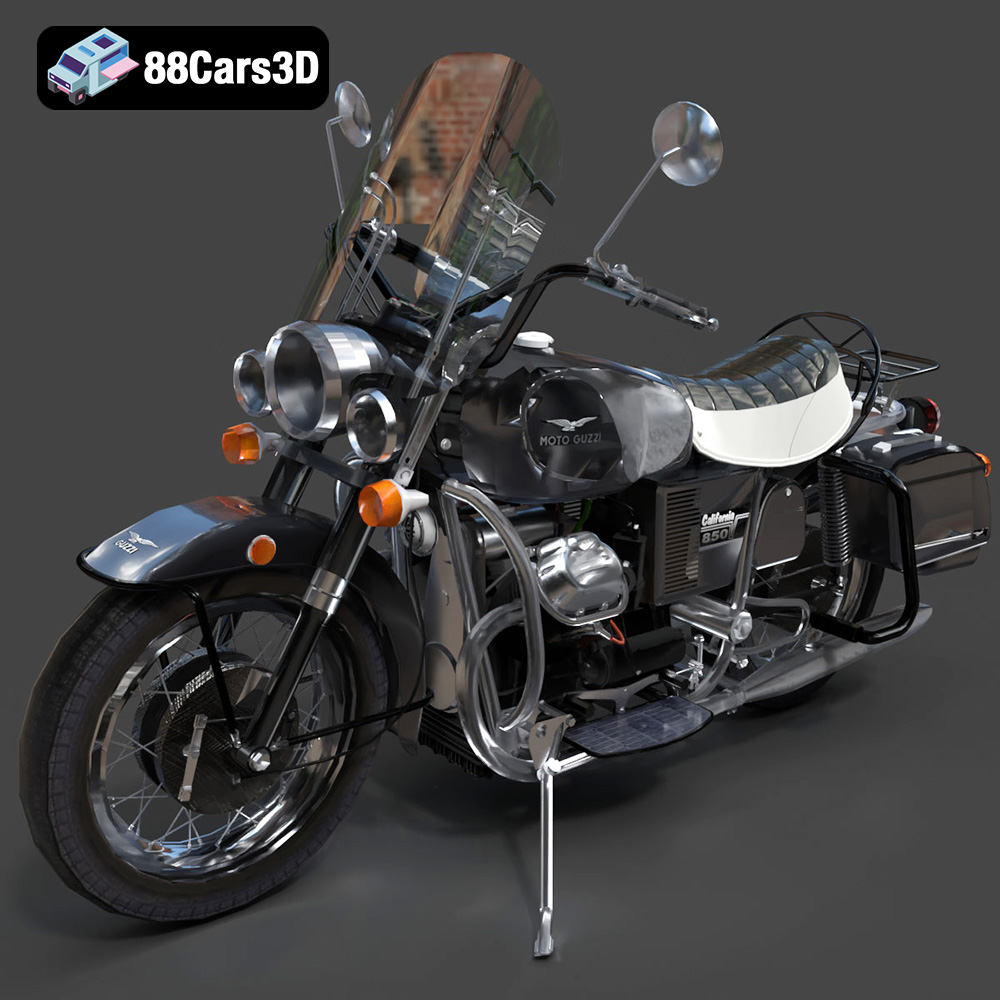
Texture: Yes
Material: Yes
Download the Moto Guzzi Classic Motorcycle 2024 3D Model featuring clean geometry, realistic detailing, and a fully modeled interior. Includes .blend, .fbx, .obj, .glb, .stl, .ply, .unreal, and .max formats for rendering, simulation, and game development.
Price: $10
View Product

Texture: Yes
Material: Yes
Download the Mercedes S-Class 2024 3D Model featuring clean geometry, realistic detailing, and a fully modeled interior. Includes .blend, .fbx, .obj, .glb, .stl, .ply, .unreal, and .max formats for rendering, simulation, and game development.
Price: $10
View Product
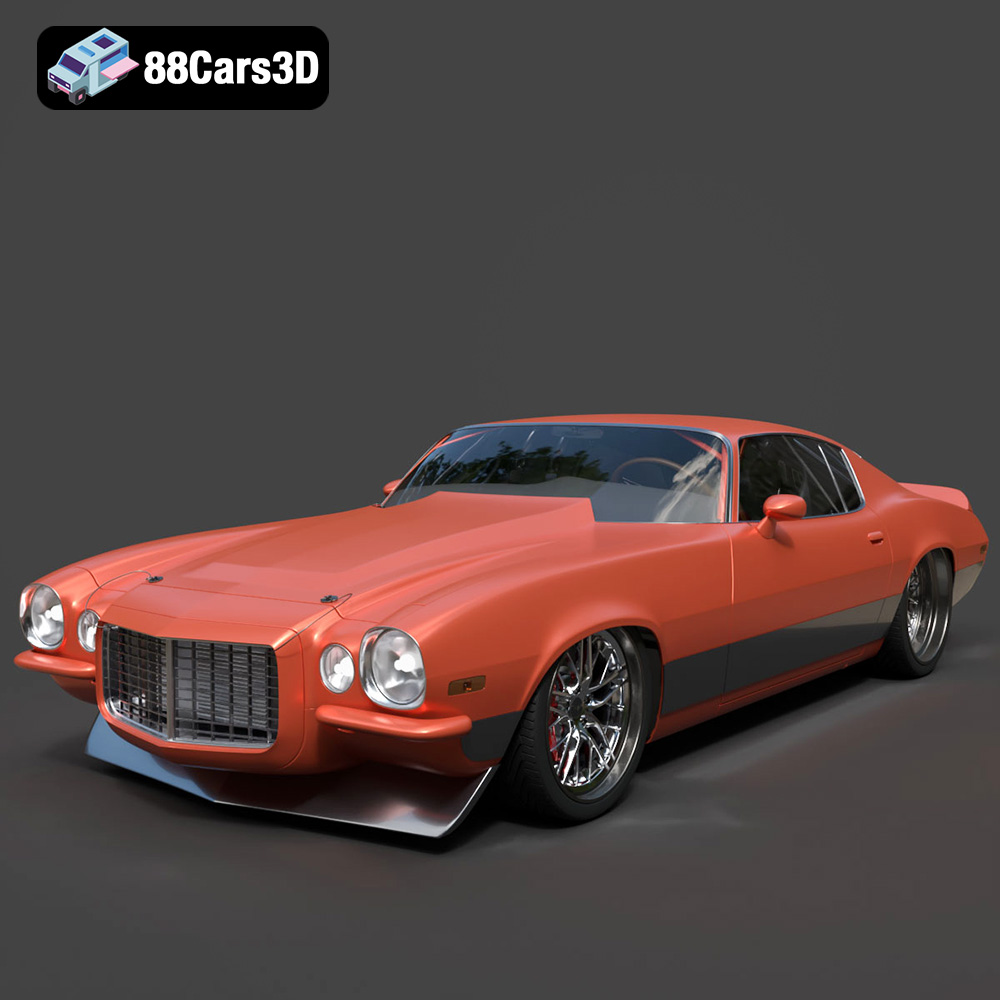
Texture: Yes
Material: Yes
Download the Chevrolet Camaro 1970 3D Model featuring clean geometry, realistic detailing, and a fully modeled interior. Includes .blend, .fbx, .obj, .glb, .stl, .ply, .unreal, and .max formats for rendering, simulation, and game development.
Price: $10
View Product
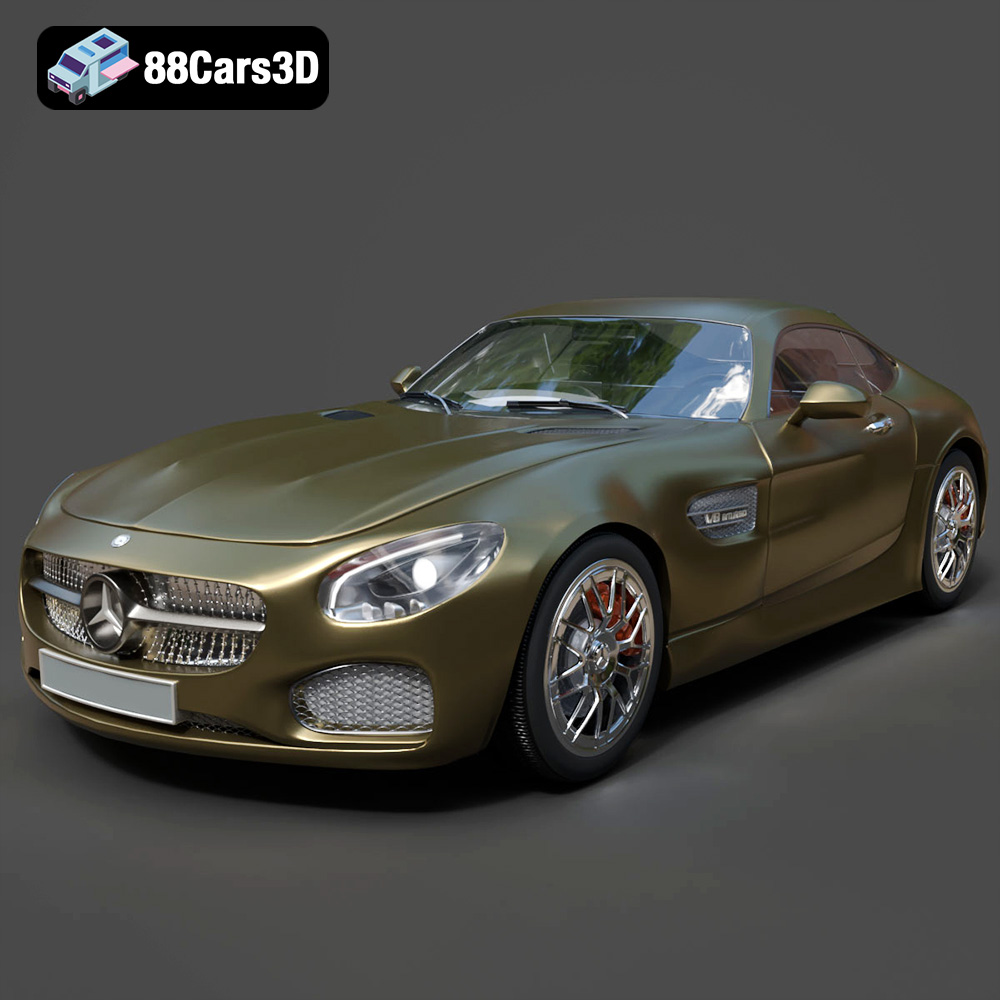
Texture: Yes
Material: Yes
Download the Mercedes-AMG GT 2015 3D Model featuring clean geometry, realistic detailing, and a fully modeled interior. Includes .blend, .fbx, .obj, .glb, .stl, .ply, .unreal, and .max formats for rendering, simulation, and game development.
Price: $88.99
View Product
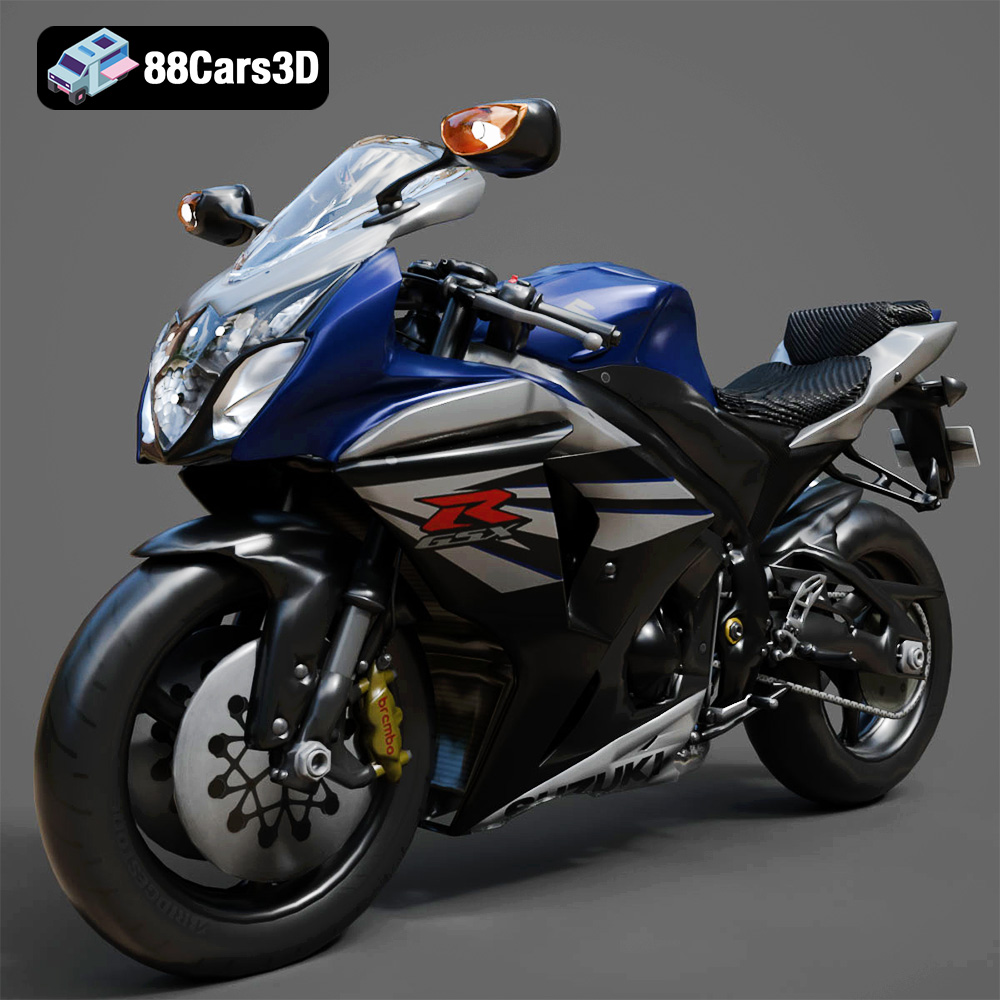
Texture: Yes
Material: Yes
Download the Suzuki GSX-R 1000 3D Model featuring clean geometry, realistic detailing, and a fully modeled interior. Includes .blend, .fbx, .obj, .glb, .stl, .ply, .unreal, and .max formats for rendering, simulation, and game development.
Price: $10
View Product
Texture: Yes
Material: Yes
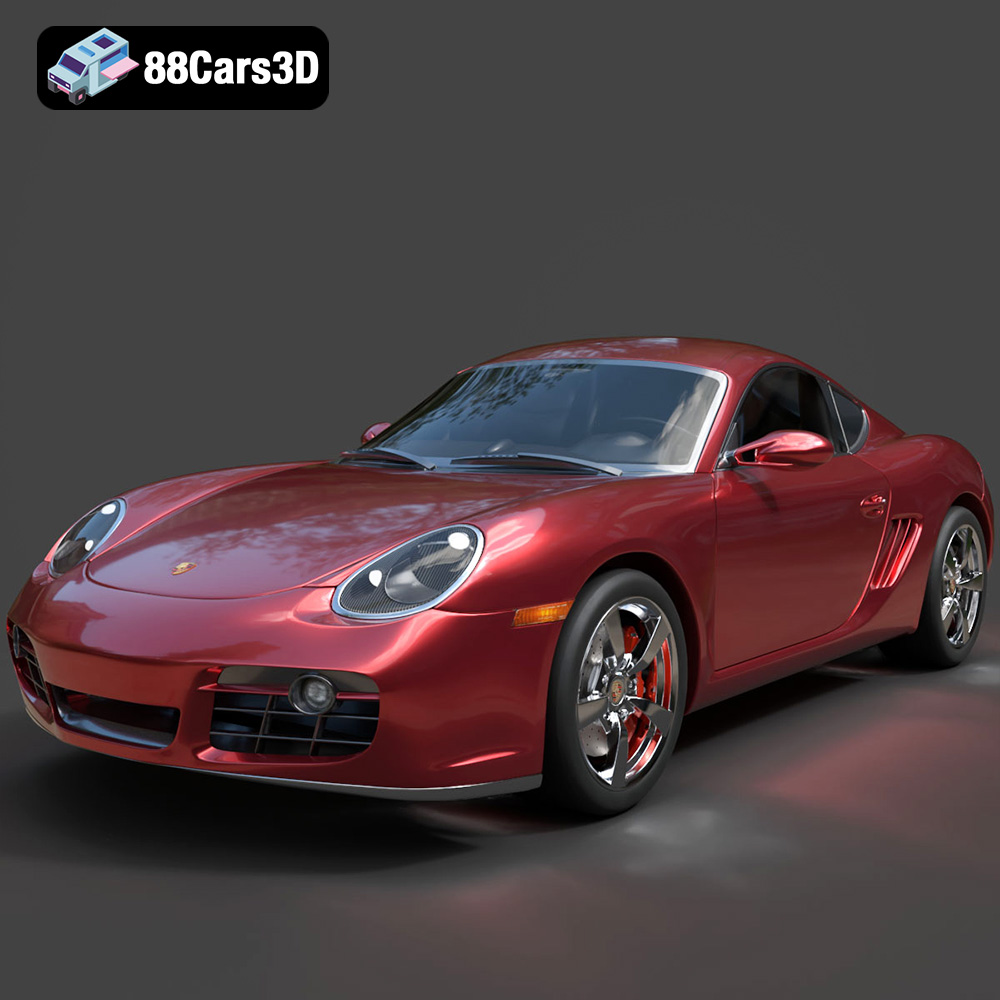
Download the Porsche Cayman S 2024 3D Model featuring clean geometry, realistic detailing, and a fully modeled interior. Includes .blend, .fbx, .obj, .glb, .stl, .ply, .unreal, and .max formats for rendering, simulation, and game development.
Price: $10
View Product
Texture: Yes
Material: Yes
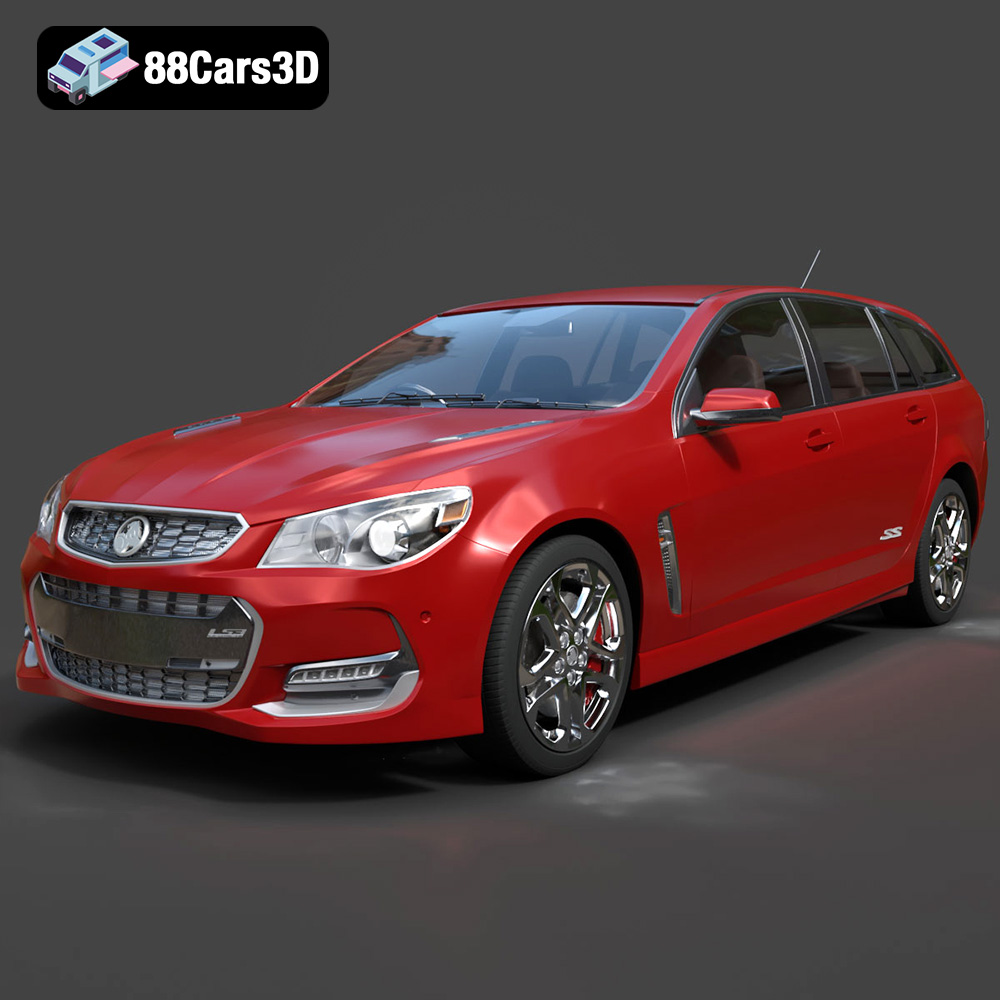
Download the Holden Commodore Sportwagon 2017 3D Model featuring clean geometry, realistic detailing, and a fully modeled interior. Includes .blend, .fbx, .obj, .glb, .stl, .ply, .unreal, and .max formats for rendering, simulation, and game development.
Price: $10
View Product
Texture: Yes
Material: Yes
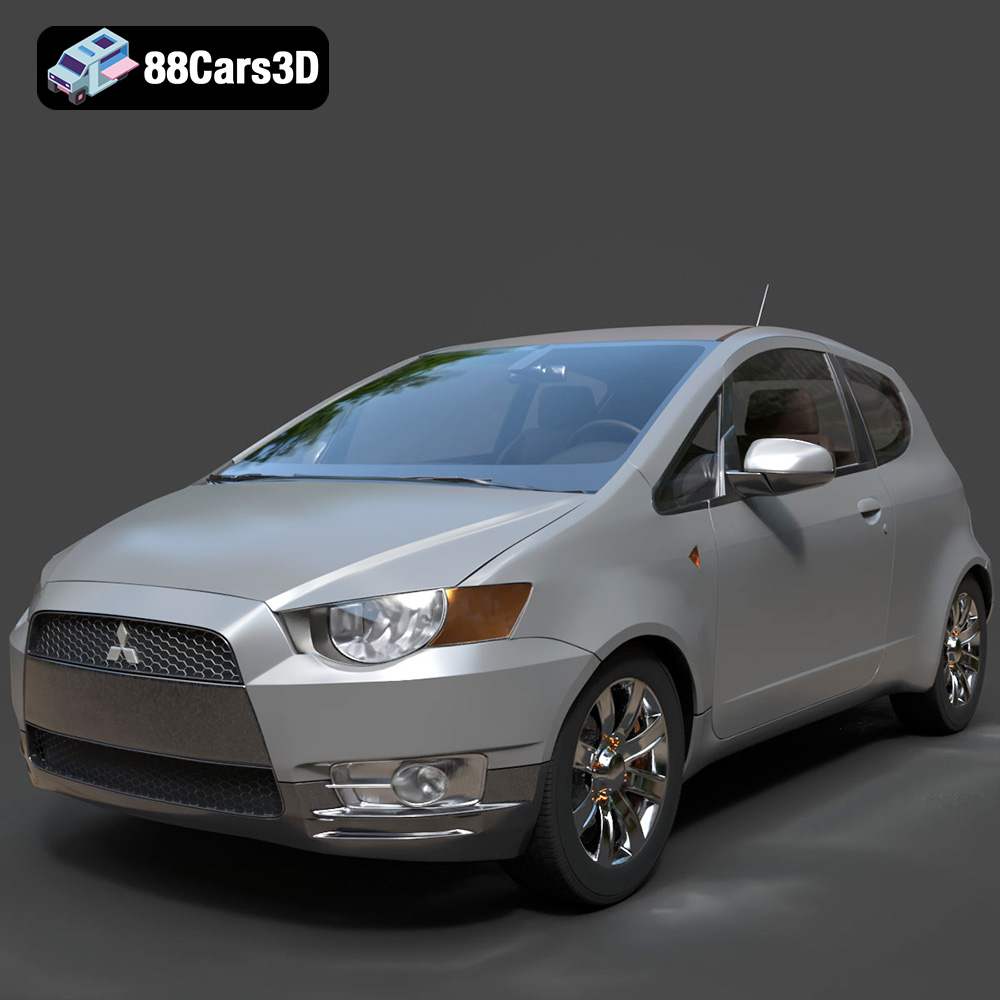
Download the Mitsubishi Colt 3 Door 2008 3D Model featuring clean geometry, realistic detailing, and a fully modeled interior. Includes .blend, .fbx, .obj, .glb, .stl, .ply, .unreal, and .max formats for rendering, simulation, and game development.
Price: $10
View Product
Texture: Yes
Material: Yes
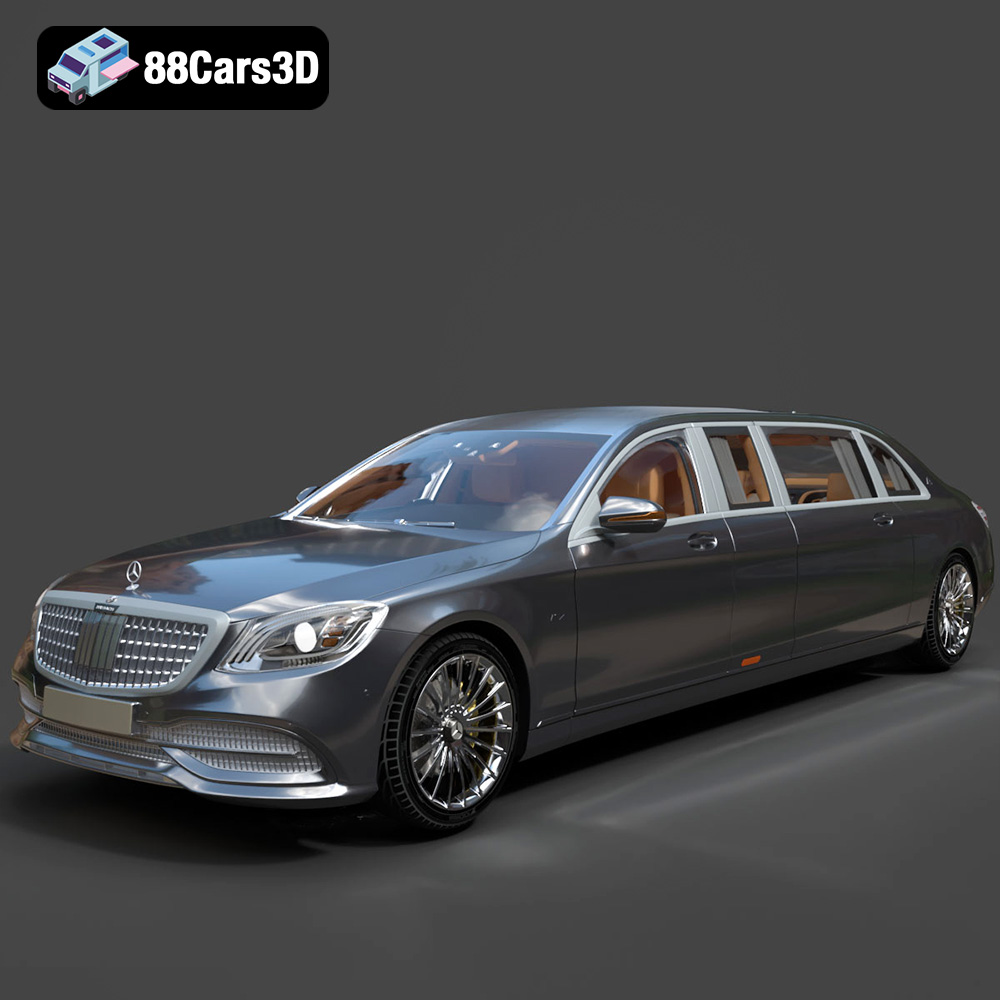
Download the Mercedes-Benz S650 Pullman 3D Model featuring clean geometry, realistic detailing, and a fully modeled interior. Includes .blend, .fbx, .obj, .glb, .stl, .ply, .unreal, and .max formats for rendering, simulation, and game development.
Price: $95.99
View Product
Texture: Yes
Material: Yes
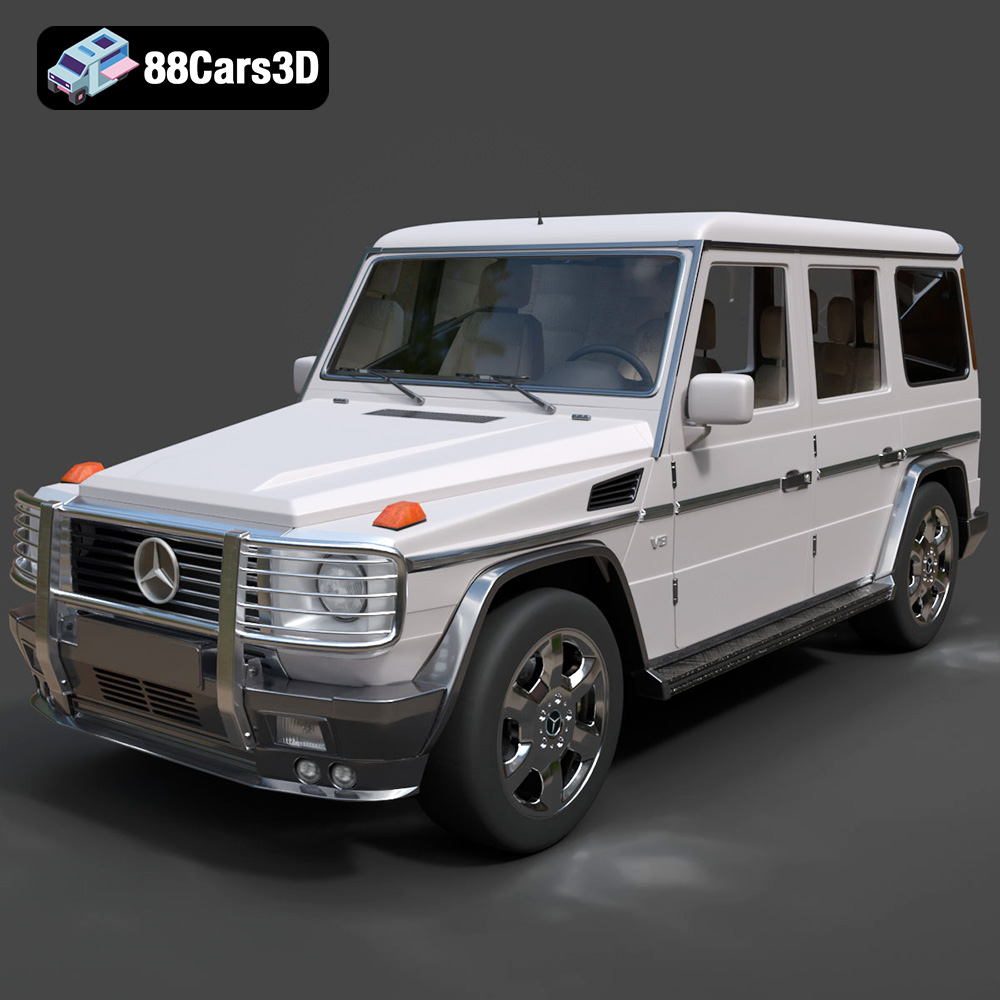
Download the Mercedes G-Class SUV 2024 3D Model featuring clean geometry, realistic detailing, and a fully modeled interior. Includes .blend, .fbx, .obj, .glb, .stl, .ply, .unreal, and .max formats for rendering, simulation, and game development.
Price: $10
View Product


