Get 50% OFF All Premium 3D & STL Models!

“`html
The world of 3D printing has revolutionized model making, offering unparalleled possibilities for creating intricate and highly detailed objects. However, with a vast array of 3D printers available, choosing the right one for your model-making needs can be a daunting task. This guide will delve into the essential features that matter most for model makers, covering both Fused Deposition Modeling (FDM) and resin-based technologies. Whether you’re interested in printing detailed car models from platforms like 88cars3d.com or creating architectural prototypes, understanding these features will help you make an informed decision and unlock the full potential of 3D printing.
We’ll explore the crucial aspects, from print resolution and build volume to material compatibility and ease of use. We’ll also discuss software integration, support structures, and post-processing techniques to ensure you achieve the highest quality results in your model making endeavors. Ready to elevate your model-making game? Let’s dive in.
For model makers, especially those working with intricate designs like printable car models available on 88cars3d.com, print resolution and accuracy are paramount. These factors determine the level of detail that can be captured and reproduced in your final print. A higher resolution means finer details and smoother surfaces, resulting in a more realistic and visually appealing model.
Layer height, measured in microns (µm), is a critical setting that directly affects print resolution. A lower layer height creates thinner layers, leading to smoother surfaces and finer details. For FDM printers, common layer heights range from 50 µm to 400 µm. For highly detailed models, aim for layer heights of 100 µm or less. For resin printers, layer heights can be as low as 20 µm, enabling incredibly fine details. Remember that lower layer heights increase print time, so it’s a trade-off between detail and speed. For example, printing a car model at 50 µm might take twice as long as printing it at 100 µm.
XY resolution refers to the smallest movement the printer can make in the X and Y axes. This determines the precision of horizontal details. In FDM printing, nozzle size influences XY resolution. A smaller nozzle (e.g., 0.25 mm) can produce finer details than a larger nozzle (e.g., 0.4 mm). Resin printers typically have much higher XY resolution, determined by the pixel size of the LCD screen or the laser spot size. Tolerance refers to the acceptable deviation from the intended dimensions. Lower tolerance means higher accuracy, crucial for assembling multi-part models. Look for printers with a tolerance of +/- 0.1 mm or better for precise fitting of parts.
Build volume dictates the maximum size of the objects you can print in a single run. It’s crucial to consider the size of the models you intend to create. If you plan to print large car models or architectural prototypes, you’ll need a printer with a sufficient build volume. Don’t forget to account for support structures which add to the overall volume required during printing.
Before purchasing a 3D printer, assess the dimensions of the models you plan to print. Consider the largest single part and whether you’re willing to split models into smaller pieces for printing and assembly. Common build volumes for desktop FDM printers range from 150x150x150 mm to 300x300x400 mm. Resin printers typically have smaller build volumes, ranging from 100x60x150 mm to 200x120x250 mm. For example, if you want to print a 1/10 scale car model that is 450mm long, you’ll need to either split the model or invest in a printer with a large build volume.
Efficiently utilizing the build volume can reduce print time and material waste. Optimize the orientation of your model to minimize the required support structures. Use slicing software to strategically place multiple parts within the build volume. Consider nesting parts together to maximize space. Some software allows you to automatically arrange parts for optimal printing. Remember that even if a model “fits” within the build volume, ensure there’s enough clearance for the print head to move without colliding with the print.
The materials you can print with are a significant factor in choosing a 3D printer. Different materials offer varying properties in terms of strength, flexibility, temperature resistance, and finish. For model makers, it’s essential to select a printer that supports the materials best suited for your projects. When browsing platforms such as 88cars3d.com for printable car models, think about the material you’ll use for the best results.
FDM printers offer a wide range of filament options. PLA (Polylactic Acid) is a popular choice for its ease of use, biodegradability, and low printing temperature. It’s suitable for general-purpose models and prototypes. ABS (Acrylonitrile Butadiene Styrene) is stronger and more heat-resistant than PLA, making it ideal for functional parts and models that will be exposed to higher temperatures. However, ABS requires a heated bed and good ventilation due to its fumes. PETG (Polyethylene Terephthalate Glycol) combines the benefits of PLA and ABS, offering good strength, flexibility, and ease of printing. More advanced materials like nylon, polycarbonate, and carbon fiber-reinforced filaments are available for specialized applications requiring high strength and durability. Consider the specific requirements of your models when selecting a filament.
* PLA: Easy to print, low temperature, good for prototypes.
* ABS: Strong, heat resistant, requires heated bed and ventilation.
* PETG: Balanced properties, good strength and flexibility.
Resin printers utilize liquid resins that are cured by UV light. Standard resins are suitable for general-purpose models with high detail. Tough resins offer increased strength and impact resistance, ideal for functional parts and models that will be handled frequently. Flexible resins provide elasticity and can be used for creating parts that need to bend or compress. Castable resins are designed for investment casting, allowing you to create metal parts from your 3D prints. Choosing the right resin depends on the desired properties of your final model. Experiment with different resin types to find the best one for your specific needs.
* Standard Resin: High detail, good for visual models.
* Tough Resin: Strong and impact resistant.
* Flexible Resin: Elastic and bendable.
Slicing software is an indispensable tool for preparing your 3D models for printing. It converts the 3D model into a series of instructions that the printer can understand, including layer height, infill density, support structures, and print speed. Effective slicing software can significantly impact the quality and success of your prints.
Several excellent slicing software options are available, each with its strengths and weaknesses. Cura is a free and open-source slicer widely used for its user-friendly interface and extensive features. PrusaSlicer is another popular open-source slicer known for its advanced features and precise control over print settings. Simplify3D is a commercial slicer that offers advanced optimization tools and support for a wide range of printers. Consider your experience level and desired level of control when choosing a slicing software. Most printers come with recommended or bundled slicing software to get you started quickly. Here are some key settings to adjust:
* Layer Height: As discussed before, affects detail and print time.
* Infill Density: Determines the internal strength of the model.
* Print Speed: Affects print quality and time.
* Support Structures: Necessary for overhangs, but can be tricky to remove.
Experimenting with different print settings is crucial for achieving optimal results. Adjust layer height to balance detail and print time. Optimize infill density to achieve the desired strength while minimizing material usage. Calibrate print speed to prevent warping or other issues. Adjusting temperature settings can improve layer adhesion and surface finish. Pay close attention to support structure settings to ensure adequate support without being overly difficult to remove. Many slicing programs have profiles for different materials that act as a good starting point.
Support structures are temporary scaffolding that supports overhangs and bridges during the printing process. They are essential for printing complex geometries but require careful consideration in terms of placement, density, and removal. Improper support structures can lead to print failures or damage to the model during removal.
Different types of support structures are available, each with its advantages and disadvantages. Tree supports are branching structures that minimize material usage and are relatively easy to remove. Linear supports are simple vertical structures that provide strong support but can be more difficult to remove. Hybrid supports combine elements of both tree and linear supports to optimize strength and ease of removal. Some software packages have algorithms to automatically generate support structures, though manual editing is often needed to refine the placement. Look for the following support settings:
* Support Density: How closely packed the support material is.
* Support Overhang Angle: The minimum angle requiring support.
* Support Placement: Where supports are automatically generated.
Careful removal of support structures is crucial to avoid damaging the model. Use specialized tools like pliers, cutters, and scrapers to carefully detach the supports. Heat can sometimes soften the supports, making them easier to remove. For soluble support materials (used in dual-extrusion FDM printers), simply dissolve the supports in water or a suitable solvent. Sanding and polishing can be used to smooth any remaining marks after support removal. Patience is key to achieving a clean and damage-free result.
Post-processing techniques are essential for refining the surface finish, appearance, and functionality of your 3D printed models. These techniques can range from simple sanding and polishing to more advanced processes like painting, coating, and assembly.
Sanding is used to remove layer lines and imperfections from the surface of the model. Start with coarse sandpaper and gradually move to finer grits to achieve a smooth finish. Priming provides a uniform surface for painting and improves adhesion. Apply thin coats of primer and allow them to dry completely before sanding lightly. Painting adds color and enhances the visual appeal of the model. Use high-quality paints specifically designed for plastics. Consider using an airbrush for a professional-looking finish.
* Sanding: Removes layer lines and imperfections.
* Priming: Creates a uniform surface for painting.
* Painting: Adds color and enhances the visual appeal.
Many models consist of multiple parts that need to be assembled. Use adhesives specifically designed for plastics to join the parts together. Ensure proper alignment and allow the adhesive to cure completely. Add finishing touches like decals, labels, and hardware to enhance the realism and functionality of the model. Consider clear coating to protect the paint and provide a glossy or matte finish. For example, on a printable car model, adding small details like mirrors, lights, and license plates can significantly enhance its realism. Platforms like 88cars3d.com sometimes offer models pre-separated for easy assembly.
The choice between FDM and resin 3D printing depends on your specific needs and priorities. FDM printers are generally more affordable, easier to use, and offer a wider range of material options. Resin printers excel in detail and surface finish but are more expensive and require more careful handling of materials.
FDM printers offer a larger build volume for the same price, making them suitable for larger models. Filament is typically cheaper than resin, reducing material costs. FDM printers are generally easier to maintain and require less specialized equipment. However, FDM prints typically have visible layer lines and lower detail compared to resin prints. FDM printing can also be slower for smaller, detailed parts.
* Advantages: Affordable, large build volume, wide material selection, easy to use.
* Disadvantages: Lower detail, visible layer lines, potentially slower.
Resin printers produce incredibly detailed models with smooth surfaces, ideal for intricate designs and miniatures. Resin printing is generally faster for small, detailed parts. However, resin printers are more expensive and have smaller build volumes. Resin materials can be more costly and require careful handling due to their toxicity. Post-processing of resin prints can be more involved, requiring washing and curing.
* Advantages: High detail, smooth surfaces, faster for small parts.
* Disadvantages: Expensive, small build volume, hazardous materials, more complex post-processing.
Choosing the right 3D printer for model making requires careful consideration of several key features, including print resolution, build volume, material compatibility, slicing software, support structures, post-processing techniques, and the choice between FDM and resin technology. By understanding these factors and aligning them with your specific needs and priorities, you can unlock the full potential of 3D printing and create stunning, high-quality models. Whether you’re printing detailed car models, architectural prototypes, or intricate figurines, the right 3D printer will empower you to bring your creative visions to life.
Start by assessing your budget and the types of models you want to create. Research different printer models and read reviews from other model makers. Experiment with different materials and settings to fine-tune your printing process. Join online communities and forums to learn from experienced users and share your own experiences. The world of 3D printing is constantly evolving, so stay curious, keep learning, and embrace the endless possibilities that this technology offers. Now, go forth and create some amazing models!
“`
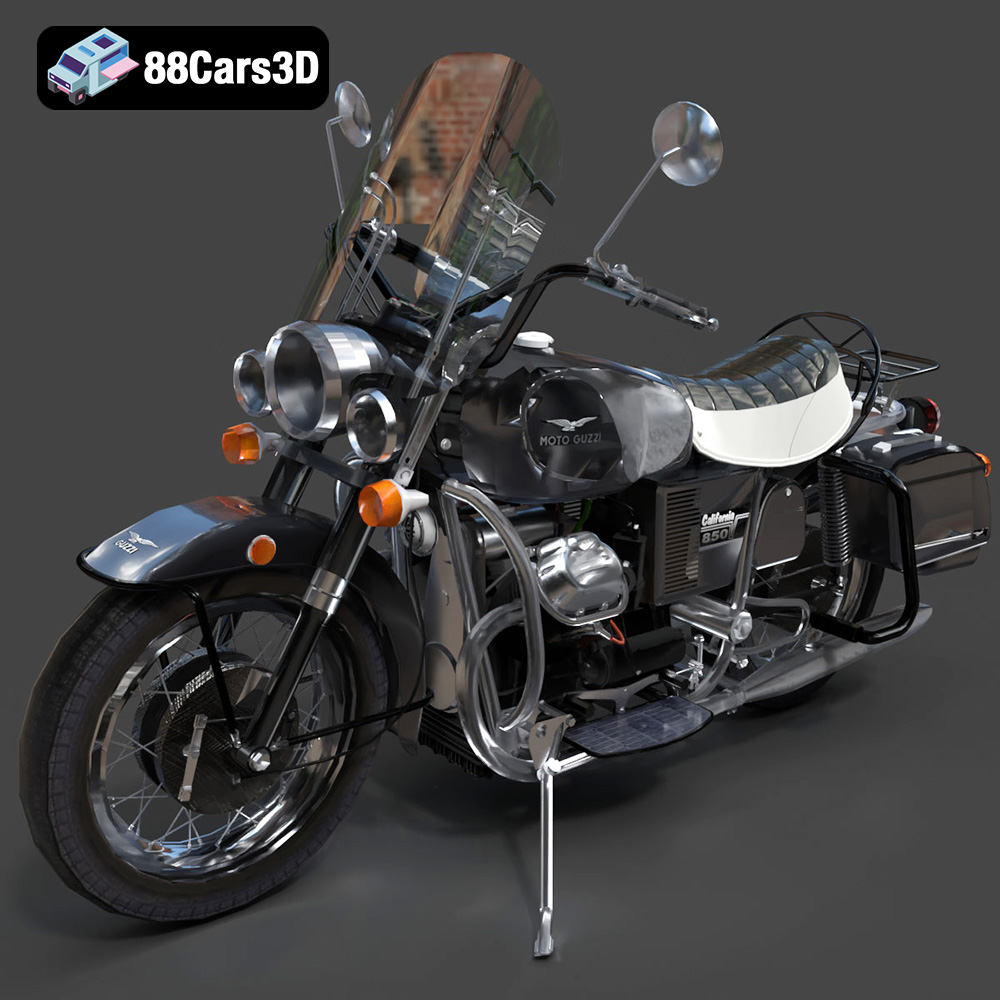
Texture: Yes
Material: Yes
Download the Moto Guzzi Classic Motorcycle 2024 3D Model featuring clean geometry, realistic detailing, and a fully modeled interior. Includes .blend, .fbx, .obj, .glb, .stl, .ply, .unreal, and .max formats for rendering, simulation, and game development.
Price: $10

Texture: Yes
Material: Yes
Download the Mercedes S-Class 2024 3D Model featuring clean geometry, realistic detailing, and a fully modeled interior. Includes .blend, .fbx, .obj, .glb, .stl, .ply, .unreal, and .max formats for rendering, simulation, and game development.
Price: $10
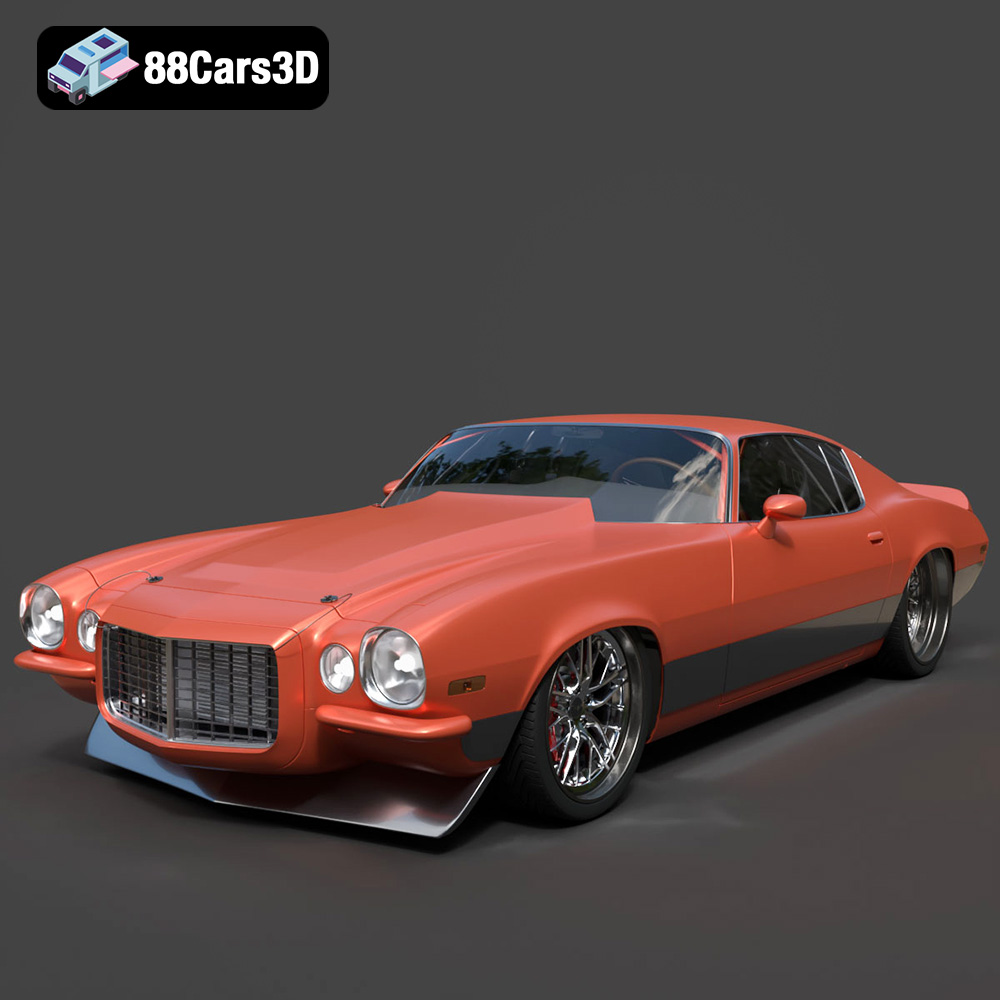
Texture: Yes
Material: Yes
Download the Chevrolet Camaro 1970 3D Model featuring clean geometry, realistic detailing, and a fully modeled interior. Includes .blend, .fbx, .obj, .glb, .stl, .ply, .unreal, and .max formats for rendering, simulation, and game development.
Price: $10
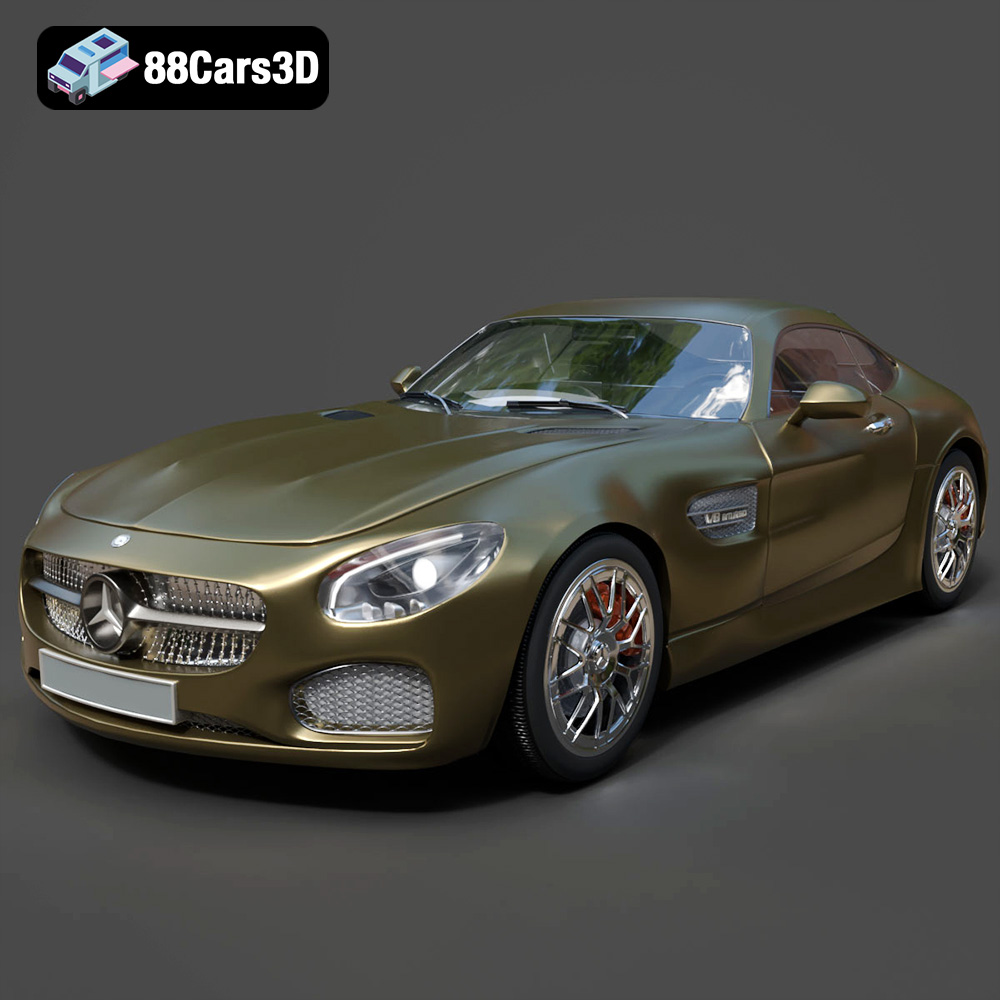
Texture: Yes
Material: Yes
Download the Mercedes-AMG GT 2015 3D Model featuring clean geometry, realistic detailing, and a fully modeled interior. Includes .blend, .fbx, .obj, .glb, .stl, .ply, .unreal, and .max formats for rendering, simulation, and game development.
Price: $88.99
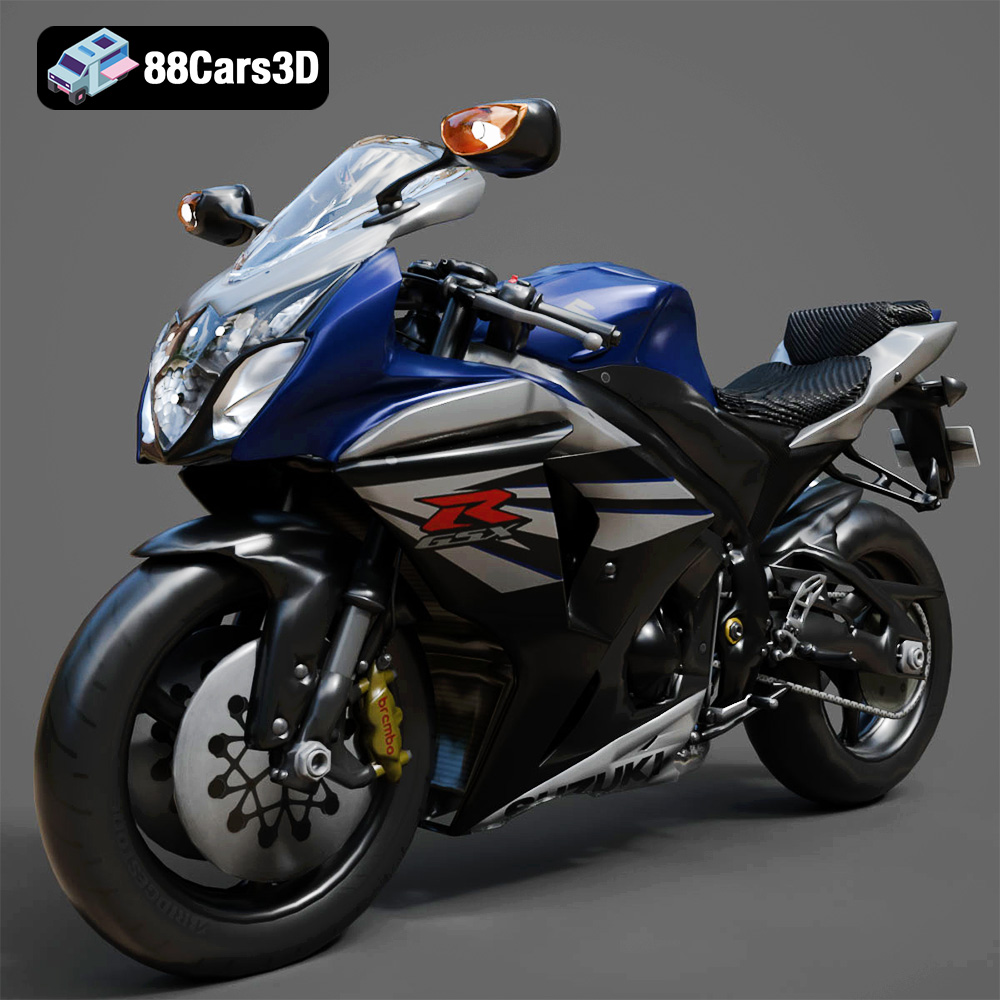
Texture: Yes
Material: Yes
Download the Suzuki GSX-R 1000 3D Model featuring clean geometry, realistic detailing, and a fully modeled interior. Includes .blend, .fbx, .obj, .glb, .stl, .ply, .unreal, and .max formats for rendering, simulation, and game development.
Price: $10
Texture: Yes
Material: Yes
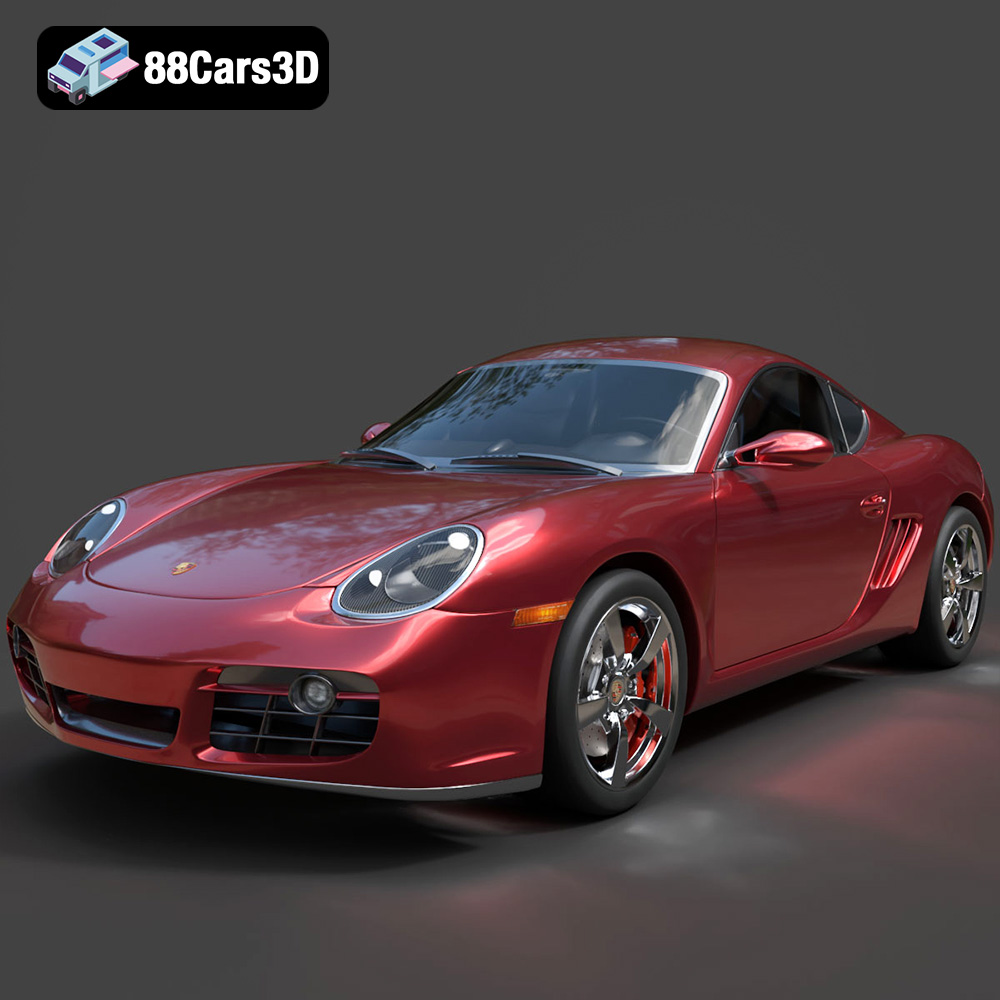
Download the Porsche Cayman S 2024 3D Model featuring clean geometry, realistic detailing, and a fully modeled interior. Includes .blend, .fbx, .obj, .glb, .stl, .ply, .unreal, and .max formats for rendering, simulation, and game development.
Price: $10

Texture: Yes
Material: Yes
Download the Holden Commodore Sportwagon 2017 3D Model featuring clean geometry, realistic detailing, and a fully modeled interior. Includes .blend, .fbx, .obj, .glb, .stl, .ply, .unreal, and .max formats for rendering, simulation, and game development.
Price: $10
Texture: Yes
Material: Yes
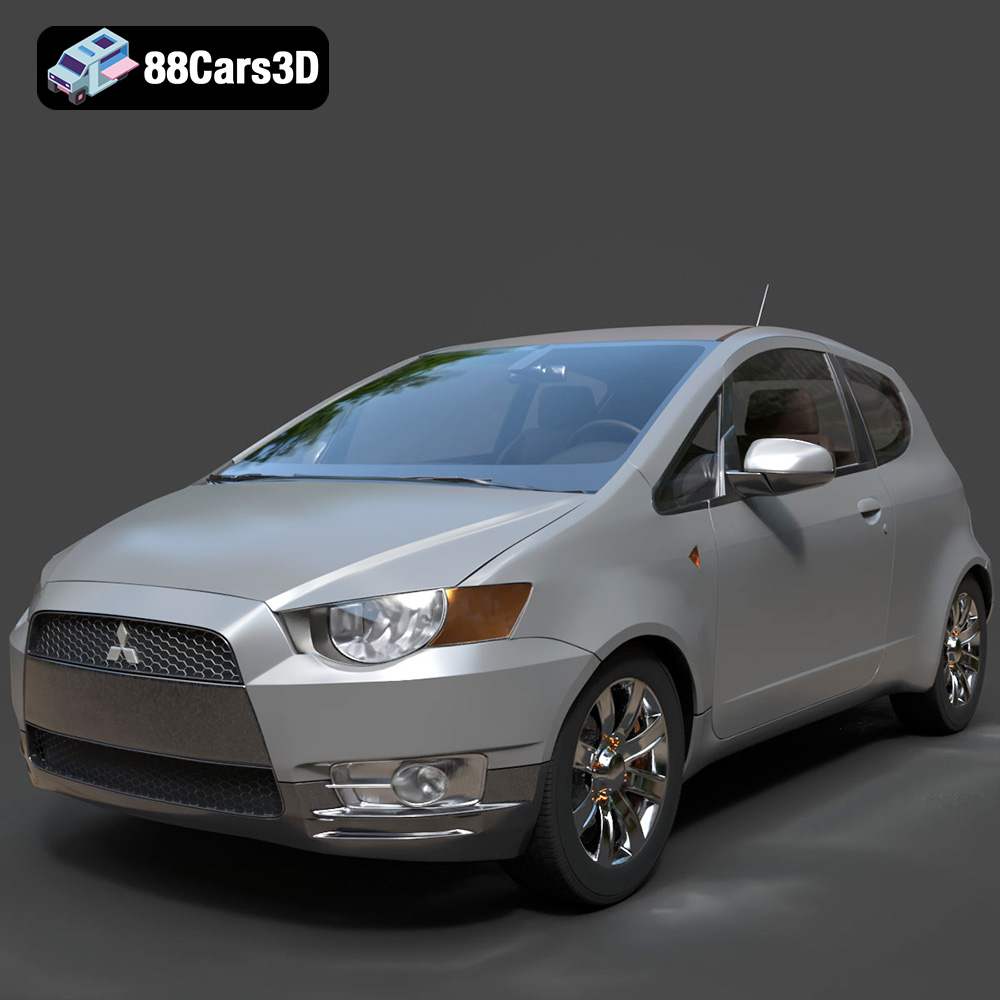
Download the Mitsubishi Colt 3 Door 2008 3D Model featuring clean geometry, realistic detailing, and a fully modeled interior. Includes .blend, .fbx, .obj, .glb, .stl, .ply, .unreal, and .max formats for rendering, simulation, and game development.
Price: $10
Texture: Yes
Material: Yes
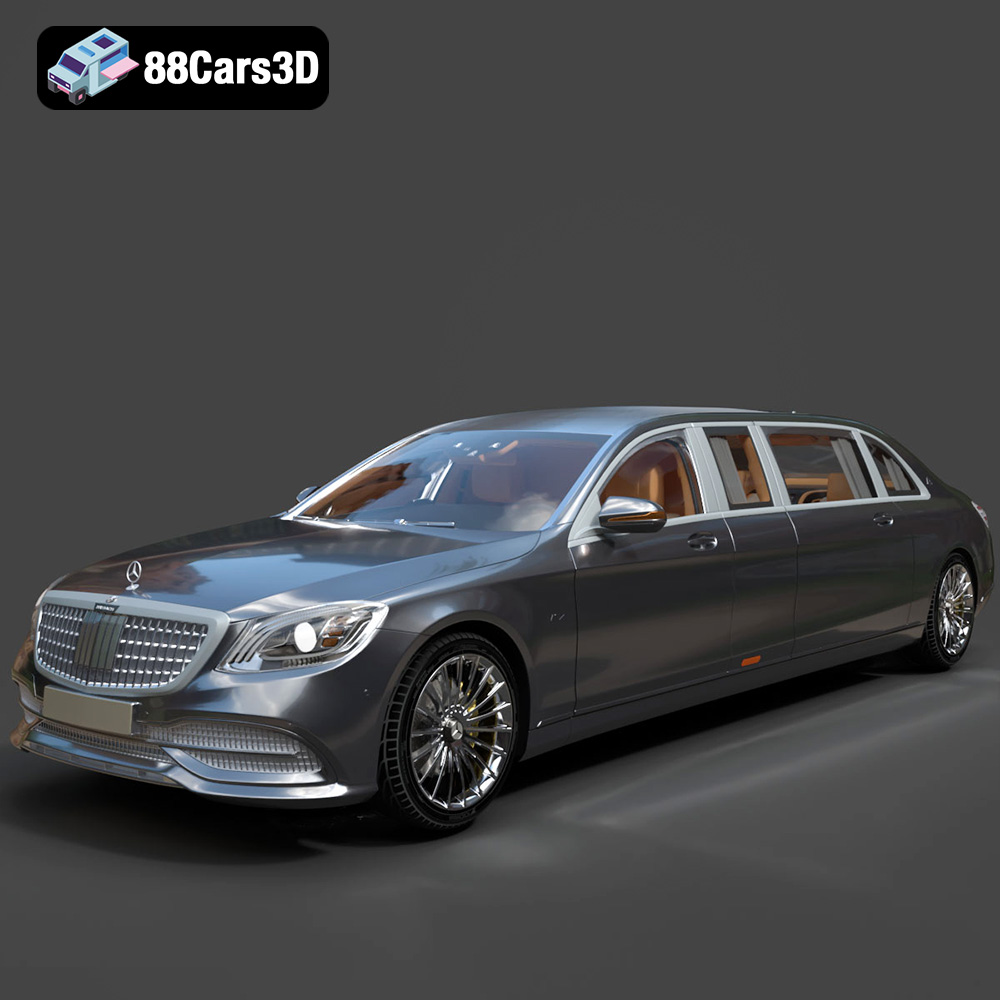
Download the Mercedes-Benz S650 Pullman 3D Model featuring clean geometry, realistic detailing, and a fully modeled interior. Includes .blend, .fbx, .obj, .glb, .stl, .ply, .unreal, and .max formats for rendering, simulation, and game development.
Price: $95.99
Texture: Yes
Material: Yes
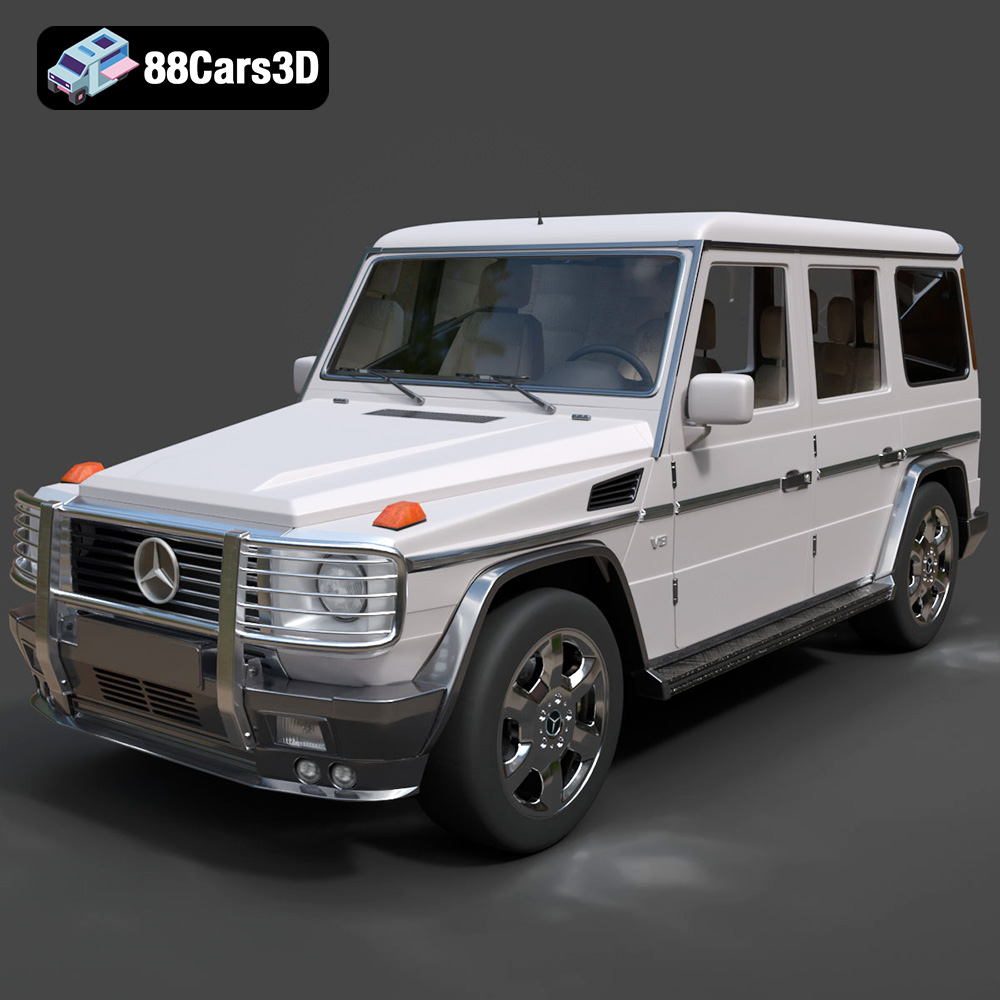
Download the Mercedes G-Class SUV 2024 3D Model featuring clean geometry, realistic detailing, and a fully modeled interior. Includes .blend, .fbx, .obj, .glb, .stl, .ply, .unreal, and .max formats for rendering, simulation, and game development.
Price: $10

