Get 50% OFF All Premium 3D & STL Models!

“`html
The allure of owning a miniature replica of your dream car is undeniable, and 3D printing has made this fantasy a tangible reality. With access to a vast library of STL files, like those offered on platforms like 88cars3d.com, enthusiasts can now bring incredibly detailed car models to life. However, transforming a digital STL file into a physical masterpiece requires a blend of technical knowledge, meticulous preparation, and skillful execution. This comprehensive guide will delve into the intricacies of 3D printing realistic car models, covering everything from file preparation and slicer settings to post-processing techniques that elevate your prints to a professional level. Whether you’re a seasoned 3D printing veteran or a curious newcomer, this guide will equip you with the knowledge and skills needed to create stunningly realistic car models.
In this guide, you will learn:
The STL (Stereolithography) file format is the cornerstone of 3D printing. It represents the surface geometry of a 3D object using a collection of triangles. Each triangle is defined by three vertices (points in 3D space) and a normal vector (indicating the triangle’s outward facing direction). The denser the mesh (the more triangles), the smoother and more detailed the final 3D print will be. However, a denser mesh also translates to larger file sizes and potentially longer slicing and printing times.
An STL file can be either ASCII or binary. ASCII STL files are human-readable, containing a list of vertex coordinates and normal vectors in plain text. Binary STL files are more compact and efficient for storage and processing. Regardless of the format, the critical element is the integrity of the mesh. A “manifold” mesh is a closed, watertight surface. Non-manifold meshes have gaps, overlaps, or self-intersections, which can cause significant problems during slicing and printing. Think of it like trying to fill a leaky bucket – the slicer won’t know how to interpret the missing or overlapping surfaces, leading to errors or incomplete prints.
Before slicing any STL file, especially those downloaded from online sources, it’s crucial to inspect and repair the mesh. Several software tools are available for this purpose, including:
These tools can identify and automatically fix common mesh errors, such as:
For example, in Meshmixer, you can import the STL file, select “Analysis” -> “Inspector,” and Meshmixer will highlight any errors in red. Clicking “Auto Repair All” will attempt to fix these issues automatically. After repair, export the corrected STL file for slicing.
Slicing is the process of converting a 3D model into a series of 2D layers that the 3D printer can understand and build upon. The slicer software takes the STL file as input and generates G-code, a numerical control language that instructs the printer on where to move the print head, how much material to extrude, and at what speed. The slicing parameters you choose have a direct impact on the print quality, strength, and overall appearance of the final car model.
Layer height is the thickness of each individual layer printed. A smaller layer height results in a smoother surface finish and finer details, but also increases the print time significantly. For realistic car models, a layer height between 0.1mm and 0.2mm is generally recommended for FDM printing. Resin printers, due to their higher resolution, can achieve excellent results with layer heights as low as 0.025mm to 0.05mm. For example, printing a model at 0.1mm layer height will take approximately twice as long as printing the same model at 0.2mm layer height.
Infill is the internal structure of the 3D print. It determines the strength and weight of the model. For car models, a higher infill percentage (20-30%) is recommended for structural integrity, especially for larger models or those intended for display. Common infill patterns include:
Experiment with different infill patterns to find the optimal balance between strength, weight, and print time. Consider using a “gradual infill” setting in your slicer. This feature increases the infill density near the top layers to provide a solid surface for the final layers, improving the overall appearance of the model. For example, you could set the infill to 15% and gradual infill steps to 3, increasing the density to 45% over the last three layers.
Support structures are temporary scaffolding that provide support for overhanging features during the 3D printing process. Without supports, these features would simply collapse under their own weight. Car models often have complex geometries with numerous overhangs, making support generation a critical step.
Most slicer software offers automatic support generation, which analyzes the model and automatically places supports where needed. However, automatic supports can sometimes be excessive or poorly positioned, leading to increased material usage and difficult removal. Manual support generation allows for greater control over the placement and type of supports, minimizing material usage and making removal easier.
Removing support structures can be a delicate process, as it’s easy to damage the model in the process. Here are some tips for effective support removal:
When downloading models from marketplaces such as 88cars3d.com, pay attention to whether the models are pre-supported or require user-generated supports. Pre-supported models often have optimized support structures designed for easy removal and minimal impact on the surface finish. For example, tree supports, available in Cura, are often used. They use less material and leave fewer marks than linear supports.
The material you choose for your 3D printed car model significantly affects its appearance, durability, and functionality. Common 3D printing materials include PLA, PETG, ABS, and various resins.
PLA (Polylactic Acid) is a biodegradable thermoplastic derived from renewable resources like corn starch or sugarcane. It’s easy to print with, has low warping, and produces a smooth surface finish. PLA is a good choice for decorative car models that won’t be exposed to high temperatures. A typical PLA printing temperature is between 190°C and 220°C, with a bed temperature of 60°C.
PETG (Polyethylene Terephthalate Glycol-modified) is a strong and durable material with good impact resistance and heat resistance. It’s more flexible than PLA and less prone to warping than ABS. PETG is a good choice for car models that need to withstand some wear and tear. PETG typically prints at temperatures between 220°C and 250°C, with a bed temperature of 70°C to 80°C.
ABS (Acrylonitrile Butadiene Styrene) is a strong and heat-resistant material commonly used in automotive parts. It’s more difficult to print with than PLA and PETG, as it’s prone to warping and requires a heated bed and enclosure to maintain a stable temperature. ABS is a good choice for car models that will be exposed to high temperatures or require high strength. ABS usually requires a nozzle temperature between 230°C and 260°C and a bed temperature of 90°C to 110°C.
Resin printing offers unmatched detail and surface finish compared to FDM printing. Resin printers use UV light to cure liquid resin layer by layer. Resin is ideal for creating highly detailed car models with intricate features. However, resin prints are often more brittle than FDM prints and require post-processing, such as washing and curing. Common resin types include standard resin, tough resin, and flexible resin. Layer heights for resin printing typically range from 0.025mm to 0.05mm.
Post-processing is the finishing touch that transforms a raw 3D print into a polished and realistic car model. Common post-processing techniques include sanding, priming, painting, and assembly.
Sanding removes layer lines and imperfections from the surface of the 3D print. Start with coarse sandpaper (e.g., 220 grit) and gradually move to finer grits (e.g., 400, 600, 800, and 1000 grit) for a smooth finish. Wet sanding (using water with the sandpaper) can help prevent the sandpaper from clogging and produce a smoother surface. For hard-to-reach areas, consider using small sanding sponges or files.
Priming creates a uniform surface for painting and helps the paint adhere better. Apply several thin coats of primer, allowing each coat to dry completely before applying the next. After priming, sand the surface lightly with fine-grit sandpaper (e.g., 800 grit) to remove any imperfections. Use high-quality automotive paints for a realistic finish. Apply several thin coats of paint, allowing each coat to dry completely before applying the next. Consider using an airbrush for a professional-looking finish. Clear coating can protect the paint and add a glossy shine.
Many car models consist of multiple parts that need to be assembled after printing. Use super glue or epoxy to join the parts together. Add details such as windows, mirrors, and lights to enhance the realism of the model. Decals and transfers can also be used to add logos and markings. For example, you might print the car body, wheels, and interior separately and then assemble them after painting.
3D printing is not always a smooth process, and encountering issues is part of the learning curve. Here are some common printing problems and their solutions:
Warping occurs when the first layer of the print lifts off the build plate. This is often caused by poor bed adhesion or uneven heating. To improve bed adhesion:
Stringing occurs when the printer extrudes plastic while moving between different parts of the print. Blobs are small accumulations of plastic on the surface of the print. To reduce stringing and blobs:
Layer separation occurs when the layers of the print do not adhere properly to each other. This can be caused by:
3D printing realistic car models from STL files is a rewarding and challenging endeavor. By understanding the intricacies of STL files, mastering slicing parameters, utilizing support structures effectively, choosing the right materials, and applying post-processing techniques, you can create stunningly realistic replicas of your favorite vehicles. Remember to always inspect and repair your STL files before printing, experiment with different slicing settings to optimize print quality, and be patient with the post-processing phase. With practice and dedication, you’ll be able to produce 3D printed car models that are sure to impress. Start your journey today by exploring the vast collection of printable car models available on platforms like 88cars3d.com. Now go forth and bring your automotive dreams to life, one layer at a time!
Next steps:
“`
Texture: Yes
Material: Yes
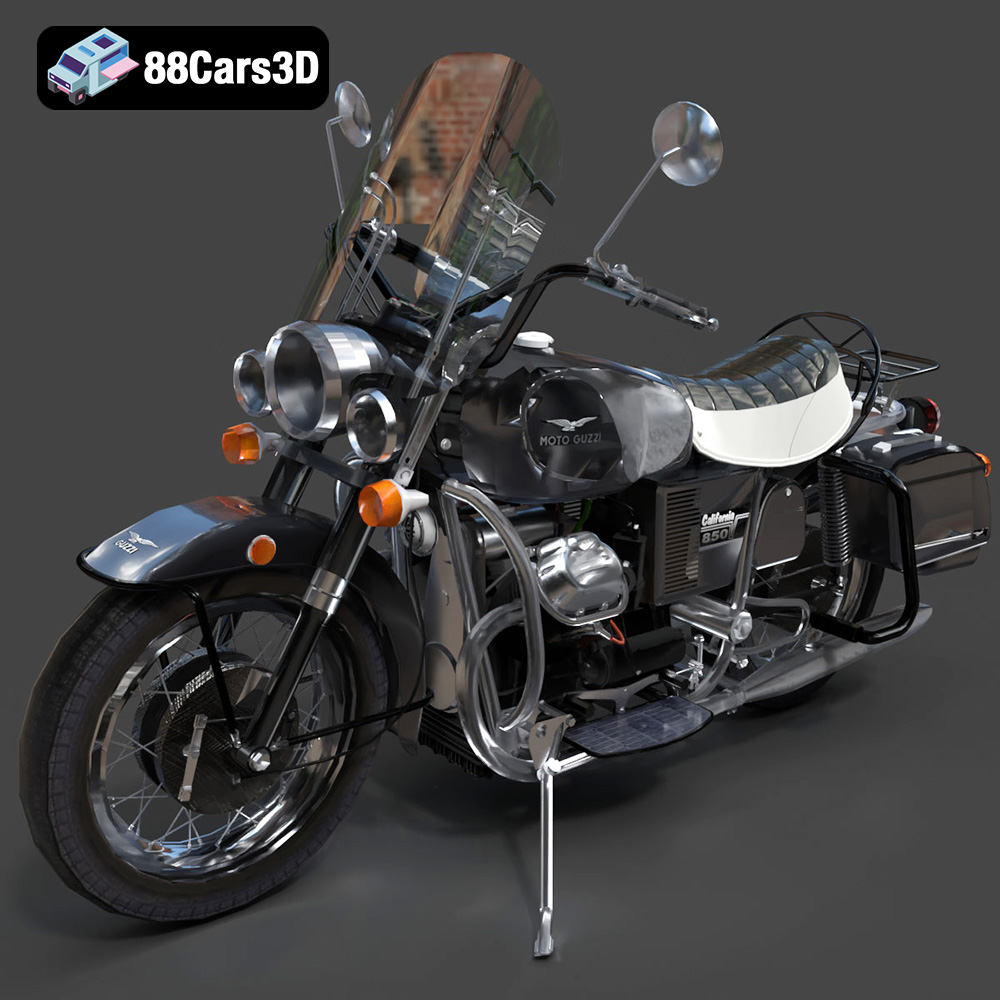
Download the Moto Guzzi Classic Motorcycle 2024 3D Model featuring clean geometry, realistic detailing, and a fully modeled interior. Includes .blend, .fbx, .obj, .glb, .stl, .ply, .unreal, and .max formats for rendering, simulation, and game development.
Price: $10

Texture: Yes
Material: Yes
Download the Mercedes S-Class 2024 3D Model featuring clean geometry, realistic detailing, and a fully modeled interior. Includes .blend, .fbx, .obj, .glb, .stl, .ply, .unreal, and .max formats for rendering, simulation, and game development.
Price: $10

Texture: Yes
Material: Yes
Download the Chevrolet Camaro 1970 3D Model featuring clean geometry, realistic detailing, and a fully modeled interior. Includes .blend, .fbx, .obj, .glb, .stl, .ply, .unreal, and .max formats for rendering, simulation, and game development.
Price: $10

Texture: Yes
Material: Yes
Download the Mercedes-AMG GT 2015 3D Model featuring clean geometry, realistic detailing, and a fully modeled interior. Includes .blend, .fbx, .obj, .glb, .stl, .ply, .unreal, and .max formats for rendering, simulation, and game development.
Price: $88.99

Texture: Yes
Material: Yes
Download the Suzuki GSX-R 1000 3D Model featuring clean geometry, realistic detailing, and a fully modeled interior. Includes .blend, .fbx, .obj, .glb, .stl, .ply, .unreal, and .max formats for rendering, simulation, and game development.
Price: $10

Texture: Yes
Material: Yes
Download the Porsche Cayman S 2024 3D Model featuring clean geometry, realistic detailing, and a fully modeled interior. Includes .blend, .fbx, .obj, .glb, .stl, .ply, .unreal, and .max formats for rendering, simulation, and game development.
Price: $10

Texture: Yes
Material: Yes
Download the Holden Commodore Sportwagon 2017 3D Model featuring clean geometry, realistic detailing, and a fully modeled interior. Includes .blend, .fbx, .obj, .glb, .stl, .ply, .unreal, and .max formats for rendering, simulation, and game development.
Price: $10
Texture: Yes
Material: Yes
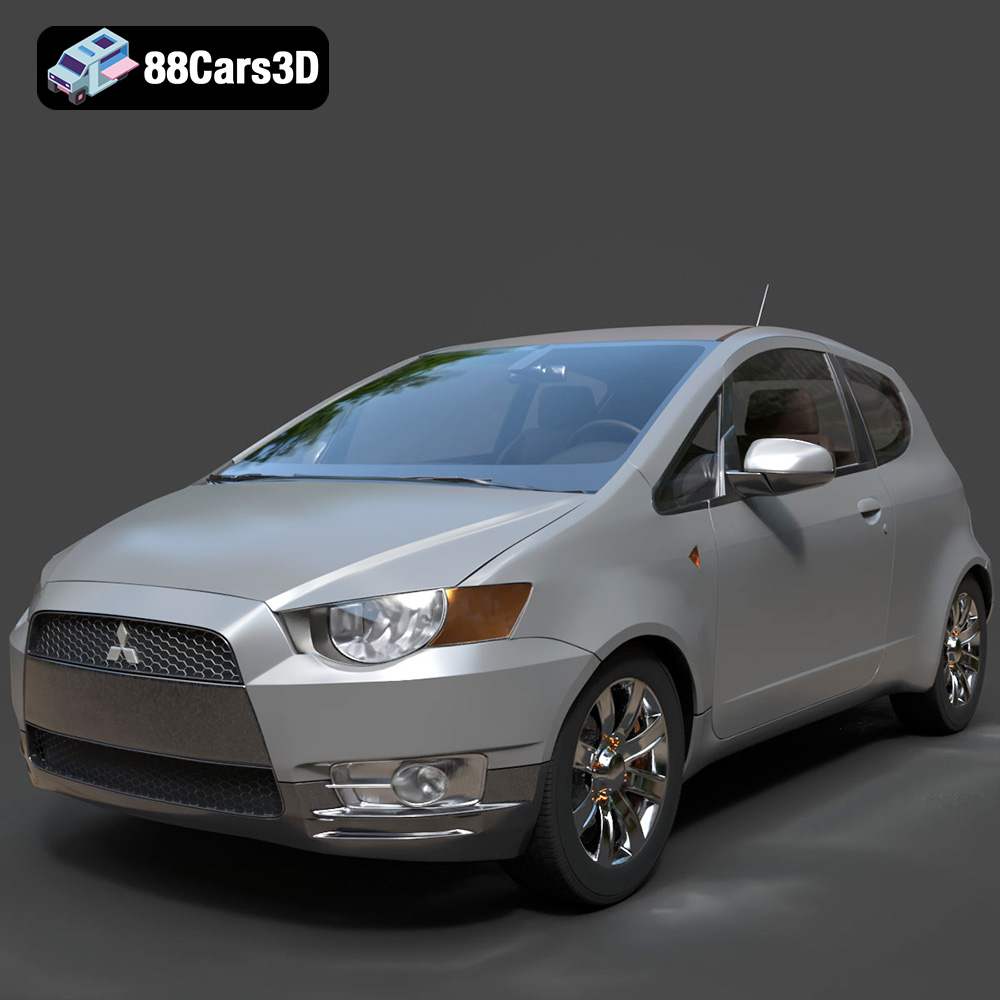
Download the Mitsubishi Colt 3 Door 2008 3D Model featuring clean geometry, realistic detailing, and a fully modeled interior. Includes .blend, .fbx, .obj, .glb, .stl, .ply, .unreal, and .max formats for rendering, simulation, and game development.
Price: $10
Texture: Yes
Material: Yes
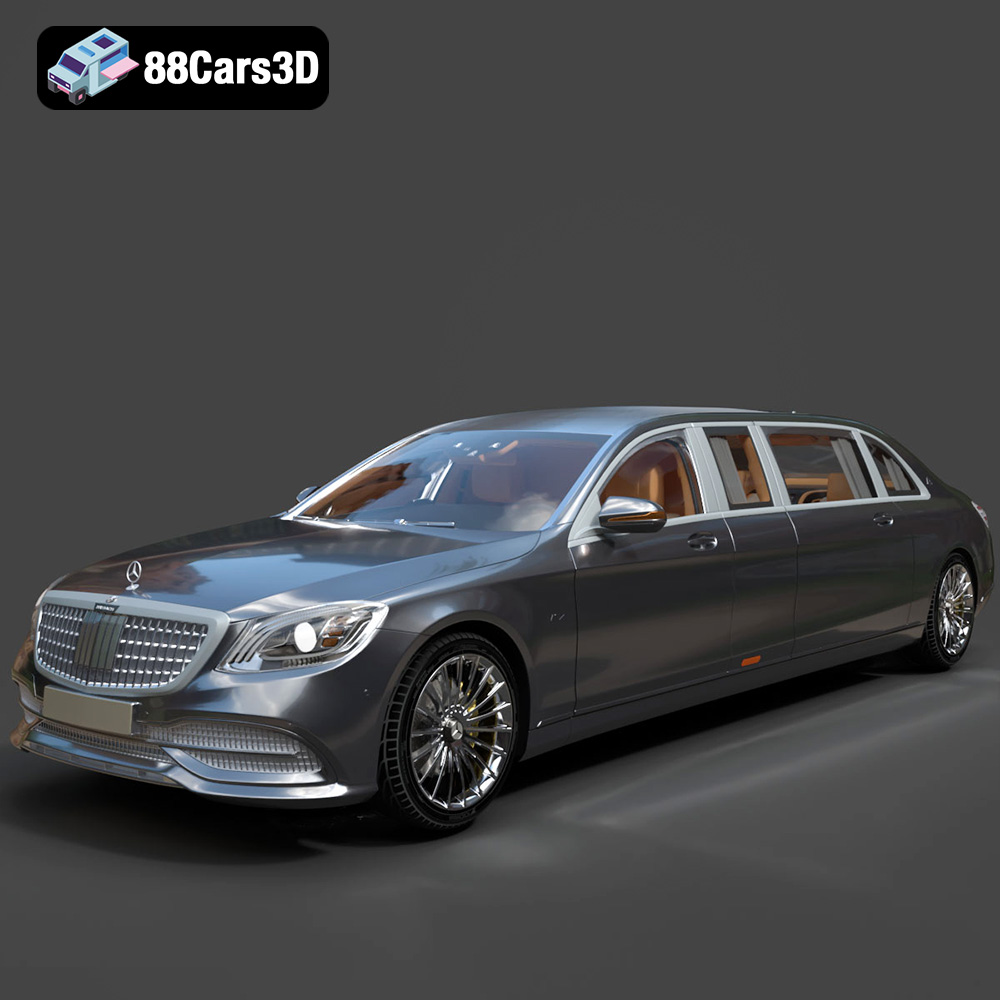
Download the Mercedes-Benz S650 Pullman 3D Model featuring clean geometry, realistic detailing, and a fully modeled interior. Includes .blend, .fbx, .obj, .glb, .stl, .ply, .unreal, and .max formats for rendering, simulation, and game development.
Price: $95.99
Texture: Yes
Material: Yes
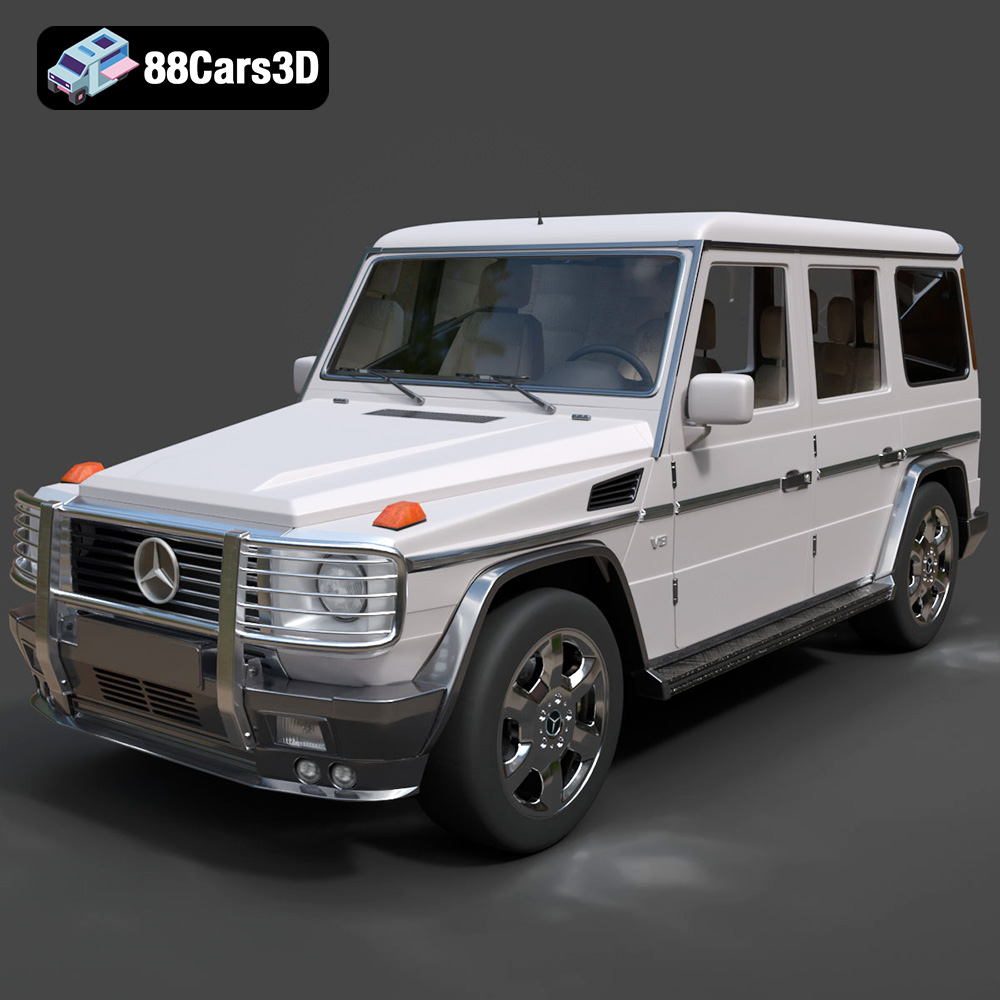
Download the Mercedes G-Class SUV 2024 3D Model featuring clean geometry, realistic detailing, and a fully modeled interior. Includes .blend, .fbx, .obj, .glb, .stl, .ply, .unreal, and .max formats for rendering, simulation, and game development.
Price: $10

