Get 50% OFF All Premium 3D & STL Models!

“`html
3D printing has revolutionized the world of model making, offering hobbyists and professionals unprecedented control over design and fabrication. Creating intricate and accurate printable car models, architectural mock-ups, or even figurines requires a 3D printer equipped with specific features tailored for precision and reliability. This guide delves into the crucial aspects to consider when selecting a 3D printer for model making, covering everything from print technology and resolution to material compatibility and post-processing considerations. Whether you’re a seasoned maker or just starting, understanding these features will empower you to choose the perfect tool for bringing your designs to life. Platforms like 88cars3d.com offer print-ready STL files that can be downloaded and printed using the right 3D printer for your needs.
We’ll explore the nuances of FDM (Fused Deposition Modeling) and resin printing, discuss the importance of bed leveling and temperature control, and provide actionable tips for achieving optimal print quality. By the end of this guide, you’ll have a clear understanding of what to look for in a 3D printer to consistently produce stunning and accurate models.
The two dominant 3D printing technologies for model making are FDM and resin printing (SLA/DLP/LCD). Each has its strengths and weaknesses, making them suitable for different types of models and desired levels of detail. Understanding the fundamental differences is crucial in selecting the right printer.
FDM printers work by extruding molten plastic filament layer by layer. They are generally more affordable and use a wider range of materials, including PLA, PETG, ABS, and more. FDM printers are well-suited for larger models and functional prototypes. While FDM printers have improved significantly in recent years, they typically produce models with visible layer lines, which may require post-processing for a smooth finish. A typical layer height for detailed FDM prints is 0.1mm to 0.2mm, with infill percentages ranging from 15% to 25% for structural integrity while minimizing material usage.
Resin printers use liquid resin that is cured by UV light. SLA (Stereolithography) uses a laser to cure the resin, while DLP (Digital Light Processing) uses a projector, and LCD printers use an LCD screen to mask the UV light. Resin printers excel at producing highly detailed models with smooth surfaces, making them ideal for miniatures, jewelry, and models where aesthetics are paramount. Resin printing generally offers superior resolution compared to FDM, often achieving layer heights as low as 0.025mm. This allows for capturing intricate details and minimizing the appearance of layer lines. However, resin printers are often more expensive than FDM printers, and the resins can be more hazardous and require careful handling and ventilation. Models printed with resin also tend to be more brittle than FDM prints, and require thorough washing and curing.
For model makers, resolution and precision are paramount. The ability to accurately reproduce intricate details and smooth curves is what separates a good print from an exceptional one. Several factors contribute to the overall resolution and precision of a 3D printer.
Layer height is the thickness of each layer of material deposited during printing. Lower layer heights result in smoother surfaces and finer details, but also increase print time. For FDM printing, a layer height of 0.1mm is often considered a good balance between detail and print speed for model making. Resin printers can achieve significantly lower layer heights, often down to 0.025mm or even lower, resulting in exceptionally detailed prints. The trade-off is a substantial increase in print time.
XY resolution refers to the smallest movement the printer can make in the X and Y axes. This is particularly important for resin printers, where the XY resolution determines the level of detail that can be captured in each layer. For LCD resin printers, the XY resolution is determined by the pixel size of the LCD screen. A smaller pixel size results in higher resolution. For FDM printers, nozzle size plays a role here. Smaller nozzles (0.2mm or 0.3mm) allow for finer details but may require slower print speeds and increased risk of clogging.
A perfectly leveled print bed and proper adhesion are crucial for successful 3D printing. A poorly leveled bed can lead to warping, failed prints, and frustration. Ensuring that the first layer adheres firmly to the bed is equally important, as it provides the foundation for the entire model. Automatic bed leveling features can greatly simplify this process and improve print reliability.
ABL systems use sensors to automatically measure the distance between the print bed and the nozzle at multiple points. The printer then compensates for any unevenness in the bed by adjusting the Z-axis height during printing. ABL significantly reduces the need for manual bed leveling, saving time and ensuring consistent results. Common ABL systems include inductive probes, capacitive sensors, and strain gauges. Some systems, like BLTouch, have become popular for their accuracy and ease of use.
Several techniques can be used to improve bed adhesion. These include using a heated bed, applying adhesive materials such as glue stick or hairspray, and using specialized build surfaces such as PEI sheets or glass beds. A heated bed helps to keep the first layer warm and prevents warping, especially when printing with materials like ABS. Adhesive materials provide extra grip for the filament. The ideal bed temperature for PLA is typically between 50°C and 60°C, while ABS often requires temperatures between 100°C and 110°C. Resin printing typically relies on a textured build plate to promote adhesion.
The ability to print with a wide range of materials opens up new possibilities for model makers. Different materials have different properties, such as strength, flexibility, and temperature resistance, which can be important for different applications. When downloading models from marketplaces such as 88cars3d.com, check what the recommended printing material is to achieve the best result.
FDM printers offer a wide range of material options, including PLA, PETG, ABS, nylon, TPU, and more. PLA is a biodegradable plastic that is easy to print and is a good choice for beginners. PETG is stronger and more durable than PLA and has good chemical resistance. ABS is a strong and heat-resistant plastic that is often used for functional parts, but it requires a heated bed and good ventilation. Flexible filaments like TPU can be used to create parts with rubber-like properties. When selecting an FDM printer, consider its ability to handle different filament types and temperature ranges. A printer with a heated bed and enclosed chamber is essential for printing with ABS and other temperature-sensitive materials.
Resin printers also offer a variety of resin options, including standard resins, tough resins, flexible resins, and castable resins. Standard resins are good for general-purpose printing. Tough resins are more durable and impact-resistant. Flexible resins can be used to create parts with rubber-like properties. Castable resins are designed for investment casting. When selecting a resin printer, consider the type of resin you will be using and the printer’s compatibility with those resins. Some resins require specific wavelengths of UV light for curing, so it is important to choose a printer with the appropriate light source.
Slicing software is used to convert 3D models into instructions that the printer can understand. The slicing process involves dividing the model into layers and generating toolpaths for the printer to follow. Proper slicing and printer settings are crucial for achieving optimal print quality and reliability.
Several key slicing parameters can be adjusted to optimize print quality. These include layer height, print speed, infill density, support structures, and bed adhesion settings. Lower layer heights result in smoother surfaces and finer details, but also increase print time. Print speed affects the speed at which the printer moves during printing. Slower print speeds generally result in better print quality. Infill density determines the amount of material used to fill the inside of the model. Higher infill densities result in stronger models but also increase print time and material usage. Support structures are used to support overhanging features during printing. Proper support placement and removal are essential for achieving good results. Bed adhesion settings help to ensure that the first layer adheres firmly to the bed.
Popular slicing software programs include Cura, PrusaSlicer, Simplify3D, and Chitubox (for resin printing). Each program has its own strengths and weaknesses. Cura is a free and open-source slicer that is easy to use and has a wide range of features. PrusaSlicer is another free and open-source slicer that is known for its advanced features and support for Prusa printers. Simplify3D is a commercial slicer that is known for its advanced control over print settings. Chitubox is a popular slicer for resin printers that is known for its ease of use and support for a wide range of resin printers. Experimenting with different slicing software and settings is essential for finding the optimal configuration for your printer and models. For example, in Cura, the “Tree Support” option can be very effective for complex models, but requires careful placement to avoid interfering with the model’s surface. For FDM, consider enabling “Retraction” to minimize stringing between parts. When printing with resin, adjust the “Lift Distance” and “Lift Speed” to ensure proper separation of the model from the FEP film in the resin vat.
Post-processing refers to the steps taken after printing to improve the appearance and functionality of the model. Common post-processing techniques include removing support structures, sanding, painting, and assembling multiple parts.
Removing support structures can be a tedious process, but it is essential for achieving a clean and professional look. Several tools can be used to remove supports, including pliers, cutters, and knives. Care must be taken to avoid damaging the model during support removal. Soluble support materials, such as HIPS (for ABS) or PVA (for PLA), can be used to simplify support removal. These materials can be dissolved in water or other solvents, leaving behind a clean and smooth surface.
Sanding is used to smooth the surface of the model and remove layer lines. Start with a coarse grit sandpaper and gradually move to finer grits. Wet sanding can help to reduce dust and improve the finish. Painting can be used to add color and detail to the model. Use a primer to prepare the surface for painting. Apply multiple thin coats of paint for best results. Consider using an airbrush for a smooth and even finish. If you’re printing printable car models found on websites like 88cars3d.com, sanding and painting can truly bring them to life.
Even with the best equipment and settings, 3D printing can sometimes be challenging. Here are some common problems and their solutions:
Warping occurs when the corners of a print lift off the build plate, especially common with materials like ABS. Solutions include:
Stringing is the presence of thin strands of filament between parts of a print. Solutions include:
Layer shifting is when layers are misaligned. Solutions include:
Nozzle clogs can interrupt prints. Solutions include:
By systematically addressing these issues, you can improve the reliability of your 3D printing process.
Choosing the right 3D printer for model making involves carefully considering factors such as print technology (FDM vs. resin), resolution, bed leveling, material compatibility, slicing software, and post-processing techniques. Both FDM and resin printers offer unique advantages, and the best choice depends on your specific needs and priorities. A well-maintained and properly configured 3D printer can empower you to create stunning and accurate models that meet your creative vision. By understanding the technical details discussed in this guide, you can make informed decisions and unlock the full potential of 3D printing for model making.
Take the time to research different printer models, experiment with different materials and settings, and learn from your mistakes. 3D printing is a constantly evolving field, and continuous learning is essential for staying at the forefront of innovation. Now, armed with this knowledge, you’re well-equipped to explore the vast world of 3D printable car models and other exciting projects. So go forth, experiment, and create!
“`
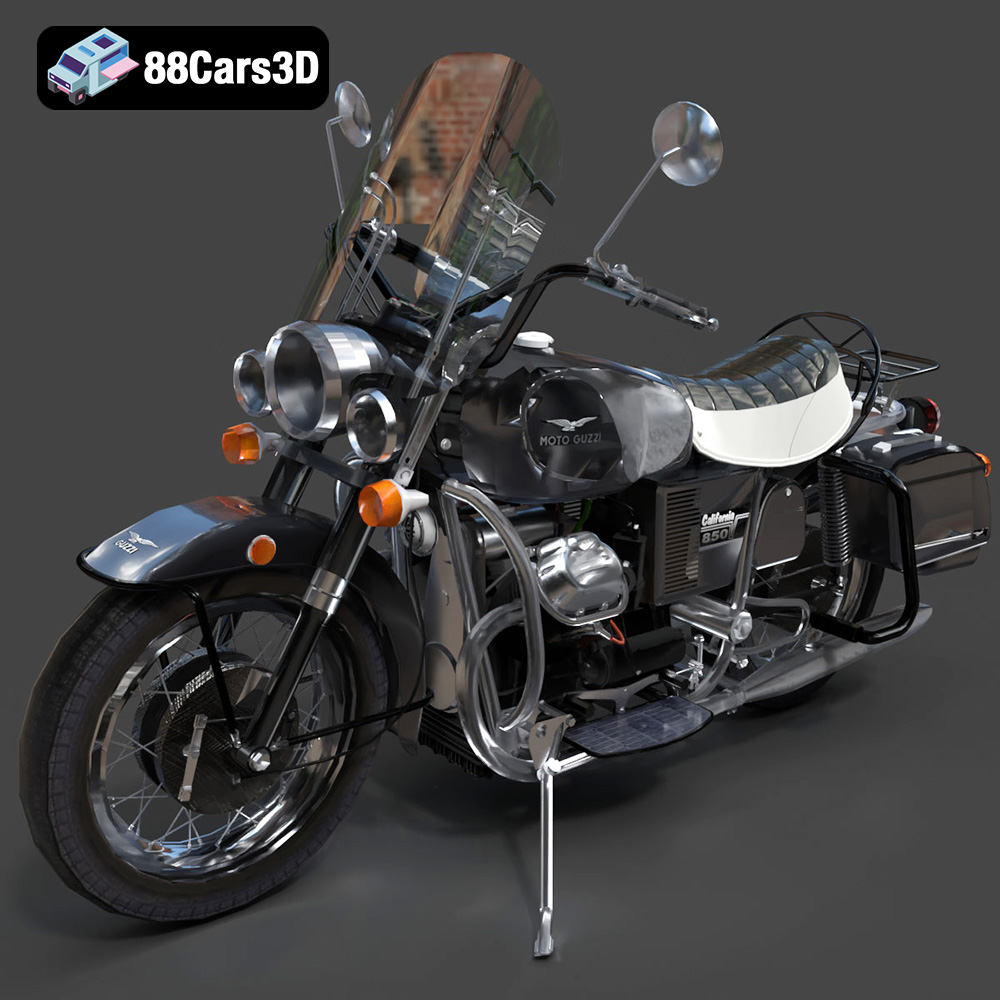
Texture: Yes
Material: Yes
Download the Moto Guzzi Classic Motorcycle 2024 3D Model featuring clean geometry, realistic detailing, and a fully modeled interior. Includes .blend, .fbx, .obj, .glb, .stl, .ply, .unreal, and .max formats for rendering, simulation, and game development.
Price: $10
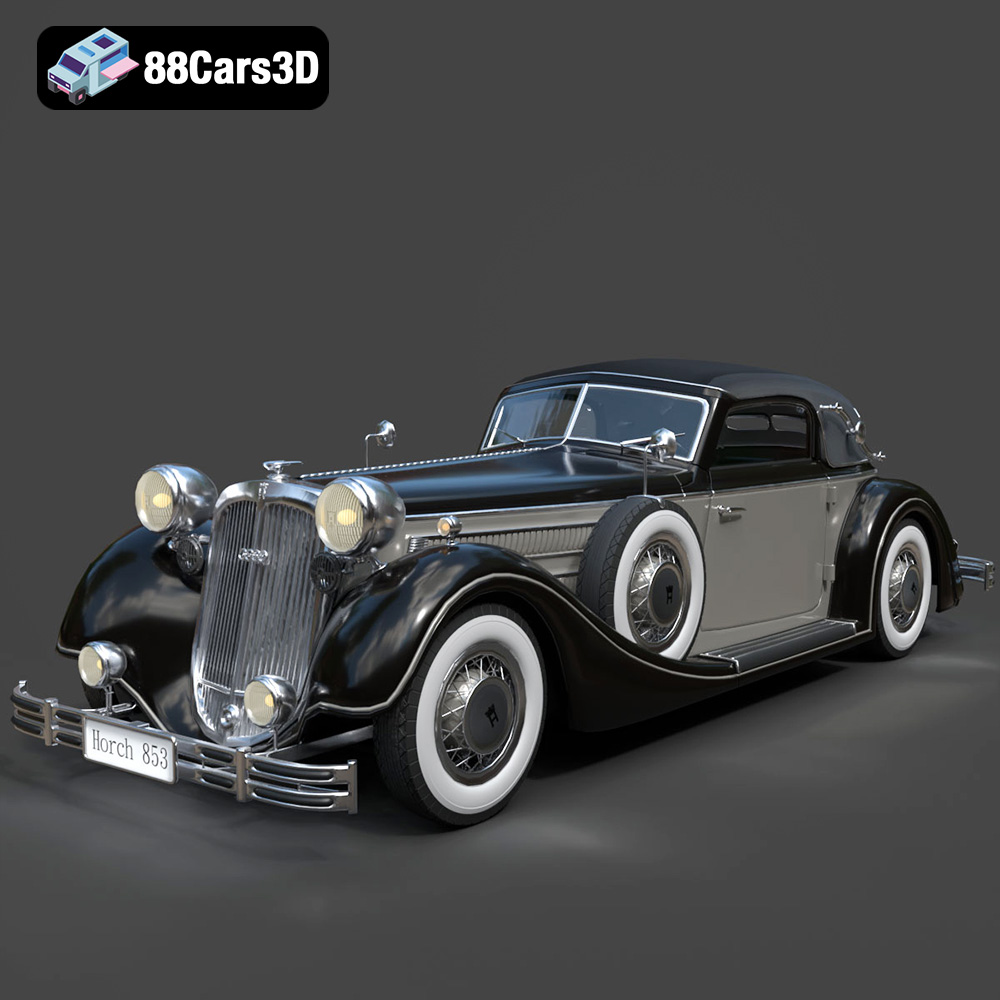
Texture: Yes
Material: Yes
Download the Horch 853 Sport Cabriolet 1937 3D Model featuring clean geometry, realistic detailing, and a fully modeled interior. Includes .blend, .fbx, .obj, .glb, .stl, .ply, .unreal, and .max formats for rendering, simulation, and game development.
Price: $10
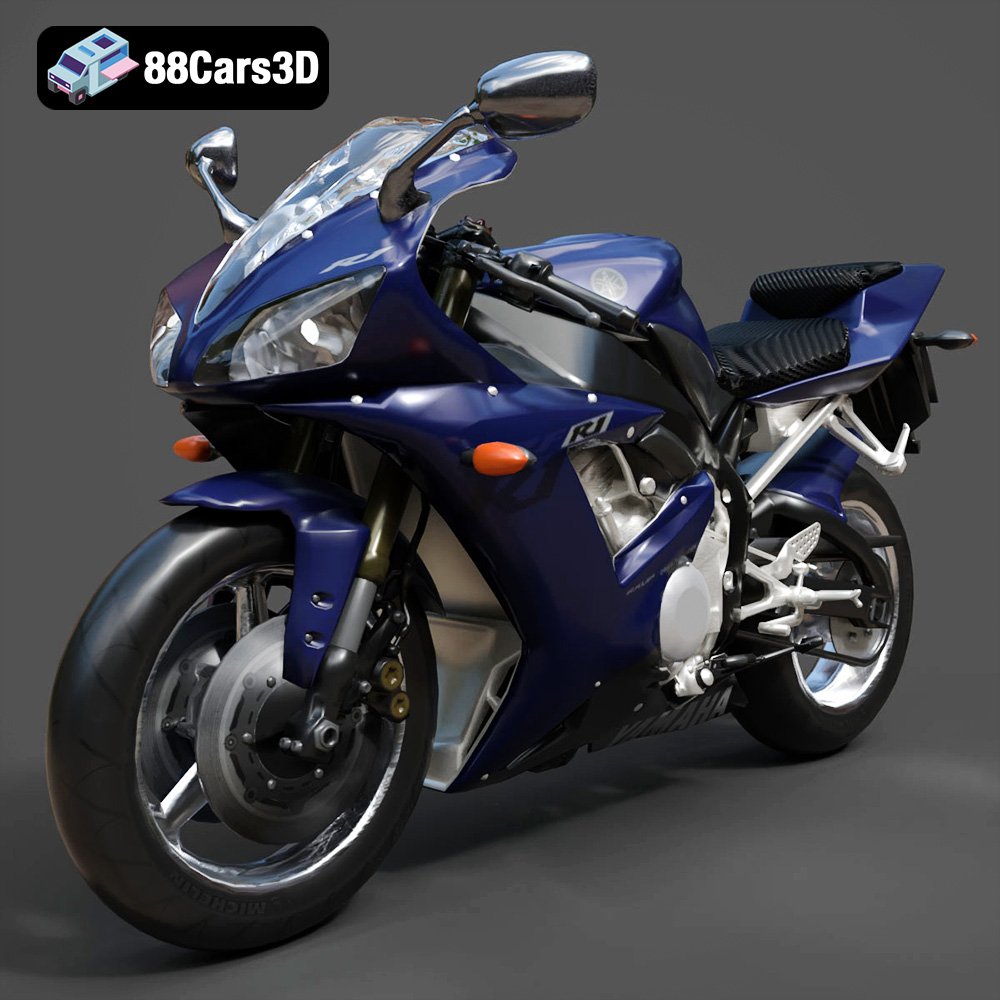
Texture: Yes
Material: Yes
Download the Yamaha YZF-R1 Motorcycle 3D Model featuring clean geometry, realistic detailing, and a fully modeled interior. Includes .blend, .fbx, .obj, .glb, .stl, .ply, .unreal, and .max formats for rendering, simulation, and game development.
Price: $10
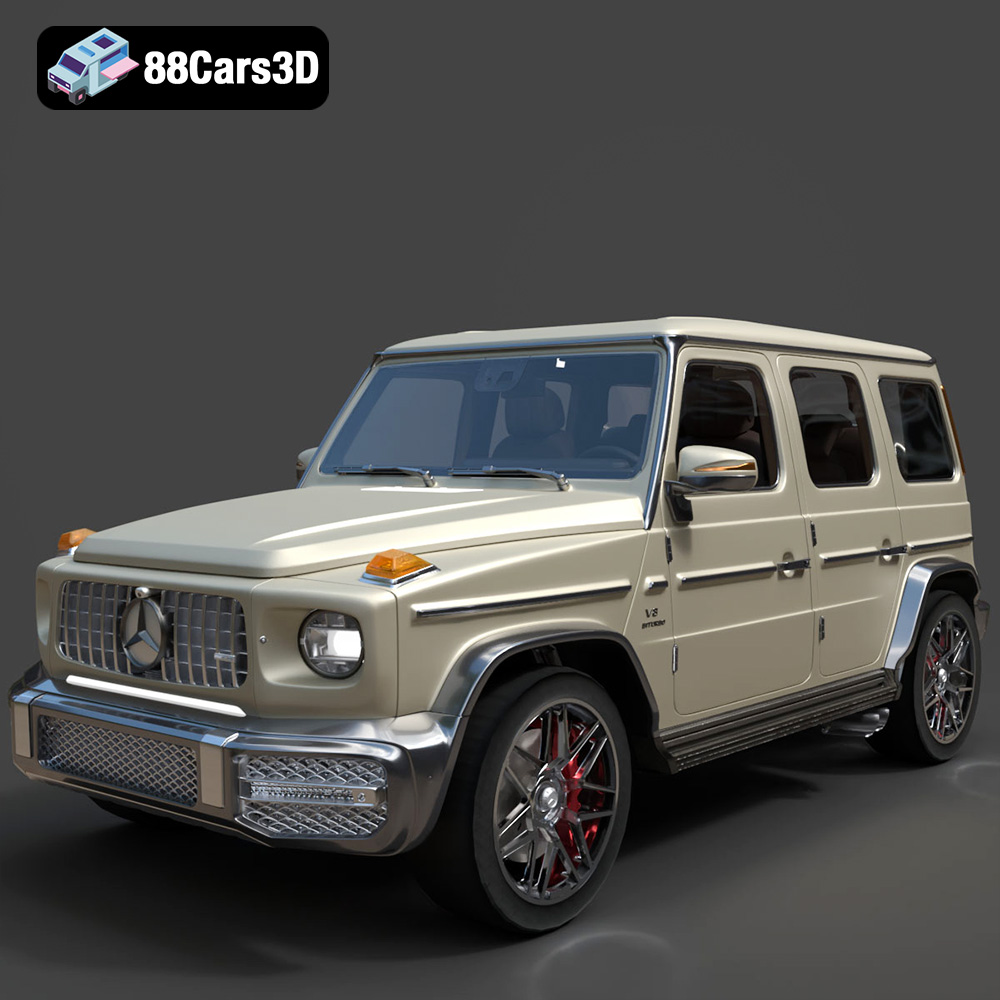
Texture: Yes
Material: Yes
Download the Mercedes Benz G63 AMG 2019 3D Model featuring clean geometry, realistic detailing, and a fully modeled interior. Includes .blend, .fbx, .obj, .glb, .stl, .ply, .unreal, and .max formats for rendering, simulation, and game development.
Price: $90

Texture: Yes
Material: Yes
Download the Mercedes S-Class 2024 3D Model featuring clean geometry, realistic detailing, and a fully modeled interior. Includes .blend, .fbx, .obj, .glb, .stl, .ply, .unreal, and .max formats for rendering, simulation, and game development.
Price: $10
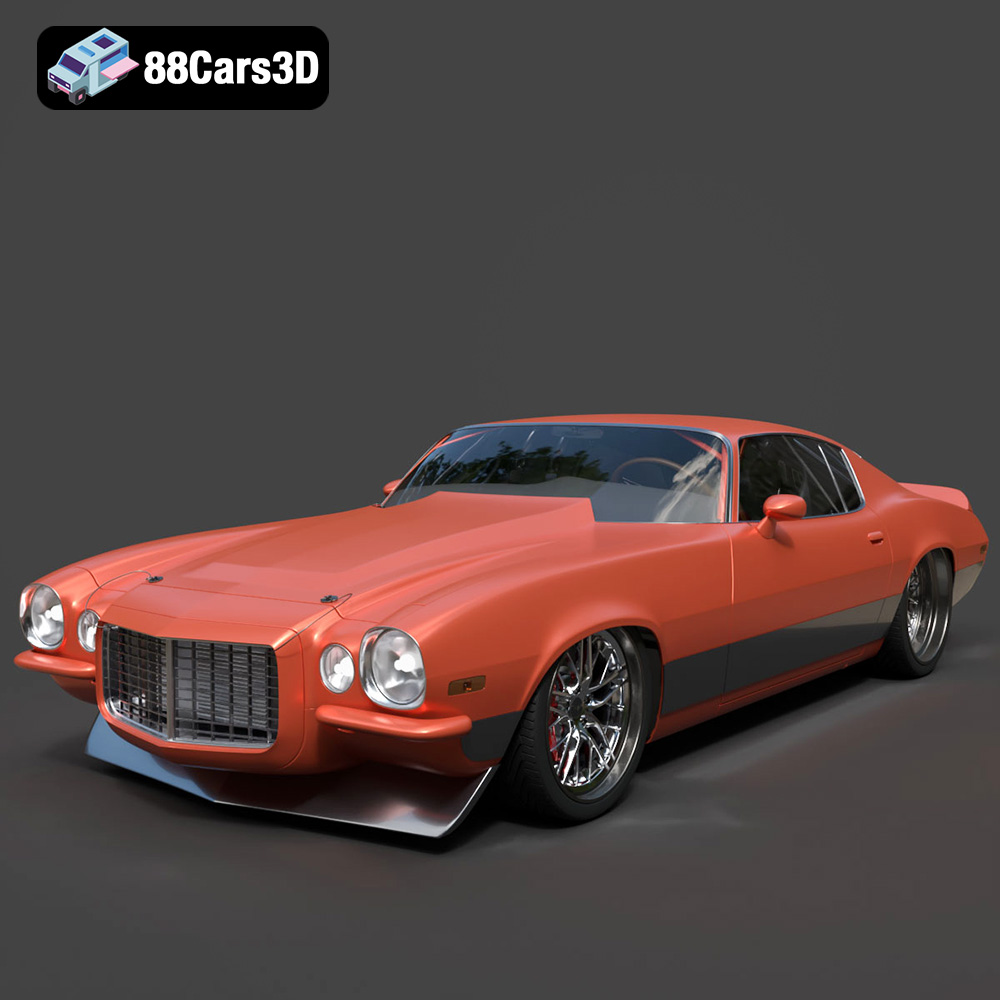
Texture: Yes
Material: Yes
Download the Chevrolet Camaro 1970 3D Model featuring clean geometry, realistic detailing, and a fully modeled interior. Includes .blend, .fbx, .obj, .glb, .stl, .ply, .unreal, and .max formats for rendering, simulation, and game development.
Price: $10
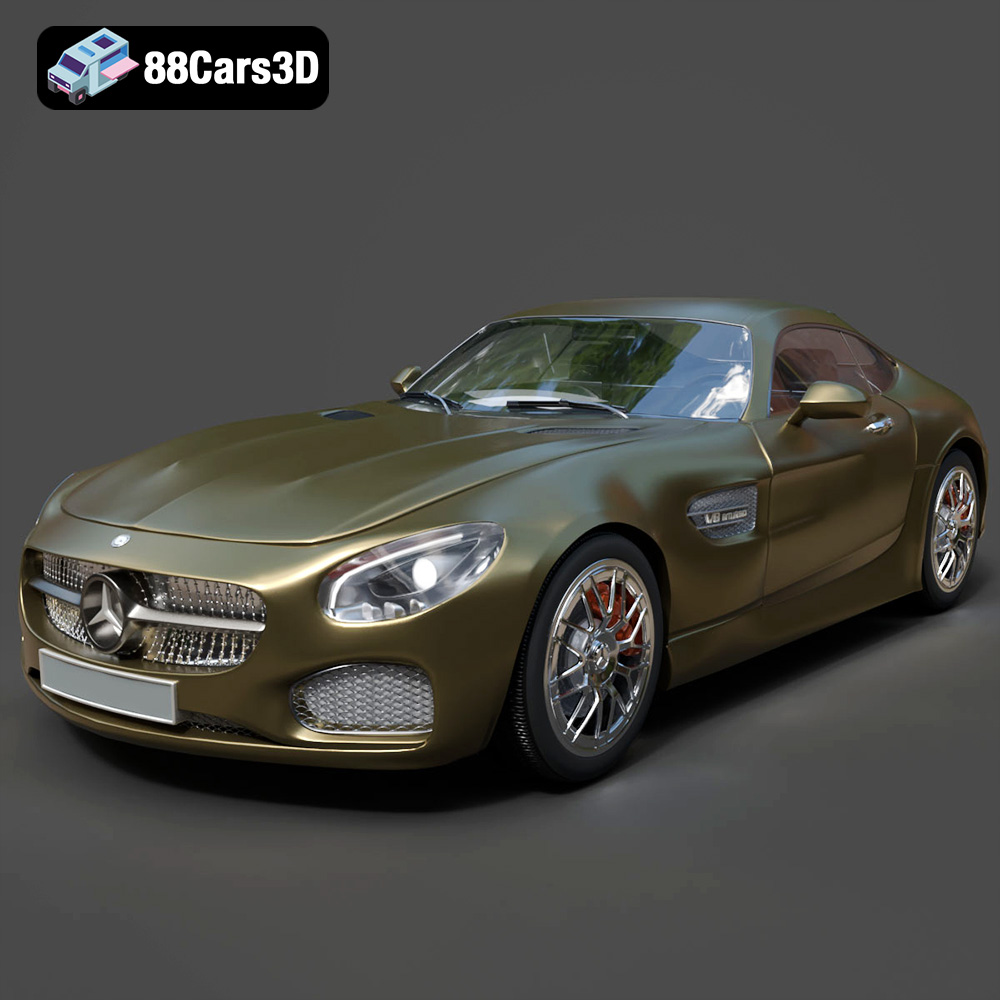
Texture: Yes
Material: Yes
Download the Mercedes-AMG GT 2015 3D Model featuring clean geometry, realistic detailing, and a fully modeled interior. Includes .blend, .fbx, .obj, .glb, .stl, .ply, .unreal, and .max formats for rendering, simulation, and game development.
Price: $88.99
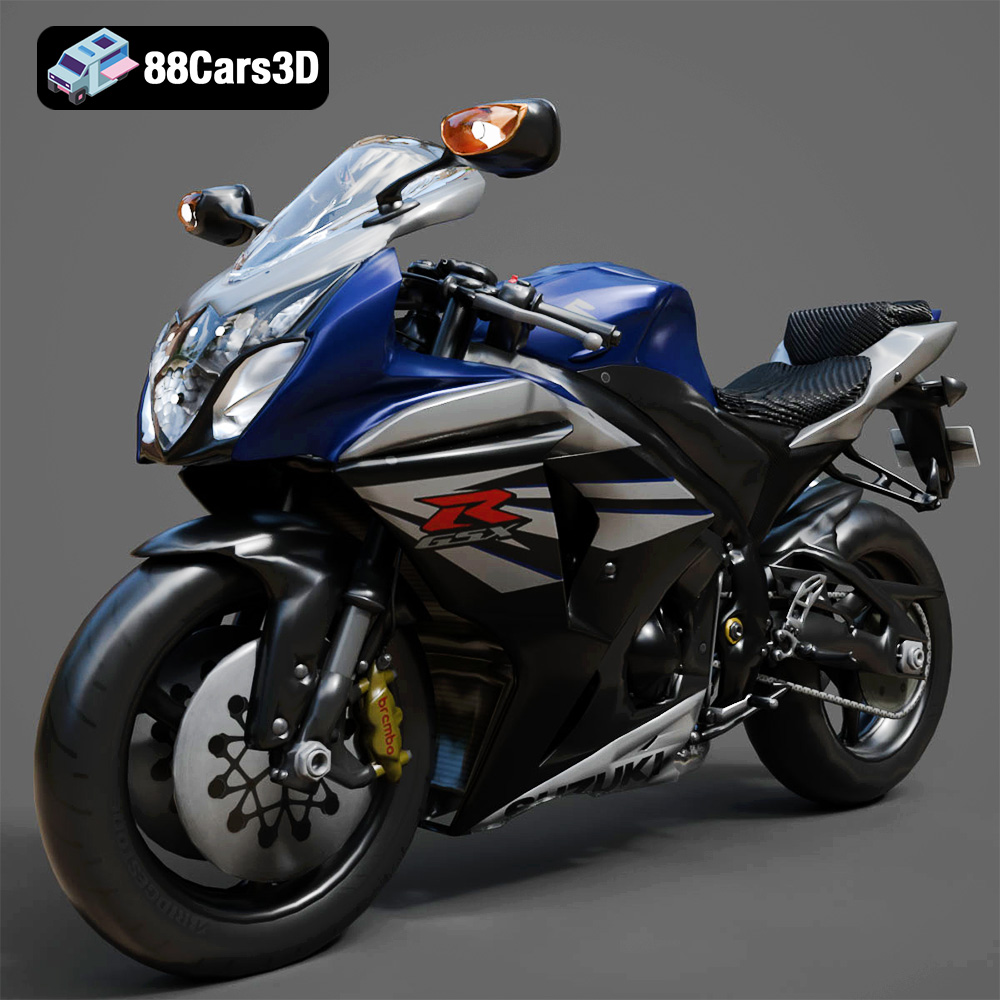
Texture: Yes
Material: Yes
Download the Suzuki GSX-R 1000 3D Model featuring clean geometry, realistic detailing, and a fully modeled interior. Includes .blend, .fbx, .obj, .glb, .stl, .ply, .unreal, and .max formats for rendering, simulation, and game development.
Price: $10
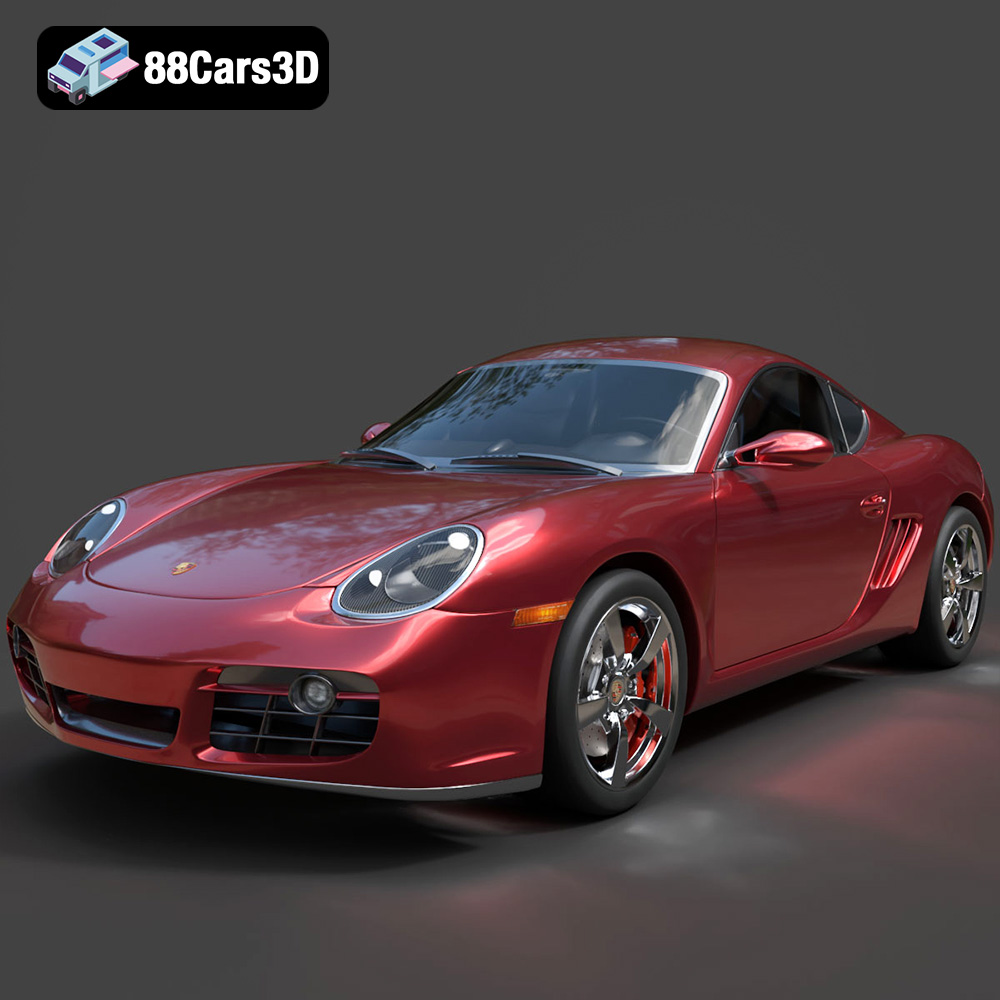
Texture: Yes
Material: Yes
Download the Porsche Cayman S 2024 3D Model featuring clean geometry, realistic detailing, and a fully modeled interior. Includes .blend, .fbx, .obj, .glb, .stl, .ply, .unreal, and .max formats for rendering, simulation, and game development.
Price: $10

Texture: Yes
Material: Yes
Download the Holden Commodore Sportwagon 2017 3D Model featuring clean geometry, realistic detailing, and a fully modeled interior. Includes .blend, .fbx, .obj, .glb, .stl, .ply, .unreal, and .max formats for rendering, simulation, and game development.
Price: $10

