Get 50% OFF All Premium 3D & STL Models!

“`html
3D printing has revolutionized the automotive world, from prototyping new designs to creating custom parts for restoration projects. Whether you’re a hobbyist building scale models or an engineer developing functional components, selecting the right material is crucial for achieving the desired results. This guide explores the best resins and filaments for automotive 3D prints, covering their properties, applications, and specific settings for optimal performance. Platforms like 88cars3d.com offer print-ready STL files of various car models, but understanding material selection is key to bringing those models to life with precision and durability. This article will provide the necessary technical insights and actionable tips to help you choose the ideal material for your next automotive 3D printing project, considering factors like mechanical strength, temperature resistance, and aesthetic qualities. We’ll delve into the specifics of FDM and resin printing, examining how these technologies influence material choice and the final outcome of your prints.
Fused Deposition Modeling (FDM) 3D printing is a popular choice for automotive parts due to its accessibility, relatively low cost, and wide range of available materials. When choosing an FDM filament for automotive applications, consider factors like heat resistance, mechanical strength, and resistance to chemicals. Here, we’ll explore the most commonly used filaments and their specific applications.
PLA is a biodegradable thermoplastic derived from renewable resources like cornstarch or sugarcane. It’s known for its ease of printing, low warping, and smooth surface finish, making it an excellent choice for aesthetic parts, prototypes, and educational models. While PLA is not ideal for high-temperature environments due to its low glass transition temperature (around 60°C), it’s suitable for interior components that don’t experience direct sunlight or engine heat. For printing car models downloaded from 88cars3d.com, PLA offers a good balance between ease of use and aesthetic appeal.
ABS is a petroleum-based thermoplastic known for its high strength, impact resistance, and heat resistance (up to 105°C). It’s commonly used in automotive manufacturing for interior trim, dashboard components, and housings. ABS requires a heated bed and enclosure to prevent warping due to its high thermal expansion coefficient. Proper ventilation is also necessary, as ABS emits fumes during printing. When printing with ABS, consider using an adhesion promoter like a raft or brim to improve bed adhesion.
PETG combines the ease of printing of PLA with the strength and heat resistance of ABS. It offers good chemical resistance, making it suitable for automotive applications where exposure to oils and solvents is a concern. PETG has a higher glass transition temperature than PLA (around 80°C) and is less prone to warping than ABS. It’s an excellent all-around filament for a wide range of automotive parts, including housings, brackets, and connectors.
Resin 3D printing, specifically Stereolithography (SLA) and Digital Light Processing (DLP), offers exceptional detail and smooth surface finishes, making it ideal for creating intricate automotive parts, scale models, and prototypes. Resins generally have lower heat resistance than FDM filaments but offer superior resolution and accuracy. When downloading models from marketplaces such as 88cars3d.com, resin printing can bring those designs to life with stunning realism.
Standard resins are general-purpose materials that offer good detail and smooth surface finishes. They’re suitable for creating display models, prototypes, and non-functional parts. Standard resins are available in a wide range of colors and are relatively inexpensive. However, they tend to be brittle and have low impact resistance, making them unsuitable for parts that will experience stress or impact. Consider standard resin for static model printing and aesthetic components.
Tough resins are formulated to provide higher impact resistance and durability than standard resins. They’re ideal for creating functional prototypes, snap-fit parts, and components that need to withstand some stress. Tough resins often have a higher elongation at break than standard resins, making them less prone to cracking under load. When choosing a tough resin, consider the specific impact strength and tensile strength requirements of your application.
High-temperature resins are designed to withstand elevated temperatures without deforming or softening. They’re suitable for creating parts that will be exposed to heat, such as engine components, exhaust manifolds, or tooling for injection molding. High-temperature resins typically require post-curing at elevated temperatures to achieve their maximum heat resistance. The glass transition temperature of high-temperature resins can range from 100°C to over 200°C, depending on the specific formulation.
Optimal 3D printing results for automotive parts heavily rely on precise slicing parameters and 3D printer settings. Whether you’re using FDM or resin printing, understanding these settings is crucial. Incorrect settings can lead to weak parts, poor surface finish, and dimensional inaccuracies. This section explores the most important parameters and provides guidance on how to adjust them for specific materials and applications.
Layer height affects both the print resolution and the print time. Lower layer heights (e.g., 0.05mm) result in smoother surfaces and finer details but increase print time. Higher layer heights (e.g., 0.2mm) reduce print time but sacrifice surface quality. For automotive parts that require a smooth finish, such as exterior body panels or interior trim, consider using a lower layer height. For functional parts where strength is more important than aesthetics, a higher layer height may be acceptable. Remember to adjust the layer height based on the nozzle size and the material being used.
Infill density determines the amount of material inside the printed part. Higher infill densities result in stronger parts but increase print time and material consumption. The infill pattern also affects the strength and weight of the part. Common infill patterns include rectilinear, grid, honeycomb, and gyroid. For automotive parts that need to withstand stress, such as brackets or mounts, consider using a higher infill density (e.g., 50-75%) and a strong infill pattern like honeycomb or gyroid. For aesthetic parts, a lower infill density (e.g., 15-25%) may be sufficient.
Support structures are necessary for printing overhangs and complex geometries. They provide a base for the printing material to adhere to and prevent the part from collapsing during printing. The type and placement of support structures can significantly impact the print quality and the amount of post-processing required. Consider using automatic support generation features in slicing software like Cura or PrusaSlicer, but also manually adjust the support placement to optimize for strength and ease of removal. For resin printing, support structures are almost always necessary and require careful consideration to avoid damaging the part during removal.
Post-processing is an essential step in the 3D printing process, particularly for automotive parts that require a high level of finish, strength, or functionality. Post-processing techniques can improve the surface finish, remove support structures, and enhance the mechanical properties of the printed part. This section explores the most common post-processing techniques for both FDM and resin 3D prints.
Removing support structures is often the first step in post-processing. For FDM prints, support structures can be manually broken off or dissolved in a solvent if soluble support material is used. For resin prints, support structures are typically removed using cutters or pliers. After removing support structures, sanding is often necessary to smooth out any remaining imperfections or scars. Start with coarse sandpaper (e.g., 120 grit) and gradually move to finer grits (e.g., 400 grit) to achieve a smooth surface finish. Wet sanding can help reduce dust and improve the sanding results.
Painting and coating can significantly enhance the appearance and durability of automotive 3D prints. Before painting, prime the part to improve adhesion and create a uniform surface. Use automotive-grade paints and coatings for the best results. Apply thin, even coats of paint and allow each coat to dry completely before applying the next. Clear coats can provide additional protection against scratches, UV damage, and chemicals. Consider using a spray gun for a professional finish.
Surface smoothing techniques can further improve the surface finish of 3D prints. For FDM prints, vapor smoothing can be used to melt the surface layer of the plastic, creating a smooth, glossy finish. Acetone vapor smoothing is commonly used for ABS prints, while chemical vapor smoothing is available for other materials like PLA and PETG. For resin prints, polishing compounds and rotary tools can be used to achieve a high-gloss finish. Be careful not to overheat the part during polishing, as this can cause deformation.
The choice of material for automotive 3D prints depends heavily on the intended application. Factors like temperature resistance, mechanical strength, chemical resistance, and aesthetic requirements all play a role in material selection. Here are some examples of material choices for specific automotive applications:
For interior components like dashboard trim, center console parts, and vent grilles, materials like ABS, PETG, and ASA are commonly used. These materials offer a good balance of strength, heat resistance, and aesthetic appeal. ABS is a classic choice for interior parts due to its durability and heat resistance, but PETG is becoming increasingly popular due to its ease of printing and lower warping. ASA offers similar properties to ABS but with improved UV resistance, making it suitable for parts that will be exposed to sunlight. PLA can be used for parts that don’t experience high temperatures or stress, such as decorative trim.
Exterior components like body panels, bumpers, and spoilers require materials with high impact resistance, UV resistance, and weather resistance. ASA, polycarbonate (PC), and nylon are good choices for these applications. ASA offers excellent UV resistance, preventing fading and degradation from sunlight exposure. Polycarbonate is incredibly strong and impact-resistant, making it suitable for parts that need to withstand collisions. Nylon is a flexible and durable material that can be used for parts that need to bend or flex without breaking. It’s important to note that specialized printers may be required for some materials like PC and nylon.
Functional components like brackets, mounts, and housings require materials with high strength, stiffness, and heat resistance. Nylon, carbon fiber-reinforced filaments, and high-temperature resins are suitable for these applications. Nylon offers excellent strength and durability, while carbon fiber-reinforced filaments provide even higher stiffness and strength-to-weight ratio. High-temperature resins can withstand elevated temperatures, making them suitable for parts that will be exposed to engine heat or exhaust gases. When designing functional components, consider the specific load requirements and environmental conditions to ensure that the chosen material can withstand the stresses involved.
Even with careful planning and preparation, 3D printing can sometimes present challenges. This section addresses common issues encountered when printing automotive parts and offers practical solutions to resolve them.
Warping occurs when the printed part shrinks and pulls away from the build plate during printing. This is a common issue with materials like ABS that have a high thermal expansion coefficient. To prevent warping, ensure that the build plate is properly leveled and heated to the recommended temperature. Use an adhesion promoter like a raft or brim to increase the surface area of the part in contact with the build plate. An enclosure can also help maintain a consistent temperature around the part, reducing warping. For resin printing, ensure the build plate is clean and level and that the exposure time is sufficient to properly cure the first layer.
Stringing occurs when the printing material oozes from the nozzle during travel moves, leaving thin strands of plastic between different parts of the print. Blobs are small clumps of plastic that accumulate on the surface of the print. To prevent stringing and blobs, adjust the retraction settings in your slicing software. Increase the retraction distance and speed to quickly pull the filament back into the nozzle during travel moves. Lower the printing temperature to reduce the viscosity of the plastic and prevent it from oozing. Ensure proper cooling to quickly solidify the plastic after it’s extruded.
Layer delamination occurs when the layers of the printed part separate from each other. This can be caused by insufficient layer adhesion, poor bed adhesion, or inadequate cooling. To prevent layer delamination, increase the printing temperature to improve layer adhesion. Ensure that the bed is properly leveled and heated to the recommended temperature. Reduce the printing speed to give each layer more time to bond with the previous layer. Increase the fan speed to improve cooling and prevent the layers from warping.
Choosing the right resin or filament is paramount for achieving successful and high-quality automotive 3D prints. This comprehensive guide has covered essential aspects, from understanding material properties to optimizing printer settings and mastering post-processing techniques. By carefully considering factors like heat resistance, mechanical strength, and aesthetic requirements, you can select the ideal material for your specific application. Platforms like 88cars3d.com provide a fantastic starting point with their wide selection of print-ready STL files. Remember to experiment with different settings and techniques to fine-tune your printing process and achieve optimal results. Continuous learning and refinement are key to mastering the art of automotive 3D printing. Now, equipped with this knowledge, you’re ready to confidently tackle your next automotive 3D printing project and bring your ideas to life with precision and durability. Happy printing!
“`
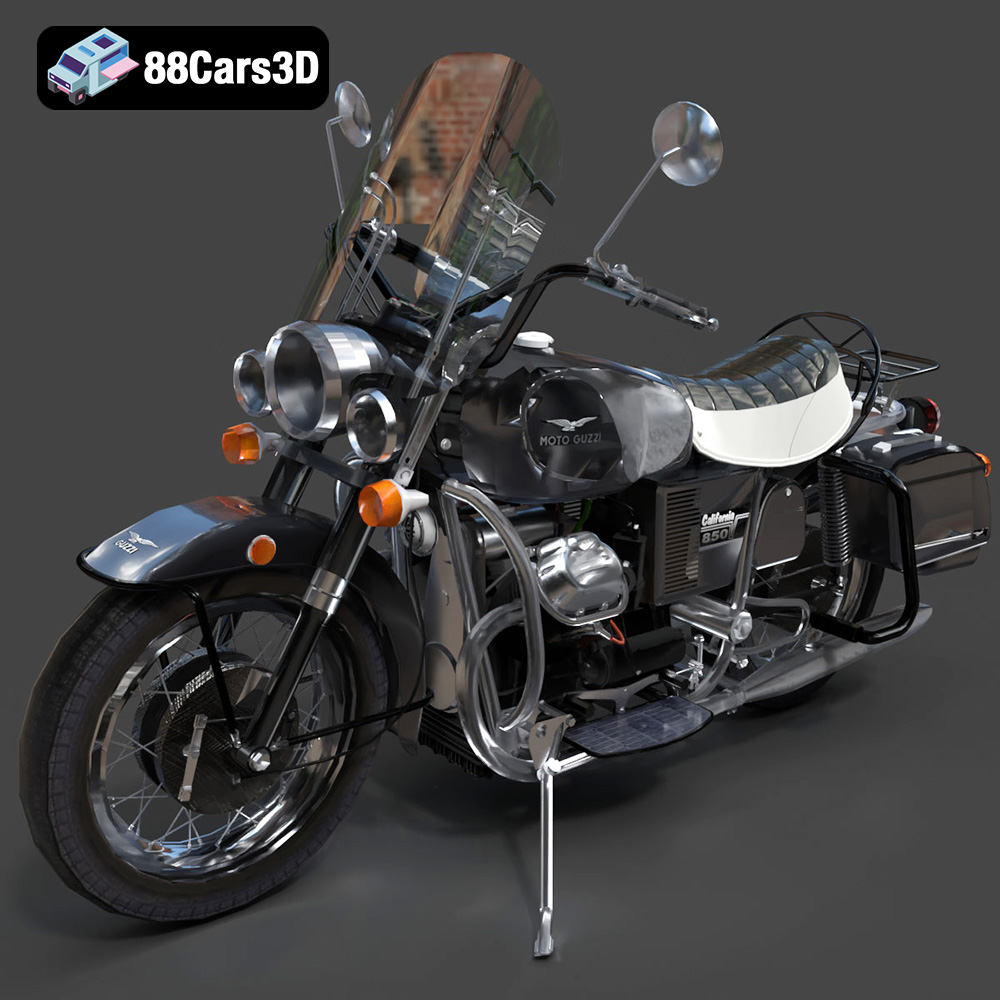
Texture: Yes
Material: Yes
Download the Moto Guzzi Classic Motorcycle 2024 3D Model featuring clean geometry, realistic detailing, and a fully modeled interior. Includes .blend, .fbx, .obj, .glb, .stl, .ply, .unreal, and .max formats for rendering, simulation, and game development.
Price: $10

Texture: Yes
Material: Yes
Download the Horch 853 Sport Cabriolet 1937 3D Model featuring clean geometry, realistic detailing, and a fully modeled interior. Includes .blend, .fbx, .obj, .glb, .stl, .ply, .unreal, and .max formats for rendering, simulation, and game development.
Price: $10
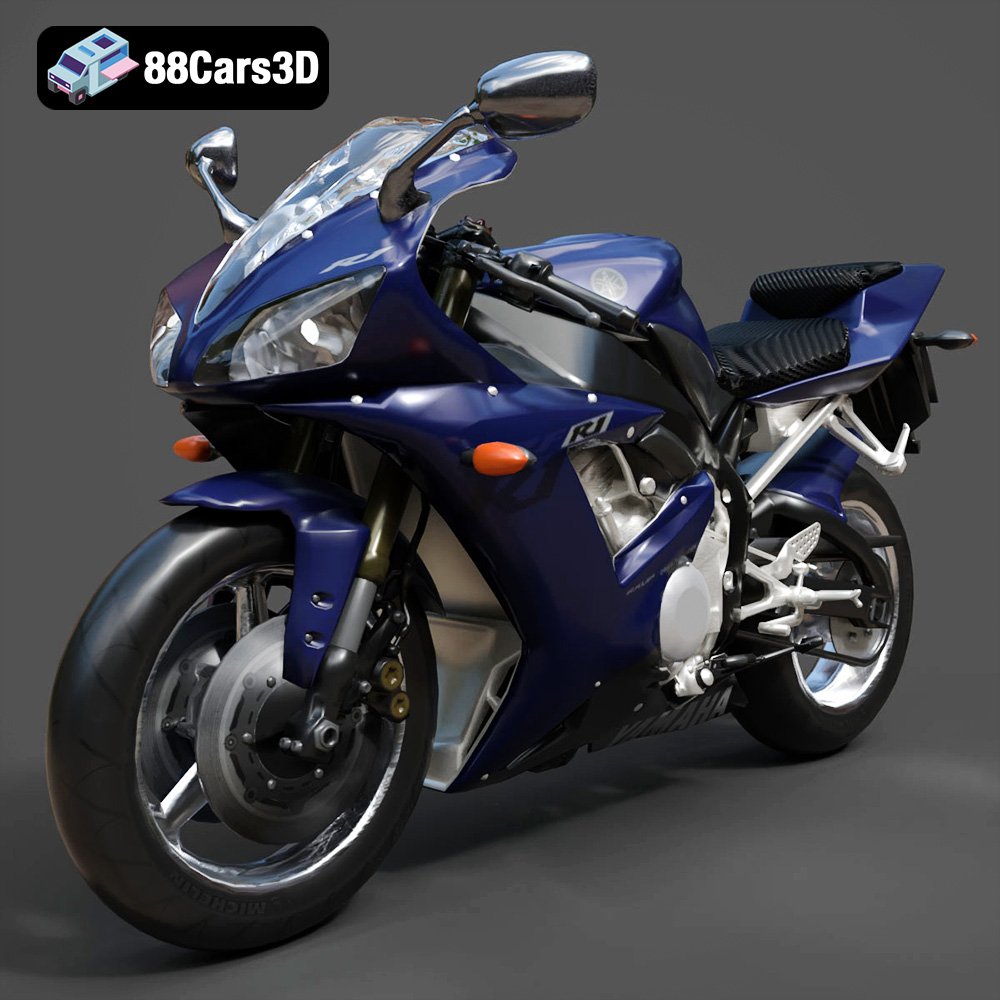
Texture: Yes
Material: Yes
Download the Yamaha YZF-R1 Motorcycle 3D Model featuring clean geometry, realistic detailing, and a fully modeled interior. Includes .blend, .fbx, .obj, .glb, .stl, .ply, .unreal, and .max formats for rendering, simulation, and game development.
Price: $10
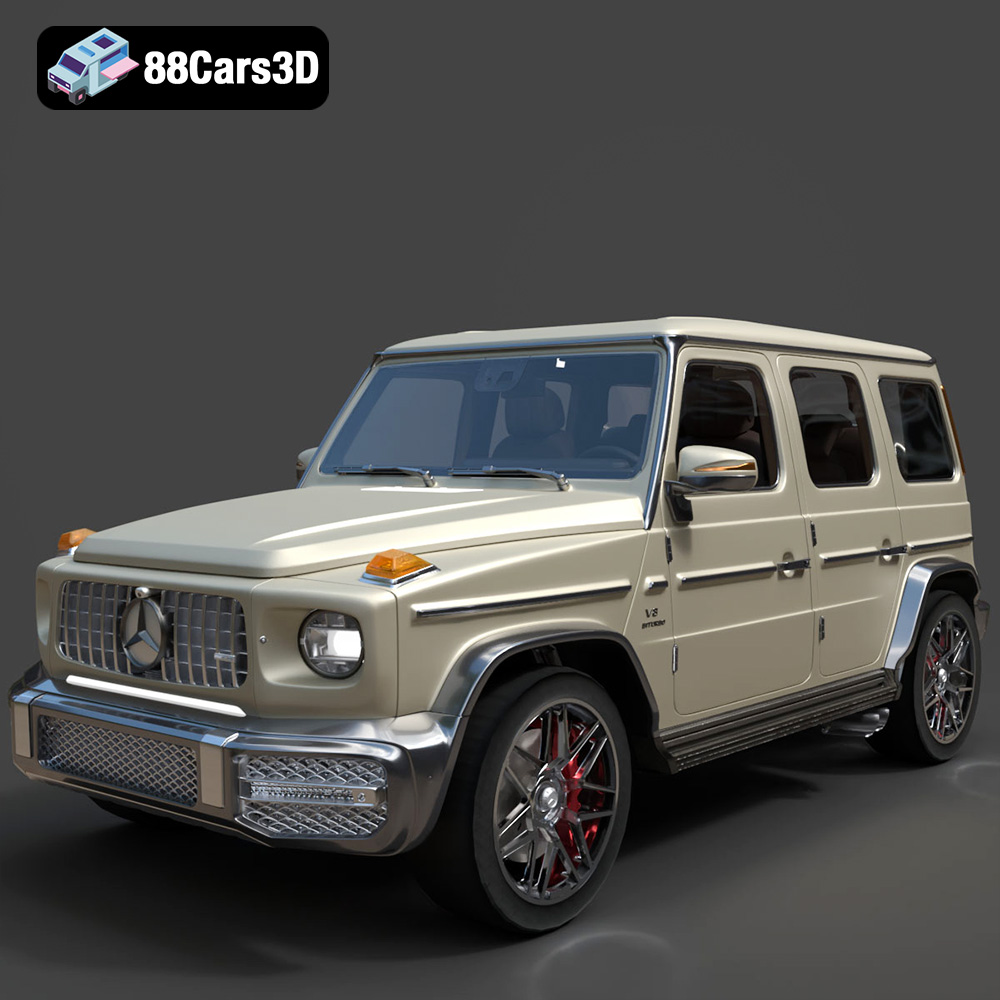
Texture: Yes
Material: Yes
Download the Mercedes Benz G63 AMG 2019 3D Model featuring clean geometry, realistic detailing, and a fully modeled interior. Includes .blend, .fbx, .obj, .glb, .stl, .ply, .unreal, and .max formats for rendering, simulation, and game development.
Price: $90
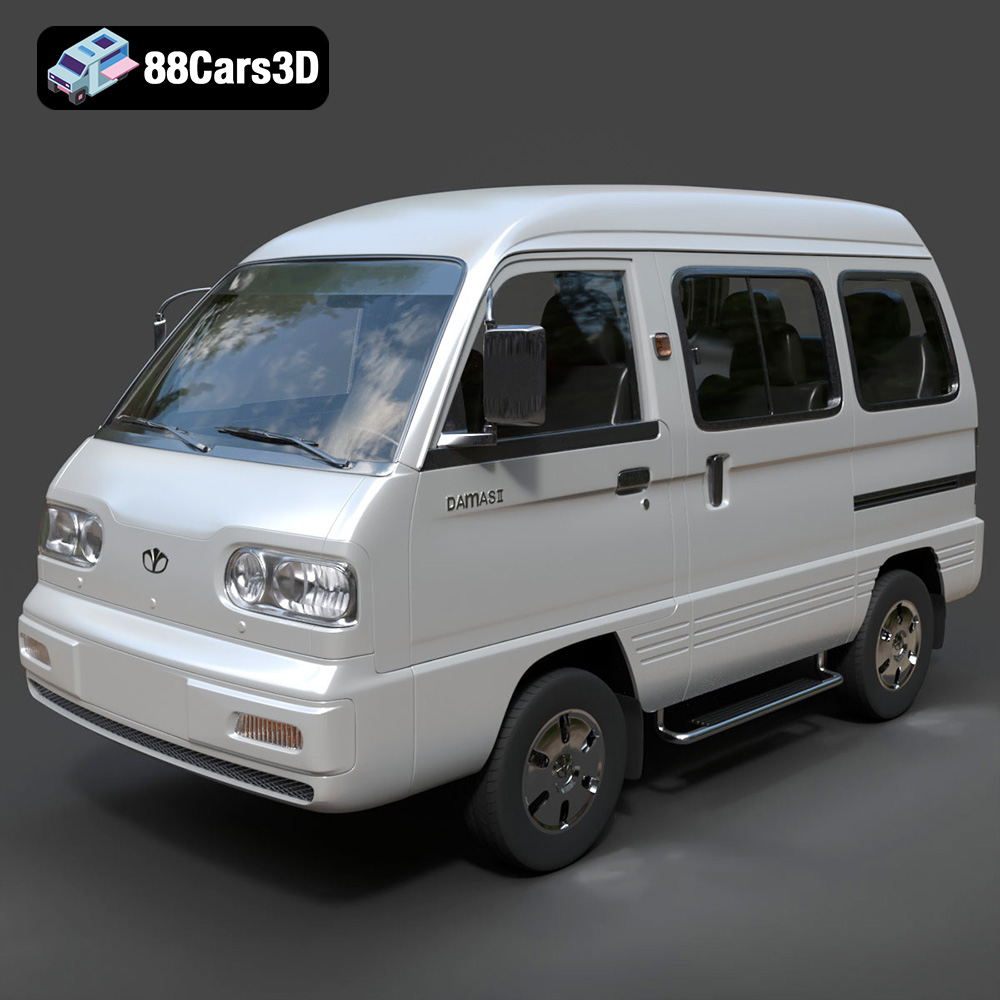
Texture: Yes
Material: Yes
Download the Daewoo Damas Mk2 2012 3D Model featuring clean geometry, realistic detailing, and a fully modeled interior. Includes .blend, .fbx, .obj, .glb, .stl, .ply, .unreal, and .max formats for rendering, simulation, and game development.
Price: $10
Texture: Yes
Material: Yes
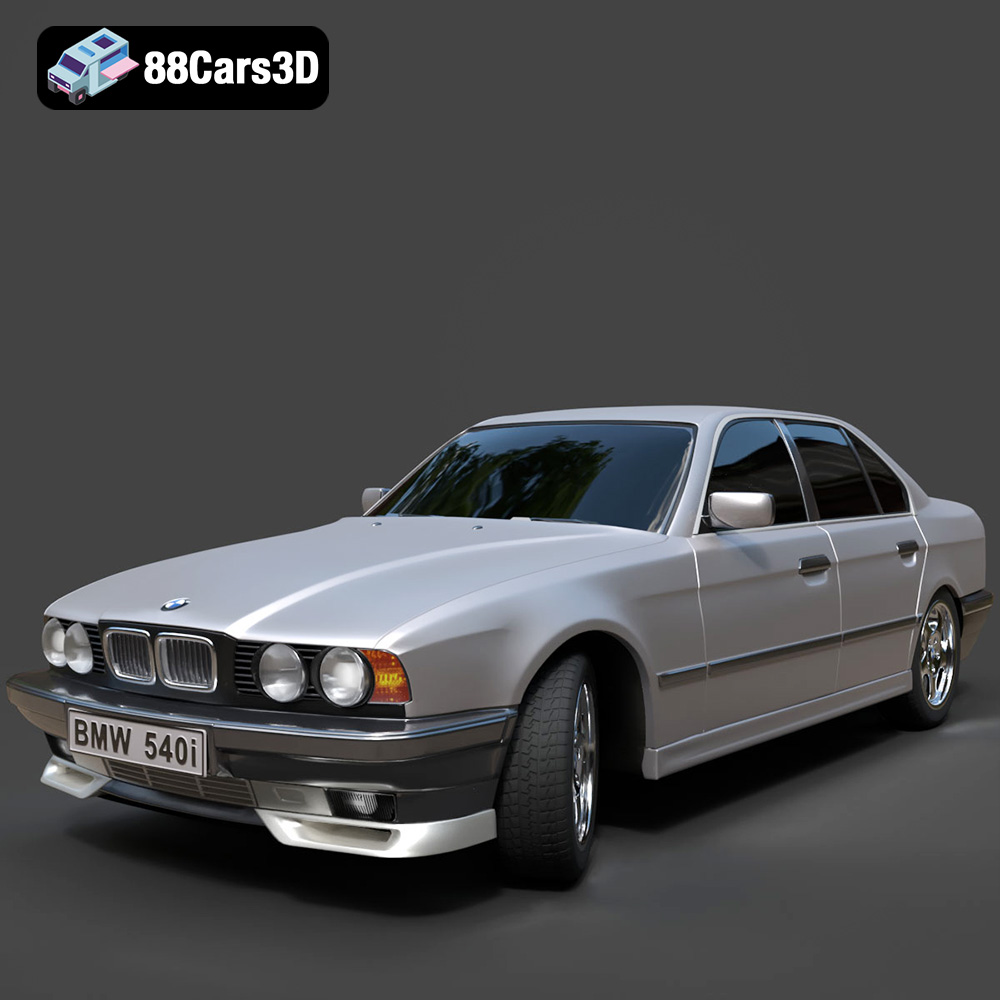
Download the BMW 540 E34 3D Model featuring clean geometry, realistic detailing, and a fully modeled interior. Includes .blend, .fbx, .obj, .glb, .stl, .ply, .unreal, and .max formats for rendering, simulation, and game development.
Price: $10

Texture: Yes
Material: Yes
Download the BMW 8 Series Coupe 2020 3D Model featuring clean geometry, realistic detailing, and a fully modeled interior. Includes .blend, .fbx, .obj, .glb, .stl, .ply, .unreal, and .max formats for rendering, simulation, and game development.
Price: $10

Texture: Yes
Material: Yes
Download the Mercedes S-Class 2024 3D Model featuring clean geometry, realistic detailing, and a fully modeled interior. Includes .blend, .fbx, .obj, .glb, .stl, .ply, .unreal, and .max formats for rendering, simulation, and game development.
Price: $10

Texture: Yes
Material: Yes
Download the Chevrolet Camaro 1970 3D Model featuring clean geometry, realistic detailing, and a fully modeled interior. Includes .blend, .fbx, .obj, .glb, .stl, .ply, .unreal, and .max formats for rendering, simulation, and game development.
Price: $10

Texture: Yes
Material: Yes
Download the Mercedes-AMG GT 2015 3D Model featuring clean geometry, realistic detailing, and a fully modeled interior. Includes .blend, .fbx, .obj, .glb, .stl, .ply, .unreal, and .max formats for rendering, simulation, and game development.
Price: $88.99

