Get 50% OFF All Premium 3D & STL Models!

“`html
The world of 3D printing offers incredible opportunities, especially for automotive enthusiasts looking to create their own models. Platforms like 88cars3d.com provide a fantastic resource for high-quality STL files of cars, ready to be brought to life. However, the journey from digital file to physical object isn’t always smooth. Beginners often encounter common pitfalls that can lead to failed prints, wasted filament, and frustration. This article outlines the top 10 mistakes beginners make when printing STL files, specifically focusing on 3D car models, and provides practical solutions to avoid them. By understanding these common errors and learning how to address them, you’ll be well on your way to creating stunning 3D printed car models with confidence.
We’ll cover everything from proper STL file inspection and repair to optimizing your 3D printer settings and choosing the right materials. Whether you’re using an FDM or resin printer, these tips will help you achieve the best possible results when printing STL files for your next automotive project. Let’s dive in!
One of the most frequent errors beginners make is directly sending an STL file to the printer without proper inspection. STL files, while widely used, can sometimes contain errors that will cause havoc during the printing process. These errors can range from minor imperfections to significant issues that render the model unprintable.
STL files represent 3D models as a collection of triangles forming a mesh. Gaps, holes, flipped normals (where a triangle’s surface faces the wrong way), and intersecting triangles are common mesh errors. These imperfections can confuse the slicer software and lead to incomplete layers, unexpected gaps, or even a complete print failure. Imagine trying to print a complex car body with a gaping hole in the roof – the printer wouldn’t know what to do!
Fortunately, several software options are available to detect and repair these mesh errors. Netfabb Basic is a popular free option, while Meshmixer and Blender offer more advanced capabilities. These programs automatically identify and correct common issues, such as closing holes, removing self-intersections, and unifying normals. A typical workflow involves importing the STL file into the software, running the repair function (often a single click), and then exporting the corrected file. For example, in Netfabb, you would load the part, go to ‘Extras’ -> ‘Repair Part’, and then choose ‘Automatic Repair’. Always export the repaired file as a new STL file to preserve the original.
Actionable Tip: Always inspect your STL file in a mesh repair program before slicing. Spend the extra 5 minutes – it can save you hours of printing time and wasted material.
The slicer software is the bridge between your STL file and your 3D printer. It converts the 3D model into a series of instructions (G-code) that the printer can understand. Incorrect slicer settings are a major cause of print failures, especially for complex models like those found on 88cars3d.com. Failing to optimize parameters like layer height, infill, and support structures can lead to weak prints, poor surface finish, and even detachment from the build plate.
Layer height determines the resolution of your print. A smaller layer height (e.g., 0.1mm) results in finer details and a smoother surface finish but increases print time. A larger layer height (e.g., 0.2mm) prints faster but sacrifices detail. For car models, a layer height between 0.1mm and 0.15mm is often a good compromise. Print speed also plays a crucial role. Printing too fast can cause under-extrusion, where the printer doesn’t deposit enough material, leading to weak layers and gaps. A speed of 40-60 mm/s is a good starting point, and you can adjust based on your printer and material.
Infill is the internal structure of your print. A higher infill percentage (e.g., 20-30%) provides more strength but increases material usage and print time. For purely aesthetic car models, a lower infill (e.g., 10-15%) may suffice. Support structures are crucial for printing overhangs and complex geometries. Choose the appropriate support type (e.g., tree supports, linear supports) and ensure they are adequately anchored to the build plate. In Cura, experiment with the “Support Placement” setting (Everywhere vs Touching Buildplate) to optimize support generation.
Actionable Tip: Experiment with different slicer settings and keep a log of what works best for different models and materials. Create profiles in your slicer software for different types of prints to quickly apply optimal settings.
A strong initial layer is the foundation of any successful 3D print. Poor bed adhesion is a very common problem, especially for large or intricate models like car bodies. If the first layer doesn’t stick properly to the build plate, the print is almost guaranteed to fail.
The first step is to ensure that your build plate is properly leveled. Most 3D printers have a leveling procedure, either manual or automatic. Follow your printer’s instructions carefully to ensure the nozzle is the correct distance from the bed across the entire surface. A warped or uneven bed will cause some areas to stick while others don’t. Cleaning the build plate with isopropyl alcohol (IPA) removes oils and residues that can interfere with adhesion. Avoid touching the print surface with your fingers after cleaning.
If leveling and cleaning aren’t enough, consider using adhesion aids. A raft is a thick layer of material printed beneath the model, providing a larger surface area for adhesion. A brim is a single-layer outline printed around the base of the model, increasing its contact area with the bed. Glue sticks provide a thin layer of adhesive that helps the first layer stick. For particularly challenging materials like ABS, a heated enclosure can also improve bed adhesion by maintaining a consistent temperature.
Actionable Tip: Experiment with different bed adhesion methods to find what works best for your printer and materials. A combination of a properly leveled bed, a clean surface, and an adhesion aid (like a brim) is often the most effective solution.
The material you choose significantly impacts the print’s strength, appearance, and durability. Beginners often stick to PLA due to its ease of use, but it may not be the best choice for all applications. Understanding the properties of different filaments and resins is crucial for successful 3D printing.
PLA is biodegradable, easy to print, and offers good detail. However, it’s not very heat-resistant and can warp in hot environments. PETG is stronger and more heat-resistant than PLA, making it a good all-around choice. ABS is even stronger and more heat-resistant but is more challenging to print due to its tendency to warp. For car models that might be exposed to sunlight or heat (e.g., dashboard), PETG or ABS are better choices than PLA.
Resin printing offers incredibly high detail and smooth surfaces, making it ideal for intricate car models. However, resin prints tend to be more brittle than FDM prints and require post-processing, including washing and curing. When choosing a resin, consider its strength, flexibility, and resistance to UV light. Some resins are formulated to be more durable and less prone to cracking. Also, remember proper PPE such as gloves and eye protection when handling resins is crucial.
Actionable Tip: Research the properties of different materials and choose the one that best suits the intended use of your 3D printed car model. Consider factors like strength, heat resistance, and ease of printing. For example, if you plan to paint and display the car, a high-detail resin might be best, while for a toy that will be handled frequently, a durable filament like PETG is more suitable.
The orientation in which you print your STL file has a huge impact on the strength, surface finish, and amount of support structures required. Ignoring print orientation is a common mistake that can lead to weak parts, excessive support material, and a poor overall appearance.
Consider the direction of stress when orienting your model. For parts that will be under load, orient them so that the layers run perpendicular to the force. This will maximize the strength of the print. Also, orient the model to minimize the need for support structures on visible surfaces. Supports can leave blemishes and require post-processing to remove. For example, when printing a car body, orient it with the roof facing down to minimize supports on the visible exterior.
Careful orientation can drastically reduce the amount of support material needed. In slicer software like Cura or PrusaSlicer, you can rotate the model along all three axes to find the optimal orientation. Experiment with different orientations and preview the support structures to see which requires the least amount of material and places them in the least visible areas.
Actionable Tip: Take the time to experiment with different print orientations in your slicer software. Use the preview function to visualize support structures and identify the orientation that minimizes their use while maximizing strength and surface finish.
Even with careful orientation, support structures are often necessary for complex car model prints. However, poorly designed support structures can cause more problems than they solve. Insufficient supports can lead to sagging and deformation, while excessive or poorly placed supports can be difficult to remove and leave unsightly marks.
Slicer software offers various support types, such as tree supports, linear supports, and grid supports. Tree supports are generally better for complex geometries because they use less material and are easier to remove. The support density determines how closely spaced the support structures are. Higher density provides more support but can be harder to remove. Experiment with different densities to find the right balance between support and ease of removal.
Pay attention to where the supports attach to the model. Areas with fine details are more susceptible to damage during support removal. Adjust the support placement settings to minimize contact in these areas. Some slicers also offer a support interface layer, which creates a thin, easily removable layer between the support structure and the model. This helps prevent the supports from fusing to the model and makes removal easier.
Actionable Tip: Experiment with different support types, densities, and interface settings in your slicer software. Use the preview function to visualize the support structures and identify areas where they might cause problems. Consider using dissolvable support materials for complex prints, especially if you have a dual-extrusion printer.
A well-calibrated and maintained 3D printer is essential for consistent and reliable prints. Neglecting calibration and maintenance can lead to a variety of issues, including poor bed adhesion, under-extrusion, and inaccurate dimensions.
Regularly calibrate your printer’s bed level, extruder temperature, and filament flow rate. A properly leveled bed ensures that the first layer adheres correctly. The correct extruder temperature ensures that the filament melts properly and flows smoothly. The correct flow rate ensures that the printer extrudes the right amount of material. Use calibration prints, such as bed leveling test prints and temperature towers, to fine-tune your settings.
Perform routine maintenance, such as cleaning the nozzle, lubricating the lead screws, and tightening belts. A clogged nozzle can cause under-extrusion. Lubricating the lead screws ensures smooth and accurate movement. Tightening belts prevents backlash and improves dimensional accuracy. Follow your printer’s maintenance schedule to keep it in optimal condition.
Actionable Tip: Create a maintenance schedule for your 3D printer and stick to it. Regular calibration and maintenance will not only improve print quality but also extend the life of your printer. This is especially vital when working with intricate models from sites like 88cars3d.com, where precision is key.
The allure of quickly finishing a print can be strong, but printing too fast is a surefire way to compromise quality. While experimenting with speeds can be useful to determine limits, beginners often push their machines too hard, leading to a host of problems.
Each printer has limitations on the speed at which it can accurately deposit material. Exceeding these limits results in under-extrusion, layer separation, and a generally weakened structure. Smaller details are especially vulnerable at high speeds.
For FDM printers, a speed of 40-60mm/s is a good starting point. Reduce the speed for intricate details and overhangs. Resin printers generally have slower print speeds by nature, but exceeding recommended lift and retract speeds can still cause failures. Consulting online resources and communities for specific printer models is crucial to finding optimal speeds.
Actionable Tip: Start with conservative print speeds and gradually increase them while monitoring print quality. Pay close attention to the first few layers and any areas with fine details. If you notice any signs of under-extrusion or layer separation, reduce the speed.
Some 3D printing materials, particularly ABS and certain resins, release fumes that can be harmful to your health. Printing in a poorly ventilated area can expose you to these fumes and lead to respiratory problems and other health issues.
ABS filament releases styrene, a known carcinogen. Some resins also release volatile organic compounds (VOCs). These fumes can irritate the eyes, nose, and throat, and prolonged exposure can have more serious health consequences. PLA is generally considered safer than ABS, but it can still release small amounts of VOCs.
Always print in a well-ventilated area. Open windows and use fans to circulate air. For ABS and resin printing, consider using an enclosure with a filter to capture the fumes. Wear a respirator mask when handling resins and during post-processing.
Actionable Tip: Research the potential health hazards of the materials you are using and take appropriate precautions. Proper ventilation is essential for protecting your health and creating a safe 3D printing environment.
Even the best 3D prints often require some degree of post-processing to achieve a finished look. Ignoring post-processing can leave you with a model that looks rough and unfinished, detracting from its overall appearance. Especially when printing stunning car models, the final finish is what sets the print apart.
Sanding removes layer lines and other imperfections, creating a smooth surface for painting. Start with coarse sandpaper and gradually move to finer grits. Painting adds color and protects the model from UV light. Use primer to prepare the surface for paint. Many 3D printed car models consist of multiple parts that need to be assembled. Use adhesives to join the parts together. Consider using fillers to fill any gaps or seams.
Carefully remove support structures with pliers, cutters, or a deburring tool. Sand down any remaining support marks to create a smooth surface. Use fine-tipped tools to refine small details and remove any imperfections. For resin prints, ensure thorough cleaning and curing before post-processing.
Actionable Tip: Invest time in learning basic post-processing techniques. Sanding, painting, and assembly can transform a 3D print from a rough prototype to a stunning final product. Remember to take your time and be patient, especially when working with intricate models.
3D printing car models from STL files, especially those from resources like 88cars3d.com, is a rewarding experience, but it requires attention to detail and a willingness to learn from mistakes. By avoiding these top 10 beginner errors – from neglecting STL file repair to overlooking post-processing – you’ll significantly improve your print quality and reduce the frustration of failed prints. Remember to inspect your files, optimize your slicer settings, ensure proper bed adhesion, choose the right materials, orient your models carefully, design effective support structures, calibrate your printer, control print speed, ensure proper ventilation, and dedicate time to post-processing.
The journey into 3D printing is ongoing learning. Don’t be afraid to experiment, make mistakes, and learn from them. With practice and persistence, you’ll be able to create stunning 3D printed car models that you can be proud of. Start today, apply these tips, and watch your 3D printing skills accelerate. Happy printing!
“`
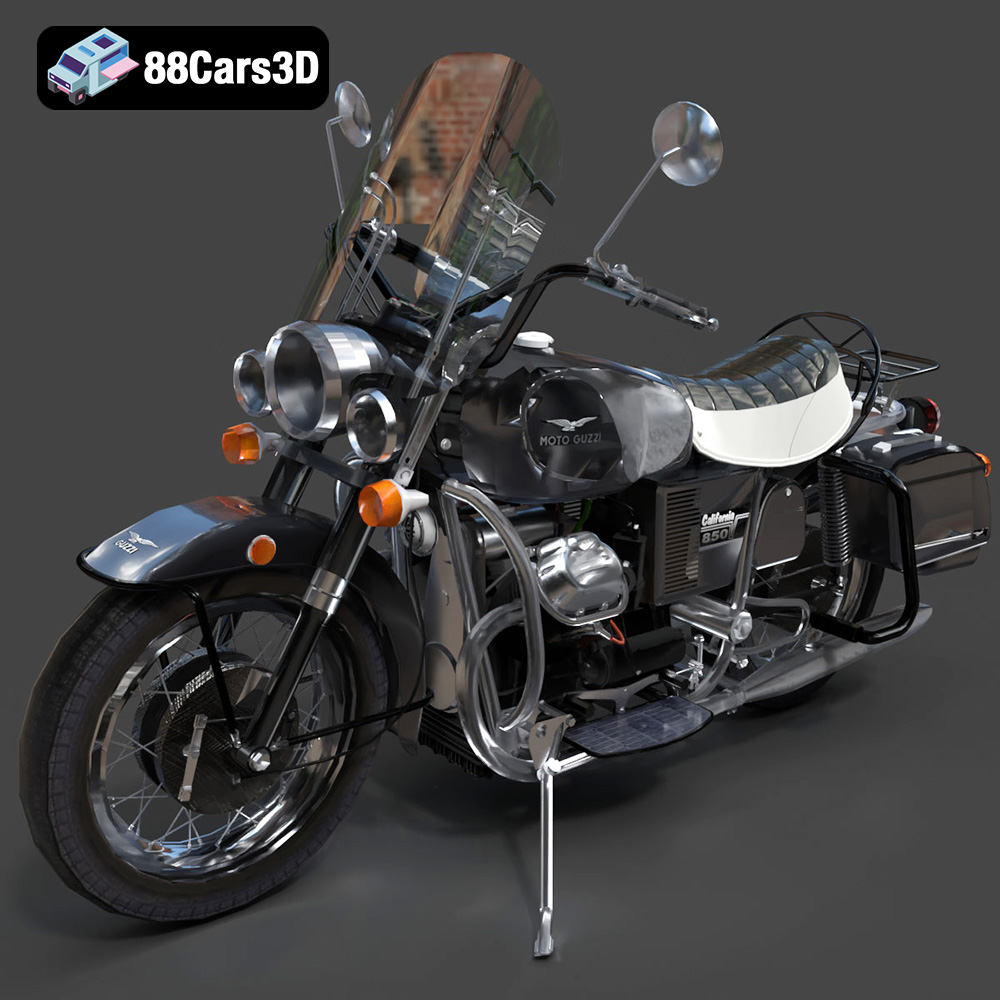
Texture: Yes
Material: Yes
Download the Moto Guzzi Classic Motorcycle 2024 3D Model featuring clean geometry, realistic detailing, and a fully modeled interior. Includes .blend, .fbx, .obj, .glb, .stl, .ply, .unreal, and .max formats for rendering, simulation, and game development.
Price: $10
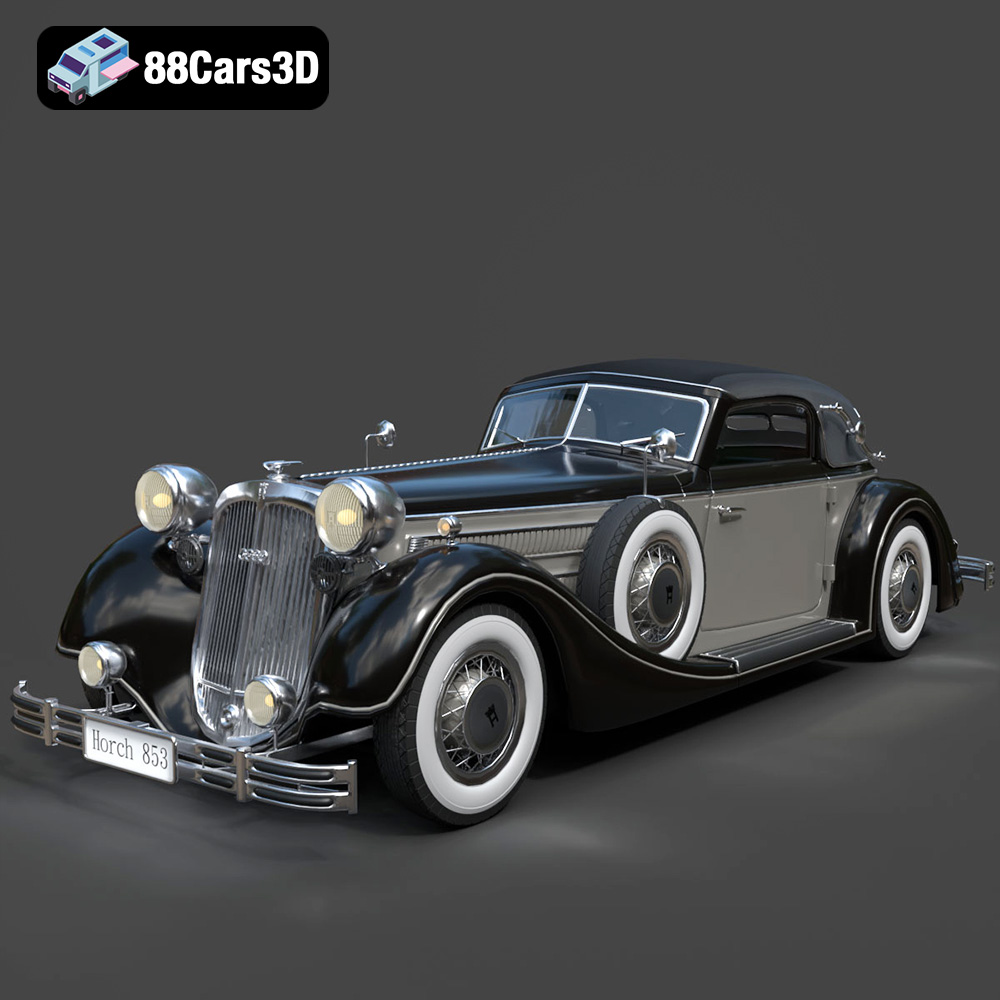
Texture: Yes
Material: Yes
Download the Horch 853 Sport Cabriolet 1937 3D Model featuring clean geometry, realistic detailing, and a fully modeled interior. Includes .blend, .fbx, .obj, .glb, .stl, .ply, .unreal, and .max formats for rendering, simulation, and game development.
Price: $10
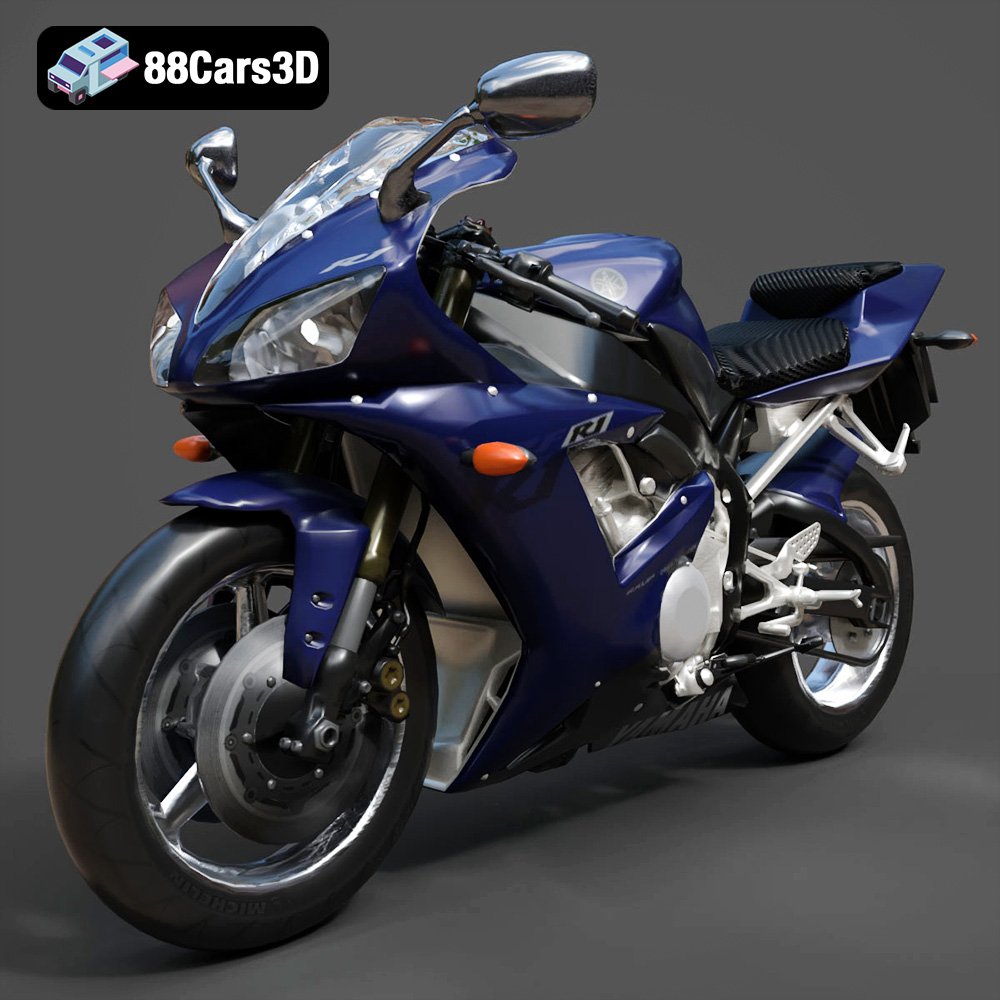
Texture: Yes
Material: Yes
Download the Yamaha YZF-R1 Motorcycle 3D Model featuring clean geometry, realistic detailing, and a fully modeled interior. Includes .blend, .fbx, .obj, .glb, .stl, .ply, .unreal, and .max formats for rendering, simulation, and game development.
Price: $10
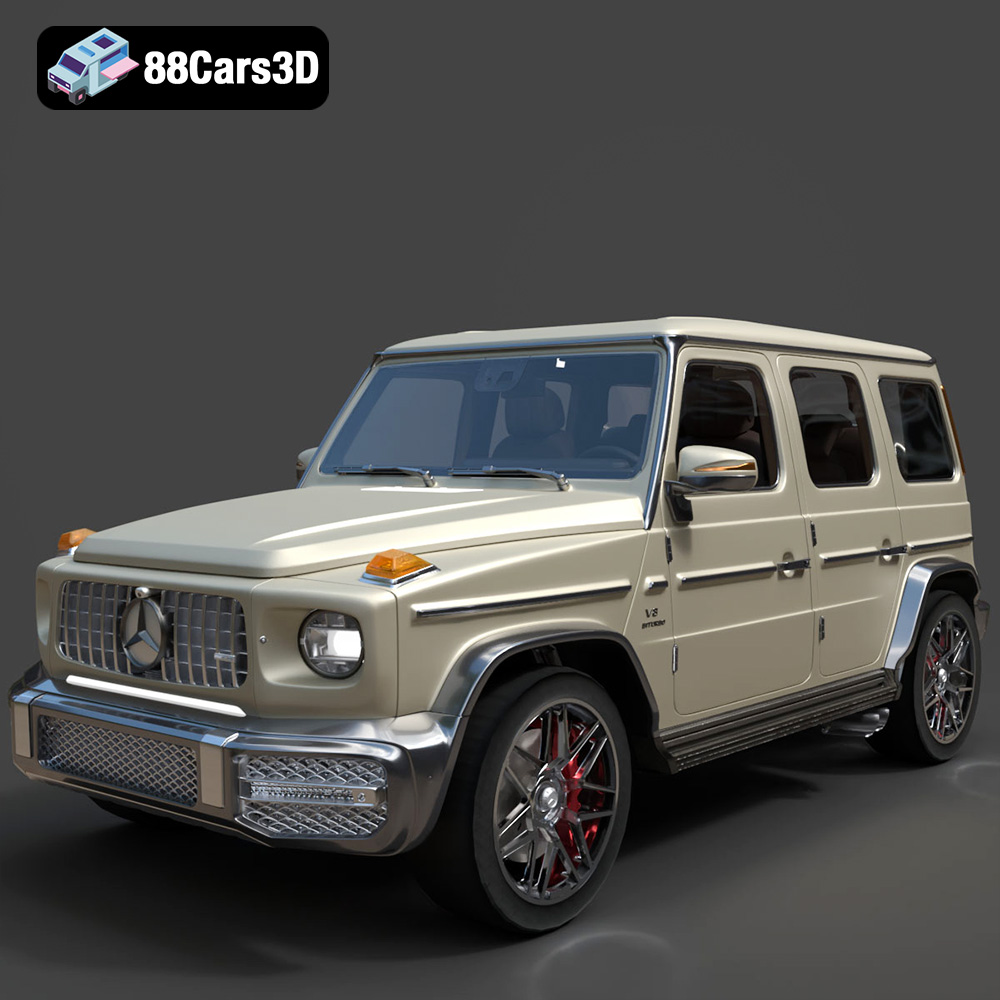
Texture: Yes
Material: Yes
Download the Mercedes Benz G63 AMG 2019 3D Model featuring clean geometry, realistic detailing, and a fully modeled interior. Includes .blend, .fbx, .obj, .glb, .stl, .ply, .unreal, and .max formats for rendering, simulation, and game development.
Price: $90
Texture: Yes
Material: Yes
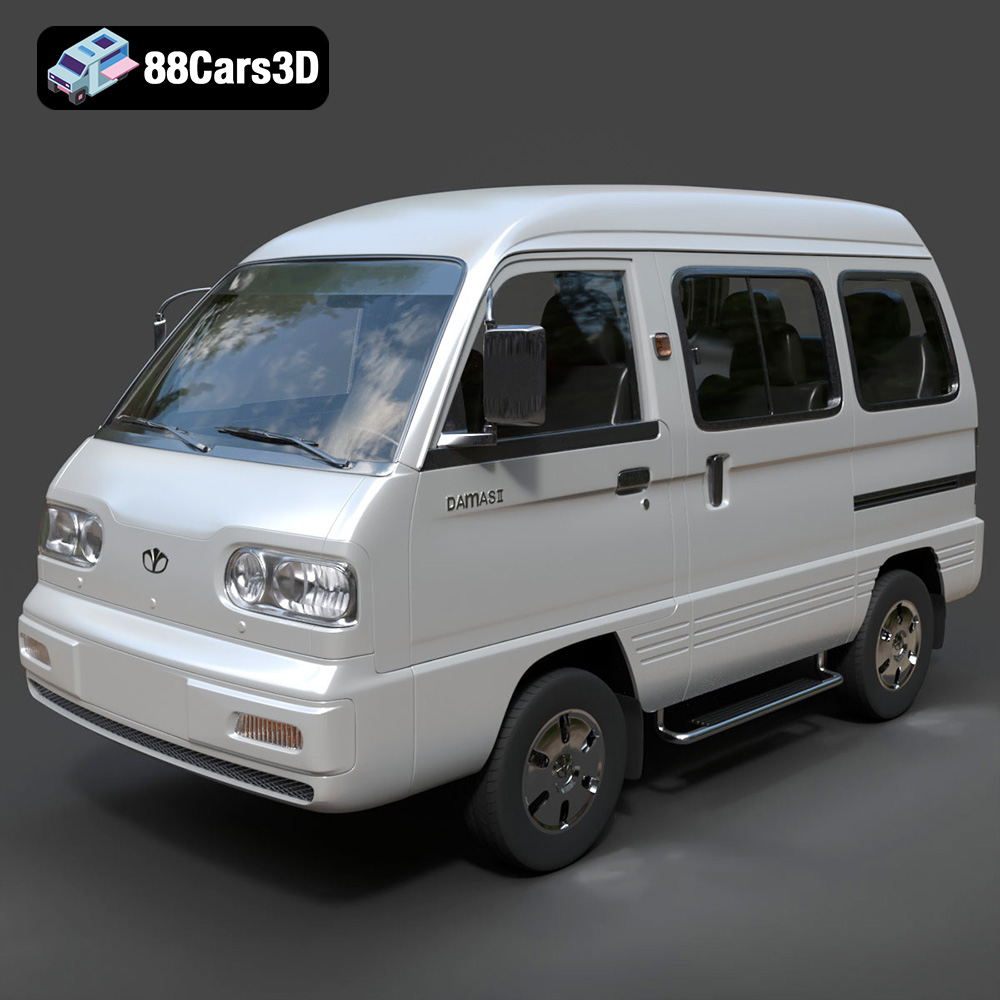
Download the Daewoo Damas Mk2 2012 3D Model featuring clean geometry, realistic detailing, and a fully modeled interior. Includes .blend, .fbx, .obj, .glb, .stl, .ply, .unreal, and .max formats for rendering, simulation, and game development.
Price: $10
Texture: Yes
Material: Yes
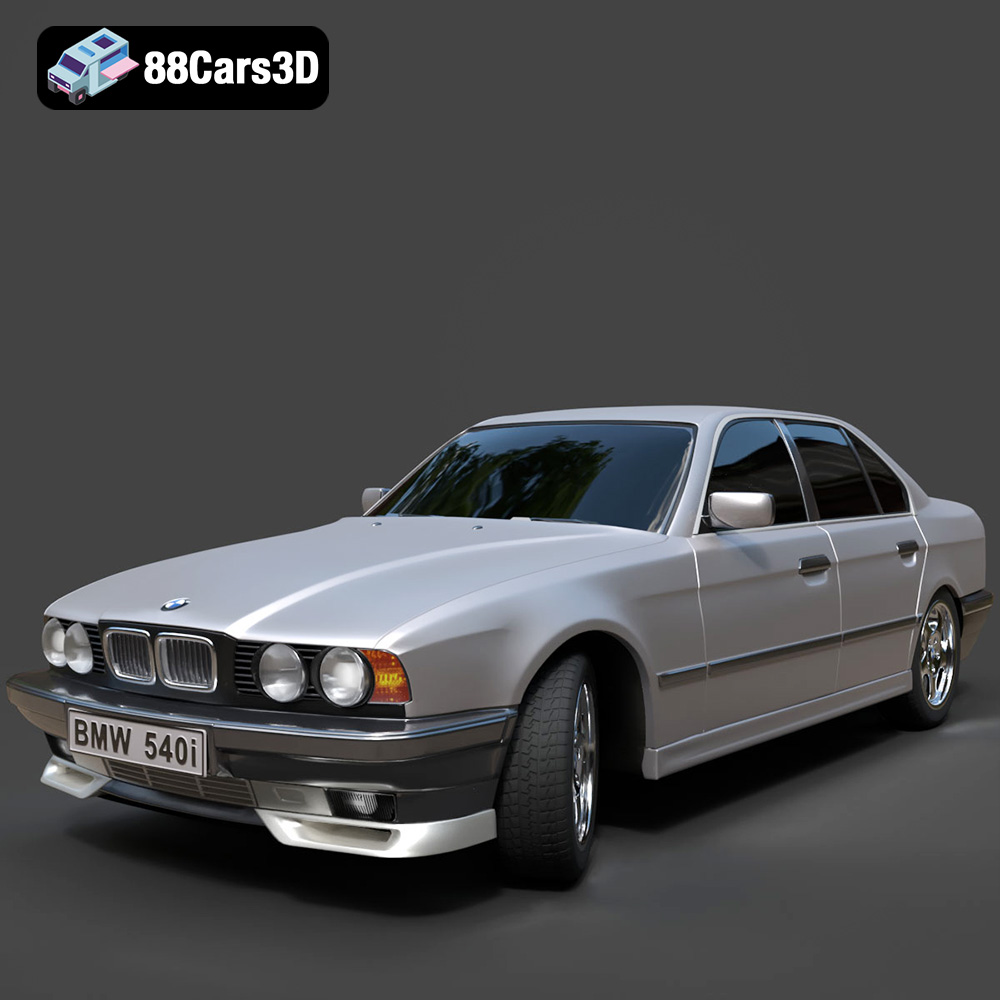
Download the BMW 540 E34 3D Model featuring clean geometry, realistic detailing, and a fully modeled interior. Includes .blend, .fbx, .obj, .glb, .stl, .ply, .unreal, and .max formats for rendering, simulation, and game development.
Price: $10

Texture: Yes
Material: Yes
Download the BMW 8 Series Coupe 2020 3D Model featuring clean geometry, realistic detailing, and a fully modeled interior. Includes .blend, .fbx, .obj, .glb, .stl, .ply, .unreal, and .max formats for rendering, simulation, and game development.
Price: $10

Texture: Yes
Material: Yes
Download the Mercedes S-Class 2024 3D Model featuring clean geometry, realistic detailing, and a fully modeled interior. Includes .blend, .fbx, .obj, .glb, .stl, .ply, .unreal, and .max formats for rendering, simulation, and game development.
Price: $10
Texture: Yes
Material: Yes
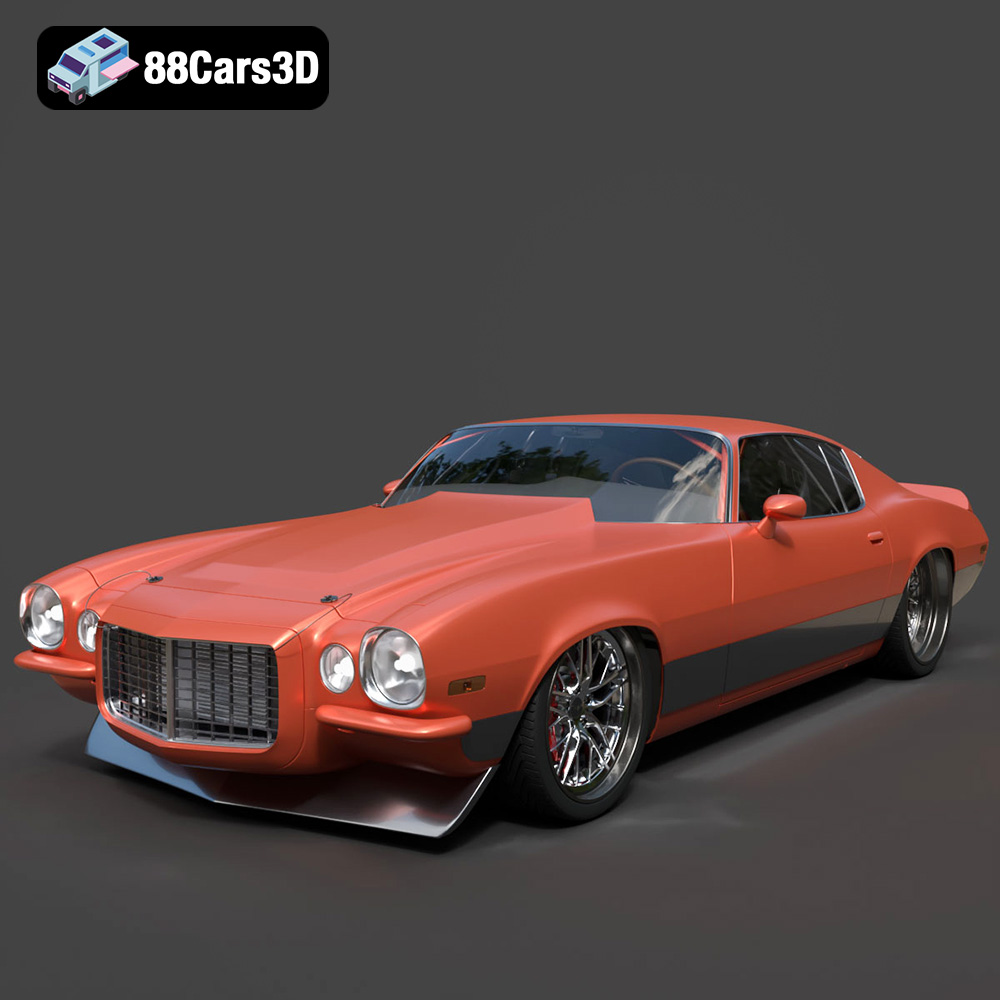
Download the Chevrolet Camaro 1970 3D Model featuring clean geometry, realistic detailing, and a fully modeled interior. Includes .blend, .fbx, .obj, .glb, .stl, .ply, .unreal, and .max formats for rendering, simulation, and game development.
Price: $10

Texture: Yes
Material: Yes
Download the Mercedes-AMG GT 2015 3D Model featuring clean geometry, realistic detailing, and a fully modeled interior. Includes .blend, .fbx, .obj, .glb, .stl, .ply, .unreal, and .max formats for rendering, simulation, and game development.
Price: $88.99

