Get 50% OFF All Premium 3D & STL Models!

“`html
The world of 3D printing has opened up incredible possibilities for automotive enthusiasts, model makers, and hobbyists. From creating detailed scale models to prototyping custom parts, the ability to bring virtual designs into the physical world is truly remarkable. A crucial step in this process is converting your vehicle model into a printable STL file – the standard file format for 3D printing. This guide will walk you through the entire process, covering everything from selecting the right software to optimizing your model for printing success. Whether you’re a seasoned 3D printing expert or just starting out, this article will provide you with the knowledge and skills needed to convert your favorite vehicle models into stunning 3D printed creations. You’ll learn about essential file preparation techniques, software options, slicing parameters, and post-processing tips, ensuring a smooth and rewarding 3D printing experience. Platforms like 88cars3d.com offer a wide selection of pre-made, print-ready STL files, but understanding the conversion process allows for greater customization and creative freedom.
The STL (Stereolithography) file format is the workhorse of 3D printing. It represents the surface geometry of a 3D object as a collection of triangles. This simple yet effective method allows for efficient data storage and processing by 3D printers. Understanding the underlying structure of an STL file is crucial for optimizing your models for printing. STL files only store surface information, lacking color, texture, or material properties. This simplicity is what makes them universally compatible with virtually all 3D printers and slicing software.
The quality of your 3D print heavily depends on the mesh topology of your STL file. A “watertight” or “manifold” mesh is essential, meaning the surface is continuous and has no holes or self-intersections. Non-manifold geometry can cause significant problems during slicing and printing, leading to errors and failed prints. Tools like MeshMixer and Netfabb can be used to identify and repair these issues.
While STL is the most common, other file formats like OBJ and FBX are also used in 3D modeling. These formats can store color and texture information, but they are often converted to STL for printing. Consider the file size implications when choosing a format. STL files, due to their triangulated nature, can become quite large for complex models, potentially impacting slicing performance. When downloading models from marketplaces such as 88cars3d.com, you’ll typically find STL files readily available for immediate use.
Several software packages can be used to convert vehicle models into printable STL files. The best choice depends on your experience level, the complexity of the model, and your budget. Some popular options include Blender, Tinkercad, Fusion 360, and Meshmixer. Each offers a unique set of features and capabilities.
Blender is a free and open-source 3D creation suite that offers a wide range of modeling, sculpting, and animation tools. While it has a steeper learning curve than some other options, its versatility makes it a great choice for advanced users. Blender’s robust toolset allows for intricate mesh editing, ensuring a clean and printable STL file. It’s also suitable for creating models from scratch, not just converting existing ones.
Fusion 360 is a professional-grade CAD/CAM software that uses parametric modeling. This approach allows for precise control over dimensions and relationships between different parts of the model. Fusion 360 is particularly well-suited for creating functional parts and assemblies. Its integrated CAM capabilities also allow you to directly generate toolpaths for CNC machining, making it a powerful tool for both 3D printing and traditional manufacturing.
Meshmixer is a free software specifically designed for working with mesh data. It’s an invaluable tool for repairing non-manifold geometry, smoothing surfaces, and adding support structures. Meshmixer’s intuitive interface and powerful algorithms make it easy to optimize your models for 3D printing. It can also be used to create custom support structures tailored to the specific geometry of your vehicle model.
Before converting your model to STL, it’s essential to prepare it for the 3D printing process. This involves cleaning up the mesh, ensuring proper wall thickness, and optimizing the model’s orientation. A well-prepared model will significantly increase your chances of a successful print.
Wall thickness is a critical factor for printability. Thin walls can be fragile and prone to breakage, while thick walls can increase print time and material consumption. Aim for a minimum wall thickness of 0.8mm to 1.2mm for most FDM printers. For resin printing, a thinner wall thickness (around 0.5mm) may be sufficient. Check your printer manufacturer’s recommendations for optimal wall thickness.
The orientation of your model on the print bed can significantly impact its strength, surface finish, and the amount of support material required. Consider the direction of stress on the finished part and orient the model to minimize stress on weaker layers. Orient parts with intricate details facing upwards to maximize resolution. Experiment with different orientations to find the best balance between strength, detail, and support material usage. The correct orientation can also dramatically reduce print time.
Overhanging features require support structures to prevent them from collapsing during printing. Generate supports in your slicing software, taking care to place them strategically to minimize their impact on the surface finish. Consider using different support types, such as tree supports or linear supports, depending on the geometry of your model. Support removal can be a time-consuming process, so optimize their placement to reduce post-processing effort. Breakaway supports are a popular option, designed to detach easily without damaging the printed part.
Slicing is the process of converting your STL file into a set of instructions that your 3D printer can understand. This involves dividing the model into thin layers and generating toolpaths for the print head. Key slicing parameters include layer height, infill density, print speed, and temperature.
Layer height determines the vertical resolution of your print. Lower layer heights result in smoother surfaces and finer details, but they also increase print time. A common layer height for FDM printing is 0.1mm to 0.2mm. For resin printing, layer heights can be as low as 0.025mm. Experiment with different layer heights to find the optimal balance between resolution and print time for your specific model and printer.
Infill density determines the amount of material used inside the model. Higher infill densities result in stronger parts, but they also increase print time and material consumption. A common infill density for non-functional parts is 15% to 25%. For functional parts that require strength, increase the infill density to 50% or higher. Experiment with different infill patterns, such as rectilinear, honeycomb, or gyroid, to optimize strength and weight.
Print speed and temperature are crucial for achieving optimal adhesion and layer bonding. The ideal settings depend on the type of filament you are using. PLA typically prints at lower temperatures (190°C to 220°C) and moderate speeds (40mm/s to 60mm/s). ABS requires higher temperatures (230°C to 260°C) and slower speeds (30mm/s to 50mm/s). Consult your filament manufacturer’s recommendations for optimal settings. Bed adhesion is also crucial; consider using a heated bed, adhesive sprays, or masking tape to ensure the first layer sticks properly.
Once your STL file is sliced, you’re ready to print your vehicle model. Monitor the printing process closely to identify and address any potential issues. After printing, post-processing techniques can be used to improve the surface finish and assemble multiple parts.
The choice of material depends on the intended use of the printed part. PLA is a biodegradable and easy-to-print material that’s suitable for decorative models. PETG is a more durable and heat-resistant material that’s suitable for functional parts. ABS is a strong and impact-resistant material that’s often used for automotive parts. Resin offers exceptional detail and surface finish, making it ideal for miniature models and figurines. Consider the material properties, printing requirements, and post-processing options when selecting a material.
Removing support structures can be a delicate process. Use specialized tools, such as pliers, cutters, or heat guns, to carefully detach the supports without damaging the printed part. Sanding and polishing can be used to smooth the surface and remove any imperfections. Painting and coating can be used to add color and protect the printed part. Experiment with different post-processing techniques to achieve the desired finish.
Many vehicle models consist of multiple parts that need to be assembled after printing. Design features like pegs and holes can help with alignment and assembly. Use adhesives, such as super glue or epoxy, to bond the parts together securely. Ensure the parts fit together properly before applying adhesive. Clamps or rubber bands can be used to hold the parts together while the adhesive cures. Patience and precision are key to assembling multi-part models successfully.
3D printing can be a challenging process, and it’s common to encounter problems along the way. Understanding the causes of these problems and how to fix them is essential for achieving successful prints. Some common issues include warping, stringing, layer separation, and nozzle clogging.
Warping occurs when the corners of the printed part lift off the print bed. This is often caused by insufficient bed adhesion or uneven cooling. To prevent warping, ensure the print bed is clean and level. Use a heated bed and set the temperature to the recommended level for the material you are using. Apply adhesive sprays or masking tape to improve bed adhesion. Enclosing the printer can also help to maintain a consistent temperature and prevent warping.
Stringing occurs when thin strands of filament are left between different parts of the printed model. This is often caused by excessive retraction distance or insufficient cooling. To eliminate stringing, increase the retraction distance and speed in your slicing software. Lower the printing temperature and increase the cooling fan speed. Ensure the nozzle is clean and free of clogs. Adjusting travel speed can also help to reduce stringing.
Layer separation occurs when the layers of the printed part do not bond together properly. This can be caused by insufficient printing temperature, low extrusion rate, or poor bed adhesion. To prevent layer separation, increase the printing temperature and extrusion rate. Ensure the print bed is level and clean. Use a heated bed and apply adhesive sprays or masking tape to improve bed adhesion. Enclosing the printer can also help to maintain a consistent temperature and prevent layer separation.
Converting vehicle models into printable STL files is a rewarding process that opens up a world of creative possibilities. By understanding the intricacies of STL file structure, software options, slicing parameters, and post-processing techniques, you can transform your favorite vehicle models into stunning 3D printed creations. Remember to focus on preparing your models for printing by ensuring proper wall thickness, optimizing print orientation, and adding support structures strategically. Experiment with different materials, layer heights, and infill densities to achieve the desired results. And don’t be discouraged by setbacks – 3D printing is a learning process, and each failed print provides valuable insights for future success. By following the guidance in this article, you’ll be well on your way to mastering the art of 3D printing vehicle models. So, download your chosen model, start experimenting with the settings, and get ready to bring your automotive dreams to life! Start your journey by exploring high-quality options at 88cars3d.com.
“`
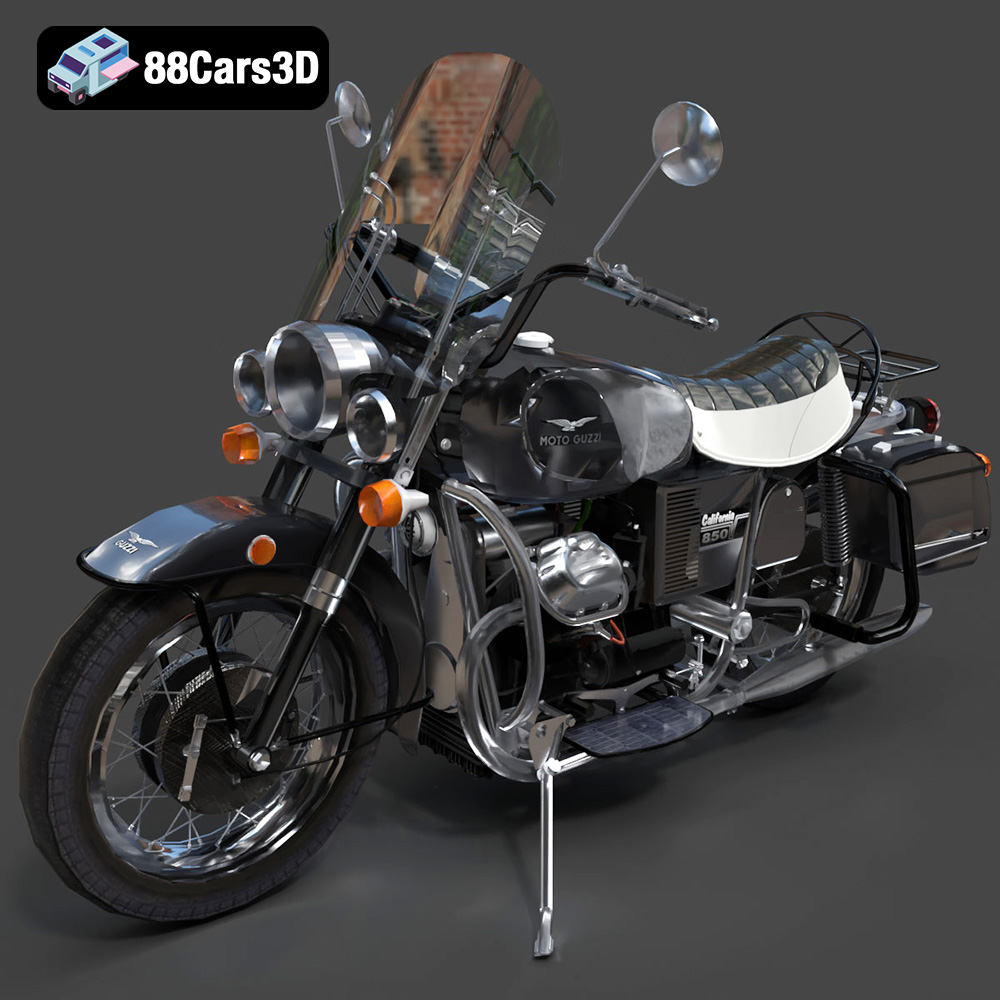
Texture: Yes
Material: Yes
Download the Moto Guzzi Classic Motorcycle 2024 3D Model featuring clean geometry, realistic detailing, and a fully modeled interior. Includes .blend, .fbx, .obj, .glb, .stl, .ply, .unreal, and .max formats for rendering, simulation, and game development.
Price: $10
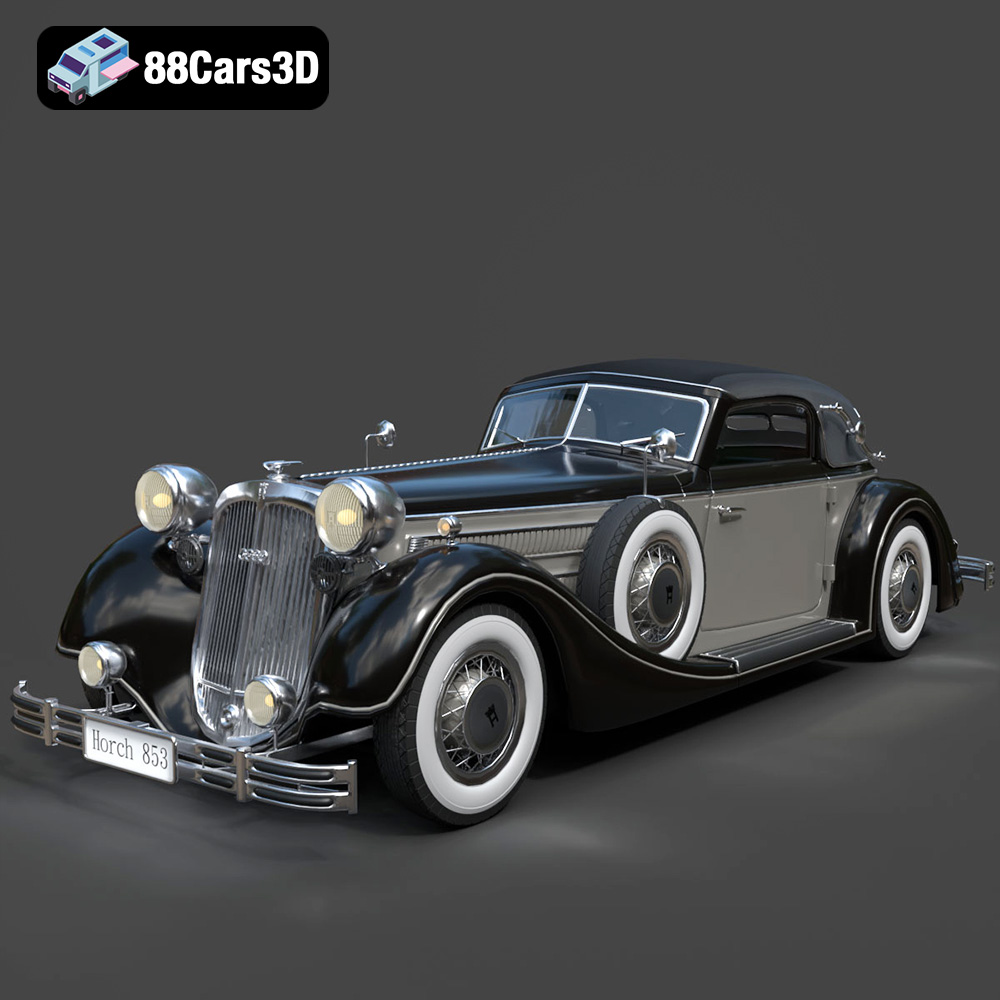
Texture: Yes
Material: Yes
Download the Horch 853 Sport Cabriolet 1937 3D Model featuring clean geometry, realistic detailing, and a fully modeled interior. Includes .blend, .fbx, .obj, .glb, .stl, .ply, .unreal, and .max formats for rendering, simulation, and game development.
Price: $10
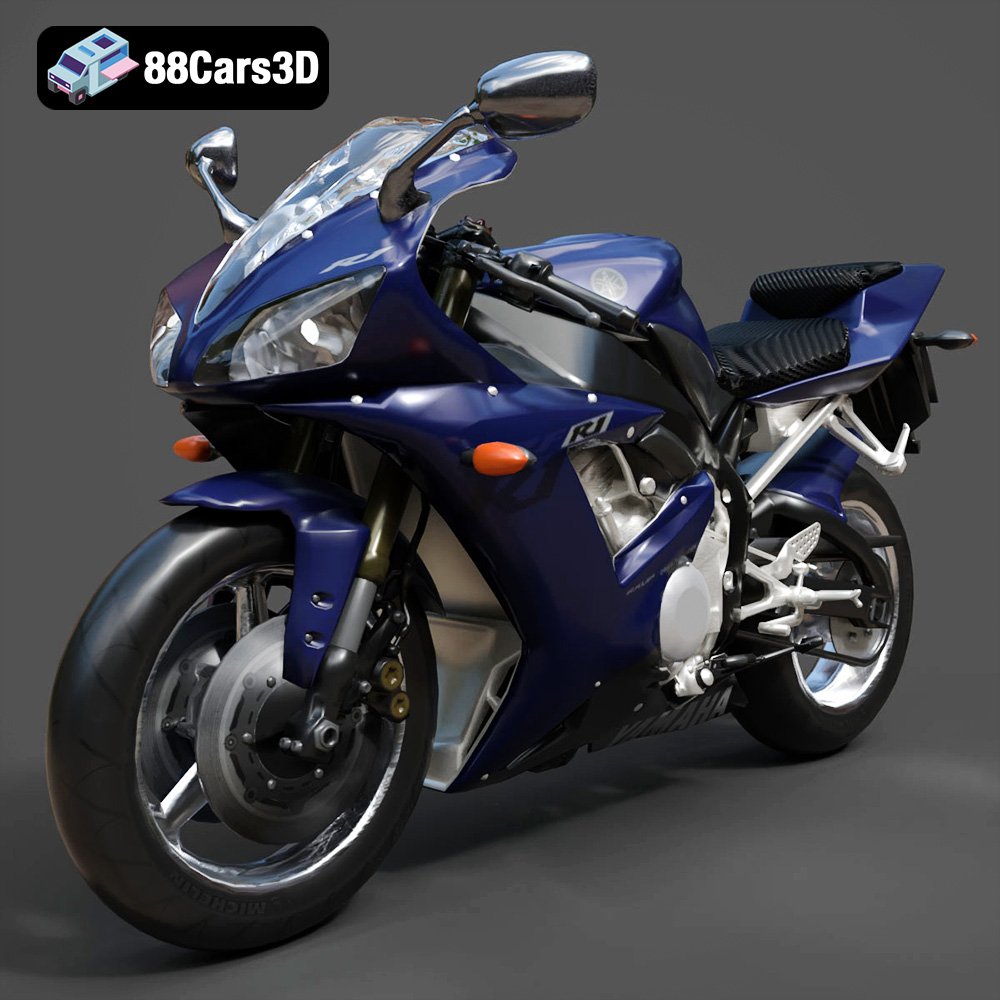
Texture: Yes
Material: Yes
Download the Yamaha YZF-R1 Motorcycle 3D Model featuring clean geometry, realistic detailing, and a fully modeled interior. Includes .blend, .fbx, .obj, .glb, .stl, .ply, .unreal, and .max formats for rendering, simulation, and game development.
Price: $10
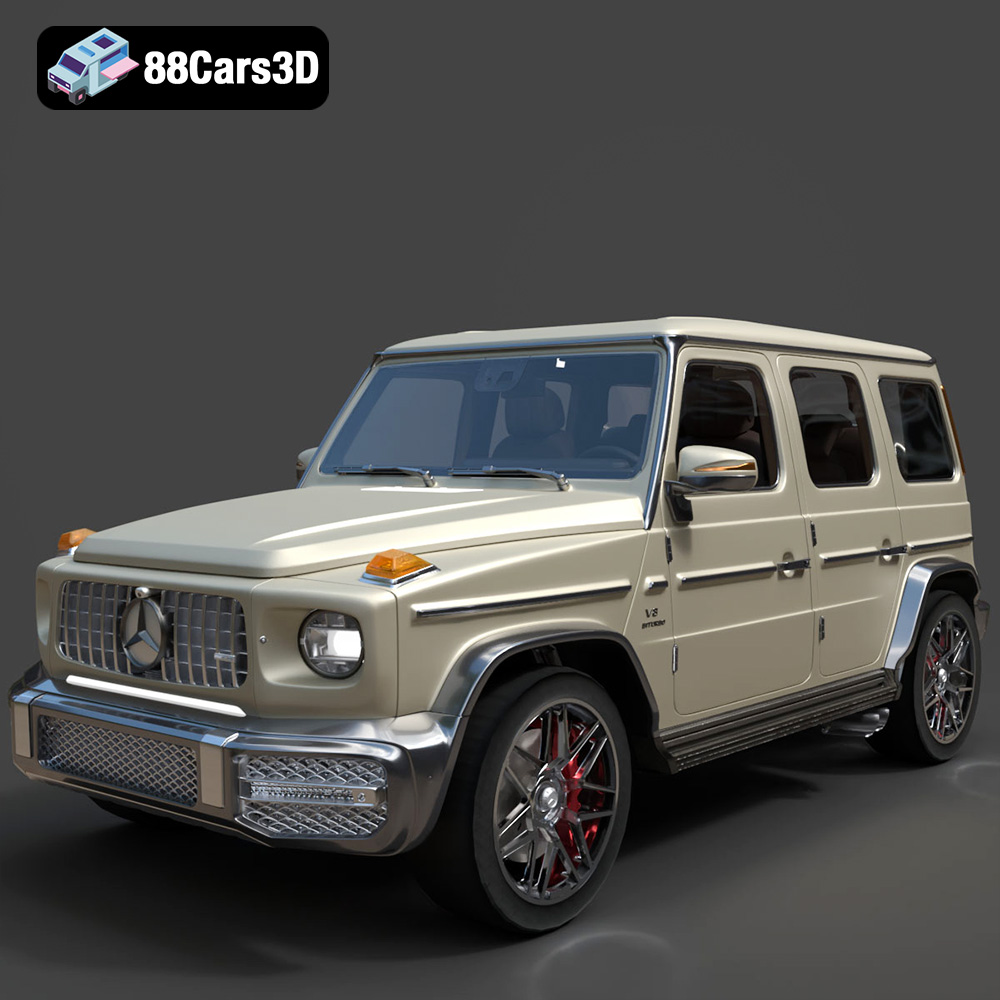
Texture: Yes
Material: Yes
Download the Mercedes Benz G63 AMG 2019 3D Model featuring clean geometry, realistic detailing, and a fully modeled interior. Includes .blend, .fbx, .obj, .glb, .stl, .ply, .unreal, and .max formats for rendering, simulation, and game development.
Price: $90
Texture: Yes
Material: Yes
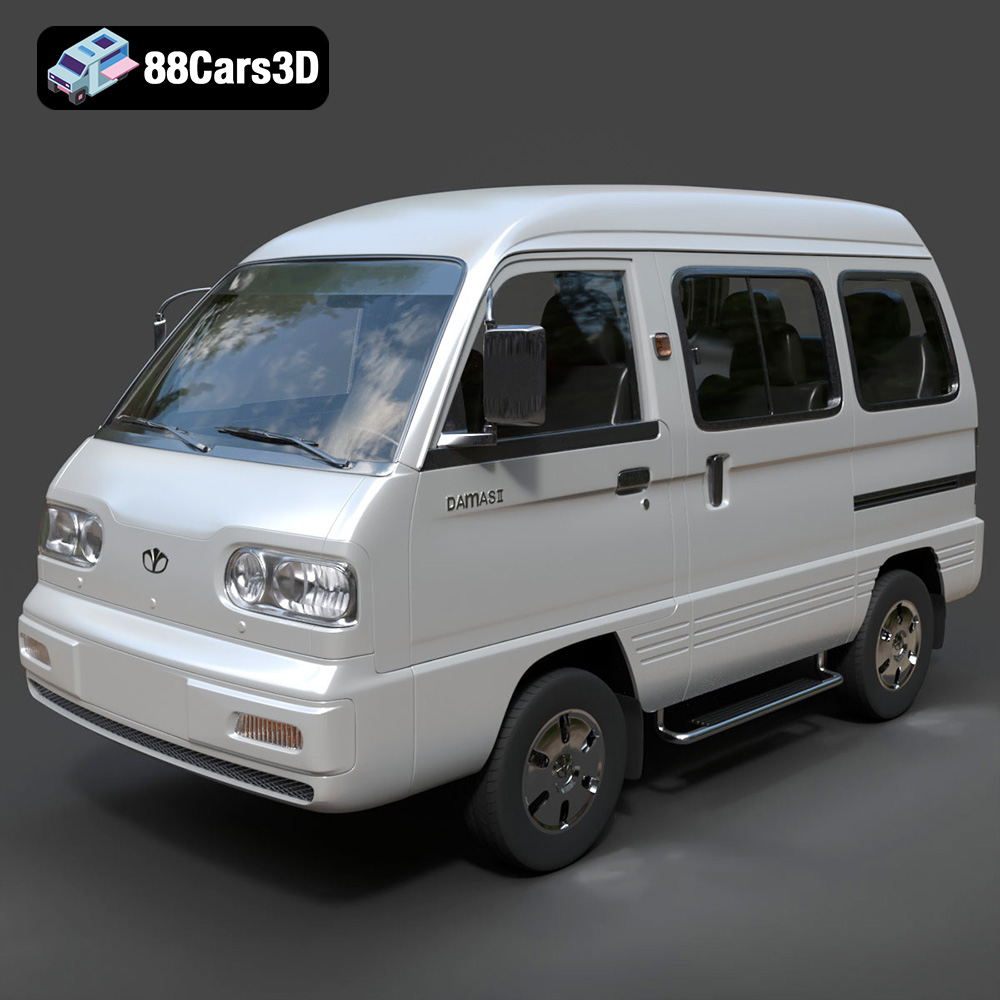
Download the Daewoo Damas Mk2 2012 3D Model featuring clean geometry, realistic detailing, and a fully modeled interior. Includes .blend, .fbx, .obj, .glb, .stl, .ply, .unreal, and .max formats for rendering, simulation, and game development.
Price: $10
Texture: Yes
Material: Yes
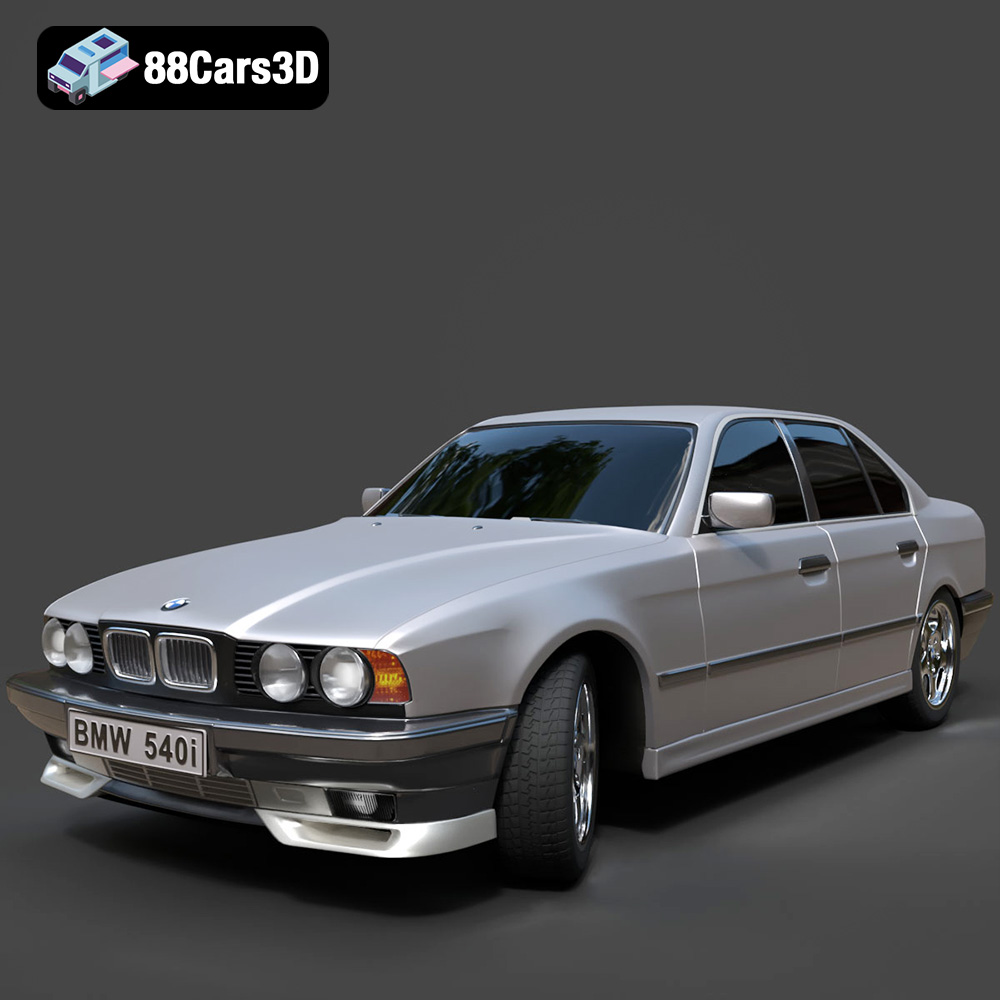
Download the BMW 540 E34 3D Model featuring clean geometry, realistic detailing, and a fully modeled interior. Includes .blend, .fbx, .obj, .glb, .stl, .ply, .unreal, and .max formats for rendering, simulation, and game development.
Price: $10
Texture: Yes
Material: Yes
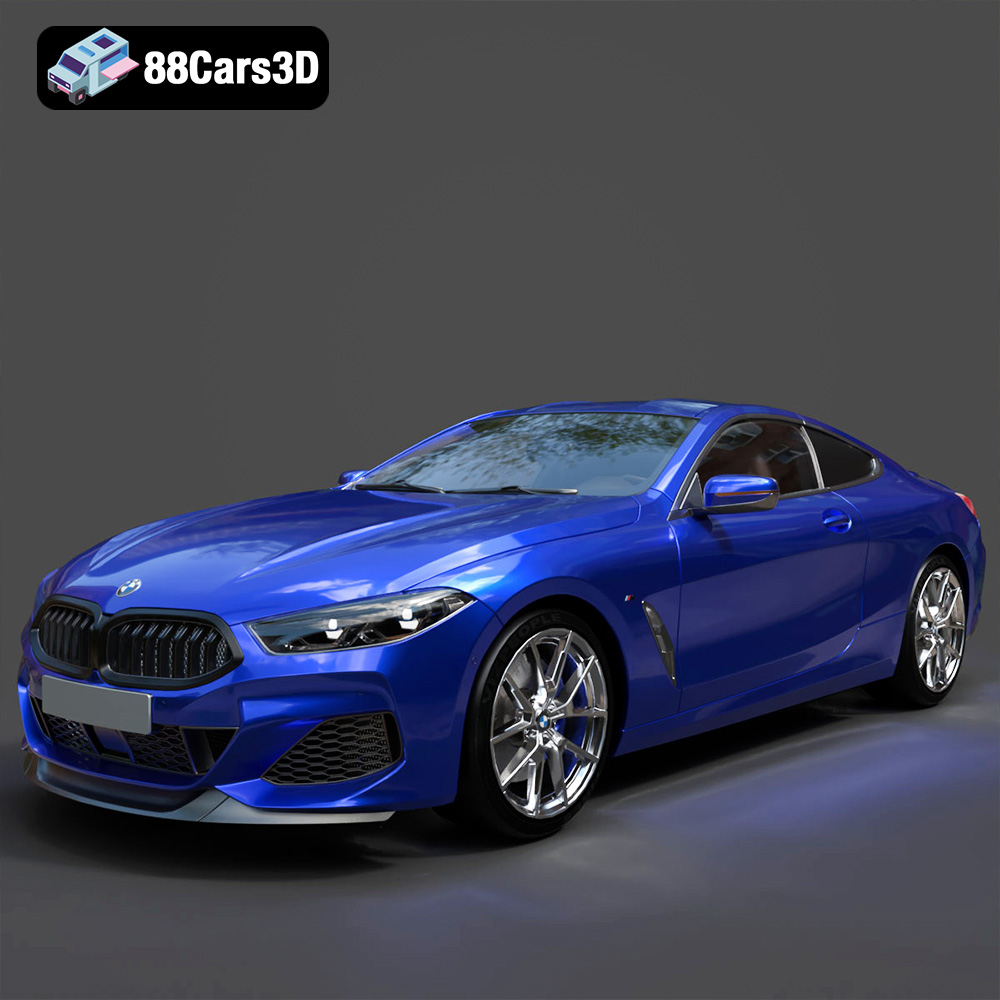
Download the BMW 8 Series Coupe 2020 3D Model featuring clean geometry, realistic detailing, and a fully modeled interior. Includes .blend, .fbx, .obj, .glb, .stl, .ply, .unreal, and .max formats for rendering, simulation, and game development.
Price: $10
Texture: Yes
Material: Yes
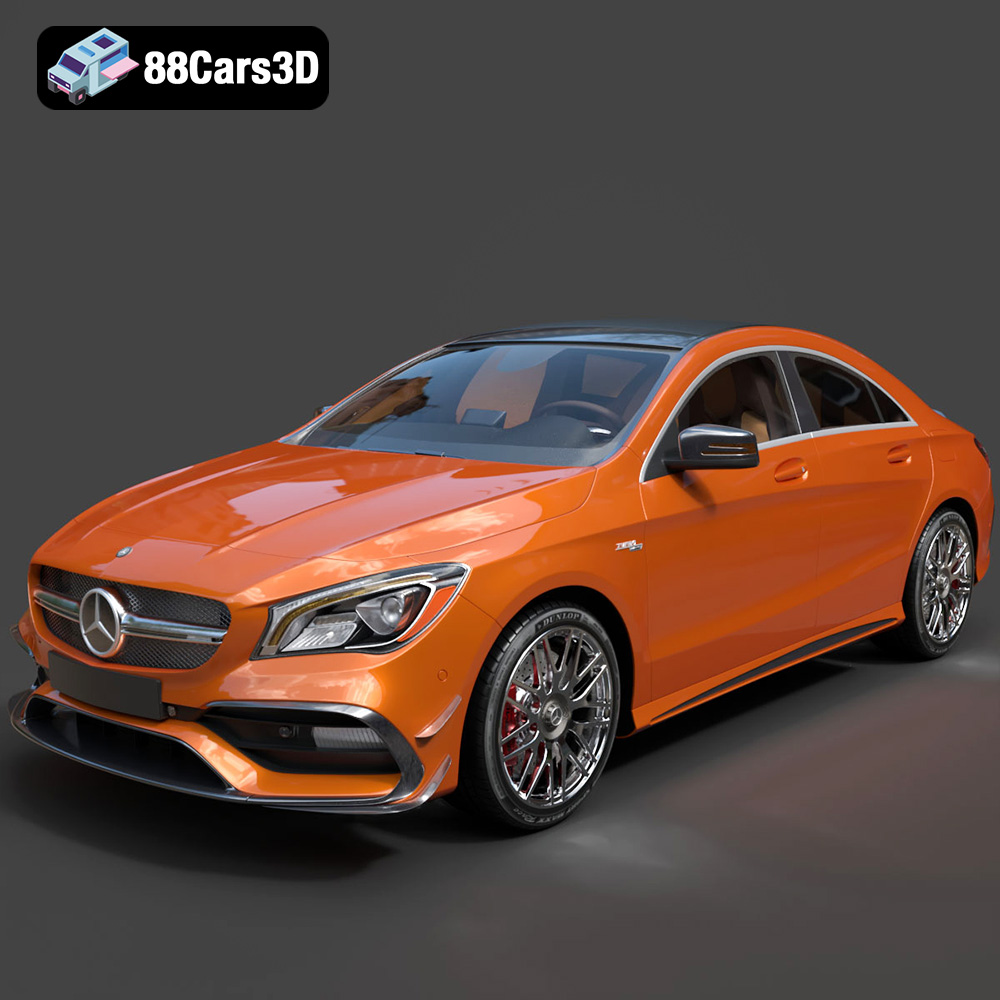
Download the Mercedes-Benz CLA45 AMG 2017 3D Model featuring clean geometry, realistic detailing, and a fully modeled interior. Includes .blend, .fbx, .obj, .glb, .stl, .ply, .unreal, and .max formats for rendering, simulation, and game development.
Price: $21.99
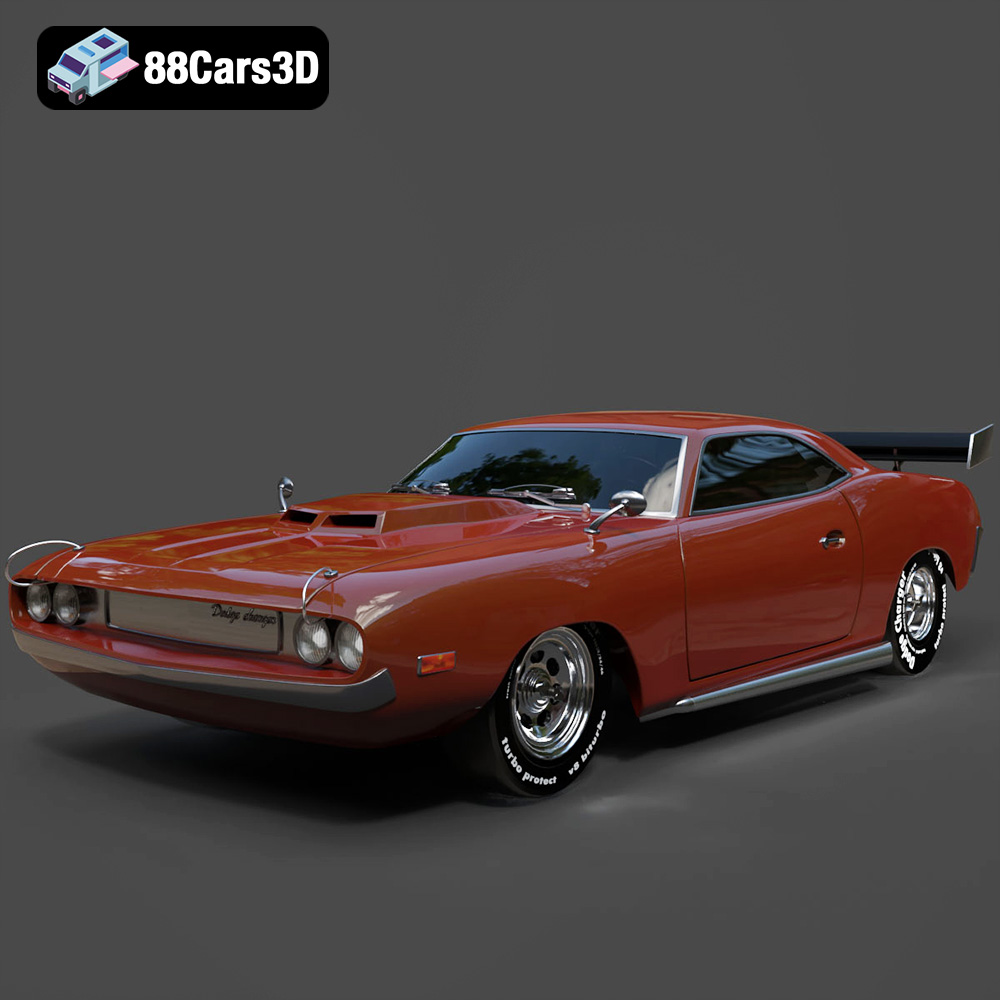
Texture: Yes
Material: Yes
Download the Dodge Charger Car-004 3D Model featuring clean geometry, realistic detailing, and a fully modeled interior. Includes .blend, .fbx, .obj, .glb, .stl, .ply, .unreal, and .max formats for rendering, simulation, and game development.
Price: $10
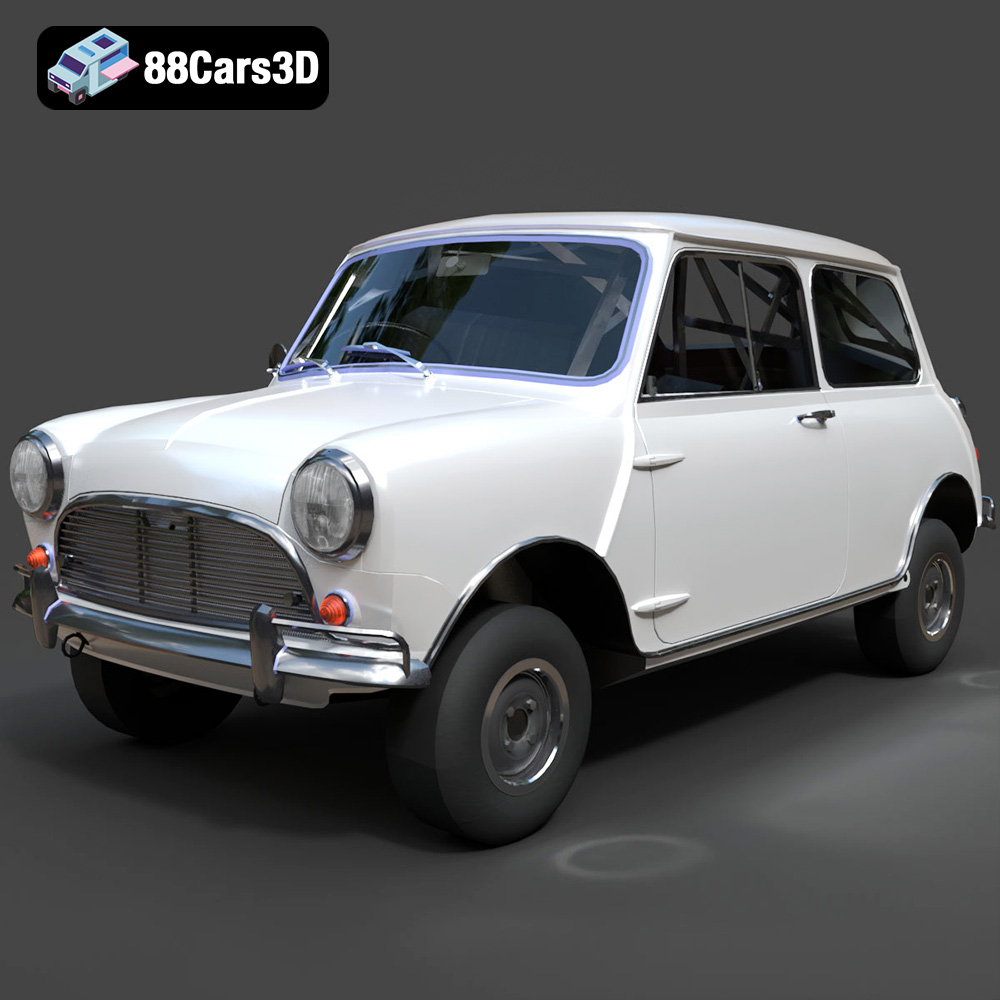
Texture: Yes
Material: Yes
Download the Austin Mini Cooper S 1965 3D Model featuring clean geometry, realistic detailing, and a fully modeled interior. Includes .blend, .fbx, .obj, .glb, .stl, .ply, .unreal, and .max formats for rendering, simulation, and game development.
Price: $10

