Get 50% OFF All Premium 3D & STL Models!

“`html
In the world of real-time rendering and game development, high-fidelity 3D car models represent the ultimate fusion of art and engineering. They are often the hero assets, the focal point of a racing game, or a crucial element in an architectural visualization. However, the same incredible detail that makes a 3D car look photorealistic in a render can bring a game engine to its knees. The journey from a high-poly, cinematic-quality model to a performant, game-ready asset is a critical process of technical artistry and strategic optimization. Striking the perfect balance between visual quality and real-time performance is paramount for creating immersive, stutter-free experiences in engines like Unity and Unreal Engine.
This comprehensive guide is designed for 3D artists, game developers, and technical artists who want to master the craft of automotive optimization. We will move beyond basic theory and dive deep into the specific workflows, technical specifications, and engine-level considerations required to make your 3D car models shine in any real-time application. You will learn how to manage polygon budgets effectively, create efficient Level of Detail (LOD) chains, master texture and material workflows to save memory and reduce draw calls, and implement engine-specific techniques for both Unity and Unreal Engine. Whether you’re starting with a dense CAD model or a beautifully detailed model from a marketplace like 88cars3d.com, this article will provide the actionable knowledge you need to transform it into a high-performance game asset.
Before any optimization can begin, the foundation of the model—its geometry—must be solid. A common mistake is to throw a multi-million polygon model directly into a game engine and hope for the best. This approach inevitably leads to poor performance, long loading times, and a frustrating experience for the end-user. The first step in professional game asset optimization is establishing a clear polygon budget and ensuring the model has clean, efficient topology. This initial stage is non-negotiable and sets the standard for the entire optimization pipeline. A model with flawed topology will be difficult to UV map, texture, and create LODs for, compounding issues down the line. Investing time here saves countless hours of troubleshooting later.
There is no single “correct” polygon count for a game-ready car; the budget depends entirely on its role and the target platform. A “hero” car, meant for close-up player interaction in a high-end PC racing game, might have a budget of 200,000 to 300,000 triangles for its highest Level of Detail (LOD0). In contrast, a background traffic car might be limited to 10,000-20,000 triangles. For mobile games, even hero cars may need to stay under 50,000 triangles. It’s crucial to define these targets before modeling or retopologizing:
These figures are starting points. Always profile your target hardware to see how many assets of a given budget can be rendered on screen simultaneously while maintaining your target frame rate (e.g., 60 FPS).
Clean topology is about more than just a low polygon count; it’s about the quality and flow of those polygons. For automotive models, good topology ensures smooth, predictable surfaces that light correctly and, if necessary, deform realistically for damage systems. Use quads wherever possible during the modeling phase, as they are easier to work with and produce cleaner subdivision results. However, remember that game engines ultimately triangulate everything, so don’t be afraid to use triangles strategically to terminate edge loops or reduce density in flat areas. The key is control. For the main body shell, ensure your edge loops follow the car’s primary contour lines and curves. This not only defines the vehicle’s shape with fewer polygons but also prevents shading artifacts like pinching or faceting, especially on curved surfaces like fenders and hoods.
Often, the starting point is a hyper-detailed model not intended for real-time use. These models can have millions of polygons, hidden internal geometry, and messy topology. The process of making them game-ready is called retopology. This involves creating a new, clean, low-poly mesh over the surface of the high-poly original. Tools like the Quad Draw tool in Maya, Retopoflow in Blender, or the topology tools in 3ds Max are indispensable. The goal is to capture the silhouette and major details of the original while adhering to your polygon budget. During this process, you will “bake” details from the high-poly model (like panel lines, vents, and badges) into a normal map for the low-poly model, preserving visual fidelity without the geometric cost.
Level of Detail (LOD) is arguably the single most important optimization technique for complex assets like 3D car models. The core concept is simple: render a highly detailed version of the model when it’s close to the camera and progressively switch to lower-detail versions as it moves further away. This drastically reduces the number of vertices the GPU has to process for distant objects, freeing up resources to maintain a high and stable frame rate. Without a robust LOD system, rendering a scene with more than a few detailed cars would be impossible on most hardware. A well-planned LOD chain is invisible to the player—the transition between detail levels should be seamless—but its impact on performance is massive.
A typical LOD strategy for a hero vehicle involves 3 to 4 distinct levels (LODs). Each subsequent LOD should represent a significant reduction in triangle count, often by 50% or more. The geometry and materials are simplified at each stage.
The transition distances for each LOD are set within the game engine and should be tweaked until the “pop-in” effect is unnoticeable during gameplay.
Creating these LODs can be done manually or through automated processes. Manual creation offers the most control and highest quality. An artist carefully removes edge loops, collapses details, and merges components by hand, preserving the car’s silhouette perfectly. This is the preferred method for LOD0 to LOD1. For lower LODs, automated tools can be highly effective. In 3ds Max, the ProOptimizer modifier is excellent for intelligently reducing polygon counts while maintaining the model’s form. In Blender, the Decimate modifier serves a similar purpose. The “Collapse” mode is fast and effective, while “Planar” is great for simplifying flat areas. As noted in the official Blender 4.4 documentation, these non-destructive modifiers allow you to experiment with different reduction ratios easily. Many game engines also have built-in LOD generation tools that can create the lower-detail meshes automatically on import.
Both Unity and Unreal Engine have robust, user-friendly systems for managing LODs.
Properly configuring these groups is as important as creating the meshes themselves.
While geometry optimization is crucial, textures and materials are often the biggest consumers of memory and can significantly impact rendering performance. A single uncompressed 4K texture can use over 64 MB of VRAM. Multiply that by the dozen or so textures required for a detailed car (albedo, normal, roughness, metallic, etc.), and it’s clear that an unoptimized approach is unsustainable. Efficient texture and material management involves a combination of careful planning in your Digital Content Creation (DCC) application and leveraging the powerful compression and rendering features of modern game engines. The goal is to achieve maximum visual impact with the smallest possible memory footprint and the fewest possible instructions for the GPU to execute.
One of the most significant performance bottlenecks in real-time rendering is the number of draw calls. A draw call is a command from the CPU to the GPU to draw a mesh with a specific material. Each separate mesh with a unique material on your car (e.g., body paint, chrome trim, plastic bumper, rubber tire, glass window) generates at least one draw call per frame. A car with 50 different materials can quickly bog down the CPU. Texture atlasing is the solution. This process involves combining the textures for multiple different parts into a single, larger texture sheet. For example, the textures for the dashboard, seats, and steering wheel could be laid out in one UV space and combined into a single “Interior Atlas” material. This allows you to combine all the corresponding meshes into a single object that uses only one material, reducing dozens of draw calls to just one. While this requires careful UV unwrapping, the performance gains are enormous.
Modern game engines rely on Physically Based Rendering (PBR) to achieve realistic lighting and materials. The standard workflow for game assets is the Metallic/Roughness model. For a 3D car model, this typically involves several key texture maps:
To optimize, it’s common practice to channel-pack the grayscale maps. For instance, the Metallic, Roughness, and AO maps can be packed into the Red, Green, and Blue channels of a single RGB texture, saving memory and improving shader performance.
Never use uncompressed texture formats like TGA or PNG directly in a game engine. Engines use specialized, hardware-accelerated compression formats. The most common is BC (Block Compression), also known as DXT. Formats like BC1 (DXT1) are great for color maps, while BC7 offers higher quality. BC4 is ideal for single-channel grayscale maps, and BC5 is designed for normal maps. These formats drastically reduce the VRAM footprint of textures. Furthermore, always use power-of-two dimensions (e.g., 512×512, 1024×1024, 2048×2048). This is essential for mipmapping, a technique where the engine generates and uses smaller versions of a texture for distant objects, which improves performance and reduces aliasing. A hero car’s main body texture might be 4096×4096 for LOD0, but its LOD2 version should use a much smaller 512×512 texture.
We’ve touched on draw calls, but their importance warrants a dedicated section. While modern GPUs are incredibly powerful at processing vertices and pixels, they can be bottlenecked by the CPU. Before the GPU can render anything, the CPU must prepare the data and issue a draw call command. If a scene contains thousands of individual objects, each with its own material, the CPU can spend so much time preparing these commands that the GPU is left waiting, leading to a low frame rate. This is known as being “CPU-bound.” Optimizing 3D car models for draw calls is about reducing this CPU overhead by simplifying the scene’s structure through smart mesh and material consolidation. It’s a balancing act: combining too much can hinder other systems like culling and physics, but combining too little is a recipe for poor performance.
The primary method for reducing draw calls is combining multiple meshes into a single mesh. A high-quality 3D car model, such as those available from online marketplaces like 88cars3d.com, often comes with parts separated for maximum flexibility (e.g., doors, hood, wheels, etc.). For a game, this structure needs to be re-evaluated. Any parts that share the same material and don’t need to be animated or detached individually should be combined. For example, all the chrome trim pieces, the grille, and the badges can be merged into a single “chrome_trim” mesh. The entire painted body shell—fenders, doors, roof, trunk—can be one “body_paint” mesh. This is especially critical for lower LOD levels. For LOD2, it’s common to combine the entire car, including wheels and glass, into a single mesh with a single material to minimize its performance impact at a distance.
Mesh combining is only effective if the parts being combined also share a single material. This is where the texture atlasing techniques discussed earlier become essential. A well-planned asset will consolidate materials aggressively. Instead of separate materials for the brake calipers, suspension springs, and engine block, create a “mechanical_parts_atlas” material and combine all those meshes. The same applies to the interior. This strategy requires planning during the texturing phase but is fundamental to creating a performant asset. The ideal game-ready hero car should have a minimal number of materials for its LOD0, perhaps 5-10 at most: one for paint, one for chrome/metal, one for rubber/plastic, one for glass, one for lights, and a few for the interior atlas. Every material you can eliminate is a direct performance saving.
While combining meshes is great for performance, don’t go overboard. You need to maintain enough separation for gameplay functionality. Wheels must remain separate objects so they can be rotated and animated. Doors, the hood, and the trunk should be separate if the player can open them or if they can be detached by a damage system. Brake calipers should be separate from the wheel if they need to remain stationary while the wheel spins. The key is to think about the asset’s function in the game. If a part doesn’t move, animate, or get destroyed independently, and it can share a material with its neighbors, it’s a prime candidate for being combined.
While the core principles of optimization—managing polygons, using LODs, and reducing draw calls—are universal, modern game engines like Unity and Unreal offer unique, powerful tools that can push performance even further. Understanding and leveraging these engine-specific features is the final step in creating a truly optimized 3D car asset. Failing to use these tools means leaving a significant amount of performance on the table. Both engines have sophisticated rendering pipelines and asset processing systems designed to get the most out of target hardware, from high-end PCs to mobile devices.
Unity’s rendering pipelines, especially the Universal Render Pipeline (URP) and High Definition Render Pipeline (HDRP), provide numerous opportunities for optimization.
Unreal Engine is known for its high-end rendering capabilities and offers several advanced systems for handling complex geometry.
Optimizing a 3D car model for a game engine is a discipline that sits at the intersection of artistic vision and technical execution. It’s a process that begins not in the engine, but in the 3D modeling software with a commitment to clean topology and a clear understanding of the final polygon budget. From there, it extends to a strategic implementation of Levels of Detail, which remains the single most effective tool for ensuring scalability across a wide range of hardware. The journey continues with intelligent UV mapping, the creation of efficient PBR texture atlases, and the consolidation of materials to conquer the ever-present challenge of draw call overhead. Finally, it culminates in the leveraging of powerful, engine-specific features in Unity and Unreal Engine that provide the final layer of polish and performance.
The key takeaway is that optimization is not an afterthought; it is a mindset that must be integrated into every step of the asset creation pipeline. By following the principles outlined in this guide—budgeting geometry, building effective LODs, managing textures and materials wisely, and understanding your target engine’s capabilities—you can ensure your automotive assets are not only visually stunning but also exceptionally performant. This holistic approach will empower you to build immersive, fluid, and engaging real-time experiences, allowing your beautifully crafted 3D car models to perform as well as they look, whether they’re tearing up the racetrack or cruising through a virtual city.
“`
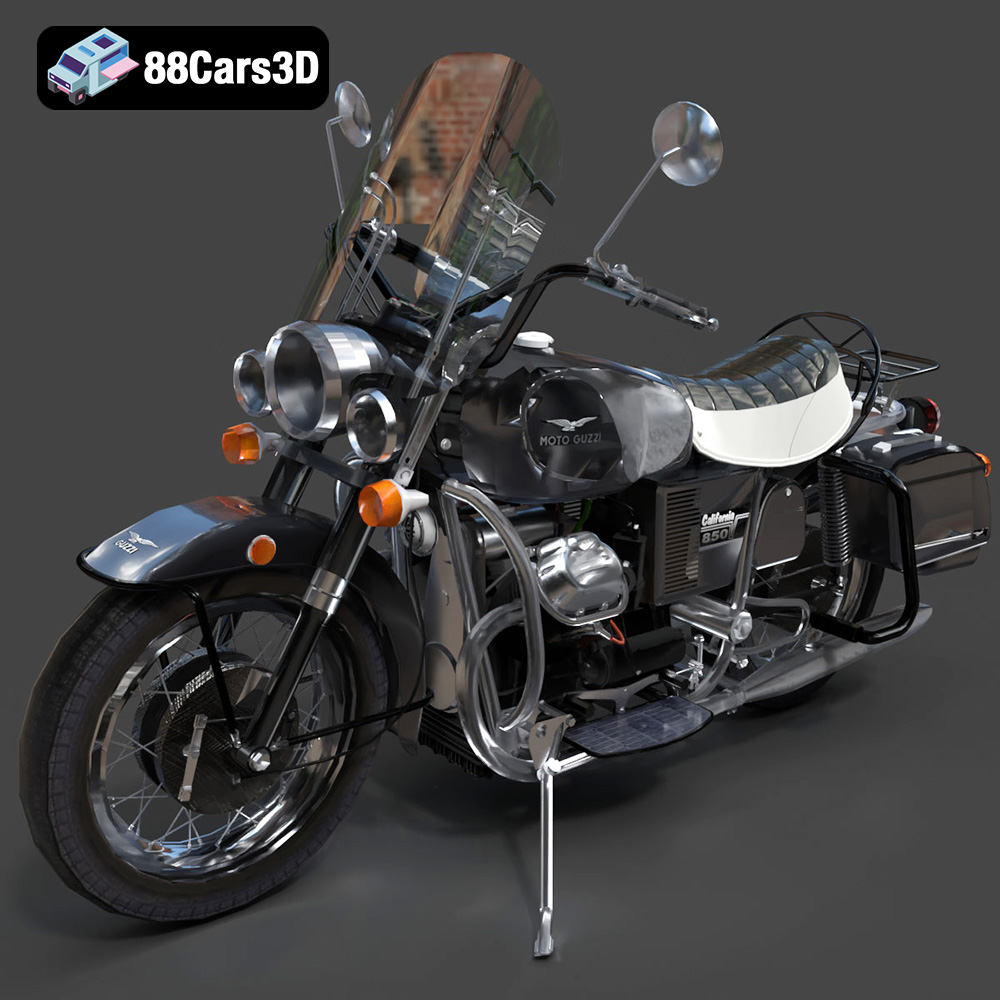
Texture: Yes
Material: Yes
Download the Moto Guzzi Classic Motorcycle 2024 3D Model featuring clean geometry, realistic detailing, and a fully modeled interior. Includes .blend, .fbx, .obj, .glb, .stl, .ply, .unreal, and .max formats for rendering, simulation, and game development.
Price: $10
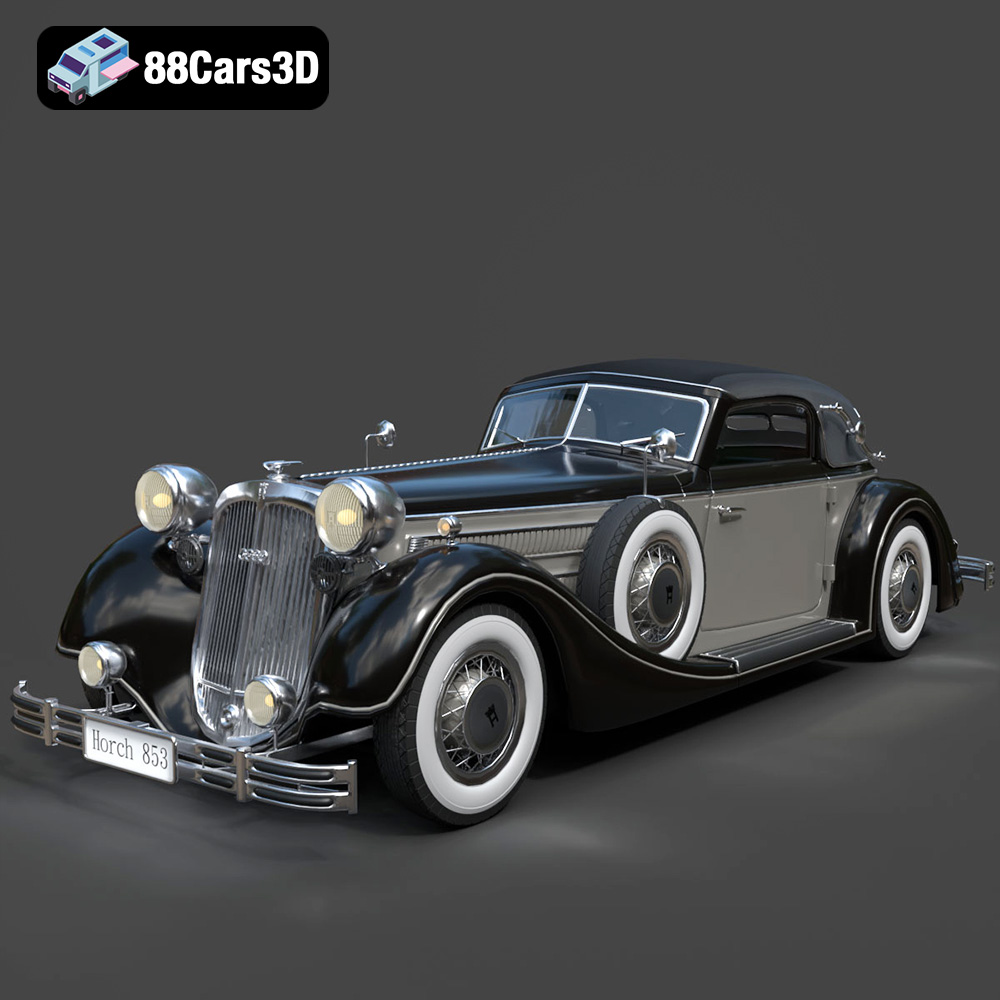
Texture: Yes
Material: Yes
Download the Horch 853 Sport Cabriolet 1937 3D Model featuring clean geometry, realistic detailing, and a fully modeled interior. Includes .blend, .fbx, .obj, .glb, .stl, .ply, .unreal, and .max formats for rendering, simulation, and game development.
Price: $10
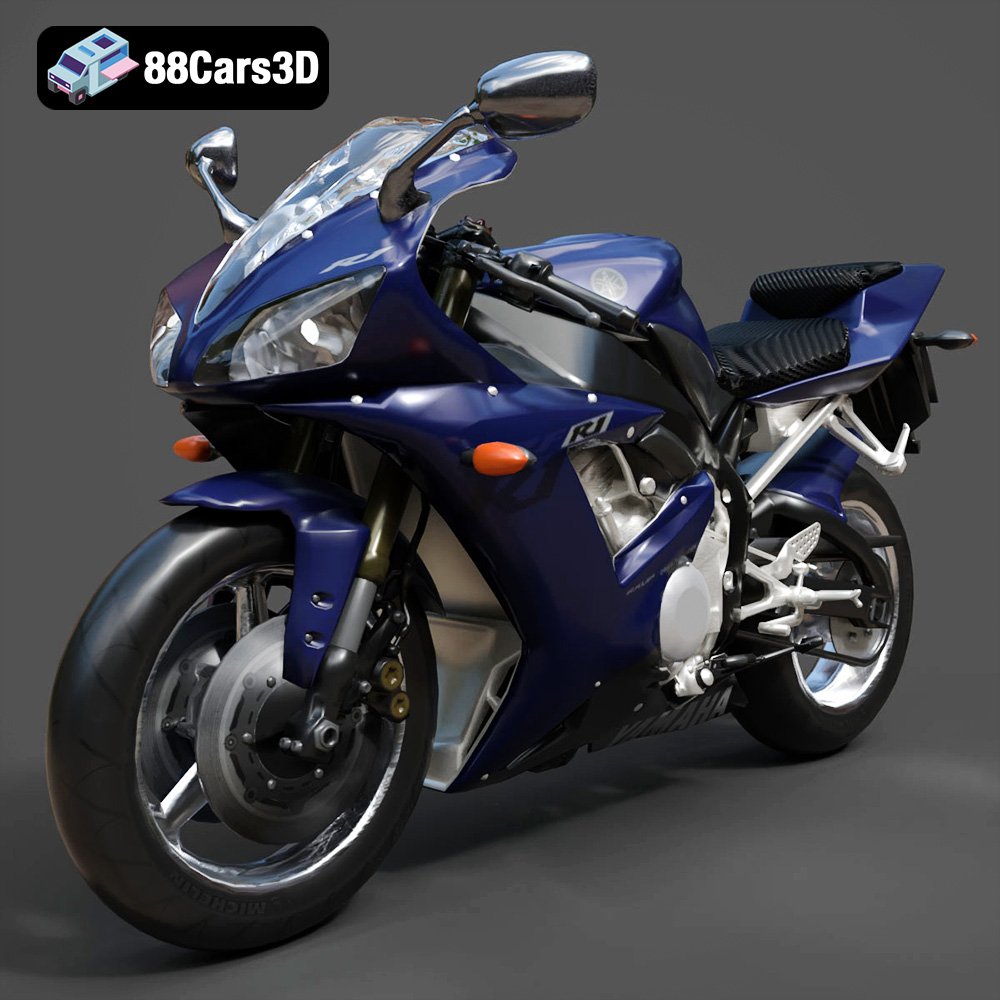
Texture: Yes
Material: Yes
Download the Yamaha YZF-R1 Motorcycle 3D Model featuring clean geometry, realistic detailing, and a fully modeled interior. Includes .blend, .fbx, .obj, .glb, .stl, .ply, .unreal, and .max formats for rendering, simulation, and game development.
Price: $10
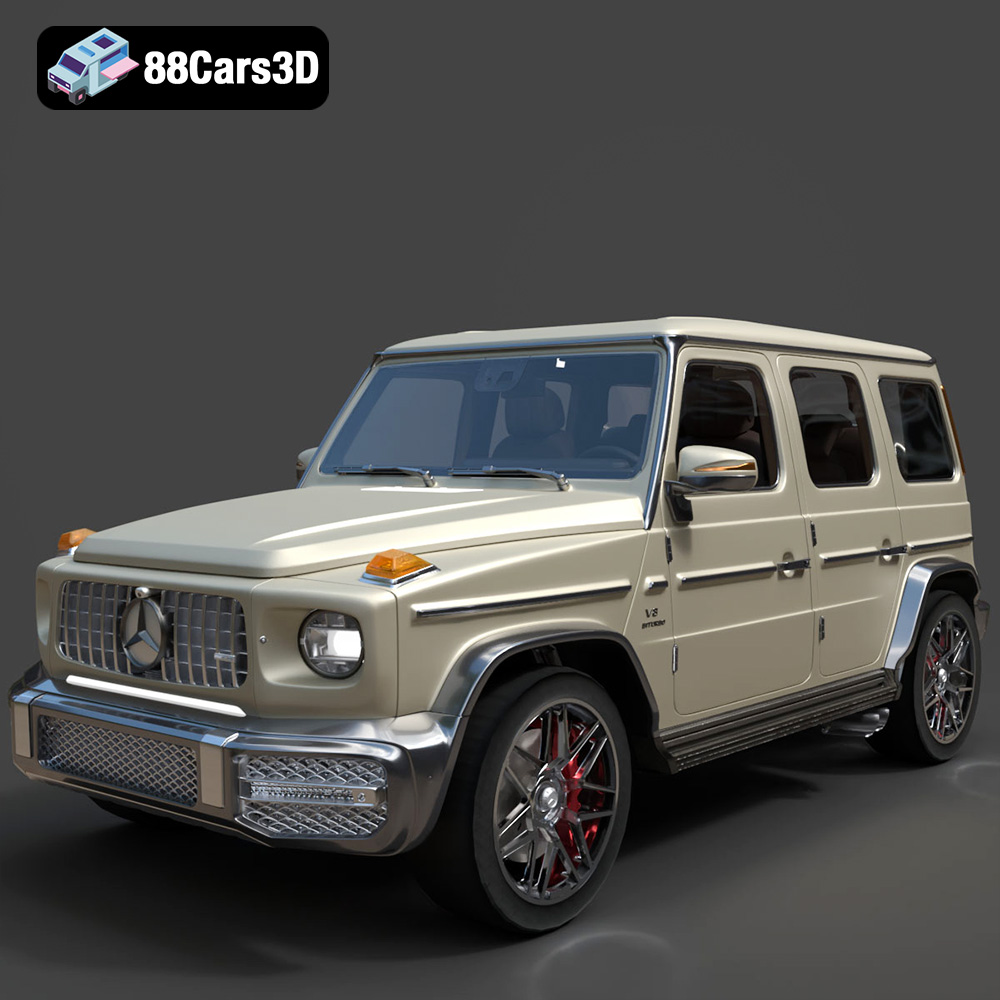
Texture: Yes
Material: Yes
Download the Mercedes Benz G63 AMG 2019 3D Model featuring clean geometry, realistic detailing, and a fully modeled interior. Includes .blend, .fbx, .obj, .glb, .stl, .ply, .unreal, and .max formats for rendering, simulation, and game development.
Price: $90
Texture: Yes
Material: Yes
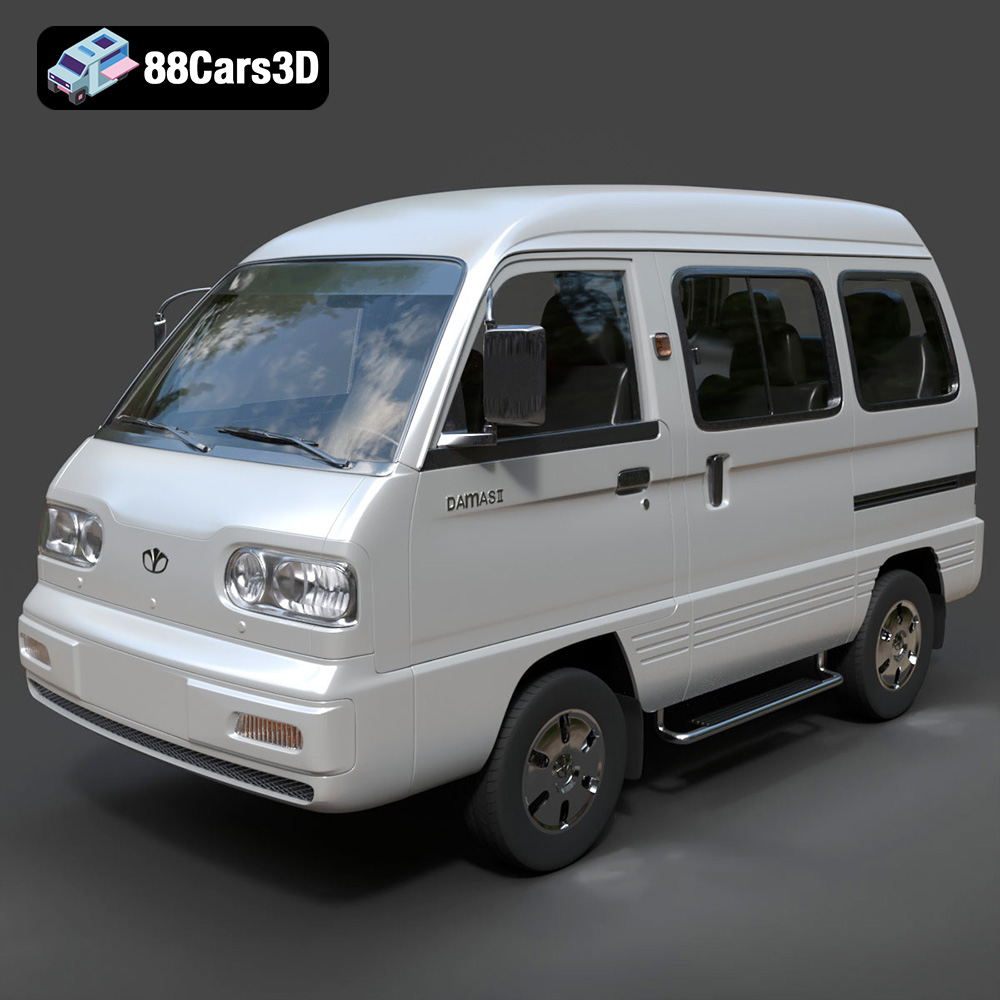
Download the Daewoo Damas Mk2 2012 3D Model featuring clean geometry, realistic detailing, and a fully modeled interior. Includes .blend, .fbx, .obj, .glb, .stl, .ply, .unreal, and .max formats for rendering, simulation, and game development.
Price: $10
Texture: Yes
Material: Yes
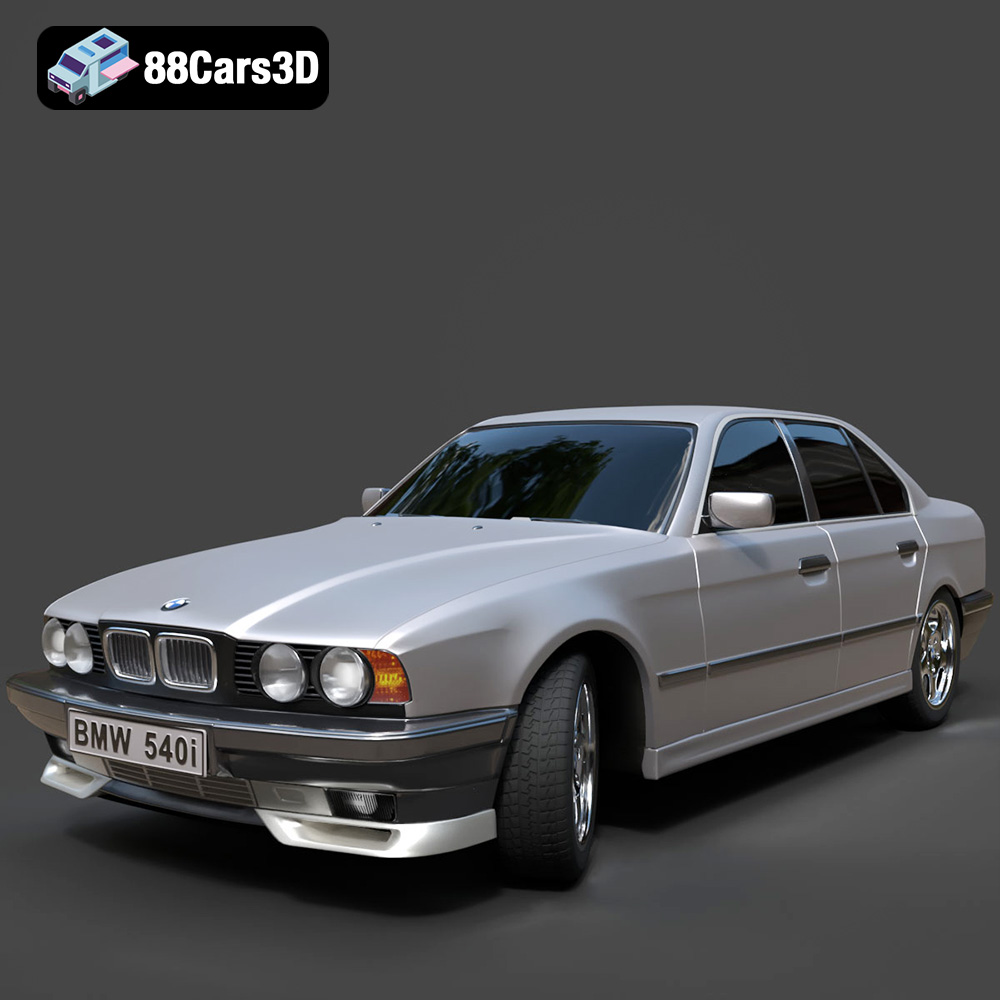
Download the BMW 540 E34 3D Model featuring clean geometry, realistic detailing, and a fully modeled interior. Includes .blend, .fbx, .obj, .glb, .stl, .ply, .unreal, and .max formats for rendering, simulation, and game development.
Price: $10

Texture: Yes
Material: Yes
Download the BMW 8 Series Coupe 2020 3D Model featuring clean geometry, realistic detailing, and a fully modeled interior. Includes .blend, .fbx, .obj, .glb, .stl, .ply, .unreal, and .max formats for rendering, simulation, and game development.
Price: $10

Texture: Yes
Material: Yes
Download the Mercedes-Benz CLA45 AMG 2017 3D Model featuring clean geometry, realistic detailing, and a fully modeled interior. Includes .blend, .fbx, .obj, .glb, .stl, .ply, .unreal, and .max formats for rendering, simulation, and game development.
Price: $21.99
Texture: Yes
Material: Yes
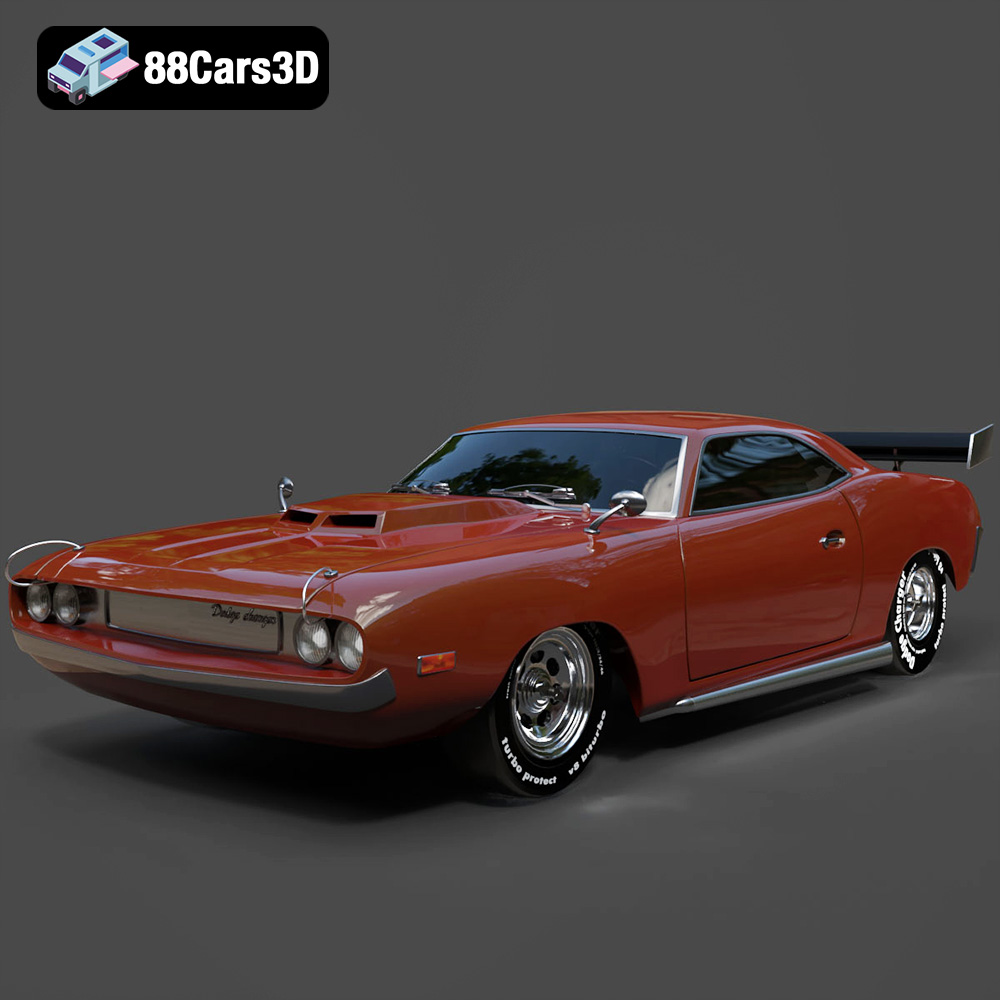
Download the Dodge Charger Car-004 3D Model featuring clean geometry, realistic detailing, and a fully modeled interior. Includes .blend, .fbx, .obj, .glb, .stl, .ply, .unreal, and .max formats for rendering, simulation, and game development.
Price: $10
Texture: Yes
Material: Yes
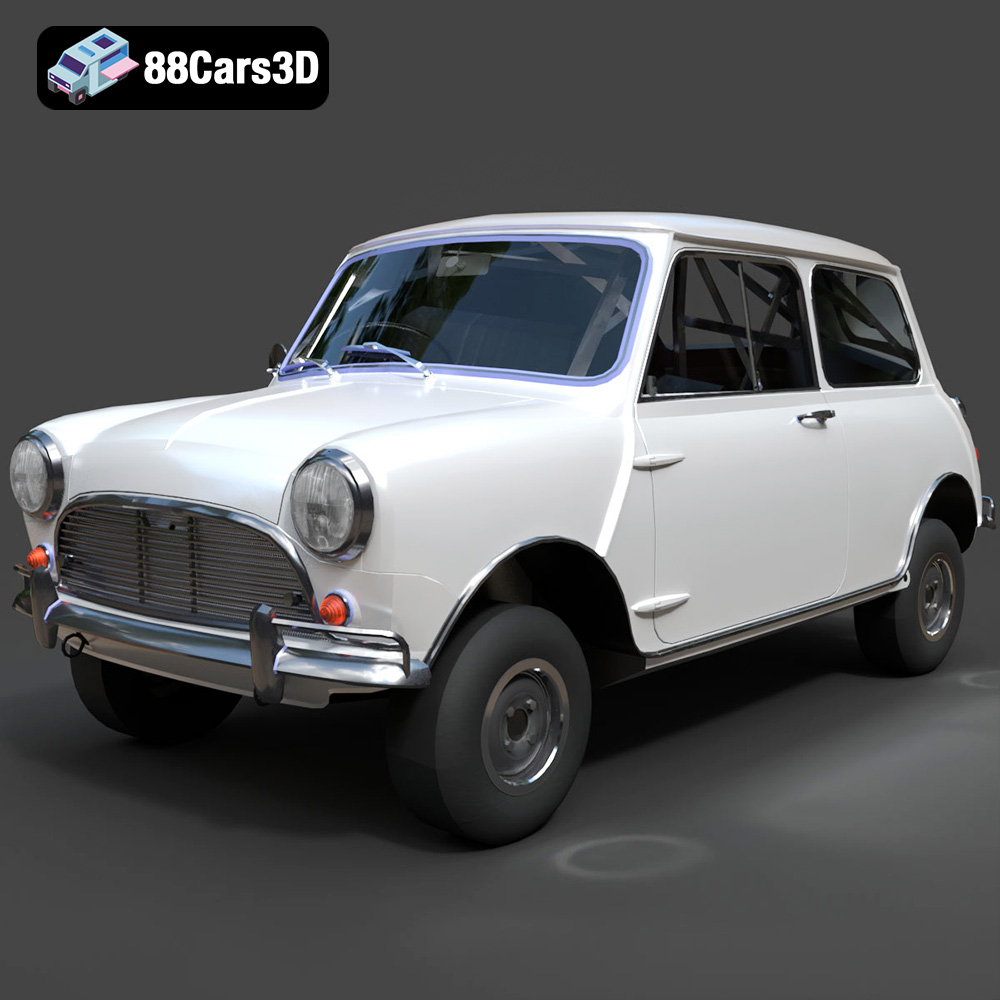
Download the Austin Mini Cooper S 1965 3D Model featuring clean geometry, realistic detailing, and a fully modeled interior. Includes .blend, .fbx, .obj, .glb, .stl, .ply, .unreal, and .max formats for rendering, simulation, and game development.
Price: $10

