Get 50% OFF All Premium 3D & STL Models!

“`html
The world of 3D printing has opened up incredible possibilities for hobbyists, engineers, and model enthusiasts alike. Whether you’re crafting intricate automotive replicas or functional prototypes, the journey often begins with a polygon 3D model. But before you can hit “print,” you need to convert that model into the ubiquitous STL (Stereolithography) format. This process, seemingly simple, is crucial for ensuring a successful and high-quality print. This guide will delve into the intricacies of converting polygon models to STL, covering everything from file formats and mesh optimization to software-specific techniques and troubleshooting common issues. We’ll equip you with the knowledge to seamlessly transition from digital design to physical creation, making your 3D printing endeavors more efficient and rewarding. Platforms like 88cars3d.com offer print-ready STL files, but understanding the underlying conversion process is invaluable for customizing and optimizing your models.
Before diving into the conversion process, it’s crucial to understand the fundamental differences between polygon models and STL files. Polygon models, commonly found in formats like OBJ, FBX, and Blend, are represented by a collection of vertices, edges, and faces that define the 3D object’s shape. These formats can store color, texture, and animation data, making them ideal for visual applications. STL files, on the other hand, are a simplified representation, focusing solely on the surface geometry. They approximate the 3D object using a mesh of triangles, lacking color or texture information. This simplicity makes STL files universally compatible with 3D printing software and hardware.
Polygon mesh topology refers to the structure and organization of vertices, edges, and faces that make up a 3D model. A well-defined topology is critical for successful conversion and 3D printing. Key aspects include:
The STL file format represents a 3D object as a collection of triangular facets. Each facet is defined by three vertices, with each vertex specified by its X, Y, and Z coordinates. The file also includes a normal vector for each facet, indicating the direction the facet is facing. There are two primary STL file formats:
Choosing the right STL format can impact file size and processing speed. Binary STL is typically preferred for its efficiency.
Before converting your polygon model to STL, proper preparation is essential for a smooth printing process. This involves cleaning up the mesh, optimizing the polygon count, and ensuring the model is suitable for 3D printing constraints. Neglecting these steps can lead to printing errors, poor surface finish, and wasted material. These initial adjustments can dramatically impact the final printed product, so it’s worth investing time in this step.
Mesh repair involves identifying and correcting errors in the polygon model’s geometry. Common issues include:
While a higher polygon count can capture finer details, it also increases file size and processing time. Optimizing the polygon count involves reducing the number of polygons without sacrificing essential details. Techniques include:
Aim for a balance between detail and efficiency. For car models from 88cars3d.com, consider the scale of the print. Smaller models may require fewer polygons.
Numerous software options are available for converting polygon models to STL, each with its own strengths and weaknesses. Popular choices include Blender, Meshmixer, Netfabb, and even dedicated slicing software like Cura and PrusaSlicer. The best choice depends on your specific needs, budget, and familiarity with the software. Experimenting with different options can help you find the one that best suits your workflow.
Blender is a free and open-source 3D creation suite that offers a wide range of tools for modeling, sculpting, and converting files. To convert a model to STL in Blender:
Blender’s “Decimate” modifier is particularly useful for reducing the complexity of models before exporting to STL. Experiment with different decimation ratios to find the optimal balance between detail and file size.
Meshmixer, a free software from Autodesk, excels at mesh repair and optimization. It’s a valuable tool for preparing models for 3D printing. To export to STL:
Meshmixer’s “Make Solid” tool can be used to create a watertight, printable model from complex geometry. This tool is particularly useful for models with thin walls or intricate details.
Once you have your STL file, the next crucial step is slicing. Slicing software like Cura, PrusaSlicer, and Simplify3D converts the 3D model into a set of instructions (G-code) for your 3D printer. The slicing parameters you choose directly impact the print quality, strength, and printing time. Understanding and optimizing these parameters is essential for achieving successful prints.
Layer height determines the thickness of each printed layer. Smaller layer heights result in smoother surfaces and finer details but increase printing time. Typical layer heights range from 0.05mm to 0.3mm. Print speed affects the overall printing time and can impact print quality. Slower print speeds generally result in better layer adhesion and fewer defects, but increase the overall printing time. Typical print speeds range from 30mm/s to 80mm/s.
Infill refers to the internal structure of the 3D printed object. Infill density determines the amount of material used inside the model, affecting its strength and weight. Typical infill densities range from 10% to 100%. Infill patterns affect the strength and weight distribution of the model. Common patterns include grid, honeycomb, and gyroid.
Consider using adaptive infill patterns to optimize for both strength and printing time. Adaptive infill increases the infill density in areas that require more support, such as overhangs or thin walls.
Support structures are temporary structures that provide support for overhanging features during 3D printing. They prevent the model from collapsing or warping during the printing process. Generating appropriate support structures and removing them cleanly after printing are crucial steps for achieving successful prints, especially for complex geometries like those found in printable car models.
Slicing software offers both automatic and manual support generation options. Automatic support generation analyzes the model and automatically places supports in areas where they are needed. While convenient, automatic supports can sometimes be inefficient or difficult to remove. Manual support generation allows you to precisely control the placement and type of supports, optimizing for both support and ease of removal. Manual supports require more effort but often result in cleaner prints.
Removing support structures can be challenging, especially for intricate models. Techniques include:
Designing models with support removal in mind can greatly simplify the process. Consider orienting the model to minimize the need for supports or incorporating built-in support features.
Even with careful preparation, 3D printing can sometimes present challenges. Understanding common printing issues and how to troubleshoot them is essential for successful 3D printing. From bed adhesion problems to warping and delamination, a systematic approach to troubleshooting can save you time, material, and frustration.
Poor bed adhesion is a common issue that can cause prints to detach from the build plate during printing. Solutions include:
Warping occurs when the corners of the print lift off the build plate due to uneven cooling. Delamination is the separation of layers during printing. Solutions include:
Converting polygon 3D models to STL for 3D printing involves a multi-faceted process, from understanding file formats to optimizing slicing parameters and troubleshooting common printing issues. Mastering these techniques empowers you to bring your digital designs to life with greater precision and efficiency. Remember to prepare your models carefully, choose the right software for conversion, optimize slicing parameters for your specific printer and material, and don’t be afraid to experiment. By understanding the intricacies of the conversion process, you can overcome common challenges and achieve consistently high-quality 3D prints. And when downloading models from marketplaces such as 88cars3d.com, remember this knowledge helps you optimize them further for your specific needs. The next step is to practice these techniques with different models and materials. Start with simpler designs and gradually progress to more complex projects as you gain experience. Happy printing!
“`
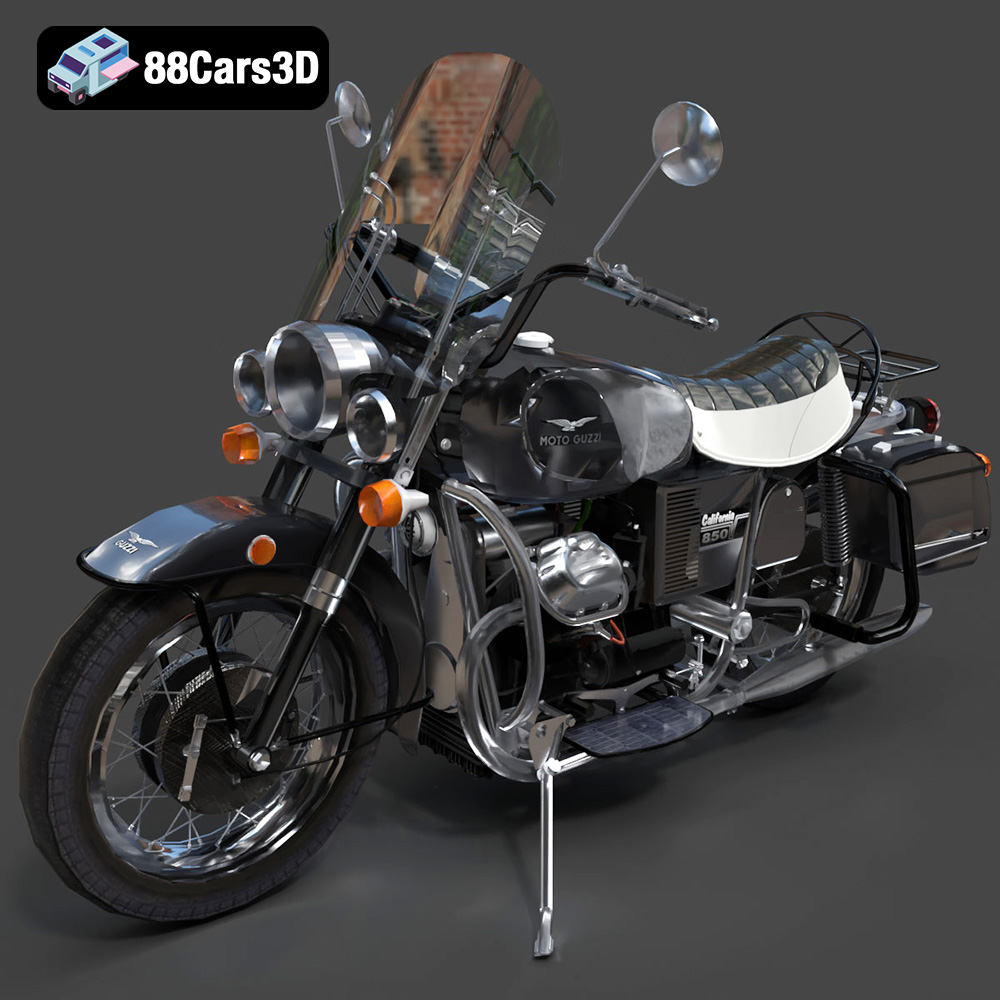
Texture: Yes
Material: Yes
Download the Moto Guzzi Classic Motorcycle 2024 3D Model featuring clean geometry, realistic detailing, and a fully modeled interior. Includes .blend, .fbx, .obj, .glb, .stl, .ply, .unreal, and .max formats for rendering, simulation, and game development.
Price: $10
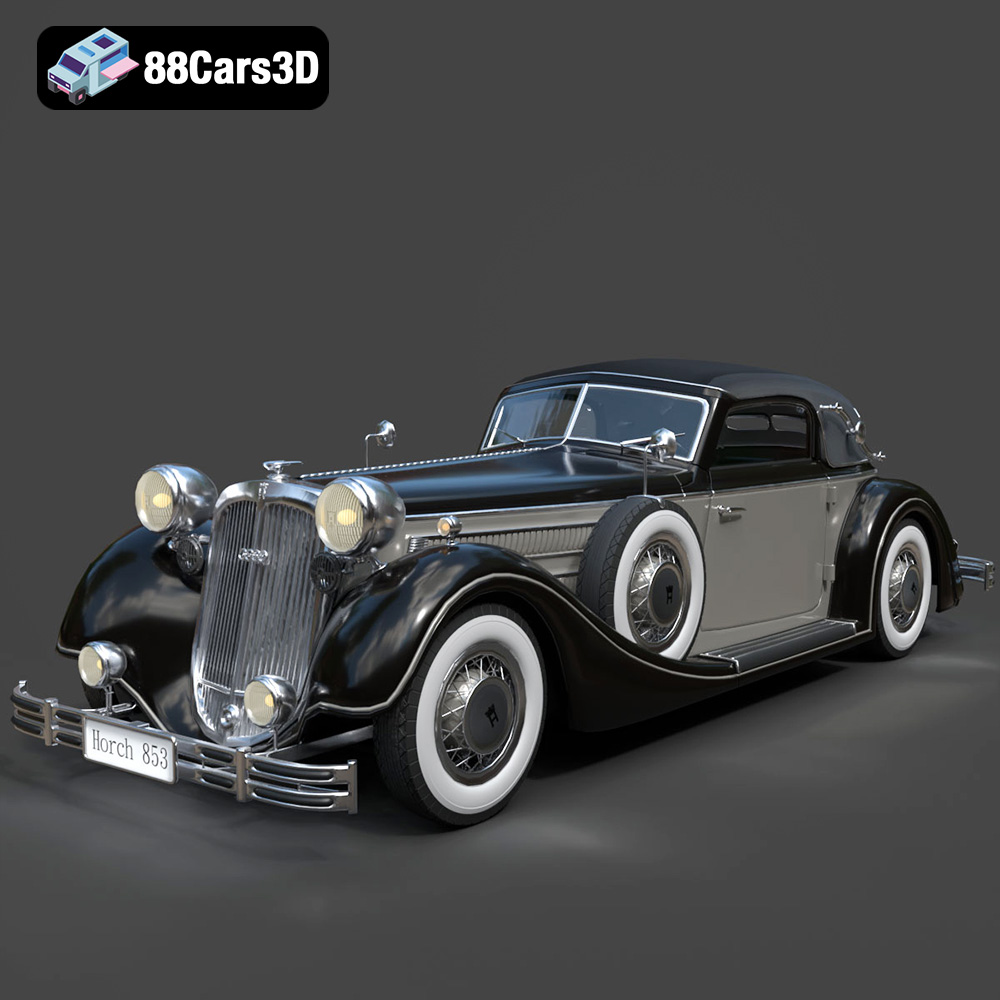
Texture: Yes
Material: Yes
Download the Horch 853 Sport Cabriolet 1937 3D Model featuring clean geometry, realistic detailing, and a fully modeled interior. Includes .blend, .fbx, .obj, .glb, .stl, .ply, .unreal, and .max formats for rendering, simulation, and game development.
Price: $10
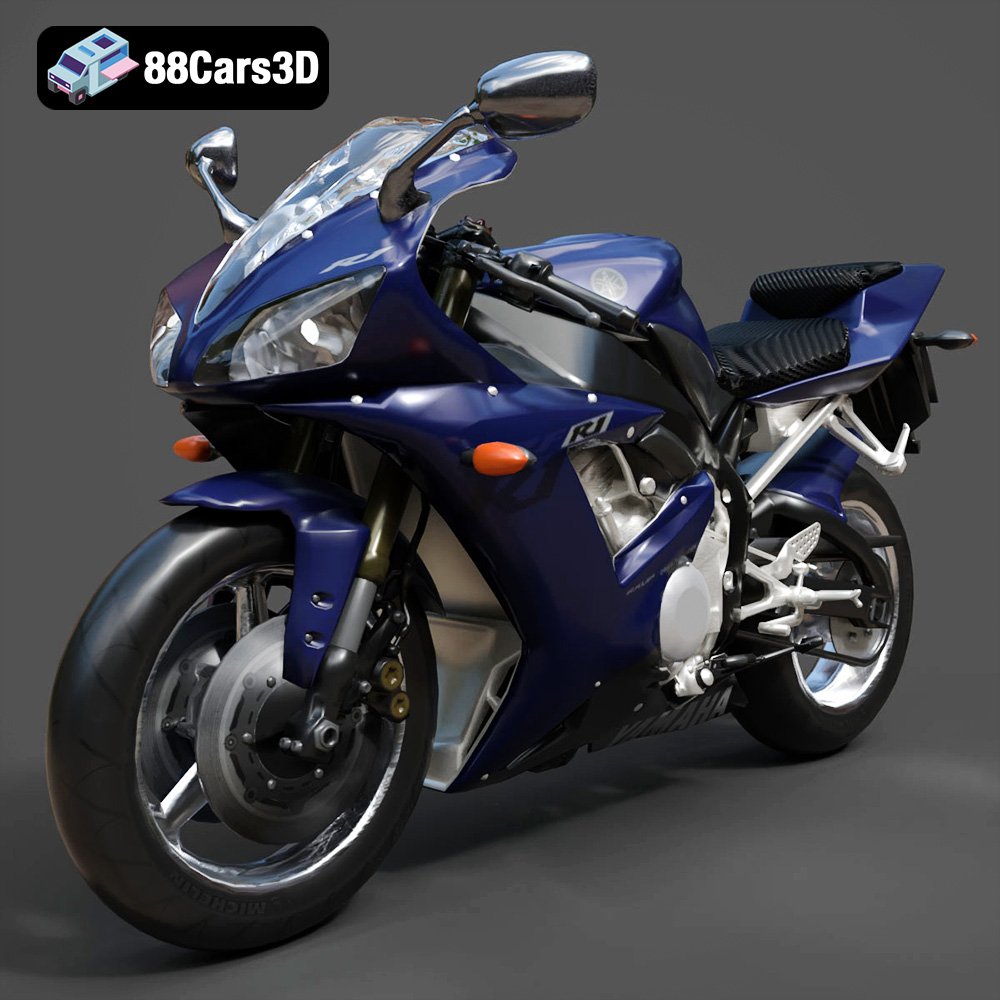
Texture: Yes
Material: Yes
Download the Yamaha YZF-R1 Motorcycle 3D Model featuring clean geometry, realistic detailing, and a fully modeled interior. Includes .blend, .fbx, .obj, .glb, .stl, .ply, .unreal, and .max formats for rendering, simulation, and game development.
Price: $10
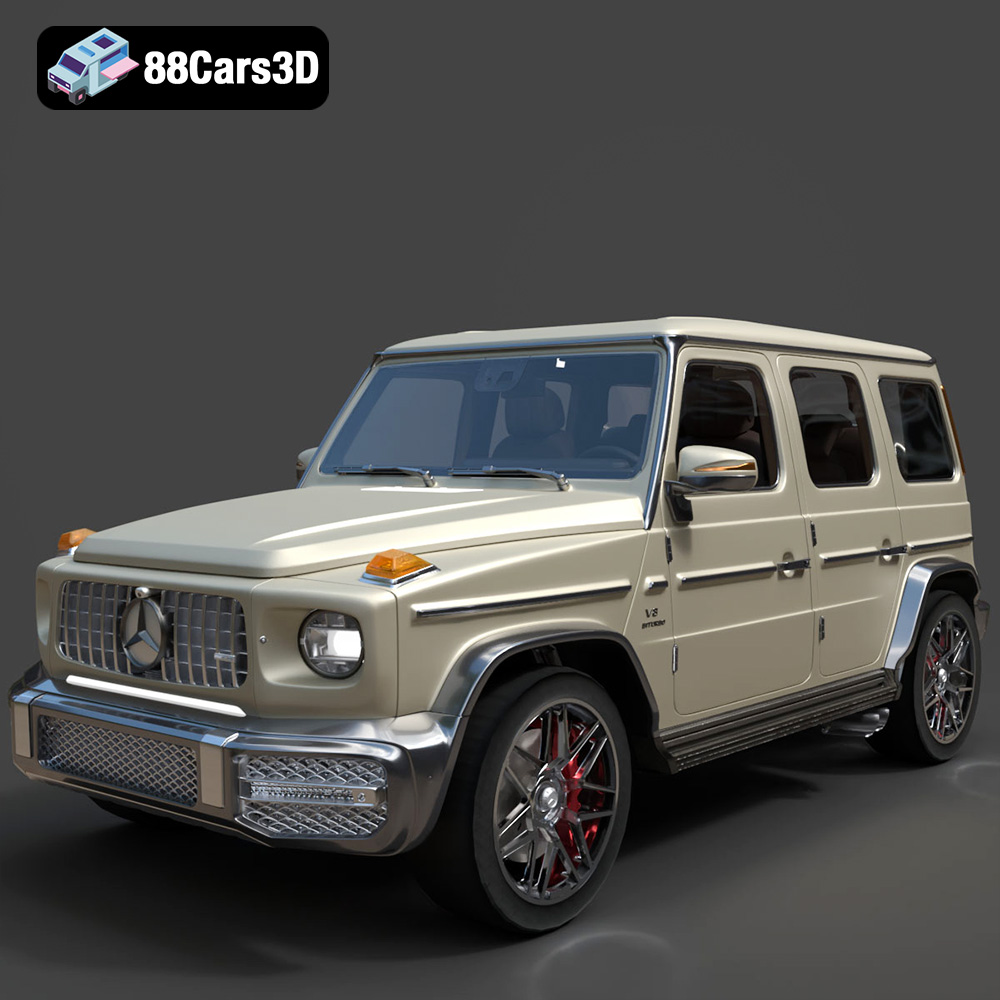
Texture: Yes
Material: Yes
Download the Mercedes Benz G63 AMG 2019 3D Model featuring clean geometry, realistic detailing, and a fully modeled interior. Includes .blend, .fbx, .obj, .glb, .stl, .ply, .unreal, and .max formats for rendering, simulation, and game development.
Price: $90
Texture: Yes
Material: Yes
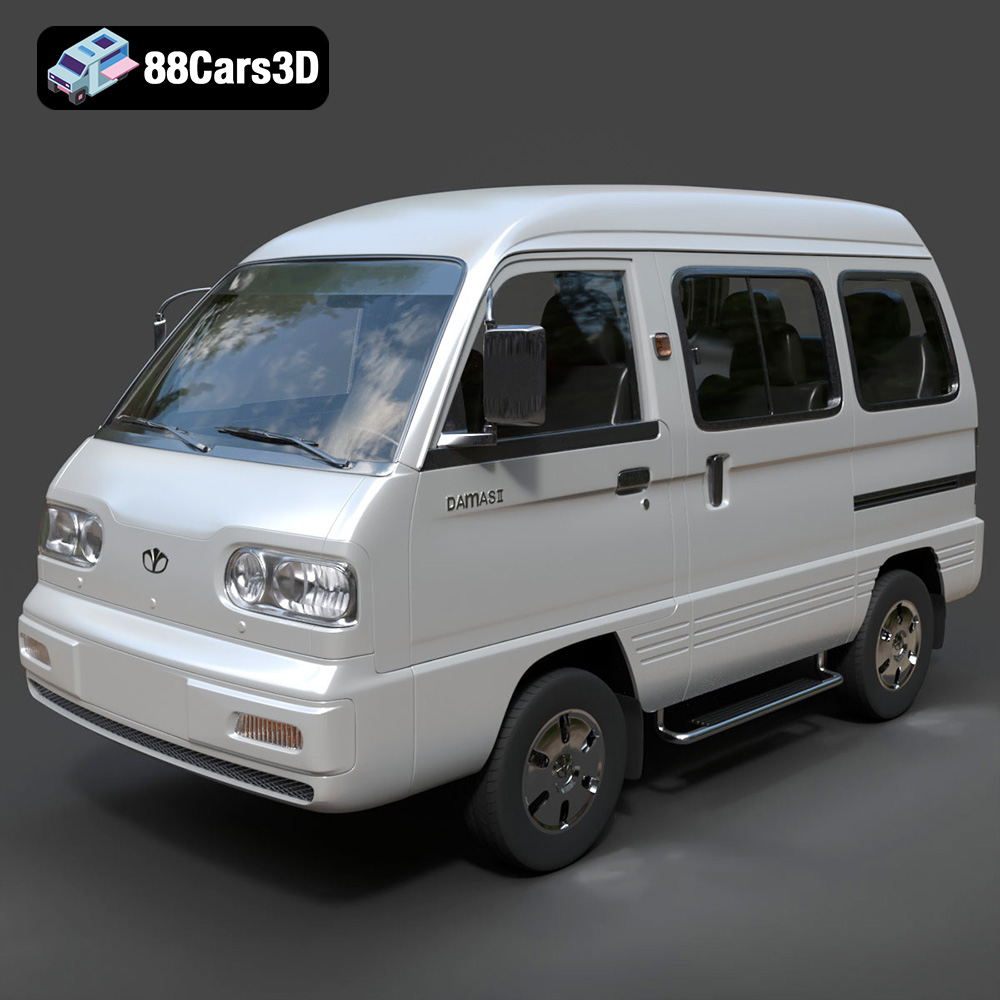
Download the Daewoo Damas Mk2 2012 3D Model featuring clean geometry, realistic detailing, and a fully modeled interior. Includes .blend, .fbx, .obj, .glb, .stl, .ply, .unreal, and .max formats for rendering, simulation, and game development.
Price: $10
Texture: Yes
Material: Yes
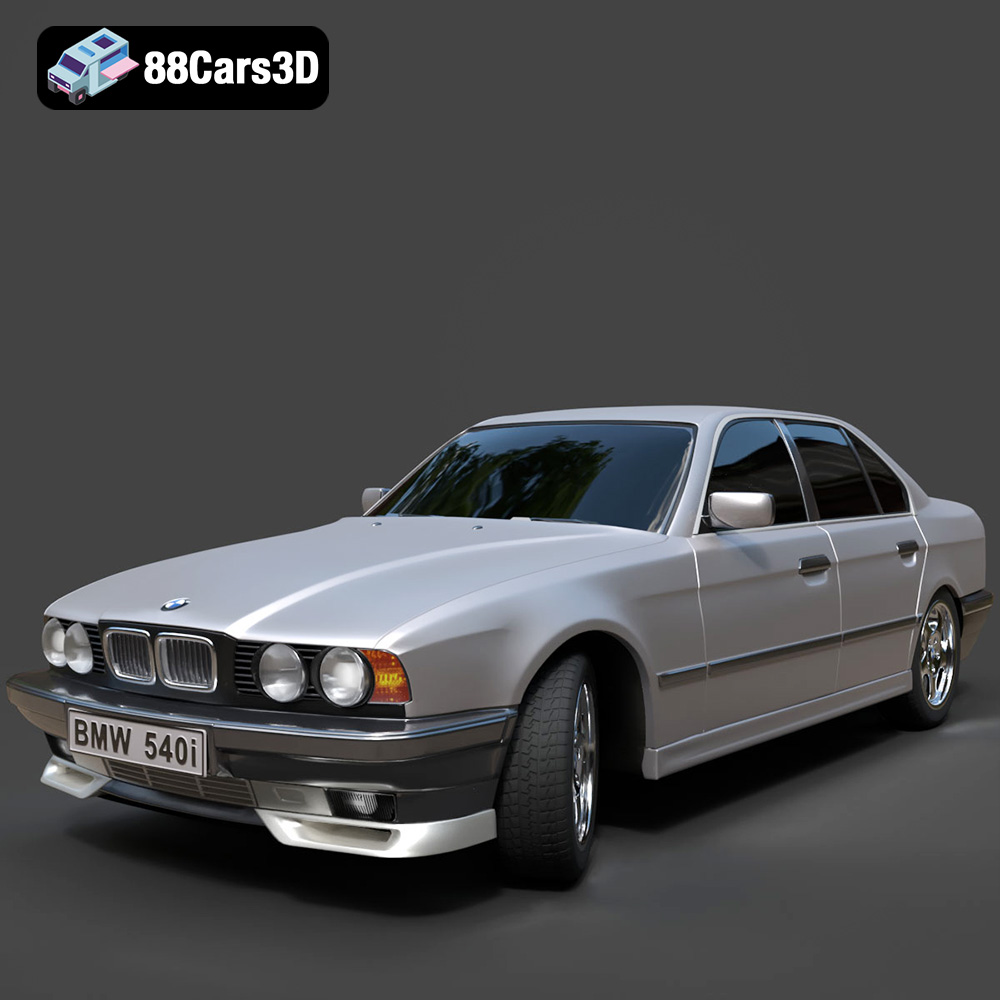
Download the BMW 540 E34 3D Model featuring clean geometry, realistic detailing, and a fully modeled interior. Includes .blend, .fbx, .obj, .glb, .stl, .ply, .unreal, and .max formats for rendering, simulation, and game development.
Price: $10

Texture: Yes
Material: Yes
Download the BMW 8 Series Coupe 2020 3D Model featuring clean geometry, realistic detailing, and a fully modeled interior. Includes .blend, .fbx, .obj, .glb, .stl, .ply, .unreal, and .max formats for rendering, simulation, and game development.
Price: $10

Texture: Yes
Material: Yes
Download the Mercedes-Benz CLA45 AMG 2017 3D Model featuring clean geometry, realistic detailing, and a fully modeled interior. Includes .blend, .fbx, .obj, .glb, .stl, .ply, .unreal, and .max formats for rendering, simulation, and game development.
Price: $21.99
Texture: Yes
Material: Yes
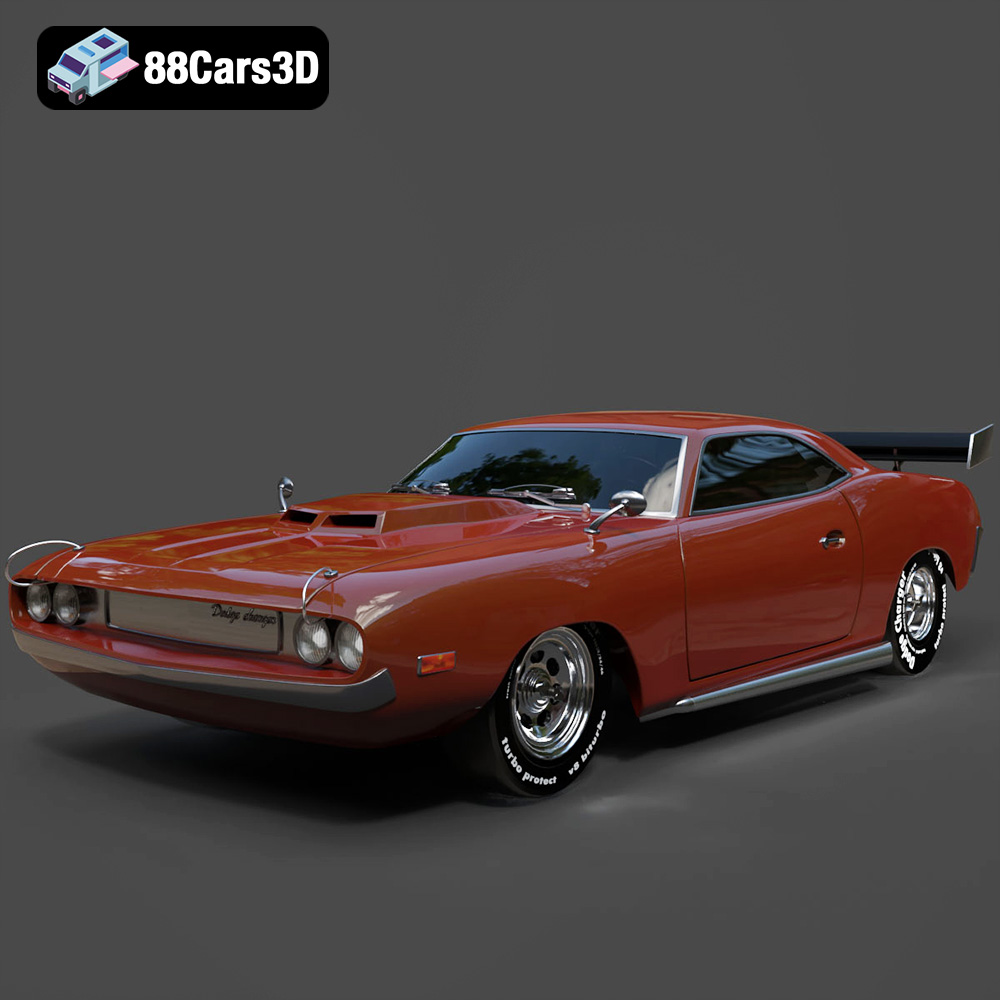
Download the Dodge Charger Car-004 3D Model featuring clean geometry, realistic detailing, and a fully modeled interior. Includes .blend, .fbx, .obj, .glb, .stl, .ply, .unreal, and .max formats for rendering, simulation, and game development.
Price: $10
Texture: Yes
Material: Yes
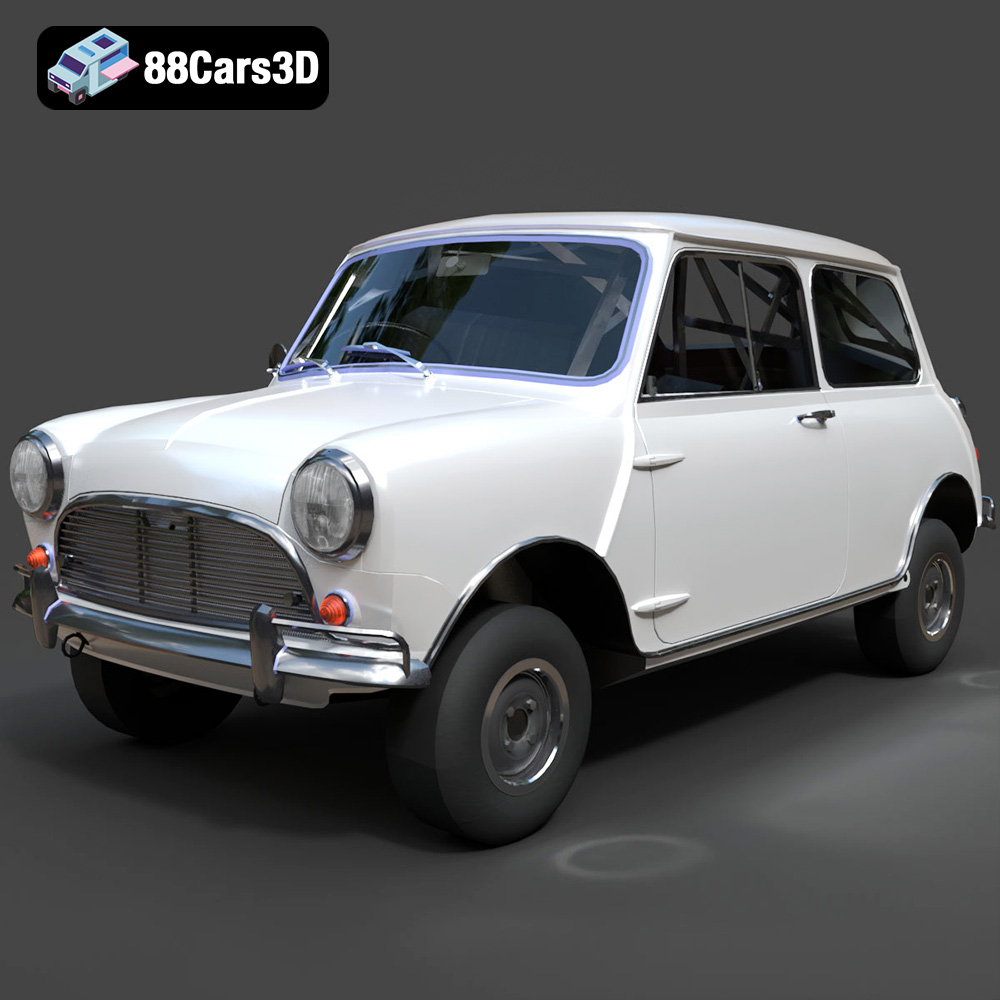
Download the Austin Mini Cooper S 1965 3D Model featuring clean geometry, realistic detailing, and a fully modeled interior. Includes .blend, .fbx, .obj, .glb, .stl, .ply, .unreal, and .max formats for rendering, simulation, and game development.
Price: $10

