Get 50% OFF All Premium 3D & STL Models!

“`html
Creating a realistic 3D car model is one of the most rewarding challenges a 3D artist can undertake. It’s a testament to skill, patience, and an eye for detail. From the gleaming, curved surfaces of a supercar in a blockbuster film to the battle-scarred vehicles in a video game, 3D car models are a cornerstone of modern digital art. But for a beginner, the journey from a simple cube to a photorealistic automobile can seem daunting. Where do you even begin? How do you create those perfect curves and sharp panel lines? This comprehensive guide is designed to answer those questions and more. We will demystify the process, breaking it down into manageable stages. You will learn the foundational principles of automotive modeling, from setting up your project with proper references to mastering the critical art of topology. We will walk through the core modeling workflow, explore UV mapping strategies for complex surfaces, and prepare your finished model for the next exciting stages: texturing and rendering. By the end of this guide, you will have a solid roadmap to creating your very own high-quality 3D car models.
Before you place a single vertex, proper preparation is the key to a successful 3D car modeling project. Rushing this initial stage is a common mistake that often leads to frustration, inaccuracies, and countless hours of rework. A solid foundation ensures that your model is accurate, proportional, and built on a framework that supports high levels of detail. Taking the time to gather the right tools and references will make the entire modeling process smoother, more efficient, and ultimately more enjoyable. This section covers the critical first steps: choosing the right software for your needs, sourcing and setting up essential blueprints, and establishing the correct scale for your project. Think of this as the architectural planning phase before a build; it’s where you lay the groundwork for a masterpiece.
The 3D software landscape is vast, but for automotive modeling, a few industry standards stand out. Blender is a powerhouse, offering a complete 3D pipeline for free. Its robust modeling tools, powerful modifiers, and built-in Cycles and Eevee render engines make it an exceptional choice for beginners and professionals alike. Autodesk 3ds Max has long been a king in automotive visualization and game asset creation, known for its extensive modifier stack and polygon modeling tools. Autodesk Maya is another top contender, celebrated for its versatile modeling toolkit and deep integration into animation and VFX pipelines. For a beginner, Blender is often the recommended starting point due to its cost-free access, massive community, and abundance of learning resources. The core principles of polygon modeling are transferable, so the skills you learn in one package can be adapted to another later on.
You cannot model what you cannot see. Blueprints and photographic references are your most important tools. Blueprints provide the orthogonal views (front, side, top, back) that serve as a guide for proportions. Websites like The-Blueprints.com are excellent resources. Look for schematics that are high-resolution and, crucially, line up perfectly. In your 3D software, you will set these up on reference planes, one for each view. Beyond blueprints, gather dozens of high-resolution photos of the actual car. Capture every angle: close-ups of headlights, grilles, wheels, panel gaps, and interior shots. These photos will be your guide for details, surface curvature, and materials that blueprints simply cannot show.
Working in a real-world scale from the very beginning is non-negotiable. It affects everything from physics simulations to lighting and rendering realism. Before you start, find the real dimensions of the car you are modeling (length, width, height, wheelbase). In your software of choice, set the system units to meters or centimeters. Create a simple box object with the car’s exact dimensions. This “scale box” will serve as a constant guide to ensure your model, aligned with the blueprints, maintains accurate proportions throughout the entire process. Failing to do this can cause major issues later, especially when integrating your model into a larger scene or a game engine.
Topology is the language of 3D surfaces. It refers to the arrangement and flow of polygons—specifically vertices, edges, and faces—that construct your 3D mesh. For automotive modeling, mastering topology is arguably the most critical skill. Good topology is the difference between a model that looks like a lumpy, distorted toy and one that captures the precise, engineered surfaces of a real vehicle. It dictates how light reflects off the surface, creating those smooth, flowing highlights that define a car’s shape. It ensures that surfaces deform predictably and allows for the addition of sharp, clean details like panel lines and creases without creating visual artifacts. In this section, we’ll delve into the fundamental principles of creating clean, efficient, and professional-grade topology for your 3D car models.
Edge flow describes how the edges of your polygons are directed across the surface of your model. For a car, you want the edge flow to follow the natural contours and feature lines of the vehicle. Imagine lines drawn on the car body that trace its shape; your edges should do the same. This ensures that when the mesh is subdivided or smoothed, the resulting surface is perfectly fluid and free of bumps or pinching. A key practice is to maintain evenly spaced quad polygons whenever possible. Consistent polygon density helps avoid surface distortion and ensures uniform detail across the model. The loops of edges should flow around key features like wheel arches, windows, and headlights, effectively defining and supporting their shape.
A polygon is defined by its number of sides. A Quad (4 sides) is the ideal polygon for hard-surface and organic modeling. They are predictable, easy to work with, and subdivide cleanly, which is essential for creating smooth surfaces. A Tri (3 sides) is acceptable in certain situations. In real-time game assets, all models are ultimately triangulated by the engine, so strategically placed tris on flat, non-deforming surfaces are common. However, you should avoid them on curved surfaces as they can disrupt the edge flow and cause pinching. An Ngon (a polygon with more than 4 sides) should be avoided almost entirely during the main modeling process. Ngons can cause serious issues with texturing, lighting, and especially subdivision, leading to bizarre and unpredictable surface artifacts.
The most common workflow for creating high-quality car models is Subdivision Surface (or “SubD”) modeling. This non-destructive technique involves building a low-polygon “cage” mesh that is easy to manipulate. A modifier, such as TurboSmooth in 3ds Max or the Subdivision Surface modifier in Blender, is then applied. This modifier automatically adds new geometry and smooths the mesh, with the final high-poly result being controlled by the original low-poly cage. This is incredibly powerful. To create a sharp crease or a tight panel gap, you don’t model every tiny polygon. Instead, you add “support” or “control” edge loops close to the edges on your low-poly cage. The closer these support loops are to an edge, the tighter the resulting crease will be on the subdivided mesh. As detailed in the official Blender 4.4 documentation, mastering this control loop placement is fundamental to defining the precise surfaces required for automotive models.
With your references set up and a solid understanding of topology, it’s time to begin the construction of your 3D car. This process is methodical, building from large, simple shapes to increasingly complex and fine details. The key is to work in stages, ensuring the foundational forms are correct before getting lost in the minutiae. A common and highly effective approach is to model the car as it is built in the real world: as a collection of separate panels and components. This not only enhances realism but also makes the complex shape of a car far more manageable to model. This section will guide you through blocking out the main body, creating individual panels with clean seams, and finally, adding the high-resolution details that bring your vehicle to life.
Resist the urge to start with a headlight or a door handle. The first step is to block out the entire car’s body as a single, simple mesh. Often starting with a plane or a cube, you will use your blueprint image planes as a guide to extrude, move, and scale polygons to match the overall silhouette from every angle. At this stage, your focus is purely on proportion and the primary shapes. Don’t worry about wheel arches, windows, or panel cuts. The goal is to create a low-polygon “shell” that accurately represents the car’s volume and main contours. This blockout serves as the foundation upon which you will build everything else. Get this right, and the rest of the process will be much smoother.
Once your main blockout is accurate, you can begin defining the individual panels. Using the edge loops that follow the panel lines on your reference photos, you will detach these sections of the mesh into separate objects. For example, the polygons that form the hood will become the “hood” object, the door becomes the “door” object, and so on. Now, with each panel as a separate piece, you can create the realistic gaps between them. A common technique is to add a Shell or Solidify modifier to give each panel thickness. Then, by carefully manipulating the support edges along the panel borders, you can create the tight, clean seams that are a hallmark of a high-quality automotive rendering model.
With the main body panels complete, the car will truly start to take shape. Now, the focus shifts to the intricate details. This includes modeling headlights and taillights with all their internal components (reflectors, bulbs, lenses), creating the complex patterns of the front grille, and modeling side mirrors, door handles, and windshield wipers. The wheels are a project in themselves. The tires require careful modeling of the treads and sidewall details, while the rims demand precision to capture the spoke design. This stage requires a lot of patience and heavy reliance on your reference photos. Breaking each component down into simpler geometric shapes is the key to tackling this complexity successfully.
You have built a beautifully detailed 3D car model with clean topology. The next logical step is giving it color, texture, and materials. But before you can do that, you must tackle one of the most crucial and often misunderstood stages in the 3D pipeline: UV mapping. UV unwrapping is the process of translating your 3D model’s surface into a 2D representation, much like disassembling a cardboard box to lay it flat. This 2D “map” tells the texturing software how to apply images and details onto your 3D surface correctly. For a complex object like a car, with its mix of large, curved panels and intricate mechanical parts, a strategic approach to UV mapping is essential for achieving professional results and an efficient workflow.
Think of the vertices of your 3D mesh having XYZ coordinates in 3D space. UV mapping assigns corresponding 2D coordinates (U and V, to avoid confusion with XYZ) to each vertex. This process, known as “unwrapping,” allows a 2D image (your texture) to be projected onto the 3D surface without distortion. Without proper UVs, applying decals, dirt, scratches, or even complex car paint materials would be impossible. The checkerboard pattern often used during unwrapping is a diagnostic tool; if the squares on the pattern appear stretched or compressed on your model, it indicates distortion in your UVs that must be fixed.
The key to unwrapping a car is to place “seams” on your 3D model. These seams are edges that you designate as cut-points, telling the software where to split the mesh apart for flattening. The best practice is to place these seams in logical, hidden locations that correspond to the real-world construction of the car.
Each UV “island” or “shell” should be as flat and distortion-free as possible.
Texel density refers to the resolution of your texture map relative to the size of your 3D model. For a high-quality result, you want this density to be consistent across the entire vehicle. This means a small part, like a side mirror, shouldn’t have a vastly higher texture resolution than a large part, like the door. Most UV editing tools have features to help you normalize the scale of your UV shells to achieve consistent texel density. Once all parts are unwrapped, you must pack them into the 0-1 UV space. Good packing is like a game of Tetris: you want to arrange the shells as tightly as possible to minimize wasted space. This maximizes the texture resolution available for your model, ensuring every pixel of your texture map is used effectively.
With your 3D model built and your UV maps meticulously laid out, you are on the home stretch of the modeling phase. The final steps involve preparing the asset for the creative processes of texturing and rendering. This stage is about organization and technical setup. It ensures that when you import your model into a texturing application like Substance Painter or set it up in a render engine like Corona or V-Ray, the process is seamless. Properly assigning materials, understanding the basics of PBR shaders, and choosing the correct file format for your intended use case are the final gatechecks. This preparation solidifies your work and makes your model a versatile digital asset, ready for any pipeline, whether it’s for a stunning portfolio piece, a real-time game engine, or an augmented reality application.
Before exporting, you must assign materials to the different surfaces of your car. Even if they are just simple placeholder materials, this step is crucial for organization. In your 3D software, you should create and name materials logically: `Car_Paint`, `Glass_Windshield`, `Chrome_Trim`, `Rubber_Tires`, `Brake_Caliper`, etc. Assign these materials to the corresponding objects or polygon selections. In software like 3ds Max, you can use a Multi/Sub-Object material, which allows you to assign different shaders within a single material based on “Material IDs” applied to polygons. This is an incredibly efficient workflow for texturing in external applications, as it allows them to read a single object with multiple surface types defined by these IDs.
Physically Based Rendering (PBR) is the industry standard for creating realistic materials. The PBR workflow aims to simulate how light behaves in the real world. While texturing is a deep topic of its own, it’s important to understand the basic texture maps you will be creating for these materials. These typically include:
Understanding these core components will prepare you for the texturing phase.
The final step is exporting your model. The format you choose depends on your destination. FBX is the industry standard for exporting to game engines like Unity and Unreal Engine, as it preserves materials, UVs, and animation data. OBJ is a widely supported format, making it great for transferring a model between different 3D applications, though it can be less feature-rich than FBX. For web and AR/VR applications, GLB and USDZ are the dominant formats. They are highly optimized for real-time performance and bundle all textures and data into a single file. When you source 3D car models from a professional marketplace such as 88cars3d.com, you will often find them provided in all these key file formats, ensuring maximum compatibility for any project.
Congratulations on completing this guide to the fundamentals of 3D car modeling. We have journeyed through the entire process, from the critical preparation phase of gathering blueprints to the technical precision of mastering topology and edge flow. You’ve learned how to construct a vehicle panel by panel, how to tackle the complexities of UV unwrapping, and how to prepare your model for the final, exciting stages of its creation. Remember that every stunning automotive render or detailed game-ready vehicle you’ve ever admired was built upon these very principles. The sleek curves, sharp details, and realistic finish all begin with a well-planned, cleanly executed model.
The path to becoming a proficient 3D automotive artist is a marathon, not a sprint. Your first model may not be perfect, and that is perfectly okay. The key is to embrace the process, be patient with yourself, and practice consistently. Each model you create will be better than the last. As a next step, challenge yourself to start a new project from scratch using what you’ve learned here. Spend time just observing real-world cars, noticing how light reflects off their surfaces and how their panels are constructed. For further learning, consider studying the topology of professionally made assets; examining models from marketplaces like 88cars3d.com can provide invaluable insight into industry best practices. Your journey has just begun, and with these foundational skills, you are well-equipped to create incredible 3D vehicles.
“`
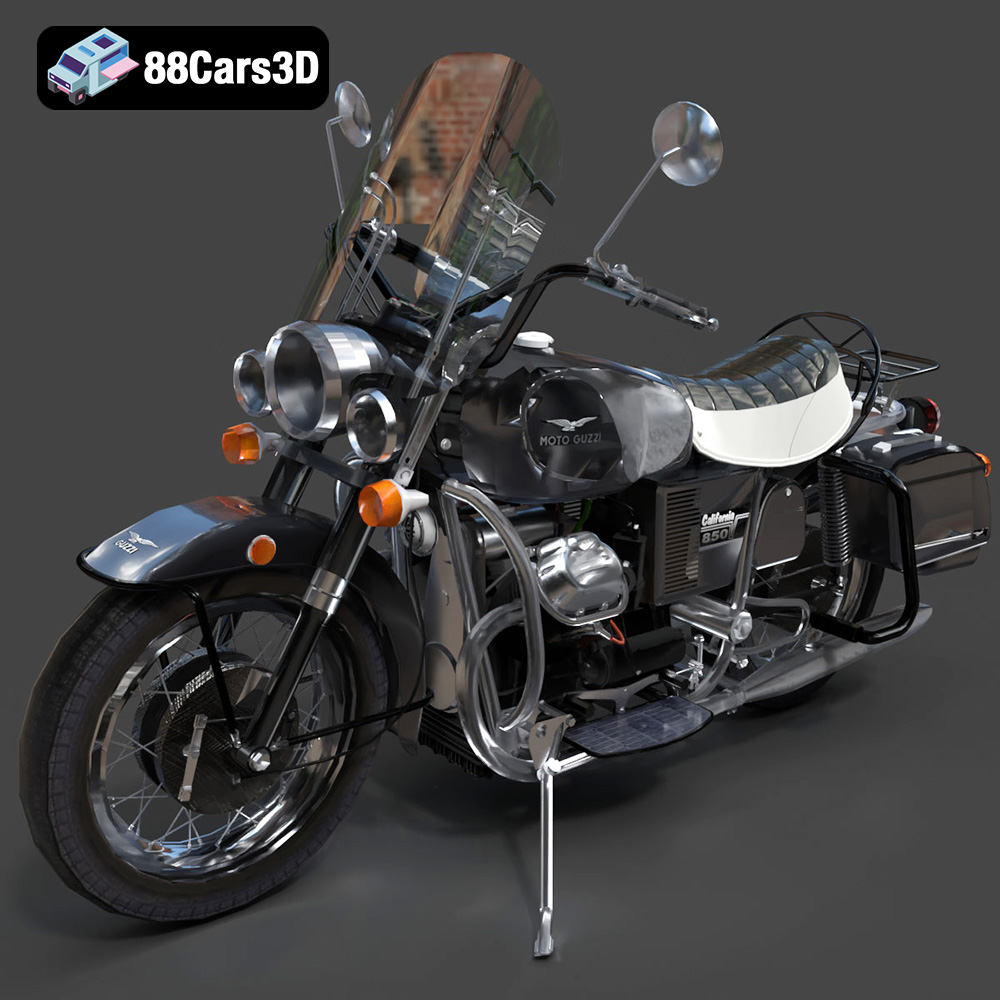
Texture: Yes
Material: Yes
Download the Moto Guzzi Classic Motorcycle 2024 3D Model featuring clean geometry, realistic detailing, and a fully modeled interior. Includes .blend, .fbx, .obj, .glb, .stl, .ply, .unreal, and .max formats for rendering, simulation, and game development.
Price: $10
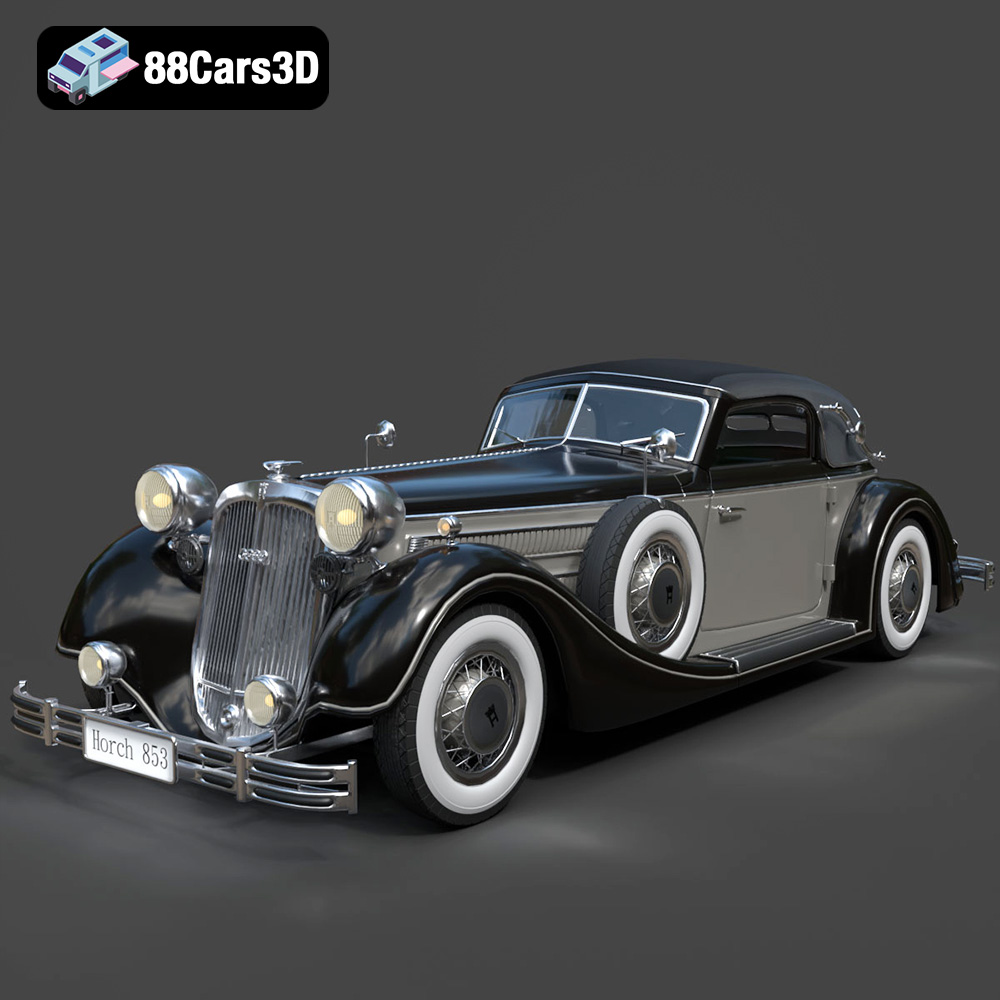
Texture: Yes
Material: Yes
Download the Horch 853 Sport Cabriolet 1937 3D Model featuring clean geometry, realistic detailing, and a fully modeled interior. Includes .blend, .fbx, .obj, .glb, .stl, .ply, .unreal, and .max formats for rendering, simulation, and game development.
Price: $10
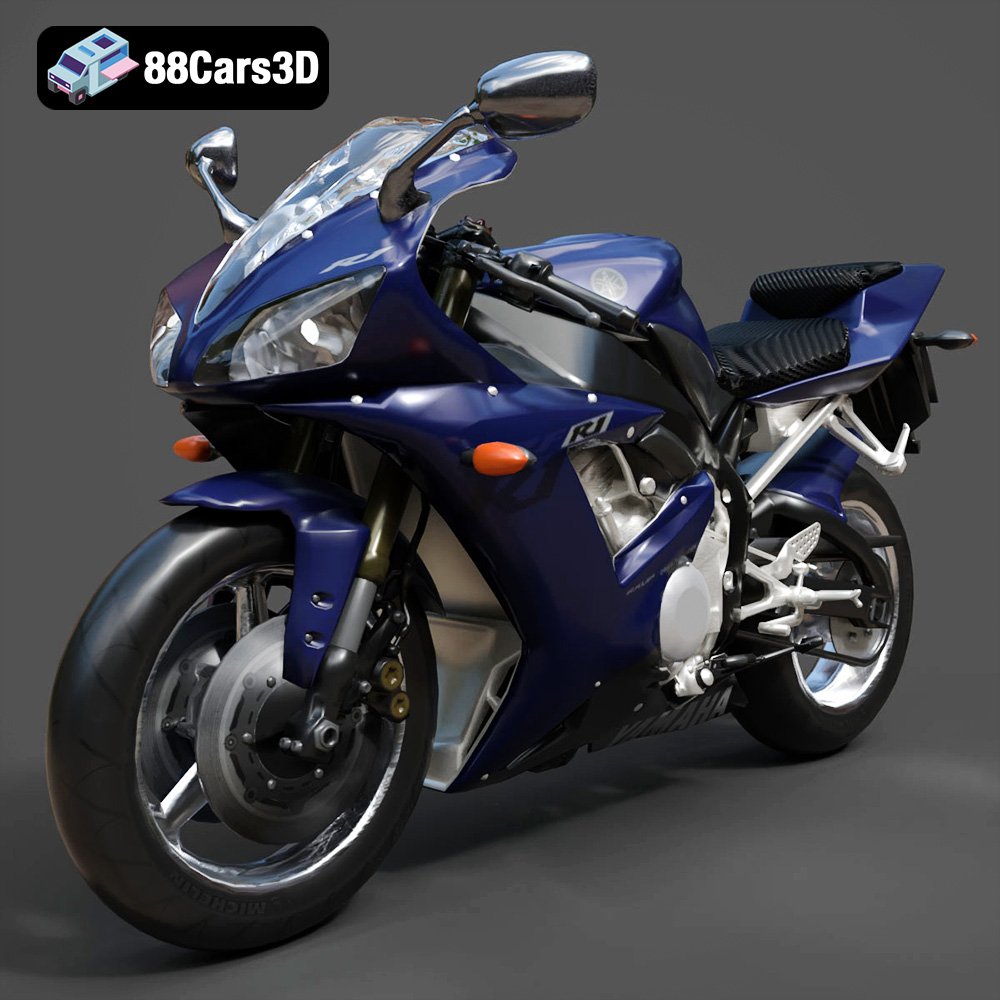
Texture: Yes
Material: Yes
Download the Yamaha YZF-R1 Motorcycle 3D Model featuring clean geometry, realistic detailing, and a fully modeled interior. Includes .blend, .fbx, .obj, .glb, .stl, .ply, .unreal, and .max formats for rendering, simulation, and game development.
Price: $10
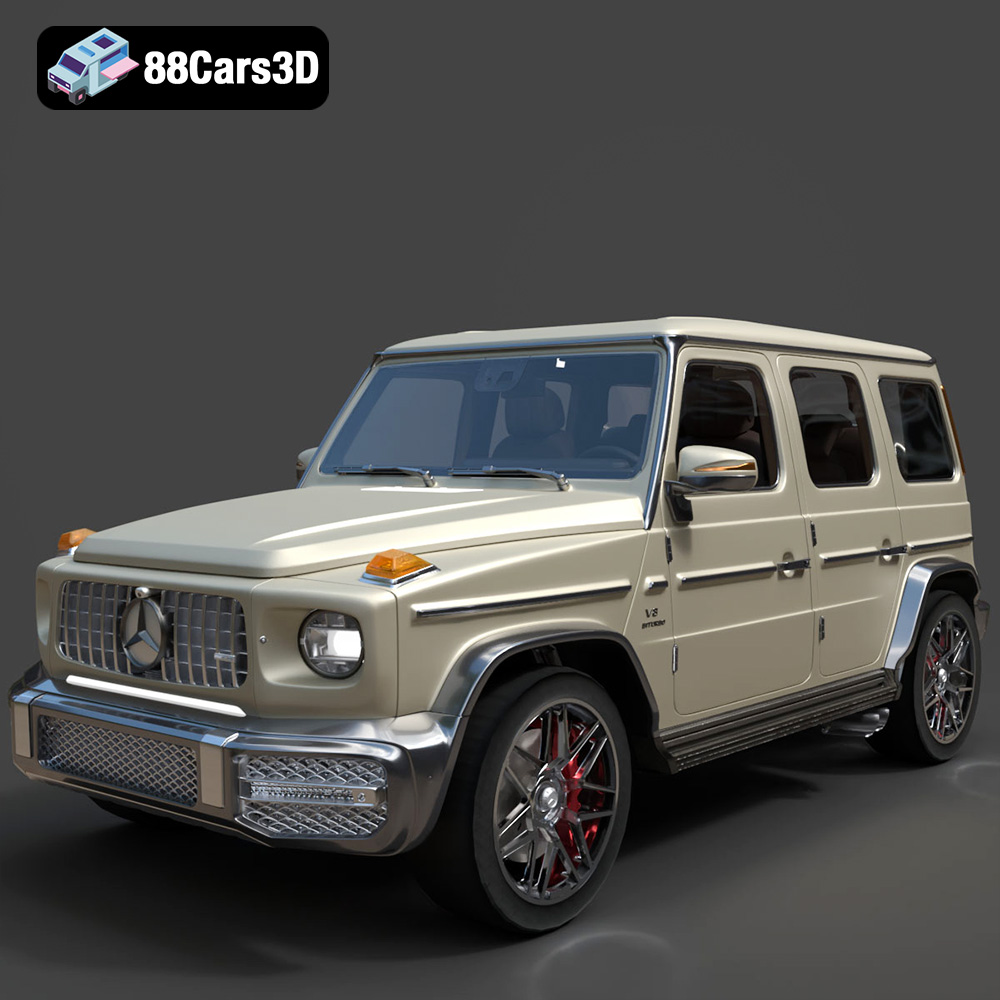
Texture: Yes
Material: Yes
Download the Mercedes Benz G63 AMG 2019 3D Model featuring clean geometry, realistic detailing, and a fully modeled interior. Includes .blend, .fbx, .obj, .glb, .stl, .ply, .unreal, and .max formats for rendering, simulation, and game development.
Price: $90
Texture: Yes
Material: Yes
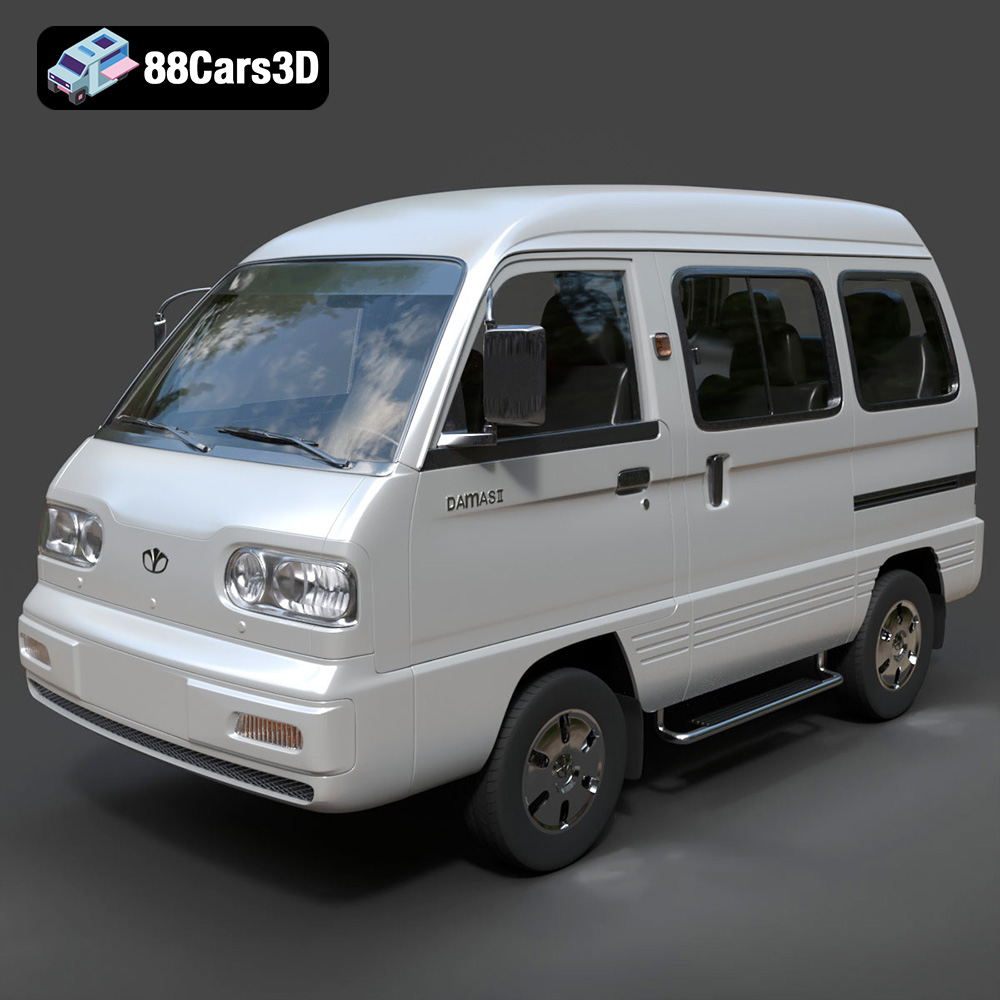
Download the Daewoo Damas Mk2 2012 3D Model featuring clean geometry, realistic detailing, and a fully modeled interior. Includes .blend, .fbx, .obj, .glb, .stl, .ply, .unreal, and .max formats for rendering, simulation, and game development.
Price: $10
Texture: Yes
Material: Yes
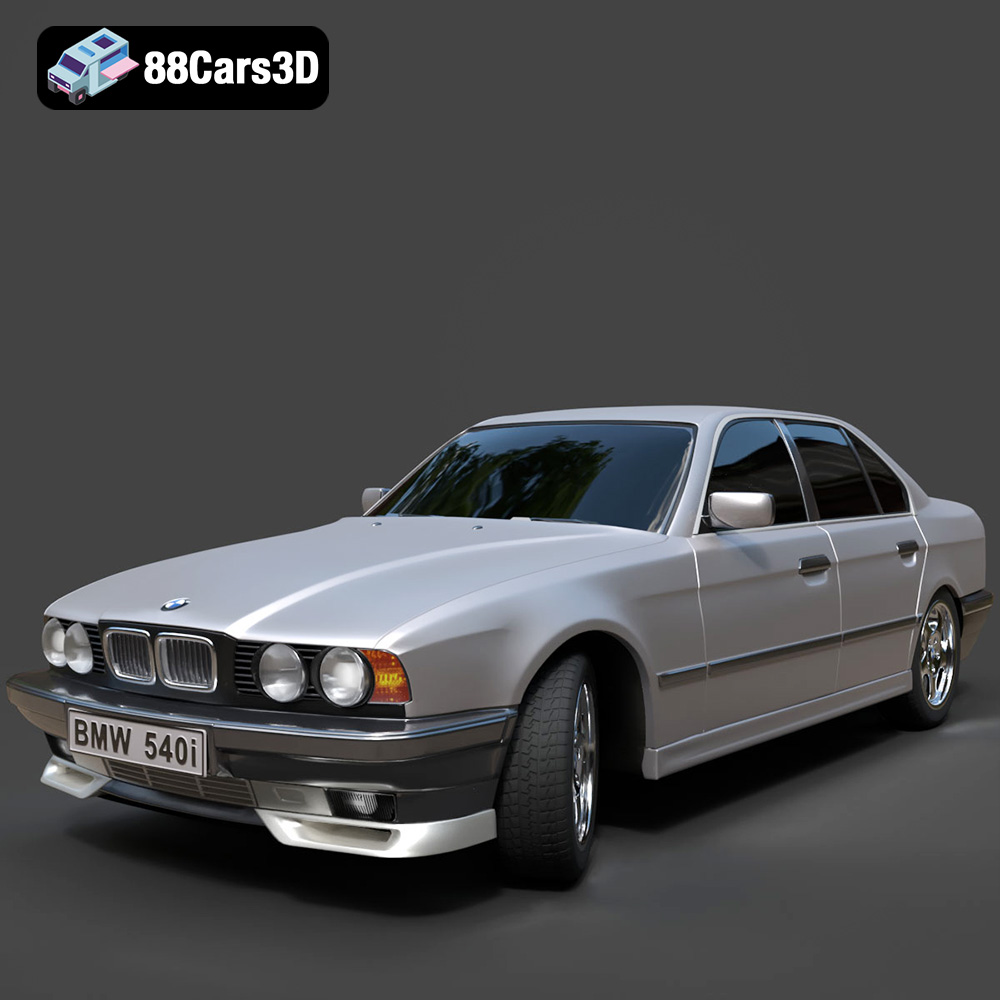
Download the BMW 540 E34 3D Model featuring clean geometry, realistic detailing, and a fully modeled interior. Includes .blend, .fbx, .obj, .glb, .stl, .ply, .unreal, and .max formats for rendering, simulation, and game development.
Price: $10
Texture: Yes
Material: Yes
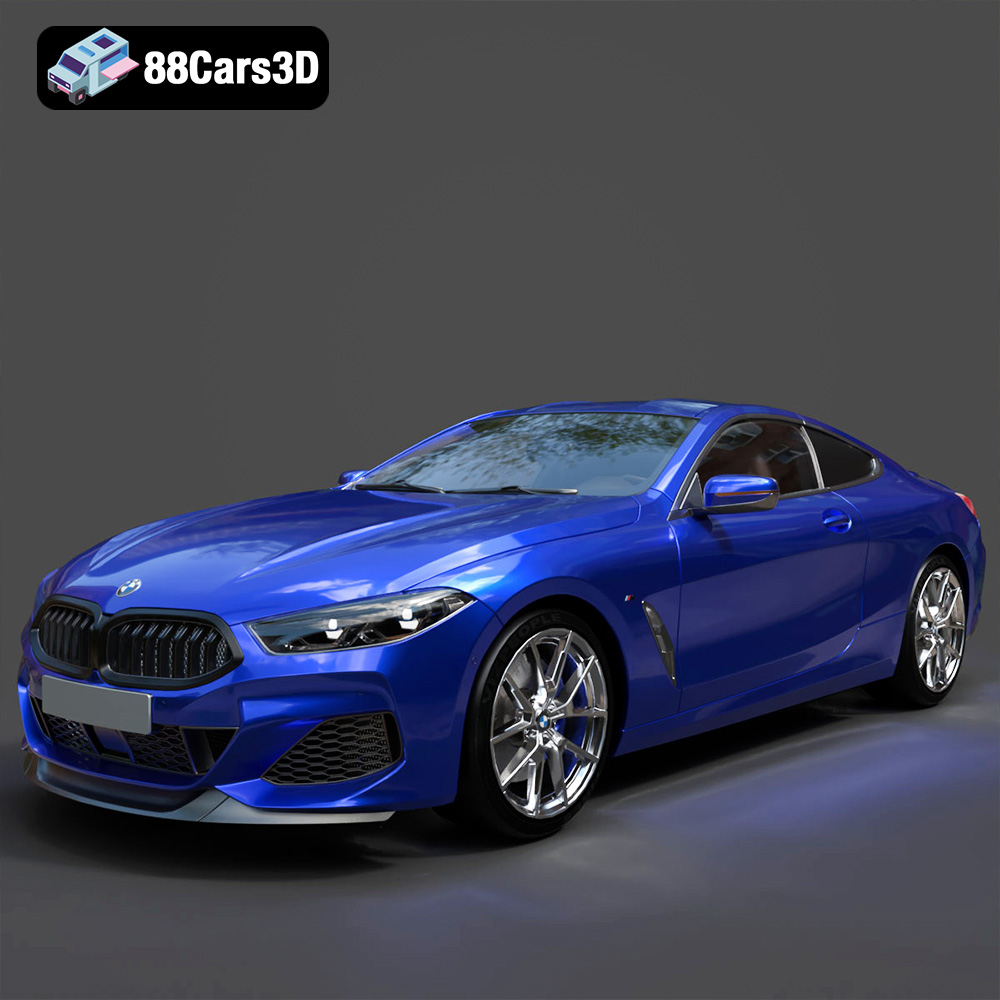
Download the BMW 8 Series Coupe 2020 3D Model featuring clean geometry, realistic detailing, and a fully modeled interior. Includes .blend, .fbx, .obj, .glb, .stl, .ply, .unreal, and .max formats for rendering, simulation, and game development.
Price: $10
Texture: Yes
Material: Yes
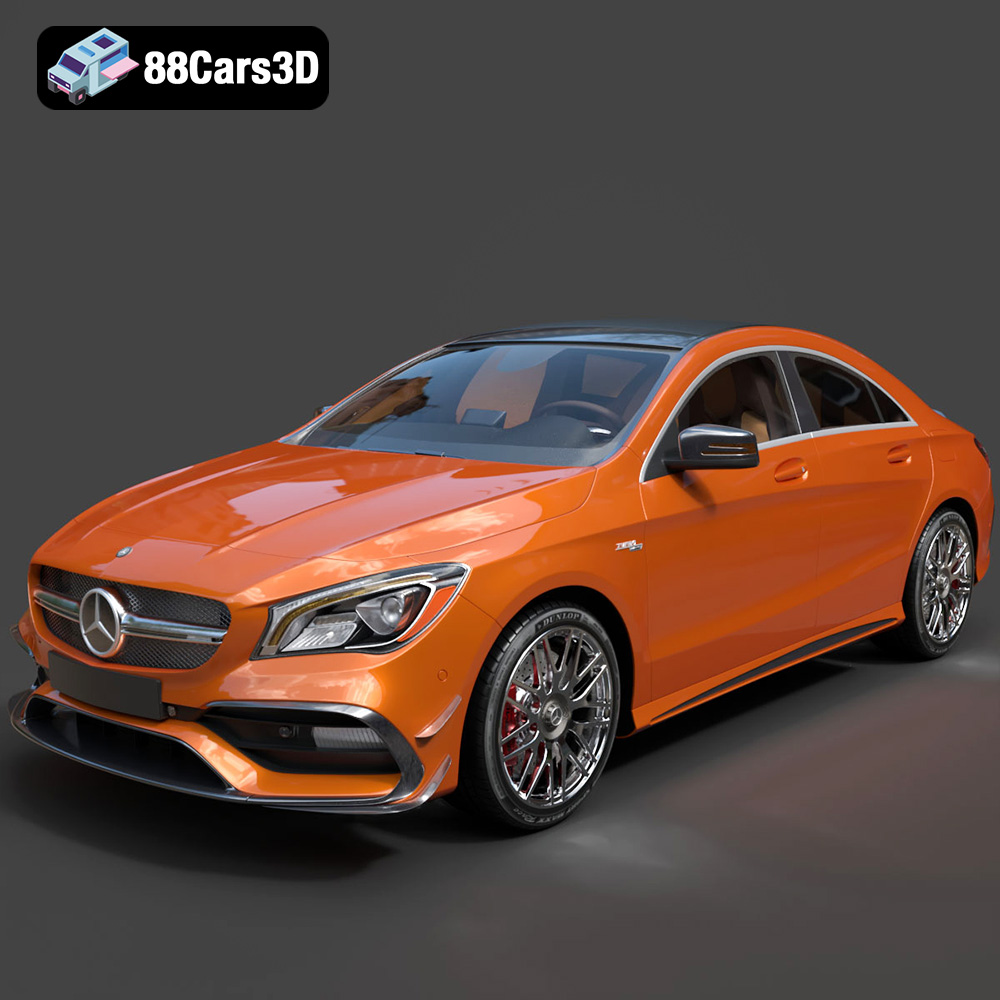
Download the Mercedes-Benz CLA45 AMG 2017 3D Model featuring clean geometry, realistic detailing, and a fully modeled interior. Includes .blend, .fbx, .obj, .glb, .stl, .ply, .unreal, and .max formats for rendering, simulation, and game development.
Price: $21.99
Texture: Yes
Material: Yes
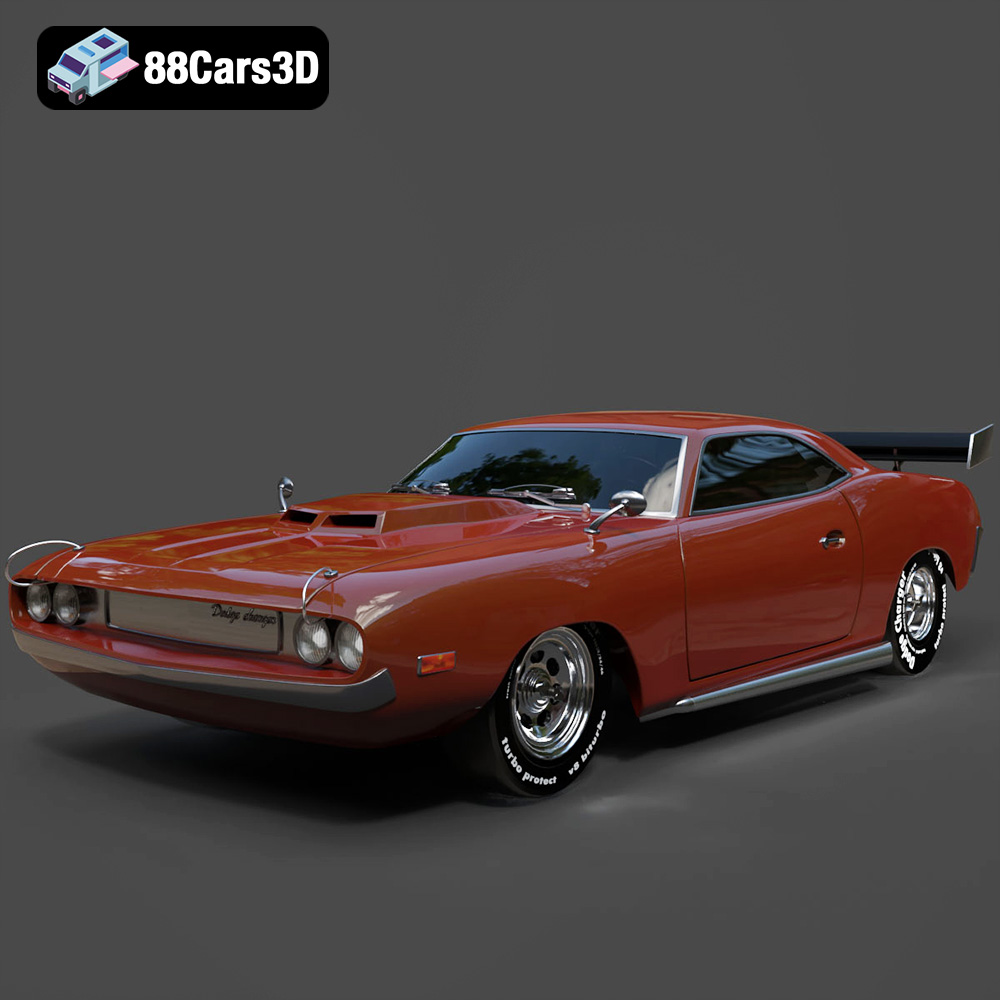
Download the Dodge Charger Car-004 3D Model featuring clean geometry, realistic detailing, and a fully modeled interior. Includes .blend, .fbx, .obj, .glb, .stl, .ply, .unreal, and .max formats for rendering, simulation, and game development.
Price: $10
Texture: Yes
Material: Yes
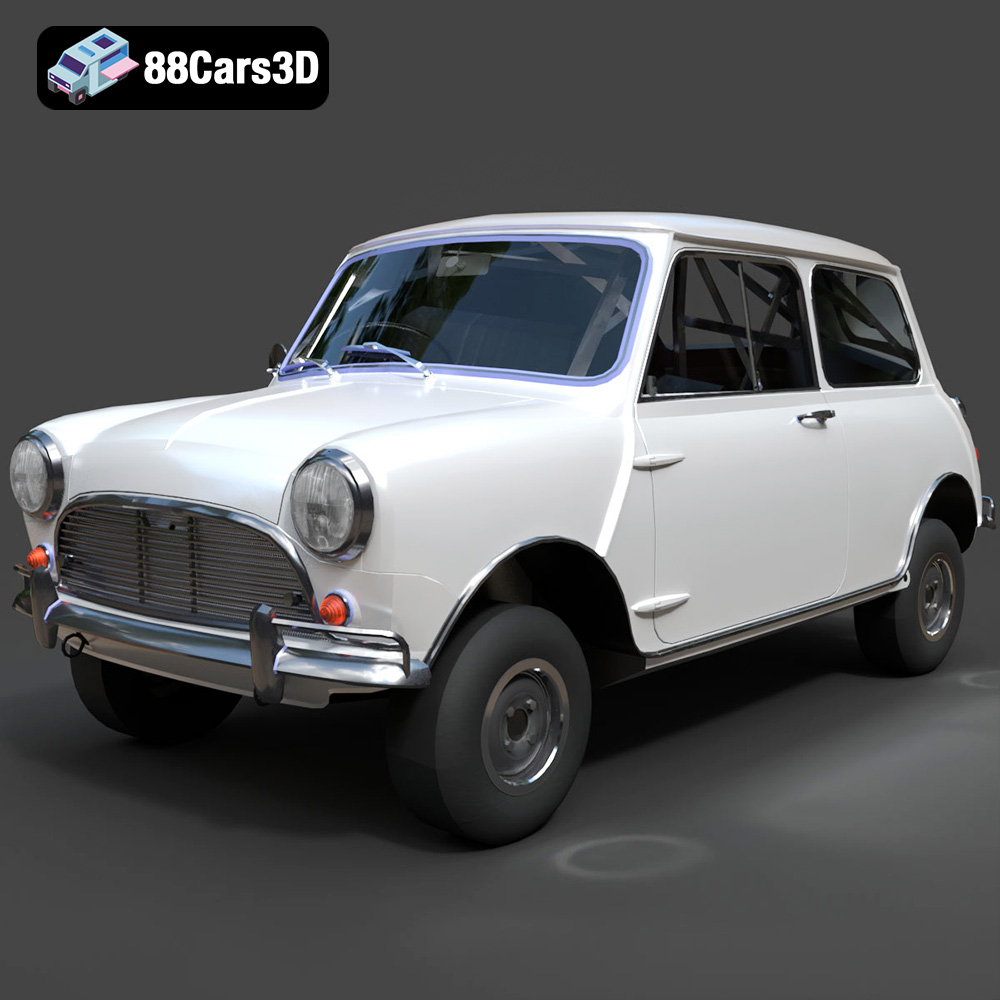
Download the Austin Mini Cooper S 1965 3D Model featuring clean geometry, realistic detailing, and a fully modeled interior. Includes .blend, .fbx, .obj, .glb, .stl, .ply, .unreal, and .max formats for rendering, simulation, and game development.
Price: $10

