Get 50% OFF All Premium 3D & STL Models!

“`html
In the world of digital art, from the hyper-realistic car configurators of leading automotive brands to the adrenaline-fueled customization menus of games like Forza and Need for Speed, the power to personalize a vehicle is paramount. This level of interactivity isn’t magic; it’s the result of a meticulous and technical approach to 3D asset creation known as modularity. Building a 3D car model with interchangeable parts is a foundational skill for anyone serious about automotive visualization, game development, or creating flexible assets for rendering. This guide provides a comprehensive technical deep-dive into the professional workflow for creating modular 3D car parts. We will move beyond basic modeling and explore the critical steps of planning, precision modeling, strategic UV mapping, and engine integration that separate amateur models from production-ready, customizable assets. Prepare to learn the methodologies that will empower you to build vehicles that can be endlessly modified, adapted, and admired.
Jumping directly into a 3D application without a clear plan is one of the most common pitfalls when creating complex, modular assets. A successful modular car model is built on a foundation of careful planning and strict organization long before the first polygon is placed. This initial phase defines the technical specifications and constraints that will govern the entire project, ensuring that every bumper, spoiler, and wheel fits perfectly without frustrating rework. A lack of planning leads to misaligned parts, inconsistent pivot points, and a chaotic scene file that is a nightmare for anyone else on a production team to use, whether they are an animator, rigger, or game engine programmer. Taking the time to establish a clear blueprint is not a preliminary step; it is the most critical part of the entire process, saving countless hours of future adjustments and guaranteeing a professional-grade final product.
Before you begin, you must define the scope of customization. What parts of the car will be interchangeable? A typical list might include:
Creating this list helps you understand the complexity of the project and identify the “base mesh”—the core chassis and body panels that will remain constant. This base mesh acts as the anchor for all other modular components. For each modular part, you must also define the variations, for example: `Bumper_Stock`, `Bumper_Sport`, `Bumper_Track`. This detailed list becomes your production checklist.
Consistency is the golden rule of modularity. Every part must share the same coordinate system and origin point to ensure they snap together seamlessly. The industry-standard practice is to build the entire vehicle around the world origin (0, 0, 0). The center of the front axle or the midpoint between the axles at ground level often serves as the scene’s origin. All modular parts must be modeled in their correct position relative to this single, unified pivot. For example, a spoiler should not be modeled at the world origin; it should be modeled exactly where it would sit on the trunk of the car. This disciplined approach eliminates guesswork and ensures that when an end-user or a game engine swaps a part, it appears in the correct location and orientation by default.
High-quality reference is non-negotiable. Gather blueprints, high-resolution photographs of the car from all angles, and specific images of the aftermarket parts you intend to model. Pay close attention to how these parts attach to the real vehicle. Where are the seams? How does a bumper meet the fender? These details inform your topology and connection points. Based on your reference, create a clear hierarchical plan for your scene file. A logical structure would look like this:
This level of organization is essential for efficient workflow and is critical for integration with game engines like Unity or Unreal Engine.
Once your plan is locked in, the modeling phase begins. The focus here is less on raw creativity and more on technical precision. Every modular part is not an isolated piece but a component of a larger, interconnected system. The key to making this system work is creating flawless connection points. These are the digital seams of your vehicle, and their execution will determine whether your modular parts fit together like a premium German automobile or a poorly assembled kit car. Maintaining clean topology, adhering to your established hierarchy, and employing a disciplined workflow for creating these connection surfaces are the pillars of successful modular modeling. This technical approach ensures that every part is not only well-made on its own but also functions perfectly within the customizable whole.
Start by modeling the base mesh—the core of the car that will not change. This typically includes the main unibody, doors, roof, and quarter panels. The most critical task is to create clean, well-defined geometry where the modular parts will attach. For instance, the edge loop on the fender that will meet the front bumper must be perfect. A best practice is to finalize this connection geometry on the base mesh, then duplicate those specific polygons to use as the starting point for modeling the modular part. For a front bumper, you would select the polygons defining the connection on the fenders and front chassis, detach them as a new object, and begin modeling the bumper from that foundation. This guarantees a 1:1 vertex-perfect match between the static body and every swappable bumper you create. No gaps, no overlapping faces, just a perfect, seamless fit every time.
While the design of a `Bumper_Sport` and a `Bumper_Track` will be different, their connection points must be topologically identical. This means the number of vertices, their exact positions, and the edge flow along the seam must be the same across all variations for that slot. This is why building from a duplicated base connection mesh is so effective. It enforces this consistency from the start. Pay close attention to polygon density; the modular parts should have a similar level of detail to the base mesh to ensure they look cohesive. A hyper-detailed 100,000-polygon bumper attached to a 20,000-polygon chassis will look jarring and unprofessional. Strive for a consistent visual language across all components.
As you model, adhere strictly to the hierarchy and naming convention you established during planning. In 3ds Max or Maya, use layers and groups to keep your scene tidy. In Blender, leverage collections. For example, all front bumper variations should reside in a “Front_Bumpers” collection. The final, exported meshes should have clean, descriptive names (e.g., `SM_Bumper_Sport`, `SM_Spoiler_GT`). The ‘SM’ prefix for Static Mesh is a common convention for game engines. Ensure all transformations are frozen (or “applied” in Blender terminology) on your final models, so their scale is 1,1,1 and their rotation is 0,0,0, with only their position values reflecting their location relative to the world origin. This prevents bizarre scaling or rotation issues when the asset is imported into a game engine or another 3D application.
A modular car is not complete without a flexible and efficient texturing strategy. How you approach UV mapping and material creation can have significant performance implications, especially for real-time applications like games and VR. The core challenge is balancing texture resolution, memory usage, and the number of draw calls the engine has to make. A single car with a dozen modular parts can quickly become a performance bottleneck if not handled correctly. This section delves into the two primary professional workflows for texturing modular assets—the texture atlas and the individual map approach—and explores how to create versatile PBR materials that allow for easy customization, such as changing the car’s paint color across all components with a single parameter tweak.
A texture atlas is a method where the UVs of multiple, separate objects are laid out into the same 0-1 UV space, allowing them to share a single set of texture maps (Albedo, Normal, Roughness, etc.).
–
This is the more straightforward approach, where each modular component (or a logical group of components) gets its own UV layout and dedicated texture set. The front bumper gets a 2K texture set, the spoiler gets a 1K set, and so on.
Regardless of your UV strategy, you should leverage your renderer or game engine’s material system to allow for easy customization. The goal is to create a “master material” for common surface types. For example, create a master `M_Car_Paint` material. This material should have parameters exposed for things like BaseColor, Roughness, and Metallic values. In Unreal Engine or Unity, you can then create Material Instances from this master. You can have `MI_Car_Paint_Red`, `MI_Car_Paint_Blue`, etc., all deriving their logic from the master but with different color parameters. When you apply these instances to the car body and all the painted modular parts, you can change the entire car’s color scheme instantly and efficiently, without creating dozens of unique materials from scratch.
Blender offers a uniquely powerful and non-destructive workflow for managing complex modular assets through its library linking system. This approach allows you to maintain each modular part in its own separate `.blend` file, which can then be referenced, or “linked,” into a master assembly file. This is an incredibly robust method for team-based projects, as a specialist artist can work on updating the wheels while another refines the spoilers, and their changes will propagate automatically into the main car scene file upon saving. This system avoids the pitfalls of destructively merging geometry and keeps the project organized, lightweight, and easy to iterate upon. Properly leveraging Blender’s collections and library overrides is key to building a truly flexible and professional customization setup.
The core concept is to treat each set of modular parts as its own library. For instance, you would have `Bumpers.blend`, `Spoilers.blend`, and `Wheels.blend`. Inside each of these files, the individual parts are modeled and organized. Then, in your main `Car_Assembly.blend` file, you use the File > Link… option. You navigate to your `Spoilers.blend` file, and instead of importing the geometry directly, you link it. This creates a read-only reference to the spoiler in your assembly scene. If you need to make a modeling change, you open `Spoilers.blend`, make the edit, save it, and the next time you open `Car_Assembly.blend` (or manually reload the library), the updated spoiler will appear automatically. As referenced in the official Blender 4.4 documentation, this method is ideal for managing complex projects and can be explored further at https://docs.blender.org/manual/en/4.4/.
To make swapping between parts easy, you should organize your source files logically using collections. In `Spoilers.blend`, for example, you would place `Spoiler_GT` in a collection named “Spoiler_GT” and `Spoiler_Ducktail` in a collection named “Spoiler_Ducktail”. When you link assets into your master scene, you can choose to link entire collections. Once linked, you can add a Collection Instance to your scene (`Add > Collection Instance`). This creates an empty that instances the entire contents of that collection. To swap from the GT spoiler to the ducktail, you simply change which collection instance is visible. This is a clean, efficient, and data-light way to manage and present dozens of variations without cluttering your main scene with actual geometry.
What if you want to change the material of a linked part just for one specific render in your assembly file? This is where Library Overrides come in. A standard linked asset is read-only, but by selecting it and choosing Object > Relations > Make Library Override…, you create a local copy of its data that can be edited while still maintaining the link to the original geometry. This is incredibly powerful. You can, for instance, override the material of a linked `Spoiler_GT` to test a carbon fiber texture in your assembly scene without ever touching the original `Spoilers.blend` file. This allows for limitless non-destructive look development and customization on top of your cleanly organized modular asset library.
The final step in the modular workflow is integrating your assets into a real-time game engine. This is where your diligent planning and organization truly pay off. A well-structured model will be significantly easier to import, configure, and script for customization. Both Unity and Unreal Engine have robust systems for handling modular characters and vehicles, typically involving Prefabs or Blueprints. The primary goal is to create a system where parts can be dynamically spawned and attached to the correct points on the car’s body at runtime. This requires proper export settings from your 3D software and a clear understanding of the engine’s component-based architecture. Performance is also a major consideration, as each modular part can add to the rendering cost.
The FBX file format is the industry standard for exporting assets to game engines. When exporting your modular car parts, follow this checklist:
In the engine, you’ll create a master object for the car.
Performance is key. A car with 10 modular parts is rendering 11 separate meshes, which means at least 11 draw calls. To manage this:
By combining these strategies, you can build a highly customizable vehicle that performs efficiently, providing a smooth and engaging experience for the end-user.
Creating modular 3D car models is an exercise in discipline, precision, and foresight. As we’ve explored, the process extends far beyond the creative act of modeling; it is a technical workflow where planning is paramount and organization is king. From establishing a unified pivot point and modeling flawless connection geometry to deploying strategic UV maps and structuring assets for game engines, every step is interconnected. The upfront investment in this structured approach pays immense dividends, unlocking the flexibility to create vast libraries of interchangeable parts that fit together perfectly every time. This methodology is the backbone of modern vehicle customization in digital media.
The key takeaways are clear: plan meticulously before you start, enforce consistency in your coordinate system and connection points, choose a texturing strategy that aligns with your final application’s performance budget, and maintain a clean, logical hierarchy throughout. By mastering these principles, you elevate your work from a static model to a dynamic and adaptable system. For your next project, start small. Try creating a set of interchangeable wheels for a base model to solidify the workflow. As you gain confidence, you can tackle more complex components like bumpers and body kits. For those looking to jumpstart their projects, sourcing a high-quality, cleanly modeled base from a marketplace like 88cars3d.com can provide the perfect foundation upon which to build your own custom modular parts.
“`
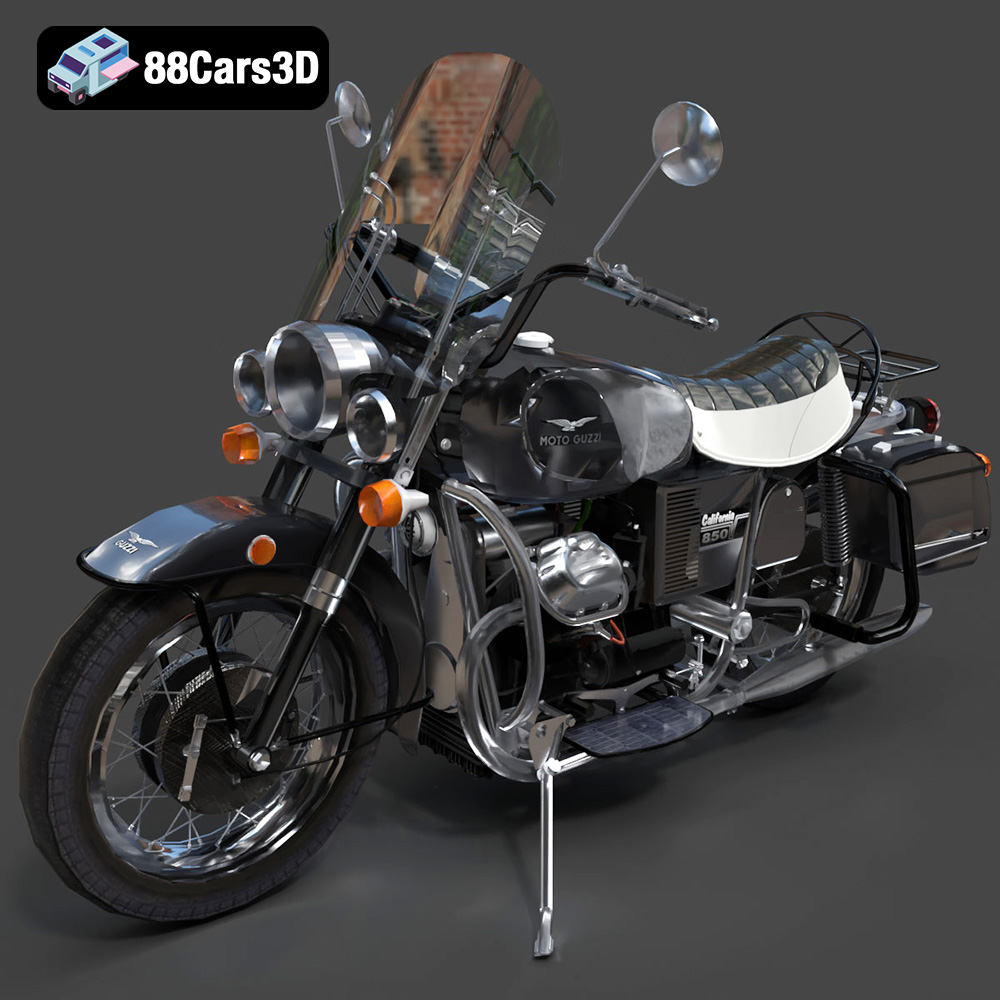
Texture: Yes
Material: Yes
Download the Moto Guzzi Classic Motorcycle 2024 3D Model featuring clean geometry, realistic detailing, and a fully modeled interior. Includes .blend, .fbx, .obj, .glb, .stl, .ply, .unreal, and .max formats for rendering, simulation, and game development.
Price: $10
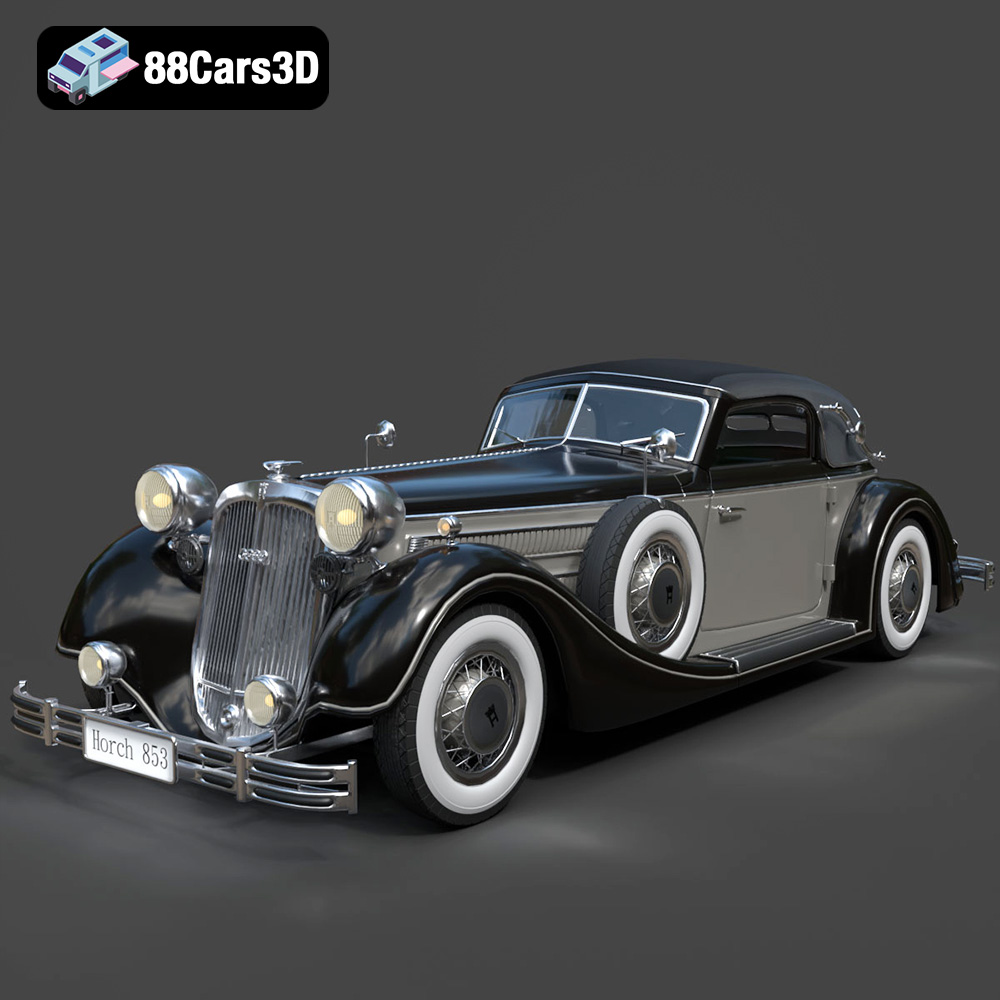
Texture: Yes
Material: Yes
Download the Horch 853 Sport Cabriolet 1937 3D Model featuring clean geometry, realistic detailing, and a fully modeled interior. Includes .blend, .fbx, .obj, .glb, .stl, .ply, .unreal, and .max formats for rendering, simulation, and game development.
Price: $10
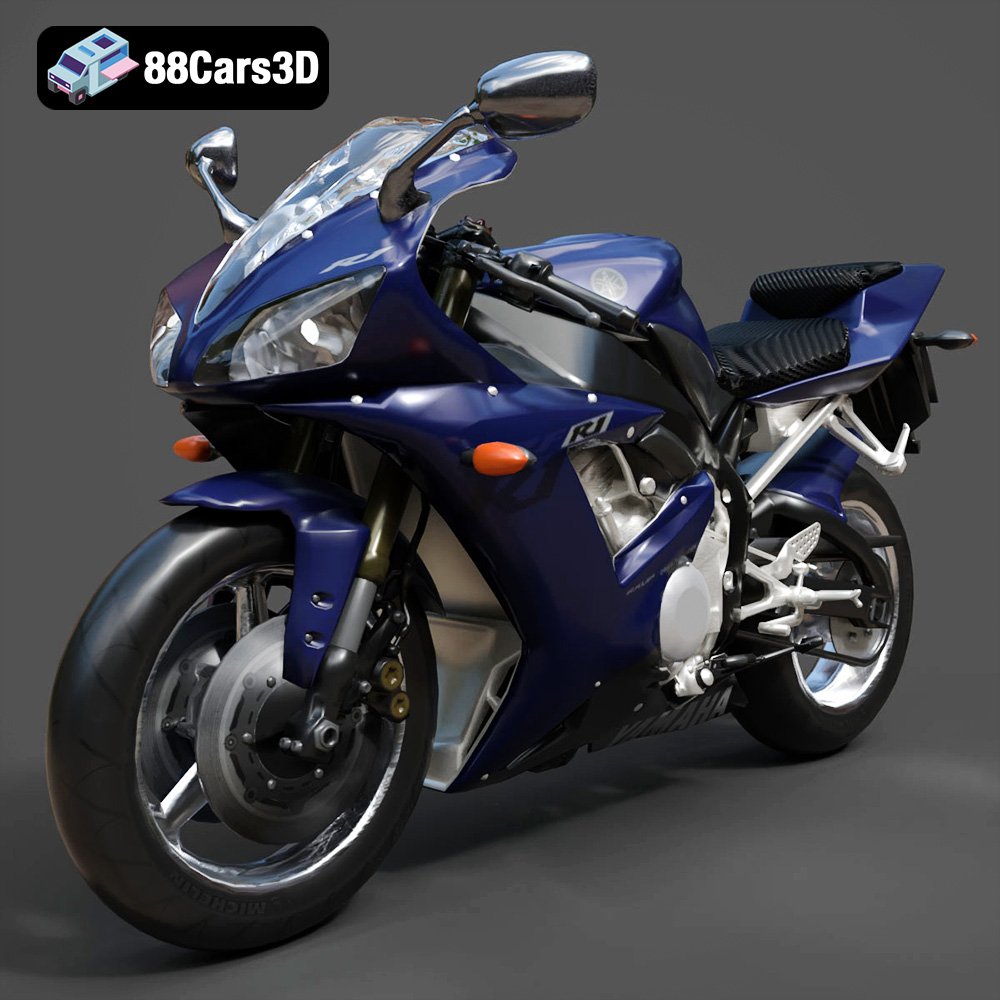
Texture: Yes
Material: Yes
Download the Yamaha YZF-R1 Motorcycle 3D Model featuring clean geometry, realistic detailing, and a fully modeled interior. Includes .blend, .fbx, .obj, .glb, .stl, .ply, .unreal, and .max formats for rendering, simulation, and game development.
Price: $10
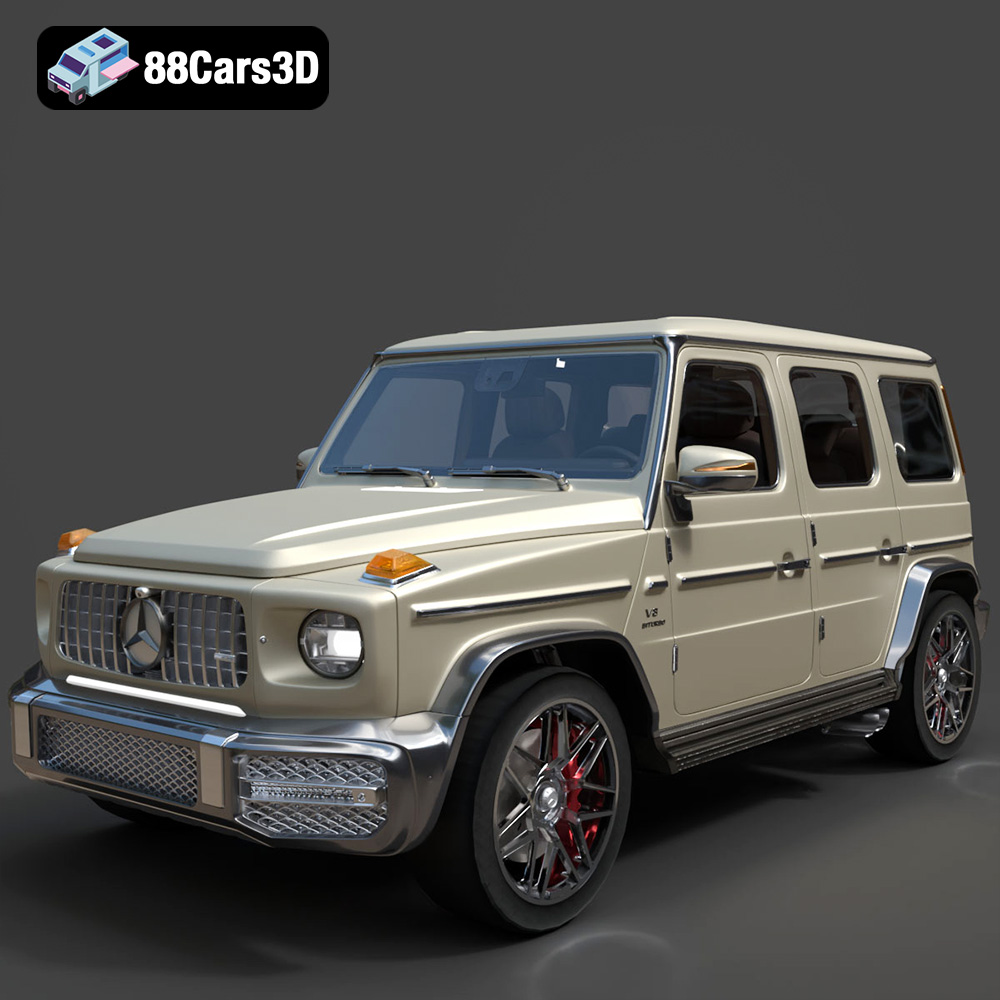
Texture: Yes
Material: Yes
Download the Mercedes Benz G63 AMG 2019 3D Model featuring clean geometry, realistic detailing, and a fully modeled interior. Includes .blend, .fbx, .obj, .glb, .stl, .ply, .unreal, and .max formats for rendering, simulation, and game development.
Price: $90
Texture: Yes
Material: Yes
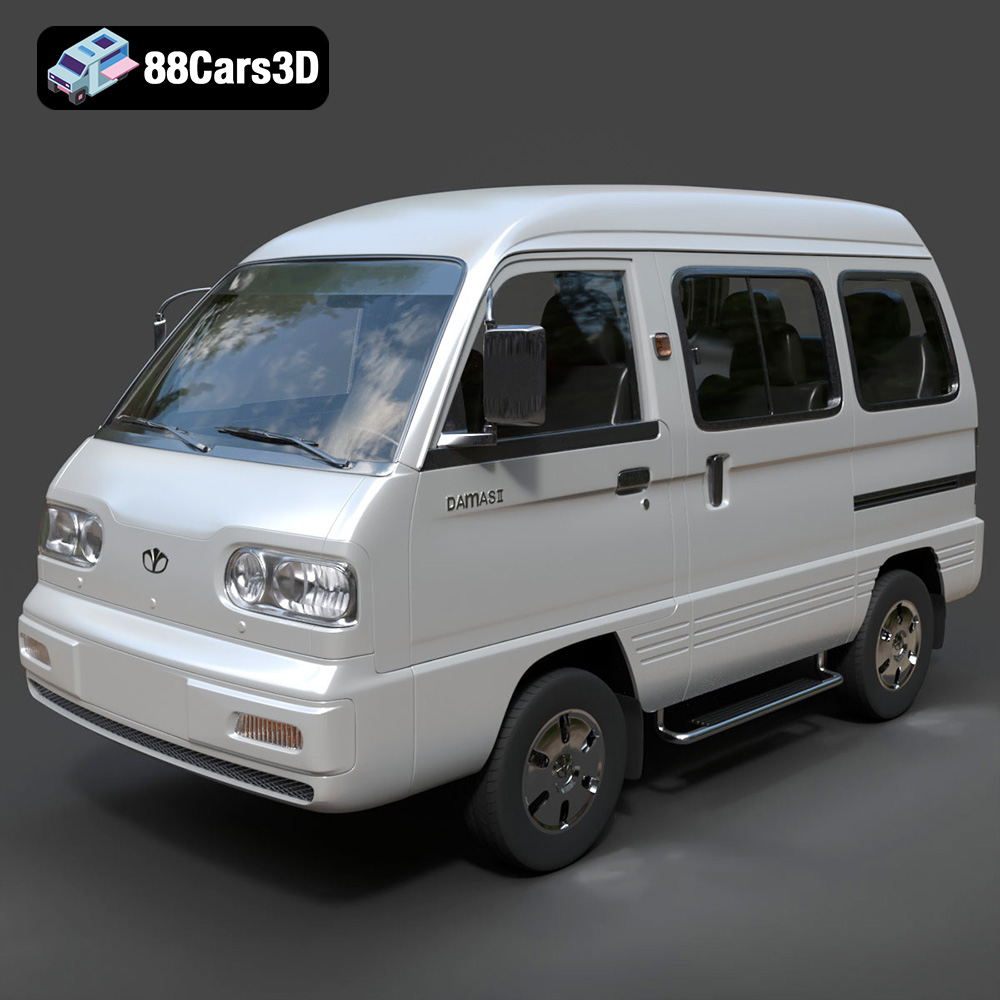
Download the Daewoo Damas Mk2 2012 3D Model featuring clean geometry, realistic detailing, and a fully modeled interior. Includes .blend, .fbx, .obj, .glb, .stl, .ply, .unreal, and .max formats for rendering, simulation, and game development.
Price: $10
Texture: Yes
Material: Yes
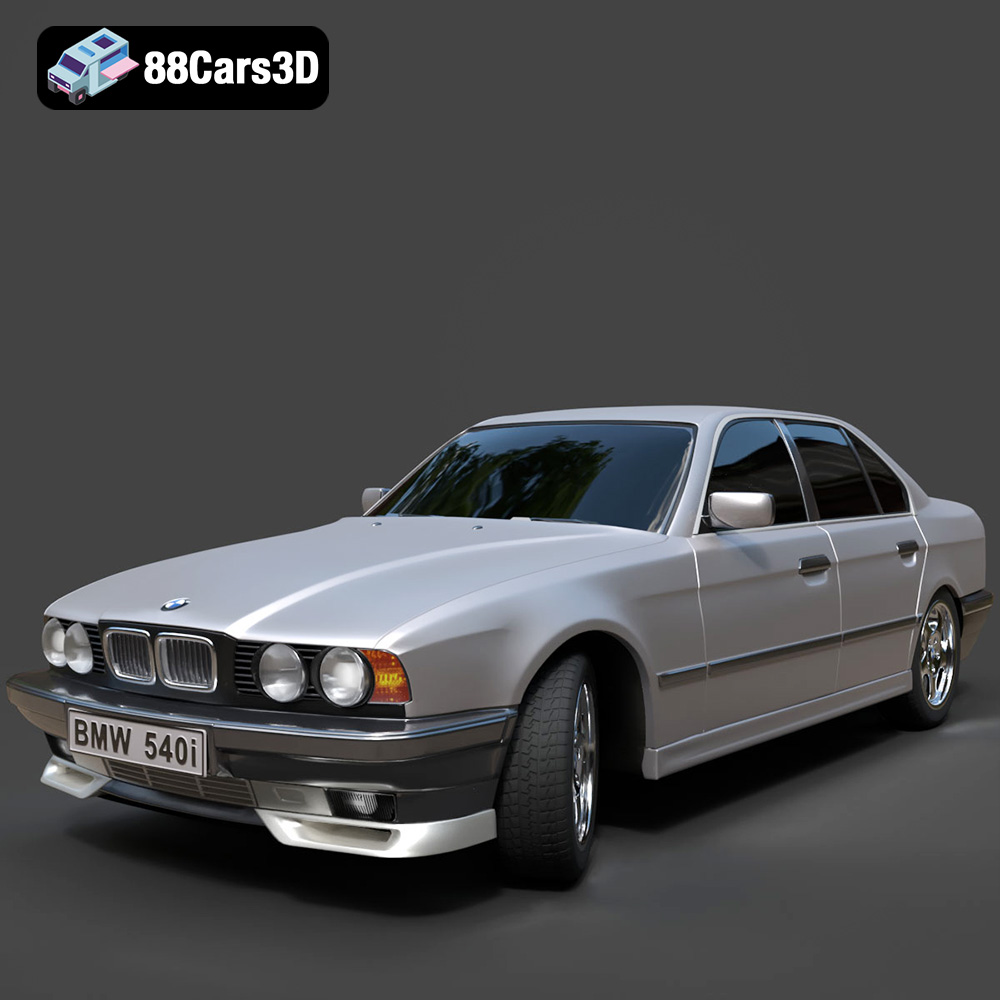
Download the BMW 540 E34 3D Model featuring clean geometry, realistic detailing, and a fully modeled interior. Includes .blend, .fbx, .obj, .glb, .stl, .ply, .unreal, and .max formats for rendering, simulation, and game development.
Price: $10
Texture: Yes
Material: Yes
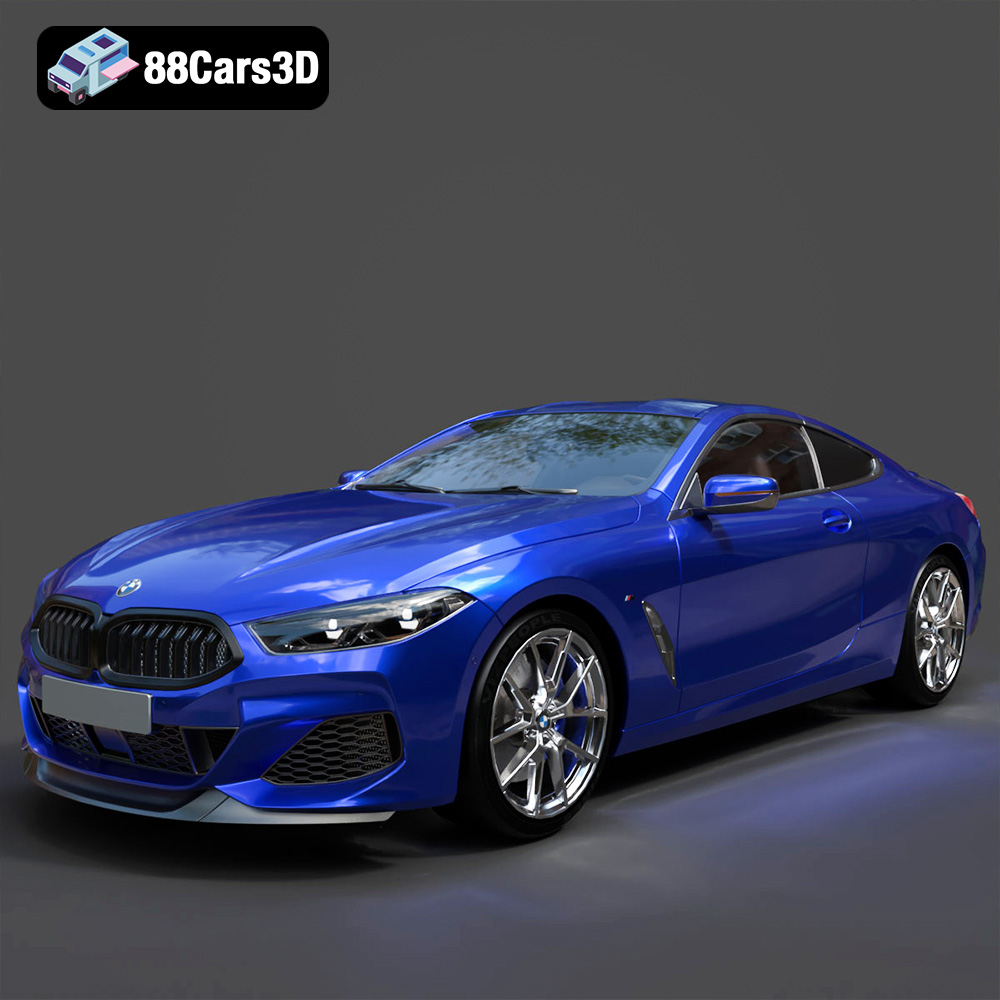
Download the BMW 8 Series Coupe 2020 3D Model featuring clean geometry, realistic detailing, and a fully modeled interior. Includes .blend, .fbx, .obj, .glb, .stl, .ply, .unreal, and .max formats for rendering, simulation, and game development.
Price: $10
Texture: Yes
Material: Yes
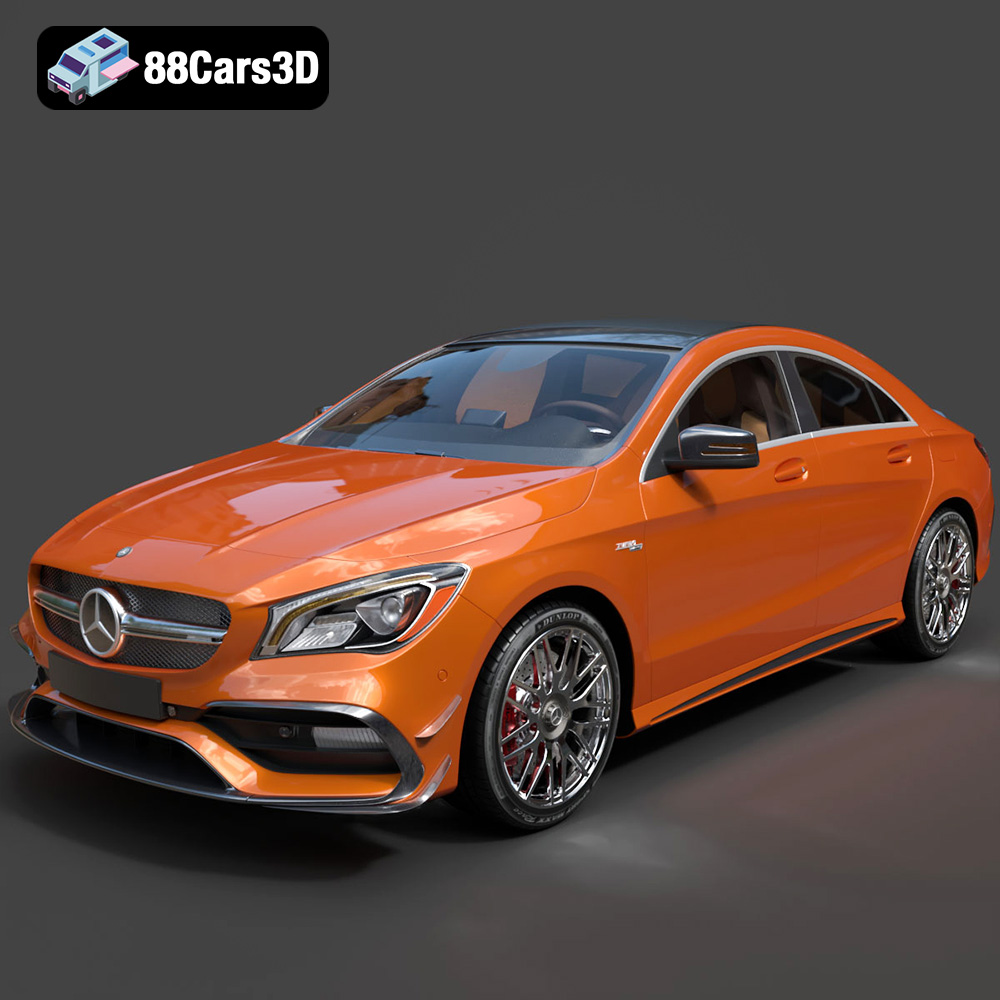
Download the Mercedes-Benz CLA45 AMG 2017 3D Model featuring clean geometry, realistic detailing, and a fully modeled interior. Includes .blend, .fbx, .obj, .glb, .stl, .ply, .unreal, and .max formats for rendering, simulation, and game development.
Price: $21.99
Texture: Yes
Material: Yes
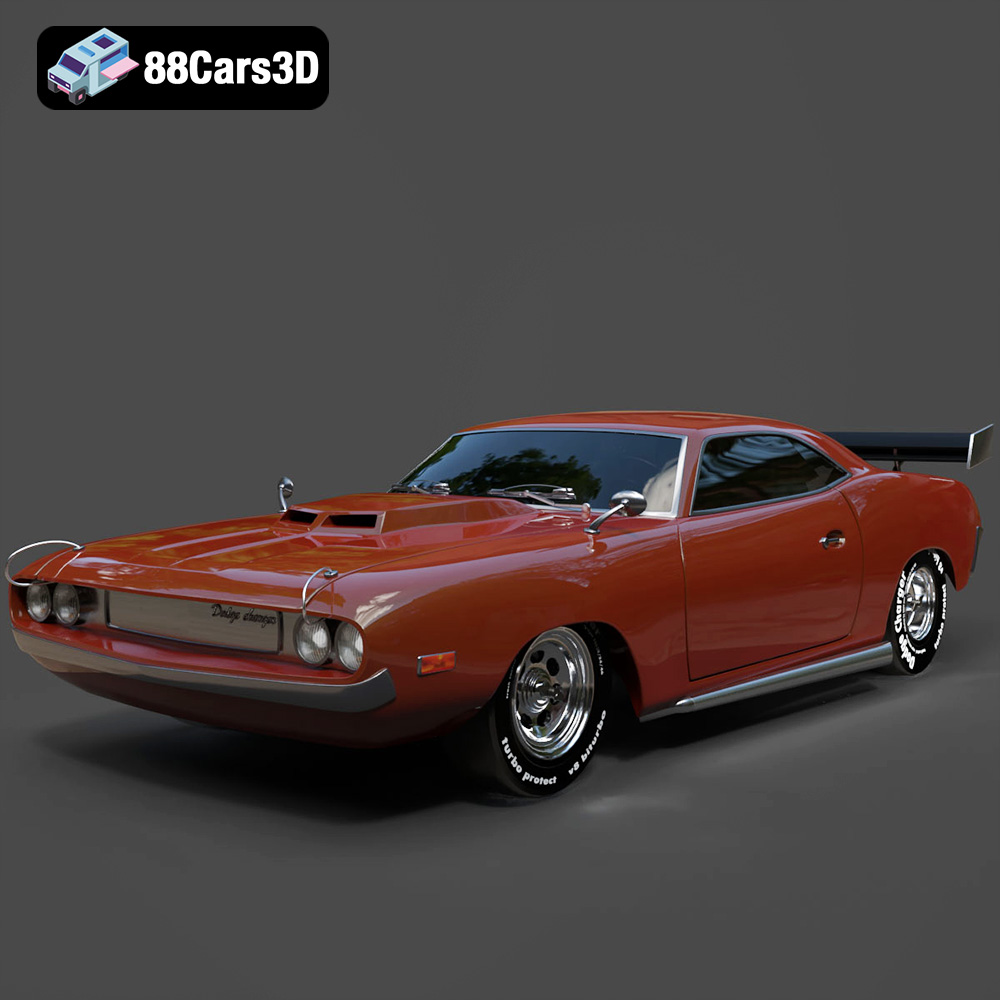
Download the Dodge Charger Car-004 3D Model featuring clean geometry, realistic detailing, and a fully modeled interior. Includes .blend, .fbx, .obj, .glb, .stl, .ply, .unreal, and .max formats for rendering, simulation, and game development.
Price: $10
Texture: Yes
Material: Yes
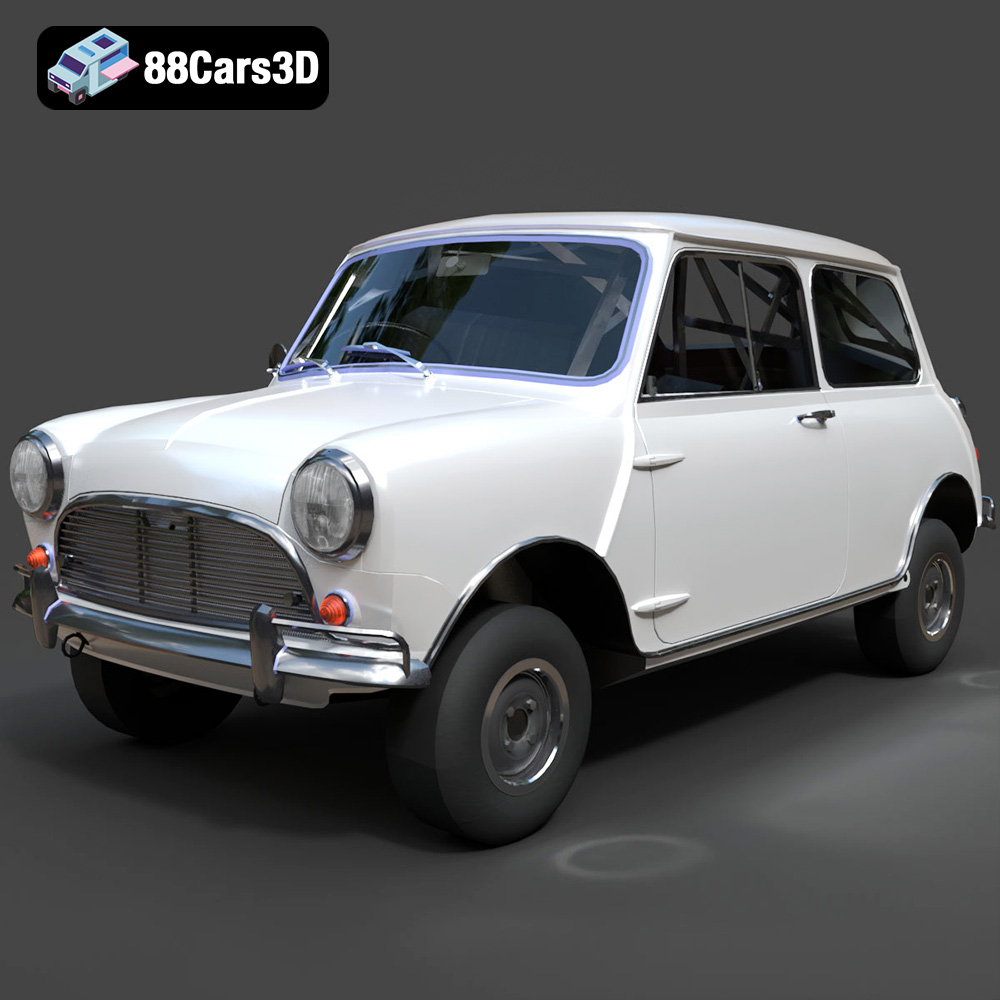
Download the Austin Mini Cooper S 1965 3D Model featuring clean geometry, realistic detailing, and a fully modeled interior. Includes .blend, .fbx, .obj, .glb, .stl, .ply, .unreal, and .max formats for rendering, simulation, and game development.
Price: $10

