Get 50% OFF All Premium 3D & STL Models!

“`html
3D printing has revolutionized model making, prototyping, and even the creation of stunning automotive replicas. However, the journey from digital design to a tangible object isn’t always smooth. STL files, the backbone of 3D printing, often contain imperfections that can lead to print failures or subpar results. That’s where Blender, a powerful and free 3D modeling software, comes in. This guide will walk you through the process of cleaning up STL files in Blender, ensuring your 3D printed car models are as flawless as possible, especially when working with intricate designs sourced from platforms like 88cars3d.com.
We’ll delve into mesh analysis, manifold geometry correction, and techniques for optimizing your STL files for printing. By the end of this article, you’ll be equipped with the knowledge and skills to tackle common STL file issues and achieve exceptional 3D printing results. We will cover everything from importing your STL, understanding common issues, effective repair techniques, and exporting a clean, print-ready file.
The STL (Stereolithography) file format represents 3D models as a collection of interconnected triangles. While simple, this format can be prone to errors that hinder the printing process. Understanding the underlying structure and common problems is the first step towards effective cleanup.
A “manifold” mesh is a closed surface without holes, edges that connect to more than two faces, or faces that intersect. Non-manifold geometry is a major cause of printing issues. Blender offers tools to identify and fix these problems. Go to Edit Mode, select ‘Mesh’ -> ‘Statistics’, and observe the ‘Non Manifold’ count. A value greater than zero indicates problems. For instance, a car model might have internal faces or edges that connect to more than two faces, leading to incorrect printing.
Overlapping faces and duplicate vertices add unnecessary complexity to the model and can confuse slicing software. Blender’s “Merge by Distance” tool (select all vertices in Edit Mode, then ‘Mesh’ -> ‘Clean Up’ -> ‘Merge by Distance’) is crucial for removing these redundancies. Start with a small distance, like 0.001mm, and increase it gradually until overlapping elements are merged. Pay special attention to complex areas like grilles or intricate body panels.
Normals are vectors that define the “outward” direction of a face. Incorrectly oriented normals can cause faces to appear invisible or inside-out. In Blender, enable “Face Orientation” under the “Viewport Overlays” menu. Blue faces are correctly oriented, while red faces are flipped. To fix flipped normals, select the problematic faces in Edit Mode and use ‘Mesh’ -> ‘Normals’ -> ‘Flip’. Then use ‘Mesh’ -> ‘Normals’ -> ‘Recalculate Outside’ to automatically correct all normals. Ensure all faces are blue before exporting.
Before you can clean up an STL file, you need to import it into Blender and thoroughly inspect it for potential issues. Blender’s interface provides various tools and visual aids to help you identify problems quickly.
To import an STL file in Blender, navigate to ‘File’ -> ‘Import’ -> ‘Stl (.stl)’. Select your file and click “Import STL”. Once imported, the model may appear small or large depending on the original scale. Adjust the viewport settings to get a clear view of the object.
Blender’s “Overlays” menu in the viewport provides several options for visual inspection. Enable “Face Orientation” to check for flipped normals. Use “Wireframe” mode to see the underlying mesh structure and identify areas with excessive triangulation or non-manifold edges. Activate the “Statistics” overlay to monitor the number of vertices, edges, and faces, which can indicate the complexity of the model and potential areas for optimization.
Detailed mesh statistics are accessible in Edit Mode. Selecting ‘Mesh’ -> ‘Statistics’ reveals crucial information, including the number of non-manifold edges and faces. A high number of non-manifold elements signals significant mesh errors that require immediate attention. Aim for zero non-manifold edges and faces before proceeding to the next step. Also, note the overall triangle count. High triangle counts lead to larger file sizes and slower slicing times. Reducing the triangle count through decimation can significantly improve performance, especially with detailed models.
Blender offers a suite of tools specifically designed for repairing and optimizing 3D meshes. Mastering these tools is essential for creating print-ready STL files. These tools are found under the ‘Mesh’ menu in edit mode.
The ‘Make Manifold’ tool is a powerful option for automatically fixing many common mesh issues. After entering Edit Mode, select all geometry (A key), then navigate to ‘Mesh’ -> ‘Clean Up’ -> ‘Make Manifold’. This tool attempts to automatically close holes, remove internal faces, and connect disconnected edges. While effective, it may not solve all problems and may sometimes introduce new artifacts, so careful inspection after using this tool is crucial.
As mentioned earlier, ‘Merge by Distance’ is indispensable for removing duplicate vertices and closing small gaps. Select all vertices in Edit Mode (A key), then go to ‘Mesh’ -> ‘Clean Up’ -> ‘Merge by Distance’. Experiment with different distance values to find the optimal setting. Start with a small value (e.g., 0.001mm) and gradually increase it until the number of vertices decreases without distorting the model’s shape. This tool is particularly effective for cleaning up areas where vertices are very close together.
Sometimes, automatic tools are insufficient, and manual mesh editing is required. Blender provides a range of tools for directly manipulating vertices, edges, and faces. Use the “Knife” tool (K key) to cut new edges, the “Fill” tool (F key) to create new faces, and the “Bridge Edge Loops” tool (select two edge loops, then ‘Edge’ -> ‘Bridge Edge Loops’) to connect open edges. Pay close attention to detail and use these tools judiciously to avoid introducing new errors. For example, you can manually close small holes in the mesh by selecting the surrounding edges and using the “Fill” tool.
The ultimate goal of cleaning up STL files is to prepare them for slicing. Understanding how slicing software interprets the mesh and adjusting your cleanup strategy accordingly is crucial for achieving optimal print quality. This is especially important for printable car models that may have fine details.
Slicing software requires a minimum wall thickness to create printable layers. Ensure that all parts of your model have sufficient wall thickness, typically at least twice the nozzle diameter of your 3D printer. For example, if your nozzle diameter is 0.4mm, aim for a minimum wall thickness of 0.8mm. Similarly, be mindful of minimum feature sizes. Small details like thin wires or tiny openings may not be printable if they are below the printer’s resolution. Consider thickening these features or simplifying them to ensure they print reliably.
The orientation of the model on the print bed significantly affects the need for support structures. Minimize overhangs to reduce the amount of support material required. When supports are unavoidable, optimize their placement to minimize their impact on the finished print. Choose support patterns and densities that provide sufficient support without being overly difficult to remove. In Cura, for example, you can adjust the “Support Placement” setting to “Touching Buildplate” to generate supports only where needed. When working with complex geometries, such as those found in 3D printable car models from platforms like 88cars3d.com, strategic orientation and support placement are paramount.
High triangle counts can lead to larger file sizes and slower slicing times. While maintaining sufficient detail, reduce the triangle count using Blender’s “Decimate” modifier. Apply the modifier with a “Ratio” value less than 1 to reduce the number of faces while preserving the overall shape. Experiment with different ratios to find the optimal balance between detail and file size. Always check the result carefully to ensure that the decimation process hasn’t introduced any undesirable artifacts.
The final step in the cleanup process is exporting the cleaned STL file from Blender. Proper export settings ensure that the file is compatible with your slicing software and retains all the necessary information.
When exporting, use the default export settings for STL files in Blender, but ensure the “Selection Only” option is unchecked unless you only want to export a selected portion of your model. This will export the entire scene. Also, be sure the scale is set to 1.0 and the units are correct (usually millimeters). Verify that the “Apply Modifiers” option is selected to ensure that any modifiers you’ve applied (like the Decimate modifier) are incorporated into the exported mesh. Choosing the correct export settings is crucial for ensuring the file is interpreted correctly by your slicing software.
After exporting, it’s essential to verify the integrity of the STL file. Re-import the exported file into Blender and inspect it thoroughly for any unexpected changes or errors. Check the mesh statistics again to ensure that the number of vertices, edges, and faces matches your expectations. This step ensures that the export process hasn’t introduced any new problems. Additionally, open the STL file in your slicing software to preview the sliced layers and confirm that the model is printing as intended. Any discrepancies at this stage indicate potential issues that need to be addressed before printing.
Adopt a consistent file naming convention to keep your 3D printing projects organized. Include relevant information in the file name, such as the model name, version number, and any modifications you’ve made. For example, a cleaned-up version of a car model could be named “CarModel_V2_Cleaned.stl”. Organize your STL files into folders to further streamline your workflow. This makes it easier to find specific files and track different versions of your models. Using proper naming and organization, particularly when dealing with numerous models, will make your workflow more efficient. Using organized file management practices are invaluable when dealing with 3D printable car models downloaded from online resources.
Even with careful cleanup, STL files can still present challenges during the printing process. Understanding common issues and knowing how to troubleshoot them is essential for successful 3D printing.
Warping, where the corners of the print lift off the print bed, is a common issue, especially with larger models. Ensure proper bed adhesion by using a clean and level print bed. Apply an adhesive like glue stick or hairspray to improve adhesion. Adjust the bed temperature and printing speed to optimize the first layer adhesion. Enclosing the printer can help maintain a consistent temperature and reduce warping, especially with materials like ABS. These steps will provide a solid foundation for your print and prevent warping issues.
Stringing, where thin strands of filament are left between printed parts, and blobs, where excess material accumulates in certain areas, are often caused by improper retraction settings or excessive printing temperatures. Adjust the retraction distance and speed in your slicing software to minimize stringing. Lower the printing temperature to reduce the likelihood of material oozing from the nozzle. Ensure proper cooling by optimizing the fan settings. Also, examine the STL file for any imperfections that might be contributing to these issues. For example, a small gap in the mesh might cause the printer to extrude extra material, leading to a blob.
Layer separation, where the printed layers do not adhere properly to each other, and under-extrusion, where insufficient material is extruded, can be caused by various factors. Check the filament diameter setting in your slicing software to ensure it matches the actual filament diameter. Increase the printing temperature to improve layer adhesion. Reduce the printing speed to allow more time for the layers to bond. Verify that the nozzle is not clogged and that the extruder is functioning correctly. Also, inspect the STL file for any gaps or thin walls that might be contributing to these issues. By systematically addressing these potential causes, you can resolve layer separation and under-extrusion problems and achieve strong, well-bonded prints.
Cleaning up STL files in Blender is a critical step in ensuring successful 3D printing. By understanding the STL file structure, mastering essential repair tools, and optimizing for slicing considerations, you can transform flawed models into print-ready masterpieces. This guide has provided you with the knowledge and skills to tackle common STL file issues and achieve exceptional 3D printing results, especially when working with intricate designs sourced from platforms like 88cars3d.com. Remember to practice these techniques and experiment with different settings to find what works best for your printer and materials.
Now, take your newfound knowledge and start cleaning up your STL files! Experiment with Blender’s tools, optimize your print settings, and unleash the full potential of your 3D printer. With a little practice and patience, you’ll be creating stunning, flawless 3D printed car models and other objects in no time. Platforms like 88cars3d.com are excellent sources for high-quality STL files, but cleaning them up using the methods described here will ensure the best possible printing outcome.
“`
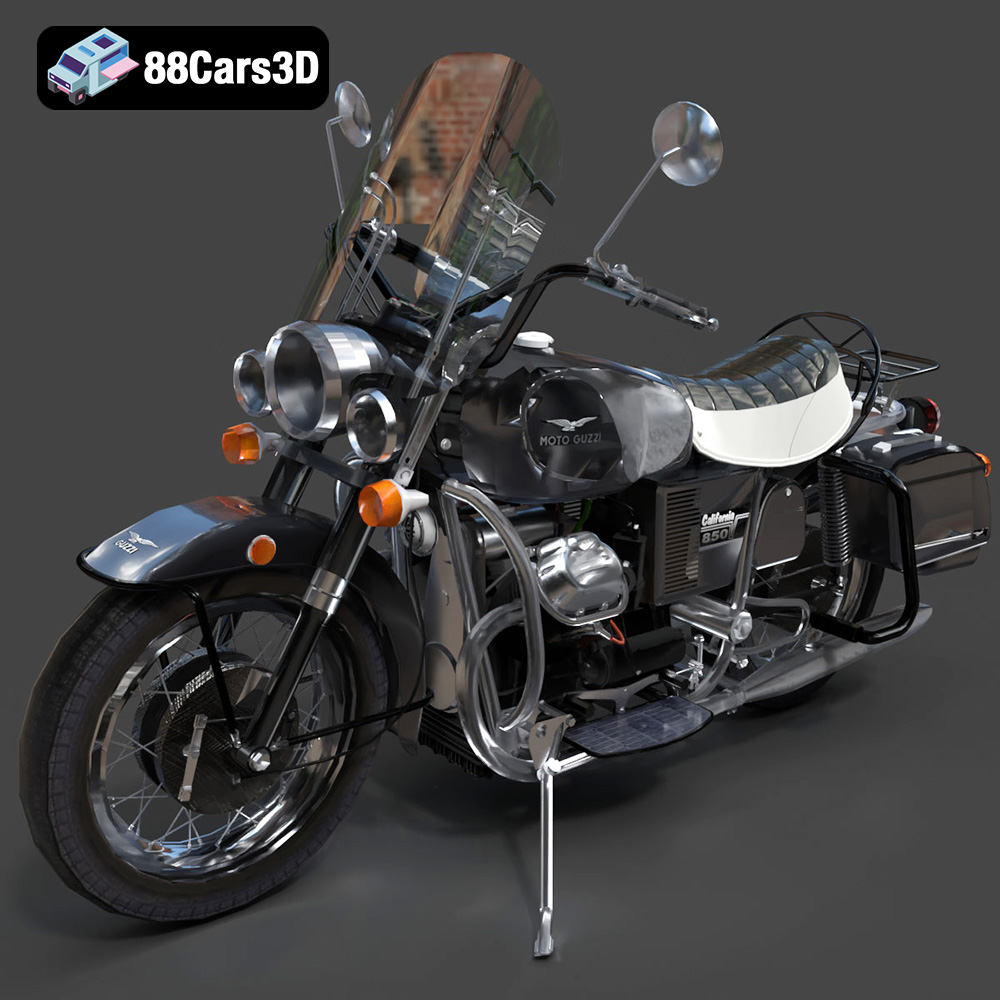
Texture: Yes
Material: Yes
Download the Moto Guzzi Classic Motorcycle 2024 3D Model featuring clean geometry, realistic detailing, and a fully modeled interior. Includes .blend, .fbx, .obj, .glb, .stl, .ply, .unreal, and .max formats for rendering, simulation, and game development.
Price: $10

Texture: Yes
Material: Yes
Download the Horch 853 Sport Cabriolet 1937 3D Model featuring clean geometry, realistic detailing, and a fully modeled interior. Includes .blend, .fbx, .obj, .glb, .stl, .ply, .unreal, and .max formats for rendering, simulation, and game development.
Price: $10
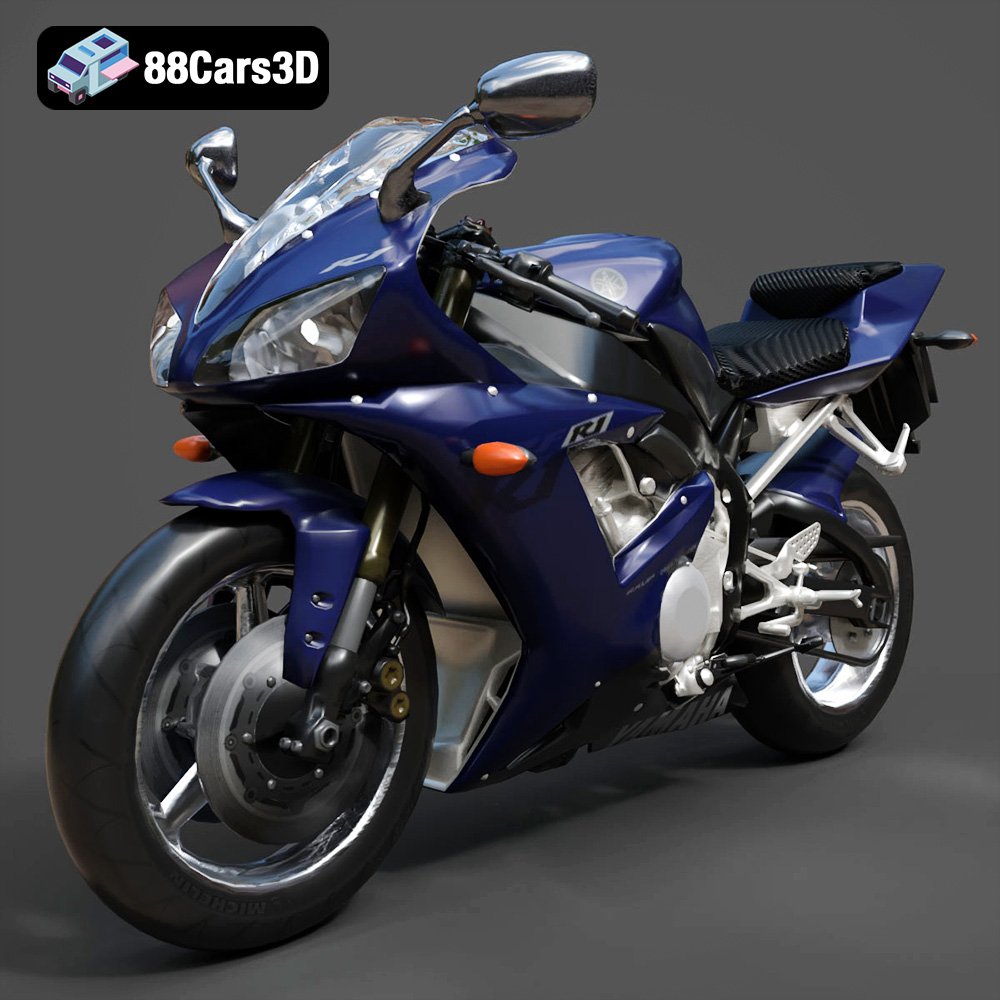
Texture: Yes
Material: Yes
Download the Yamaha YZF-R1 Motorcycle 3D Model featuring clean geometry, realistic detailing, and a fully modeled interior. Includes .blend, .fbx, .obj, .glb, .stl, .ply, .unreal, and .max formats for rendering, simulation, and game development.
Price: $10
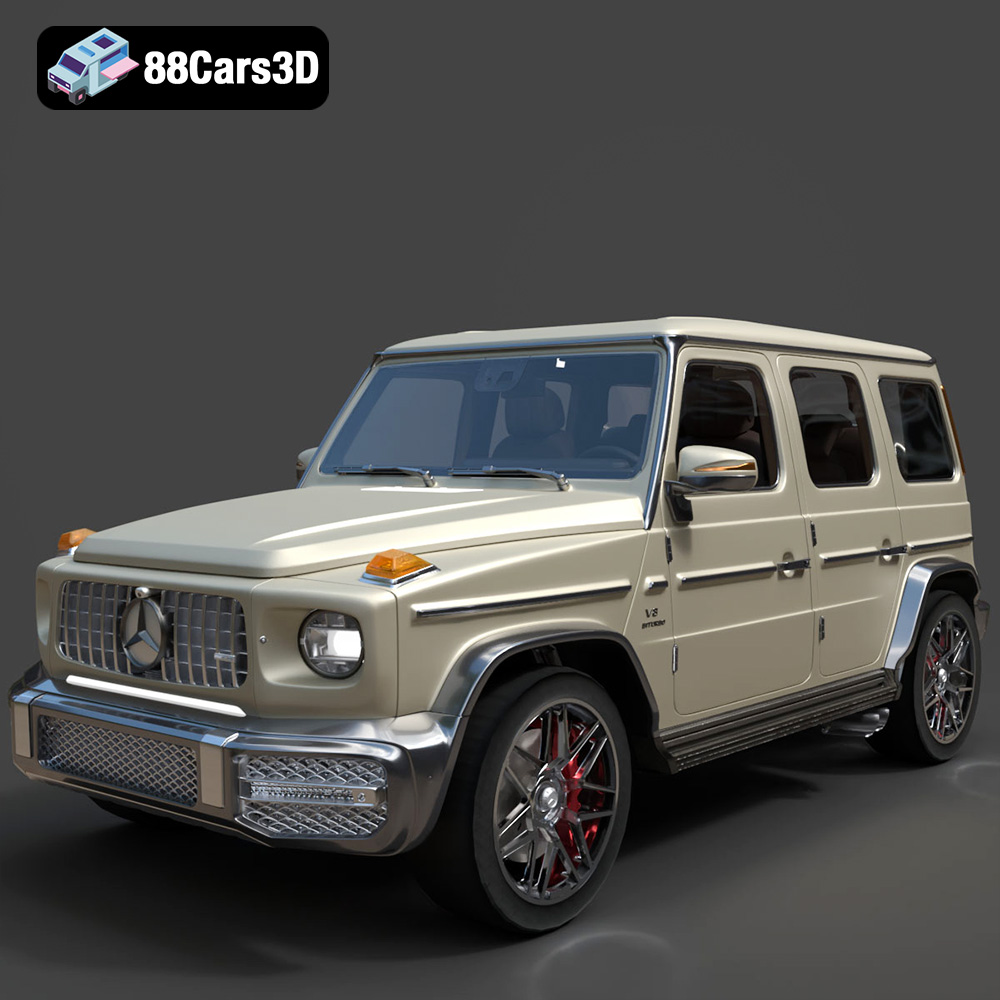
Texture: Yes
Material: Yes
Download the Mercedes Benz G63 AMG 2019 3D Model featuring clean geometry, realistic detailing, and a fully modeled interior. Includes .blend, .fbx, .obj, .glb, .stl, .ply, .unreal, and .max formats for rendering, simulation, and game development.
Price: $90
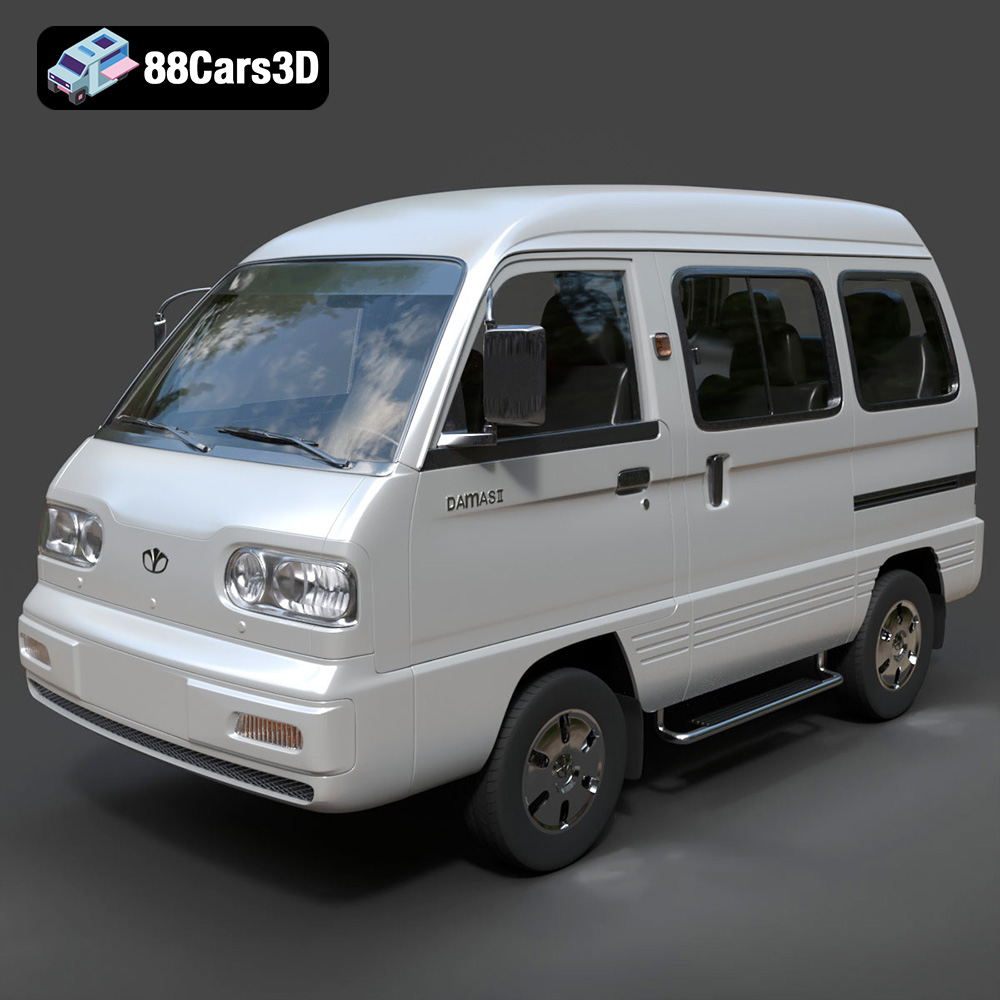
Texture: Yes
Material: Yes
Download the Daewoo Damas Mk2 2012 3D Model featuring clean geometry, realistic detailing, and a fully modeled interior. Includes .blend, .fbx, .obj, .glb, .stl, .ply, .unreal, and .max formats for rendering, simulation, and game development.
Price: $10
Texture: Yes
Material: Yes
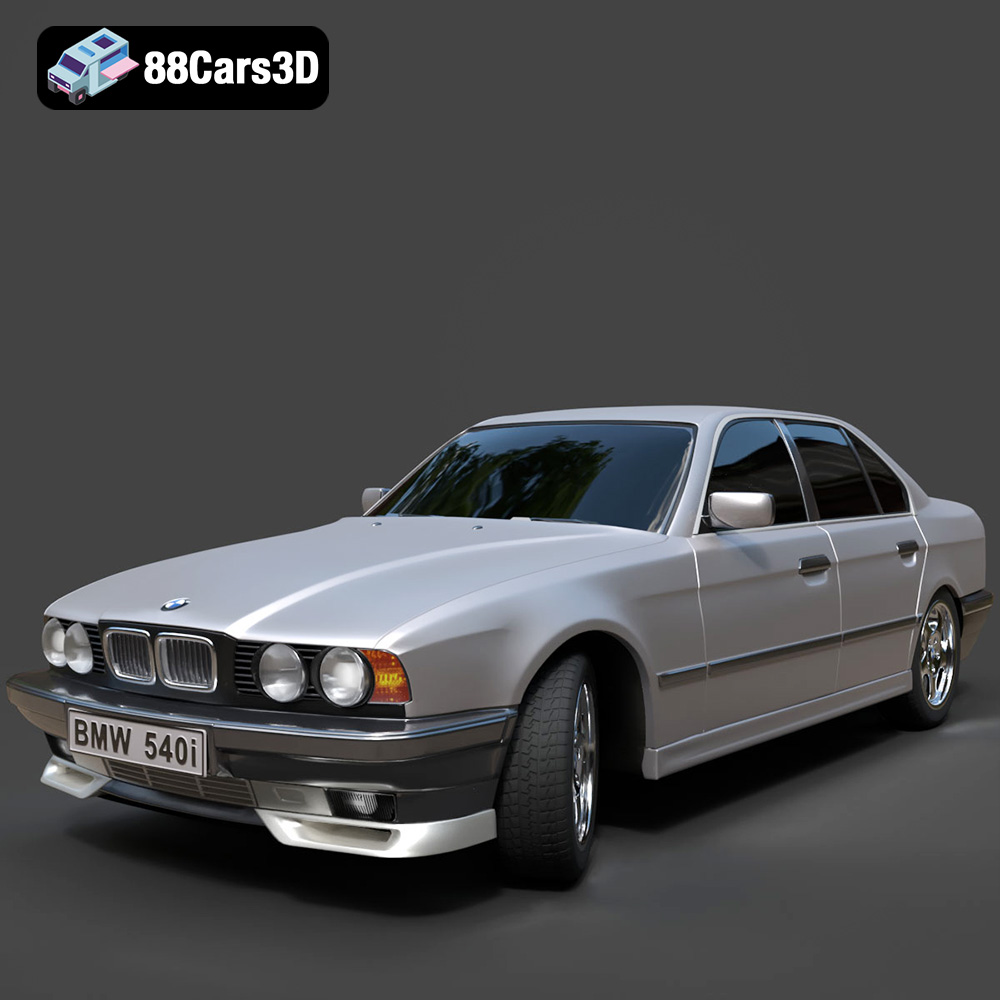
Download the BMW 540 E34 3D Model featuring clean geometry, realistic detailing, and a fully modeled interior. Includes .blend, .fbx, .obj, .glb, .stl, .ply, .unreal, and .max formats for rendering, simulation, and game development.
Price: $10

Texture: Yes
Material: Yes
Download the BMW 8 Series Coupe 2020 3D Model featuring clean geometry, realistic detailing, and a fully modeled interior. Includes .blend, .fbx, .obj, .glb, .stl, .ply, .unreal, and .max formats for rendering, simulation, and game development.
Price: $10

Texture: Yes
Material: Yes
Download the Mercedes-Benz CLA45 AMG 2017 3D Model featuring clean geometry, realistic detailing, and a fully modeled interior. Includes .blend, .fbx, .obj, .glb, .stl, .ply, .unreal, and .max formats for rendering, simulation, and game development.
Price: $21.99
Texture: Yes
Material: Yes
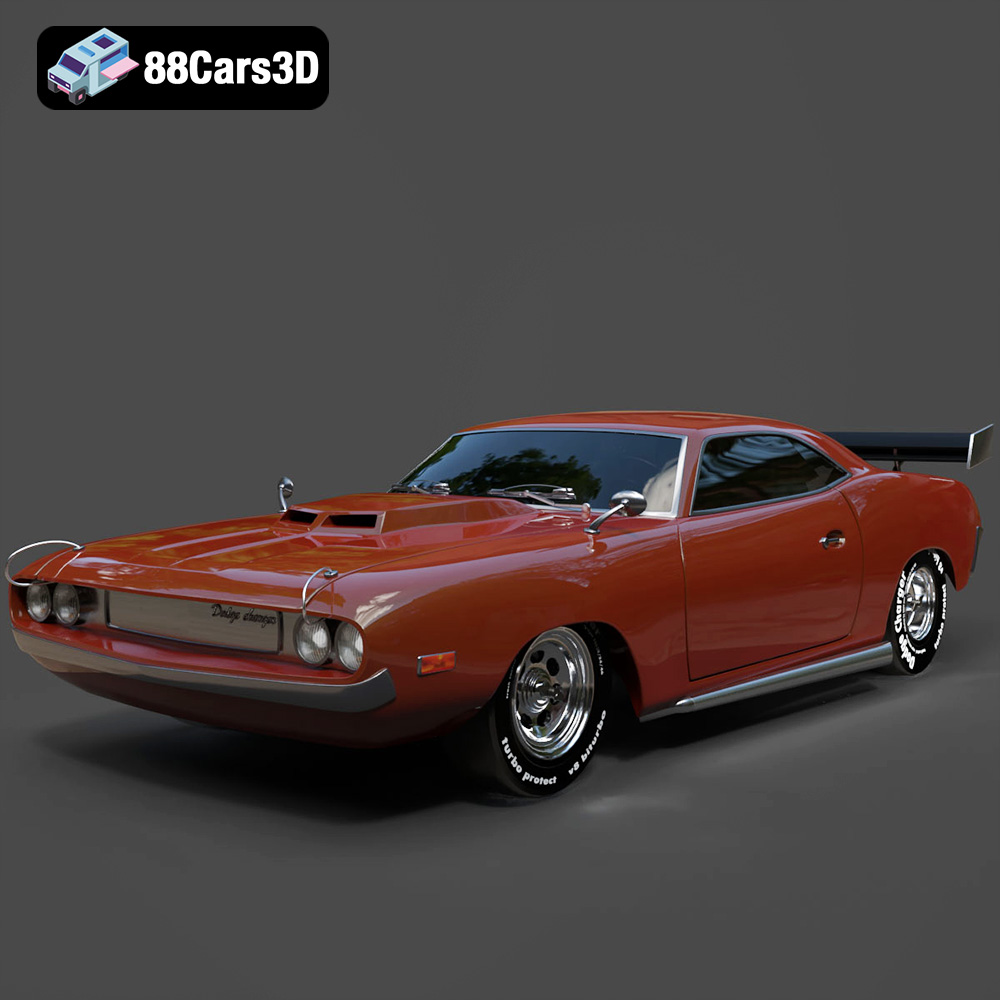
Download the Dodge Charger Car-004 3D Model featuring clean geometry, realistic detailing, and a fully modeled interior. Includes .blend, .fbx, .obj, .glb, .stl, .ply, .unreal, and .max formats for rendering, simulation, and game development.
Price: $10
Texture: Yes
Material: Yes
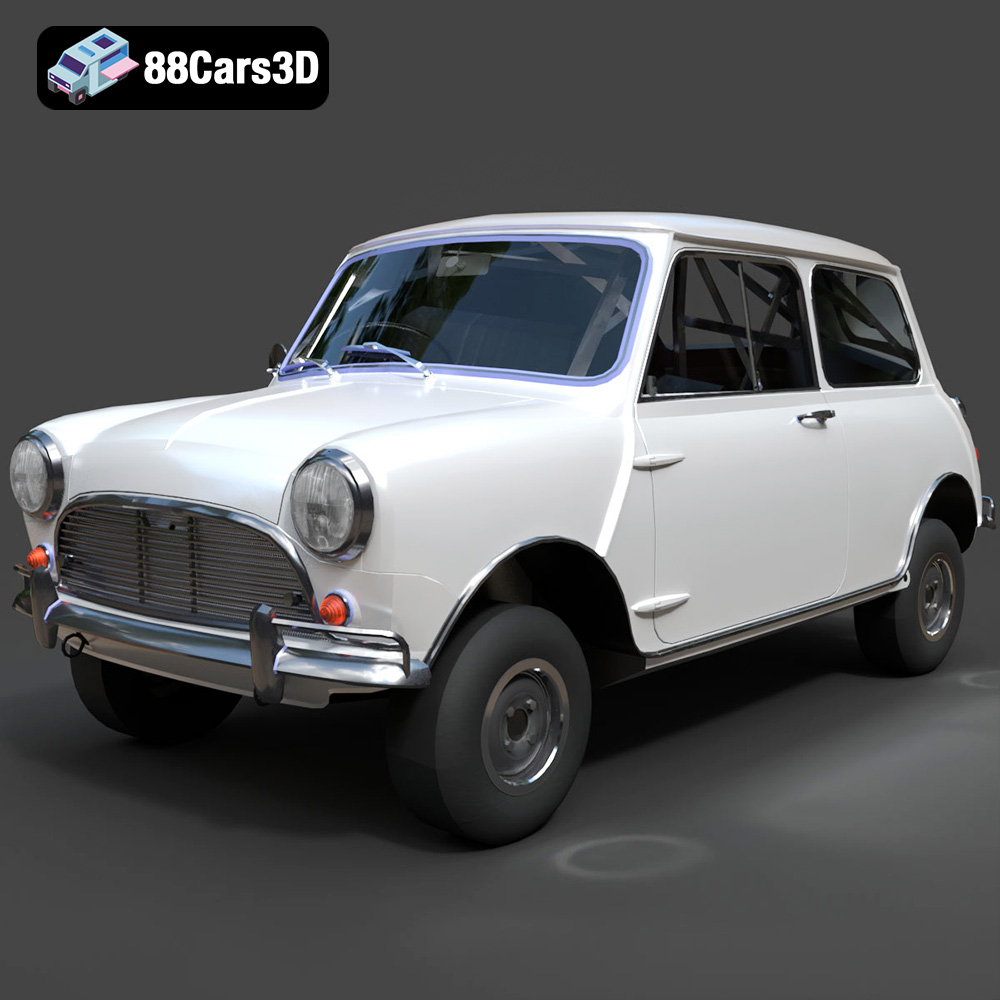
Download the Austin Mini Cooper S 1965 3D Model featuring clean geometry, realistic detailing, and a fully modeled interior. Includes .blend, .fbx, .obj, .glb, .stl, .ply, .unreal, and .max formats for rendering, simulation, and game development.
Price: $10

