Get 50% OFF All Premium 3D & STL Models!

“`html
The world of 3D printing has revolutionized how we create, prototype, and even collect. For automotive enthusiasts and model makers, 3D printing offers an incredible opportunity to bring dream cars to life in miniature. However, the two dominant 3D printing technologies – Fused Deposition Modeling (FDM) and Stereolithography (SLA) resin printing – offer distinct advantages and disadvantages. Choosing the right method for printing car STL files is crucial for achieving the desired level of detail, accuracy, and overall quality. This comprehensive guide will delve into the technical aspects of both FDM and resin printing, providing you with the knowledge needed to make an informed decision and unlock the full potential of 3D printing your favorite cars. We’ll explore everything from material properties and printer settings to post-processing techniques and troubleshooting common issues. Let’s dive in and discover which technology best suits your 3D printed automotive aspirations.
Fused Deposition Modeling (FDM) is perhaps the most recognizable form of 3D printing. It involves extruding a thermoplastic filament through a heated nozzle, layer by layer, onto a build platform. While FDM printers are known for their affordability and versatility, their suitability for printing intricate car models requires careful consideration.
FDM printers primarily use thermoplastics like PLA, ABS, PETG, and nylon. Each material possesses unique characteristics that impact the final print. PLA is biodegradable, easy to print, and offers good rigidity, making it a popular choice for beginners and aesthetic models. ABS, on the other hand, is more durable and heat-resistant but requires a heated bed and enclosure to prevent warping. PETG combines the ease of printing of PLA with the strength and heat resistance of ABS. When choosing a filament for your car STL files, consider the desired finish, strength requirements, and environmental conditions the model will be exposed to. For instance, if the model will be displayed in a sunny location, ABS or PETG might be preferable to PLA due to their higher heat resistance. Experimentation is key to finding the perfect filament for your specific needs.
Achieving high-quality car models with FDM printing requires fine-tuning several printer settings. Layer height is a critical factor – lower layer heights (e.g., 0.1mm to 0.15mm) produce smoother surfaces and finer details, but also increase print time significantly. Infill percentage affects the model’s strength and weight; for car models, a 15-25% infill is generally sufficient for structural integrity. Print speed should be adjusted based on the filament and desired quality; slower speeds (e.g., 40-60mm/s) often result in cleaner prints with fewer imperfections. Bed adhesion is crucial to prevent warping; using a heated bed (60-70°C for PLA, 80-110°C for ABS) and applying a bed adhesive like glue stick or hairspray can significantly improve adhesion. Support structures are often necessary to print overhangs and complex geometries; selecting the appropriate support type (e.g., tree supports, linear supports) and adjusting support density can optimize print quality and ease removal. Slicing software like Cura or PrusaSlicer allows you to precisely control these settings and tailor them to your specific car STL file.
Resin 3D printing, particularly Stereolithography (SLA) and Digital Light Processing (DLP), utilizes liquid resin cured by UV light to create incredibly detailed and accurate parts. This technology excels in producing intricate car models with smooth surfaces and fine features, making it a favorite among experienced hobbyists and professional model makers.
A wide variety of resins are available for 3D printing, each offering different properties. Standard resin provides good detail and is suitable for general-purpose models. Tough resin offers increased impact resistance and durability, making it ideal for parts that need to withstand stress. Flexible resin allows for the creation of flexible or rubber-like parts, which can be useful for tires or other deformable components in car models. Castable resin is designed for investment casting, enabling the creation of metal car models from 3D printed resin patterns. When selecting a resin, consider the desired mechanical properties, the level of detail required, and any post-processing steps you plan to perform. Always consult the resin manufacturer’s recommendations for optimal printing settings.
Resin printing also requires careful calibration of printer settings for optimal results. Layer height is even more critical in resin printing than in FDM; layer heights of 0.025mm to 0.05mm are common for achieving exceptional detail in car models. Exposure time determines how long each layer is exposed to UV light; incorrect exposure can lead to over- or under-cured parts. Lift speed and distance affect how quickly and far the build platform moves between layers; optimizing these settings can prevent layer separation and improve print success. Support structures are essential for resin printing, as they support the model during printing and prevent warping; carefully placing and orienting the supports can minimize their impact on the final surface finish. Platforms like 88cars3d.com offer print-ready STL files that are often optimized for resin printing, including pre-supported models. Slicing software such as Chitubox and Lychee Slicer are commonly used to prepare models for resin printing.
Choosing between FDM and resin printing hinges on understanding their core differences. Here’s a head-to-head comparison:
Resin printing unequivocally wins in terms of detail and accuracy. The layer resolution in resin printing is significantly higher than in FDM, allowing for the creation of incredibly fine features and smooth surfaces. FDM printing, due to its layer-by-layer extrusion process, often exhibits visible layer lines, especially on curved surfaces. For car models where intricate details like panel lines, emblems, and small features are crucial, resin printing is the superior choice. However, advancements in FDM technology, such as smaller nozzle sizes and advanced slicing algorithms, are gradually closing the gap.
FDM printing offers a wider range of material options with varying mechanical properties, including high-strength and heat-resistant filaments. While resin materials are improving, they generally lack the same level of durability and heat resistance as FDM filaments. For car models that require high strength or will be subjected to high temperatures, FDM printing might be more suitable. However, specialized resins like tough resin and heat-resistant resin are available for specific applications. Furthermore, post-processing techniques like coating with epoxy resin can improve the durability and heat resistance of resin prints.
FDM printers are generally more affordable than resin printers, both in terms of initial cost and running costs. FDM filaments are also typically less expensive than resin. FDM printing is also generally considered easier to use, especially for beginners. Resin printing requires more careful handling of materials and post-processing steps, such as washing and curing the prints. However, the learning curve for both technologies is manageable with proper guidance and practice. When downloading models from marketplaces such as 88cars3d.com, consider the recommended printing technology and factor in the associated costs and learning curve.
Regardless of whether you choose FDM or resin printing, proper STL file preparation is crucial for achieving successful prints. This involves ensuring the file is watertight, free of errors, and optimized for the chosen printing technology.
STL files often contain errors such as non-manifold edges, flipped normals, and holes in the mesh. These errors can lead to printing failures. Mesh repair software like Meshmixer, Netfabb, and 3D Builder can automatically detect and fix these errors. Before printing any car STL file, it’s essential to run it through a mesh repair tool to ensure it’s watertight and free of errors. Non-manifold edges occur when an edge is shared by more than two faces, while flipped normals cause surfaces to appear inside-out. Repairing these issues ensures that the slicing software can correctly interpret the model’s geometry.
Print orientation significantly impacts print quality, support requirements, and overall print time. For FDM printing, orienting the model to minimize overhangs reduces the need for support structures. For resin printing, orienting the model at an angle allows for smoother layer transitions and reduces the suction forces that can cause layer separation. Support placement is also crucial; strategically placing supports in areas where they will have minimal impact on the final surface finish can improve the overall aesthetic quality of the model. Consider using tree supports in FDM printing, as they often provide better support with less material and easier removal. In resin printing, manually placing supports in critical areas can prevent warping and ensure successful printing. Many platforms offer pre-supported STL files to simplify the printing process.
Post-processing is an essential step in both FDM and resin printing, transforming raw prints into polished and professional-looking car models.
Sanding is used to smooth layer lines and remove imperfections from both FDM and resin prints. Start with coarse sandpaper (e.g., 220 grit) and gradually move to finer grits (e.g., 400, 600, 800 grit) for a smooth finish. Filling gaps and imperfections with filler or putty can further enhance the surface quality. Priming provides a smooth base for painting and improves paint adhesion. Choose a primer that is compatible with the material you are printing with. Multiple thin coats of primer are generally better than one thick coat.
Painting is the final step in creating a realistic car model. Use automotive-grade paints for a durable and glossy finish. Apply multiple thin coats of paint, allowing each coat to dry completely before applying the next. Use masking tape to create clean lines and separate different colored areas. Detailing techniques such as applying decals, adding chrome accents, and weathering can further enhance the realism of the model. Consider using an airbrush for a smooth and even paint application. Seal the paint with a clear coat for added protection and shine.
Even with careful planning and execution, 3D printing can sometimes present challenges. Understanding common printing issues and how to troubleshoot them is essential for a smooth printing experience.
Warping is a common issue in FDM printing, especially with materials like ABS. It occurs when the printed part cools and shrinks, causing it to lift from the build platform. To prevent warping, use a heated bed, apply a bed adhesive, and print in an enclosure to maintain a consistent temperature. In resin printing, warping can occur due to improper support placement or insufficient exposure time. Ensure that the model is adequately supported and that the exposure settings are properly calibrated. Bed adhesion problems can be caused by a dirty or uneven build platform. Clean the build platform with isopropyl alcohol before each print and level the bed carefully.
Layer separation occurs when layers of the printed part fail to adhere to each other. In FDM printing, this can be caused by low nozzle temperature, insufficient cooling, or printing too fast. Increase the nozzle temperature, reduce the print speed, and ensure that the cooling fan is working properly. In resin printing, layer separation can be caused by insufficient exposure time, low lift speed, or contaminated resin. Increase the exposure time, reduce the lift speed, and ensure that the resin is clean and properly mixed. Print failures can be caused by a variety of factors, including errors in the STL file, incorrect printer settings, or mechanical problems with the printer. Carefully inspect the printer and the STL file for any potential issues. Regularly maintain your printer to prevent mechanical problems.
Ultimately, the choice between resin and FDM printing for car STL files depends on your specific needs and priorities. If you prioritize exceptional detail, smooth surfaces, and intricate features, resin printing is the clear winner. However, if you need high strength, heat resistance, or are on a tighter budget, FDM printing might be a more practical option. As 3D printing technology continues to advance, the gap between these two methods is narrowing, with both becoming more capable and versatile. By understanding the strengths and weaknesses of each technology and carefully optimizing your printer settings and post-processing techniques, you can achieve stunning results with either FDM or resin printing. Explore platforms like 88cars3d.com for high-quality, print-ready STL files and embark on your 3D printing journey today! Don’t be afraid to experiment and learn from your experiences – the world of 3D printed car models is vast and exciting, offering endless possibilities for creativity and innovation.
“`
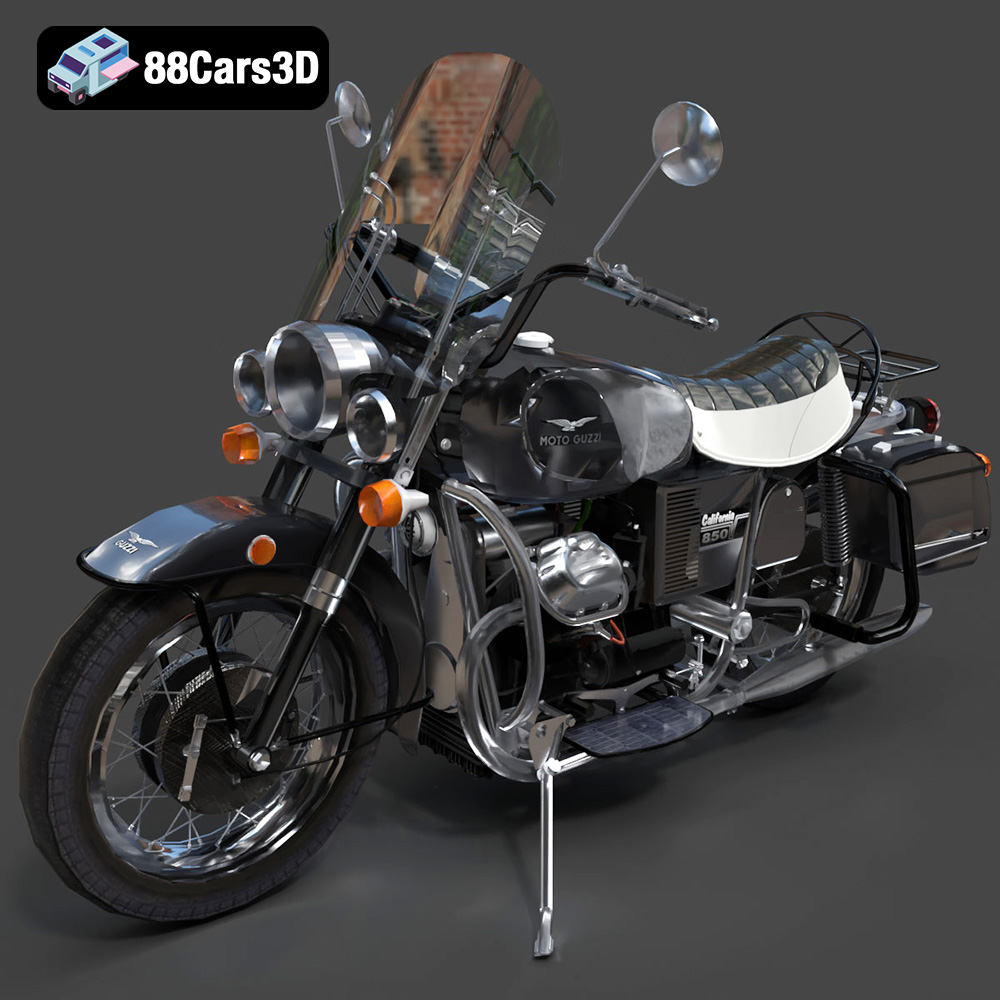
Texture: Yes
Material: Yes
Download the Moto Guzzi Classic Motorcycle 2024 3D Model featuring clean geometry, realistic detailing, and a fully modeled interior. Includes .blend, .fbx, .obj, .glb, .stl, .ply, .unreal, and .max formats for rendering, simulation, and game development.
Price: $10
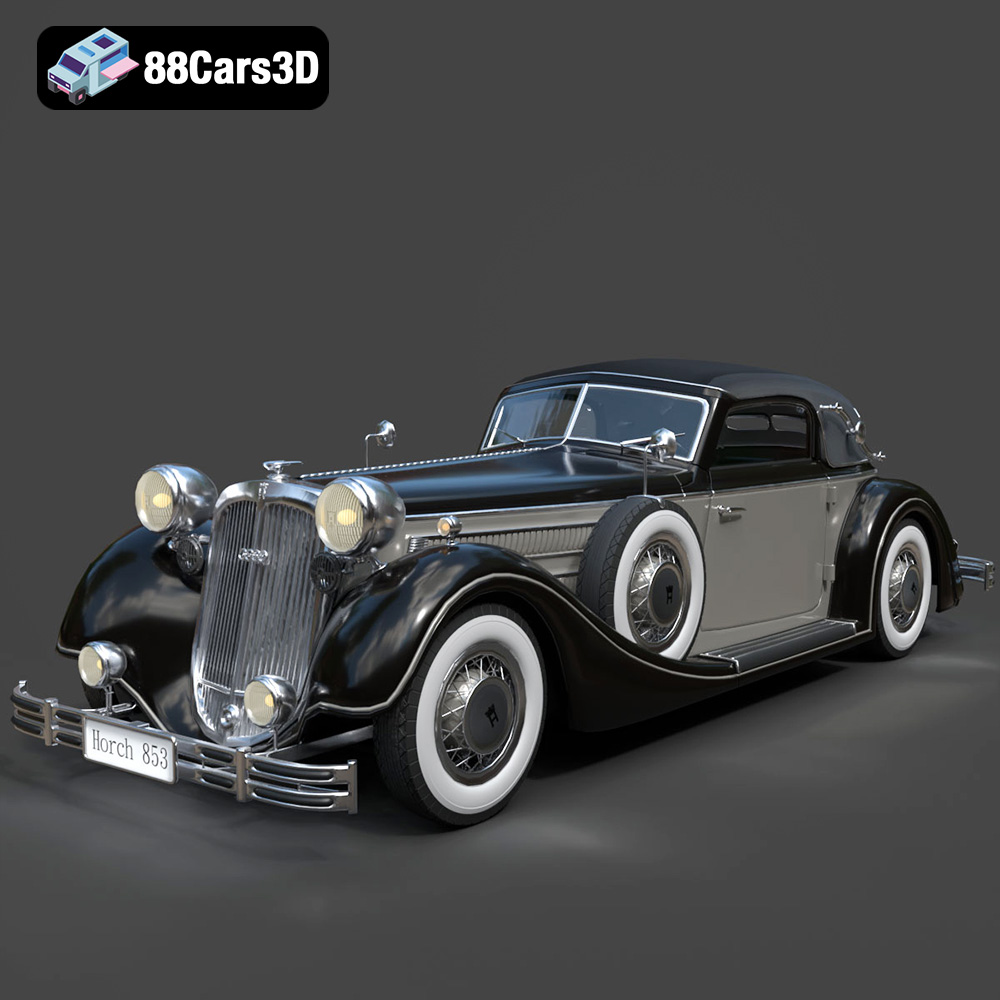
Texture: Yes
Material: Yes
Download the Horch 853 Sport Cabriolet 1937 3D Model featuring clean geometry, realistic detailing, and a fully modeled interior. Includes .blend, .fbx, .obj, .glb, .stl, .ply, .unreal, and .max formats for rendering, simulation, and game development.
Price: $10
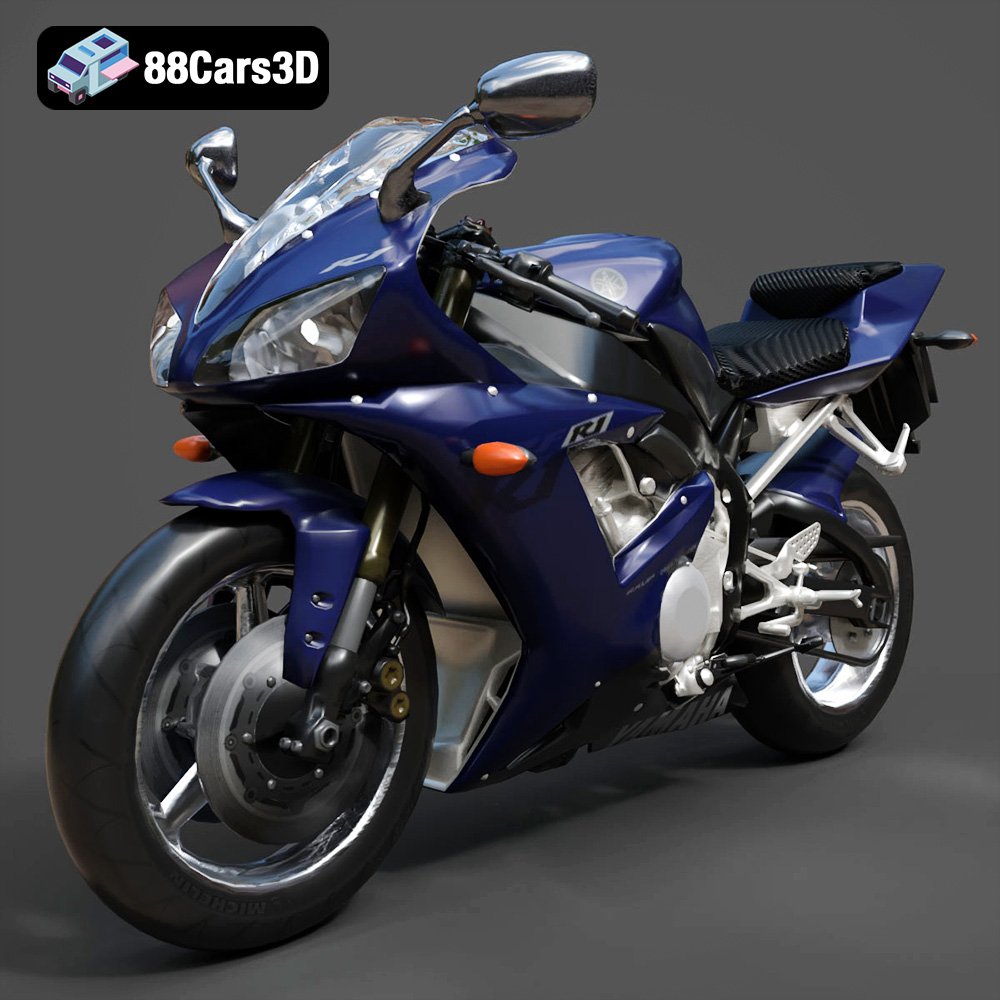
Texture: Yes
Material: Yes
Download the Yamaha YZF-R1 Motorcycle 3D Model featuring clean geometry, realistic detailing, and a fully modeled interior. Includes .blend, .fbx, .obj, .glb, .stl, .ply, .unreal, and .max formats for rendering, simulation, and game development.
Price: $10
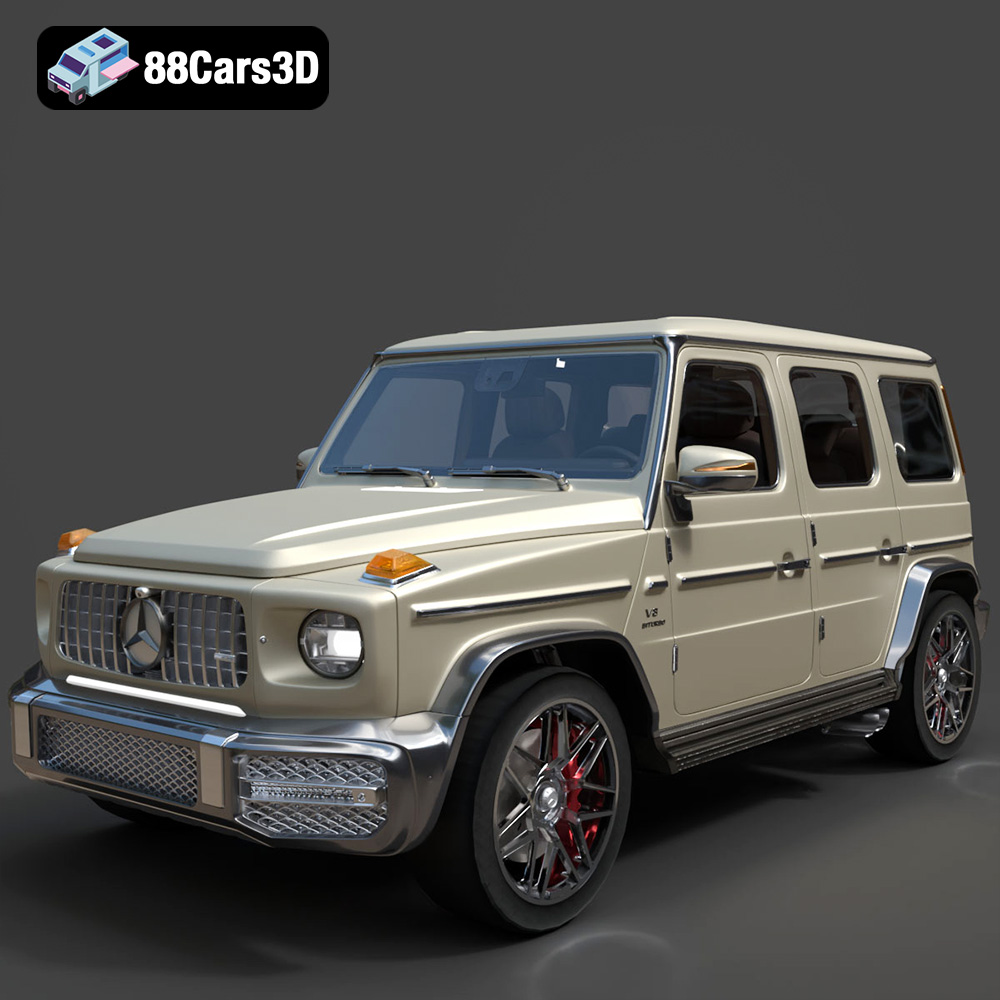
Texture: Yes
Material: Yes
Download the Mercedes Benz G63 AMG 2019 3D Model featuring clean geometry, realistic detailing, and a fully modeled interior. Includes .blend, .fbx, .obj, .glb, .stl, .ply, .unreal, and .max formats for rendering, simulation, and game development.
Price: $90
Texture: Yes
Material: Yes
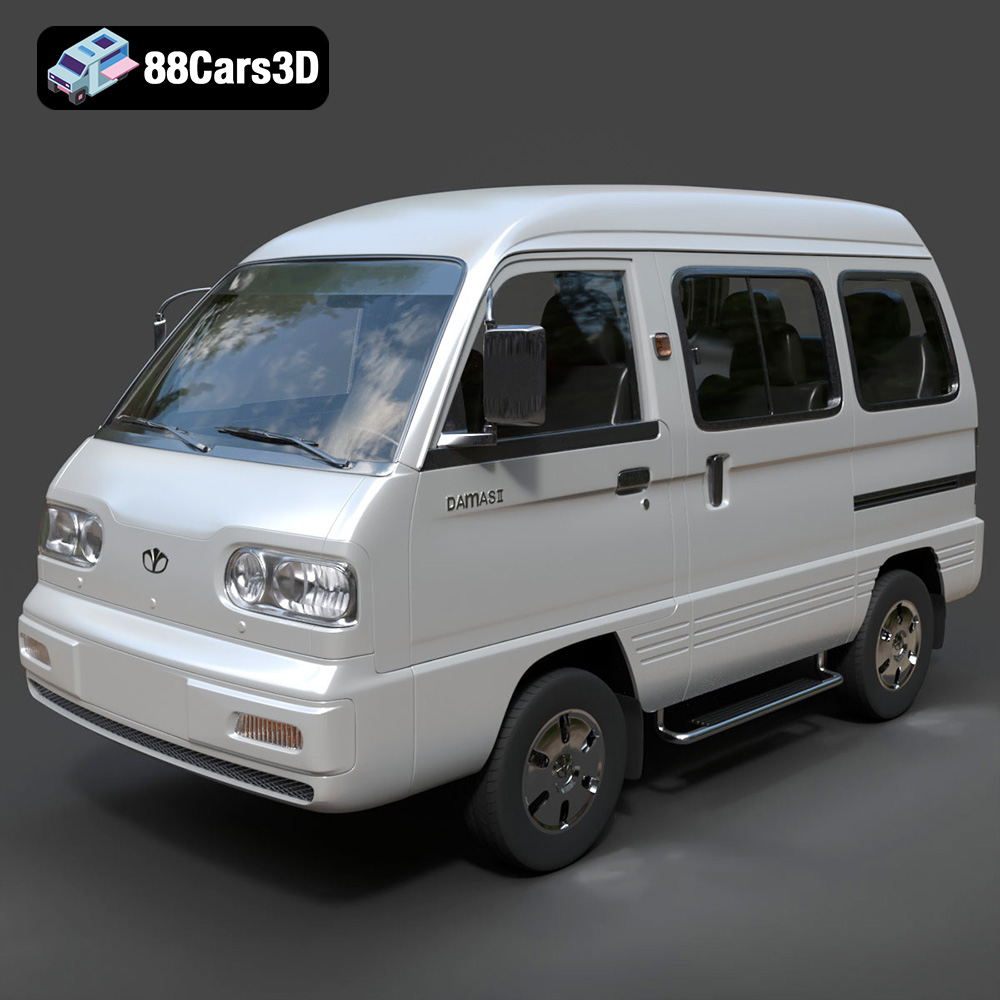
Download the Daewoo Damas Mk2 2012 3D Model featuring clean geometry, realistic detailing, and a fully modeled interior. Includes .blend, .fbx, .obj, .glb, .stl, .ply, .unreal, and .max formats for rendering, simulation, and game development.
Price: $10
Texture: Yes
Material: Yes
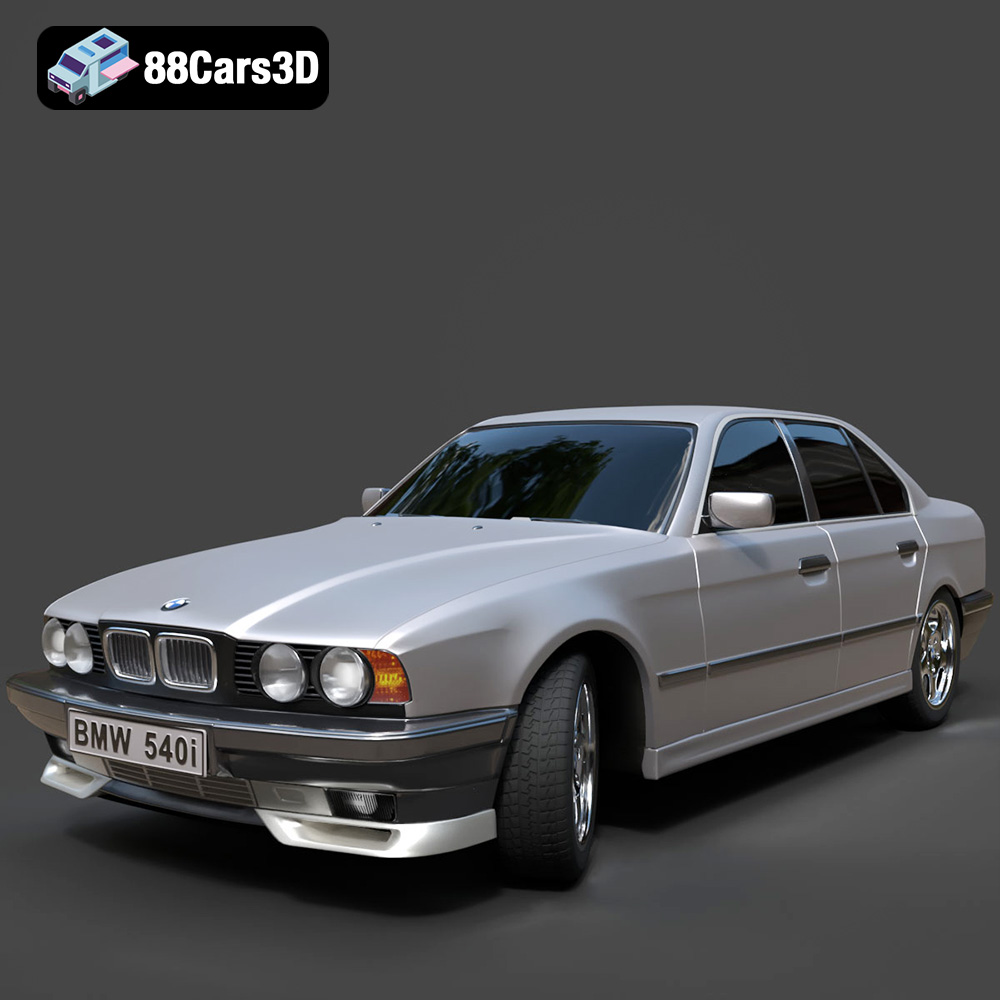
Download the BMW 540 E34 3D Model featuring clean geometry, realistic detailing, and a fully modeled interior. Includes .blend, .fbx, .obj, .glb, .stl, .ply, .unreal, and .max formats for rendering, simulation, and game development.
Price: $10
Texture: Yes
Material: Yes
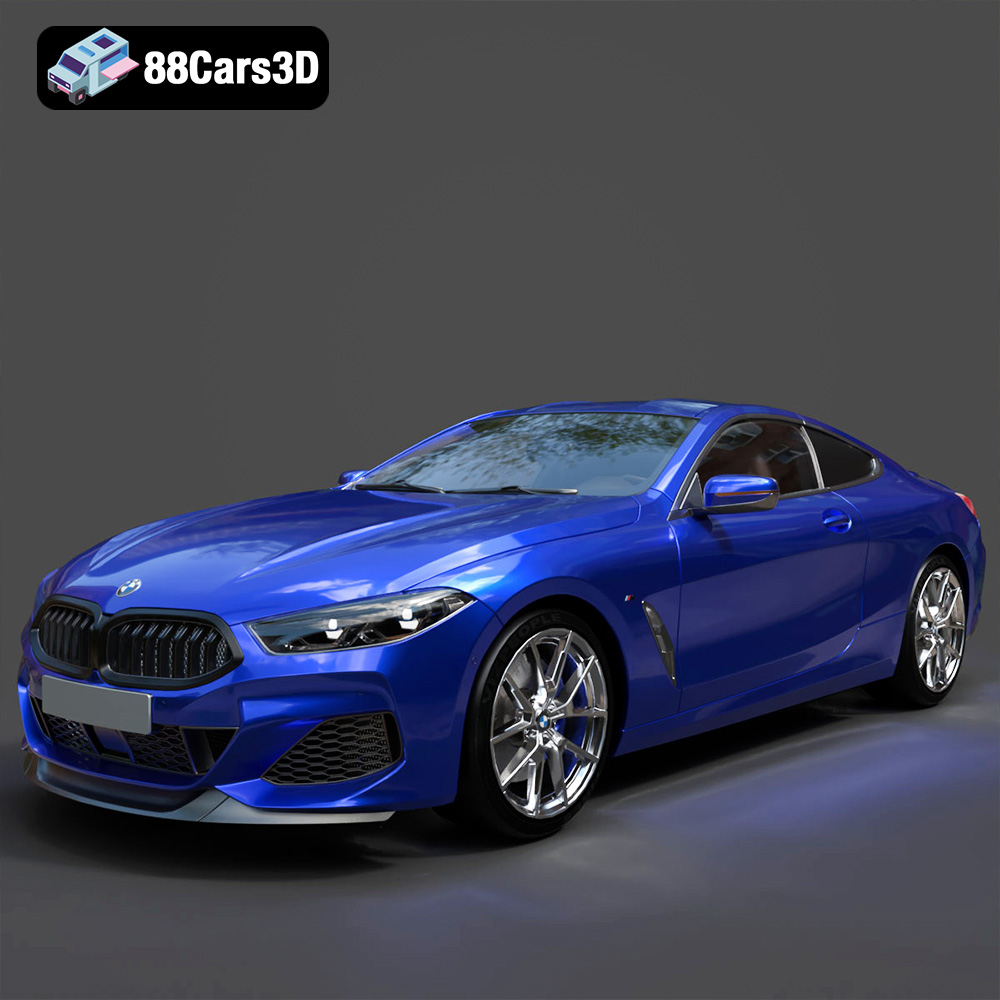
Download the BMW 8 Series Coupe 2020 3D Model featuring clean geometry, realistic detailing, and a fully modeled interior. Includes .blend, .fbx, .obj, .glb, .stl, .ply, .unreal, and .max formats for rendering, simulation, and game development.
Price: $10
Texture: Yes
Material: Yes
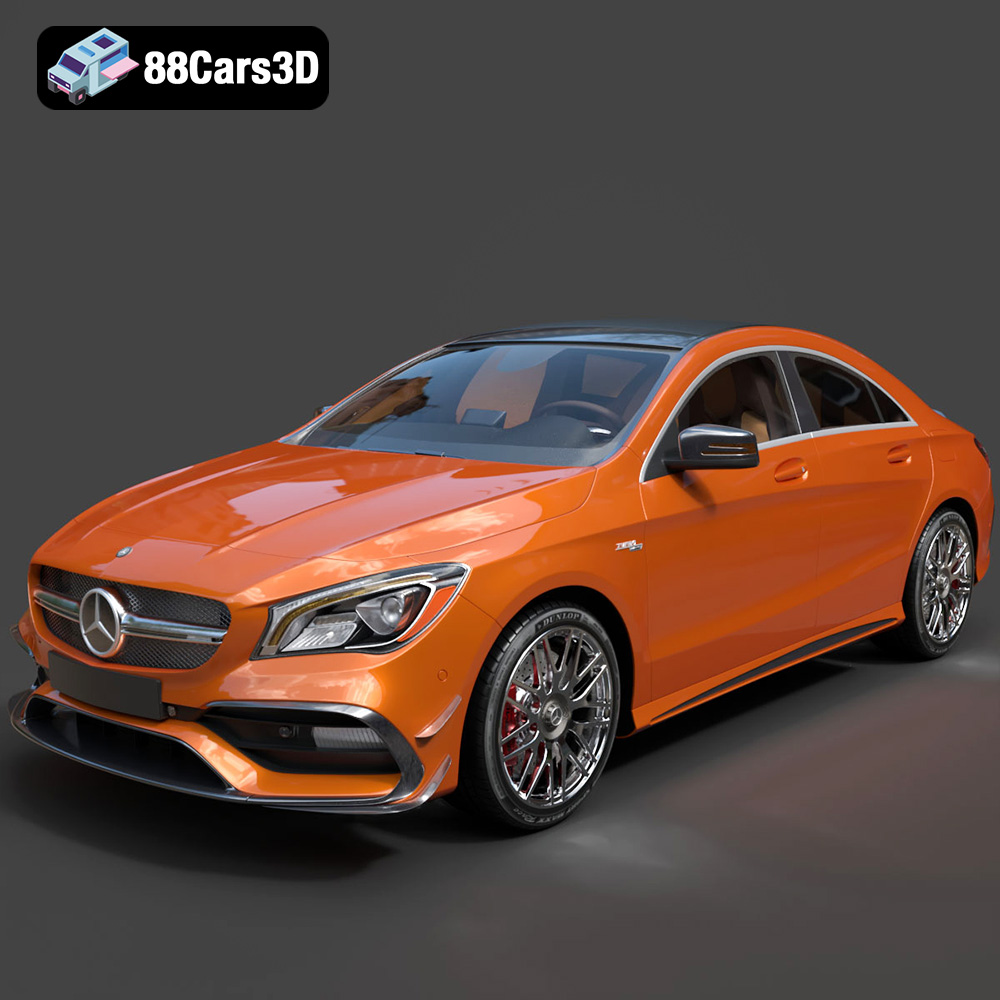
Download the Mercedes-Benz CLA45 AMG 2017 3D Model featuring clean geometry, realistic detailing, and a fully modeled interior. Includes .blend, .fbx, .obj, .glb, .stl, .ply, .unreal, and .max formats for rendering, simulation, and game development.
Price: $21.99
Texture: Yes
Material: Yes
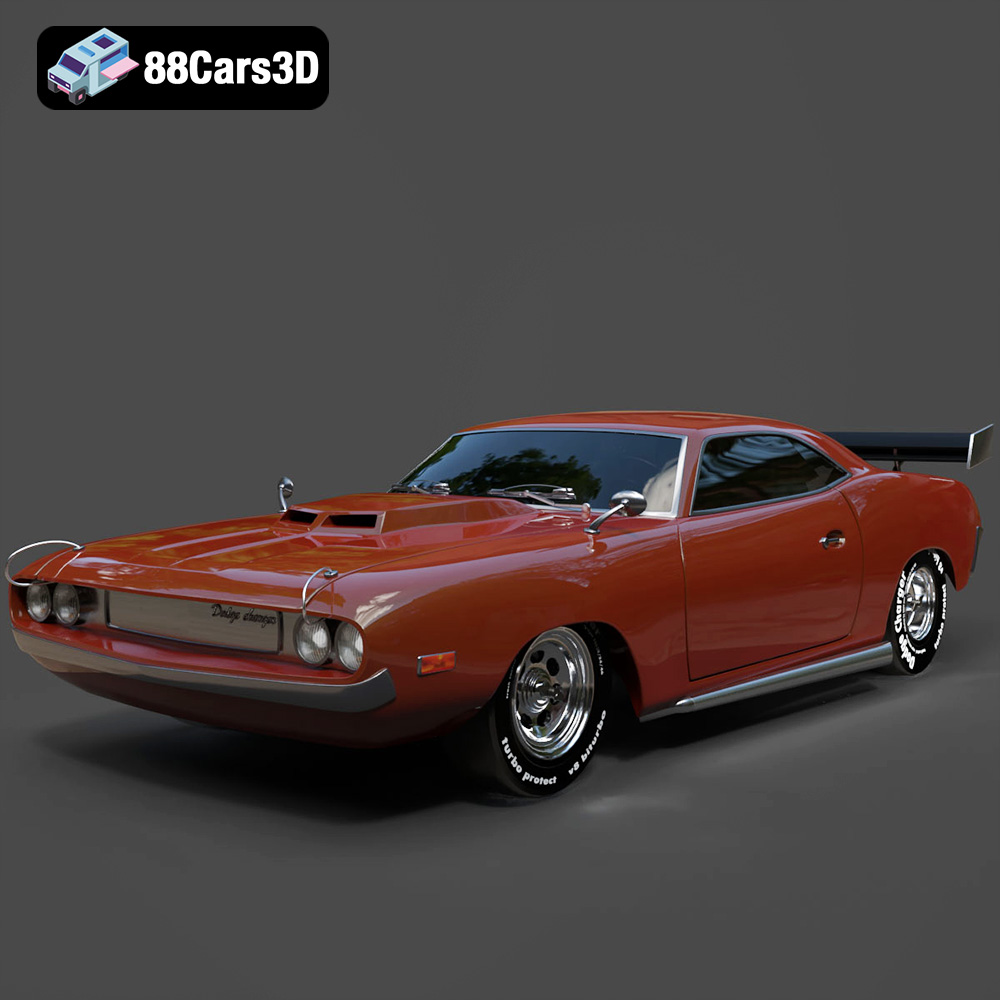
Download the Dodge Charger Car-004 3D Model featuring clean geometry, realistic detailing, and a fully modeled interior. Includes .blend, .fbx, .obj, .glb, .stl, .ply, .unreal, and .max formats for rendering, simulation, and game development.
Price: $10
Texture: Yes
Material: Yes
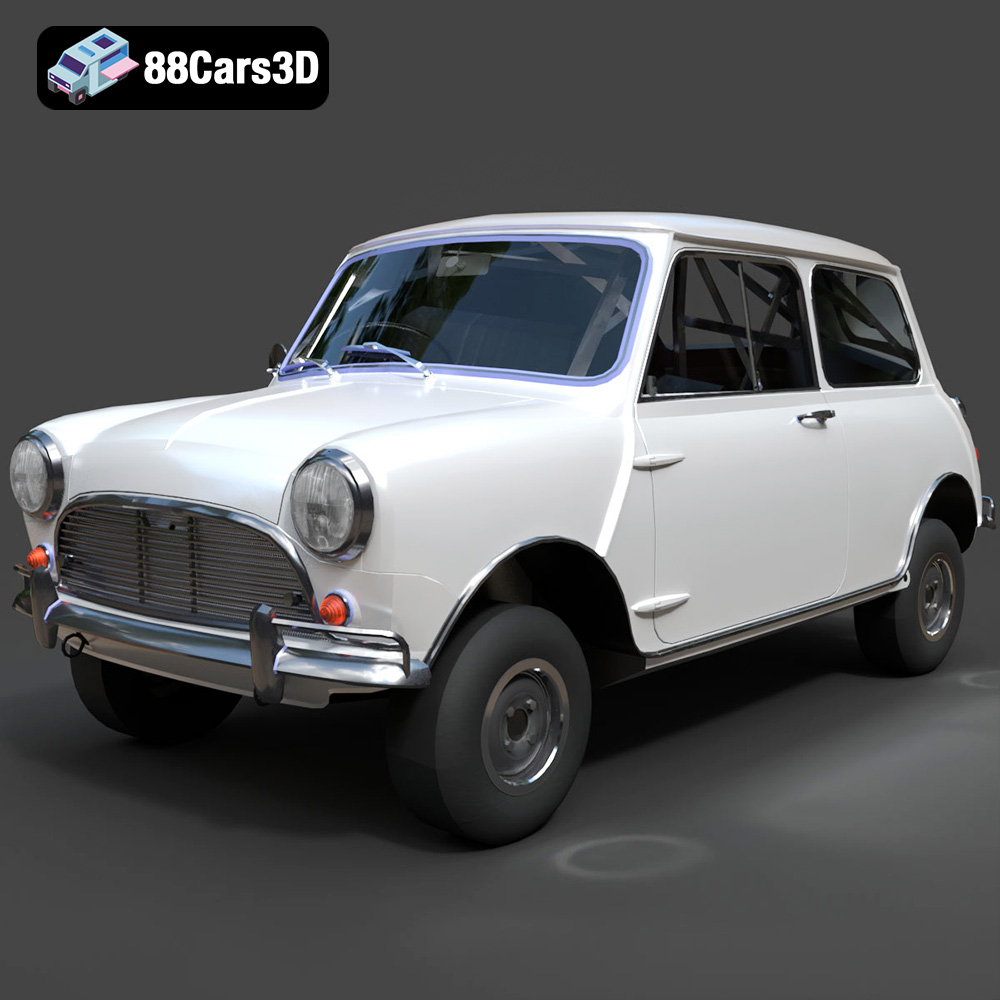
Download the Austin Mini Cooper S 1965 3D Model featuring clean geometry, realistic detailing, and a fully modeled interior. Includes .blend, .fbx, .obj, .glb, .stl, .ply, .unreal, and .max formats for rendering, simulation, and game development.
Price: $10

