Get 50% OFF All Premium 3D & STL Models!

In the world of high-fidelity automotive visualization, detail is king. From the subtle sheen of a metallic paint finish to the precise roar of a V8 engine, creating a truly immersive experience depends on managing a vast amount of complex data. Traditionally, developers might hard-code these values—engine horsepower, paint color hex codes, trim level specifications—directly into their Blueprints. While this works for simple projects, it quickly becomes a tangled, inflexible nightmare. Imagine needing to update performance stats for ten different vehicle models, or allowing a marketing team to tweak color options. This manual approach is inefficient, error-prone, and stifles collaboration. This is where a data-driven approach becomes not just a best practice, but a necessity for professional-grade projects.
This comprehensive guide will demystify the process of building scalable, data-driven systems in Unreal Engine, focusing on the power and flexibility of Data Assets. We will walk you through the entire workflow, from structuring your vehicle data and creating reusable Data Assets to integrating them into your vehicle Blueprints and building a dynamic user interface for a simple car configurator. You’ll learn how to separate your logic from your data, enabling rapid iteration, easier maintenance, and seamless collaboration between artists, designers, and developers. By the end, you’ll be equipped to build sophisticated, interactive automotive experiences that are as robust under the hood as they are stunning on the screen.
Before diving into the practical steps, it’s crucial to grasp the core philosophy behind data-driven design. This paradigm shift in how you approach project architecture is fundamental to creating scalable and maintainable interactive applications, especially in a data-heavy field like automotive visualization. It’s about making your project smarter, not harder to manage.
At its heart, data-driven design is the practice of separating data from logic. Instead of embedding specific values directly into your game code or Blueprint graphs, you store that data in external, easily editable assets. The logic then reads from these assets to determine its behavior. For example, instead of a vehicle Blueprint having a hard-coded variable like MaxSpeed = 250.0, it would have a reference to a data asset and retrieve the top speed by accessing VehicleDataAsset.TopSpeed. This seemingly small change has massive implications. Your core vehicle logic remains unchanged, while the performance characteristics can be swapped, tweaked, or expanded simply by creating or editing a data asset. This modularity is the key to efficiency and scalability in complex projects.
Unreal Engine provides a powerful set of tools designed specifically for this purpose. The primary components you’ll work with are:
While Data Tables are excellent for large lists, this guide focuses on Data Assets for their object-oriented flexibility, making them perfect for defining distinct, complex entities like different vehicle configurations.
The benefits of this approach in an automotive context are immense. Consider building a real-time car configurator. A single 3D car model could have multiple engine options, dozens of paint colors, several wheel choices, and various interior materials. Using a data-driven workflow, each of these options can be represented by a Data Asset. A “Sport Trim” Data Asset could contain references to a V8 engine Data Asset, a specific set of wheel meshes, and premium interior materials. Changing the trim level in the UI is as simple as telling the vehicle Blueprint to load its properties from a different Data Asset. This decouples the presentation layer (the 3D model) from the specification data, leading to cleaner Blueprints and a system that designers can easily update without ever needing to open a single graph.
The first step in any data-driven workflow is to meticulously define the structure of your data. This foundational work ensures that your system is logical, organized, and easy to expand later. In Unreal Engine, this process begins with creating a Struct to act as a template for your data, followed by creating a Data Asset to house it.
A Struct is the schematic for your data. It declares what variables you need and what type they are. For our automotive example, let’s create a Struct to hold performance specifications for an engine.
F_CarEngineData. The “F_” prefix is a common C++ naming convention for Structs in Unreal.String – For displaying the name, e.g., “4.0L Twin-Turbo V8”.Integer – The engine’s peak horsepower.Integer – The peak torque in Newton-meters.Float – The vehicle’s top speed in kilometers per hour.Float – The time in seconds to go from 0 to 100 KPH.While a Struct defines the *shape* of the data, a Data Asset is the actual container that will hold it as a persistent asset in your project. We’ll use a `PrimaryDataAsset`, a special type that integrates with Unreal’s powerful Asset Management system.
PrimaryDataAsset. Click “Select”.DA_CarEngineBase. The “DA_” prefix clearly marks it as a Data Asset.DA_CarEngineBase. In the “My Blueprint” panel, click “Add Variable”.EngineData. In the Details panel, set its “Variable Type” to the Struct you just created: F_CarEngineData.Now for the exciting part: creating the actual data. Each specific engine type will be a new Data Asset instance filled with unique values.
DA_CarEngineBase you just created.DA_V6_Engine.DA_V8_Engine, this time filling it with more powerful V8 stats (e.g., Horsepower: 550, Torque: 700, etc.).You have now successfully separated your data from any potential logic. You have two distinct, self-contained assets representing two different engines, ready to be plugged into any vehicle in your project.
With your data neatly structured and populated in Data Assets, the next logical step is to make your vehicle aware of this data. This involves adding a reference to the Data Asset in your vehicle’s Blueprint and then using that reference to drive its behavior and properties at runtime.
First, we need to equip our vehicle Blueprint with a variable that can hold a reference to one of our engine Data Assets. This variable will act as the “socket” into which we can plug any engine data we’ve created.
BP_SportsCar).EngineDataAsset.DA_CarEngineBase and select Object Reference.Now, we need to teach the vehicle how to read the data from the assigned asset and apply it. The `Event BeginPlay` node is the perfect place for this initial setup, as it runs once when the car is spawned into the world.
Event BeginPlay node.EngineDataAsset variable onto the graph to create a “Get” node.IsValid. Use the node with the `?` icon. This is a vital check to ensure a Data Asset has actually been assigned, preventing errors if you forget.EngineData struct variable from within it.Break F_CarEngineData node. This will expose all the individual variables (Horsepower, TopSpeed_KPH, etc.) as separate output pins.Horsepower and Torque_NM values and pass them into functions that control your Vehicle Movement Component’s engine simulation. You can also print the EngineName to the screen to verify it’s working.The true power of this system becomes apparent when you see how easily you can alter the car’s entire performance profile without touching a single line of Blueprint logic. Because we made the EngineDataAsset variable “Instance Editable,” you can now create different versions of your car in the same level.
Place two instances of your BP_SportsCar in your level. Select the first one. In its Details panel, find the “Engine Data Asset” dropdown and assign DA_V6_Engine. Now, select the second instance and assign DA_V8_Engine to it. When you press play, even though they are both instances of the same Blueprint, they will behave completely differently based on the data you fed them. One will be the tamer V6 version, and the other will be the high-performance V8. This is the core principle of a data-driven workflow in action: one set of logic, multiple behaviors driven by data.
A data-driven backend is powerful, but its true potential is realized when exposed to the user through an interactive interface. Let’s build a simple UI that allows the user to switch between our V6 and V8 engine options at runtime and see the vehicle’s stats update in real-time. This is the foundation of any professional automotive visualization configurator.
First, we need to create the visual elements for our configurator. A Widget Blueprint is Unreal Engine’s tool for crafting user interfaces.
WBP_Configurator.Next, we need to make the buttons functional. When a user clicks a button, the UI needs to communicate with the vehicle in the world and tell it to change its engine Data Asset.
WBP_Configurator graph, create a new variable named VehicleReference and set its type to your BP_SportsCar Object Reference. Make it “Instance Editable” and “Expose on Spawn” so we can pass our car into the widget when we create it.VehicleReference. Drag a wire from it and call a new custom event on the vehicle, which we’ll name `UpdateEngineData`.UpdateEngineData event in your BP_SportsCar Blueprint. Add an input parameter to it of type DA_CarEngineBase and name it NewEngineData. Inside this event, simply use a `Set EngineDataAsset` node to set the vehicle’s variable to the new one passed in.Finally, the UI needs to update itself to reflect the currently selected engine. We’ll create a function to handle this.
BP_SportsCar, after you set the new data in the `UpdateEngineData` event, add another custom event call named `ApplyNewEngineStats`. In this new event, re-run the logic from your `BeginPlay` to break the struct and apply the new performance values to the car’s components.UpdateStatDisplay. Inside this function, get the VehicleReference, get its EngineDataAsset, break the struct, and use the `SetText` nodes on your text block variables (`Text_Horsepower`, etc.) to display the new data. Use a `Format Text` node for clean formatting (e.g., “Horsepower: {hp}”).With this loop, the user clicks a button, the UI tells the car to change its data, the car updates its own physics, and then tells the UI to refresh its display. You’ve created a fully functional, data-driven configurator.
Once you’ve mastered the basics of linking Data Assets to Blueprints, you can explore more advanced concepts to build truly robust and high-performance applications. These techniques are essential for scaling your projects from simple demos to full-featured virtual showrooms or games.
A common point of confusion is when to use a Data Asset versus a Data Table. The choice depends entirely on the nature and complexity of your data.
In a large-scale automotive configurator, you might have dozens of high-resolution 3D car models, each with numerous 4K textures. Loading all of these assets into memory at once would cause a significant performance bottleneck and long initial load times. This is where Unreal’s Asset Manager comes in. Because we used `PrimaryDataAsset`, our `DA_CarEngineBase` and its children are automatically registered with the Asset Manager. This allows us to load them asynchronously (on-demand).
Instead of holding a direct object reference, you can use a “Soft Object Reference” to your Data Assets. Then, using Blueprint nodes like `Async Load Asset`, you can request the asset to be loaded in the background. You can display a loading icon while it’s being streamed in and then apply the data once the load is complete. This is a critical optimization technique for ensuring a smooth user experience in applications with a large amount of content.
For a full-fledged configurator, you’ll need to go beyond a single Struct. The real power comes from nesting Structs and composing data. Imagine a top-level Data Asset called `DA_VehicleTrim`. This asset could contain several variables:
By structuring your data this way, selecting a single “Track Edition” trim asset can trigger a cascade of changes, swapping out the engine, wheels, and all interior materials in one go. This highly organized, hierarchical data structure is the hallmark of a professional, scalable real-time rendering application.
A sophisticated data-driven system is only as impressive as the visual assets it controls. The highest-quality data means nothing if the 3D model it’s applied to is poorly optimized or constructed. Ensuring your assets are prepared correctly is a non-negotiable step for a successful automotive visualization project.
The foundation of any configurator is the 3D car model itself. For a data-driven system to work effectively, the model must be built with modularity in mind. This means it should not be a single, monolithic mesh. Instead, it should be broken down into logical, distinct components:
Furthermore, the model must have clean topology, proper UV unwrapping for texturing, and logical material assignments. Each part that needs a different material (e.g., leather seats, carbon fiber trim) should have a unique material slot assigned in the 3D modeling software before export.
Creating such a detailed and well-structured model from scratch is an incredibly time-consuming process. This is where professional asset marketplaces provide immense value. Marketplaces such as 88cars3d.com specialize in providing optimized, high-fidelity automotive visualization assets that are perfectly suited for these data-driven workflows. When sourcing a model for this purpose, look for key features like multiple Levels of Detail (LODs) for performance scaling, clearly named objects in the hierarchy, and PBR-ready materials. Using a pre-made, game-ready asset allows you to focus your development time on the logic and interactivity rather than on the painstaking process of 3D modeling and optimization.
As your project grows, with multiple cars and countless configuration options, a strict and logical folder structure becomes paramount for maintainability. A chaotic Content Browser is a recipe for lost time and frustration. A recommended structure for a vehicle might look like this:
Content/
└── Vehicles/
    └── [Car_Model_Name]/
        ├── Blueprints/       (BP_Car, controller Blueprints)
        ├── Data/             (All Data Assets: DA_Engines, DA_Trims)
        ├── Materials/        (Master materials and material instances)
        ├── Meshes/           (All static and skeletal meshes for the car)
        └── Textures/         (All texture maps: albedo, normal, roughness)
By keeping all assets related to a specific vehicle neatly organized within a master folder, you make your project far easier to navigate, debug, and share with team members. When you combine this level of organization with high-quality models, such as those from a reputable source like 88cars3d.com, your data-driven pipeline becomes an efficient and powerful production tool.
We’ve journeyed from the foundational theory of data-driven design to the practical implementation of a dynamic automotive configurator in Unreal Engine. By embracing this methodology, you fundamentally elevate your projects from static scenes to interactive, scalable, and easily maintainable experiences. The core takeaway is the power of separation: by decoupling your detailed data from your core logic, you unlock unparalleled flexibility. Designers can fine-tune performance specs in a Data Asset without ever touching a Blueprint, artists can add new material options without a programmer’s help, and the entire system becomes more robust and future-proof.
The process we’ve outlined—defining data with Structs, encapsulating it in Primary Data Assets, integrating it into Blueprints, and controlling it with a UI—is a scalable pattern applicable to far more than just cars. It can be used for architectural visualization, product configurators, or complex character systems. Your next step is to apply these principles. Start small: convert a single hard-coded project to use a Data Asset for one set of properties. As you grow comfortable, expand the system to encompass materials, meshes, and more complex behaviors. For more in-depth information on the systems discussed, the official Unreal Engine documentation at https://dev.epicgames.com/community/unreal-engine/learning is an invaluable resource. By combining these powerful Unreal Engine techniques with high-quality 3D car models, you have all the necessary components to create truly professional-grade interactive applications that will captivate your audience.

Texture: Yes
Material: Yes
Download the Moto Guzzi Classic Motorcycle 2024 3D Model featuring clean geometry, realistic detailing, and a fully modeled interior. Includes .blend, .fbx, .obj, .glb, .stl, .ply, .unreal, and .max formats for rendering, simulation, and game development.
Price: $10

Texture: Yes
Material: Yes
Download the Horch 853 Sport Cabriolet 1937 3D Model featuring clean geometry, realistic detailing, and a fully modeled interior. Includes .blend, .fbx, .obj, .glb, .stl, .ply, .unreal, and .max formats for rendering, simulation, and game development.
Price: $10
Texture: Yes
Material: Yes
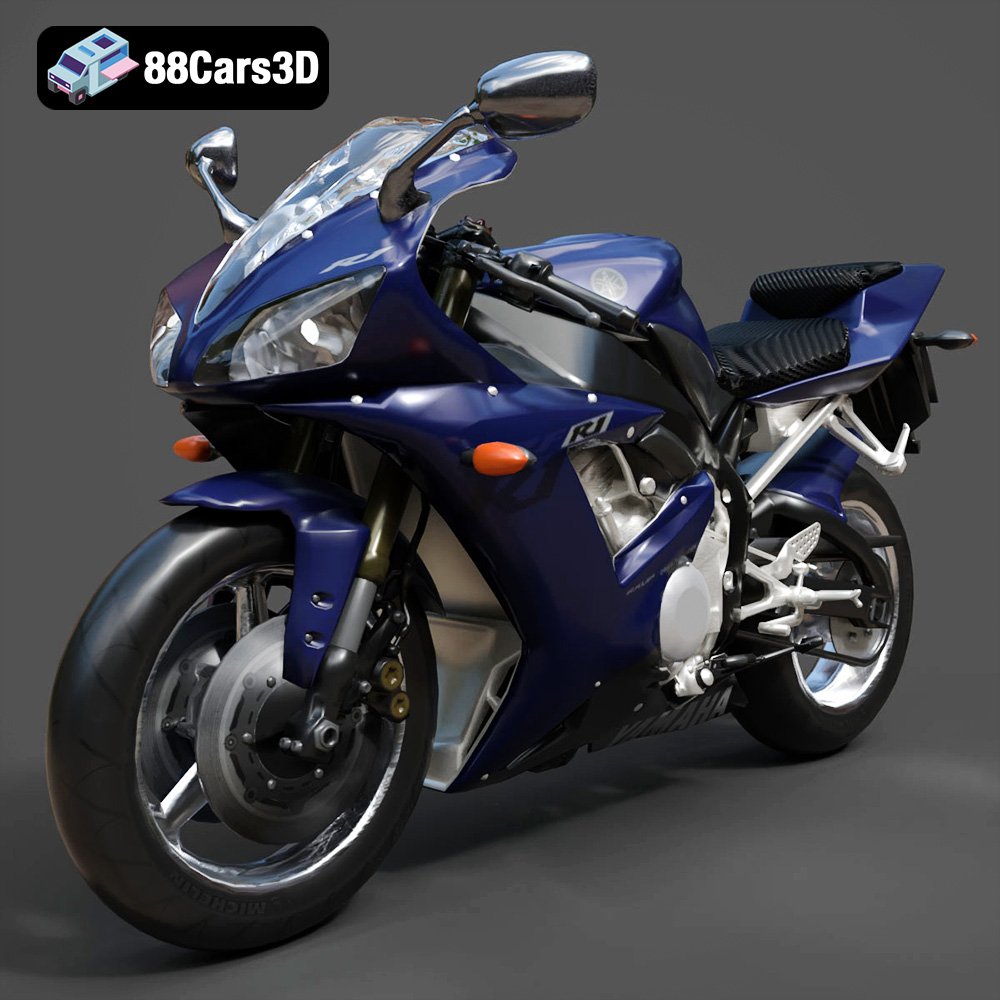
Download the Yamaha YZF-R1 Motorcycle 3D Model featuring clean geometry, realistic detailing, and a fully modeled interior. Includes .blend, .fbx, .obj, .glb, .stl, .ply, .unreal, and .max formats for rendering, simulation, and game development.
Price: $10

Texture: Yes
Material: Yes
Download the Mercedes Benz G63 AMG 2019 3D Model featuring clean geometry, realistic detailing, and a fully modeled interior. Includes .blend, .fbx, .obj, .glb, .stl, .ply, .unreal, and .max formats for rendering, simulation, and game development.
Price: $90

Texture: Yes
Material: Yes
Download the Daewoo Damas Mk2 2012 3D Model featuring clean geometry, realistic detailing, and a fully modeled interior. Includes .blend, .fbx, .obj, .glb, .stl, .ply, .unreal, and .max formats for rendering, simulation, and game development.
Price: $10
Texture: Yes
Material: Yes
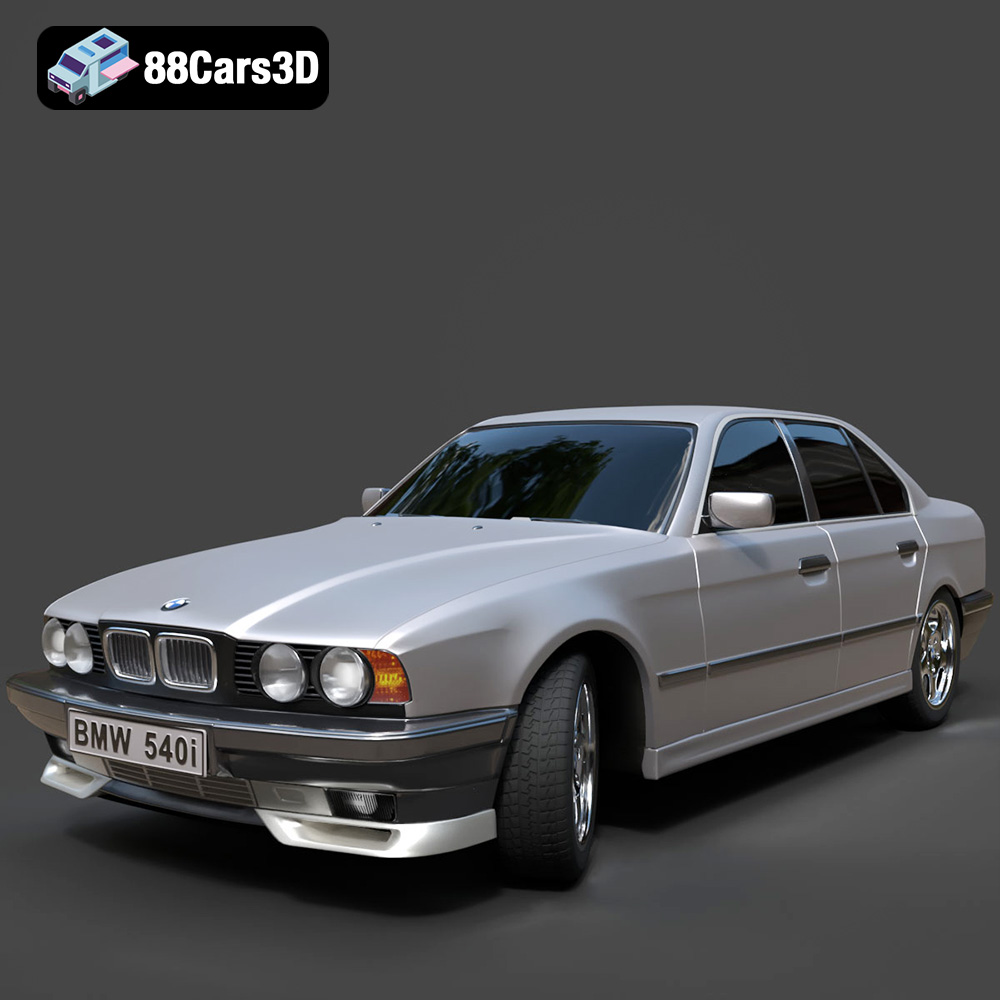
Download the BMW 540 E34 3D Model featuring clean geometry, realistic detailing, and a fully modeled interior. Includes .blend, .fbx, .obj, .glb, .stl, .ply, .unreal, and .max formats for rendering, simulation, and game development.
Price: $10
Texture: Yes
Material: Yes
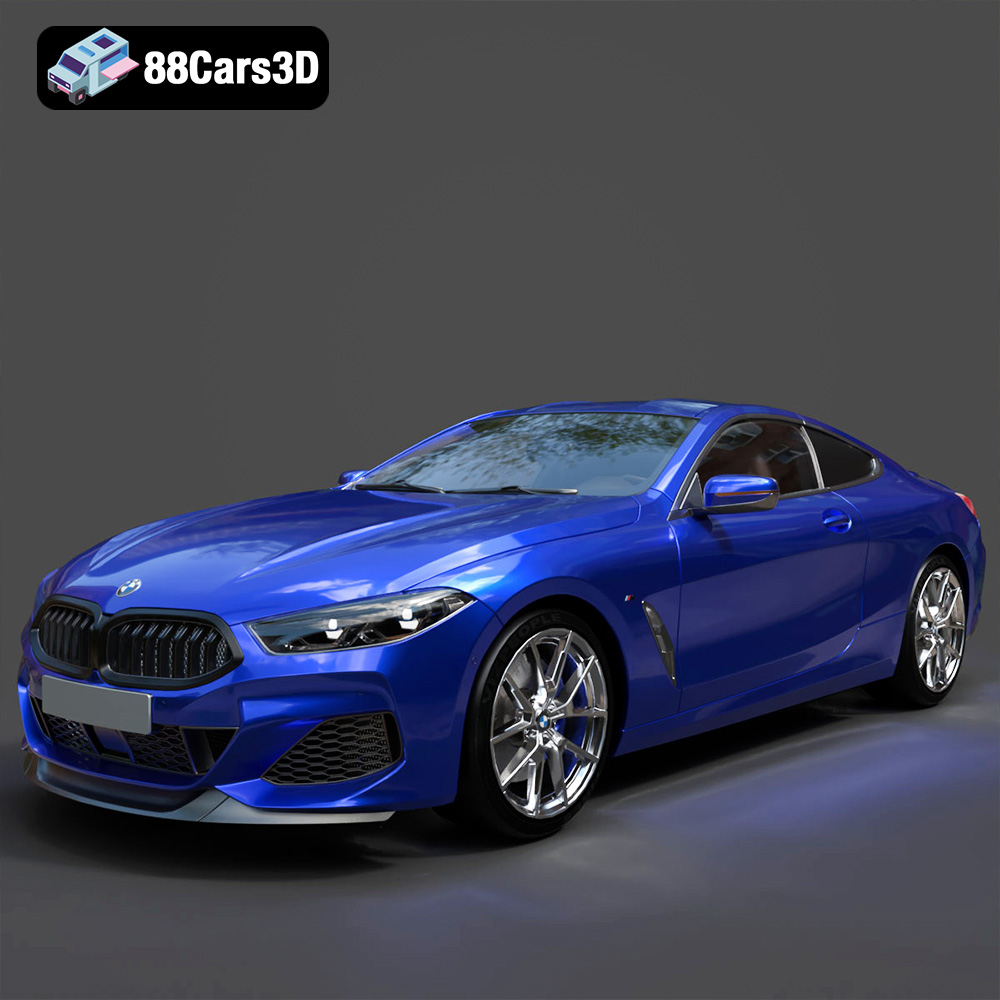
Download the BMW 8 Series Coupe 2020 3D Model featuring clean geometry, realistic detailing, and a fully modeled interior. Includes .blend, .fbx, .obj, .glb, .stl, .ply, .unreal, and .max formats for rendering, simulation, and game development.
Price: $10

Texture: Yes
Material: Yes
Download the Mercedes-Benz CLA45 AMG 2017 3D Model featuring clean geometry, realistic detailing, and a fully modeled interior. Includes .blend, .fbx, .obj, .glb, .stl, .ply, .unreal, and .max formats for rendering, simulation, and game development.
Price: $21.99
Texture: Yes
Material: Yes
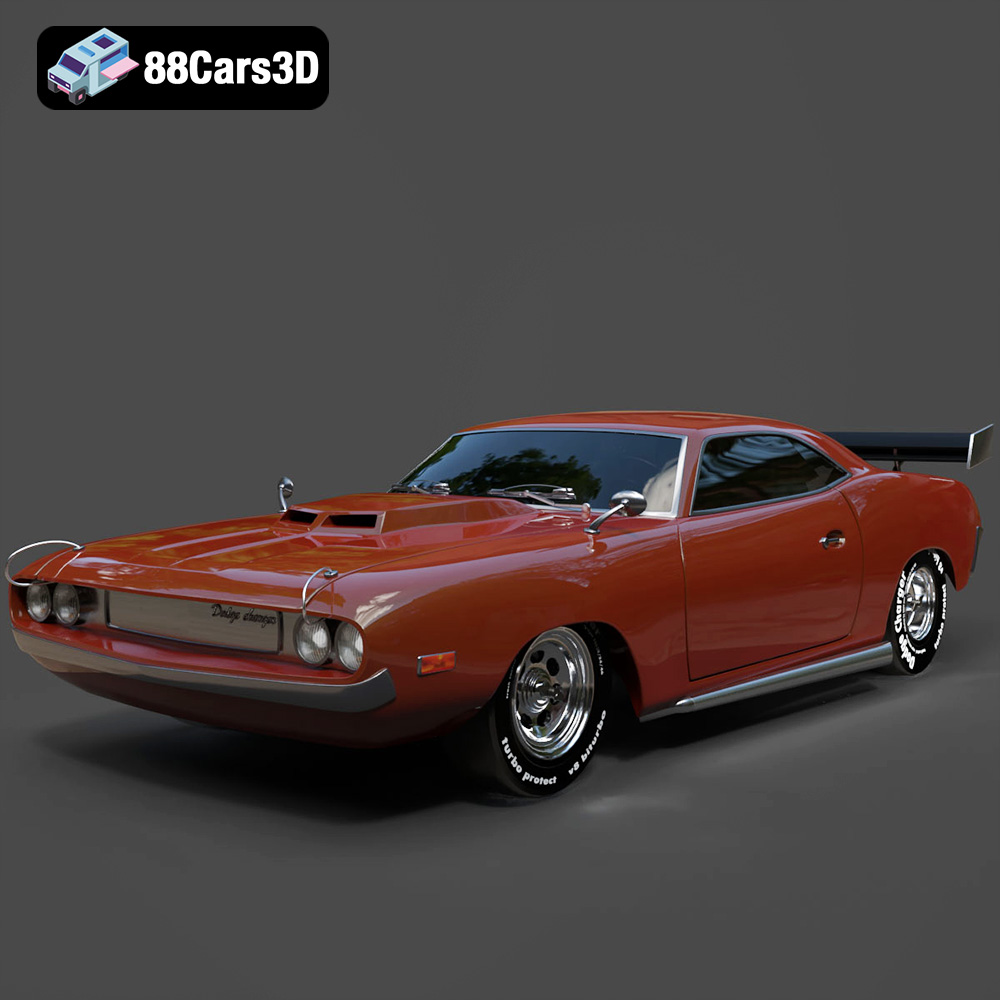
Download the Dodge Charger Car-004 3D Model featuring clean geometry, realistic detailing, and a fully modeled interior. Includes .blend, .fbx, .obj, .glb, .stl, .ply, .unreal, and .max formats for rendering, simulation, and game development.
Price: $10

Texture: Yes
Material: Yes
Download the Austin Mini Cooper S 1965 3D Model featuring clean geometry, realistic detailing, and a fully modeled interior. Includes .blend, .fbx, .obj, .glb, .stl, .ply, .unreal, and .max formats for rendering, simulation, and game development.
Price: $10

