Get 50% OFF All Premium 3D & STL Models!

In the world of automotive visualization, light is everything. It’s the force that defines the sensuous curves of a vehicle’s bodywork, reveals the intricate details of a leather-stitched interior, and sells the fantasy of speed and luxury. For years, achieving photorealistic lighting in real-time was a delicate balancing act of pre-baked lightmaps, complex probe setups, and performance compromises. With the arrival of Unreal Engine 5, that paradigm shifted dramatically. The introduction of Lumen, a fully dynamic global illumination and reflections system, has democratized photorealism, allowing artists and developers to create stunningly lifelike automotive renders and experiences with unprecedented speed and interactivity. This guide is your technical deep dive into harnessing the full power of Lumen. We’ll explore its core technology, guide you through optimal project setup, master material creation for automotive surfaces, and uncover advanced techniques and performance optimizations to make your 3D car models truly shine.
Before we can effectively manipulate Lumen, it’s crucial to understand what’s happening under the hood. Lumen isn’t just a single feature; it’s a complex system designed to simulate how light bounces around a scene in real-time. This dynamic nature means that as you move objects, change lights, or alter materials, the global illumination reacts instantly, eliminating the need for slow, static light baking. This is a game-changer for interactive applications like car configurators and design reviews.
Traditionally, achieving realistic bounced light in real-time engines involved a process called “light baking.” This pre-calculates how light interacts with static objects and stores that information in texture maps (lightmaps). While effective for static environments, it’s completely inflexible. Any change required a full rebake, a process that could take hours. Lumen supersedes this by calculating global illumination on the fly, every single frame. It achieves this by creating a simplified representation of the scene and tracing rays against it to determine how light should be bounced and reflected, providing instant visual feedback for artists and dynamic lighting for the end-user.
Lumen offers two primary methods for tracing these rays, each with its own trade-offs. Understanding them is key to scaling your project’s performance.
One of Lumen’s most clever innovations is the Surface Cache. To quickly gather indirect lighting, Lumen captures the material properties of surfaces from various angles and stores them in special cards. Think of it as creating a series of snapshots of your scene’s surfaces, which can then be referenced by light rays. This is far more efficient than sampling the full material graph for every single ray bounce. For automotive visualization, this means the complex properties of a multi-layered car paint material are accurately captured and contribute to the bounced light, tinting nearby surfaces with the car’s color in a physically plausible way.
Proper project configuration is the foundation for any successful Lumen-powered visualization. A few incorrect settings can lead to visual artifacts or degraded performance. Let’s walk through the essential steps to ensure your project is primed for stunning real-time rendering.
First, you need to explicitly tell Unreal Engine to use Lumen. You can find these settings under Edit > Project Settings > Engine > Rendering.
For more detailed information on rendering settings, the official Unreal Engine documentation at https://dev.epicgames.com/community/unreal-engine/learning is an invaluable resource for both beginners and experts.
While project settings enable Lumen globally, the Post Process Volume is where you fine-tune its quality and behavior on a per-scene basis. Add a Post Process Volume to your level and ensure its “Infinite Extent (Unbound)” property is checked to apply its settings everywhere.
How do you know if Lumen is working correctly? Unreal Engine provides powerful visualization tools. In the main viewport, click on the “Lit” button and navigate to Lumen. Here you’ll find several debug views:
Using these views is the professional way to debug lighting issues, moving beyond simple “it doesn’t look right” to understanding *why* it doesn’t look right.
Lumen’s physically-based approach to light means that your results are only as good as your input data—and in this case, that data is your materials. For automotive visualization, creating accurate, high-fidelity PBR materials is non-negotiable. Poorly authored materials will not just look wrong; they will cause Lumen to calculate light bounces incorrectly, polluting the entire scene.
Physically Based Rendering (PBR) is a methodology for creating materials that adhere to real-world physics. Key parameters like Base Color, Metallic, Roughness, and Specular are used to define how a surface interacts with light. Lumen relies on these properties to calculate bounces accurately. For example, a red, non-metallic surface will bounce red light onto adjacent surfaces. A chrome surface will create specular, mirror-like reflections. Using high-quality, PBR-compliant assets is the fastest way to achieve realism. When sourcing automotive assets from marketplaces such as 88cars3d.com, look for models that are specifically labeled as PBR-ready, as this ensures they will interact correctly with advanced lighting systems like Lumen.
Car paint is one of the most complex materials to replicate digitally. It’s typically a multi-layered material with a base coat, metallic flakes, and a top clear coat. In Unreal’s Material Editor, you can replicate this using the Clear Coat shading model.
Lumen’s Hardware Ray Tracing mode excels at rendering these complex interactions, capturing crisp reflections in the clear coat while showing the softer, rougher reflections from the base paint layer underneath.
One of Lumen’s powerful features is its ability to treat any material with an emissive component as a real light source that contributes to global illumination. This is perfect for vehicle headlights, taillights, dashboard screens, and interior ambient lighting. To make an emissive material cast light, simply check the “Use Emissive for Static Lighting” box in the material’s details panel (despite the name, this affects Lumen’s dynamic GI). You can control the intensity by multiplying your emissive color by a value greater than 1. This allows headlights to realistically illuminate the ground and surrounding objects, adding another layer of dynamic realism to your scenes.
With a properly configured project and high-quality materials, the process of lighting an automotive scene with Lumen becomes an intuitive and creative exercise. The system is designed to work with standard Unreal Engine light types, allowing for a familiar workflow with far more realistic results.
The Sky Light is the foundation of most exterior automotive renders. It captures the lighting information from the distant parts of your level (including the sky atmosphere or an HDRI texture) and applies it to the scene as soft, ambient light. When Lumen is active, the Sky Light provides real-time bounced light from the sky, filling in shadows with physically accurate color and intensity. For the highest quality results, use the “SLS Specified Cubemap” source type and plug in a high-resolution HDRI (High Dynamic Range Image). The HDRI not only provides the light but also the reflections, which are critical for grounding a vehicle in its environment.
Direct light sources work seamlessly with Lumen. A Directional Light, used to simulate the sun, will cast hard shadows that are then filled in by soft, bounced light calculated by Lumen. Spot Lights and Point Lights are perfect for studio lighting setups. You can create a classic three-point lighting rig (key, fill, rim) around your vehicle, and Lumen will handle all the complex light inter-reflections between the car and the studio floor, creating a soft, believable ambiance that was previously only possible with offline rendering.
A key detail in photorealism is the quality of shadows. To create soft shadows from direct lights like Spot and Point Lights, increase their Source Radius or Source Length. This simulates a larger light source, which naturally produces softer shadow edges (penumbras). Lumen’s global illumination then enhances this by filling in the shadows with bounced light. For perfect contact shadows where the tires meet the ground, ensure your scene’s ambient occlusion is configured correctly within the Post Process Volume. Lumen’s GI often provides excellent large-scale ambient occlusion, but you can supplement this with Screen Space Ambient Occlusion for finer contact details.
While Lumen is remarkably efficient for the quality it produces, it is not free. Achieving high frame rates, especially for interactive experiences or VR, requires a solid understanding of what drives its performance cost and how to scale its features intelligently.
The GPU cost of Lumen can be broken down into a few key areas. You can analyze this using the console command `stat gpu`. You’ll see costs associated with:
Monitoring these values is key to identifying performance bottlenecks. If Reflections are too expensive, consider lowering the quality or increasing the “Max Roughness” setting for Lumen reflections to prevent them from being traced on dull surfaces.
Not every project targets high-end PCs. When developing for consoles or lower-spec hardware, you must make smart trade-offs. The Post Process Volume is your primary tool for this. Create different quality presets (e.g., Low, Medium, High) that adjust Lumen’s settings. A “Low” setting might use a Lumen Quality of 1, a Final Gather Quality of 1, and limit the number of reflection bounces. A “High” setting for a cinematic shot could push these values to their maximum. This allows your project to scale gracefully across a range of hardware profiles.
Nanite, Unreal Engine’s virtualized geometry system, is Lumen’s perfect partner. Nanite allows you to use incredibly high-polygon models without the traditional performance overhead of poly-count. This is a massive benefit for Lumen, as its Hardware Ray Tracing mode can trace against this highly detailed geometry, resulting in extremely accurate global illumination and reflections. When you use a high-fidelity 3D car model, such as those available from platforms like 88cars3d.com, the combination of Nanite and Lumen allows every bolt, seam, and emblem to correctly occlude and bounce light. This synergy removes the old compromise between geometric detail and lighting quality, enabling a new level of realism in real-time automotive visualization.
Once you’ve mastered the fundamentals, you can begin to leverage Lumen’s more advanced capabilities to push your automotive renders from great to truly breathtaking. These techniques focus on solving specific challenges in automotive rendering, such as interior lighting and high-quality cinematics.
Lighting a car’s interior is notoriously difficult due to the small space and complex light paths. Lumen excels here. By default, Lumen calculates a single bounce of indirect light, which is often sufficient for exterior shots. For interiors, however, you may need more. In your Post Process Volume, under Lumen Global Illumination, you can increase the “Max Bounces” setting. Increasing this to 2 or 3 allows light to bounce multiple times within the cabin, creating a much more realistic and bright interior, accurately simulating light pouring through the windshield and illuminating the dashboard, which then bounces onto the seats and floor.
Lumen’s reflection system is a hybrid. It first attempts to use Screen Space Reflections (SSR), which are cheap but can only reflect what’s currently visible on screen. When SSR fails (e.g., for objects that are off-screen), it falls back to tracing against the Lumen Scene. For the ultimate quality on highly reflective surfaces like a car’s body panels and windows, you can push Lumen to rely more heavily on its higher-quality ray traces. In the Post Process Volume’s Reflections settings, you can lower the “Screen Percentage” for Screen Traces, forcing the system to use Lumen’s ray-traced reflections more often, resulting in more accurate and stable reflections, free of typical screen-space artifacts.
The fully dynamic nature of Lumen makes it an incredible tool for creating cinematic content. Using Unreal Engine’s Sequencer tool, you can animate anything in your scene and watch the lighting update in real-time. Create a dramatic time-lapse by animating the rotation of your Directional Light from sunrise to sunset. Animate a car driving through a tunnel, with the emissive headlights realistically illuminating the walls as it moves. You can even animate the intensity and color of studio lights for dynamic, engaging “beauty shots” of a vehicle. This level of instant feedback empowers artists to create compelling narratives and visuals that were once the exclusive domain of offline rendering pipelines.
Lumen is more than just a rendering feature; it represents a fundamental shift in how we approach high-fidelity visualization. For the automotive industry, this means faster design iterations, more immersive customer experiences, and cinematic marketing content created at a fraction of the traditional cost and time. By understanding its core technology, from the Surface Cache to its hybrid ray tracing approach, you can move beyond default settings and truly art-direct your lighting. Mastering PBR materials, configuring your project for optimal performance, and leveraging the powerful synergy with Nanite are the key pillars of this new workflow.
The journey to photorealism is ongoing, but with tools like Lumen, the destination is closer than ever. The next step is to apply these principles. Start a new project, find a high-quality, optimization-ready asset from a marketplace like 88cars3d.com, and begin experimenting. Tweak the Post Process settings, build a virtual photo studio, and watch as your 3D car models come to life under a canopy of dynamic, physically accurate light. The age of real-time photorealism is here, and Lumen is driving it forward.
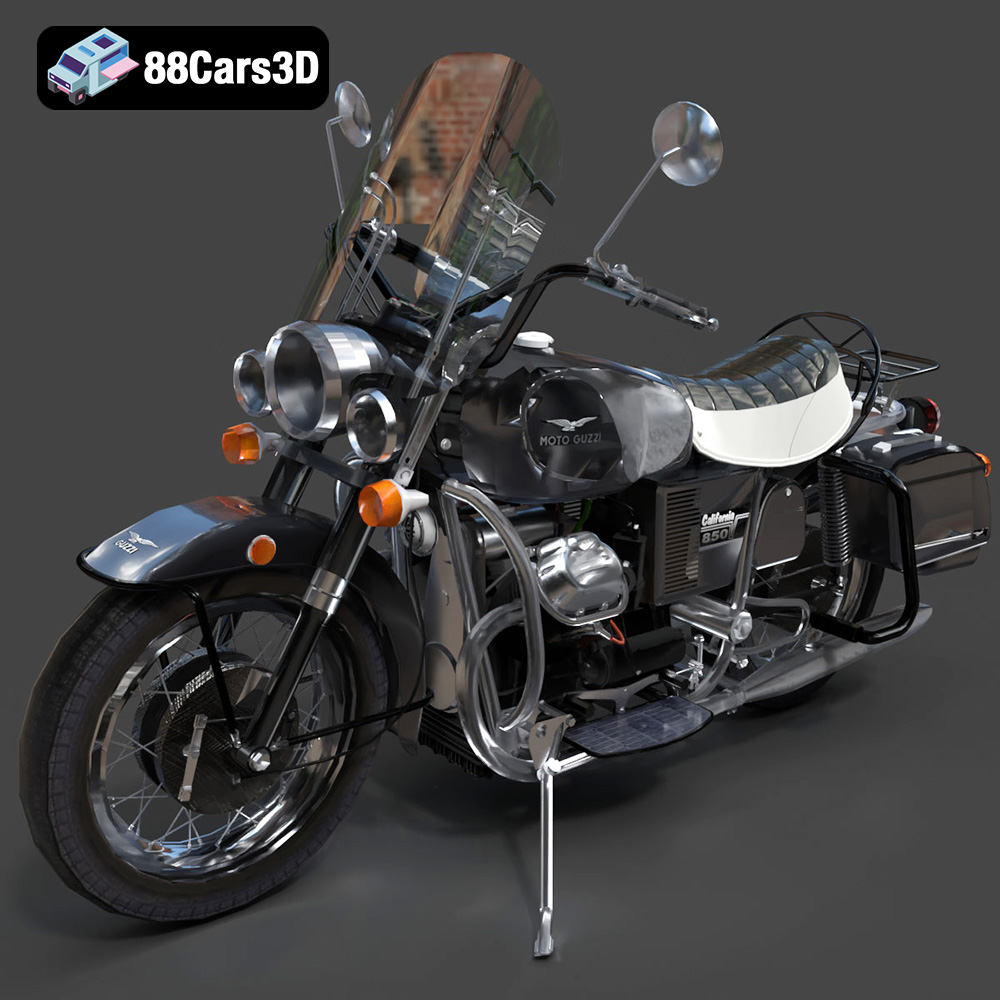
Texture: Yes
Material: Yes
Download the Moto Guzzi Classic Motorcycle 2024 3D Model featuring clean geometry, realistic detailing, and a fully modeled interior. Includes .blend, .fbx, .obj, .glb, .stl, .ply, .unreal, and .max formats for rendering, simulation, and game development.
Price: $10
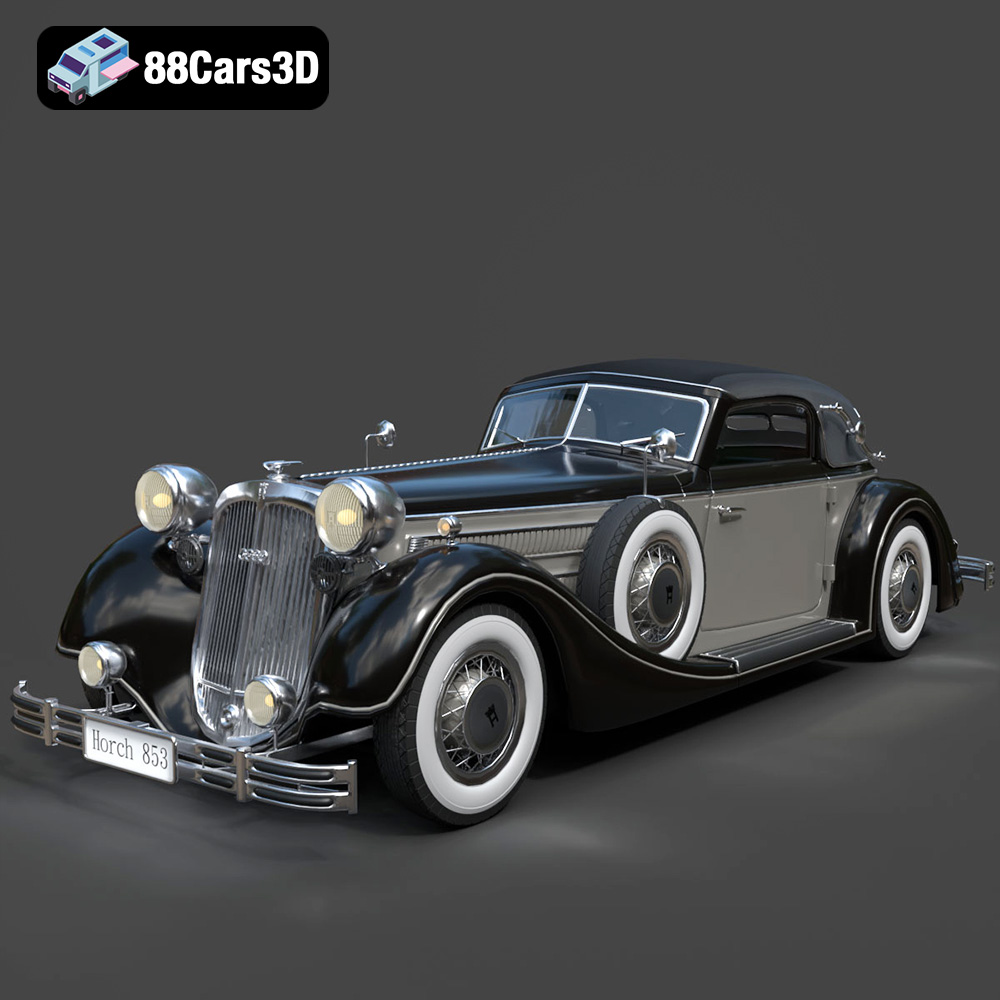
Texture: Yes
Material: Yes
Download the Horch 853 Sport Cabriolet 1937 3D Model featuring clean geometry, realistic detailing, and a fully modeled interior. Includes .blend, .fbx, .obj, .glb, .stl, .ply, .unreal, and .max formats for rendering, simulation, and game development.
Price: $10
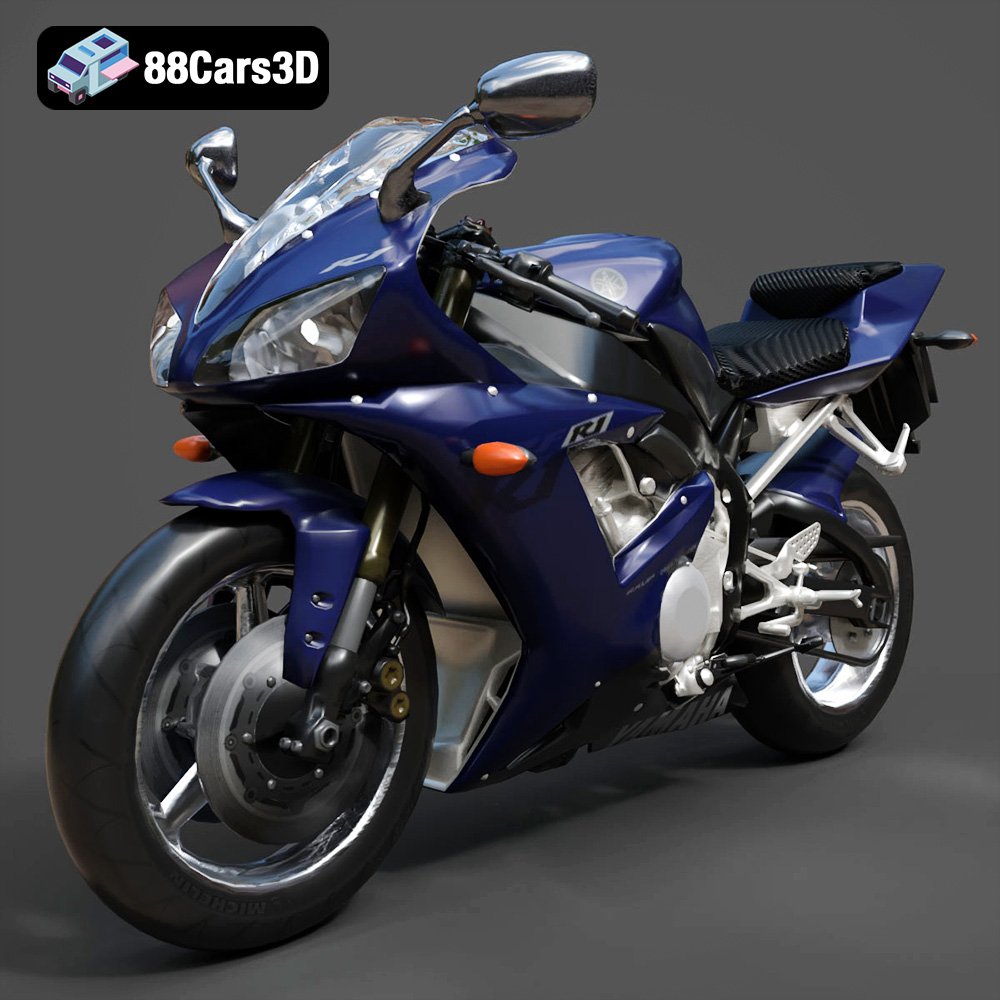
Texture: Yes
Material: Yes
Download the Yamaha YZF-R1 Motorcycle 3D Model featuring clean geometry, realistic detailing, and a fully modeled interior. Includes .blend, .fbx, .obj, .glb, .stl, .ply, .unreal, and .max formats for rendering, simulation, and game development.
Price: $10
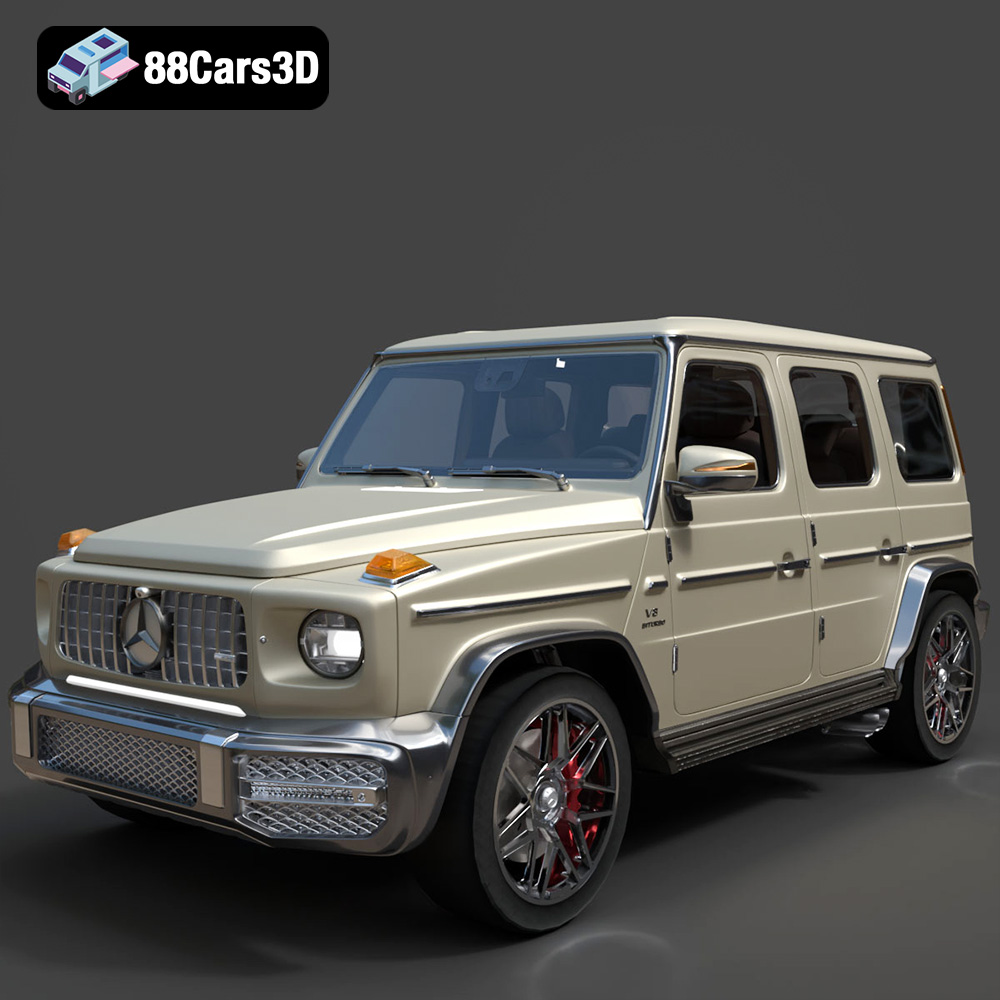
Texture: Yes
Material: Yes
Download the Mercedes Benz G63 AMG 2019 3D Model featuring clean geometry, realistic detailing, and a fully modeled interior. Includes .blend, .fbx, .obj, .glb, .stl, .ply, .unreal, and .max formats for rendering, simulation, and game development.
Price: $90
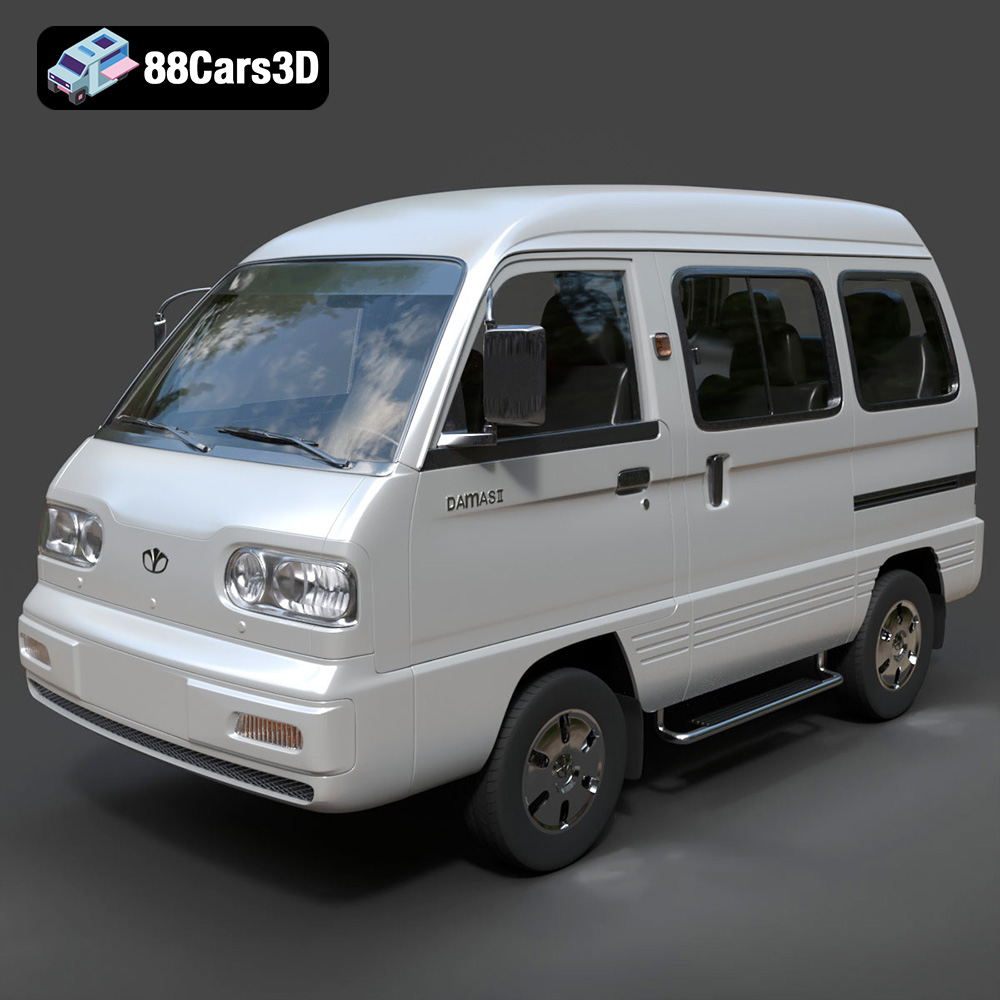
Texture: Yes
Material: Yes
Download the Daewoo Damas Mk2 2012 3D Model featuring clean geometry, realistic detailing, and a fully modeled interior. Includes .blend, .fbx, .obj, .glb, .stl, .ply, .unreal, and .max formats for rendering, simulation, and game development.
Price: $10
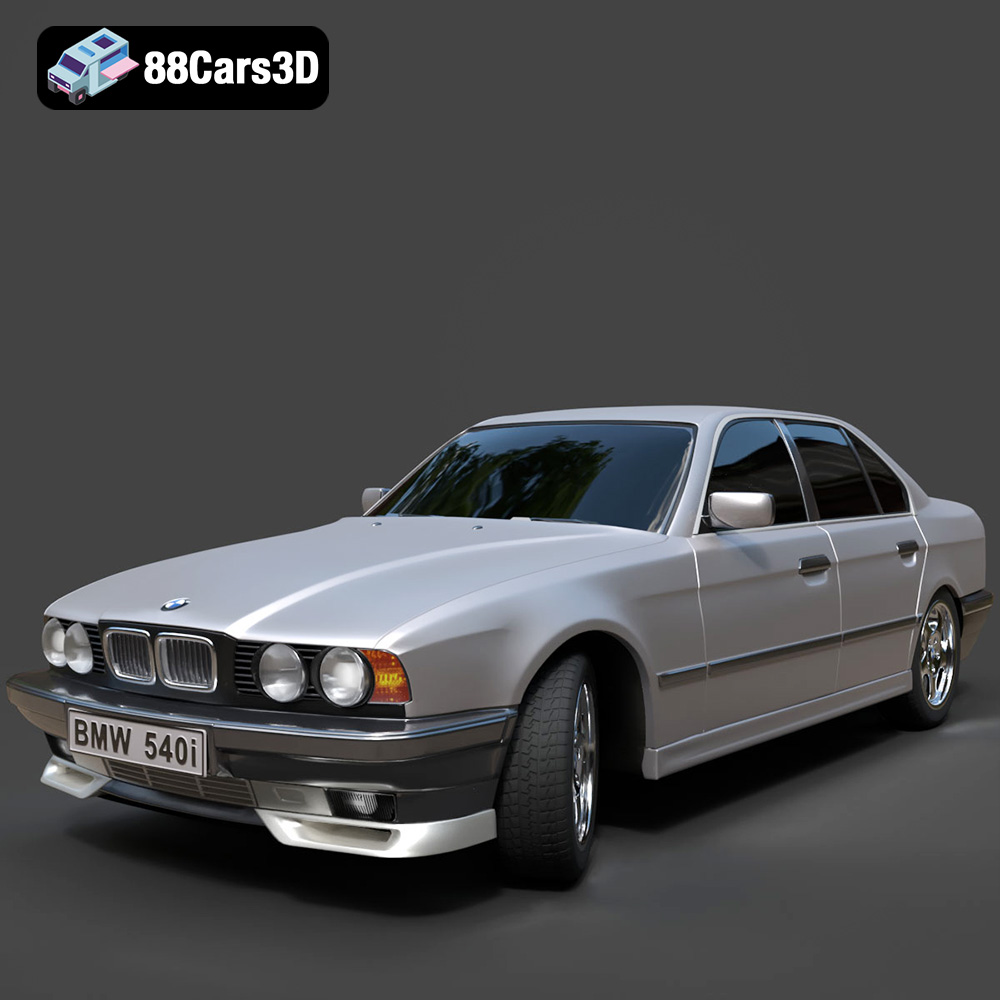
Texture: Yes
Material: Yes
Download the BMW 540 E34 3D Model featuring clean geometry, realistic detailing, and a fully modeled interior. Includes .blend, .fbx, .obj, .glb, .stl, .ply, .unreal, and .max formats for rendering, simulation, and game development.
Price: $10
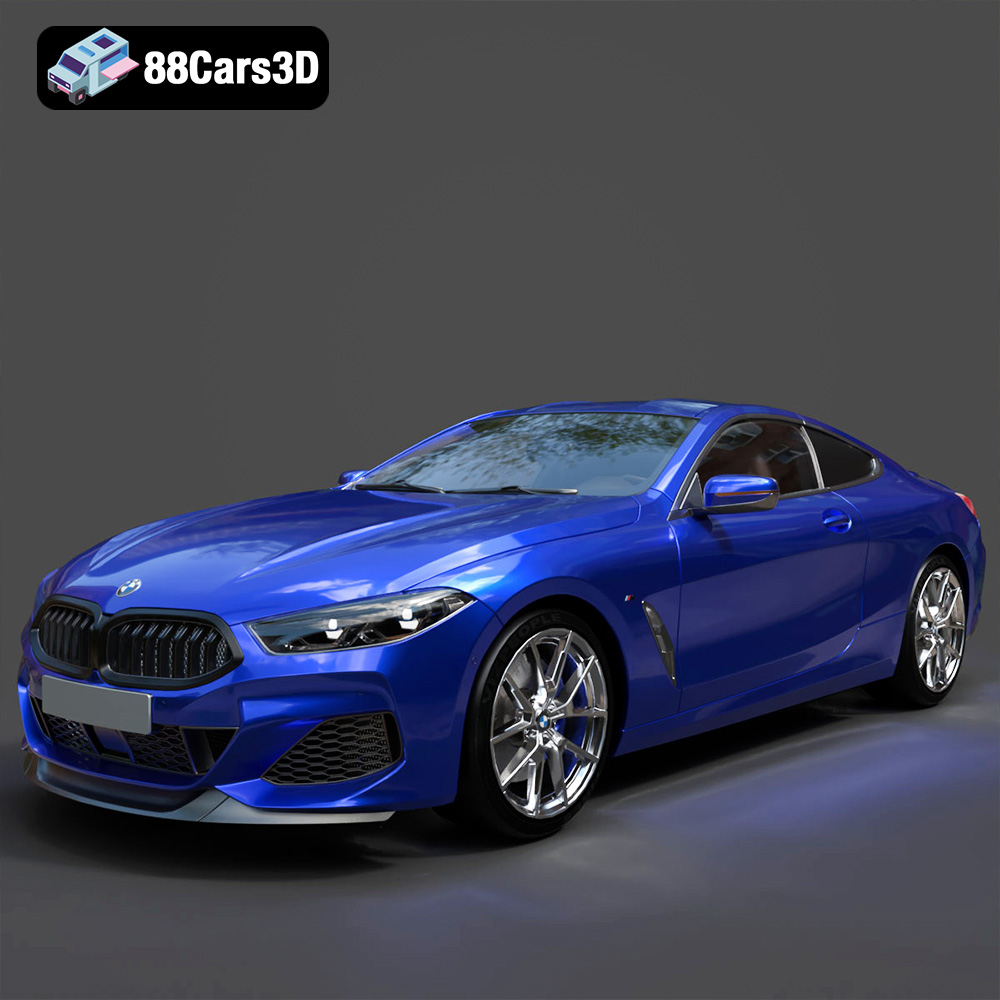
Texture: Yes
Material: Yes
Download the BMW 8 Series Coupe 2020 3D Model featuring clean geometry, realistic detailing, and a fully modeled interior. Includes .blend, .fbx, .obj, .glb, .stl, .ply, .unreal, and .max formats for rendering, simulation, and game development.
Price: $10
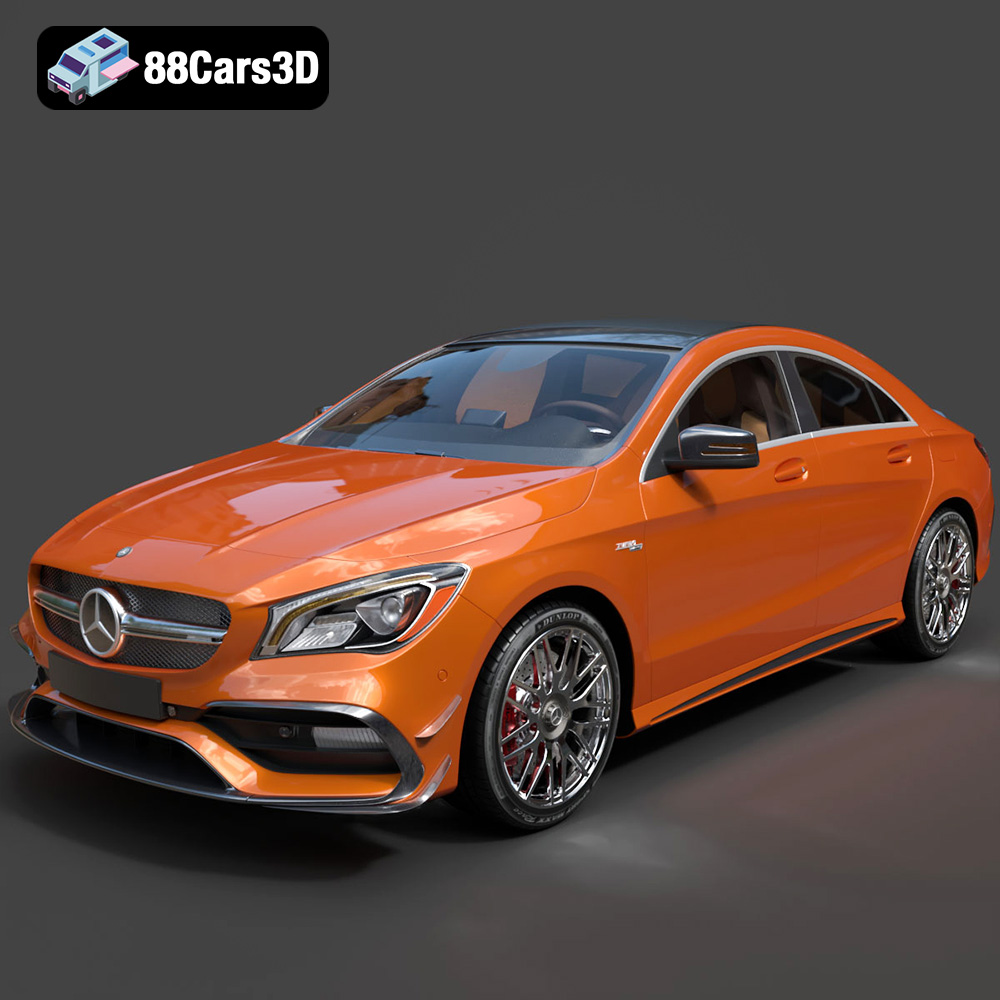
Texture: Yes
Material: Yes
Download the Mercedes-Benz CLA45 AMG 2017 3D Model featuring clean geometry, realistic detailing, and a fully modeled interior. Includes .blend, .fbx, .obj, .glb, .stl, .ply, .unreal, and .max formats for rendering, simulation, and game development.
Price: $21.99
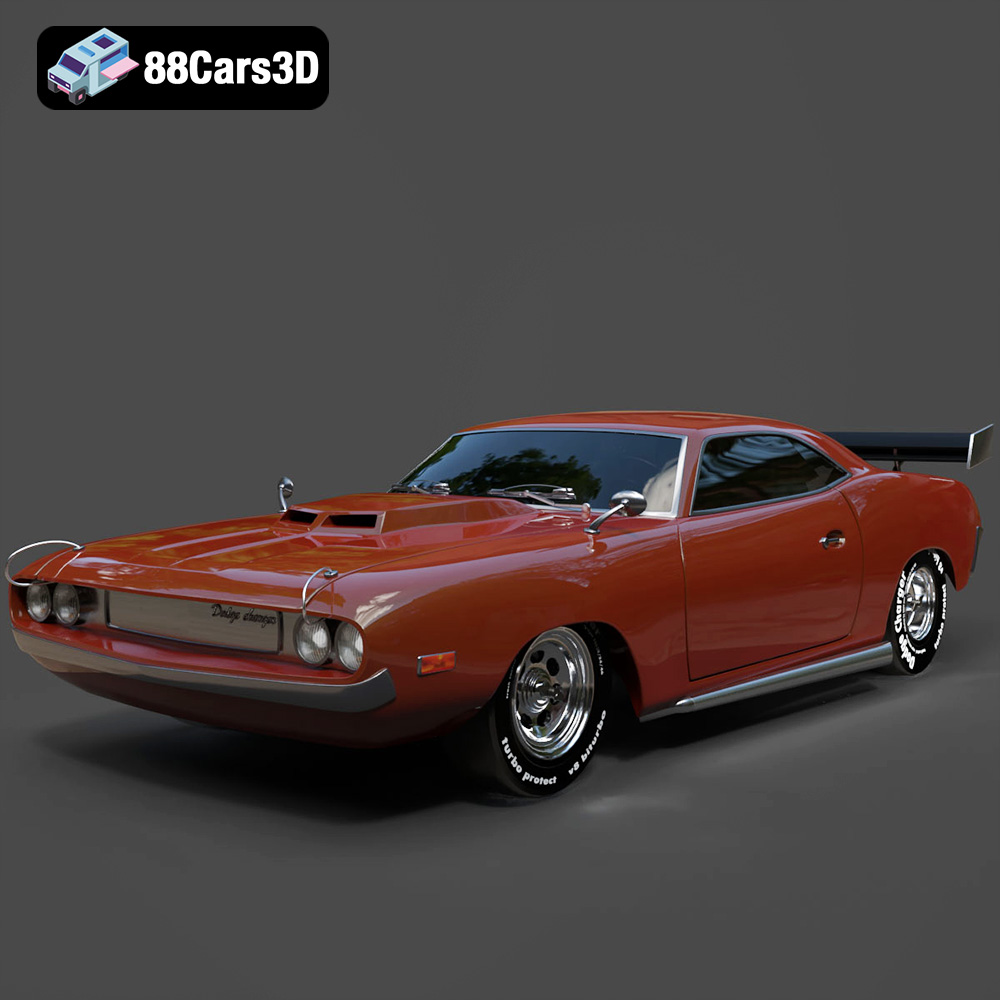
Texture: Yes
Material: Yes
Download the Dodge Charger Car-004 3D Model featuring clean geometry, realistic detailing, and a fully modeled interior. Includes .blend, .fbx, .obj, .glb, .stl, .ply, .unreal, and .max formats for rendering, simulation, and game development.
Price: $10
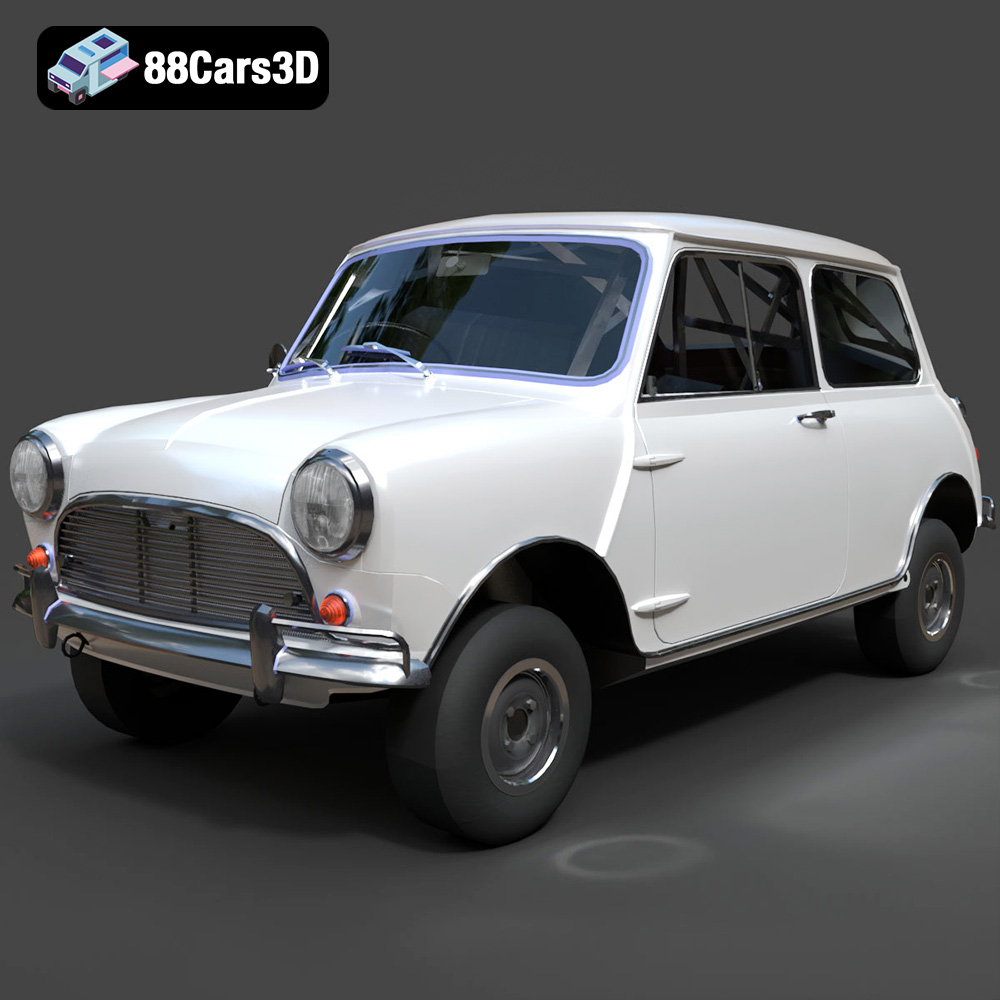
Texture: Yes
Material: Yes
Download the Austin Mini Cooper S 1965 3D Model featuring clean geometry, realistic detailing, and a fully modeled interior. Includes .blend, .fbx, .obj, .glb, .stl, .ply, .unreal, and .max formats for rendering, simulation, and game development.
Price: $10

