Get 50% OFF All Premium 3D & STL Models!

The allure of Unreal Engine for automotive visualization is undeniable. The promise of photorealistic cars gleaming under dynamic lights, interactive configurators running smoothly at high frame rates, and immersive virtual showrooms is what draws creators to this powerful real-time engine. However, the path from a high-poly 3D car model to a flawlessly performing application is paved with technical challenges. A stunning visual that stutters at 20 frames per second is ultimately a failed project. High fidelity and high performance are not mutually exclusive; they are the twin pillars of a successful real-time experience.
Achieving this balance requires a deep understanding of the engine’s rendering pipeline and a strategic approach to optimization. It’s a holistic process that begins before you even import your first asset and continues through every stage of development. In this comprehensive guide, we will dissect the critical optimization techniques specifically for automotive projects in Unreal Engine. We will cover everything from initial asset preparation and geometry management with Nanite to building efficient PBR materials, mastering real-time lighting with Lumen, and profiling your project to hunt down and eliminate performance bottlenecks. Prepare to transform your automotive visualization projects from beautiful but sluggish scenes into high-performance, interactive masterpieces.
Before you can even think about advanced features like Nanite or Lumen, you must lay a solid foundation. The initial project settings and the way you prepare your assets have a profound impact on performance down the line. Getting this stage right prevents costly rework and ensures your project is built on an optimized core. Think of this as checking the engine and chassis of a race car before you even get to the track; it’s fundamental to winning the performance race.
Your first decisions happen in the “New Project” dialog. For high-end automotive visualization on PC or consoles, starting with the “Games” template and enabling “Starter Content” (for reference) is a good choice. Key settings to consider:
These settings establish the baseline capabilities and rendering paths for your project, so it’s crucial to align them with your target platform’s capabilities from day one.
The quality of your source model is paramount. A poorly constructed model can cripple performance, regardless of engine-side optimizations. When sourcing 3D car models from marketplaces such as 88cars3d.com, look for assets labeled as “game-ready” or “optimized.” This typically implies several key characteristics:
Textures are often the biggest consumer of VRAM. Proper optimization is non-negotiable. Unreal Engine provides powerful tools for this. When you import a texture, ensure that “Generate Mipmaps” is enabled. Mipmaps are pre-calculated, lower-resolution versions of a texture that the engine uses when the object is further from the camera. This drastically reduces memory bandwidth and prevents aliasing (shimmering artifacts). Furthermore, use appropriate compression settings. The default DXT1/DXT5 (or BC1/BC3) compression is excellent for most PBR textures like Albedo, Roughness, and Metallic. For normal maps, the specific BC5 format provides better quality for the two channels it stores.
Handling the immense geometric detail of a modern vehicle is one of the biggest challenges in automotive visualization. A single headlight assembly can contain more polygons than an entire character in a video game. Unreal Engine 5 offers a revolutionary solution with Nanite, but understanding both Nanite and traditional Level of Detail (LOD) systems is key to mastering geometry performance.
Nanite is Unreal Engine’s virtualized micropolygon geometry system. In simple terms, it allows you to render film-quality, multi-million-polygon meshes in real-time without significant performance loss and without the need to manually create LODs. For car bodies, rims, and complex static interior parts, Nanite is transformative.
To enable Nanite:
Nanite works by intelligently streaming and rendering only the detail you can perceive on-screen. This means you can use that incredibly detailed CAD-derived model for your hero shots without worrying about polygon budgets. However, Nanite has limitations. It does not currently support skeletal meshes, certain complex material setups (like World Position Offset), or transparent materials. This makes it perfect for the opaque bodywork of a car but unsuitable for animated wheels or glass.
For assets that cannot use Nanite (like wheels on a physics-based vehicle blueprint or objects with complex material effects), the traditional LOD system is your best friend. LODs are discrete, lower-polygon versions of your mesh that swap in at different distances from the camera. A high-quality car model from a platform like 88cars3d.com will often come with pre-made LODs.
If you need to create them, Unreal Engine’s built-in tool is quite capable. In the Static Mesh Editor, under “LOD Settings,” you can auto-generate LODs based on a percentage of triangle reduction. A typical setup for a car wheel might be:
You can fine-tune the “Screen Size” at which each LOD activates, giving you precise control over the performance-quality trade-off.
Beyond individual meshes, consider the scene as a whole. For environment assets in a virtual showroom, using the Hierarchical Level of Detail (HLOD) system can dramatically reduce draw calls. This system groups multiple static meshes into a single, combined mesh at a distance, effectively reducing hundreds of draw calls to just one. While not typically used on the hero car itself, it’s an essential optimization for the surrounding environment that allows more performance budget to be spent on the car.
A car’s visual appeal comes from its materials: the deep gloss of the car paint, the subtle grain of the leather, the sharp reflections of the chrome. These complex materials can be incredibly demanding on the GPU. An unoptimized shader with dozens of texture lookups and complex instructions can bring even a high-end graphics card to its knees. Optimizing your PBR materials is about being clever, not cutting corners on quality.
Unreal Engine provides a vital debugging tool for this: the Shader Complexity view mode (Alt + 8). This view mode colors your scene based on how many shader instructions are being executed for each pixel. The color scale ranges from bright green (very cheap) to red and white (extremely expensive). For a car, you will naturally see more complexity on surfaces with clear coats or complex effects. Your goal is to keep the majority of the scene in the green/yellow range, with red reserved for only the most important, hero elements when viewed up close. If your entire car is bright red, you have a serious performance problem in your material setup.
The key to efficient materials is simplicity and smart texture usage.
Car glass and multi-layered car paint are notoriously expensive to render. Standard transparent materials are costly due to overdraw and sorting issues. For car paint, Unreal’s “Clear Coat” shading model is a fantastic built-in solution that is highly optimized. For glass, avoid using the “Translucent” blend mode whenever possible for distant objects. Consider using a “Masked” material with a dithering pattern to simulate transparency from afar, swapping to a true translucent material only when the camera is close. This is a common technique used in high-performance game assets.
Lighting is what breathes life into a scene. Unreal Engine 5’s Lumen is a revolutionary fully dynamic global illumination and reflections system that provides stunning, realistic lighting out-of-the-box. However, its performance can vary greatly depending on the settings and the hardware it’s running on. Understanding how to configure Lumen and when to fall back on traditional methods is crucial for a smooth-running project.
Lumen provides beautiful, bounced light and reflections that react in real-time to any changes in the scene. For an automotive configurator where colors and environments can change dynamically, this is ideal. Lumen has two main methods for tracing rays:
You can control Lumen’s quality and performance extensively in the PostProcess Volume settings. Lowering the “Final Gather Quality” or increasing the “Max Trace Distance” can reclaim performance at the cost of some visual fidelity.
While Lumen is powerful, it’s not always the right tool for every job. If your environment is completely static (e.g., a fixed virtual showroom), using traditional baked lighting with Lightmass can offer a massive performance advantage. Lightmass pre-calculates all the complex light bounces and shadows and bakes them into lightmap textures. This means the GPU has to do very little lighting work at runtime.
A hybrid approach is often best: use baked lighting for the static environment and place your dynamic car model within it, lit by a combination of dynamic lights and reflection probes that capture the baked environment. This gives you the best of both worlds: a high-performance, beautifully lit environment and a dynamically lit hero asset.
Shadows and reflections are critical for grounding a vehicle in its scene. Unreal’s Virtual Shadow Maps (VSMs) provide high-resolution, consistent shadows from dynamic lights, and they are the recommended method for projects using Nanite. For reflections, Lumen provides the best quality, but Screen Space Reflections (SSR) can be a cheaper alternative if you don’t need off-screen reflections. For ultimate performance, particularly on mobile or in VR, strategically placed Reflection Capture Probes (both sphere and box) are the most efficient way to handle reflections for static scenes.
You cannot optimize what you cannot measure. Optimization is not about guessing; it’s a scientific process of identifying the most significant performance problems and addressing them methodically. Unreal Engine is packed with powerful, built-in profiling tools that are essential for any serious developer to learn. For an exhaustive guide on these tools, the official Unreal Engine Learning platform is an invaluable resource that provides in-depth tutorials and documentation.
Your first line of defense is the real-time stat commands. Open the console with the tilde (~) key and type these commands:
stat unit: This is the most important one. It displays the total frame time in milliseconds (ms) and breaks it down into Game Thread, Draw Thread, and GPU time. Your goal is to keep the highest of these three values below your target frame time (e.g., below 16.67ms for 60 FPS).stat gpu: This gives a detailed breakdown of what the GPU is spending its time on, showing you the cost of shadows, post-processing, lighting, translucency, and more.The stat unit command will tell you where your bottleneck is.
Knowing where the bottleneck is tells you exactly where to focus your optimization efforts.
Combine profiling stats with the engine’s powerful view modes for a complete picture. If your GPU time is high, switch to the Shader Complexity view mode to find expensive materials. If you suspect geometry issues, use the LOD Coloration view mode to see if your LODs are transitioning correctly. If you have a draw call bottleneck, start looking at ways to merge meshes or implement HLODs. This iterative process of profiling, identifying, and fixing is the core loop of successful performance optimization.
Optimizing an automotive visualization project in Unreal Engine is a journey of balancing immense visual fidelity with the strict demands of real-time rendering. It’s a discipline that blends artistic vision with technical precision. We’ve explored the critical pillars of performance: a solid foundation through proper project setup and asset preparation; intelligent geometry management using Nanite and LODs; the creation of efficient, beautiful PBR materials; strategic lighting with Lumen and baked solutions; and the indispensable practice of profiling to guide your efforts.
Remember that optimization is not a final step but a continuous process. Test early, test often, and use the engine’s powerful tools to make informed decisions. By internalizing these workflows, you can confidently push the boundaries of realism without sacrificing the smooth, interactive experience that makes real-time technology so powerful. Start with a high-quality, well-structured asset, such as those found on 88cars3d.com, apply these optimization principles, and you will be well on your way to creating breathtaking automotive experiences that run as beautifully as they look.
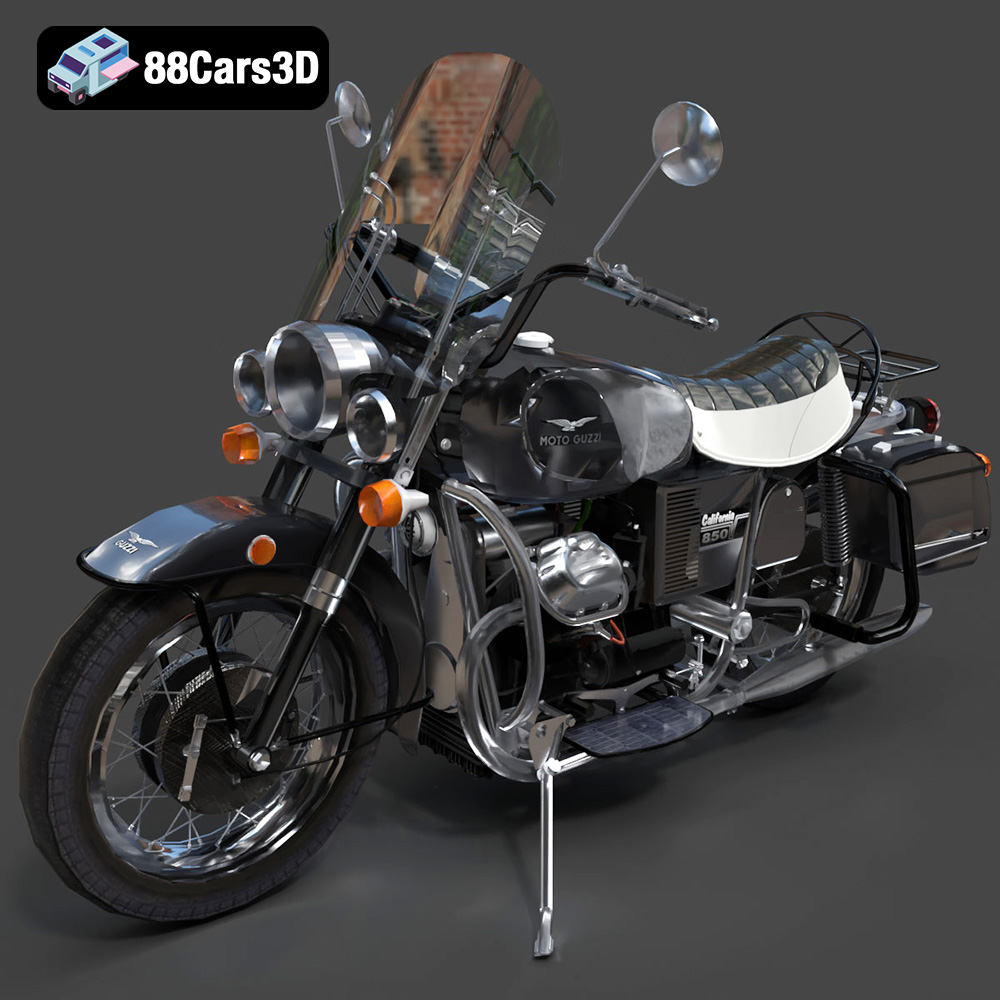
Texture: Yes
Material: Yes
Download the Moto Guzzi Classic Motorcycle 2024 3D Model featuring clean geometry, realistic detailing, and a fully modeled interior. Includes .blend, .fbx, .obj, .glb, .stl, .ply, .unreal, and .max formats for rendering, simulation, and game development.
Price: $10
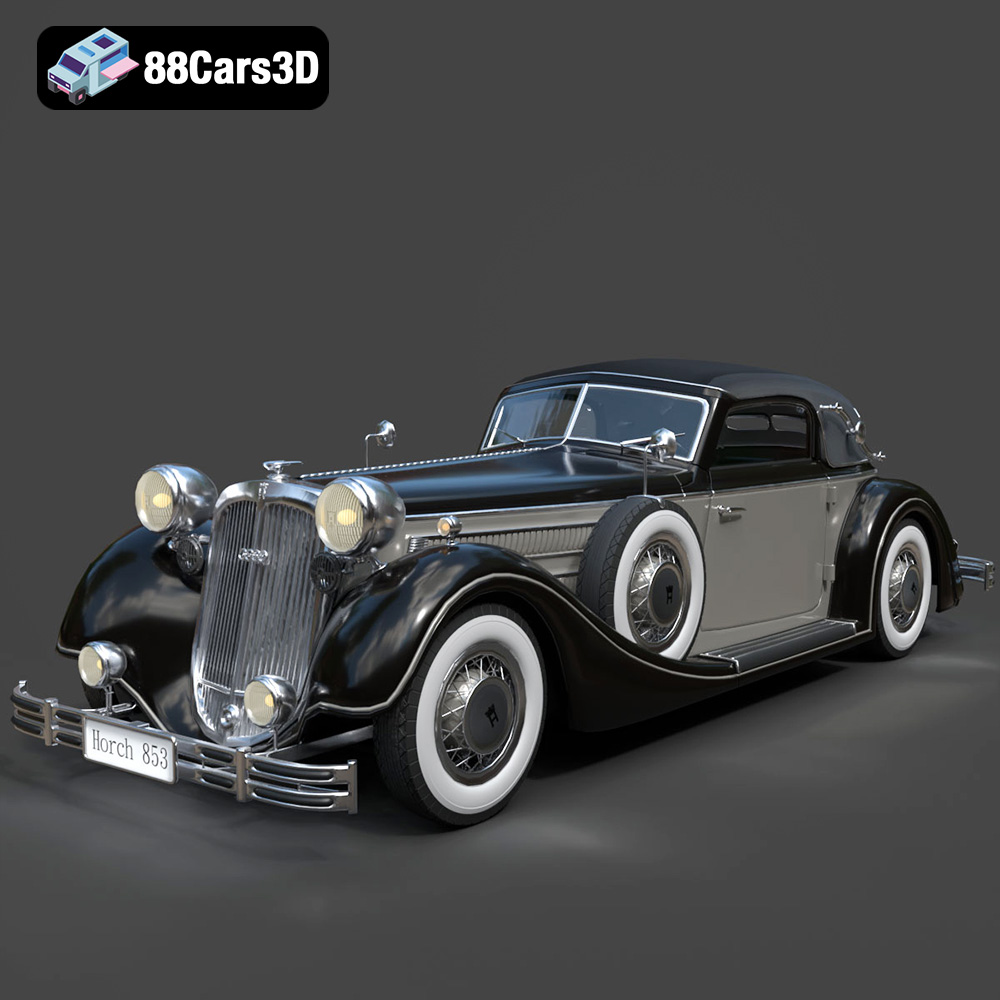
Texture: Yes
Material: Yes
Download the Horch 853 Sport Cabriolet 1937 3D Model featuring clean geometry, realistic detailing, and a fully modeled interior. Includes .blend, .fbx, .obj, .glb, .stl, .ply, .unreal, and .max formats for rendering, simulation, and game development.
Price: $10
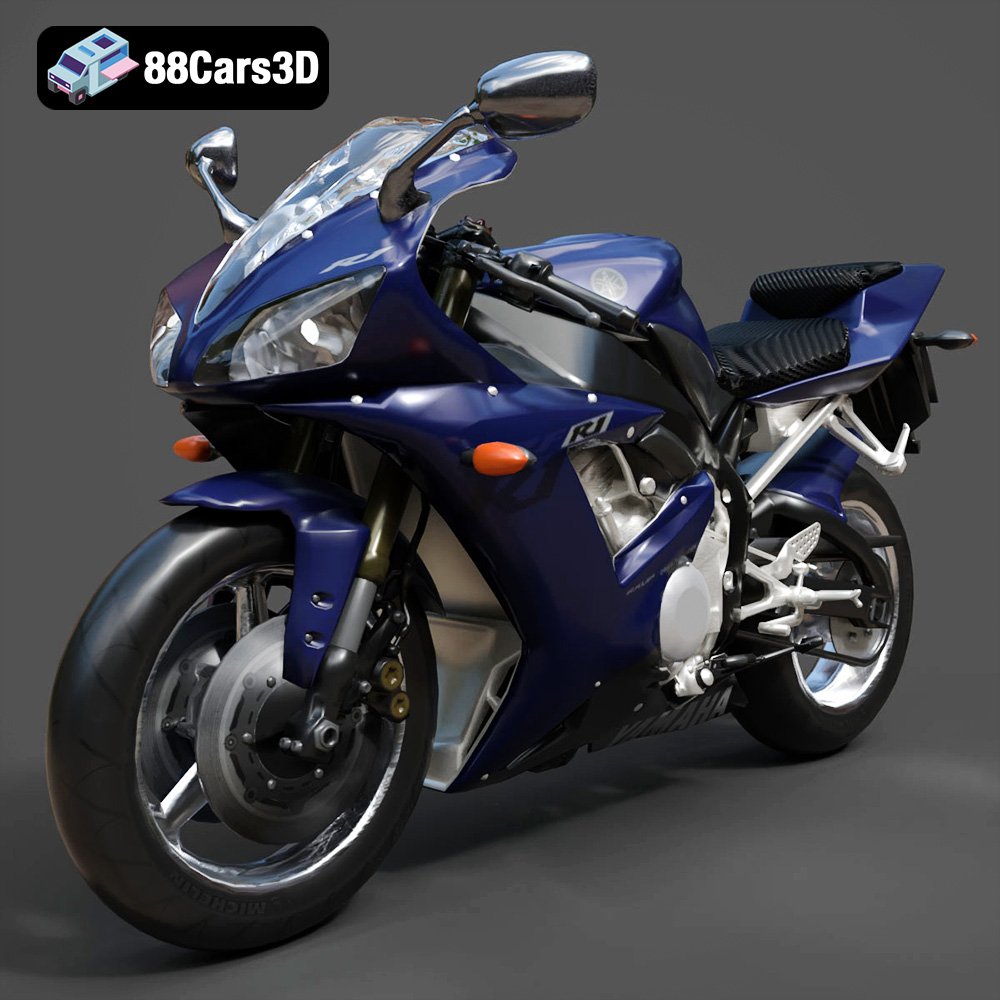
Texture: Yes
Material: Yes
Download the Yamaha YZF-R1 Motorcycle 3D Model featuring clean geometry, realistic detailing, and a fully modeled interior. Includes .blend, .fbx, .obj, .glb, .stl, .ply, .unreal, and .max formats for rendering, simulation, and game development.
Price: $10
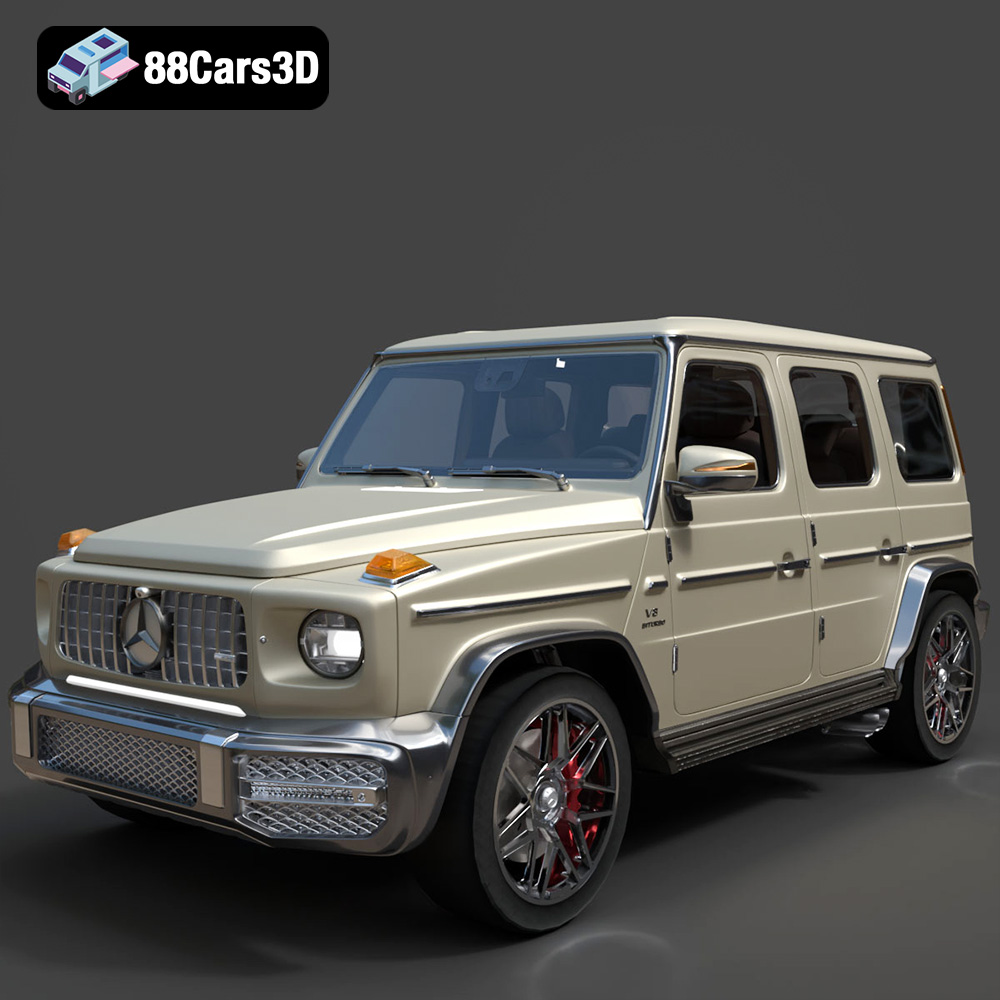
Texture: Yes
Material: Yes
Download the Mercedes Benz G63 AMG 2019 3D Model featuring clean geometry, realistic detailing, and a fully modeled interior. Includes .blend, .fbx, .obj, .glb, .stl, .ply, .unreal, and .max formats for rendering, simulation, and game development.
Price: $90
Texture: Yes
Material: Yes
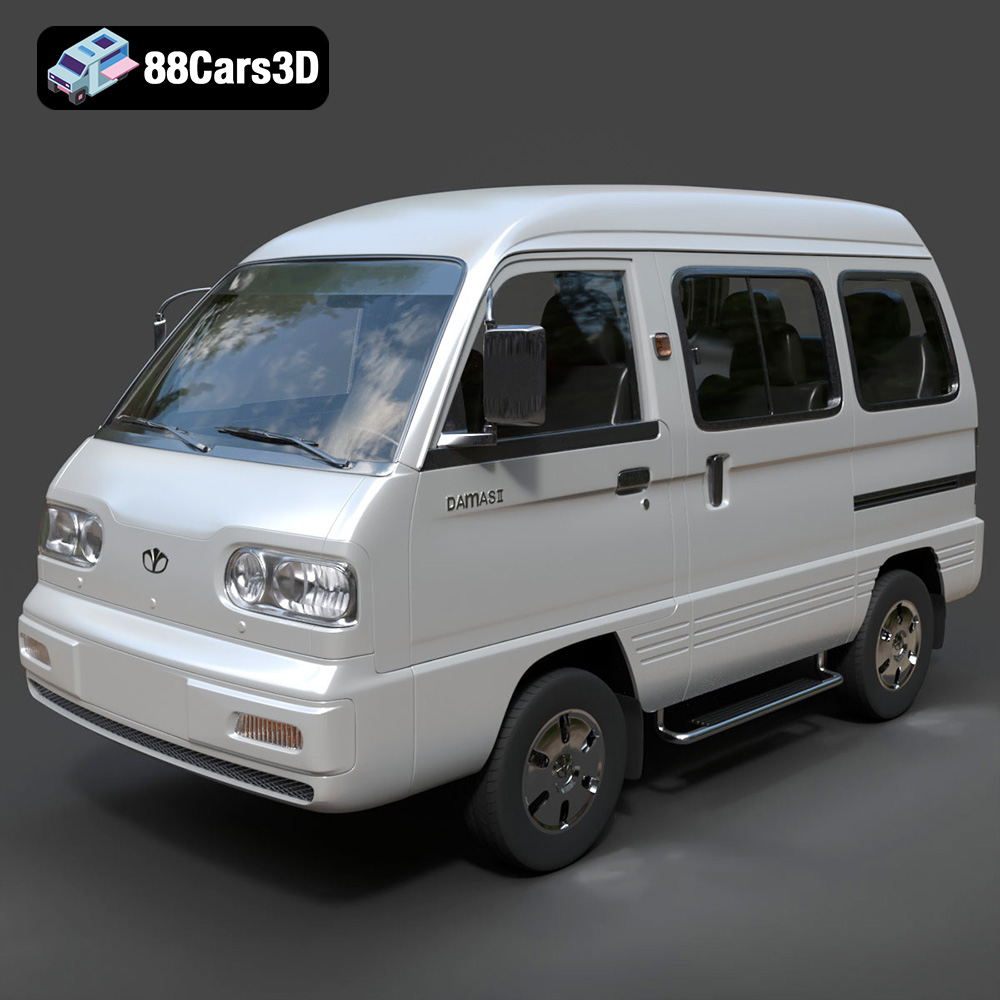
Download the Daewoo Damas Mk2 2012 3D Model featuring clean geometry, realistic detailing, and a fully modeled interior. Includes .blend, .fbx, .obj, .glb, .stl, .ply, .unreal, and .max formats for rendering, simulation, and game development.
Price: $10
Texture: Yes
Material: Yes
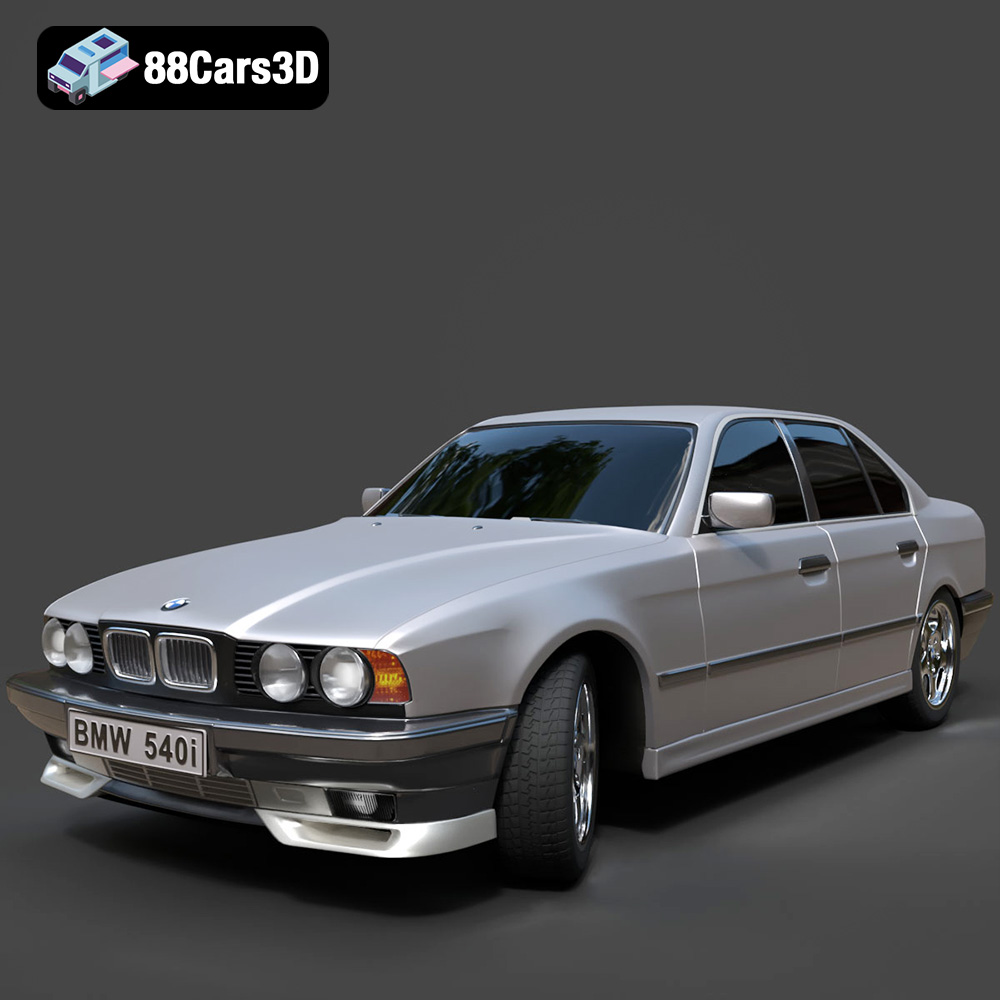
Download the BMW 540 E34 3D Model featuring clean geometry, realistic detailing, and a fully modeled interior. Includes .blend, .fbx, .obj, .glb, .stl, .ply, .unreal, and .max formats for rendering, simulation, and game development.
Price: $10
Texture: Yes
Material: Yes
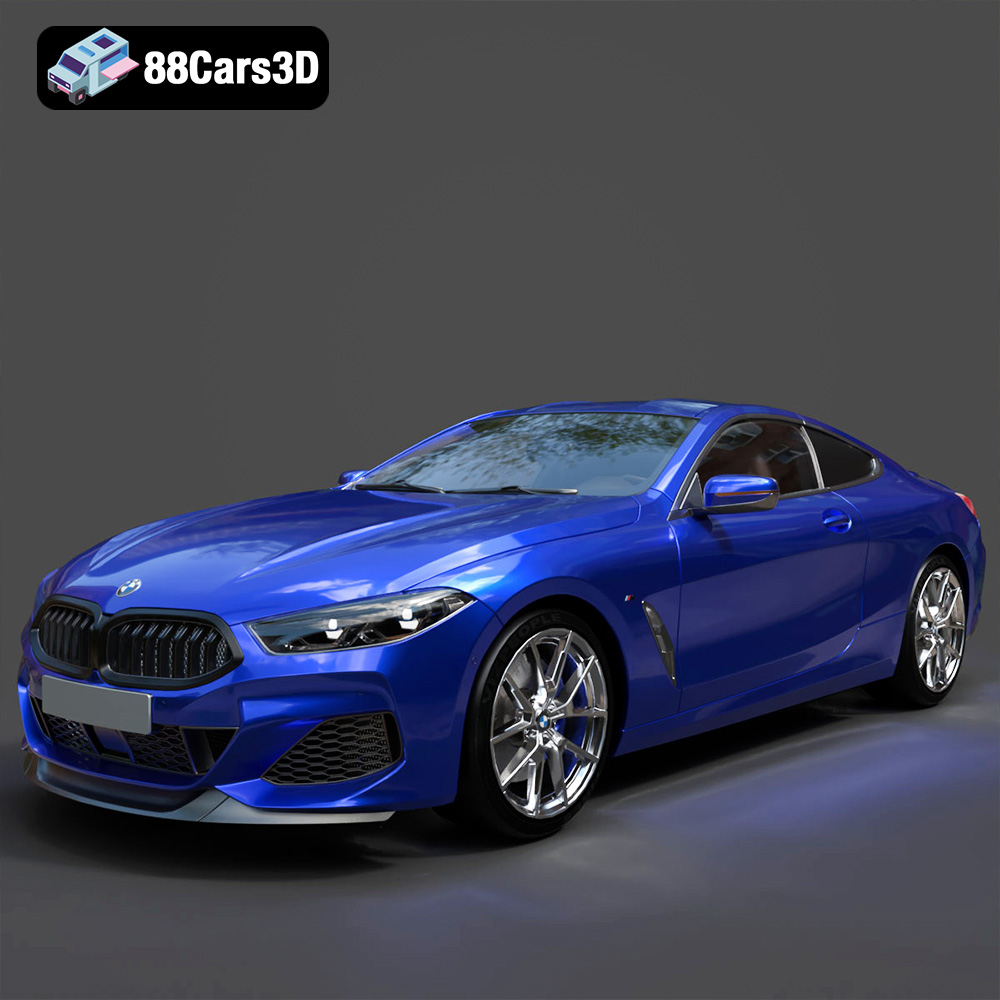
Download the BMW 8 Series Coupe 2020 3D Model featuring clean geometry, realistic detailing, and a fully modeled interior. Includes .blend, .fbx, .obj, .glb, .stl, .ply, .unreal, and .max formats for rendering, simulation, and game development.
Price: $10
Texture: Yes
Material: Yes
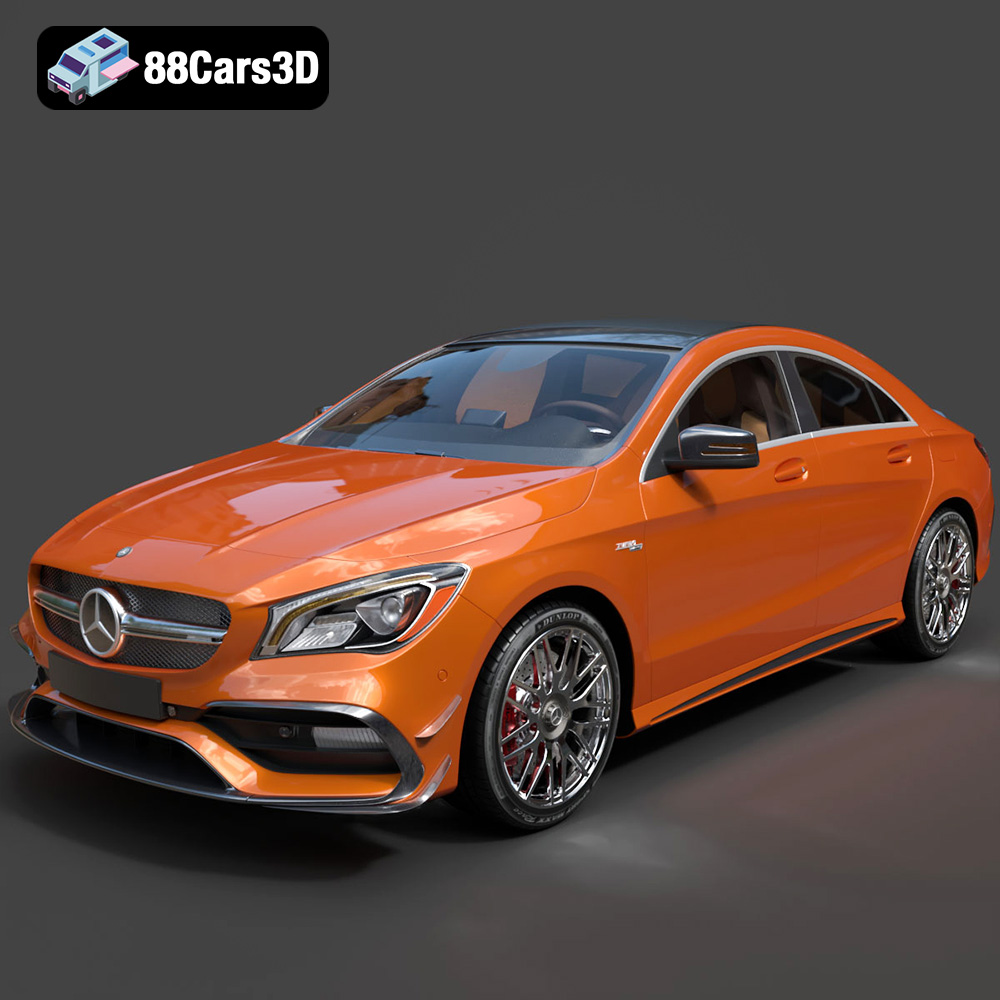
Download the Mercedes-Benz CLA45 AMG 2017 3D Model featuring clean geometry, realistic detailing, and a fully modeled interior. Includes .blend, .fbx, .obj, .glb, .stl, .ply, .unreal, and .max formats for rendering, simulation, and game development.
Price: $21.99
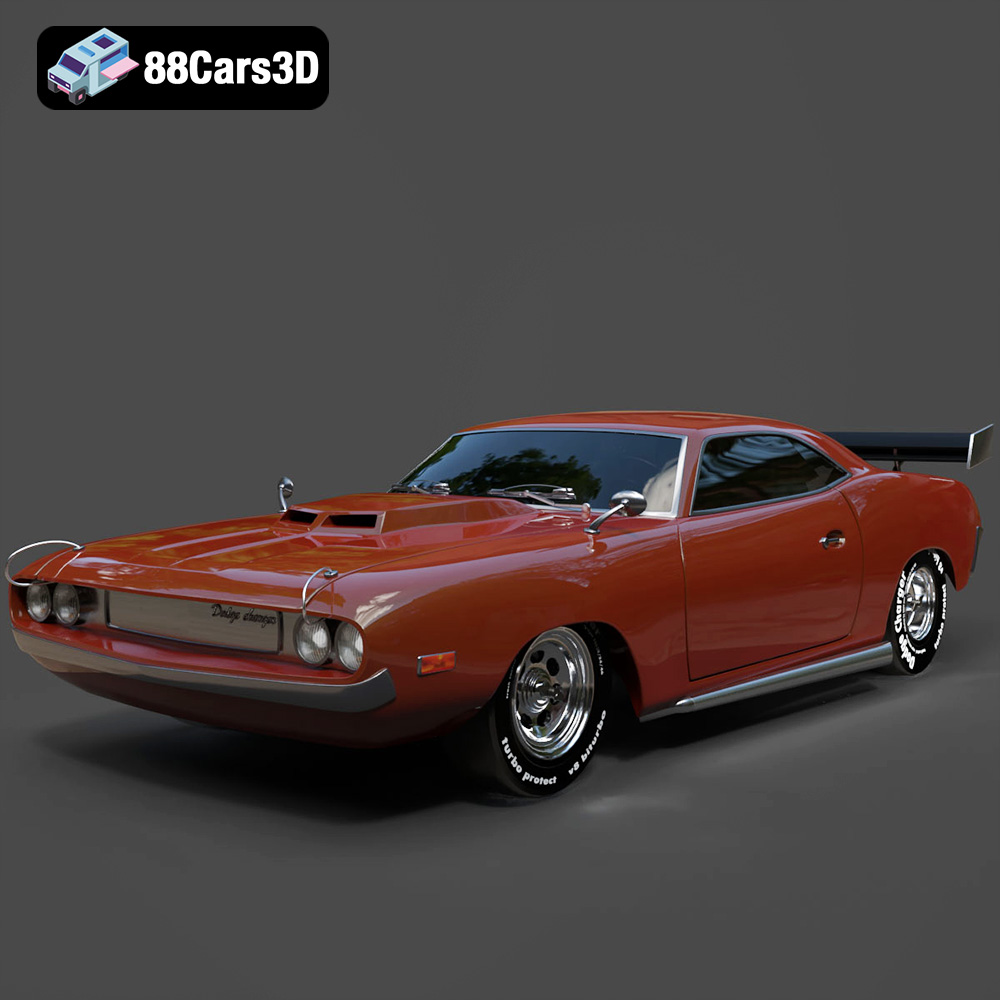
Texture: Yes
Material: Yes
Download the Dodge Charger Car-004 3D Model featuring clean geometry, realistic detailing, and a fully modeled interior. Includes .blend, .fbx, .obj, .glb, .stl, .ply, .unreal, and .max formats for rendering, simulation, and game development.
Price: $10
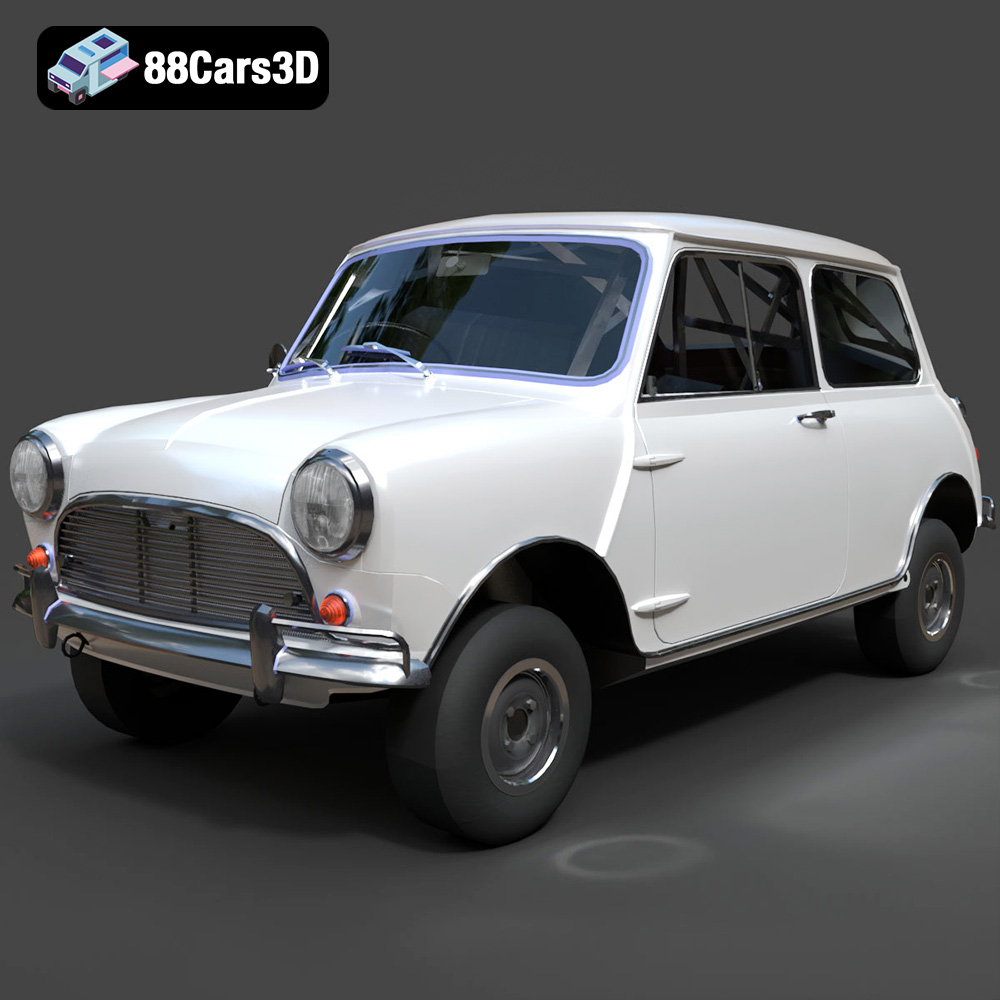
Texture: Yes
Material: Yes
Download the Austin Mini Cooper S 1965 3D Model featuring clean geometry, realistic detailing, and a fully modeled interior. Includes .blend, .fbx, .obj, .glb, .stl, .ply, .unreal, and .max formats for rendering, simulation, and game development.
Price: $10

