Get 50% OFF All Premium 3D & STL Models!

“`html
The world of 3D printing has revolutionized how hobbyists and collectors engage with their passions. For automotive enthusiasts, this means the ability to create incredibly detailed and accurate replicas of their dream cars, right at home. But diving into the world of printable car STL files can be daunting. From understanding STL file structure to mastering slicing techniques and optimizing print settings, there’s a lot to learn. This comprehensive guide will equip you with the knowledge and skills to successfully 3D print stunning car models, covering everything from file selection and preparation to post-processing and display. We’ll explore best practices for FDM and resin printing, delve into specific software settings, and address common troubleshooting issues. Whether you’re a seasoned 3D printing veteran or a curious beginner, prepare to embark on a journey into the fascinating world of automotive model making.
At the heart of every 3D printed model lies the STL (Stereolithography) file. This file format represents the surface geometry of a 3D object using a collection of triangles. Understanding the structure and limitations of STL files is crucial for successful 3D printing. STL files don’t contain information about color, texture, or material; they simply define the shape of the object.
The quality of an STL file is directly related to the density of its triangle mesh. A higher density mesh will result in a smoother surface finish on the printed model, but it also increases the file size and processing time. Conversely, a low-density mesh can lead to visible facets and a less refined appearance. When downloading models from marketplaces such as 88cars3d.com, pay attention to the mesh resolution. For detailed car models, a higher poly count is generally desirable, especially for curved surfaces like fenders and hoods.
A manifold mesh is a closed, watertight surface, meaning it has no holes, self-intersections, or other geometrical errors. Non-manifold geometry, on the other hand, contains these errors and can cause significant problems during slicing and printing. Before printing any STL file, it’s essential to check for and repair any non-manifold errors using software like Meshmixer, Netfabb, or Blender. Common problems include:
Slicing software is the bridge between your 3D model (STL file) and your 3D printer. It takes the STL file as input and generates G-code, a numerical control language that instructs the printer on how to move and extrude material to create the object layer by layer. Popular slicing software options include Cura, PrusaSlicer, Simplify3D, and Chitubox (for resin printers). Each slicer offers a wide range of customizable parameters that affect print quality, speed, and material usage.
Mastering slicing parameters is crucial for achieving optimal print results. Here are some of the most important settings to consider:
Both Cura and PrusaSlicer offer advanced features for fine-tuning print settings. Cura’s tree support structures are particularly useful for complex geometries, as they minimize material usage and are easier to remove. PrusaSlicer excels in its ability to customize infill patterns and bridge settings, allowing for optimized strength and surface finish. Platforms like 88cars3d.com offer print-ready STL files, but tweaking these settings can drastically improve results.
Support structures are essential for printing models with overhanging features or complex geometries. They provide a temporary foundation that prevents sagging and ensures accurate reproduction of the design. However, supports also consume material and require post-processing to remove, so it’s important to optimize their placement and settings.
There are several types of support structures, each with its own advantages and disadvantages:
To minimize the impact of support structures on the final print, consider the following tips:
The choice of material plays a significant role in the final appearance, strength, and durability of your 3D printed car model. The most common materials for FDM printing are PLA, ABS, and PETG, while resin printing utilizes various types of liquid resins. Each material has its own unique properties, advantages, and disadvantages.
Each material requires specific print settings to achieve optimal results. PLA typically requires lower nozzle and bed temperatures than ABS. ABS requires a fully enclosed printer to prevent warping. Resin printers require proper calibration and exposure settings to ensure accurate curing of each layer. Always consult the manufacturer’s recommendations for optimal print settings.
Post-processing is the final step in the 3D printing process, involving techniques to improve the appearance, strength, and functionality of the printed model. Common post-processing techniques include support removal, sanding, filling, priming, painting, and assembly.
For an even more professional finish, consider polishing the model with a polishing compound and applying a clear coat to protect the paint and add shine. These techniques can elevate your 3D printed car model to a truly impressive level.
3D printing can be a challenging process, and it’s common to encounter issues such as warping, layer adhesion problems, stringing, and elephant’s foot. Understanding the causes of these issues and how to fix them is essential for successful 3D printing.
Often, STL files, especially those sourced from less reputable sources, may contain errors. Using software like Meshmixer or Netfabb to repair these errors before slicing can save countless hours of wasted printing. These tools can automatically detect and fix holes, self-intersections, and other mesh defects, ensuring a successful print.
Congratulations! You’ve now gained a comprehensive understanding of the key aspects involved in 3D printing car models from STL files. From understanding STL file structure and mastering slicing techniques to choosing the right materials and perfecting post-processing methods, you’re well-equipped to bring your automotive dreams to life. Remember to experiment with different settings, materials, and techniques to find what works best for your printer and your desired results. Don’t be afraid to learn from your mistakes and to share your experiences with the 3D printing community. Visit 88cars3d.com for a wide selection of high-quality, print-ready STL files to get you started on your next project. The possibilities are endless, so unleash your creativity and start building your collection of stunning 3D printed car models today!
“`
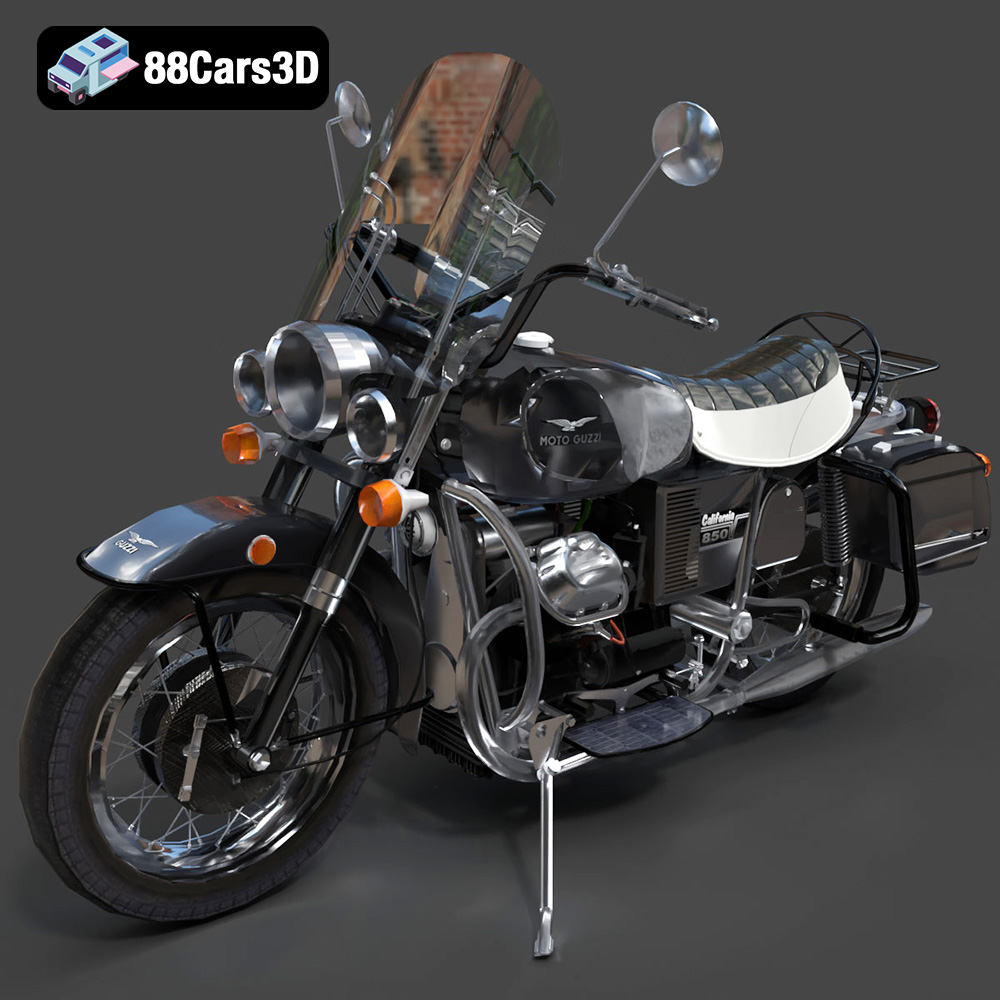
Texture: Yes
Material: Yes
Download the Moto Guzzi Classic Motorcycle 2024 3D Model featuring clean geometry, realistic detailing, and a fully modeled interior. Includes .blend, .fbx, .obj, .glb, .stl, .ply, .unreal, and .max formats for rendering, simulation, and game development.
Price: $10
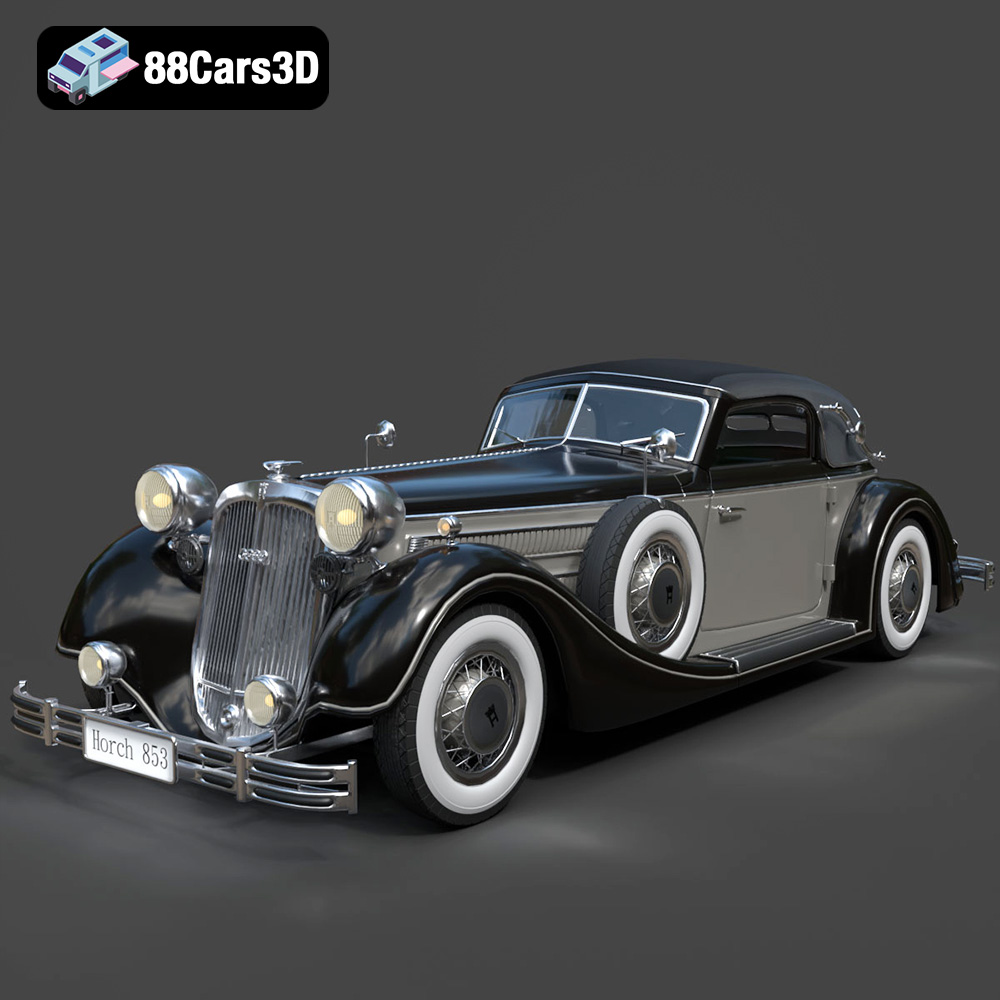
Texture: Yes
Material: Yes
Download the Horch 853 Sport Cabriolet 1937 3D Model featuring clean geometry, realistic detailing, and a fully modeled interior. Includes .blend, .fbx, .obj, .glb, .stl, .ply, .unreal, and .max formats for rendering, simulation, and game development.
Price: $10
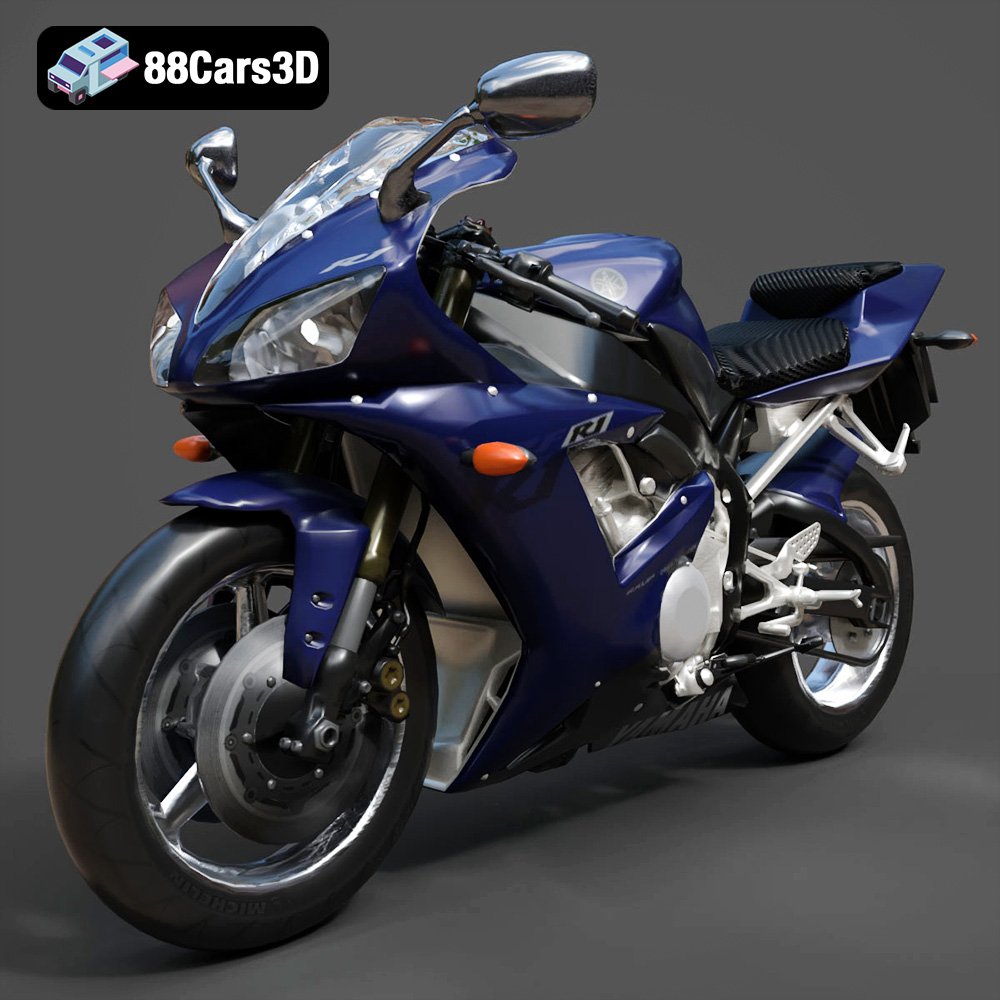
Texture: Yes
Material: Yes
Download the Yamaha YZF-R1 Motorcycle 3D Model featuring clean geometry, realistic detailing, and a fully modeled interior. Includes .blend, .fbx, .obj, .glb, .stl, .ply, .unreal, and .max formats for rendering, simulation, and game development.
Price: $10
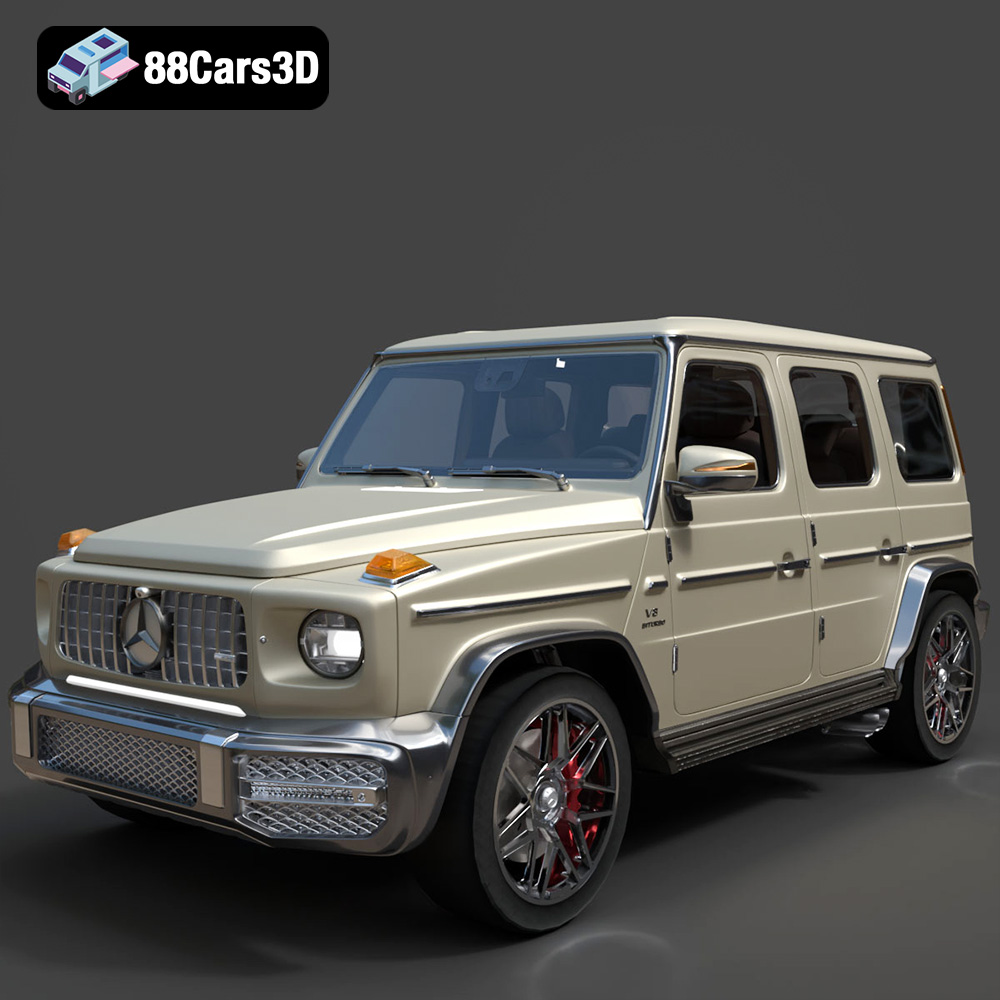
Texture: Yes
Material: Yes
Download the Mercedes Benz G63 AMG 2019 3D Model featuring clean geometry, realistic detailing, and a fully modeled interior. Includes .blend, .fbx, .obj, .glb, .stl, .ply, .unreal, and .max formats for rendering, simulation, and game development.
Price: $90
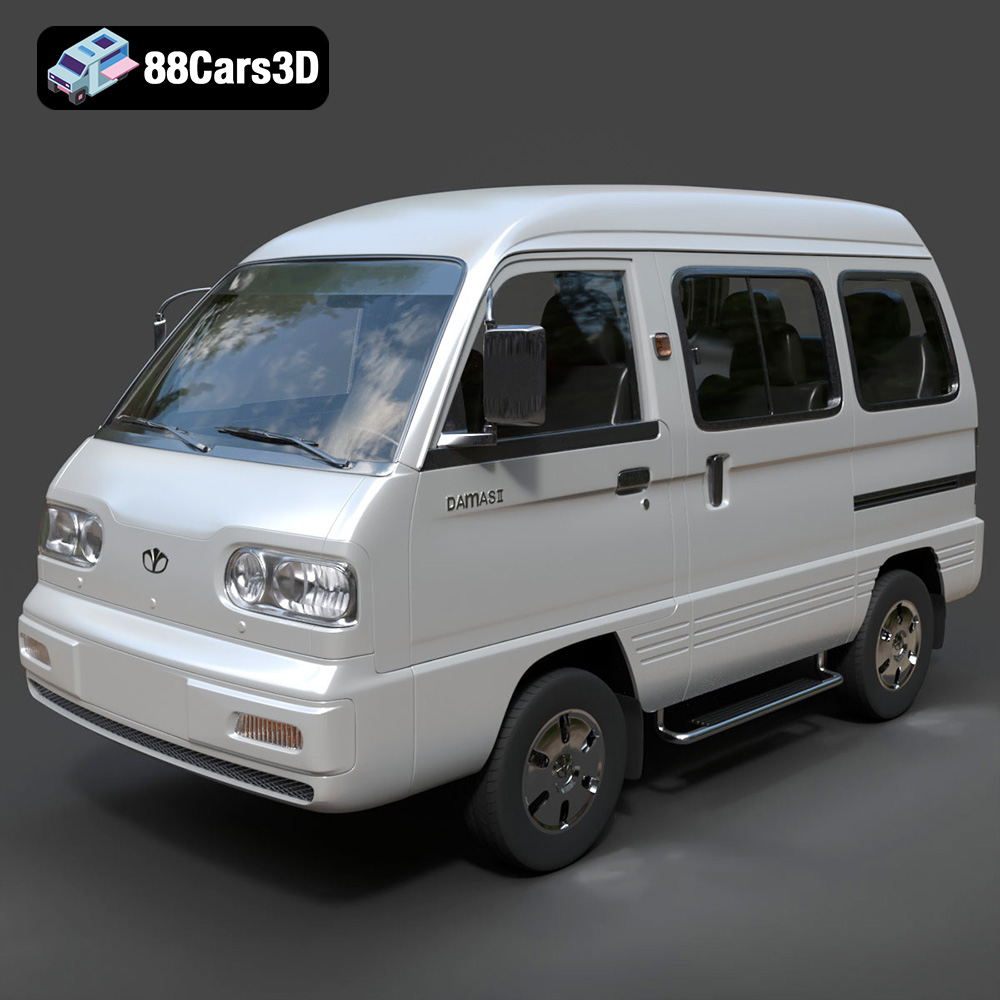
Texture: Yes
Material: Yes
Download the Daewoo Damas Mk2 2012 3D Model featuring clean geometry, realistic detailing, and a fully modeled interior. Includes .blend, .fbx, .obj, .glb, .stl, .ply, .unreal, and .max formats for rendering, simulation, and game development.
Price: $10
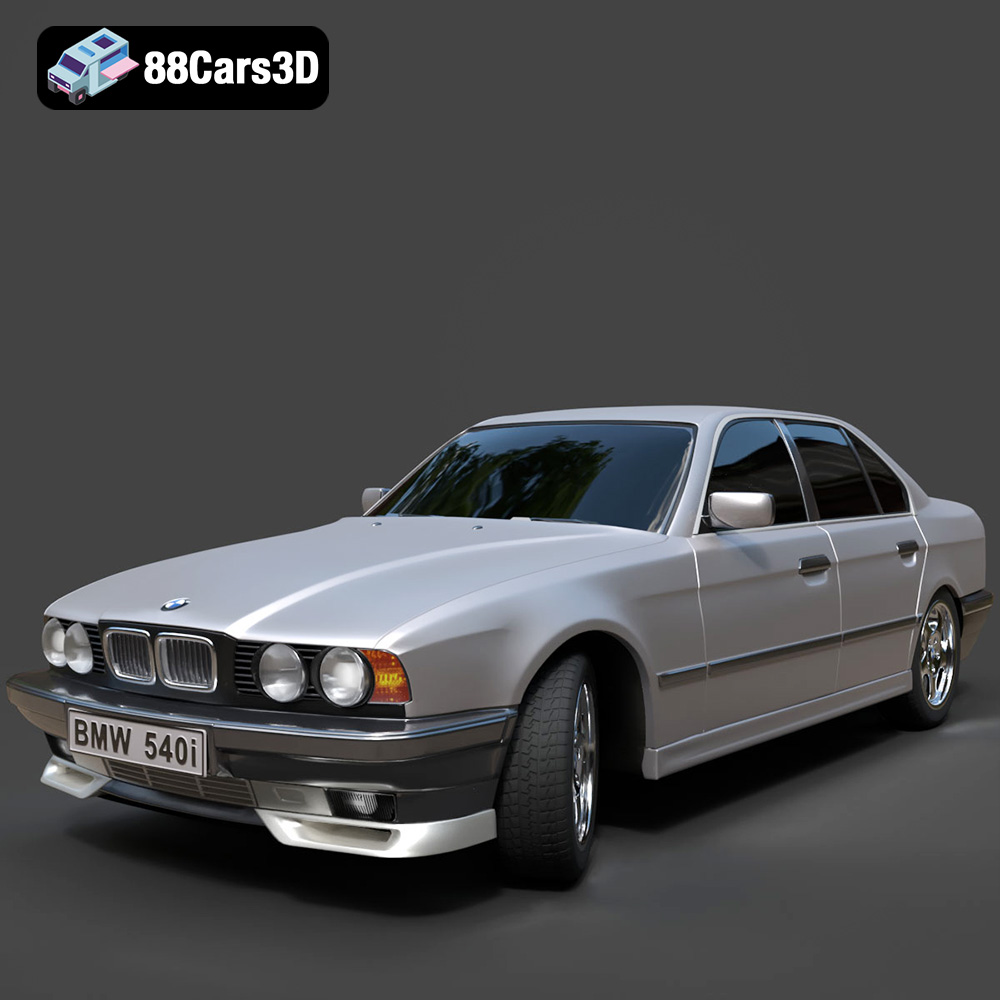
Texture: Yes
Material: Yes
Download the BMW 540 E34 3D Model featuring clean geometry, realistic detailing, and a fully modeled interior. Includes .blend, .fbx, .obj, .glb, .stl, .ply, .unreal, and .max formats for rendering, simulation, and game development.
Price: $10
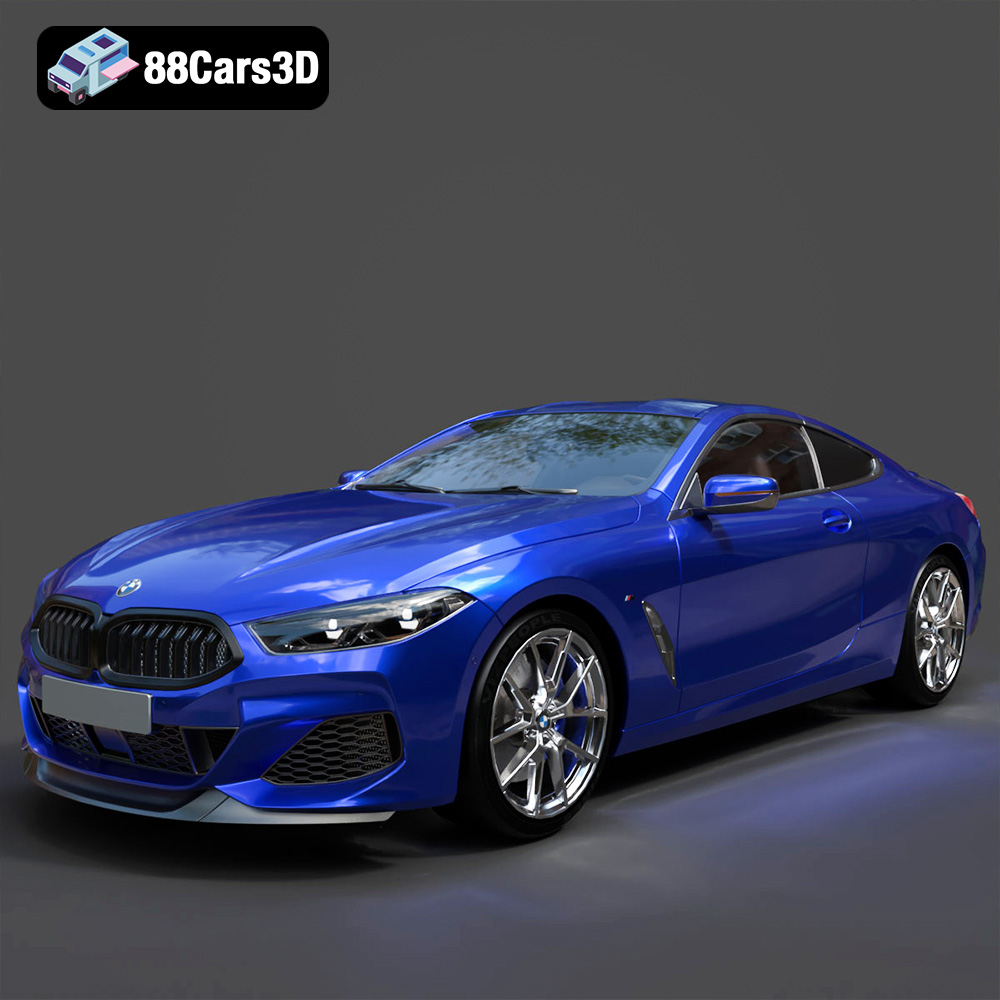
Texture: Yes
Material: Yes
Download the BMW 8 Series Coupe 2020 3D Model featuring clean geometry, realistic detailing, and a fully modeled interior. Includes .blend, .fbx, .obj, .glb, .stl, .ply, .unreal, and .max formats for rendering, simulation, and game development.
Price: $10
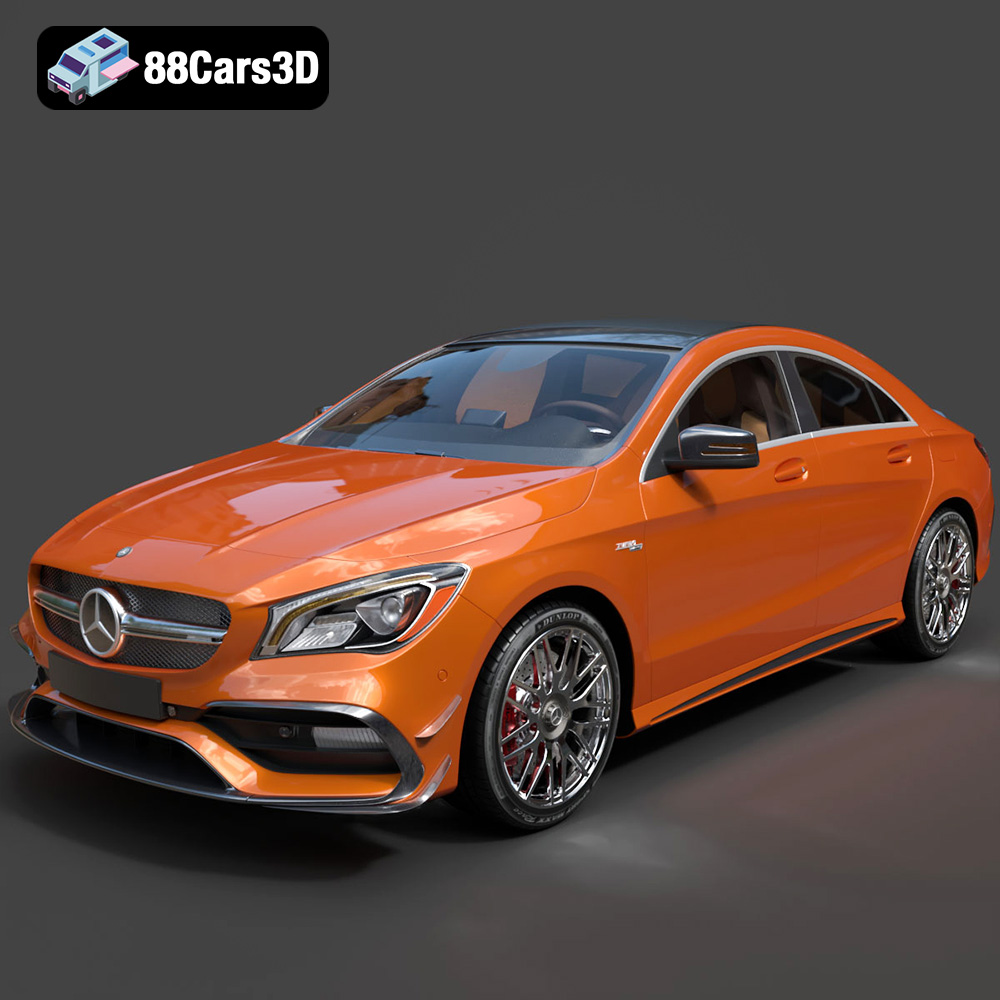
Texture: Yes
Material: Yes
Download the Mercedes-Benz CLA45 AMG 2017 3D Model featuring clean geometry, realistic detailing, and a fully modeled interior. Includes .blend, .fbx, .obj, .glb, .stl, .ply, .unreal, and .max formats for rendering, simulation, and game development.
Price: $21.99
Texture: Yes
Material: Yes
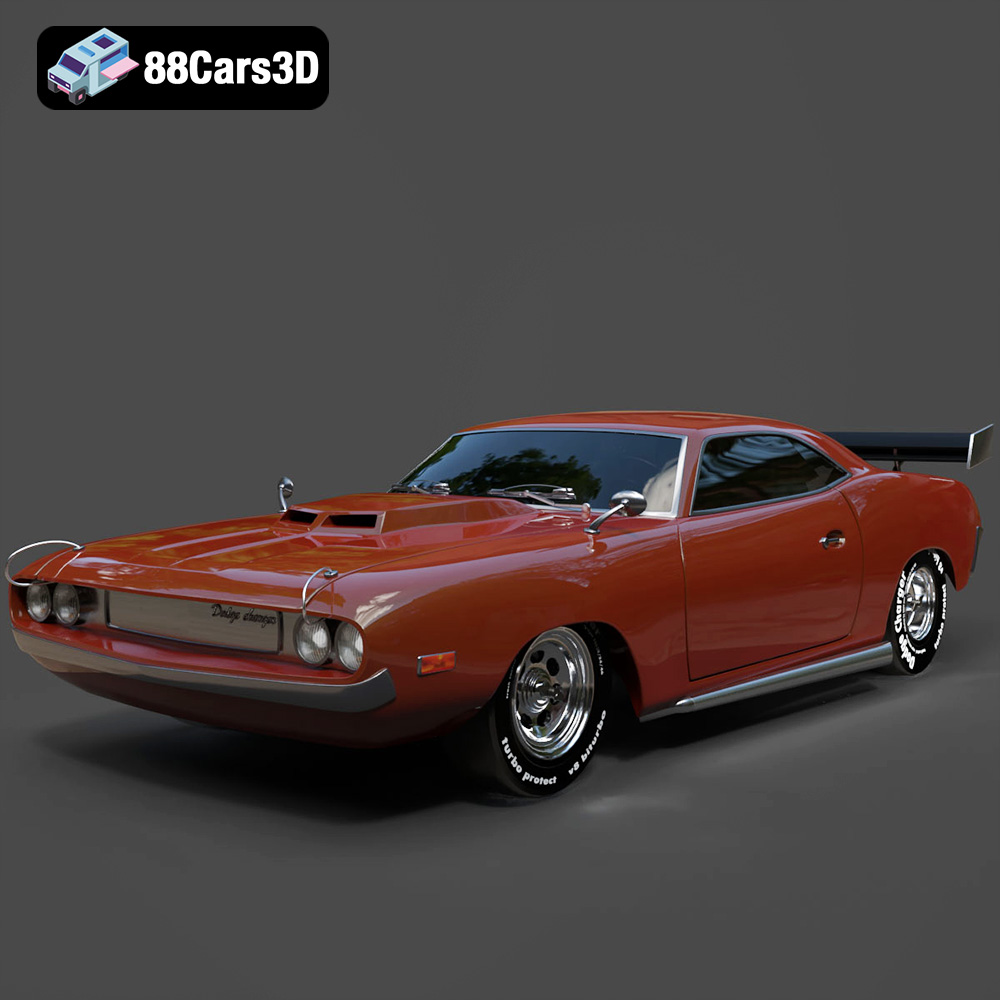
Download the Dodge Charger Car-004 3D Model featuring clean geometry, realistic detailing, and a fully modeled interior. Includes .blend, .fbx, .obj, .glb, .stl, .ply, .unreal, and .max formats for rendering, simulation, and game development.
Price: $10
Texture: Yes
Material: Yes
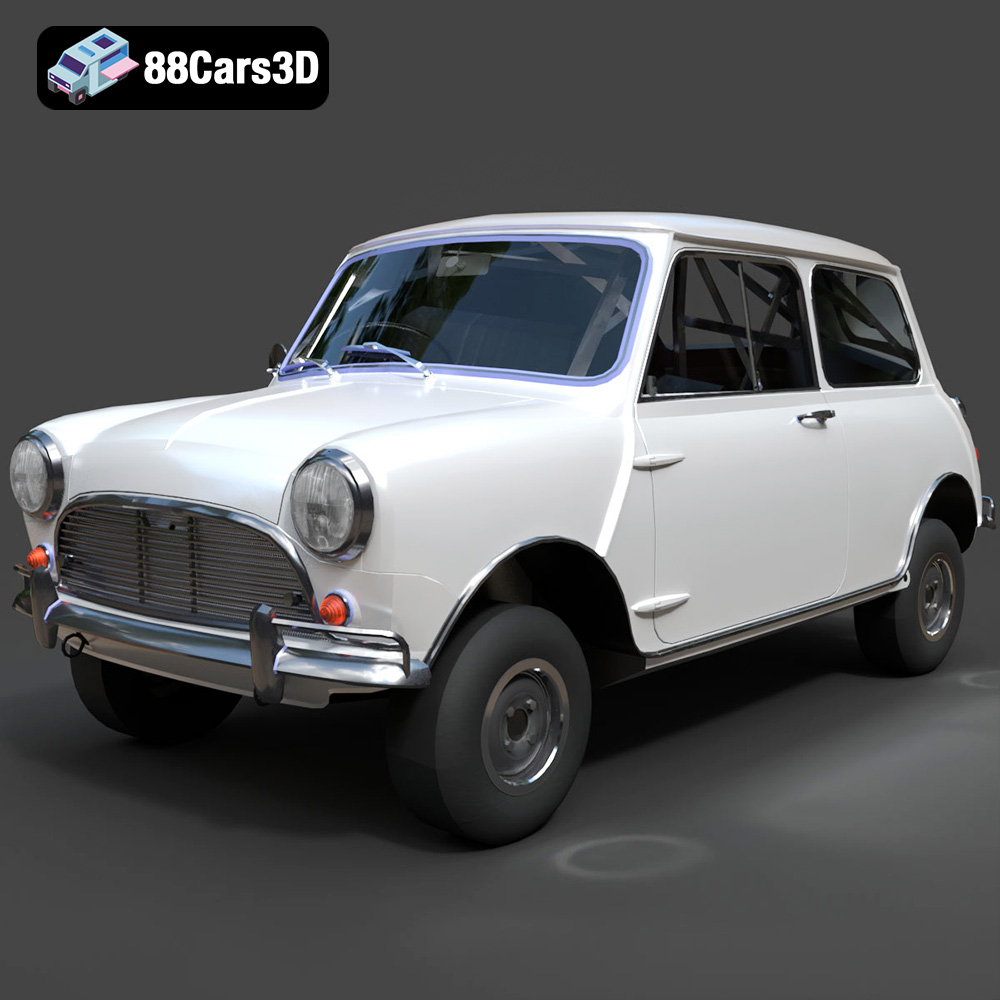
Download the Austin Mini Cooper S 1965 3D Model featuring clean geometry, realistic detailing, and a fully modeled interior. Includes .blend, .fbx, .obj, .glb, .stl, .ply, .unreal, and .max formats for rendering, simulation, and game development.
Price: $10

