Get 50% OFF All Premium 3D & STL Models!

The automotive industry stands at the forefront of design and technological innovation, and at its heart lies advanced 3D modeling. From initial sketches to final production, 3D software is indispensable for shaping the vehicles of tomorrow. For professionals ranging from concept artists and design engineers to visualization specialists and game developers, selecting the right tool is paramount. It dictates not only the efficiency of the workflow but also the quality, realism, and functionality of the end product.
In 2024, the landscape of 3D modeling software for automotive design is richer and more sophisticated than ever. Tools are constantly evolving, offering unparalleled precision, creative freedom, and seamless integration across various stages of development. This comprehensive guide will navigate you through the top 10 best 3D modeling software solutions making waves in the automotive sector. We’ll delve into their unique strengths, explore their technical capabilities, and highlight how they empower designers to craft stunning and highly accurate 3D car models, ready for rendering, game development, AR/VR experiences, or even 3D printing. Whether you’re aiming for photorealistic renders or optimized game assets, understanding these platforms is your first gear into accelerating automotive design excellence.
Automotive 3D modeling is a discipline demanding extreme precision, aesthetic sensibility, and technical rigor. Unlike general object modeling, creating a car model involves capturing intricate curves, complex surface transitions, and a vast array of details, all while maintaining perfect symmetry and engineering accuracy. The choice of software often hinges on the specific stage of the design process—from initial conceptualization to detailed engineering and final visualization.
A crucial consideration for automotive models is the balance between aesthetic perfection and functional data. Designers must ensure that the digital model not only looks stunning but also accurately represents the manufacturable form, adhering to tight tolerances and ergonomic principles. This requires software capable of handling complex surface data, offering robust tools for iterative design, and supporting advanced material definitions. The journey of a car model from concept to completion often involves a diverse set of tools, each excelling in a particular phase. Understanding the underlying technologies and data structures these tools employ is key to a successful automotive design pipeline.
At the core of automotive 3D modeling lie two predominant geometric approaches: NURBS (Non-Uniform Rational B-Splines) and Subdivision Surface (SubD) modeling. NURBS are mathematical representations that can accurately model any shape from a simple 2D line, circle, arc, or curve to a complex 3D free-form surface or solid. They are the bedrock of industrial design and engineering, offering unparalleled precision, continuity, and control over complex curvature. For automotive design, NURBS are indispensable for creating class-A surfaces—surfaces that are aesthetically pleasing, manufacturable, and meet stringent quality standards regarding reflection and light continuity. Software like Autodesk Alias and ICEM Surf are built around NURBS, providing tools for precise curve and surface manipulation, essential for capturing the aerodynamic and aesthetic nuances of a car body.
Subdivision Surface modeling, on the other hand, starts with a low-polygon mesh that is then smoothed to create high-resolution, organically flowing surfaces. While less mathematically precise than NURBS, SubD offers immense flexibility and speed, particularly in the conceptual and artistic phases. It’s ideal for quickly iterating on shapes, creating organic forms, and developing high-fidelity meshes for rendering, animation, and game assets. Tools like Blender, Maya, and 3ds Max leverage SubD modeling extensively. Often, a hybrid workflow is employed: initial design in NURBS for accuracy, followed by conversion to SubD for detailed artistic refinement and optimization for real-time applications. Understanding when and how to apply each methodology is a hallmark of an expert automotive 3D artist, ensuring both engineering integrity and visual appeal.
The automotive design pipeline is rarely confined to a single software package. It typically involves a complex ecosystem where models move between different applications for concept sketching, detailed surfacing, engineering analysis, photorealistic rendering, and even real-time simulation. This necessitates robust data interoperability—the ability of different software programs to exchange and use data seamlessly. Common file formats such as FBX, OBJ, STEP, IGES, GLB, and USDZ play a critical role in facilitating this exchange. STEP and IGES are industry standards for exchanging NURBS data between CAD (Computer-Aided Design) systems, preserving surface quality and engineering information. FBX and OBJ are widely used for polygon meshes, crucial for game development and rendering workflows. GLB and USDZ are gaining traction for AR/VR applications due to their efficiency and ability to embed materials and animations.
Effective workflow integration means not just transferring files, but ensuring that the integrity of the model—its topology, UV mapping, material assignments, and hierarchies—is maintained throughout the process. For instance, a model developed in a NURBS package might be converted to a high-quality polygon mesh for rendering in a different application. Challenges often arise in preserving edge flow, managing polygon counts, and ensuring clean UV layouts during these conversions. Platforms like 88cars3d.com specialize in providing high-quality 3D car models that are meticulously prepared with clean topology, realistic materials, and proper UV mapping, ensuring they are readily compatible with various pipelines. Professional artists often develop custom scripts and use specialized plugins to streamline these transitions, minimizing errors and maintaining efficiency across the entire automotive design and visualization workflow.
The initial phase of automotive design, where ideas take shape and aesthetics are defined, demands software that offers both creative freedom and precision. These tools allow designers to translate sketches and concepts into three-dimensional forms, focusing on ergonomic considerations, aerodynamic principles, and brand identity. The ability to iterate quickly, explore multiple design variations, and achieve perfect surface quality is paramount in this crucial stage, setting the foundation for the entire vehicle development process.
Autodesk Alias AutoStudio is unequivocally the gold standard for automotive concept design and surfacing. Revered globally by leading automotive OEMs and design studios, Alias is a powerful NURBS-based surfacing tool that enables designers to create Class-A surfaces—surfaces with exceptionally high quality, curvature continuity, and aesthetic appeal. Its robust suite of tools allows for everything from sketching and conceptual modeling to advanced surface refinement and reverse engineering. Designers use Alias to sculpt complex, flowing car bodies with micron-level precision, ensuring perfect reflections and seamless transitions.
Key features include advanced curve and surface modeling tools, dynamic shape modeling, precise surface analysis (e.g., zebra stripes, curvature combs), and robust data exchange capabilities with CAD engineering software. Alias workflows often begin with concept sketches, which are then translated into 3D curves and surfaces, iteratively refined to achieve the desired form and quality. For professionals aiming for unmatched surface quality and industry-standard workflows in automotive design, Alias AutoStudio is an indispensable investment, though it comes with a steep learning curve due to its depth and precision requirements.
While often used in conjunction with Alias or in later stages of the design process, ICEM Surf is another powerhouse for advanced surface modeling and refinement, particularly favored for achieving the highest levels of Class-A surface quality for production readiness. Developed by Dassault Systèmes, ICEM Surf excels in creating and manipulating complex free-form surfaces with exceptional control and analytical tools. It’s frequently employed for final surface validation, where minute deviations can have significant impacts on manufacturing and aesthetic perception. Its strength lies in its comprehensive set of surface creation and analysis tools, allowing for meticulous control over tangency, curvature, and continuity.
ICEM Surf is highly regarded for its ability to handle challenging surface intersections and transitions, making it ideal for the intricate body panels and aerodynamic components of modern vehicles. It’s not typically a conceptual design tool but rather a specialized solution for refining and optimizing surfaces to meet rigorous engineering and manufacturing specifications. Designers leverage ICEM Surf’s robust capabilities to ensure that every surface meets the strictest quality standards before models are passed on for engineering and tooling, solidifying its position as a critical tool for high-end automotive surfacing.
Moving beyond initial concepts, the automotive design process seamlessly integrates aesthetic vision with engineering practicality. This phase demands software that can not only generate beautiful forms but also facilitate detailed engineering, analysis, and comprehensive visualization. These tools bridge the gap between artistic expression and technical feasibility, allowing designers and engineers to collaborate effectively, optimize performance, and create photorealistic representations of vehicles before physical prototypes are even considered. The ability to handle complex assemblies, perform simulations, and prepare models for manufacturing is crucial in this segment.
CATIA (Computer-Aided Three-Dimensional Interactive Application) from Dassault Systèmes is arguably the most comprehensive and powerful CAD software suite used across the automotive and aerospace industries. It’s not merely a modeling tool; it’s an integrated platform for product lifecycle management (PLM), covering conceptual design, detailed engineering, manufacturing, and simulation. For automotive design, CATIA offers robust capabilities for parametric solid and surface modeling, enabling engineers to create highly precise and modifiable components. Its Generative Shape Design (GSD) workbench is particularly powerful for creating complex Class-A surfaces, often leveraging data imported from Alias or ICEM Surf for further engineering refinement.
CATIA’s strength lies in its ability to manage large and complex assemblies, simulate kinematic movements, and conduct various analyses (FEA, CFD) all within the same environment. This integrated approach allows for seamless collaboration between design, engineering, and manufacturing teams, ensuring that aesthetic choices are validated against engineering constraints and production requirements. For example, a car chassis, engine components, and interior structures are often designed and assembled entirely within CATIA, providing a holistic view of the vehicle’s entire architecture and performance characteristics. While its learning curve is steep, CATIA’s unparalleled capabilities for integrated product development make it indispensable for major automotive manufacturers.
Also from Dassault Systèmes, SolidWorks is a widely adopted CAD software known for its user-friendly interface and robust parametric modeling capabilities. While not typically used for initial Class-A surfacing like Alias, SolidWorks excels in detailed design, mechanical engineering, and assembly modeling. It’s a popular choice for designing individual car components, interior parts, engine bay layouts, and intricate mechanical systems. Its intuitive workflow makes it accessible to a broader range of users, from mechanical engineers to product designers, allowing for efficient iteration and modification of parts.
SolidWorks utilizes a feature-based, parametric solid modeling approach, meaning design changes can be propagated easily throughout the model. This is invaluable for automotive design, where components often undergo numerous revisions. It also offers excellent rendering capabilities through integrated tools like PhotoView 360, allowing designers to create high-quality visualizations of their engineered parts. Its extensive libraries of standard components and robust simulation tools (SolidWorks Simulation) further enhance its utility, making it a powerful tool for bridging the gap between aesthetic design and practical engineering considerations in automotive development. For smaller design studios or specialized component development, SolidWorks offers a compelling blend of power and accessibility.
Often affectionately known as “Rhino,” Rhinoceros 3D by Robert McNeel & Associates is a remarkably versatile and cost-effective NURBS modeling software. Rhino strikes an excellent balance between precision and creative freedom, making it a popular choice across various design disciplines, including automotive. Its strength lies in its powerful freeform 3D modeling tools, allowing designers to create complex shapes with high accuracy. While it may not offer the same level of Class-A surface analysis as Alias or ICEM Surf, Rhino is more than capable of producing high-quality surfaces suitable for many stages of automotive design, particularly in the early conceptual and detailed development phases.
Rhino’s open architecture and extensive plugin ecosystem (like Grasshopper for parametric design) significantly expand its capabilities. Automotive designers often use Rhino for initial concept modeling, refining imported CAD data, creating accessory designs, or even developing intricate interior elements. Its robust file import/export options ensure seamless integration with other CAD, CAM, and rendering software. For artists and designers seeking a powerful yet accessible NURBS modeling solution that offers tremendous flexibility and a strong community support system, Rhinoceros 3D represents an excellent investment for tackling diverse automotive modeling challenges.
Once the form and engineering aspects are established, the focus shifts to bringing the 3D car models to life through artistic refinement and photorealistic rendering. This phase is critical for marketing, presentations, and creating immersive experiences. It involves meticulous attention to detail in surface topology, UV mapping, PBR material creation, lighting, and advanced rendering techniques. The software in this category prioritizes visual fidelity, animation capabilities, and efficient rendering engines, enabling artists to produce stunning images and animations that captivate audiences and accurately showcase the vehicle’s design.
Blender has rapidly evolved into a formidable force in the 3D industry, and its open-source nature, coupled with powerful features, makes it an attractive option for automotive artists and studios. Blender offers a comprehensive suite of tools for modeling (both subdivision and polygonal), sculpting, UV unwrapping, texturing, rigging, animation, rendering, and even video editing. Its robust Cycles and Eevee render engines are capable of producing stunningly realistic visualizations of vehicles, leveraging physically based rendering (PBR) workflows. Cycles, a path tracer, provides unbiased, production-quality rendering, while Eevee offers real-time rendering for quicker previews and interactive experiences.
For automotive modeling, Blender’s advanced subdivision surface tools allow for the creation of clean, high-fidelity car body panels from simpler base meshes. Its powerful Blender 4.4 documentation highlights recent advancements in modeling tools, including enhanced precision modeling capabilities and expanded Geometry Nodes functionality. Geometry Nodes, for instance, can be leveraged to create complex parametric elements like tire treads or intricate grill patterns with procedural control. Efficient UV mapping tools allow for precise texture placement, and its node-based shader editor provides immense flexibility in creating realistic car paints, metallic finishes, and interior materials. Blender’s growing popularity and extensive community support, combined with its zero-cost entry, make it an outstanding choice for individual artists and studios looking for a versatile and powerful 3D solution in the automotive visualization pipeline. Its capabilities for real-time visualization and game asset preparation are also highly valuable.
Autodesk Maya is a dominant force in the animation, film, and visual effects industries, and its capabilities extend seamlessly into high-end automotive visualization. Renowned for its unparalleled polygon and subdivision surface modeling tools, Maya allows artists to create extremely detailed and complex car models. Its robust rigging and animation toolsets are essential for creating dynamic car animations, showcasing functionality, or producing captivating cinematic sequences for marketing. Maya’s node-based architecture provides incredible flexibility and control over every aspect of the 3D pipeline.
For rendering, Maya integrates seamlessly with powerful renderers like Arnold (its native renderer) and V-Ray. Arnold is celebrated for its ability to produce highly realistic, unbiased renders with physically accurate lighting and materials, making it a top choice for photorealistic car renders. Maya’s advanced UV mapping tools, comprehensive shading network editor, and particle systems enable artists to add intricate details like dust, rain, or tire smoke for enhanced realism. Its strong integration with other Autodesk products and its position as an industry standard for character animation also make it a versatile hub for complex automotive projects that might involve virtual characters or interactive elements within the vehicle environment.
3ds Max, another flagship product from Autodesk, holds a unique and powerful position in the realm of architectural visualization and automotive rendering. It is particularly celebrated for its robust modeling tools (especially for hard-surface and architectural elements), extensive modifier stack, and its deep integration with industry-leading third-party renderers like Corona Renderer and V-Ray. For automotive visualization, 3ds Max offers an incredibly efficient workflow for creating detailed interior and exterior car models, managing complex scene setups, and producing stunning photorealistic images and animations.
The software’s polygon and spline-based modeling tools are highly intuitive for creating clean topology suitable for automotive surfaces. Its material editor, combined with renderers like Corona and V-Ray, allows for the creation of incredibly nuanced and realistic car paints, leathers, fabrics, and metals, leveraging comprehensive PBR material systems. 3ds Max excels in scene assembly, lighting setup, and camera animation, providing artists with granular control over every aspect of the final render. Its strong ecosystem of plugins, including those for scattering objects (e.g., Forest Pack for environments) and advanced fluid simulations, further enhance its capability to create entire virtual scenes around a vehicle, establishing it as a perennial favorite for high-quality automotive rendering and visualization projects.
The automotive 3D modeling landscape is not static; it’s continuously evolving with specialized tools addressing niche requirements and emerging technologies pushing the boundaries of what’s possible. These solutions complement the core modeling packages, providing targeted functionalities that enhance specific aspects of the design, engineering, or visualization process. From cloud-based collaborative platforms to dedicated subdivision modeling tools, these offerings streamline workflows, enable new design paradigms, and prepare models for cutting-edge applications like AR/VR.
Autodesk Fusion 360 represents a modern, cloud-based approach to integrated CAD, CAM, and CAE (Computer-Aided Engineering). While not traditionally seen as a primary automotive surfacing tool like Alias, Fusion 360’s growing capabilities make it incredibly versatile for various stages of automotive design, particularly for component design, rapid prototyping, and collaborative workflows. Its unified environment allows for parametric solid modeling, T-Spline (SubD) freeform modeling, direct modeling, and even mesh modeling, providing flexibility for different design approaches. This makes it suitable for anything from designing a specific car part to exploring overall vehicle concepts.
One of Fusion 360’s greatest strengths is its emphasis on collaboration. Being cloud-native, it allows design teams to work on projects simultaneously, share feedback, and manage versions efficiently from anywhere. It also integrates simulation tools (FEA) and CAM capabilities for manufacturing, offering a streamlined pipeline from design to production. For smaller design teams, startups, or individual engineers working on automotive accessories, interior components, or specialized modifications, Fusion 360 provides a powerful, accessible, and highly integrated solution that leverages the benefits of cloud computing for enhanced productivity and rapid iteration.
Modo by Luxology LLC (now part of Maxon) is a robust 3D modeling, sculpting, painting, animation, and rendering software known for its exceptional subdivision surface modeling toolkit and elegant workflow. While perhaps not as ubiquitous as Maya or 3ds Max in automotive, Modo offers a highly artist-friendly environment that is particularly effective for creating clean, high-quality polygon meshes for car bodies and components. Its MODO MeshFusion technology, in particular, allows for intuitive boolean operations on subdivision surfaces, enabling complex forms and intricate panel gaps to be created with remarkable ease and precision, maintaining perfect topology.
Modo’s physically based renderer is highly capable of producing photorealistic images, with an intuitive shader tree for material creation. Its comprehensive UV mapping tools and painting capabilities further streamline the process of texturing automotive models. For designers who prioritize intuitive modeling workflows, powerful subdivision surfacing, and a flexible rendering pipeline, Modo offers a compelling alternative. It’s often chosen by artists for its clean UI, responsive viewport, and efficient toolset for preparing high-quality assets for visualization, game development, or as a bridge between CAD and other artistic applications. When sourcing 3D car models from marketplaces such as 88cars3d.com, artists often find models that have benefited from Modo’s topology-centric modeling approach.
Creating a detailed 3D car model is only the first step. To maximize its utility, especially across modern interactive platforms and advanced rendering pipelines, rigorous optimization is essential. An unoptimized model, no matter how detailed, can lead to poor performance in real-time environments or unnecessarily long render times. This section delves into the critical strategies and technical considerations for preparing automotive models for demanding applications like game engines, AR/VR experiences, and high-fidelity rendering, ensuring they perform flawlessly and look spectacular.
When preparing automotive models for real-time applications like game engines (e.g., Unity, Unreal Engine) or interactive configurators, performance is paramount. High-polygon CAD models are typically too heavy for real-time rendering, necessitating a meticulous optimization process. Key strategies include:
These techniques are critical for achieving smooth frame rates and immersive experiences in game environments and real-time visualization tools.
Augmented Reality (AR) and Virtual Reality (VR) platforms impose unique demands on 3D models, particularly concerning file size, polygon count, and material efficiency. AR/VR models must be exceptionally lightweight to ensure smooth interaction and rapid loading times on mobile devices or VR headsets. This often involves more aggressive polygon reduction than for game engines, carefully balancing visual fidelity with performance constraints. File formats like GLB and USDZ are specifically optimized for AR/VR, as they efficiently package models, materials, and animations into single, easily distributable files. For immersive AR/VR car experiences, textures must be highly optimized, often using lower resolutions or more aggressive compression without noticeable quality loss. Clean UV mapping is also paramount for consistent texture display across different lighting conditions and platforms.
3D printing introduces an entirely different set of requirements. Here, watertight meshes, correct scale, and manifold geometry are critical. Unlike rendering, which can sometimes forgive minor mesh errors, 3D printing requires every surface to be fully enclosed and properly oriented.
Proper preparation for 3D printing often involves specialized software that can analyze and repair meshes, guaranteeing a successful physical output of the digital car model.
High-fidelity rendering is where 3D car models truly shine, transforming digital data into photorealistic images and animations. Modern rendering workflows are heavily reliant on Physically Based Rendering (PBR), which accurately simulates how light interacts with surfaces, resulting in highly realistic materials and lighting.
Mastering these rendering techniques is essential for creating compelling automotive visualizations that stand out and accurately represent a vehicle’s design intent.
The journey through the top 10 best 3D modeling software for automotive design in 2024 reveals a diverse and powerful ecosystem of tools, each tailored to specific stages and demands of vehicle development. From the unparalleled precision of NURBS surfacing tools like Autodesk Alias and ICEM Surf, crucial for Class-A surface quality and engineering integrity, to the artistic flexibility and rendering prowess of subdivision modelers like Blender, Maya, and 3ds Max, the choices empower designers to push the boundaries of creativity and realism. Integrated platforms like CATIA and SolidWorks bridge the gap between design and engineering, while versatile options like Rhinoceros 3D and Fusion 360 offer accessibility and collaborative advantages.
The selection of software is not merely a preference but a strategic decision that shapes the efficiency, accuracy, and visual impact of automotive projects. Understanding the nuances of topology, UV mapping, PBR materials, and optimization techniques for diverse applications—be it game engines, AR/VR, or 3D printing—is paramount for any professional in this field. As technology continues to advance, so too will the capabilities of these tools, further blurring the lines between digital design and physical reality. The key takeaway remains the importance of selecting the right tool for the right job, often integrating multiple software solutions into a robust pipeline to achieve superior results.
For artists and developers seeking to accelerate their projects with ready-to-use, high-quality assets, platforms like 88cars3d.com offer an invaluable resource. Our meticulously crafted 3D car models are designed with clean topology, realistic PBR materials, and optimized UV mapping, ensuring seamless integration into your chosen software and rendering workflows. By leveraging these professional assets and the insights gained from this guide, you can confidently drive your automotive design and visualization projects to new heights of excellence.
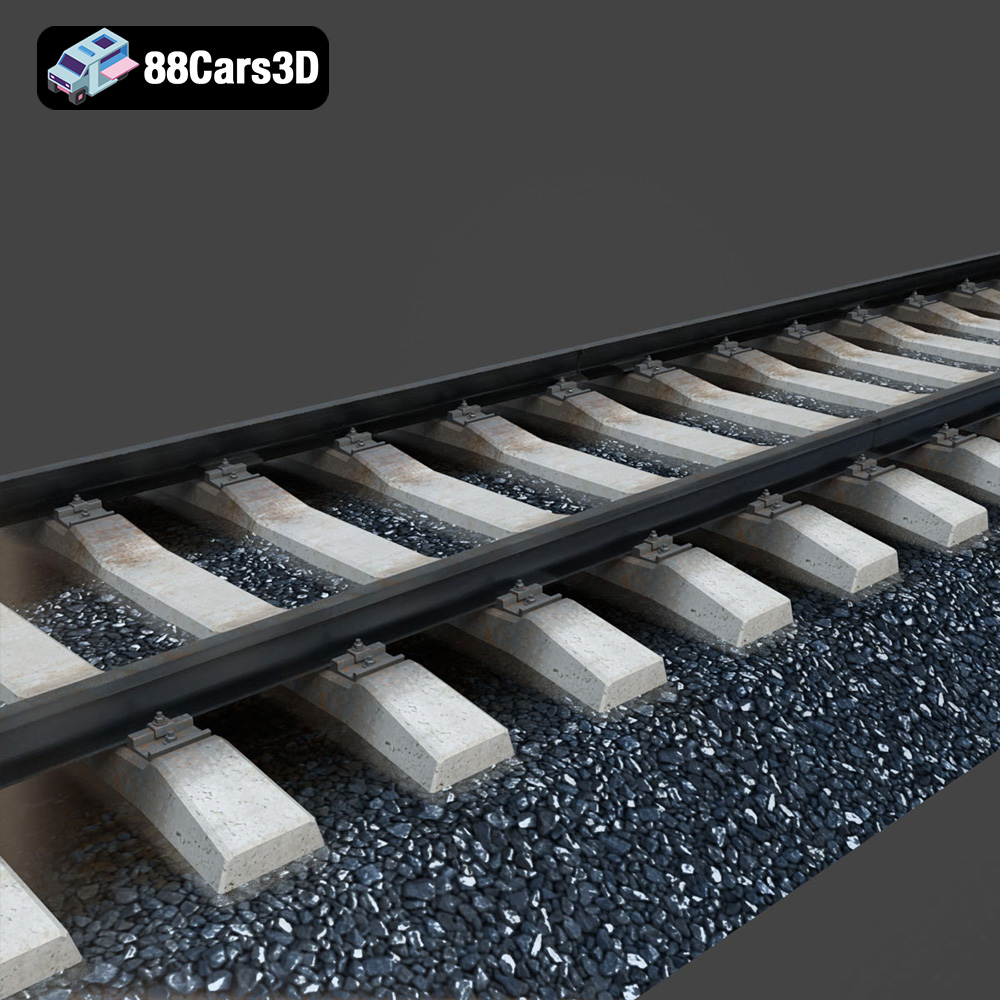
Texture: Yes
Material: Yes
Download the Rail Road 006 3D Model featuring a detailed exterior, accurate proportions, and realistic textures. Includes .blend, .fbx, .obj, .glb, .stl, .ply, .unreal, and .max formats for rendering, simulation, and game development.
Price: $10.79
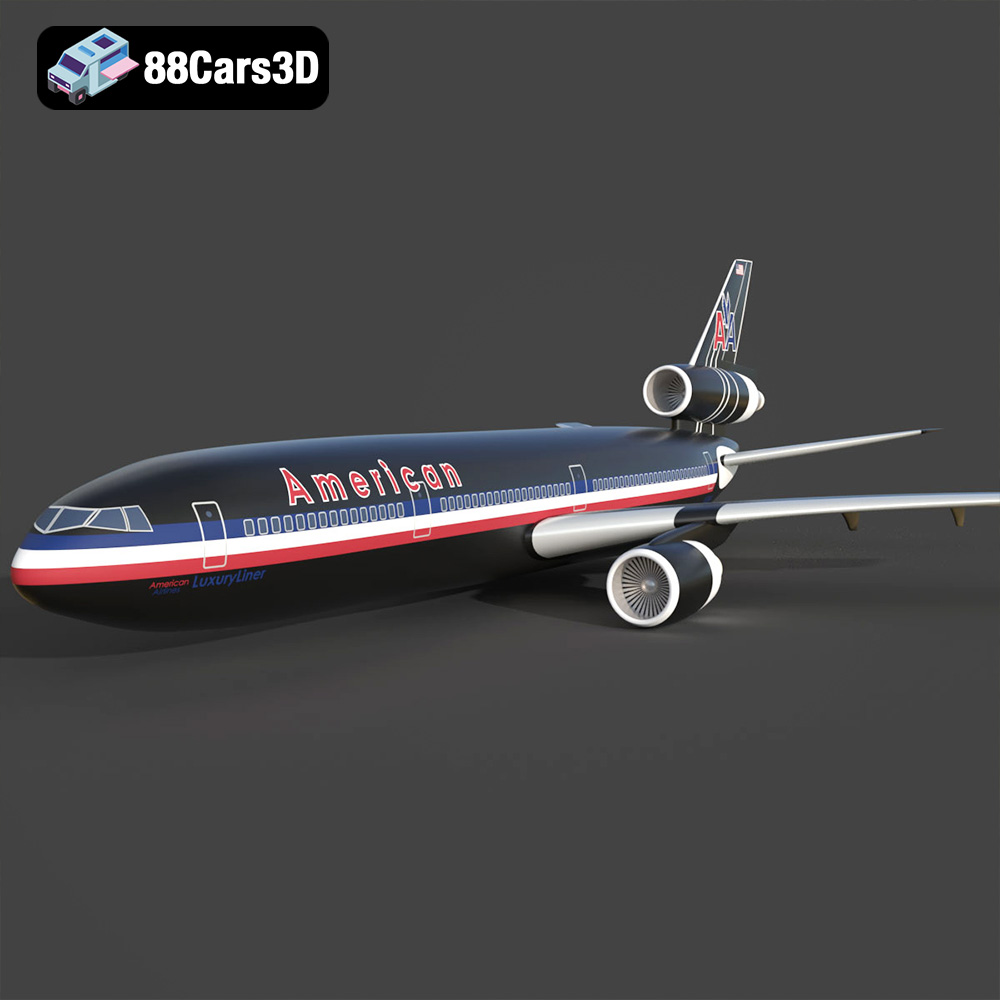
Texture: Yes
Material: Yes
Download the American AA-006 Airplane 3D Model featuring a detailed exterior, cockpit, and landing gear. Includes .blend, .fbx, .obj, .glb, .stl, .ply, .unreal, and .max formats for rendering, simulation, and game development.
Price: $10.79
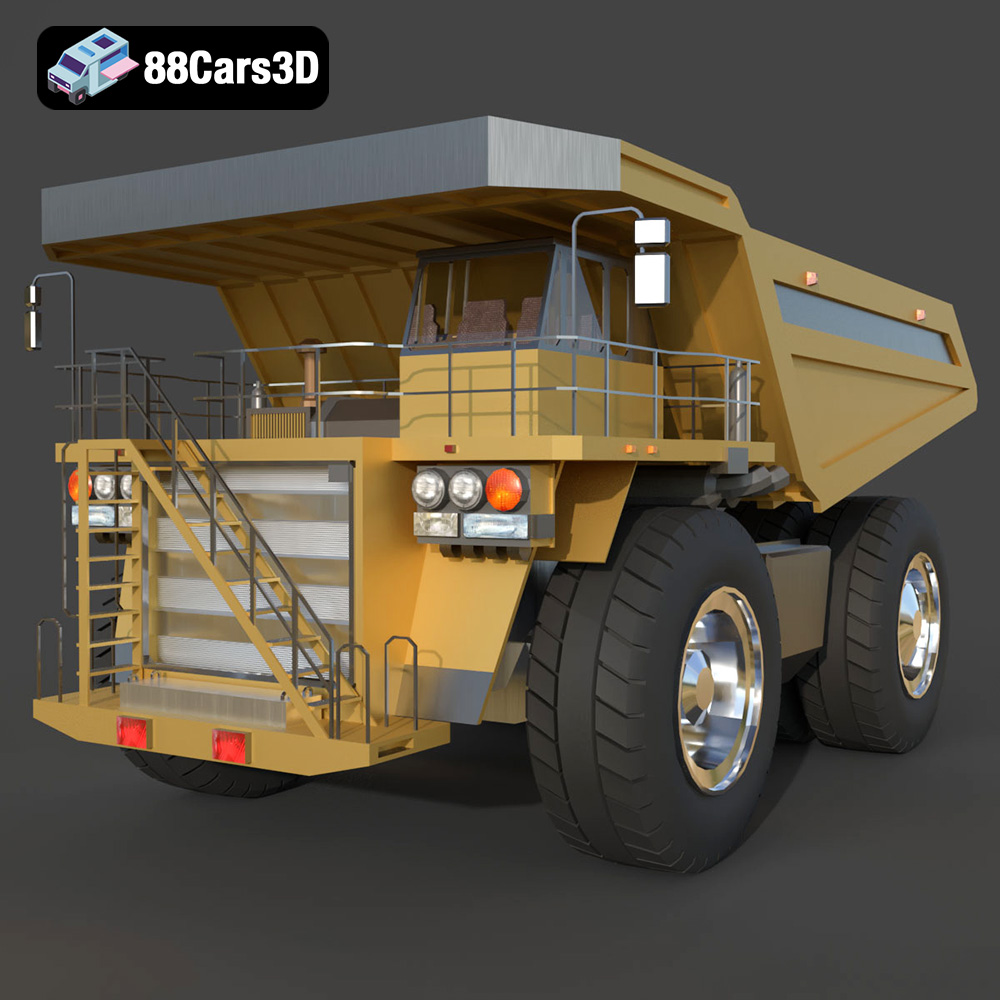
Texture: Yes
Material: Yes
Download the Samosval-003 3D Model featuring a robust dump truck design, detailed exterior and interior, and animatable components. Includes .blend, .fbx, .obj, .glb, .stl, .ply, .unreal, and .max formats for rendering, simulation, and game development.
Price: $10.79
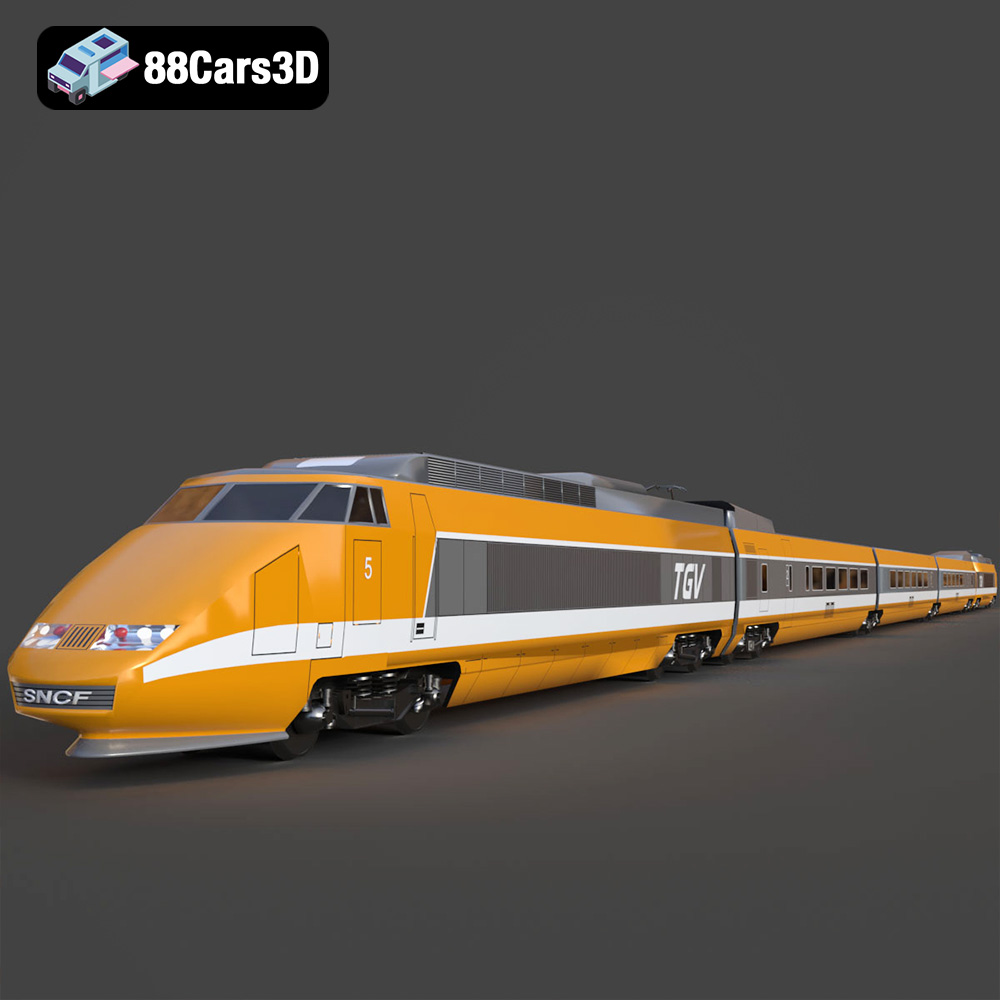
Texture: Yes
Material: Yes
Download the TGV High-Speed Train 3D Model featuring a meticulously detailed exterior, realistic materials, and authentic design. Includes .blend, .fbx, .obj, .glb, .stl, .ply, .unreal, and .max formats for rendering, simulation, and game development.
Price: $10.79
Texture: Yes
Material: Yes
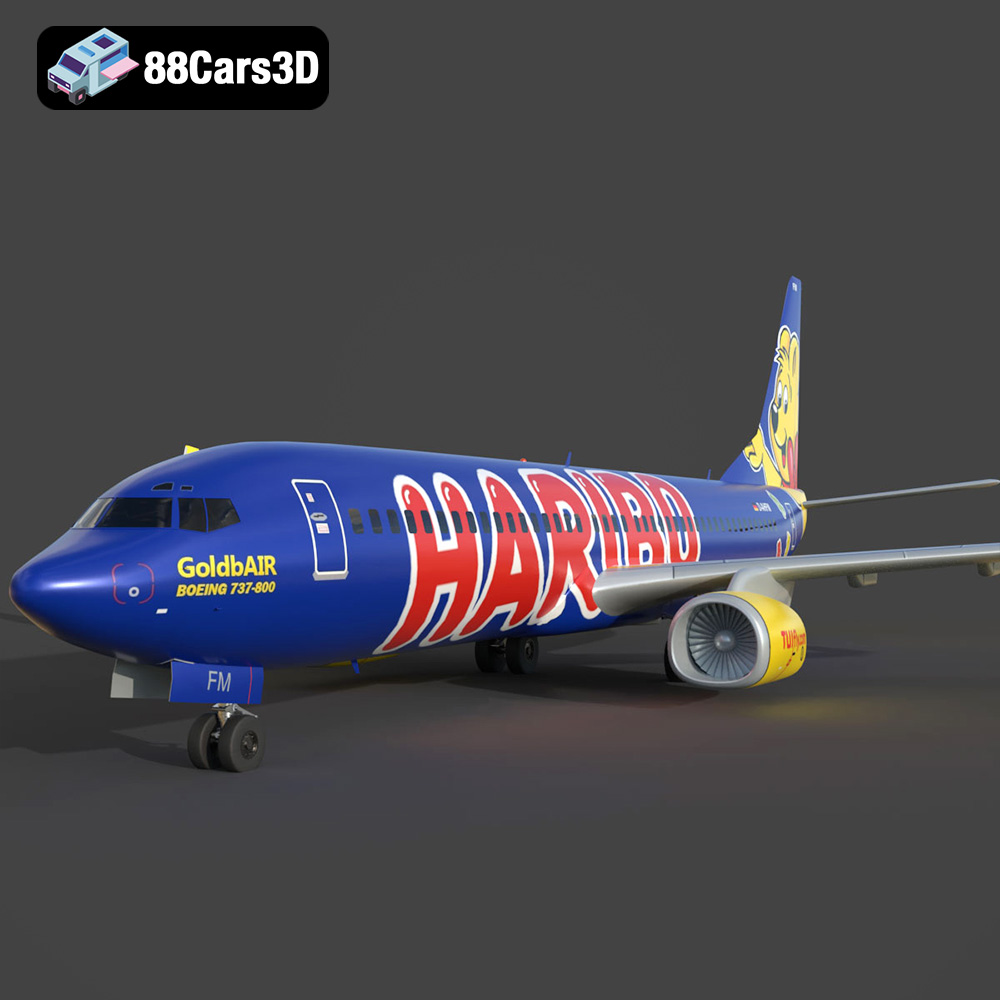
Download the Boeing 737 GoldbAir Haribo 3D Model featuring a meticulously detailed exterior, accurate custom livery, and complex mechanical components. Includes .blend, .fbx, .obj, .glb, .stl, .ply, .unreal, and .max formats for rendering, simulation, and game development.
Price: $10.79
Texture: Yes
Material: Yes
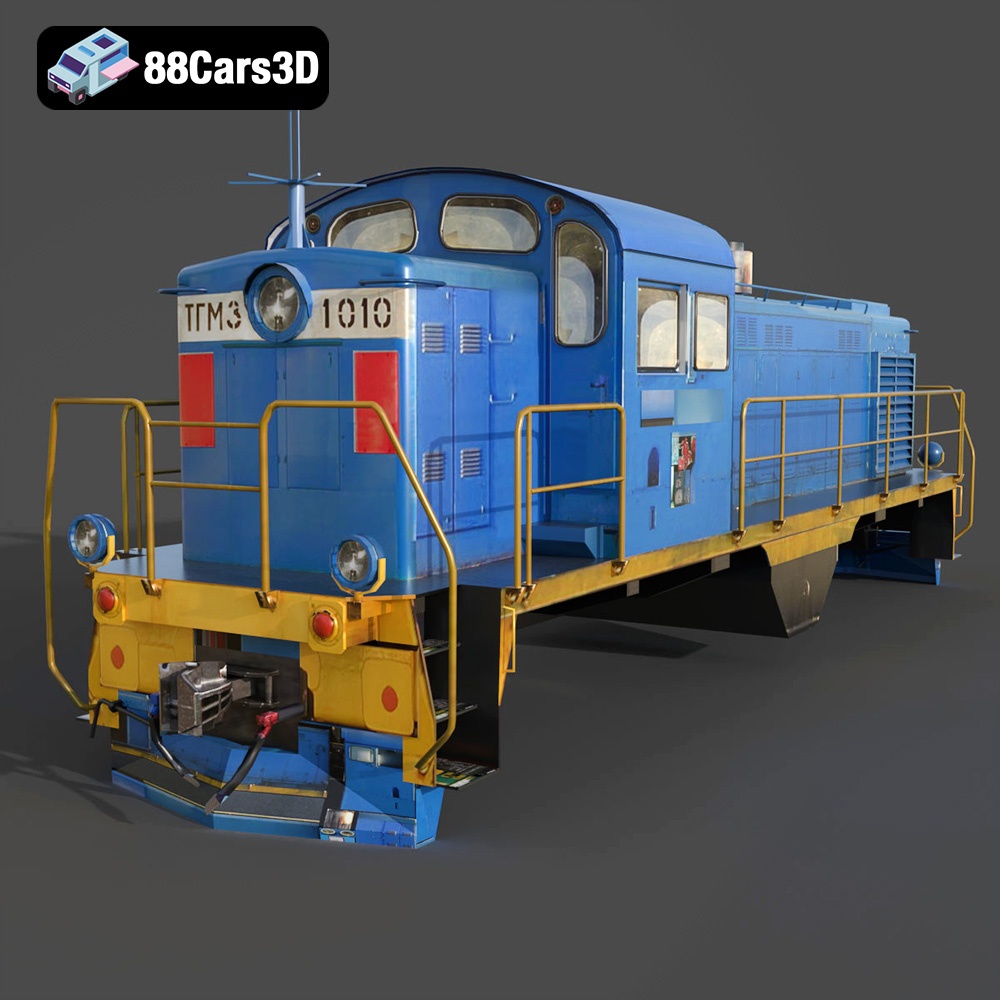
Download the Locomotive TGM3-006 3D Model featuring a detailed exterior, robust undercarriage, and realistic weathering. Includes .blend, .fbx, .obj, .glb, .stl, .ply, .unreal, and .max formats for rendering, simulation, and game development.
Price: $10.79
Texture: Yes
Material: Yes
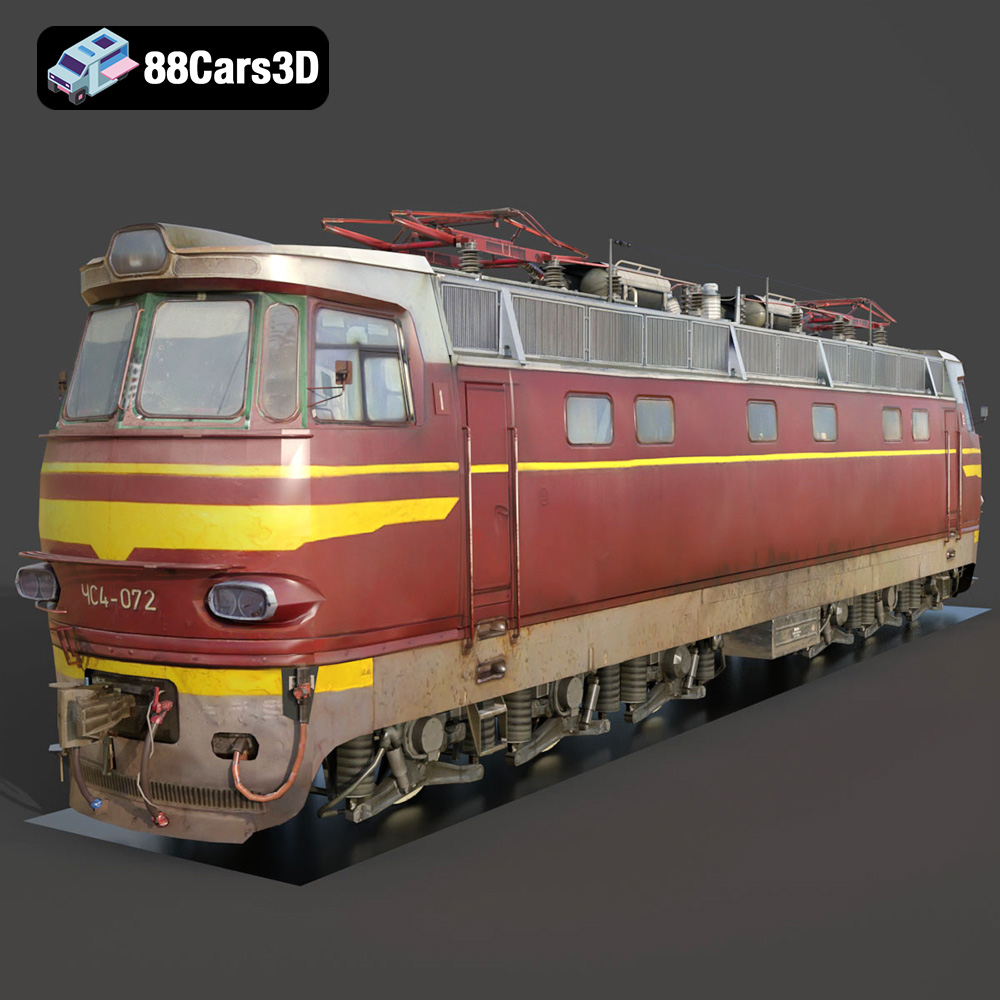
Download the Locomotive CHS4 072-004 3D Model featuring a detailed exterior, interior cabin, and mechanical components. Includes .blend, .fbx, .obj, .glb, .stl, .ply, .unreal, and .max formats for rendering, simulation, and game development.
Price: $10.79
Texture: Yes
Material: Yes
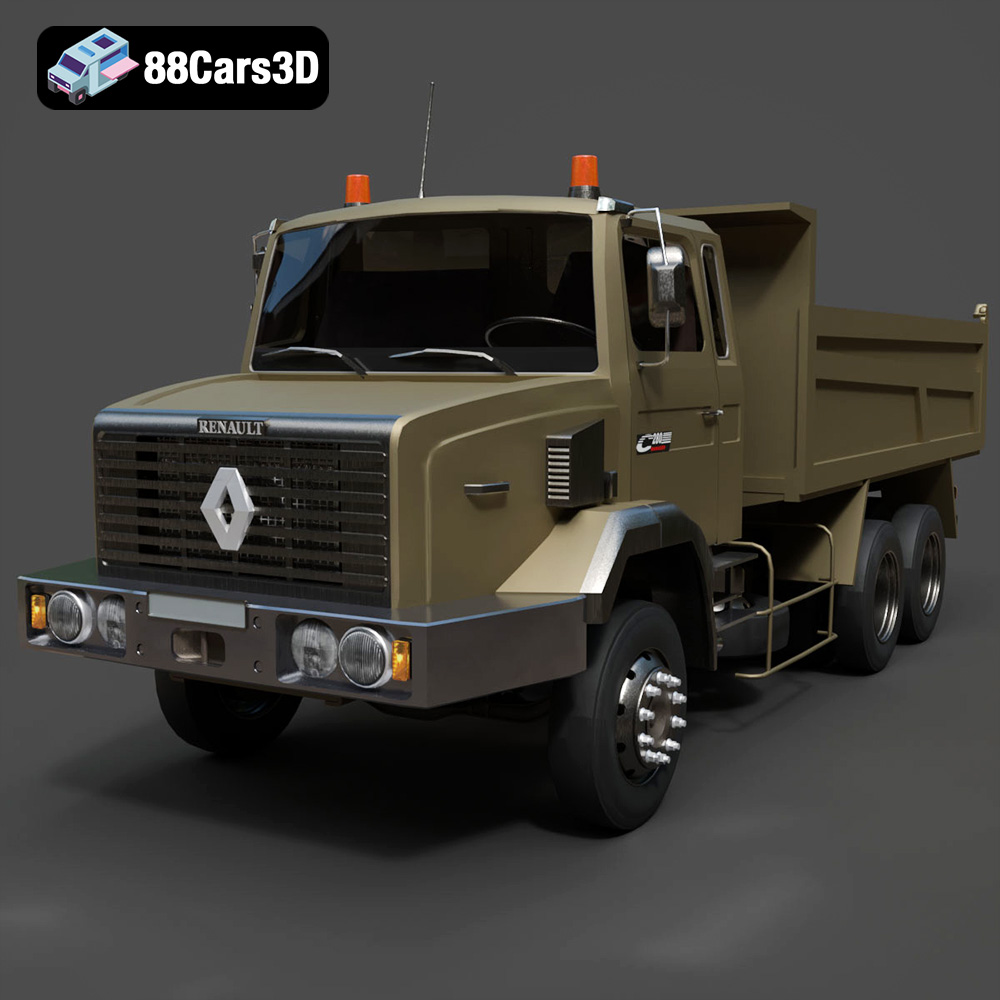
Download the Renault C280-006 3D Model featuring a robust design, detailed exterior, and versatile applications. Includes .blend, .fbx, .obj, .glb, .stl, .ply, .unreal, and .max formats for rendering, simulation, and game development.
Price: $10.79
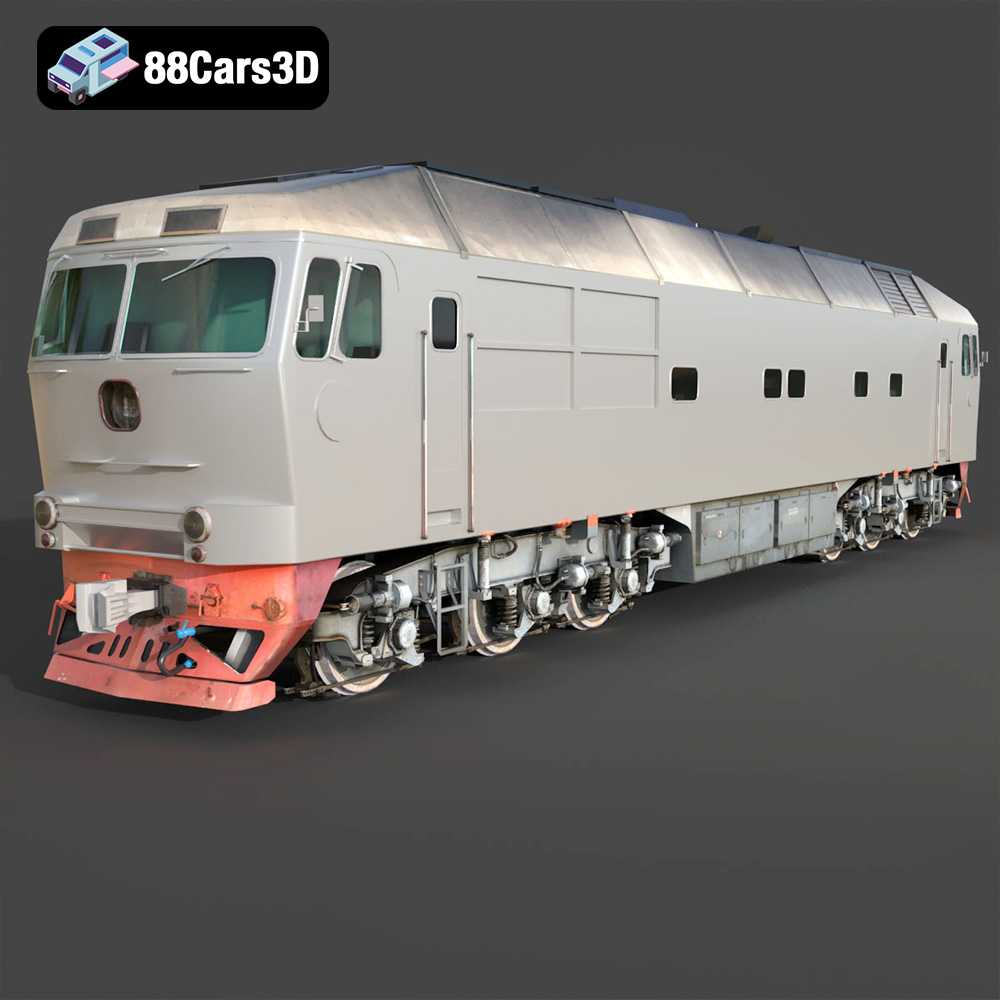
Texture: Yes
Material: Yes
Download the Locomotive TEP70-001 3D Model featuring detailed exterior and optimized mesh. Includes .blend, .fbx, .obj, .glb, .stl, .ply, .unreal, and .max formats for rendering, simulation, and game development.
Price: $10.79
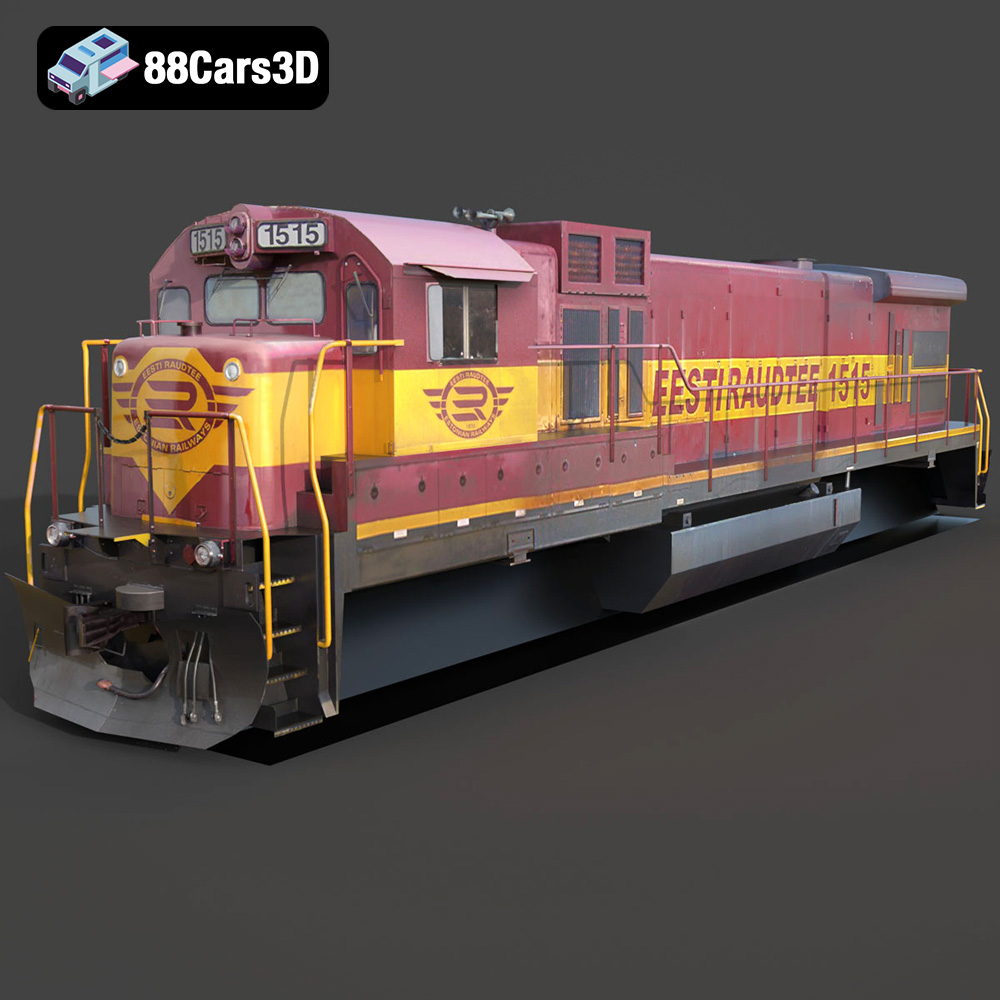
Texture: Yes
Material: Yes
Download the Locomotive C36-004 3D Model featuring a detailed exterior, realistic textures, and a meticulously modeled cab. Includes .blend, .fbx, .obj, .glb, .stl, .ply, .unreal, and .max formats for rendering, simulation, and game development.
Price: $10.79

