Get 50% OFF All Premium 3D & STL Models!

The world of 3D automotive design is a fascinating blend of art and engineering, where every curve and contour serves a purpose beyond aesthetics. For designers, game developers, and visualization professionals, mastering the creation of aerodynamic car body panels is crucial for achieving both visual fidelity and functional realism. These panels aren’t just shells; they are meticulously crafted surfaces that dictate how air flows over a vehicle, influencing everything from speed and fuel efficiency to stability and handling. In this comprehensive guide, we’ll delve deep into the technical intricacies of modeling aerodynamic car body panels, exploring the workflows, software-specific techniques, and industry best practices that transform raw polygons into breathtaking digital automotive masterpieces. Whether you’re aiming for photorealistic renders, optimized game assets, or precise models for 3D printing, understanding the nuances of topology, materials, and optimization is paramount. Join us as we uncover the secrets to crafting car models that not only look incredible but also embody the principles of advanced aerodynamic design, helping you elevate your projects to professional standards.
Before even touching a single vertex, a deep understanding of automotive aerodynamics and design principles is essential. Aerodynamic car body panels are not merely styled; they are engineered. Every curve, vent, and spoiler is designed to manage airflow around and through the vehicle, reducing drag, increasing downforce, or channeling air for cooling. Without this foundational knowledge, even the most technically proficient 3D artist might create visually appealing but aerodynamically illogical forms.
At the heart of automotive aerodynamics are fundamental concepts like drag, lift, and downforce. Drag is the resistance a vehicle experiences as it moves through the air, primarily influenced by its frontal area and shape. Minimizing drag is critical for fuel efficiency and top speed. Lift, conversely, is an upward force that can reduce tire grip at high speeds, making the vehicle unstable. Aerodynamicists strive to reduce lift, often converting it into downforce – a downward force that presses the tires onto the road, significantly improving grip and handling, especially in performance cars. Understanding how airflow interacts with different surfaces – from smooth laminar flow over curved panels to turbulent flow around sharp edges – informs critical decisions during the modeling process. Concepts like the coefficient of drag (Cd) and the impact of vortex generators or diffusers directly translate into the need for specific shapes and forms in your 3D model. For instance, a tear-drop shape is inherently more aerodynamic than a brick, and subtle tapering at the rear of a vehicle can significantly reduce turbulent wake and thus, drag.
Automotive design is a language expressed through form, and translating this language into a precise 3D model requires careful attention. Modern car designs often feature complex, flowing surfaces that blend seamlessly, embodying speed and elegance. These surfaces are not arbitrary; they are the result of countless hours of sketching, clay modeling, and computational fluid dynamics (CFD) analysis. As a 3D artist, your role is to meticulously recreate these forms, ensuring that the essence of the original design – its character lines, panel transitions, and overall silhouette – is perfectly captured. This often involves working with reference images, blueprints, and even CAD data if available, to ensure accuracy down to the millimeter. Understanding the designer’s intent behind a specific curve or a sharp crease allows you to make informed decisions about topology and surface continuity. For example, a prominent character line on a car’s side panel might represent a point of structural reinforcement or an airflow channel, and your model must reflect this with clean, sharp edges and appropriate surface tension.
The cornerstone of a high-quality 3D car model, especially for aerodynamic panels, is its topology and edge flow. These elements dictate how the surface deforms, how light reflects off it, and ultimately, the realism of the final render or real-time asset. Poor topology can lead to pinching, unsightly artifacts, and make future modifications a nightmare. Achieving a clean, efficient, and deformation-ready mesh is an art form in itself.
For creating the organic, flowing surfaces characteristic of car body panels, Subdivision Surface (Sub-D) modeling is the industry standard. This technique involves starting with a low-polygon base mesh and applying a subdivision surface modifier (like Turbosmooth in 3ds Max or the Subdivision Surface modifier in Blender) to smooth it out. The beauty of Sub-D lies in its ability to achieve incredibly smooth surfaces while keeping the base mesh manageable and easily editable. The key is to control the underlying cage mesh with precision. Every edge loop, every face, and every vertex in your low-poly model directly influences the final smoothed result. When modeling car panels, prioritize quad-based topology to ensure predictable subdivision and clean reflections. Avoid triangles and N-gons wherever possible on large, visible surfaces, as they can cause pinching and irregular surface deformation. Start with simple primitives, extrude edges and faces, and use loop cuts to define the contours and character lines of the car. The goal is to create a mesh where the edge flow naturally follows the curves and creases of the car’s design, ensuring smooth transitions and preventing unwanted bumps or dents. This iterative process of modeling, subdividing, and refining is crucial for achieving production-ready surfaces. For a deeper dive into Blender’s Subdivision Surface modifier, consult the official Blender 4.4 documentation on Subdivision Surface Modifier, which details its parameters and best practices for creating smooth, organic forms.
Effective management of edge loops and poles is critical for maintaining surface integrity and facilitating future deformations or adjustments. Edge loops are continuous chains of edges that flow across your model, defining its form and allowing for precise control over its curvature. On car body panels, edge loops should follow the natural contours, especially along character lines, panel gaps, and around openings like headlights or grilles. These loops serve as control points for the subdivision surface, sharpening edges or smoothing out transitions. Poles, on the other hand, are vertices where more or less than four edges meet. While often necessary, excessive or poorly placed poles (especially 3-edge or 5-edge poles) can lead to undesirable pinching or creasing when subdivided. The general rule for clean topology is to minimize 5-edge poles and strategically place them in areas of less visual prominence or curvature, where they are less likely to cause artifacts. Strive for a consistent density of edge loops across major surfaces to ensure even smoothing and light reflection. For example, around a sharp crease, you’ll need a tighter group of edge loops to define that sharpness, while on a broad, flat panel, fewer loops will suffice. Maintaining a consistent mesh density also aids in UV unwrapping and texture application, preventing stretching or compression in certain areas.
Achieving realistic panel gaps and shut lines is a subtle yet crucial detail that significantly contributes to the overall realism of a 3D car model. These are not merely negative spaces but carefully engineered features that allow for opening components (doors, hoods, trunks) and manage tolerances. In 3D modeling, this means creating distinct, clean separations between panels. The common approach is to model each major body panel as a separate object or a distinct mesh part within a single object, allowing for precise control over the gap. The thickness and depth of these gaps are critical; too wide or too narrow, and the model will lose its credibility. Typically, real-world panel gaps range from 2mm to 4mm, and maintaining this proportion in your 3D model is vital. Use carefully placed edge loops to define the inner and outer edges of the gap, ensuring they are parallel and consistent along their entire length. Tools like the “Shrinkwrap” modifier or “Bridge Edge Loops” in Blender can be invaluable for creating clean, consistent gaps between complex surfaces. Furthermore, paying attention to the chamfer or slight rounding of the edges along the gap can significantly enhance realism, as sharp 90-degree angles rarely exist in manufacturing. The subtle interplay of light and shadow within these gaps adds depth and believability to the final render.
Even with impeccable topology, a car model won’t look realistic without sophisticated UV mapping and physically based rendering (PBR) materials. These steps are where your model truly comes to life, acquiring its metallic sheen, the subtle reflections of its paint, and the texture of its various components. Neglecting these aspects can leave even the most detailed model looking flat and artificial.
UV mapping is the process of flattening your 3D model’s surface into a 2D space, allowing you to apply 2D textures. For complex automotive surfaces with their sweeping curves and intricate details, smart UV unwrapping is paramount. The goal is to minimize stretching and distortion while maximizing texture resolution and ensuring seams are placed in inconspicuous areas. Manual unwrapping, where you carefully mark seams along natural breaks in the geometry (e.g., along panel edges, under mirrors, or inside door jambs), often yields the best results. Utilize projection methods like planar, cylindrical, or spherical mapping for different parts of the car, then stitch and relax the UV islands in your 3D software’s UV editor. Blender’s UV Editor, for instance, offers robust tools like “Follow Active Quads” and “Average Island Scale” to achieve uniform texture density. For large, continuous surfaces like car hoods or roofs, it’s crucial to have a single, clean UV island to avoid visible seams in the paintwork. For smaller, less visible components, or parts that will be instanced, texture atlasing (combining multiple smaller textures into one larger map) can be an excellent optimization strategy. When sourcing 3D car models from marketplaces like 88cars3d.com, check their UV layouts to ensure they meet your project’s quality standards for texture application and custom material creation. For more information on Blender’s UV unwrapping tools and workflows, refer to the official Blender 4.4 documentation on UV Unwrapping.
PBR materials are the backbone of modern photorealistic rendering, simulating how light interacts with surfaces in a physically accurate manner. For car paint, this means meticulously crafting materials that capture its metallic flakes, clear coat, and underlying base color. A typical car paint PBR shader will involve a base color texture, a metallic map (often a solid white value for metallic paints), a roughness map to control glossiness (where black is perfectly smooth and white is rough), and potentially a normal map for subtle surface imperfections or dust. For advanced car paints, a dedicated “flake” layer or shader component is often used to simulate the metallic particles suspended within the paint, responding dynamically to light. Trim pieces, such as plastic bumpers, rubber seals, or chrome accents, require their own distinct PBR setups, each with unique base color, metallic, roughness, and normal maps to accurately represent their real-world counterparts. Attention to detail here is key; a slightly rougher plastic or a more reflective chrome can significantly enhance realism. When creating PBR materials, consistency across different parts of the model is important to maintain a cohesive look. Utilizing software like Substance Painter or Quixel Mixer allows for powerful layering and procedural generation of these textures, saving immense amounts of time while producing high-quality results.
Optimal texture resolution is a balancing act between visual fidelity and performance. For hero assets like high-end 3D car models used in advertising or film, resolutions can range from 4K to 8K for primary body panels and critical details. For game assets or AR/VR applications, resolutions might be lower, typically 2K or even 1K, depending on the asset’s proximity to the camera and its importance. A common strategy is to allocate higher resolution textures to the most visible parts of the car (e.g., the main body, wheels) and lower resolutions to less visible areas (e.g., undercarriage, engine bay if not detailed). Texture atlasing is an invaluable optimization technique, especially for game engines. Instead of using multiple small texture files for individual components, an atlas combines many textures into a single, larger texture map. This reduces draw calls (the number of times the CPU tells the GPU to render something), which significantly improves real-time performance. For instance, all the small textures for various interior buttons, dashboard elements, and door handles could be combined into one atlas. When implementing atlasing, careful UV layout is crucial to ensure efficient packing of UV islands within the atlas, minimizing wasted space. Considerations for pixel density per unit area on the model also come into play to prevent blurry or pixelated textures on closer inspection.
Once your aerodynamic car body panels are meticulously modeled and textured with PBR materials, the next crucial step is rendering. This is where all your hard work culminates, transforming a digital asset into a stunning, photorealistic image or animation. High-fidelity automotive rendering is an art form in itself, demanding a keen eye for lighting, composition, and post-processing.
Lighting is arguably the most critical element in creating a convincing car render. For studio renders, a classic three-point lighting setup (key, fill, back) provides a solid foundation, often supplemented by softbox-style area lights to create elegant reflections along the car’s curves. The position, size, and intensity of these lights dramatically influence the mood and highlights on the metallic paintwork. For ultimate realism, however, HDRi (High Dynamic Range Image) environments are indispensable. HDRis capture real-world lighting information, including color temperature, intensity, and reflections, providing a far more authentic and nuanced lighting solution than traditional light sources alone. Placing your car model within a high-quality HDRi (e.g., a studio, a scenic outdoor location, or an industrial backdrop) instantly grounds it in a realistic environment, generating accurate reflections on the car’s body and illuminating it with natural light. Experiment with different HDRis to find the one that best complements your car’s design and desired aesthetic. Many renderers allow you to rotate the HDRi to achieve optimal reflections and highlights. Combining HDRi lighting with carefully placed virtual area lights to enhance specific features (e.g., headlamps, chrome trim) often yields the most compelling results.
Each major renderer—Corona, V-Ray, Cycles (Blender), and Arnold—offers powerful tools and unique workflows for automotive rendering, though they share common PBR principles.
Regardless of the renderer, consistent color management (e.g., ACES workflow) is vital to ensure accurate color reproduction from scene to final output, maintaining the fidelity of your PBR materials.
The raw render output, no matter how good, is rarely the final image. Post-processing and compositing in software like Adobe Photoshop or Affinity Photo are critical steps to elevate your render to photorealistic standards. This involves a series of enhancements:
The goal of post-processing is not to “fix” a bad render, but to polish an already good render into a masterpiece, giving it that professional magazine-quality look. Remember to work non-destructively, using adjustment layers and smart objects, to allow for maximum flexibility and iterative refinement.
While high-fidelity renders prioritize visual perfection, preparing 3D car models for real-time environments like game engines (Unity, Unreal Engine) or AR/VR applications introduces a new set of challenges focused on performance optimization. Here, every polygon, every texture, and every draw call impacts frame rates and user experience.
Level of Detail (LOD) is a critical optimization technique for real-time assets. Instead of rendering a single high-polygon model at all distances, LODs involve creating multiple versions of the same model, each with progressively fewer polygons. When the car is close to the camera, the high-poly version (LOD0) is displayed. As it moves further away, the engine automatically switches to lower-poly versions (LOD1, LOD2, etc.), significantly reducing the computational load without a noticeable drop in visual quality. A typical car model might have a polygon budget for LOD0 ranging from 100,000 to 300,000 triangles (for a hero car), with subsequent LODs dropping to 30,000-50,000, then 5,000-10,000, and even a few hundred for the furthest LOD. Creating LODs involves carefully decimation or manual retopology, ensuring that crucial silhouette details are maintained even at lower poly counts. Tools like Blender’s “Decimate” modifier or dedicated third-party LOD generation software can automate parts of this process, but manual refinement is often necessary to avoid unsightly mesh artifacts. Understanding the performance targets of your specific game engine or AR/VR platform is crucial for defining appropriate polygon budgets for each LOD level.
In real-time rendering, draw calls are commands sent from the CPU to the GPU to render a set of objects. Each draw call carries an overhead, and minimizing them is crucial for maintaining high frame rates. One of the most effective ways to reduce draw calls for complex models like cars is through texture atlasing and mesh combining. As discussed earlier, combining multiple smaller textures into a single, larger texture atlas reduces the number of materials the engine needs to process, which in turn reduces draw calls. Similarly, combining separate mesh objects (e.g., all the car’s interior trim pieces) into a single mesh object (if they share the same material) can further reduce draw calls. Batching, where the engine groups similar objects together to be rendered with a single draw call, also benefits from atlased textures and combined meshes. Furthermore, consider optimizing material count. Instead of having dozens of unique materials for every small detail, try to consolidate materials where possible, perhaps by using shared material instances with different textures for color variations. This streamlining of materials and meshes can have a dramatic positive impact on game engine performance, especially in scenes with many vehicles or other complex assets.
AR/VR experiences present unique optimization challenges due to their strict performance requirements and often mobile-centric platforms. Immersive environments demand incredibly high and stable frame rates (typically 72-90 FPS per eye) to prevent motion sickness and ensure a comfortable user experience. Therefore, preparing 3D car models for AR/VR means taking LOD strategies and draw call reduction to an even greater extreme.
When acquiring models from platforms like 88cars3d.com for AR/VR, always verify their poly count and material setup to ensure they are suitable for your target platform’s performance budgets.
The utility of high-quality 3D car models extends beyond screen-based visualizations to the tangible world of 3D printing. Whether for prototyping, scale models, or collectibles, preparing a digital asset for physical fabrication introduces its own set of technical considerations, as does navigating the myriad of file formats for diverse applications.
Unlike rendering, which is forgiving of minor mesh imperfections, 3D printing demands a “watertight” mesh – a completely enclosed, manifold surface with no holes, inverted normals, or self-intersecting geometry. Before attempting to 3D print your car model, extensive mesh repair is often necessary.
Software like MeshMixer, Netfabb, or Blender’s 3D Print Toolbox addon can assist significantly in identifying and repairing these common mesh issues. A clean, manifold mesh is the key to a successful 3D print.
The digital landscape of 3D assets is characterized by a diverse array of file formats, each optimized for different applications and workflows. Understanding their strengths and weaknesses is crucial for seamless interoperability:
When purchasing 3D car models from marketplaces like 88cars3d.com, always check the available file formats to ensure they align with your project’s specific software and usage requirements.
Converting between different 3D file formats can sometimes be a challenging process, as not all formats support the same range of data. Best practices for compatibility and conversion include:
Understanding the limitations and capabilities of each format and planning your conversion strategy accordingly will save countless hours of troubleshooting and ensure the integrity of your game assets or visualization models.
The journey of modeling aerodynamic car body panels is a testament to precision, artistic vision, and technical mastery. From understanding the nuanced principles of airflow and design intent to meticulously crafting flawless topology and leveraging advanced PBR materials, every step contributes to the creation of a truly compelling 3D car model. We’ve explored the critical workflows for Subdivision Surface modeling, the intricacies of UV mapping for complex surfaces, and the power of PBR materials to bring realistic car paint and trim to life. Beyond static renders, we delved into the essential optimizations for game engines and AR/VR, emphasizing LODs, draw call reduction, and appropriate file formats like GLB and USDZ. Finally, we touched upon the unique demands of preparing models for 3D printing, highlighting the importance of watertight meshes and wall thickness. Mastering these techniques not only equips you to produce stunning visualizations and performant game assets but also to bridge the gap between digital and physical fabrication. The world of automotive 3D modeling is ever-evolving, but by adhering to these fundamental principles and continuously refining your skills, you’ll be well-prepared to tackle any project. Whether you’re an aspiring 3D artist or a seasoned professional, the pursuit of perfection in every curve and contour will undoubtedly lead to exceptional results. For those seeking a head start, platforms like 88cars3d.com offer a curated selection of high-quality 3D car models, providing excellent foundational assets for your most ambitious projects.
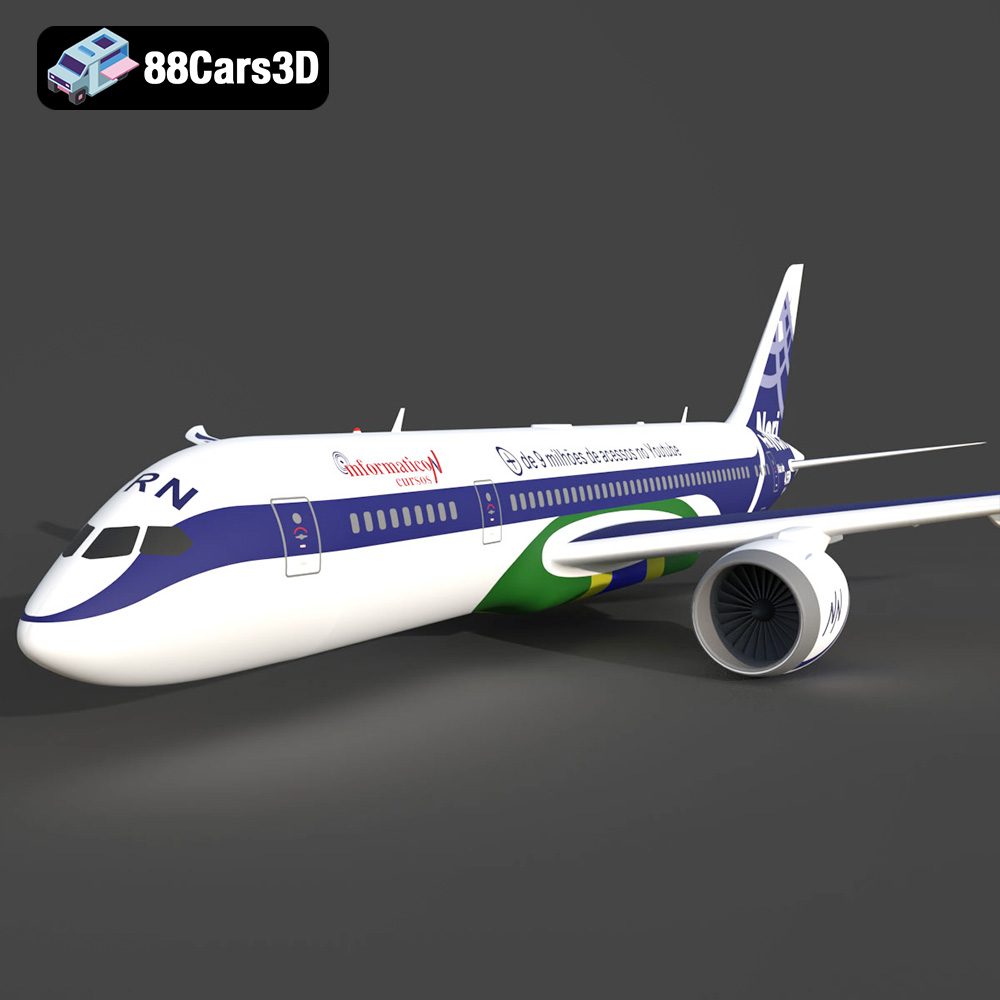
Texture: Yes
Material: Yes
Download the Airplane TRN-007 3D Model featuring clean geometry, realistic detailing, and a fully modeled interior. Includes .blend, .fbx, .obj, .glb, .stl, .ply, .unreal, and .max formats for rendering, simulation, and game development.
Price: $10
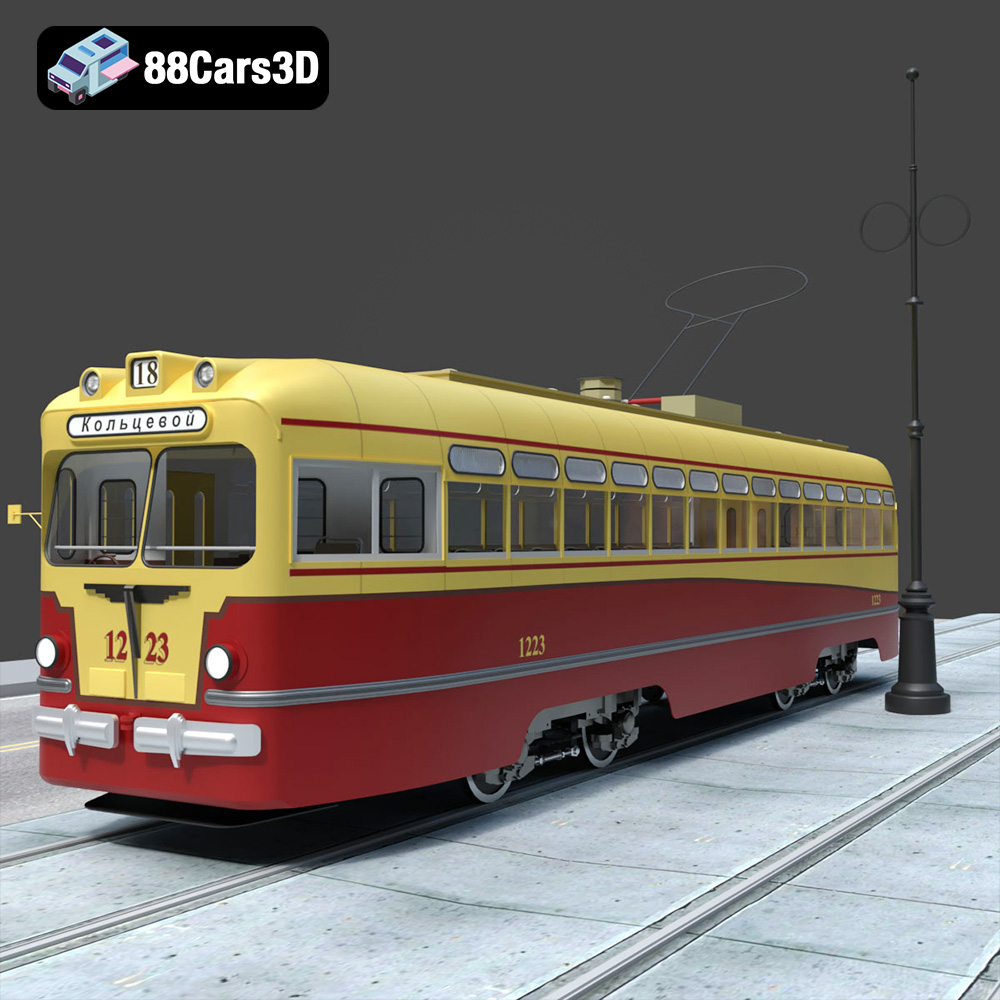
Texture: Yes
Material: Yes
Download the MTB-82 Tram 3D Model featuring clean geometry, realistic detailing, and a fully modeled interior. Includes .blend, .fbx, .obj, .glb, .stl, .ply, .unreal, and .max formats for rendering, simulation, and game development.
Price: $10
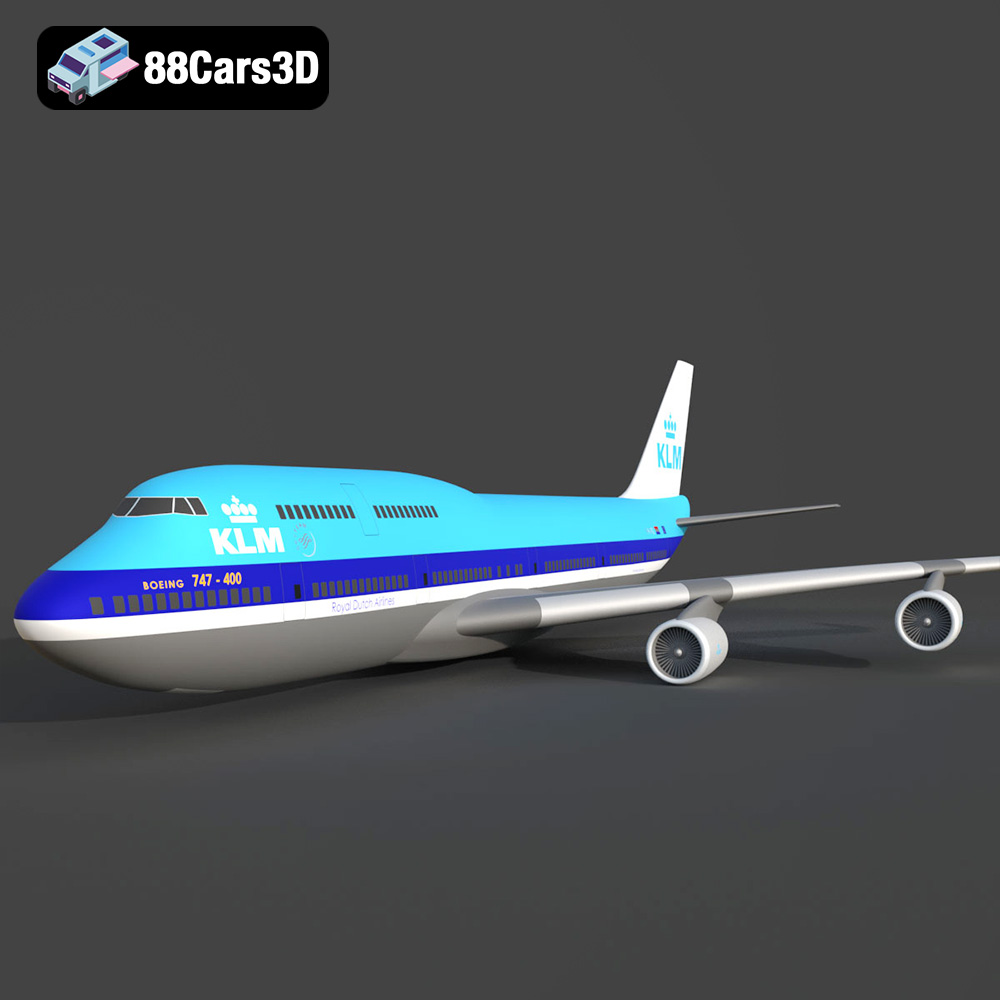
Texture: Yes
Material: Yes
Download the Boeing 747-400 KLM 3D Model featuring a detailed exterior, authentic livery, and realistic components. Includes .blend, .fbx, .obj, .glb, .stl, .ply, .unreal, and .max formats for rendering, simulation, and game development.
Price: $10.79
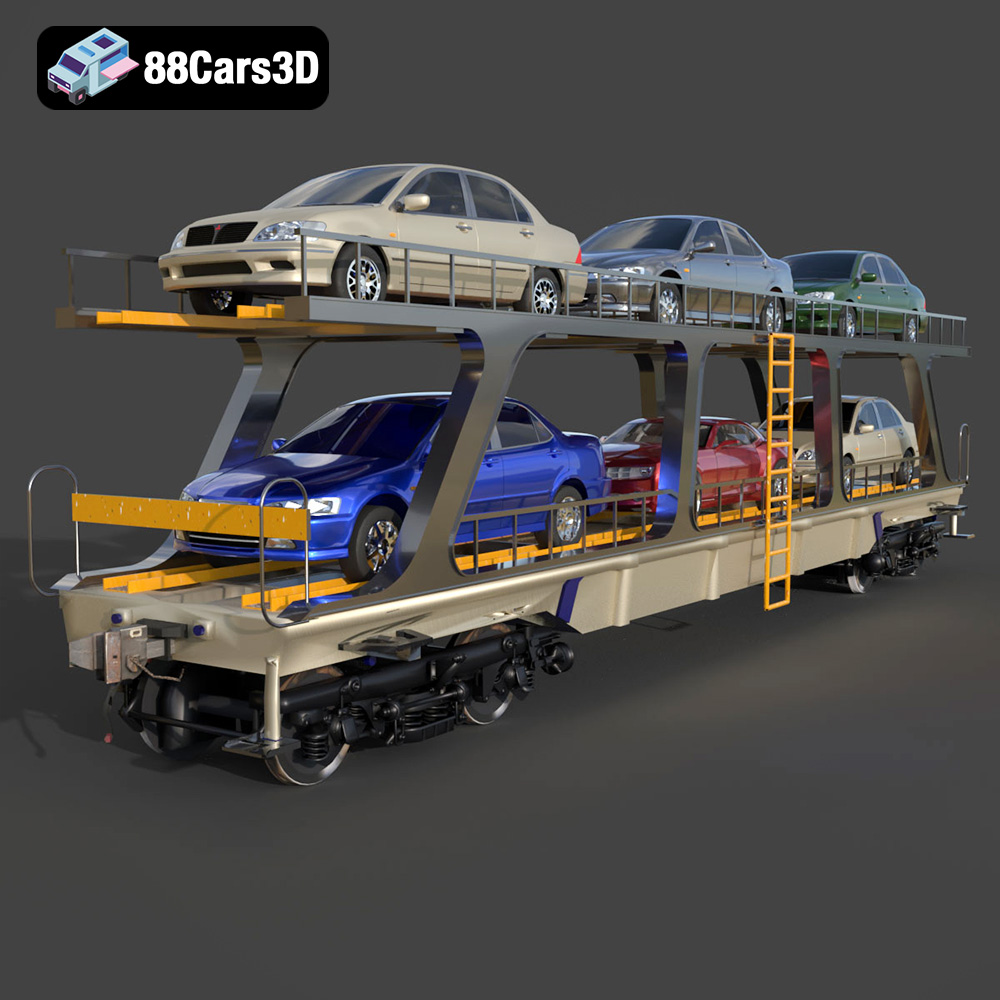
Texture: Yes
Material: Yes
Download the Avtovoz A Wagon 3D Model featuring a robust design for car transport. Includes .blend, .fbx, .obj, .glb, .stl, .ply, .unreal, and .max formats for rendering, simulation, and game development.
Price: $10.79
Texture: Yes
Material: Yes
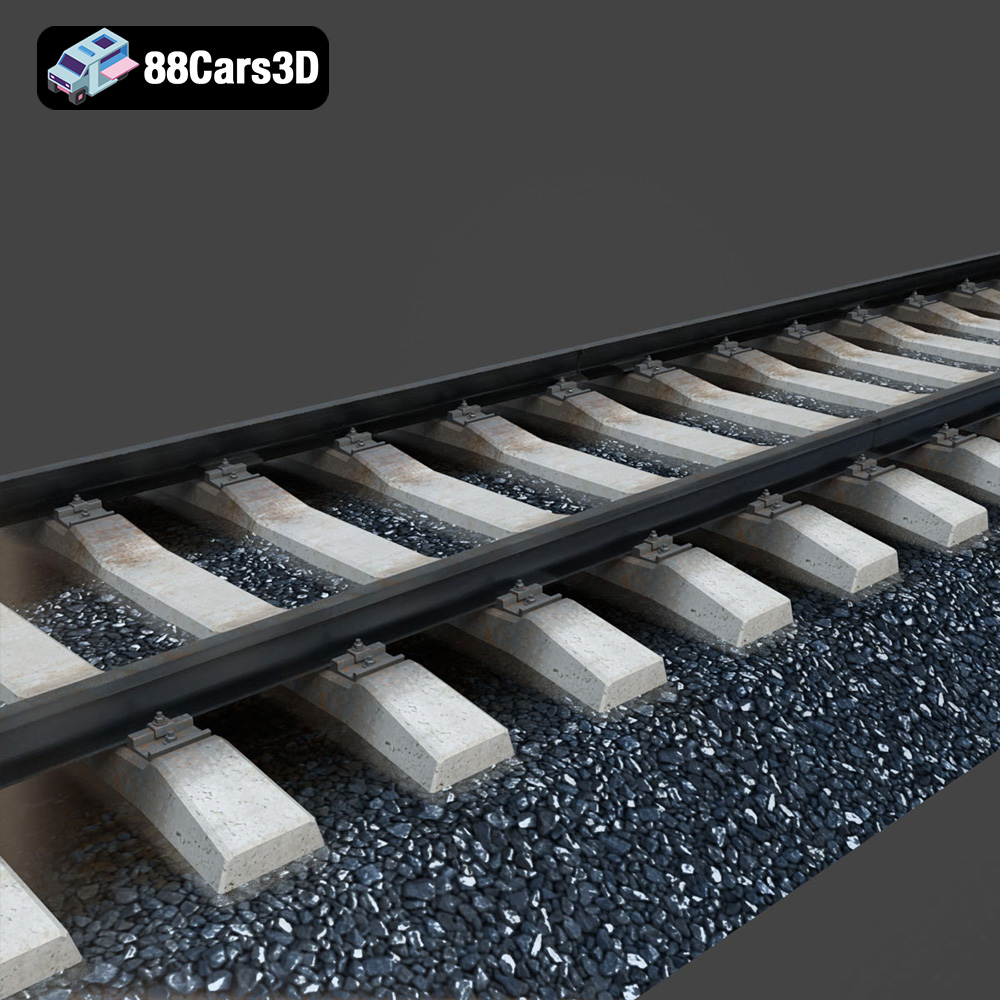
Download the Rail Road 006 3D Model featuring a detailed exterior, accurate proportions, and realistic textures. Includes .blend, .fbx, .obj, .glb, .stl, .ply, .unreal, and .max formats for rendering, simulation, and game development.
Price: $10.79
Texture: Yes
Material: Yes
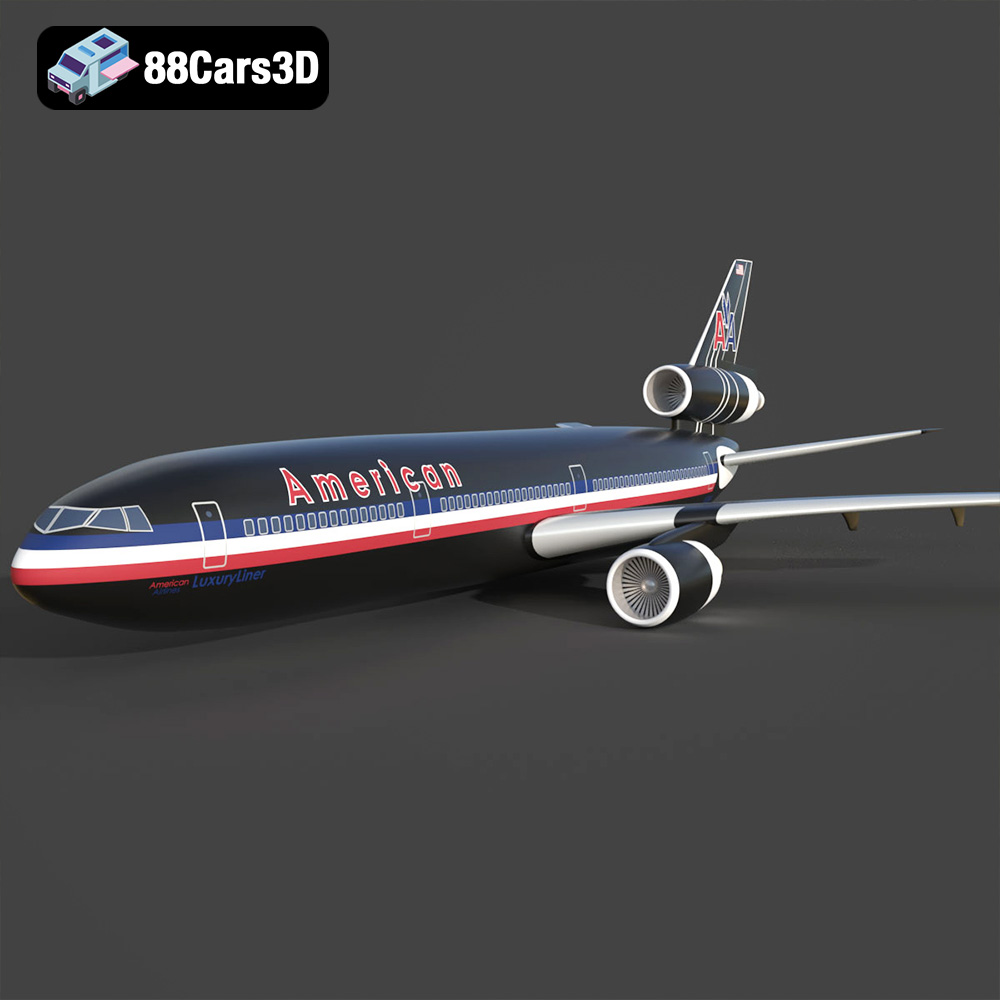
Download the American AA-006 Airplane 3D Model featuring a detailed exterior, cockpit, and landing gear. Includes .blend, .fbx, .obj, .glb, .stl, .ply, .unreal, and .max formats for rendering, simulation, and game development.
Price: $10.79
Texture: Yes
Material: Yes
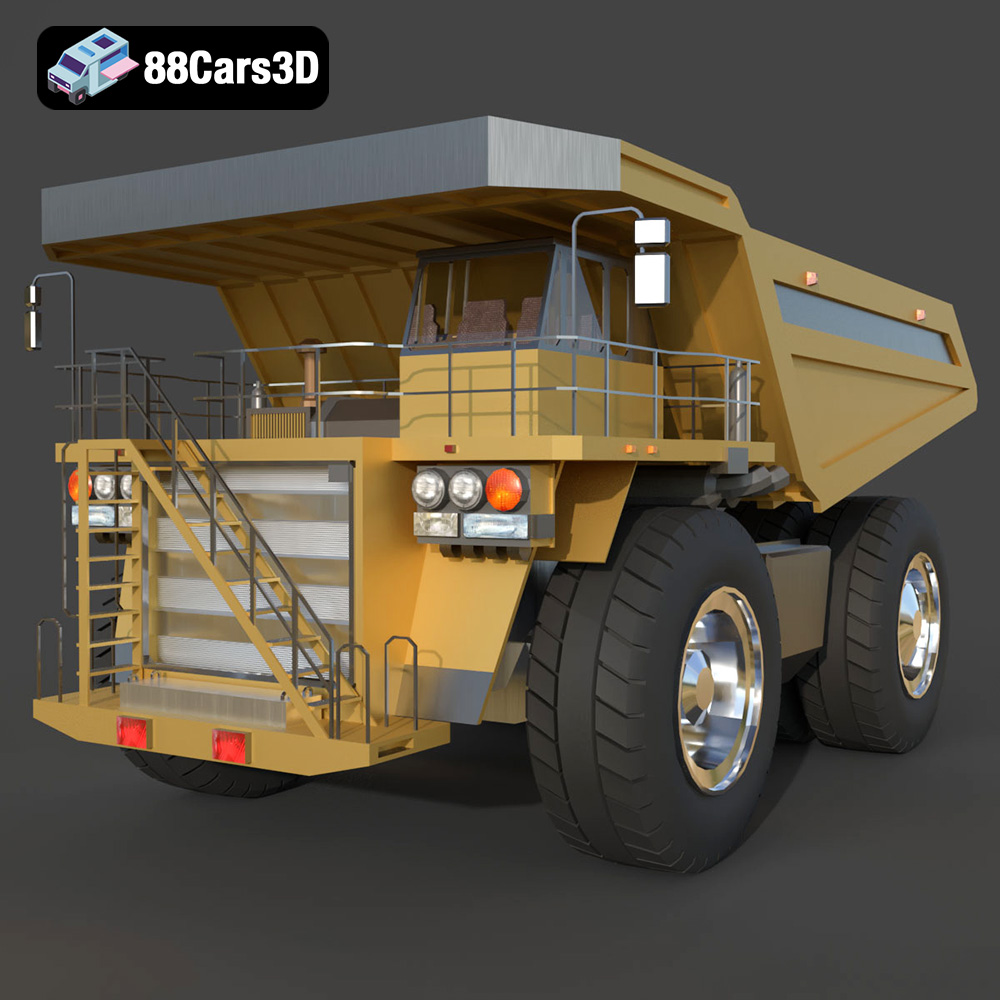
Download the Samosval-003 3D Model featuring a robust dump truck design, detailed exterior and interior, and animatable components. Includes .blend, .fbx, .obj, .glb, .stl, .ply, .unreal, and .max formats for rendering, simulation, and game development.
Price: $10.79
Texture: Yes
Material: Yes
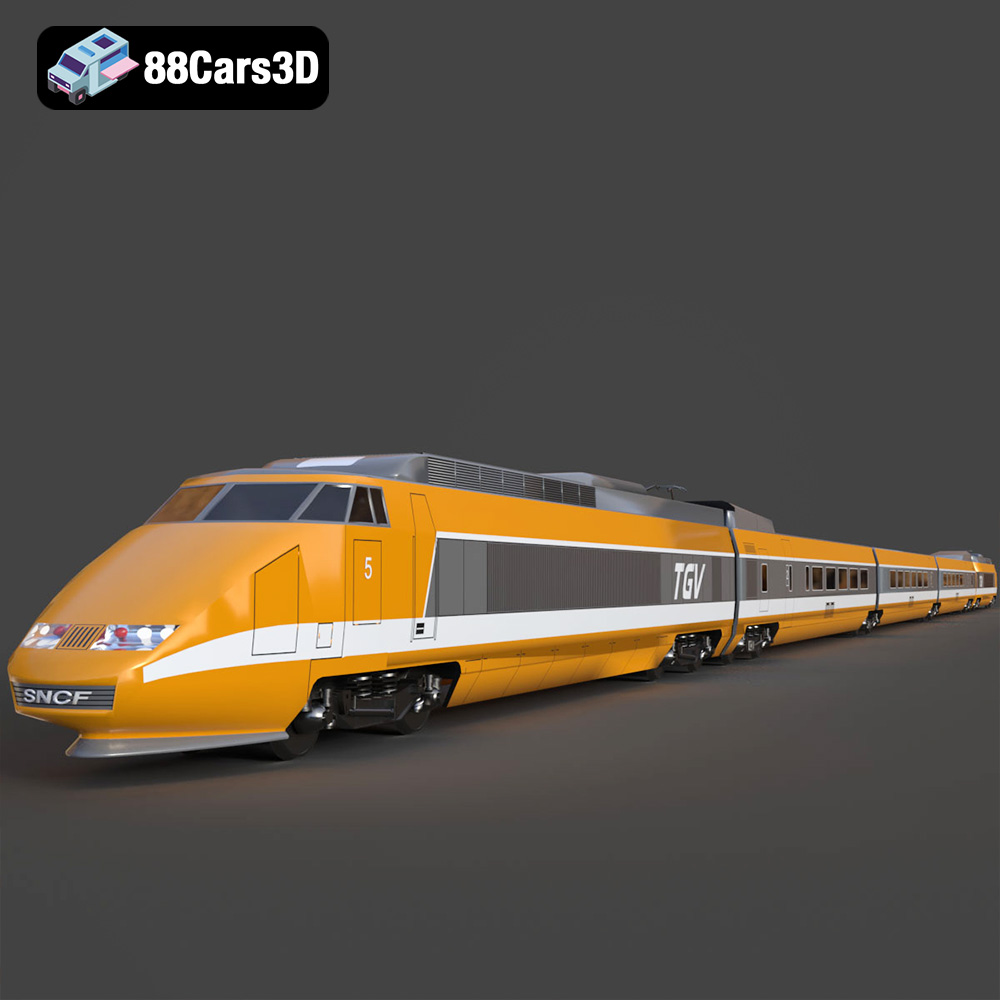
Download the TGV High-Speed Train 3D Model featuring a meticulously detailed exterior, realistic materials, and authentic design. Includes .blend, .fbx, .obj, .glb, .stl, .ply, .unreal, and .max formats for rendering, simulation, and game development.
Price: $10.79
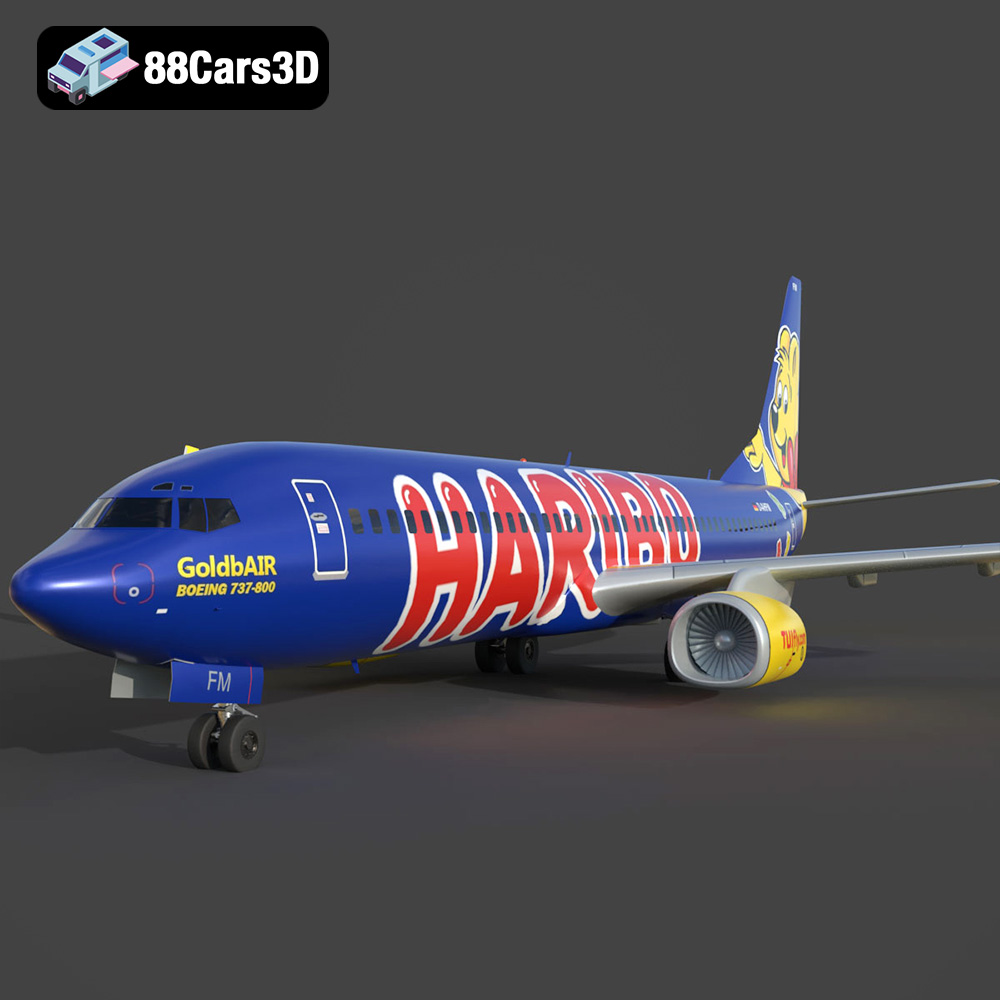
Texture: Yes
Material: Yes
Download the Boeing 737 GoldbAir Haribo 3D Model featuring a meticulously detailed exterior, accurate custom livery, and complex mechanical components. Includes .blend, .fbx, .obj, .glb, .stl, .ply, .unreal, and .max formats for rendering, simulation, and game development.
Price: $10.79
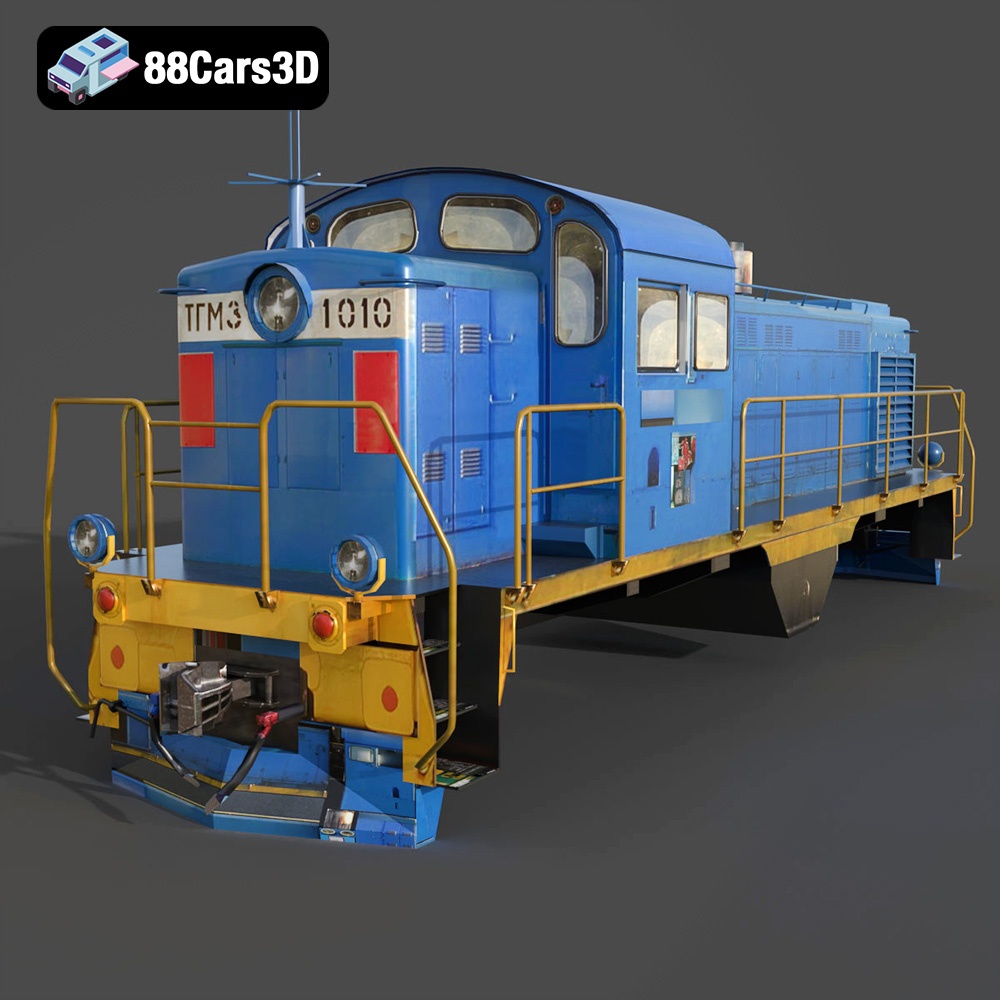
Texture: Yes
Material: Yes
Download the Locomotive TGM3-006 3D Model featuring a detailed exterior, robust undercarriage, and realistic weathering. Includes .blend, .fbx, .obj, .glb, .stl, .ply, .unreal, and .max formats for rendering, simulation, and game development.
Price: $10.79

