Get 50% OFF All Premium 3D & STL Models!

“`html
The allure of a perfectly rendered 3D printable car model extends far beyond its sleek exterior. For many enthusiasts and model makers, the intricate details of a car’s interior are what truly bring a replica to life. From the stitching on the seats to the buttons on the dashboard, these miniature environments offer a rewarding challenge and an unparalleled level of realism. However, achieving this level of detail with 3D printed car interiors can be a complex undertaking, often fraught with challenges related to file preparation, slicing, and printing. This guide will walk you through the essential steps and technical considerations for successfully 3D printing highly detailed car interiors using STL files, transforming your hobbyist prints into museum-quality models.
We’ll delve into the intricacies of STL file structure for interiors, explore advanced slicing techniques to capture fine features, discuss specialized support strategies, and touch upon crucial post-processing methods. Whether you’re using FDM or resin printing technology, this comprehensive guide will equip you with the knowledge to tackle even the most intricate interior designs, ensuring your automotive creations stand out.
The journey to a successful 3D printed car interior begins with the STL file itself. Unlike simpler exterior shells, interior models present unique challenges due to their complex geometry, often featuring small, delicate components, thin walls, and recessed areas. Understanding the underlying structure of these STL files is paramount. An STL file represents a 3D object as a collection of triangular facets. For interiors, the quality of this mesh—its density, absence of errors, and optimization for printing—directly impacts the final print fidelity. When downloading models from marketplaces such as 88cars3d.com, pay close attention to the model’s description, looking for indications of its suitability for high-detail printing. Models designed with 3D printing in mind will often have features like increased wall thickness for delicate parts, closed volumes, and carefully considered geometry.
A “watertight” or manifold mesh is crucial for any 3D print. This means the mesh forms a perfectly closed volume with no holes, inverted faces, or non-manifold edges. For intricate interiors, this is even more critical. Gaps or errors in the mesh can cause slicing software to misinterpret the geometry, leading to printing failures like gaps in surfaces, incorrect feature rendering, or outright failed prints. Professional 3D modeling software like Blender, Meshmixer, or Autodesk Netfabb are invaluable tools for inspecting and repairing STL files. Common issues include stray vertices, internal faces, and holes where components should be joined. Tools like “Mesh Analysis” in Netfabb or “3D-Print Toolbox” in Blender can automatically detect and often fix these errors. For instance, a dashboard button that is modeled as a separate, slightly disconnected piece might appear as a hole in the main dashboard mesh when exported as an STL, requiring manual stitching in modeling software.
The level of detail in an STL file is directly related to its polygon count. High-polygon models can capture extremely fine details, such as intricate seat stitching patterns or the texture on a steering wheel. However, excessively high polygon counts can make files difficult to manage, slow down slicing software, and potentially exceed the capabilities of some 3D printers to reproduce. Conversely, low-polygon models may lack the necessary definition for a convincing interior. Finding the right balance is key. Many high-quality printable car models found on platforms like 88cars3d.com are optimized to strike this balance, offering high detail without an unmanageable polygon count. If you encounter a model that is too dense, decimation tools in software like Meshmixer can reduce the polygon count while preserving essential details.
When printing an entire car interior, or even individual components, scale is a critical factor. A seat designed to be printed at 1:24 scale might become too delicate or too large to fit within your printer’s build volume if scaled up without careful consideration. It’s important to check the intended scale of the model and adjust it appropriately for your printing needs. For example, if you intend to print individual interior parts like dashboards, seats, or door panels, you may need to scale them down significantly, and in doing so, you must ensure that thin features like seatbelts or dashboard vents remain printable. Often, extremely thin features might need to be thickened slightly in your CAD software or thickened automatically by the slicer’s “detect thin walls” feature to prevent them from breaking during printing or handling.
The slicing software is where you translate your STL model into layer-by-layer instructions for your 3D printer. For detailed car interiors, standard slicing profiles are often insufficient. Fine-tuning parameters is essential to capture the minute details and ensure structural integrity. This involves optimizing layer height, print speed, support structures, and infill settings specifically for the delicate nature of interior components.
The layer height is arguably the most impactful setting for print detail. For FDM printing, standard layer heights like 0.2mm or 0.15mm are common. However, to capture the subtle curves of a dashboard, the texture of leather seats, or the fine lines of control panels, significantly lower layer heights are recommended. Printing at 0.1mm, 0.08mm, or even 0.05mm layer heights for FDM printers can dramatically increase the perceived detail and smoothness. For resin printers (SLA/DLP/MSLA), layer heights typically range from 0.025mm to 0.05mm, offering inherently higher resolution for such applications. The trade-off for finer layer heights is a substantial increase in print time. A detailed interior component printed at 0.05mm could take days, whereas at 0.2mm it might take only a few hours. For FDM, consider printing critical detail areas at a lower layer height and less critical areas at a standard height if your slicer supports this variable layer height feature.
Imagine printing a car dashboard with intricately modeled air conditioning vents. At a 0.2mm layer height, these vents might appear as solid blocks. By reducing the layer height to 0.08mm on an FDM printer, the individual slats of the vents become discernible. On a resin printer, using a 0.025mm layer height would likely capture even the finest grille patterns with exceptional clarity.
High print speeds can lead to ringing artifacts, ghosting, and poor layer adhesion, especially when printing delicate features. For detailed interiors, reducing print speeds is crucial. A general recommendation for detailed prints on FDM printers is to slow down the outer wall speed to around 20-30 mm/s. Inner walls can sometimes be printed slightly faster, but it’s often beneficial to keep them conservative as well, perhaps 40-50 mm/s. Acceleration and jerk settings also play a significant role. Lowering these values reduces vibrations and sudden movements, leading to cleaner prints, particularly on small, intricate parts. Experimentation is key here; start with conservative settings and gradually increase them while monitoring print quality.
Accurate filament extrusion is paramount for capturing fine details. Over-extrusion can lead to blobs and thickened lines, obscuring detail, while under-extrusion can result in gaps and weak layer adhesion. Ensure your E-steps are calibrated correctly. Additionally, consider adjusting flow rate (extrusion multiplier) slightly – often reducing it by 1-5% can help prevent over-extrusion on fine features. For resin printing, controlling exposure times is the equivalent of managing filament flow. Over-exposure can lead to “burnt” details and loss of definition, especially on small elements.
Car interiors are notoriously challenging to support. Overhangs are common, and delicate parts like steering wheels, gear shifts, and dashboard components require careful consideration to prevent drooping or failure. Effective support generation is crucial for a successful print.
Most slicers offer various support types: standard, tree (or organic), and custom. For complex interiors, tree supports often prove superior. They are more material-efficient and tend to detach more cleanly, minimizing damage to delicate surfaces. Standard supports can sometimes be too dense or difficult to remove without damaging the model. In software like Cura or PrusaSlicer, you can fine-tune support density, pattern, and interface layers. Lowering support density (e.g., 5-10% infill) reduces material usage and makes removal easier. Enabling support interface layers creates a denser, flatter surface between the support and the model, which can improve the surface finish of the supported area, though it may make removal slightly harder.
Support interfaces are crucial for detailed models. They create a separate, denser layer where the supports connect to the model. This leads to a smoother surface finish on the underside of overhangs and features. Parameters to adjust include the support interface density (often higher than the main support infill), support interface wall count (adding a few walls can create a stronger interface), and support interface distance. A smaller Z-distance between the interface and the model (e.g., 0.1-0.15mm for FDM) will improve surface quality but increase removal difficulty. Experimenting with different interface settings is often necessary.
Strategic support placement is key. Instead of auto-generating all supports, consider manually adding supports in critical areas where overhangs are severe or where delicate features might sag. Most slicers allow you to paint custom support enforcers or blockers. Place supports only where absolutely necessary. When it comes to removal, patience is essential. For FDM prints, carefully use tools like flush cutters, needle-nose pliers, hobby knives, and dental picks to gently break away supports. For resin prints, this often involves washing the print thoroughly in isopropyl alcohol (IPA) and then carefully removing supports before the final curing stage, as supports become harder to remove once fully cured. A small hobby saw or flush cutters can be useful here. Always remove supports in a well-ventilated area, wearing appropriate safety gear.
Every slicer has settings for handling overhangs and bridges. For interiors, you might need to enable features like “Support Overhang Angle” to trigger supports only for angles exceeding a certain threshold (e.g., 45-60 degrees). Similarly, “Enable Bridging” is essential for printing gaps between solid sections. Fine-tuning bridging settings, such as bridge speed and fan speed, can improve the quality of horizontal spans. For very long bridges, consider reducing the fan speed slightly to allow the extruded plastic to adhere better before cooling too rapidly.
The choice of filament (for FDM) or resin (for resin printing) significantly impacts the achievable detail. Furthermore, understanding your printer’s capabilities and limitations is crucial for success.
For FDM printing of detailed car interiors, PLA is often the preferred material due to its ease of printing, low warping, and good detail reproduction. It’s rigid and holds fine details well. PETG can offer more durability but may be slightly stringier and harder to achieve razor-sharp details compared to PLA. ABS offers good temperature resistance but can be prone to warping and requires a heated enclosure. For miniatures and highly detailed parts, consider specialized filaments like high-detail PLA or resolution-focused filaments, which are formulated to minimize shrinkage and expand layer lines.
Before printing any detailed interior, ensure your FDM printer is meticulously calibrated. This includes:
These steps are foundational for any print, but they become even more critical when chasing high levels of detail.
Resin printers (SLA, DLP, MSLA) excel at producing extremely fine details that are often unattainable with FDM. The process involves curing liquid resin layer by layer using a UV light source. This technology is ideal for replicating intricate patterns, small text, and delicate features found in car interiors. Resins come in various formulations: standard, tough, flexible, and high-detail. For car interiors, a high-detail or standard resin is usually recommended. Ensure you select a resin compatible with your specific printer and follow the manufacturer’s curing time recommendations carefully.
Key settings for resin printing include layer height (typically 0.025-0.05mm), normal layer exposure time, and bottom layer exposure time. These are highly dependent on the resin type, printer, and even ambient temperature. Dialing in exposure times is critical; insufficient exposure leads to prints failing to adhere to the build plate or having weak layers, while over-exposure results in loss of detail. Always perform a resin exposure test (often called a “calibration test” or “exposure test print”) for each new resin you use to find the optimal settings. Ensure your build plate is clean and properly leveled to guarantee good adhesion, especially for large or complex prints.
For FDM, while a standard 0.4mm nozzle can produce good results, switching to a smaller nozzle, such as 0.2mm or 0.25mm, can significantly enhance the reproduction of fine details. However, this comes at the cost of much longer print times and increased susceptibility to clogs. Ensure your printer’s firmware is updated to support the smaller nozzle size and adjust retraction settings accordingly. For resin printing, the FEP film (or PFA film) in the resin vat is crucial. It’s a thin film that sits at the bottom of the vat, allowing UV light to pass through and cure the resin. Over time, FEP can become scratched or cloudy, affecting print clarity. Regular inspection and replacement of the FEP film are essential for maintaining print quality.
The printing process is only part of the journey. Post-processing is where raw prints are transformed into polished, realistic models. This stage often involves cleaning, sanding, filling, priming, and painting.
As discussed earlier, meticulous support removal is the first step. For FDM, this might involve careful trimming with flush cutters, knives, or Dremel tools. For resin prints, thorough cleaning in IPA (or water-washable resin cleaner) is followed by support removal before final curing. Ensure all support material is removed without damaging the underlying model.
For FDM prints, especially those in ABS, chemical smoothing (e.g., with acetone vapor) can create an incredibly smooth surface, eliminating layer lines. However, this is an advanced technique requiring safety precautions and careful execution. For PLA and other materials, or as an alternative, sanding and filling are key. Start with coarse-grit sandpaper (e.g., 120-220 grit) to remove rough areas and major imperfections, then progressively move to finer grits (e.g., 400, 800, 1000, 2000+). Use modeling putties or automotive filler to fill any remaining gaps or layer lines. Multiple applications and sanding sessions may be required for a perfectly smooth finish.
A good primer is essential for a professional finish. It helps to reveal any remaining surface imperfections and provides a uniform base for paint. Use a high-quality primer designed for plastics. For automotive interiors, accurate color matching is crucial. Use reference images of the actual car. Employ techniques like dry brushing to highlight raised details (like stitching or texture), panel lining with thinned dark washes to accentuate panel gaps and recessed areas, and weathering to add realism, simulating dust, wear, or grime.
Airbrushing offers the smoothest, most even coats and is ideal for large surfaces like dashboards or seats. It allows for subtle color transitions and shading. Hand brushing, while requiring more skill for a smooth finish, is excellent for precise detail work, such as painting buttons, dials, or stitching. Using high-quality acrylic model paints is recommended. Consider using a clear coat (matte, satin, or gloss depending on the surface) as a final protective layer and to unify the finish.
Many detailed car interior models are designed as separate components (dashboard, seats, center console, steering wheel, etc.) for easier printing and painting. Assembly requires careful alignment and bonding. Use appropriate adhesives: super glue (cyanoacrylate) for quick, strong bonds; plastic cement for FDM plastics (melts and fuses them); and epoxy for stronger, gap-filling bonds. Ensure components fit snugly before gluing. If there are slight gaps after printing, they can often be filled with putty or a small amount of modeling clay before painting or assembly.
Even with meticulous preparation, printing detailed interiors can present unique challenges. Understanding common pitfalls and their solutions is vital.
These are common with FDM printing, especially when retracting filament. Causes include filament moisture, incorrect retraction settings (distance and speed), or a dirty nozzle. Ensure your filament is dry, calibrate retraction settings, and perform temperature towers to find the optimal printing temperature for your filament. For resin, this can be over-exposure or detachment issues.
Small, intricate interior parts can warp or detach from the build plate if adhesion is poor. For FDM, use a brim or raft in your slicer settings, ensure your bed is clean (with IPA or soap and water), and consider using adhesion aids like glue stick, hairspray, or specialized build surface tapes. For resin, insufficient bottom layer adhesion is the usual culprit; increase bottom layer exposure time and ensure the build plate is clean and properly leveled.
This occurs when the extruded plastic doesn’t have sufficient support or cooling to hold its shape during printing. For FDM, optimize cooling fan speed (higher for PLA, lower for PETG/ABS), ensure adequate support structures are in place, and consider reducing overhang speeds. For resin, this is often an exposure time issue; increase normal exposure times if details are not resolving cleanly.
Layer shifting typically indicates a mechanical issue, such as loose belts (X or Y axis), binding on the axis, or the print head colliding with the print. Check belt tension, lubricate Z-axis lead screws, and ensure your printer is stable. The Z-seam (where each layer starts and ends) can be visible on detailed prints. Most slicers have settings to control its placement (e.g., “Sharpest Corner,” “Aligned,” or “Random”) to minimize its visual impact.
Mastering the 3D printing of detailed car interiors is a rewarding endeavor that requires a blend of technical skill, patience, and attention to detail. From ensuring the integrity of your STL files to fine-tuning slicer settings, selecting the right materials, and executing precise post-processing, each step plays a crucial role. The intricate nature of car interiors demands a higher level of precision than many other 3D printing projects. By understanding the nuances of mesh topology, optimizing layer height and print speed, strategically employing support structures, and leveraging the strengths of different printing technologies like FDM and resin, you can overcome common challenges. Platforms like 88cars3d.com offer a fantastic starting point with their collection of high-quality, print-ready STL files designed for enthusiasts looking to create stunning automotive replicas. Remember that practice and experimentation are your greatest allies. Don’t be discouraged by initial failures; instead, view them as learning opportunities. With careful calibration, precise settings, and a methodical approach, you can achieve breathtakingly detailed 3D printed car interiors that truly showcase the art of additive manufacturing.
“`
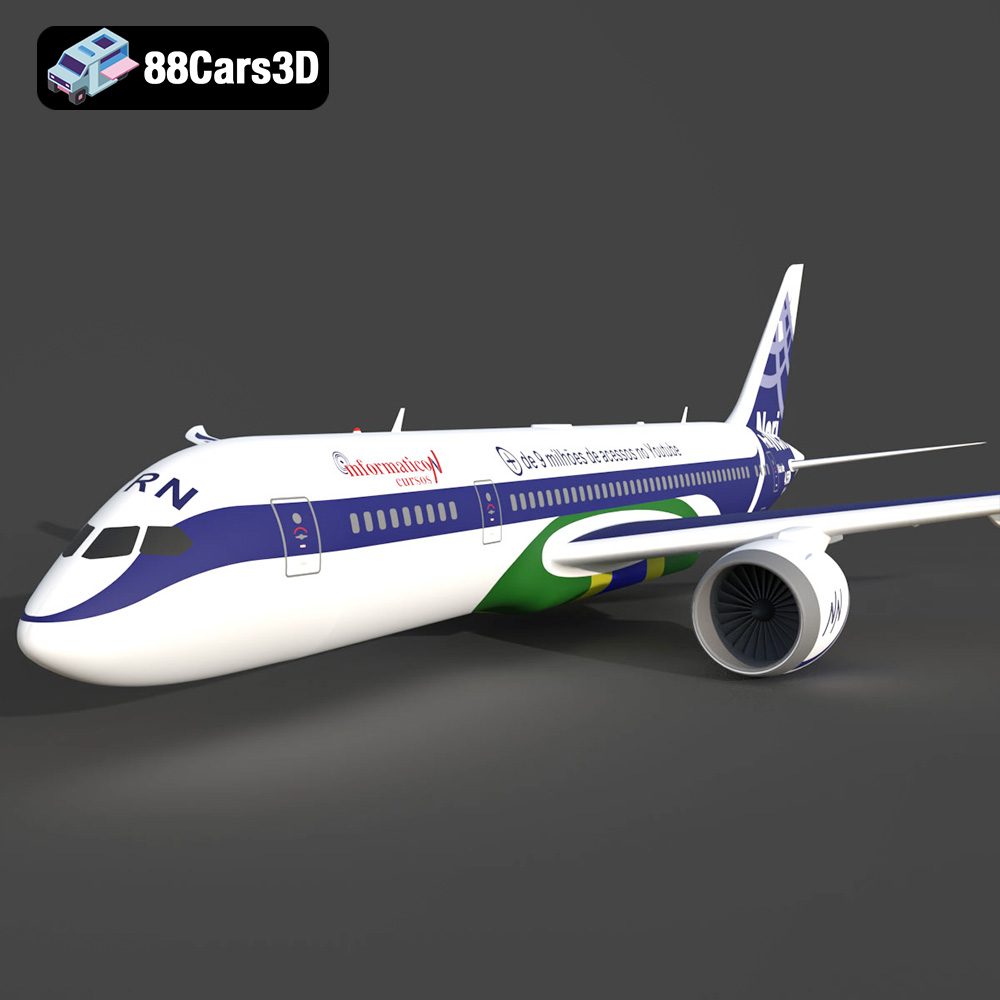
Texture: Yes
Material: Yes
Download the Airplane TRN-007 3D Model featuring clean geometry, realistic detailing, and a fully modeled interior. Includes .blend, .fbx, .obj, .glb, .stl, .ply, .unreal, and .max formats for rendering, simulation, and game development.
Price: $10
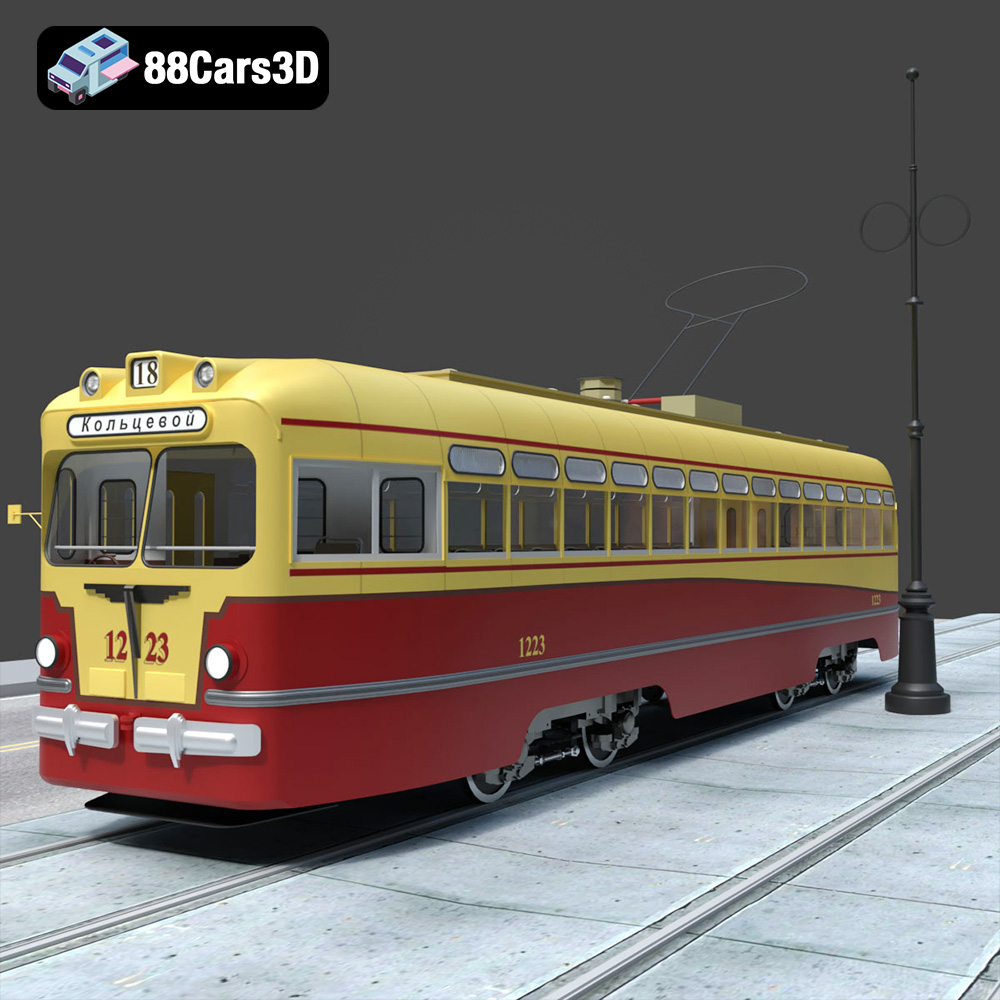
Texture: Yes
Material: Yes
Download the MTB-82 Tram 3D Model featuring clean geometry, realistic detailing, and a fully modeled interior. Includes .blend, .fbx, .obj, .glb, .stl, .ply, .unreal, and .max formats for rendering, simulation, and game development.
Price: $10
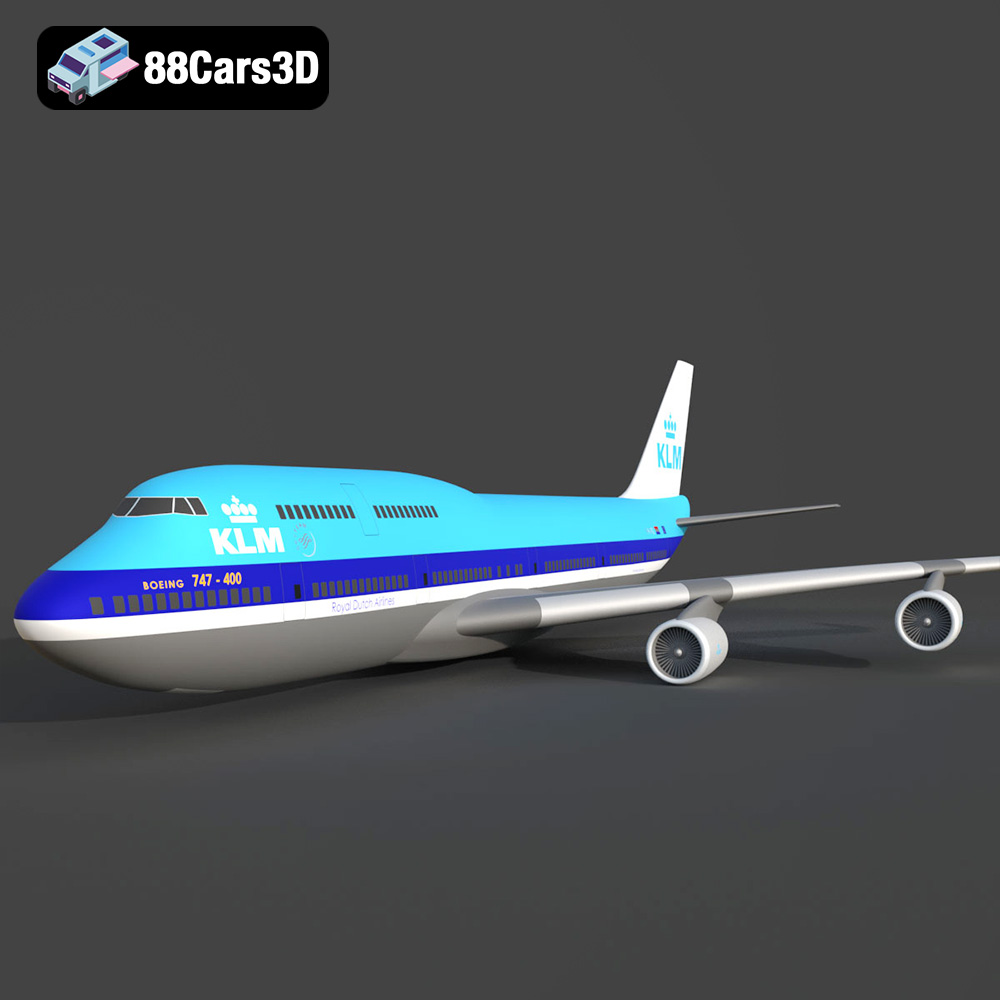
Texture: Yes
Material: Yes
Download the Boeing 747-400 KLM 3D Model featuring a detailed exterior, authentic livery, and realistic components. Includes .blend, .fbx, .obj, .glb, .stl, .ply, .unreal, and .max formats for rendering, simulation, and game development.
Price: $10.79
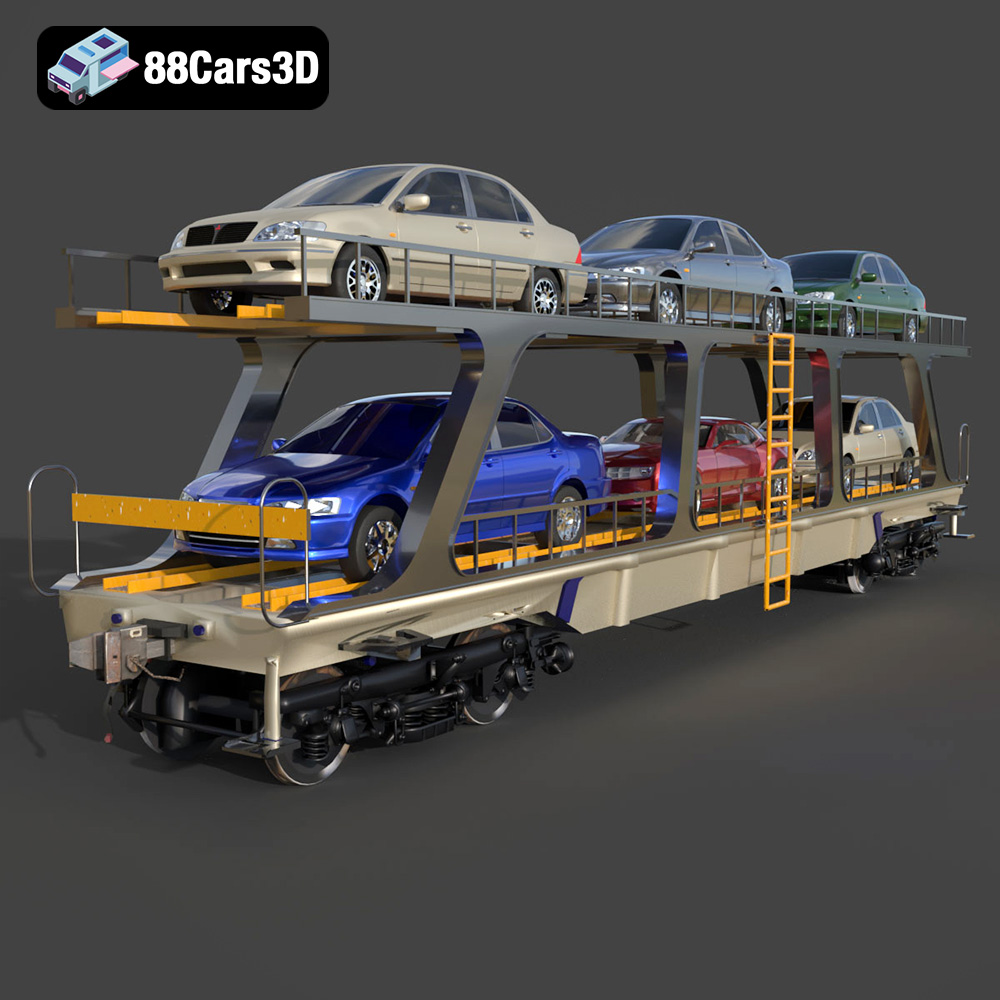
Texture: Yes
Material: Yes
Download the Avtovoz A Wagon 3D Model featuring a robust design for car transport. Includes .blend, .fbx, .obj, .glb, .stl, .ply, .unreal, and .max formats for rendering, simulation, and game development.
Price: $10.79
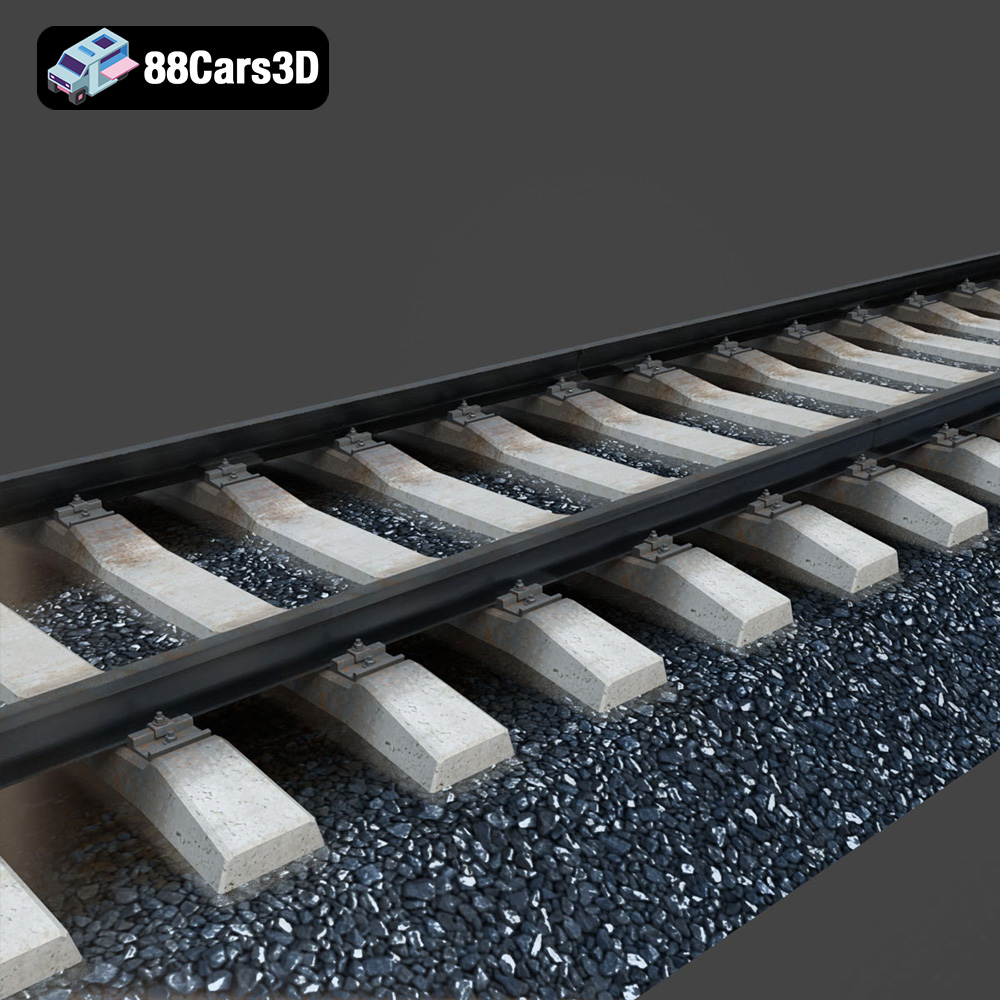
Texture: Yes
Material: Yes
Download the Rail Road 006 3D Model featuring a detailed exterior, accurate proportions, and realistic textures. Includes .blend, .fbx, .obj, .glb, .stl, .ply, .unreal, and .max formats for rendering, simulation, and game development.
Price: $10.79
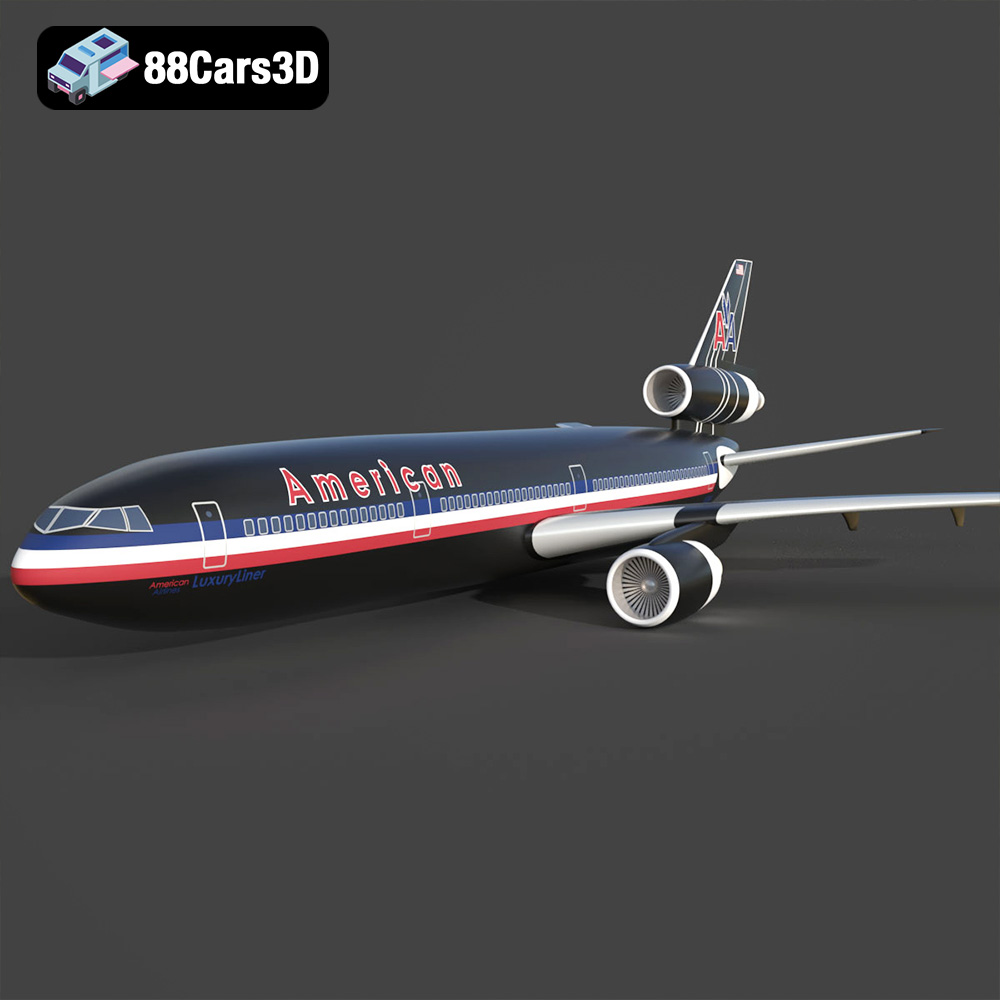
Texture: Yes
Material: Yes
Download the American AA-006 Airplane 3D Model featuring a detailed exterior, cockpit, and landing gear. Includes .blend, .fbx, .obj, .glb, .stl, .ply, .unreal, and .max formats for rendering, simulation, and game development.
Price: $10.79
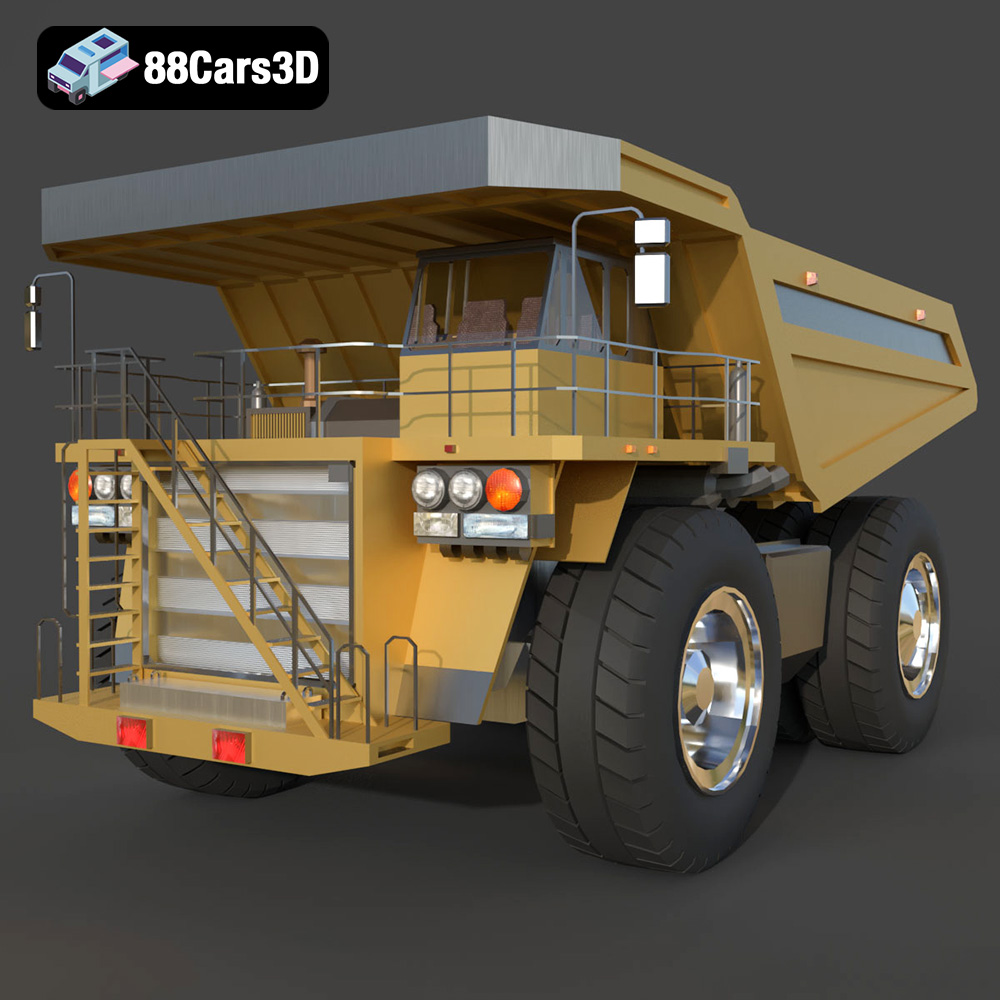
Texture: Yes
Material: Yes
Download the Samosval-003 3D Model featuring a robust dump truck design, detailed exterior and interior, and animatable components. Includes .blend, .fbx, .obj, .glb, .stl, .ply, .unreal, and .max formats for rendering, simulation, and game development.
Price: $10.79
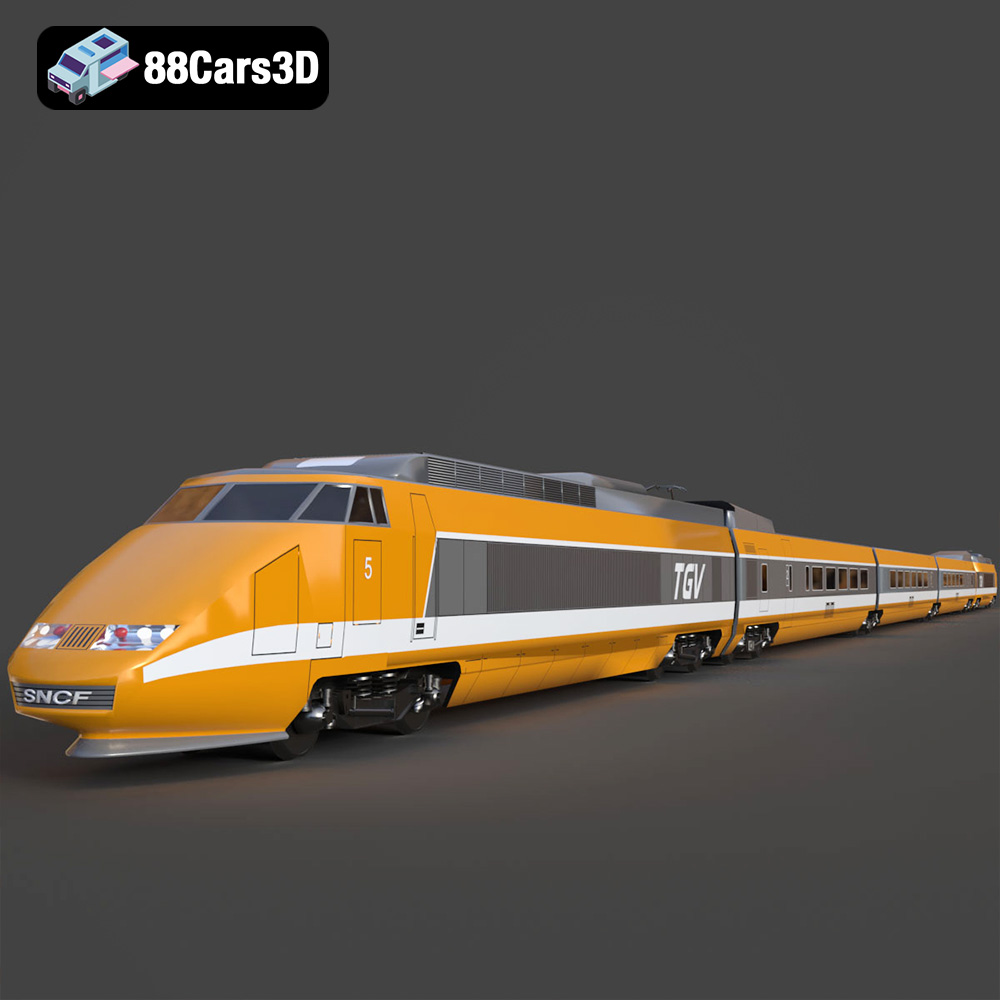
Texture: Yes
Material: Yes
Download the TGV High-Speed Train 3D Model featuring a meticulously detailed exterior, realistic materials, and authentic design. Includes .blend, .fbx, .obj, .glb, .stl, .ply, .unreal, and .max formats for rendering, simulation, and game development.
Price: $10.79
Texture: Yes
Material: Yes
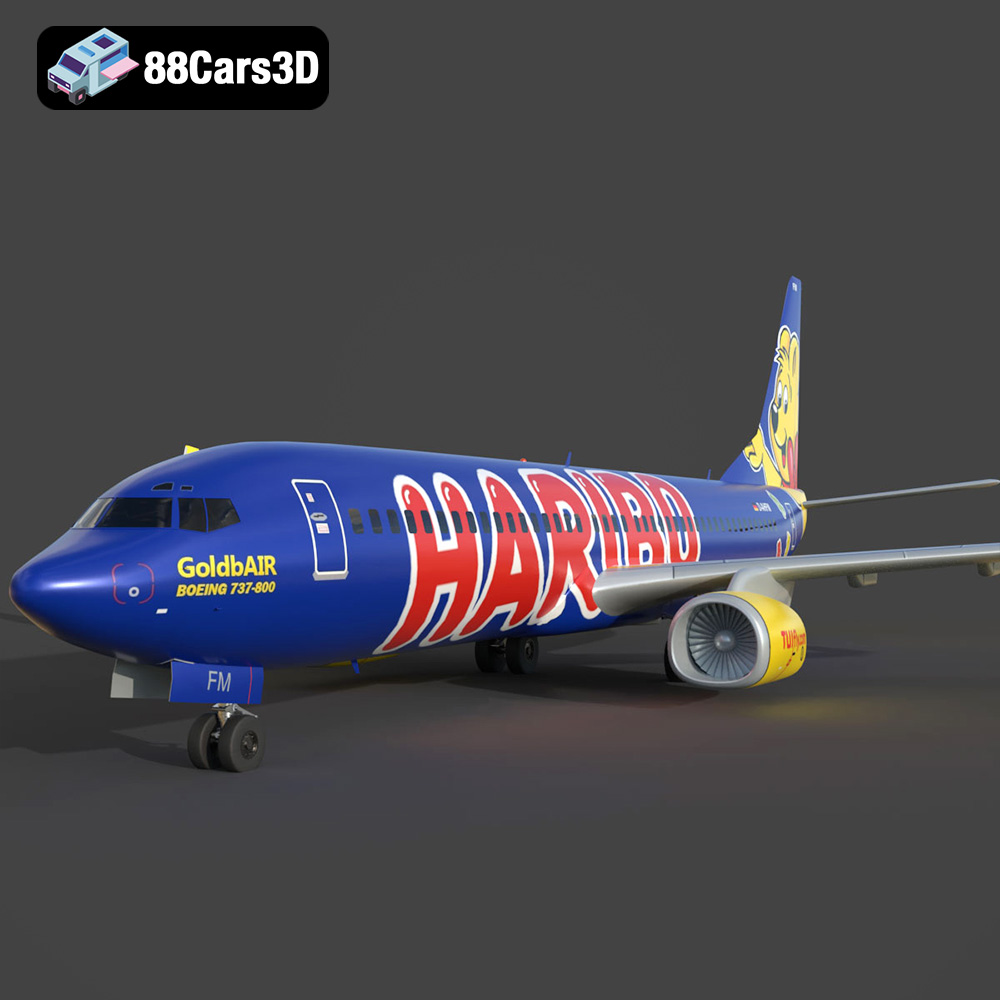
Download the Boeing 737 GoldbAir Haribo 3D Model featuring a meticulously detailed exterior, accurate custom livery, and complex mechanical components. Includes .blend, .fbx, .obj, .glb, .stl, .ply, .unreal, and .max formats for rendering, simulation, and game development.
Price: $10.79
Texture: Yes
Material: Yes
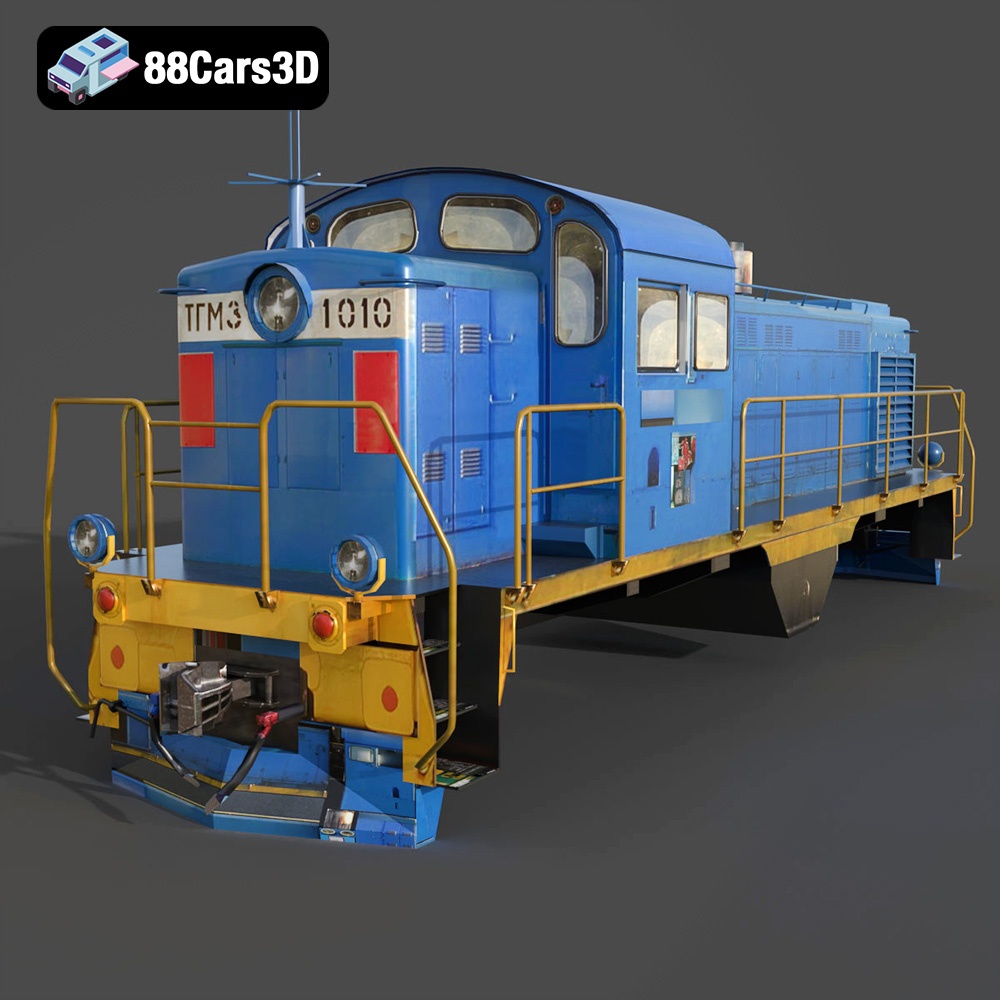
Download the Locomotive TGM3-006 3D Model featuring a detailed exterior, robust undercarriage, and realistic weathering. Includes .blend, .fbx, .obj, .glb, .stl, .ply, .unreal, and .max formats for rendering, simulation, and game development.
Price: $10.79

