Get 50% OFF All Premium 3D & STL Models!

The automotive industry has always been at the forefront of innovation, not just in vehicle design and engineering, but also in how cars are presented and sold. In today’s digital landscape, static images and simple brochures no longer cut it. Consumers demand immersive, interactive experiences that allow them to visualize and personalize their dream car long before they ever step into a dealership. This is where animated car configurators powered by high-quality 3D car models come into play.
An animated car configurator is far more than just a tool to change paint colors; it’s a dynamic, real-time application that allows users to explore a vehicle from every angle, customize various components, and see those changes unfold with engaging animations. From changing wheel designs and interior trims to simulating different lighting conditions or even opening doors and trunks, these configurators offer an unparalleled level of interaction. For automotive brands, this translates into higher engagement, increased customer satisfaction, and a more streamlined sales process. For 3D artists and developers, it presents an exciting challenge that blends advanced 3D modeling, sophisticated automotive rendering, and intricate interactive development. This comprehensive guide will delve deep into the technical intricacies of building such configurators, covering everything from initial model preparation to deployment strategies, ensuring you have the knowledge to create truly captivating experiences.
At the heart of any successful animated car configurator lies an exceptional 3D car model. The quality of this base model dictates the visual fidelity and performance of the entire interactive experience. Unlike static renders where minor mesh imperfections might go unnoticed, a real-time, interactive configurator puts the model under intense scrutiny. Every curve, every panel gap, and every material surface must be meticulously crafted to withstand close inspection from all angles. Sourcing these high-fidelity models from platforms like 88cars3d.com provides a strong starting point, ensuring clean geometry and realistic detailing right out of the box. However, even with premium assets, specific preparations are crucial for real-time applications.
The initial considerations revolve around the model’s polygon count and its topological structure. While high-poly models are ideal for cinematic renders, real-time configurators, especially those targeting web or mobile platforms, require a careful balance. A typical high-detail automotive model for a configurator might range from 150,000 to 500,000 polygons for the main body, with individual components adding to that total. It’s often necessary to optimize existing high-poly models through techniques like retopology or decimation, ensuring that essential details are preserved while reducing unnecessary polygon density. This process isn’t just about reducing face count; it’s about creating an efficient and clean mesh that performs well in real-time engines and allows for smooth deformation if any parts are animated.
For automotive models, topology and edge flow are paramount. Car bodies are characterized by smooth, continuous curves and sharp, precise creases. Excellent edge flow ensures that these details are accurately represented, preventing pinching or undesirable artifacts when the model is rendered. Edges should follow the natural contours of the car, defining panel lines, body creases, and aerodynamic features. Using quad-based topology is a widely accepted best practice, as it provides the most predictable and subdivision-friendly mesh. Tools in software like 3ds Max, Blender (referencing Blender 4.4 documentation for advanced modeling techniques), and Maya offer extensive capabilities for precise poly modeling and retopology. Special attention must be paid to areas that will be separated or animated, such as doors, hoods, and wheels. These components should have clean, separate geometry with well-defined pivot points to facilitate animation without mesh intersection issues. Consistent scale and unit settings across all modeling software and engine environments are also critical to avoid scaling discrepancies upon import.
Beyond the mesh itself, PBR materials (Physically Based Rendering) are fundamental to achieving photo-realistic visuals in an animated configurator. PBR materials accurately simulate how light interacts with surfaces, resulting in consistent and believable rendering across different lighting conditions. A typical PBR workflow involves textures for Albedo (or Base Color), Metallic, Roughness, Normal, and optionally Ambient Occlusion, Specular, and Emission maps. For automotive surfaces, the metallic and roughness maps are particularly important for capturing the nuanced reflections and sheen of car paint, chrome, glass, and interior fabrics. Texture resolutions should be appropriate for the target platform; 4K (4096×4096) or even 8K textures might be used for primary body panels and key interior elements, while smaller components can use 2K or 1K maps to save memory. Efficient UV mapping strategies are essential here, ensuring minimal distortion and optimal use of texture space. Techniques like UDIMs (multi-tile UVs) can be employed for extremely high-detail models, allowing different parts of the car to use separate, high-resolution texture maps without stretching. Packing multiple smaller textures onto a single atlas can also significantly reduce draw calls, improving real-time performance.
The “animated” aspect of a car configurator is what truly elevates it from a static viewer to an engaging, interactive tool. Animations are crucial not only for showcasing the vehicle dynamically but also for making the transition between different configuration options smooth and visually appealing. Instead of abrupt pop-ins, users witness components gracefully swap, colors shift, and the camera glide to highlight specific features. This meticulous attention to animation enhances the user experience, making the configurator feel polished and premium. Effective animation involves a combination of camera movements, object transformations, and material property changes.
Dynamic camera animation is key to guiding the user’s eye and highlighting different aspects of the vehicle. Instead of a single, static view, a configurator benefits from pre-defined camera paths or automated orbital movements. For instance, when a user selects a new wheel option, the camera might smoothly zoom in on the wheel well, perform a subtle rotation around the new wheel, and then zoom back out to a full vehicle view. This involves keyframing camera positions, rotations, and field of view (FOV) over time. Software like Unity’s Cinemachine or Unreal Engine’s Sequencer provide powerful tools for creating cinematic camera movements with ease, offering features like virtual cameras, tracking, and smooth transitions. Even in Blender, animating cameras along curves can create compelling tours. Consider multiple pre-set camera views: a full exterior orbit, a detailed interior shot, a close-up on wheels, and a view showcasing specific features like headlights or the grille. The transitions between these views should be fluid and can be triggered by user interactions, such as clicking on a specific part of the car or selecting an option from the UI.
Beyond camera work, animating the components themselves is critical for a truly interactive configurator. When a user selects a different color, the car paint material shouldn’t just instantly snap to the new shade; a subtle, quick dissolve or fade animation can make the change feel more natural. Swapping out wheels, spoilers, or interior trims can be animated with simple scaling, translation, or rotation effects. For example, a new wheel might fade in while rotating slightly, or a spoiler might smoothly extend into place. For more complex animations, such as opening doors, trunks, or sunroofs, a series of precise keyframes will be required to define the movement paths and pivots. It’s crucial that these animations are efficient and don’t involve complex physics simulations, as real-time performance is paramount. Each animated component should have its pivot point accurately set in the 3D modeling software (e.g., at the hinge for a door) to ensure correct rotation. For game engines, these animations are often implemented using animation clips or sequences that can be triggered programmatically. The duration of these animations should be brief, typically between 0.5 to 1.5 seconds, to maintain responsiveness without feeling jarringly fast. Techniques like blend shapes (morph targets) can also be used for subtle deformations, such as seat adjustments or tire sidewall compression.
An animated car configurator isn’t just a collection of beautiful 3D models and smooth animations; it’s a sophisticated application that responds intelligently to user input. The interactive logic is the backbone that connects user interface (UI) selections to the underlying 3D model and its animations. This involves scripting, state management, and careful design of the user interface to ensure a seamless and intuitive experience. The goal is to make the user feel like they are directly manipulating the vehicle, rather than navigating a complex system. Achieving this requires robust programming practices and thoughtful UI/UX design.
At its core, the configurator’s logic needs to manage various states: what color is selected, which wheels are chosen, what interior trim is active, and so on. This typically involves a combination of data structures to store available options and conditional logic to apply changes. For instance, when a user clicks on a “red paint” button, the system needs to: 1) identify the current paint material on the 3D model, 2) locate the new red paint PBR material, 3) initiate a material swap animation, and 4) update the configurator’s internal state to reflect the new selection. In game engines like Unity or Unreal Engine, this is often handled through C# scripts or Blueprint Visual Scripting, respectively. Developers might create manager classes to centralize the configuration state, using events or delegates to notify relevant 3D components (e.g., the car body mesh) when an option changes. For component swaps (like wheels), the logic might involve deactivating the old wheel mesh and activating the new one, potentially triggering an animation during the transition. Consideration must also be given to dependencies; for example, certain interior trims might only be available with specific exterior packages. The logic should enforce these rules, perhaps by greying out unavailable options in the UI. Robust error handling and a clear flow for applying changes are critical for a stable and predictable user experience.
The UI is the user’s primary interaction point with the configurator, so it must be clear, responsive, and visually appealing. A cluttered or confusing UI will quickly detract from the high-quality 3D experience. Common UI elements include:
The design should ideally be minimalist, letting the 3D model take center stage. Icons should be clear, and text labels legible. Responsiveness is also paramount; the UI should adapt gracefully to different screen sizes and orientations, from desktop monitors to mobile devices. In Unity, UI can be built using the built-in UI system (Canvas, Rect Transforms, UI elements) or third-party solutions like TextMeshPro. Unreal Engine uses UMG (Unreal Motion Graphics) for its powerful UI creation. Careful attention to haptic feedback on mobile devices, loading indicators for asset changes, and visual cues for selected options will significantly improve the user’s sense of control and engagement. Integrating real-time price updates based on selected options adds another layer of realism and utility, transforming the configurator into a powerful sales tool.
Delivering an animated car configurator that runs smoothly across various devices, from high-end PCs to smartphones and AR/VR headsets, is one of the biggest technical challenges. Real-time rendering demands aggressive optimization to maintain high frame rates while preserving visual fidelity. Without proper optimization, even the most beautiful 3D car models will stumble, leading to a frustrating user experience. This section focuses on the critical techniques used to achieve stellar performance in environments like WebGL, AR, and VR.
Levels of Detail (LODs) are indispensable for optimizing large, complex models like cars. An LOD system creates multiple versions of the same mesh, each with a progressively lower polygon count. When the camera is far from an object, the lower-poly LOD is rendered; as the camera gets closer, higher-poly versions are swapped in. For a car configurator, a main car body might have 3-5 LOD levels, with the lowest LOD potentially having only a few thousand polygons, while the highest is hundreds of thousands. Implementing LODs significantly reduces the number of polygons the GPU has to process at any given moment. Occlusion Culling is another vital optimization. This technique prevents objects that are entirely hidden behind other objects (occluders) from being rendered. For example, if the user is viewing the exterior of the car, the entire interior mesh might be occluded. Game engines like Unity and Unreal provide built-in occlusion culling systems that can be baked or dynamically calculated. Reducing draw calls is equally important. Each time the CPU tells the GPU to draw something, it incurs a “draw call” overhead. Minimizing these calls, often by combining meshes that share materials (batching), is crucial. Techniques like texture atlasing (combining multiple smaller textures into one larger texture) and using a single shader for multiple materials can drastically reduce draw calls, improving performance, especially on mobile and web platforms.
Efficient use of textures and shaders is pivotal for real-time performance. As mentioned, texture atlasing combines multiple texture maps (Albedo, Normal, Roughness, etc.) for various small components into a single, larger texture. This allows the GPU to render many parts of the car with a single material and shader, reducing draw calls. While an 8K atlas might seem large, it’s often more efficient than dozens of smaller, separate 1K textures. Additionally, choosing appropriate texture compression formats (e.g., DXT for desktop, ETC for Android, PVRTC for iOS) can significantly reduce memory footprint and load times. Shader optimization involves writing efficient shaders that perform minimal calculations. Complex shader graphs with many nodes can be computationally expensive. Where possible, artists and developers should aim to bake complex lighting or detail into texture maps (e.g., ambient occlusion maps) rather than calculating it in real-time within the shader. Using physically based shading models like Standard PBR is good, but custom, simplified shaders might be necessary for very low-end devices or specific artistic styles. For AR/VR experiences, performance demands are even higher, requiring strict polygon budgets, minimal overdraw, and potentially even lower texture resolutions to maintain the necessary high frame rates (90fps+ for VR) to prevent motion sickness. Additionally, consider static batching for non-moving parts and GPU instancing for identical, repeating objects like bolts or small trim pieces, further reducing draw calls.
Once your animated car configurator is built and optimized, the next critical step is deployment. The choice of deployment platform will largely depend on your target audience, required fidelity, and accessibility goals. From universal web browsers to dedicated standalone applications and the burgeoning field of cloud streaming, each option presents its own set of advantages and technical considerations. Understanding these options is vital for reaching your users effectively and ensuring a smooth delivery of the interactive experience.
WebGL is arguably the most democratic deployment option for an animated car configurator, allowing users to access the experience directly through their web browser without requiring any downloads or installations. Both Unity and Unreal Engine (via its experimental WebGL 2.0 support) can export projects to WebGL. This involves compiling the entire application, including the 3D assets, logic, and shaders, into JavaScript and WebAssembly. The main advantages are universal accessibility and ease of sharing. However, WebGL also comes with significant performance constraints. Browser environments often impose stricter memory limits, and JavaScript/WebAssembly execution can be slower than native code. Optimizations like aggressive LODs, texture compression, draw call reduction, and simplified shaders are even more critical for WebGL. File size is also a major concern; users won’t wait for a 500MB configurator to download. Implementing asset streaming, where large assets are loaded asynchronously as needed, can mitigate this. Furthermore, browser compatibility needs careful testing across different browsers (Chrome, Firefox, Edge, Safari) and their versions, as WebGL implementations can vary. Ensuring fallback mechanisms or clear messaging for unsupported browsers is a good practice. Tools like glTF and USDZ file formats are becoming increasingly popular for web and AR applications due to their efficient packaging of models, PBR materials, and animations, making them ideal for lightweight web configurators. Many 3D car models from platforms like 88cars3d.com are available in these web-optimized formats.
For the absolute highest fidelity experiences that push the boundaries of real-time rendering without compromising accessibility, cloud streaming and server-side rendering offer a compelling solution. Services like NVIDIA’s CloudXR, Google Stadia’s technology (though now defunct for gaming, the tech principles persist), or custom solutions built on cloud GPU instances (AWS G4dn, Azure NV) can run the full-fidelity configurator on a powerful server. The rendered frames are then compressed and streamed to the user’s device, which can be a low-power laptop, tablet, or even a smartphone. This approach bypasses the limitations of the user’s local hardware and browser capabilities, allowing for cinematic-quality automotive rendering, complex lighting, and extremely high-polygon models without performance drops. The user simply interacts with a streamed video feed, sending input back to the server. The primary challenges with cloud streaming are latency and cost. Ensuring a low-latency connection is crucial for a responsive interactive experience, which typically requires servers geographically close to the users. The operational cost of maintaining powerful GPU servers for concurrent users can also be substantial. However, for premium brands targeting a discerning audience, the ability to deliver an uncompromised, photorealistic configurator experience to any device via a simple web link can be a game-changer. This approach also simplifies updates, as changes are made once on the server, instantly propagating to all users. Additionally, standalone desktop applications (e.g., built with Unity or Unreal Engine) still offer the best performance and visual quality for specific use cases, such as in physical showrooms or dedicated design studios, where hardware specifications are controlled and consistent.
The journey to creating a compelling animated car configurator is multifaceted, demanding expertise across 3D modeling, animation, interactive logic, and rigorous optimization. From meticulously crafting a clean mesh with ideal topology to implementing dynamic camera movements and sophisticated PBR materials, every technical detail contributes to the overall user experience. We’ve explored the importance of sourcing high-quality 3D car models, perhaps from marketplaces like 88cars3d.com, as the foundational element, and delved into advanced techniques like LODs, texture atlasing, and shader optimization to ensure smooth real-time rendering across diverse platforms. The integration of intuitive UI and robust selection logic transforms a static model into an engaging interactive tool, allowing users to personalize their dream vehicle with animated finesse.
Ultimately, a well-executed animated car configurator is more than just a marketing tool; it’s a powerful statement of a brand’s commitment to innovation and customer engagement. It bridges the gap between digital aspiration and tangible reality, offering a glimpse into the future of automotive retail and product visualization. As technology continues to evolve, with advancements in AR/VR and cloud streaming, the possibilities for even more immersive and accessible configurators will only expand. By mastering the techniques discussed in this guide, 3D artists, game developers, and visualization professionals can create truly impactful and memorable interactive experiences, driving engagement and redefining how we interact with the products of tomorrow. Embrace these technical challenges, push the boundaries of real-time visualization, and unlock the full potential of interactive 3D.
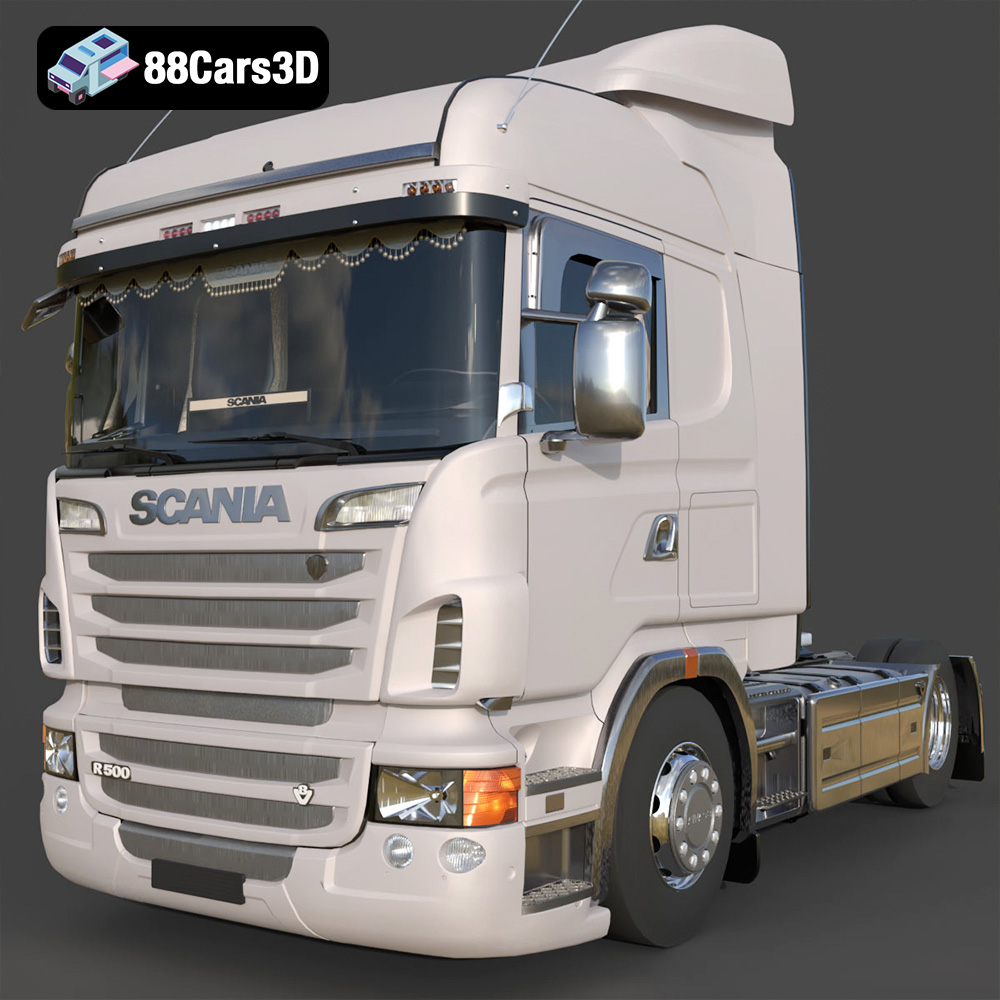
Texture: Yes
Material: Yes
Download the Scania R500 004 3D Model featuring its powerful design, detailed exterior, and functional interior. Includes .blend, .fbx, .obj, .glb, .stl, .ply, .unreal, and .max formats for rendering, simulation, and game development.
Price: $10.79
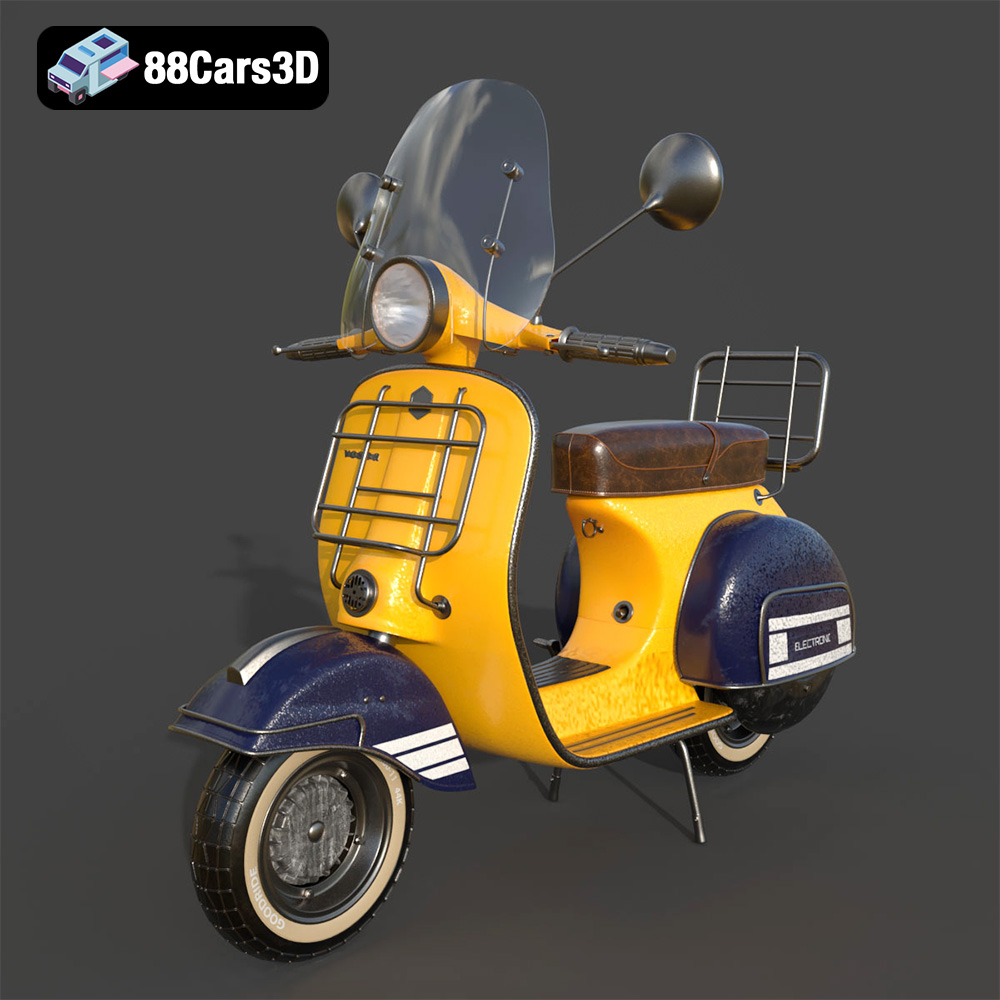
Texture: Yes
Material: Yes
Download the Vespa 5-007 3D Model featuring iconic Italian design and vintage aesthetics. Includes .blend, .fbx, .obj, .glb, .stl, .ply, .unreal, and .max formats for rendering, simulation, and game development.
Price: $20.79
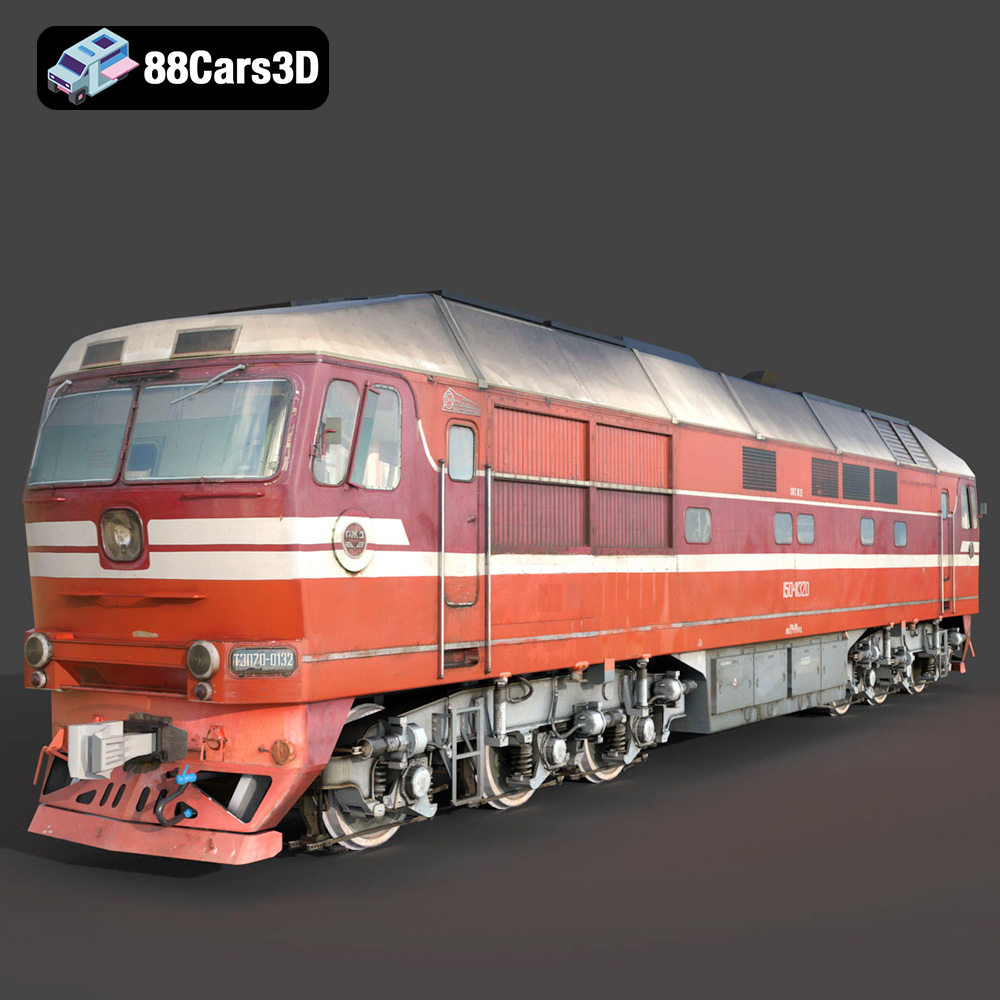
Meta Description:
Texture: Yes
Material: Yes
Download the TEP70 Diesel Locomotive 3D Model featuring detailed exterior structure, cabin interior, and realistic mechanical components. Includes .blend, .fbx, .obj, .glb, .stl, .ply, .unreal, and .max formats for rendering, simulation, AR VR, and game development.
Price: $13.9
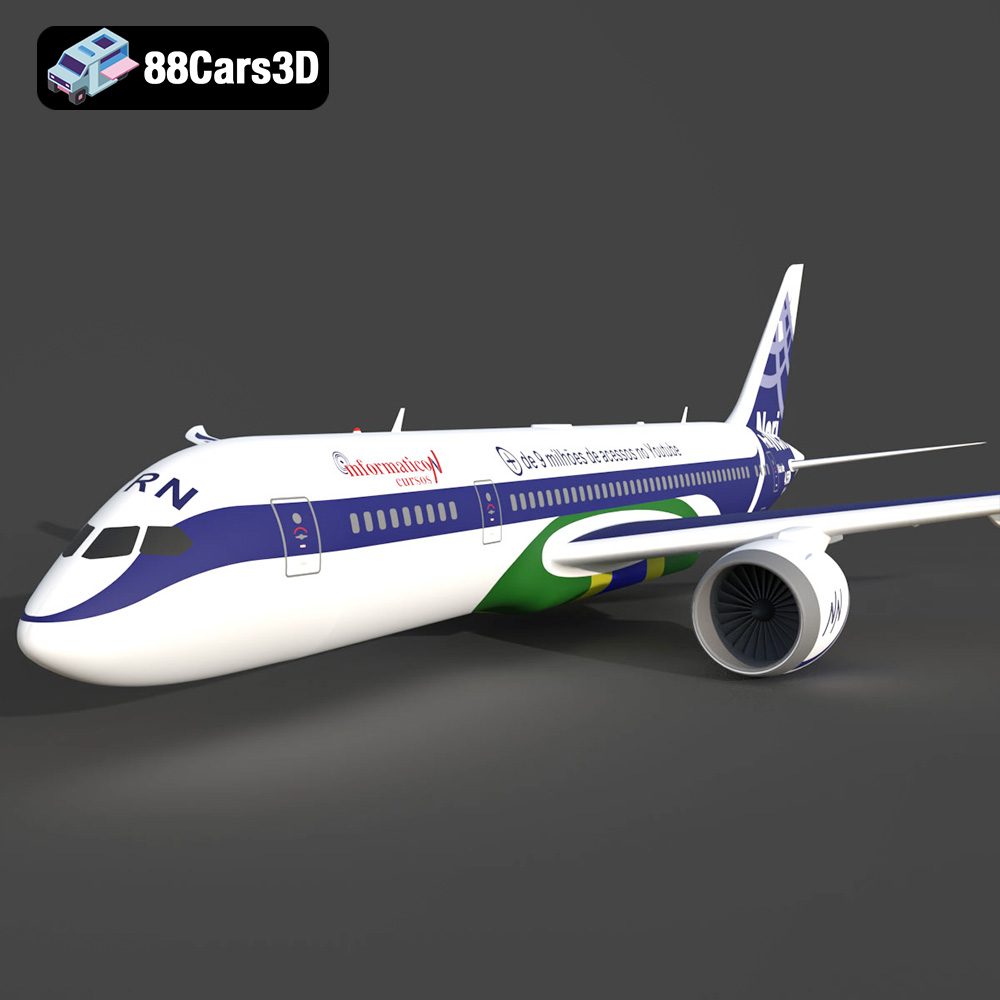
Texture: Yes
Material: Yes
Download the Airplane TRN-007 3D Model featuring clean geometry, realistic detailing, and a fully modeled interior. Includes .blend, .fbx, .obj, .glb, .stl, .ply, .unreal, and .max formats for rendering, simulation, and game development.
Price: $10
Texture: Yes
Material: Yes
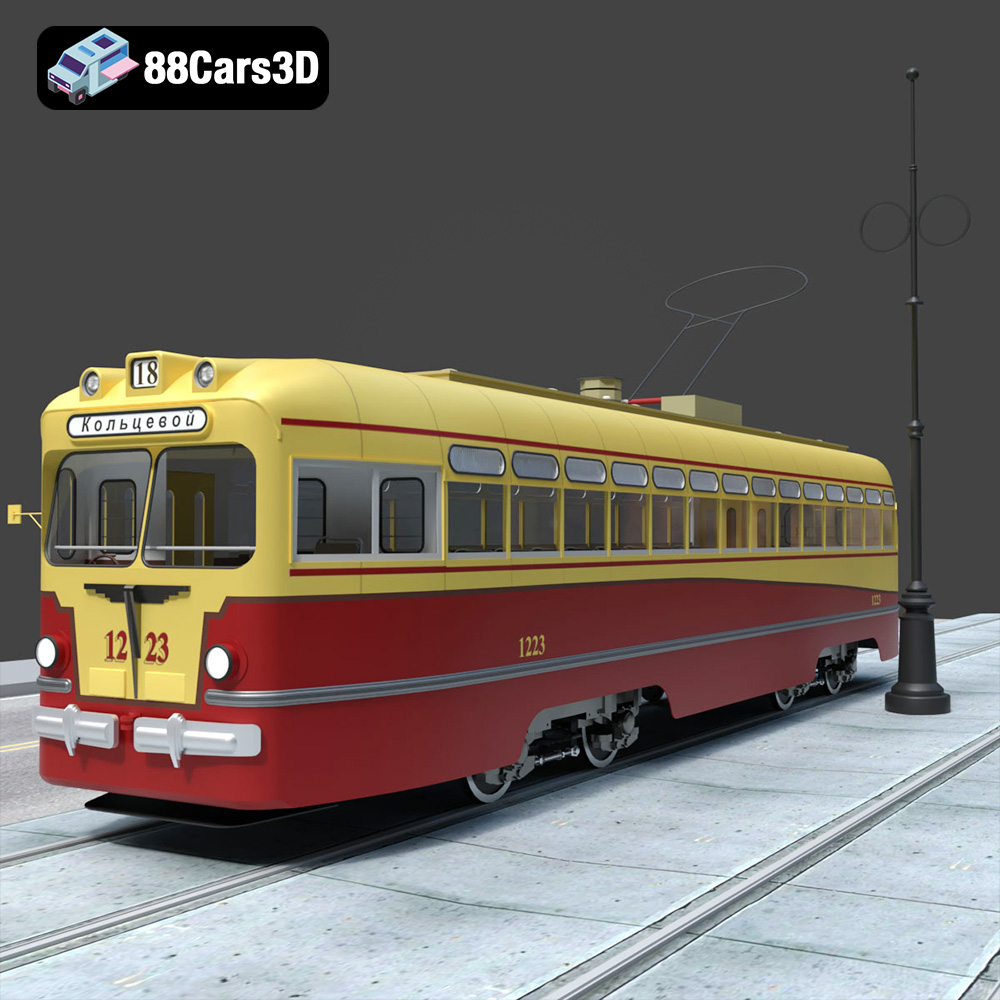
Download the MTB-82 Tram 3D Model featuring clean geometry, realistic detailing, and a fully modeled interior. Includes .blend, .fbx, .obj, .glb, .stl, .ply, .unreal, and .max formats for rendering, simulation, and game development.
Price: $10
Texture: Yes
Material: Yes
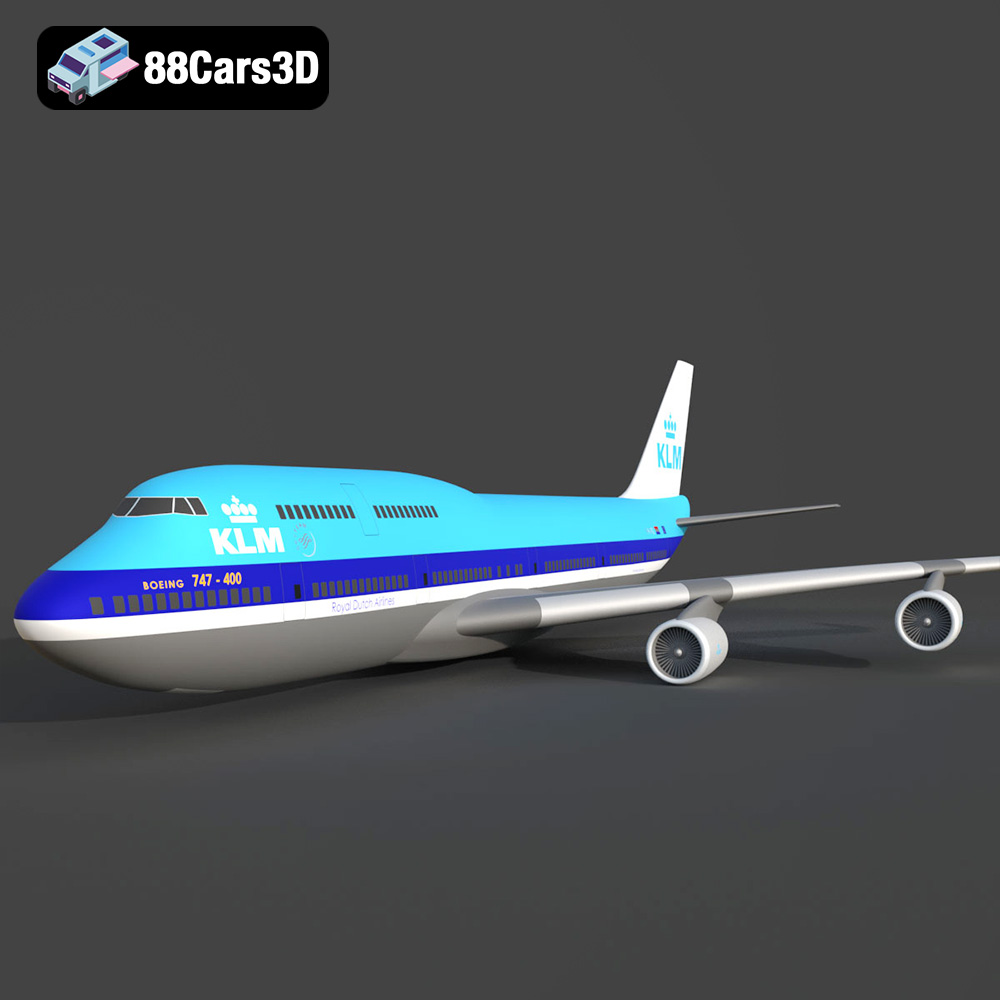
Download the Boeing 747-400 KLM 3D Model featuring a detailed exterior, authentic livery, and realistic components. Includes .blend, .fbx, .obj, .glb, .stl, .ply, .unreal, and .max formats for rendering, simulation, and game development.
Price: $10.79
Texture: Yes
Material: Yes
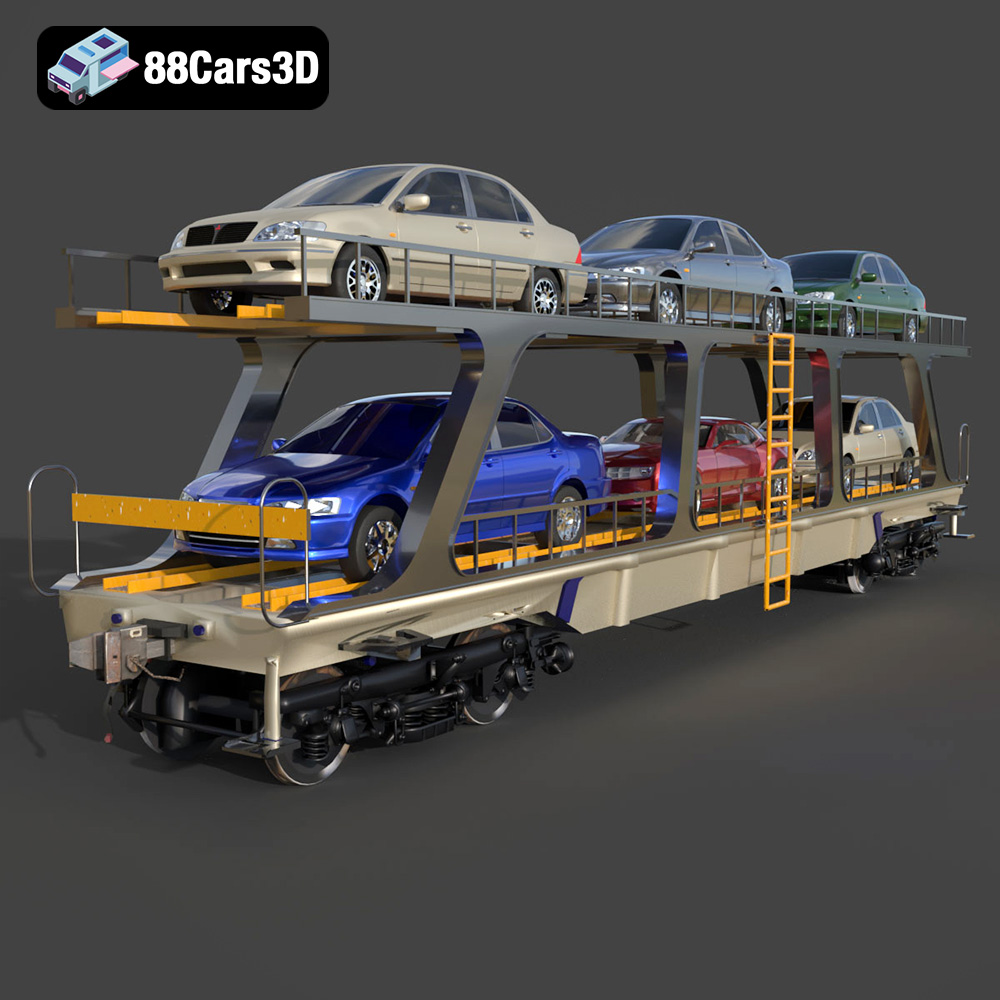
Download the Avtovoz A Wagon 3D Model featuring a robust design for car transport. Includes .blend, .fbx, .obj, .glb, .stl, .ply, .unreal, and .max formats for rendering, simulation, and game development.
Price: $10.79
Texture: Yes
Material: Yes
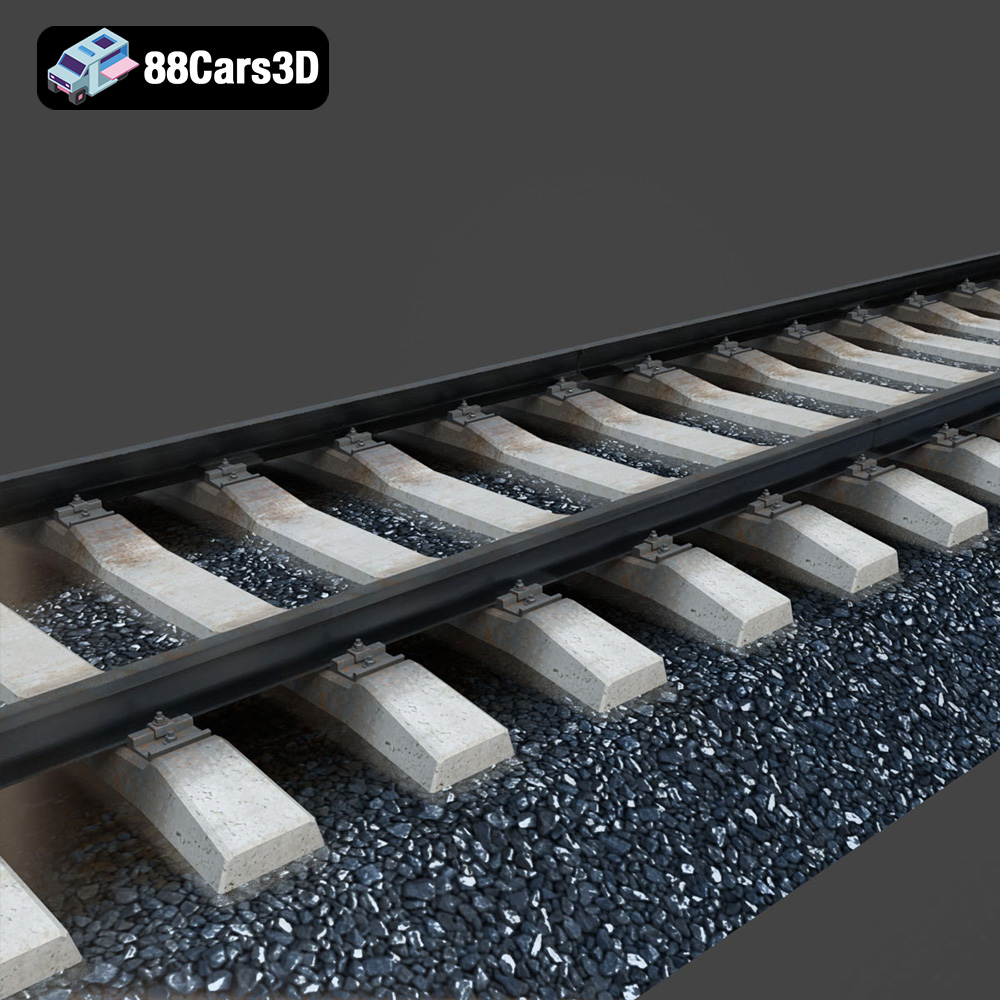
Download the Rail Road 006 3D Model featuring a detailed exterior, accurate proportions, and realistic textures. Includes .blend, .fbx, .obj, .glb, .stl, .ply, .unreal, and .max formats for rendering, simulation, and game development.
Price: $10.79
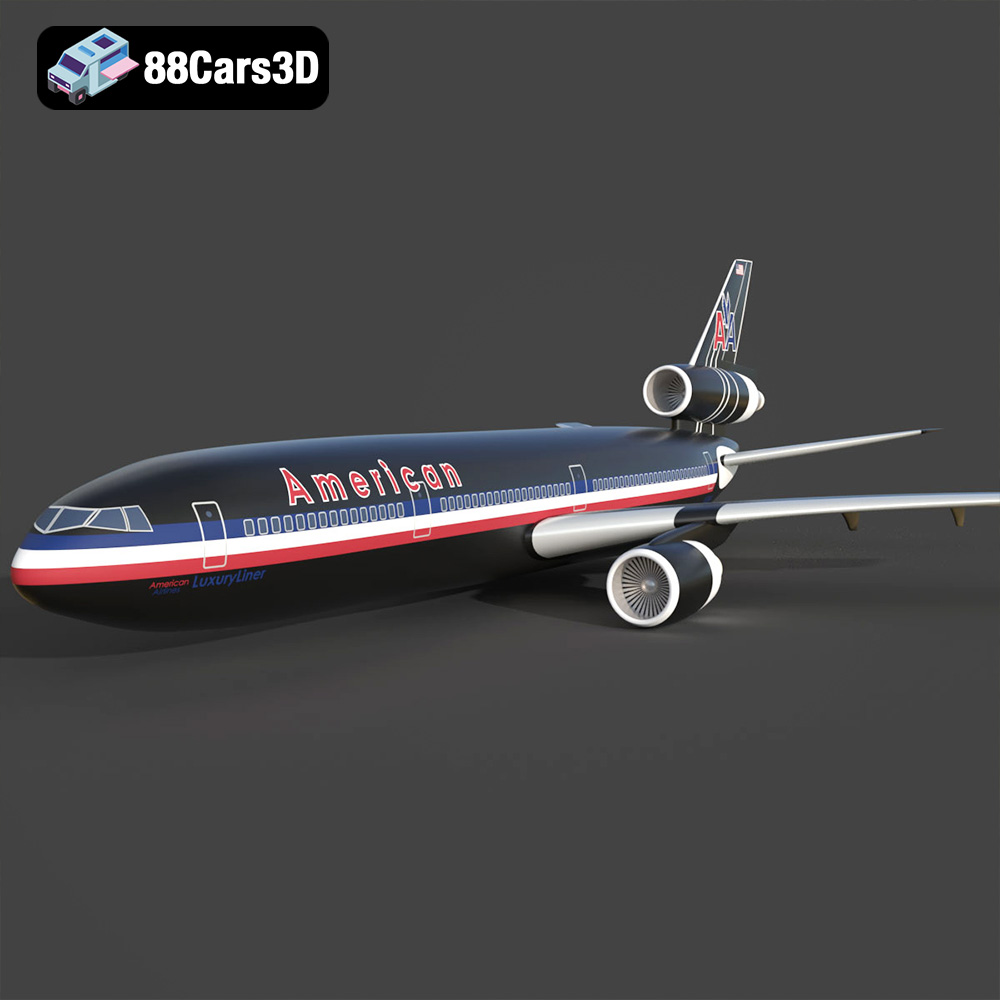
Texture: Yes
Material: Yes
Download the American AA-006 Airplane 3D Model featuring a detailed exterior, cockpit, and landing gear. Includes .blend, .fbx, .obj, .glb, .stl, .ply, .unreal, and .max formats for rendering, simulation, and game development.
Price: $10.79
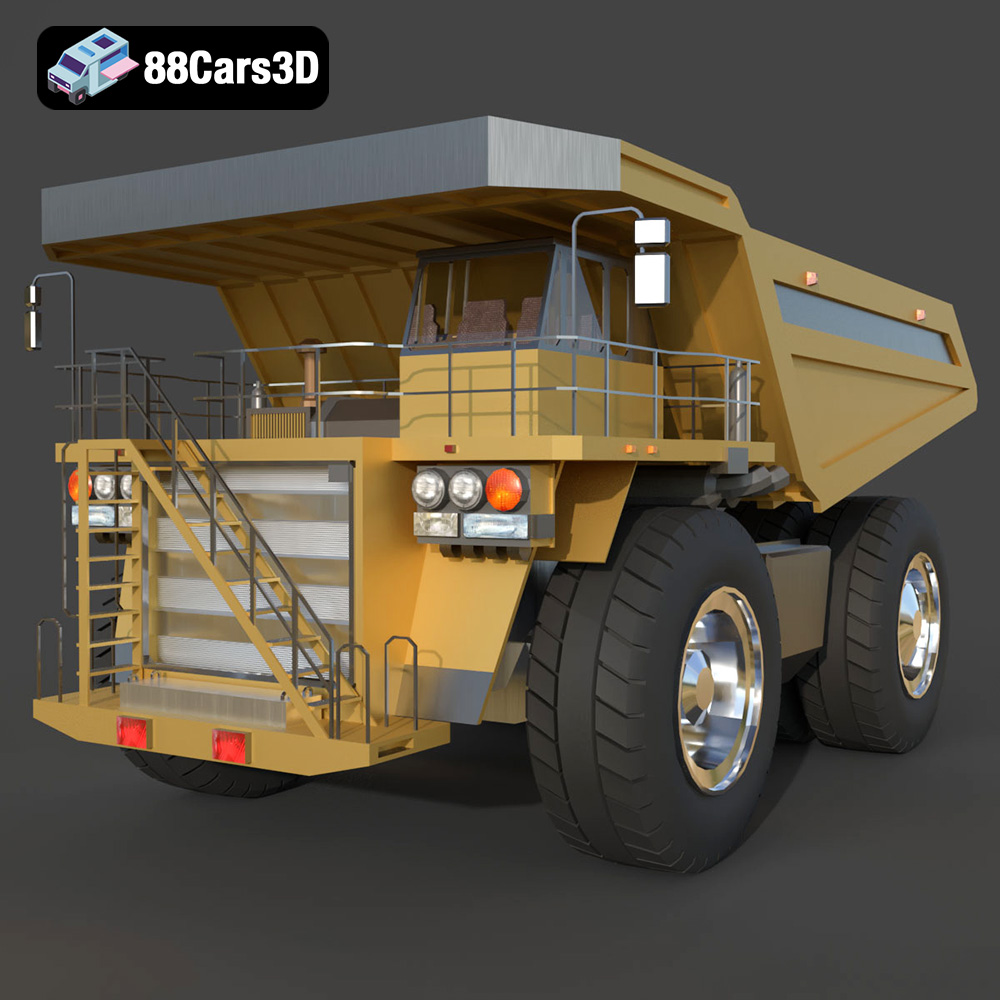
Texture: Yes
Material: Yes
Download the Samosval-003 3D Model featuring a robust dump truck design, detailed exterior and interior, and animatable components. Includes .blend, .fbx, .obj, .glb, .stl, .ply, .unreal, and .max formats for rendering, simulation, and game development.
Price: $10.79

