Get 50% OFF All Premium 3D & STL Models!

The sleek lines and intricate engineering of an automotive design often begin life as precise Computer-Aided Design (CAD) models. These digital blueprints, crafted with mathematical exactitude, are indispensable for manufacturing. However, when it comes to bringing these vehicles to life in the vibrant worlds of 3D rendering, game development, augmented/virtual reality, or even 3D printing, a direct translation from CAD to a traditional 3D polygonal model is rarely sufficient. The journey from a manufacturing-oriented CAD file to a production-ready 3D asset is a complex technical endeavor, demanding a deep understanding of geometry, optimization, and material science.
This comprehensive guide will demystify the intricate process of converting raw CAD automotive data into highly optimized, visually stunning 3D models suitable for a myriad of applications. We’ll delve into the technical challenges of topology, master the art of UV mapping and Physically Based Rendering (PBR) materials, explore high-fidelity rendering workflows, and uncover critical optimization strategies for real-time interactive experiences. Whether you’re a 3D artist, game developer, automotive designer, or visualization professional, understanding these workflows is paramount to creating assets comparable to the professional-grade 3D car models found on platforms like 88cars3d.com. Prepare to transform your automotive visions into digital masterpieces.
Automotive design typically originates in CAD software like SolidWorks, CATIA, AutoCAD, or Inventor. These programs excel at creating Non-Uniform Rational B-Splines (NURBS) surfaces, which are mathematically defined curves and surfaces offering infinite precision and paramount importance for manufacturing. NURBS allow designers to define perfectly smooth, flowing curves and complex geometries with absolute accuracy, which is essential for machining and physical production. However, this inherent mathematical precision poses a significant challenge when transitioning to polygonal 3D modeling environments.
The core distinction lies in their fundamental nature. NURBS are parametric, meaning their shape is defined by control points, weights, and knot vectors. They don’t have a fixed “resolution” in the way polygonal meshes do. Polygons, on the other hand, are discrete facets (triangles or quads) that approximate surfaces. While NURBS are perfect for precise engineering, they are not directly renderable by most real-time engines or traditional offline renderers, which primarily operate on polygonal data. The conversion process, known as tessellation, involves discretizing these smooth NURBS surfaces into a mesh of triangles or quadrilaterals. The challenge often lies in controlling this tessellation – a naive conversion can result in an extremely dense mesh with millions of triangles, uneven polygon distribution, and haphazard triangulation, making it unwieldy for any graphical application. This initial conversion is often the first hurdle in creating efficient automotive rendering assets.
Upon importing CAD data into a Digital Content Creation (DCC) tool like 3ds Max, Blender, or Maya, artists often face a mesh that is far from production-ready. Common issues include non-manifold geometry (edges connected to more than two faces, or faces without thickness), inverted normals (faces pointing inwards, causing rendering artifacts), overlapping faces, and an astronomical polygon count. A single car panel, for instance, might consist of several million triangles, making it impossible to work with interactively or render efficiently. The first critical step is a thorough cleanup process. This involves using tools to weld vertices within a tolerance, remove duplicate faces, unify normals, and carefully decimate areas that are excessively dense but lack critical detail. Software-specific tools such as Blender’s Mesh > Clean Up menu, 3ds Max’s Editable Poly tools, or Maya’s Mesh Cleanup are indispensable here. The goal is to achieve a clean, manifold mesh that serves as a solid foundation for the subsequent retopology phase, even if it still has an overwhelming number of polygons.
Once the initial CAD cleanup is complete, the focus shifts to creating optimal mesh topology. Good topology—the arrangement of polygons and their edge flow—is the bedrock of a high-quality 3D car model. It dictates how well a model deforms, how cleanly subdivision surfaces can be applied, how easily UV maps can be unwrapped, and ultimately, the visual quality of renders and real-time performance. For automotive surfaces, achieving smooth, flowing lines and sharp creases without artifacts is paramount. While CAD excels at smooth curves, polygonal models require careful edge placement to replicate this precision.
Retopology is the process of rebuilding a clean, optimized mesh on top of an existing high-polygon or “dirty” mesh. This is often the most time-consuming yet rewarding phase. Manual retopology offers the highest level of control, allowing artists to meticulously lay down polygons to ensure perfect edge flow along contours, panel gaps, and areas of high curvature. Tools like Blender’s Retopology tools (often enhanced with addons like Retopoflow), 3ds Max’s Graphite Modeling Tools (specifically the Freeform > Retopology options), and Maya’s Quad Draw are designed for this purpose. This method is preferred for critical automotive components where precision is key. For a high-detail car body, the target base mesh for retopology might be in the range of 80,000-150,000 quadrilaterals, depending on the complexity of the vehicle.
Automatic retopology solutions, such as ZRemesher (ZBrush), Quad Remesher (a popular plugin for various DCCs), or Instant Meshes, can provide a quick initial pass. While incredibly fast, they often struggle with complex forms and specific edge flow requirements, potentially generating less-than-ideal polygon distribution or introducing artifacts. A hybrid approach often strikes the best balance: use an automatic tool for a rough initial mesh, then manually refine and clean up the topology, focusing on critical areas like fender flares, door lines, and window frames.
Effective edge flow in automotive models means ensuring polygons align with the natural contours and creases of the vehicle. Edge loops should follow panel lines, headlight surrounds, and aerodynamic elements, defining the underlying shape. Areas of high curvature, such as wheel arches, mirror bases, and complex vents, will require a higher polygon density to accurately capture their forms. Conversely, large, flat panels (like the roof or side panels) can use sparser polygon distribution without compromising visual quality. A key principle is to avoid “poles” – vertices with more than five or fewer than three connecting edges – especially in areas where smooth deformation or subdivision is expected, as they can lead to pinched or undesirable surface artifacts. Maintaining a consistent, quad-dominant mesh facilitates smoother subdivision and cleaner UV unwrapping.
One of the primary benefits of good quad topology is its compatibility with subdivision surface modifiers (e.g., Blender’s Subdivision Surface modifier, 3ds Max’s OpenSubdiv, Maya’s Smooth Mesh Preview). These modifiers smooth out a low-polygon “cage” mesh, creating a high-resolution, perfectly smooth surface at render time. To control the sharpness of details like panel gaps or hard edges, “support loops” or “crease edges” are added close to the primary edge. For instance, a panel gap might be defined by two edge loops running parallel and close to each other; when subdivided, this creates a sharp crease rather than a rounded-off edge. This technique allows for managing polygon counts effectively: a base mesh of 100,000 quads can quickly become 1.6 million quads at subdivision level 2, providing extreme detail for close-up renders while maintaining a manageable editable mesh. For models intended for animation (e.g., opening doors, articulating suspension), topology must also consider the pivot points and deformation zones to ensure smooth, artifact-free movement.
Once the mesh topology is perfected, the next crucial step in creating a photorealistic 3D car model is applying textures and defining physically accurate materials. This involves two core processes: UV mapping and setting up Physically Based Rendering (PBR) materials. These elements are vital for achieving the convincing look seen in professional automotive rendering.
UV mapping is the process of flattening the 3D surface of your model into a 2D space, allowing textures to be accurately applied without stretching or distortion. For a complex subject like a car, this requires a strategic approach. The model is typically broken down into logical UV islands: separate islands for the main body, hood, roof, doors, wheels, interior components, headlights, and so on. The goal is to minimize visible seams by placing them in less prominent areas (e.g., along natural panel lines, under the car, or in hidden crevices). Crucially, a consistent “texel density” must be maintained across all UV islands. This means that a texture applied to the door should appear at the same resolution as a texture applied to the hood, preventing some parts from looking blurry or overly pixelated compared to others. Techniques include planar projection for flat areas, cylindrical/spherical projection for wheels or curved components, and pelt mapping for more organic, complex shapes. DCC tools offer robust UV editing environments, such as Blender’s UV Editor, 3ds Max’s Unwrap UVW modifier, and Maya’s UV Toolkit, which provide tools for cutting seams, unfolding islands, and packing them efficiently within the 0-1 UV space.
Physically Based Rendering (PBR) materials are essential for achieving photorealism because they accurately simulate how light interacts with different surfaces based on real-world physics. Instead of simply relying on color, PBR shaders use a set of interconnected texture maps that define the material’s properties. The core maps include:
Additional maps like Ambient Occlusion (simulating shadowed areas where light is blocked), Height/Displacement (for actual geometric displacement), and Emission (for light sources like headlights) can further enhance realism. These maps are connected within node-based shader editors (Blender’s Shader Editor, 3ds Max’s Material Editor, Maya’s Hypershade) to create intricate PBR material networks, accurately simulating everything from complex automotive paints with clear coats and metallic flakes to textured plastics and reflective glass.
Choosing the appropriate texture resolution is a balance between visual fidelity and memory footprint. For large, prominent parts of a 3D car model, such as the main body panels, 4K (4096×4096 pixels) or even 8K textures might be used to capture fine details and crisp reflections. Smaller, less critical components might use 2K (2048×2048) or 1K (1024×1024) resolutions. For very small details or interior elements, 512×512 or 256×256 might suffice. A common optimization technique, especially for game assets, is texture atlasing. This involves combining multiple smaller textures for different parts (e.g., all interior buttons, dashboard dials, or emblems) into a single, larger texture sheet. This reduces the number of draw calls in a real-time engine, significantly improving performance by reducing communication overhead between the CPU and GPU. Effective texture management is crucial for creating optimized assets, like those you’d find on 88cars3d.com, that perform well across various applications.
With a meticulously crafted mesh and physically accurate materials, the next step is to illuminate and render the 3D car model to achieve stunning photorealistic visuals. This involves mastering lighting, choosing the right rendering engine, and applying expert post-processing techniques.
Lighting is arguably the most critical element for photorealistic automotive rendering. For exterior shots, High Dynamic Range (HDR) environment maps are indispensable. These 360-degree panoramic images capture real-world lighting conditions (e.g., a sunny afternoon, an overcast sky, a studio backdrop) and provide accurate global illumination, reflections, and subtle color casts that are essential for making the car feel grounded in its environment. For studio-style product shots, a combination of area lights, strip lights, and softboxes are used to create flattering reflections and highlight the car’s contours. Key lighting principles such as the “rule of thirds” for highlights, using a key light, fill light, and rim light, are applied to sculpt the form and create visual interest. Particular attention is paid to how light plays across the car’s reflective surfaces, as specular highlights and sharp reflections are key indicators of quality and material fidelity.
The choice of rendering engine significantly impacts workflow and final output quality. Popular choices for automotive visualization include:
Regardless of the engine, advanced techniques involve fine-tuning sampling settings to balance render time with image quality, utilizing denoisers to remove noise from renders, and carefully adjusting light path bounces for accurate global illumination and reflections. Volumetric effects, such as subtle haze or fog, can add atmosphere and depth to a scene. Furthermore, rendering out multiple “passes” or “elements” (e.g., diffuse, reflection, refraction, shadows, Z-depth, object IDs) provides maximum control during the post-processing phase, allowing artists to make precise adjustments without re-rendering the entire scene.
The raw render from the 3D software is rarely the final image. Post-processing and compositing in software like Adobe Photoshop, GIMP, DaVinci Resolve, or Blender’s Compositor are crucial for adding the final layer of polish. This stage involves:
By leveraging the individual render passes, artists can selectively adjust specific components of the image—for instance, increasing the intensity of reflections without affecting the diffuse color. This iterative process refines the image, elevating it from a good render to a truly captivating piece of automotive visualization.
While high-fidelity renders prioritize visual perfection, interactive experiences like video games, augmented reality (AR), and virtual reality (VR) demand exceptional performance. An optimized 3D car model is crucial to maintain smooth frame rates and a responsive user experience. This requires a different mindset and a specialized set of technical strategies.
Level of Detail (LODs) is a fundamental optimization technique for real-time applications. Instead of rendering a single, high-polygon model at all distances, multiple versions of the model are created, each with progressively lower polygon counts. For example, a car might have:
Game engines (Unity, Unreal Engine) automatically swap between these LODs based on the camera’s distance, dramatically reducing the computational load. Occlusion Culling further optimizes rendering by preventing the GPU from drawing objects that are completely hidden behind other geometry from the camera’s perspective. Lastly, minimizing Draw Calls is paramount. A draw call is a command from the CPU to the GPU to render a batch of triangles. Each material and each distinct mesh typically generates a draw call. By combining meshes and atlasing textures (as discussed previously), the number of draw calls can be significantly reduced, leading to smoother performance. Optimized models for platforms like 88cars3d.com are specifically prepared with these techniques in mind for game-ready assets.
Building on the concept of texture atlasing, for game assets, it’s not just about combining textures, but also about the types of textures used. Using compressed texture formats (e.g., DXT1/5 for desktop, ETC/ASTC for mobile) significantly reduces memory usage without a drastic loss in visual quality. Shader optimization is also critical. While PBR materials are desired for realism, complex shader networks with many nodes can be performance intensive. Game engines provide “shader graphs” or “material editors” (e.g., Unity’s Shader Graph, Unreal Engine’s Material Editor) that allow artists to create efficient, streamlined shaders. Baking complex lighting information into static lightmaps for environments can save real-time lighting calculations, and reducing the precision of certain texture maps (e.g., using 8-bit normal maps instead of 16-bit) can offer further performance gains without noticeable visual compromise.
AR/VR and mobile platforms impose even stricter performance budgets due to their limited hardware resources. For these applications, aggressive polygon count reduction is often necessary, with target triangle counts for an entire car model (including interior and wheels) potentially ranging from 50,000 to 150,000 triangles for high-quality mobile AR, down to even lower for simpler experiences. Materials should be as simple as possible, ideally requiring only one or two draw calls per object. Overdraw (pixels being rendered multiple times for overlapping translucent objects) must be minimized, favoring opaque materials wherever possible. Furthermore, memory footprint is a constant concern; not only should texture sizes be optimized, but using efficient mesh data structures and reducing the number of distinct materials also contributes significantly to a smoother experience. Collision meshes should be simplified versions of the visual mesh. For high-quality AR/VR optimization, assets must be meticulously crafted to ensure they render smoothly on target devices, providing immersive experiences without performance bottlenecks.
The journey of a 3D car model doesn’t always end with rendering or real-time interaction. It can also extend into the physical world through 3D printing, or be shared across diverse software ecosystems via various file formats. Understanding these aspects broadens the utility and accessibility of your meticulously crafted automotive designs.
Converting a 3D model for 3D printing introduces a unique set of requirements. The most critical is ensuring the mesh is “watertight” or “manifold.” This means the model must represent a completely enclosed volume, with no holes, inverted faces, non-manifold edges, or intersecting geometry. Slicing software, which prepares the model for printing, needs to understand what is “inside” and “outside” the object. Tools like Blender’s 3D Print Toolbox addon, MeshLab, or Netfabb are invaluable for analyzing and repairing mesh errors. Common issues include duplicate faces, unjoined vertices, or internal geometry that could cause printing failures. Wall thickness is another crucial consideration; parts must be thick enough to be structurally sound once printed. For extremely high-polygon models, decimation might be necessary to reduce file size without compromising critical print details. Finally, understanding the need for support structures—temporary scaffolding that prevents gravity from deforming overhanging parts during printing—is essential. These are typically generated by the slicer software, but a well-designed model can minimize their requirement and simplify post-processing.
The world of 3D data exchange is rich with various file formats, each with its strengths and weaknesses:
Each format serves a specific purpose, and choosing the right one depends on the target application and required data fidelity. For instance, an automotive rendering studio might use FBX for comprehensive data transfer, while a mobile AR developer would lean towards GLB or USDZ for optimal performance and integration.
When sourcing models from marketplaces such as 88cars3d.com, checking the available file formats is a crucial step to ensure compatibility with your project’s software pipeline. Proper export settings are vital: ensuring correct scale (e.g., meters vs. centimeters), matching coordinate systems (Y-up vs. Z-up), and embedding media (textures) when supported by the format. It’s always best practice to perform test imports and exports into your target software to verify that all data (geometry, UVs, materials, animations) transfers correctly. Be aware that material definitions, especially complex PBR shader networks, might not translate perfectly between different renderers or software, often requiring manual reconstruction or adjustment. Understanding these nuances is key to seamless data exchange and maximizing the utility of your expertly converted and optimized 3D car models across all platforms and applications.
The journey from a precise CAD automotive design to a versatile, high-performance 3D model is a testament to the skill and technical expertise required in modern digital content creation. It’s a multi-faceted process that transforms manufacturing blueprints into dynamic assets suitable for photorealistic rendering, immersive game environments, cutting-edge AR/VR experiences, and even physical 3D prints. We’ve explored the initial challenges of CAD data, the meticulous art of retopology for optimal mesh topology, the scientific approach to PBR materials and UV mapping, the techniques for achieving stunning renders, and the critical optimization strategies for real-time performance.
Mastering these workflows not only ensures visual fidelity but also guarantees efficiency and broad compatibility across diverse digital platforms. The effort invested in clean topology, precise UVs, and optimized assets pays dividends in reduced render times, smoother frame rates, and a more compelling final product. By applying these detailed technical insights, you can elevate your 3D car models to professional standards, ready for any challenge. For those seeking immediate access to meticulously prepared, high-quality 3D car models, platforms like 88cars3d.com offer a curated selection designed with these very principles in mind, providing an excellent starting point for your next visualization or interactive project.
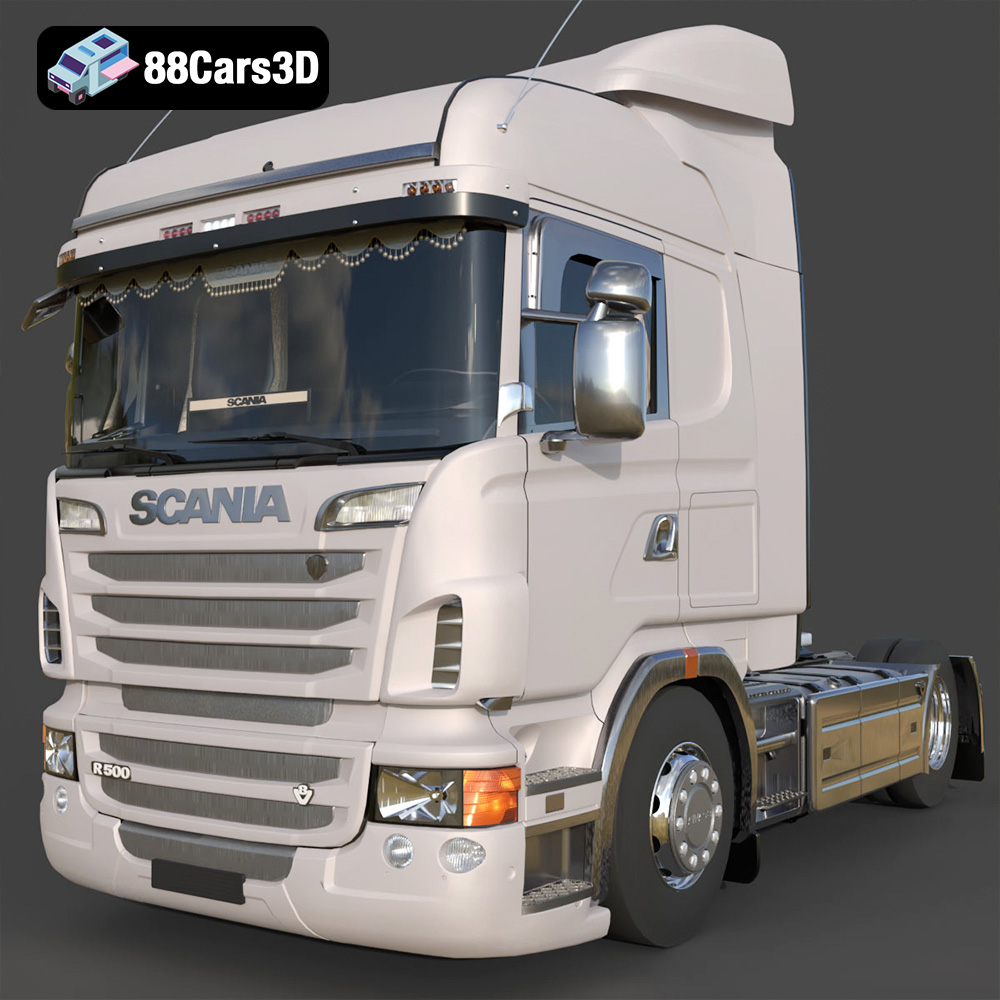
Texture: Yes
Material: Yes
Download the Scania R500 004 3D Model featuring its powerful design, detailed exterior, and functional interior. Includes .blend, .fbx, .obj, .glb, .stl, .ply, .unreal, and .max formats for rendering, simulation, and game development.
Price: $10.79
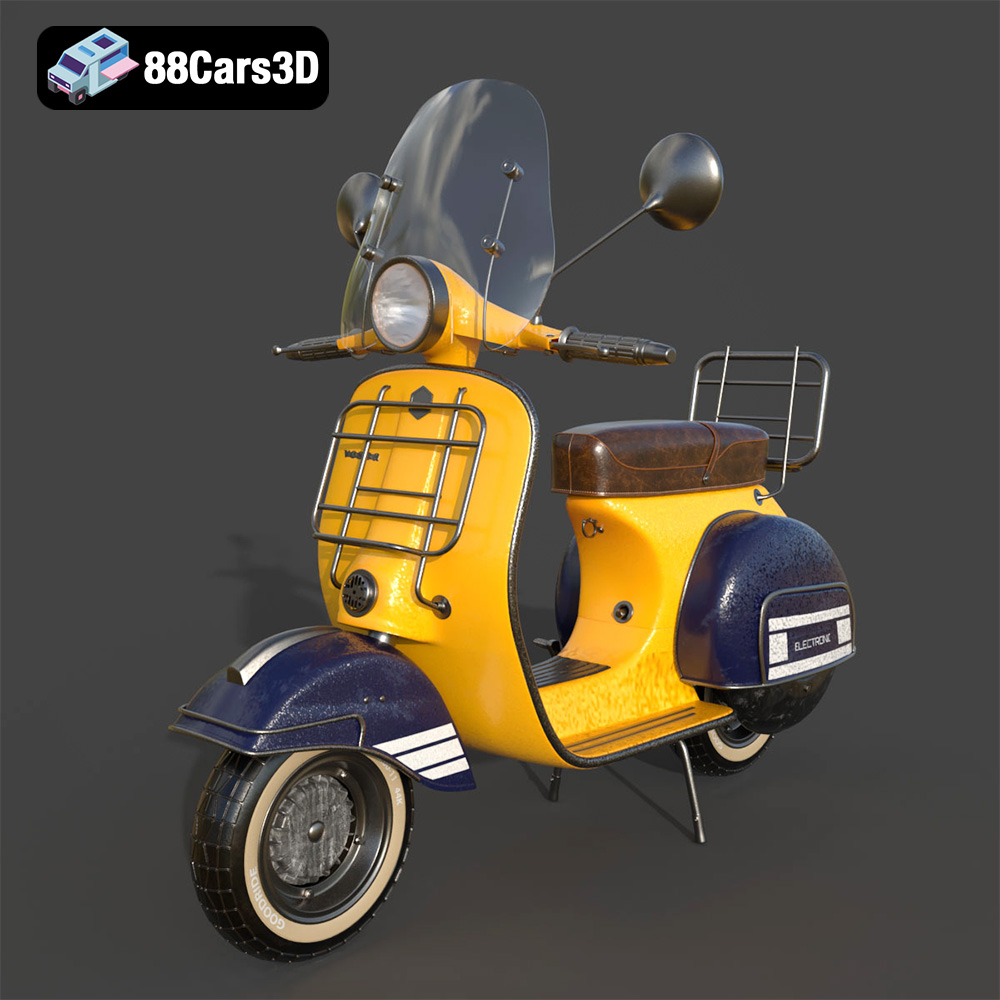
Texture: Yes
Material: Yes
Download the Vespa 5-007 3D Model featuring iconic Italian design and vintage aesthetics. Includes .blend, .fbx, .obj, .glb, .stl, .ply, .unreal, and .max formats for rendering, simulation, and game development.
Price: $20.79
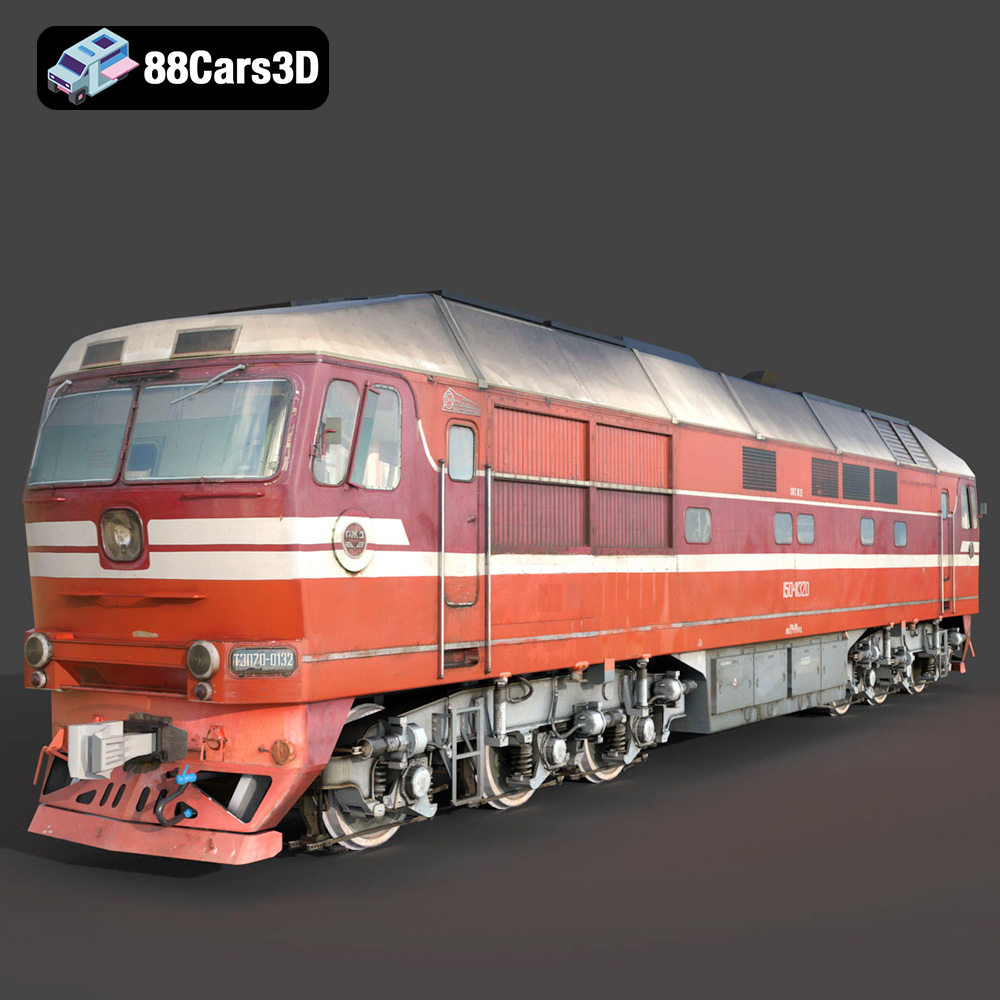
Meta Description:
Texture: Yes
Material: Yes
Download the TEP70 Diesel Locomotive 3D Model featuring detailed exterior structure, cabin interior, and realistic mechanical components. Includes .blend, .fbx, .obj, .glb, .stl, .ply, .unreal, and .max formats for rendering, simulation, AR VR, and game development.
Price: $13.9
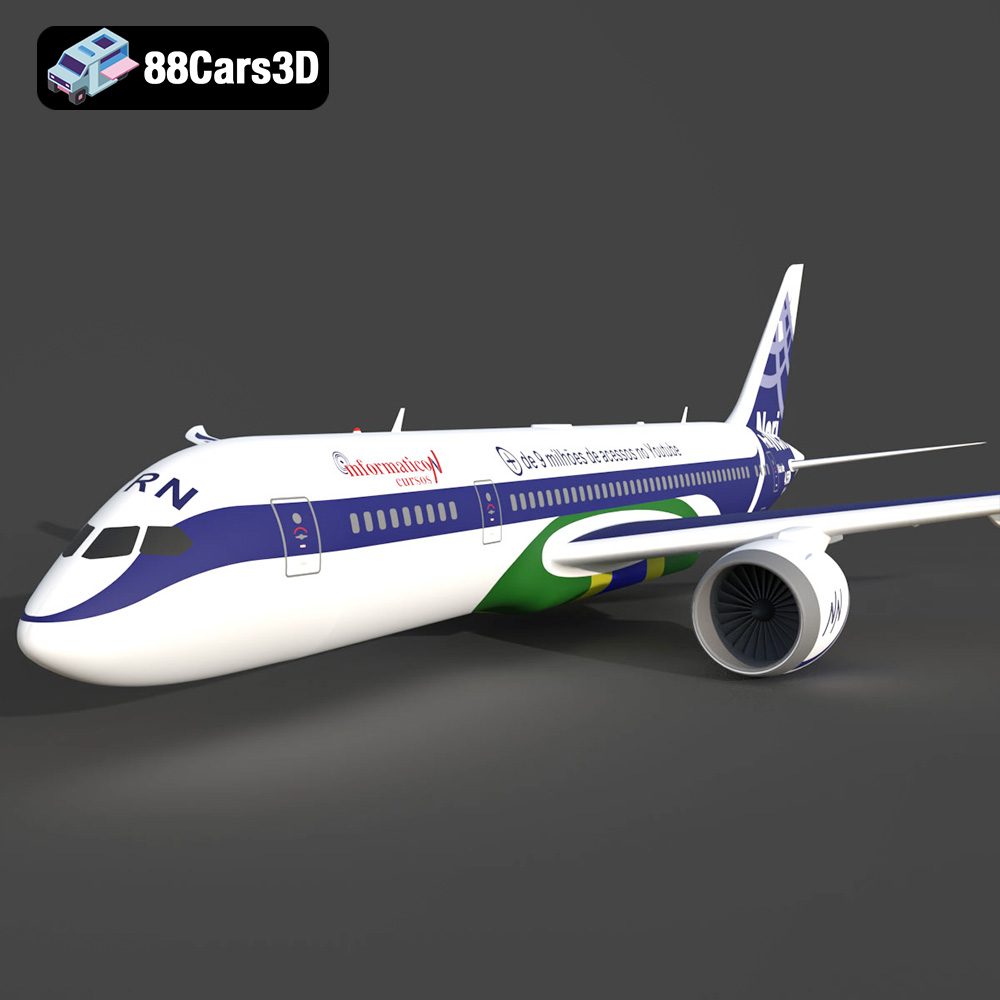
Texture: Yes
Material: Yes
Download the Airplane TRN-007 3D Model featuring clean geometry, realistic detailing, and a fully modeled interior. Includes .blend, .fbx, .obj, .glb, .stl, .ply, .unreal, and .max formats for rendering, simulation, and game development.
Price: $10
Texture: Yes
Material: Yes
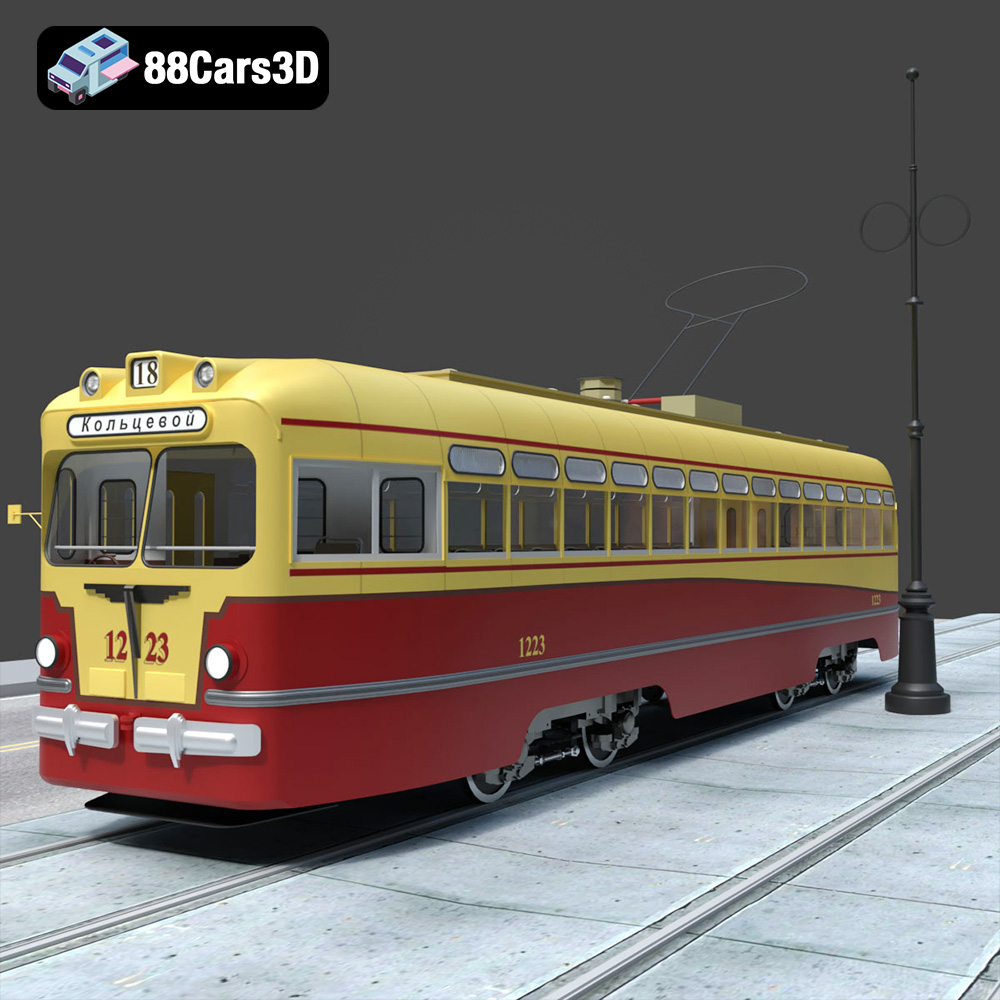
Download the MTB-82 Tram 3D Model featuring clean geometry, realistic detailing, and a fully modeled interior. Includes .blend, .fbx, .obj, .glb, .stl, .ply, .unreal, and .max formats for rendering, simulation, and game development.
Price: $10
Texture: Yes
Material: Yes
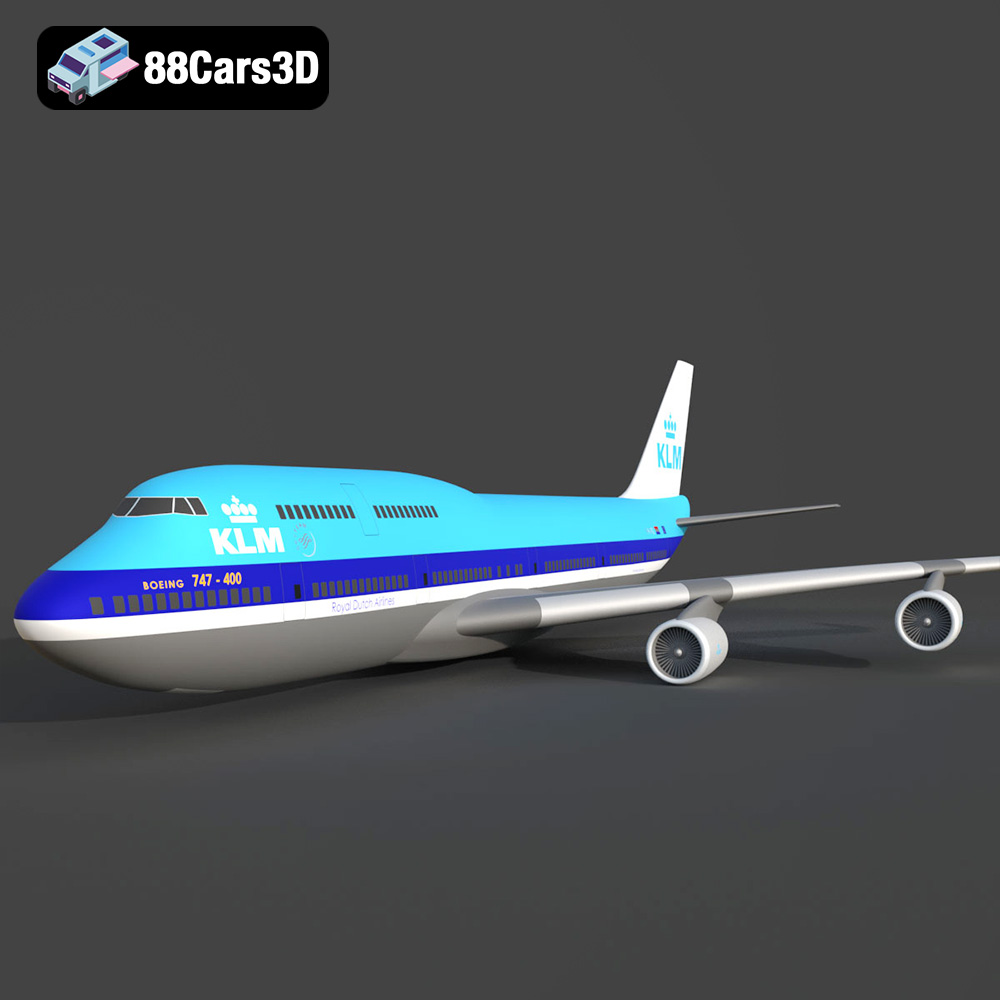
Download the Boeing 747-400 KLM 3D Model featuring a detailed exterior, authentic livery, and realistic components. Includes .blend, .fbx, .obj, .glb, .stl, .ply, .unreal, and .max formats for rendering, simulation, and game development.
Price: $10.79
Texture: Yes
Material: Yes
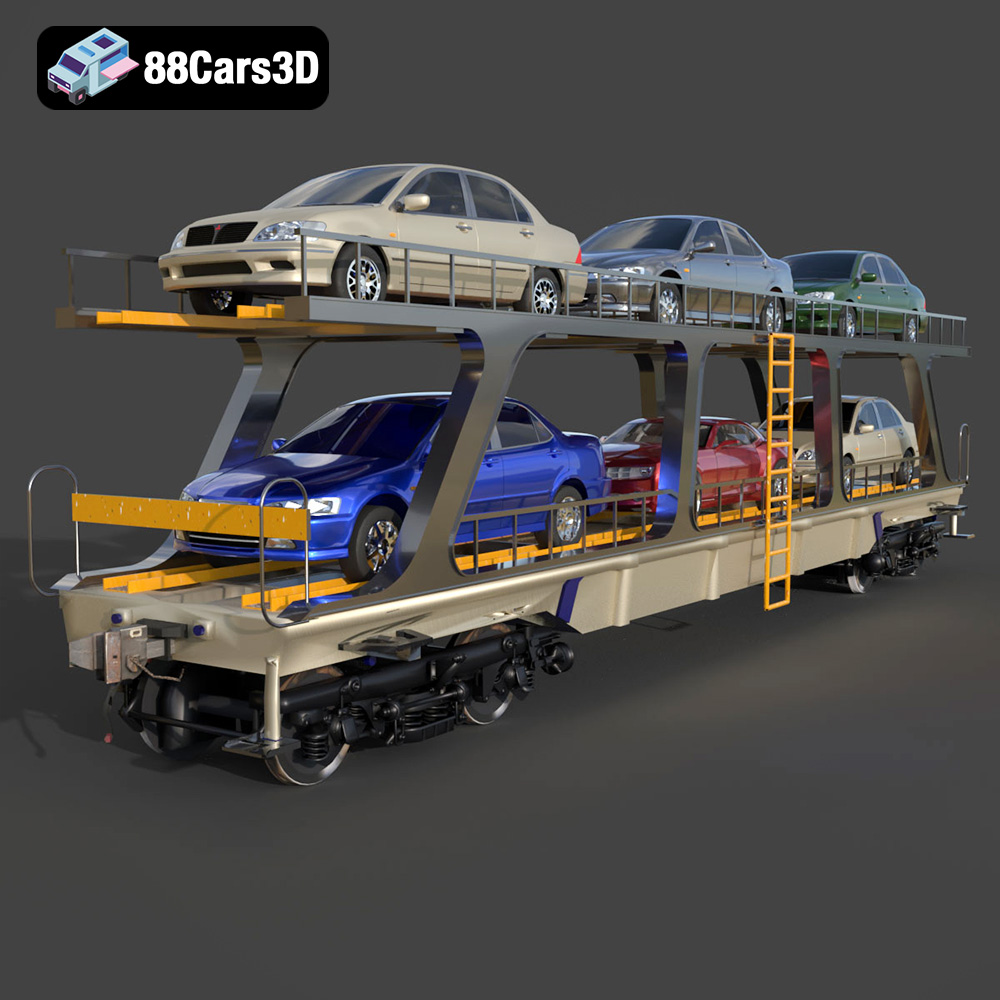
Download the Avtovoz A Wagon 3D Model featuring a robust design for car transport. Includes .blend, .fbx, .obj, .glb, .stl, .ply, .unreal, and .max formats for rendering, simulation, and game development.
Price: $10.79
Texture: Yes
Material: Yes
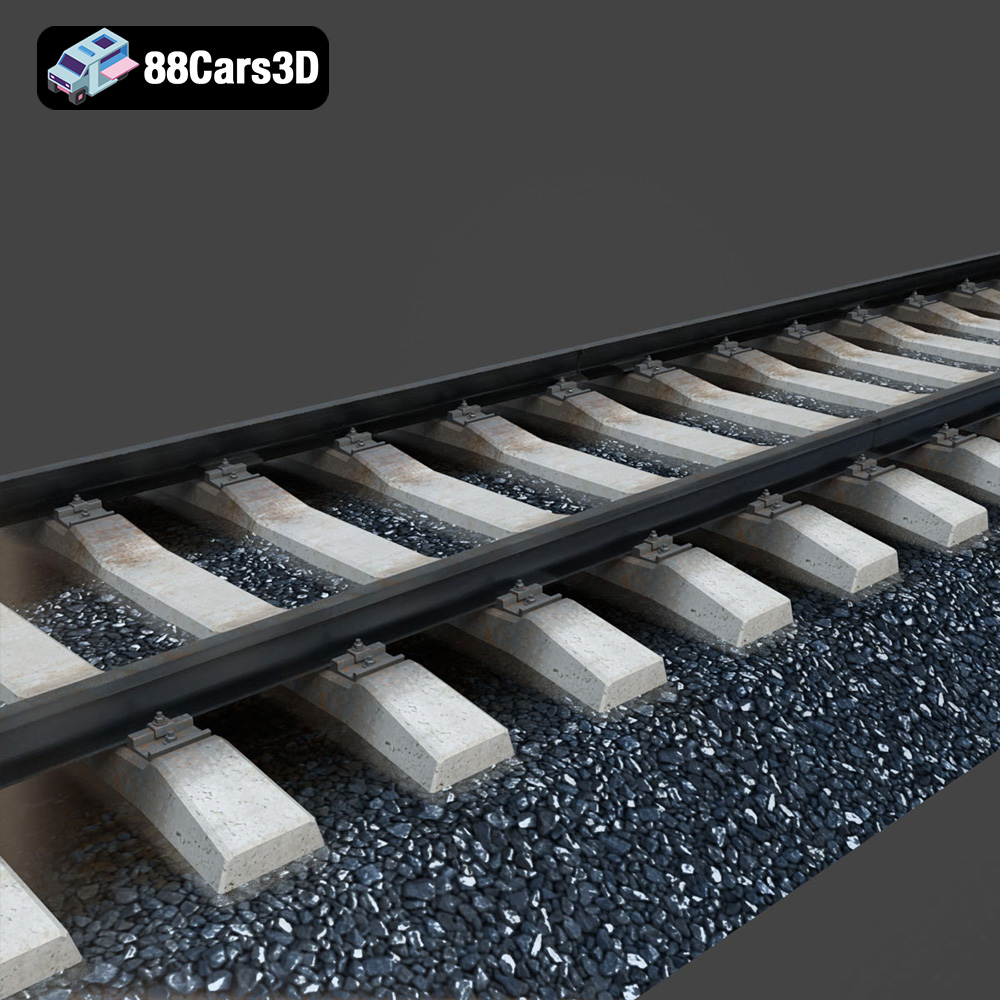
Download the Rail Road 006 3D Model featuring a detailed exterior, accurate proportions, and realistic textures. Includes .blend, .fbx, .obj, .glb, .stl, .ply, .unreal, and .max formats for rendering, simulation, and game development.
Price: $10.79
Texture: Yes
Material: Yes
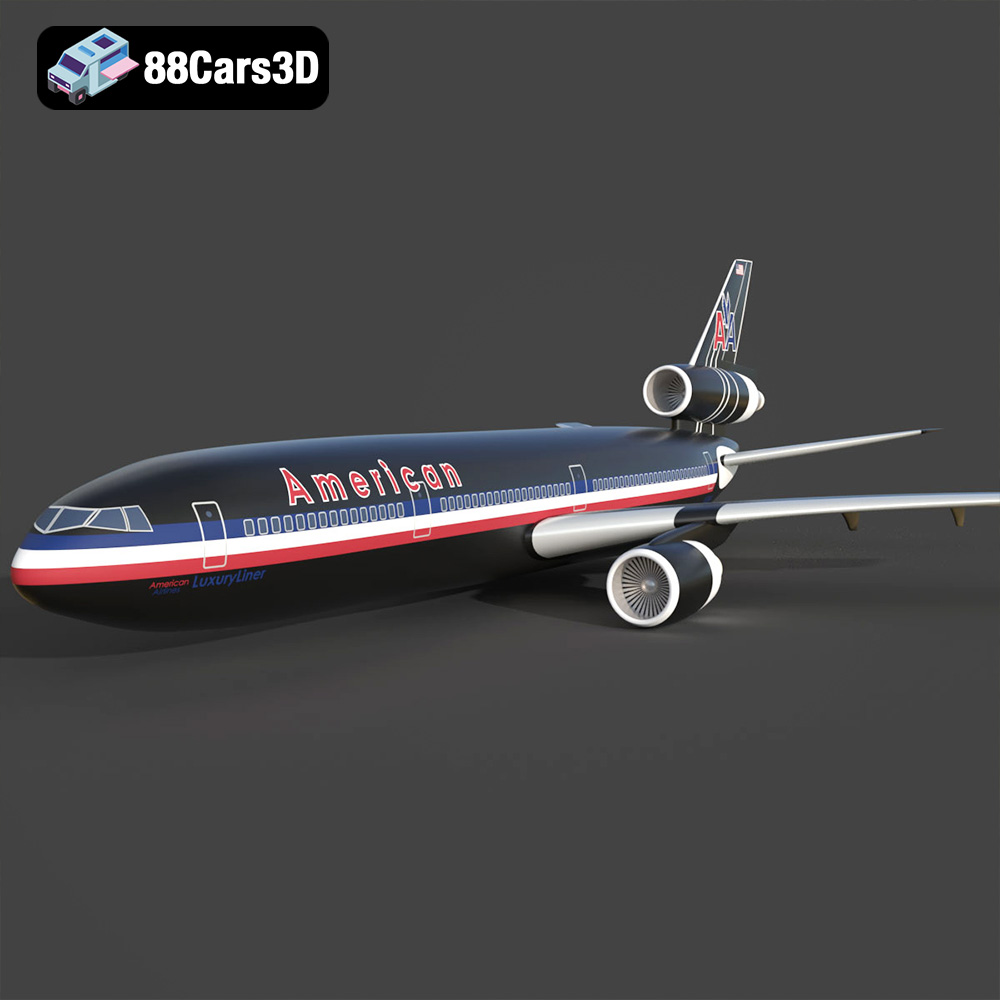
Download the American AA-006 Airplane 3D Model featuring a detailed exterior, cockpit, and landing gear. Includes .blend, .fbx, .obj, .glb, .stl, .ply, .unreal, and .max formats for rendering, simulation, and game development.
Price: $10.79
Texture: Yes
Material: Yes
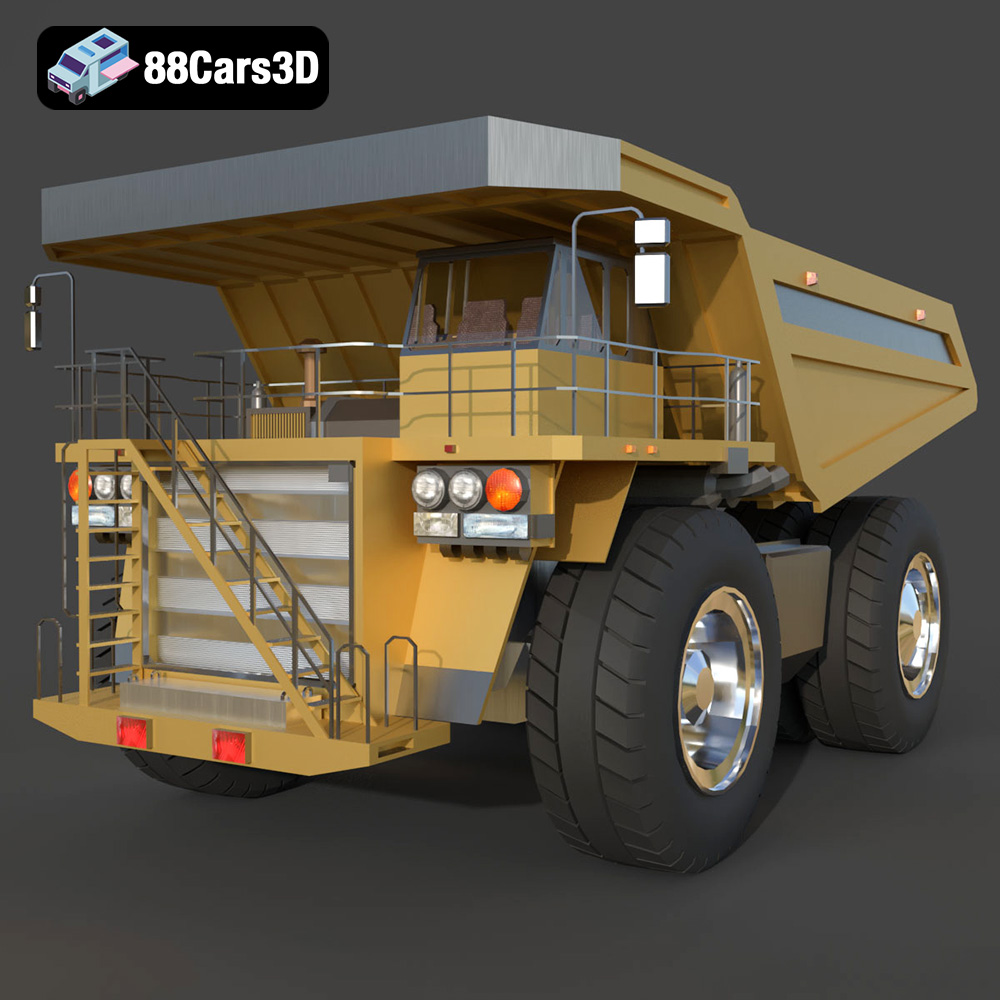
Download the Samosval-003 3D Model featuring a robust dump truck design, detailed exterior and interior, and animatable components. Includes .blend, .fbx, .obj, .glb, .stl, .ply, .unreal, and .max formats for rendering, simulation, and game development.
Price: $10.79

