Get 50% OFF All Premium 3D & STL Models!

“`html
In the dynamic world of 3D visualization, creating photorealistic automotive renders is a challenging yet rewarding endeavor. Whether you’re a seasoned 3D artist, an automotive designer, a game developer, or a student aspiring to excel, the choice of rendering engine profoundly impacts the final aesthetic and efficiency of your workflow. At 88cars3d.com, we understand the critical role high-quality 3D car models play in achieving stunning results across various applications—from marketing and advertising to cutting-edge AR/VR experiences and intricate 3D printing projects. This comprehensive guide will dissect three powerhouse rendering engines: V-Ray, Corona Renderer, and Blender’s Cycles, offering an in-depth look at their strengths, technical nuances, and optimal applications for bringing your automotive creations to life. We’ll explore everything from meticulous 3D modeling and UV mapping to advanced PBR material creation, lighting setups, and crucial optimization strategies, equipping you with the knowledge to make informed decisions and elevate your automotive rendering game.
Before any pixels are rendered, a robust and clean 3D car model is paramount. Automotive models, with their complex curves and reflective surfaces, demand exceptional topology and precise edge flow to achieve realistic light reflections and smooth deformations. A poorly constructed mesh can lead to artifacts, pinching, and an overall unrealistic appearance, regardless of the rendering engine used.
Industry best practices dictate the use of all-quad topology for automotive surfaces. Quads (four-sided polygons) are ideal because they deform predictably when smoothed using subdivision surface modifiers, such as TurboSmooth in 3ds Max or the Subdivision Surface modifier in Blender. Triangles, while sometimes unavoidable in minor areas, can cause undesirable pinching and irregularities in reflections. For complex car surfaces, maintaining a consistent flow of edge loops that follow the natural contours of the vehicle is crucial. These edge loops should define major form changes and creased areas, ensuring that when subdivision is applied, the shape remains crisp and controlled. Aim for minimal Ngons (polygons with more than four sides) as these can cause shading issues and are generally problematic for animation and deformation.
The polygon count of your 3D car model is a significant factor in rendering performance and file size. For high-fidelity renders, a model might comfortably sit between 300,000 to 1 million polygons, sometimes even more for extreme close-ups, after subdivision. However, for game development, AR/VR applications, or real-time visualization, far lower polygon counts are necessary. This often involves creating multiple Levels of Detail (LODs) for a single model: a high-poly version for cinematic renders and progressively lower-poly versions for distant views or real-time environments. For example, a hero asset for a game might have 50,000 polygons, while an LOD1 version drops to 15,000, and an LOD2 could be as low as 5,000. Techniques like retopology and using the Decimate modifier in Blender can help reduce polygon count while preserving essential details. When sourcing models, platforms like 88cars3d.com often provide models optimized for different use cases, featuring clean topology and varying LODs.
UV mapping is the bridge between your 3D model and its 2D textures, and for automotive models, this process requires meticulous attention to detail to avoid seams, stretching, and distortion. Proper UVs are critical for realistic PBR materials and efficient texture application.
The key to effective UV mapping for complex car surfaces lies in strategic seam placement. Ideally, seams should be hidden in areas that are less visible or where natural breaks in the geometry occur, such as along panel lines, under trim pieces, or in areas of high curvature. For a car body, it’s common to unwrap larger panels separately to minimize distortion. For instance, the hood, roof, doors, and fenders might each have their own UV islands. This approach ensures that paint shaders and decals can be applied cleanly without visible stretching or awkward transitions. Many artists utilize tools like Blender’s Smart UV Project or manual unwrapping with specific edge selections to define seams for optimal results. Referencing the Blender 4.4 documentation on UV unwrapping can provide further insights into efficient seam placement and unwrap techniques.
Efficient utilization of UV space is crucial for maximizing texture resolution and minimizing texture memory usage. Large, prominent surfaces like the car body or engine cover should receive more UV space to accommodate high-resolution textures (e.g., 4K or 8K). Smaller, less noticeable components like bolts or interior elements can occupy less space or even share texture atlases to optimize performance. Texture atlasing, where multiple smaller textures are combined into one larger texture map, is a common optimization technique for game assets and real-time visualization. When preparing your model for rendering, ensure that UV islands are appropriately scaled relative to their importance and packed tightly within the 0-1 UV space to prevent wasted texture area. For rendering engines like V-Ray and Corona, high-resolution textures are expected for photorealistic output, while Cycles can handle a broad range, with a focus on optimal shader performance through its node-based system.
Physically Based Rendering (PBR) materials are the cornerstone of photorealistic automotive renders. These materials accurately simulate how light interacts with surfaces, providing a consistent and predictable result across different lighting conditions and rendering engines.
There are two primary PBR workflows: Metalness and Specular Glossiness. Both aim to represent the same physical properties but use different texture maps. The Metalness workflow is generally simpler, using a ‘Metalness’ map (black for dielectrics, white for metals) and a ‘Roughness’ map (0 for perfectly smooth, 1 for rough). This is commonly found in game engines and increasingly in offline renderers due to its intuitive nature. The Specular Glossiness workflow uses a ‘Specular’ map (color of reflections for dielectrics, white for metals) and a ‘Glossiness’ map (inverse of roughness, 1 for perfectly smooth, 0 for rough). Most high-quality 3D car models from marketplaces like 88cars3d.com will come with textures optimized for one of these workflows.
Creating convincing automotive materials requires a deep understanding of shader networks:
Experimenting with texture resolutions (e.g., 2048×2048 for smaller parts, 8192×8192 for the main body) and bitmap filtering is crucial for achieving crisp and detailed materials.
Each of these rendering engines offers a unique approach to achieving stunning photorealism, with distinct advantages and workflows. Understanding these differences is key to selecting the right tool for your project.
V-Ray, developed by Chaos Group, is a highly optimized, production-proven rendering engine known for its versatility and robust feature set. It’s widely used in architectural visualization, automotive design, and film production. V-Ray employs both CPU and GPU rendering, offering flexible options depending on your hardware. It’s known for its advanced global illumination (GI) algorithms, including brute force, irradiance map, and light cache, allowing artists to balance speed and accuracy. For automotive rendering, V-Ray excels with its extensive material library, precise light control, and support for complex effects like volumetric lighting and motion blur. Its integration with 3ds Max and Maya makes it a go-to for many professionals.
Corona Renderer, also developed by Chaos Group, has gained immense popularity for its ease of use and ability to produce exceptionally photorealistic results with minimal setup. It’s a CPU-only renderer, which means it leverages the full power of your processor cores, making it accessible even without a high-end GPU. Corona’s strength lies in its unbiased approach and intuitive interface, allowing artists to focus on artistic direction rather than complex technical parameters. It features a straightforward material system and an adaptive sampling algorithm that efficiently resolves noise, often yielding clean images faster than other unbiased renderers.
Blender’s Cycles is a physically based path tracing renderer built directly into Blender. It offers both CPU and GPU rendering capabilities, supporting NVIDIA CUDA, OptiX, and AMD HIP for accelerated performance. Cycles is renowned for its flexible node-based shader system, which grants artists immense control over material properties and complex procedural textures. This makes it an excellent choice for crafting unique and highly customized car paint shaders or intricate interior materials. The Blender 4.4 documentation provides extensive information on Cycles, its features, and optimization strategies.
Effective lighting and environment setup are crucial for showcasing the intricate details and reflective surfaces of 3D car models, regardless of your chosen renderer.
High Dynamic Range Image (HDRI) lighting is the industry standard for creating realistic and immersive lighting environments. An HDRI captures a full 360-degree environment with a vast range of light intensities, providing both direct and indirect illumination, as well as accurate reflections on glossy surfaces like car paint and chrome. Using a studio HDRI or a real-world environment HDRI can instantly elevate your automotive rendering. Positioning and rotating the HDRI is key to achieving desired reflections and highlights along the car’s body lines.
While HDRIs provide an excellent baseline, combining them with physical lights offers greater control and artistic flexibility.
Pay close attention to how light falls across the car’s surfaces. Look for crisp highlights that emphasize body contours and smooth gradients in the reflections. When working with realistic automotive rendering, the interplay between your lights and the reflective properties of your PBR materials is what truly sells the realism.
The rendering process doesn’t end with the final image output from your 3D software. Post-processing and compositing are essential steps to refine your renders, add atmospheric effects, and achieve that polished, magazine-quality look for your 3D car models.
To gain maximum control in post-production, it’s critical to render out various passes (also known as AOV’s – Arbitrary Output Variables). These are individual image layers that contain specific information about your scene. Common passes for automotive rendering include:
By rendering these passes, you can non-destructively adjust colors, reflections, shadows, and other elements in software like Photoshop or Fusion, without having to re-render the entire scene. Cycles, V-Ray, and Corona all offer robust render pass systems to facilitate this workflow.
Once you have your render passes, the real magic of post-processing begins:
The goal is to enhance the photorealism and artistic vision without overdoing it. A subtle touch often yields the most convincing results. Many artists use a combination of these techniques to create captivating automotive renders.
Beyond stunning still images, your 3D car models from 88cars3d.com can be adapted for a multitude of applications, each with its own set of optimization considerations.
For game development, performance is paramount. High-polygon models, while excellent for offline rendering, are too demanding for real-time engines like Unity or Unreal Engine.
These techniques ensure that your automotive assets run smoothly even on less powerful hardware, crucial for a broad audience of gamers.
Augmented Reality (AR) and Virtual Reality (VR) environments demand even stricter optimization due to their real-time nature and the need for high frame rates to prevent motion sickness.
The goal is to maintain a consistent and high frame rate (e.g., 90 FPS for VR) for a comfortable and immersive user experience.
3D printing introduces a different set of technical requirements. Unlike rendering, which deals with how light interacts with a surface, 3D printing requires a manifold, watertight mesh.
When preparing models for 3D printing, especially intricate automotive parts or full car models, attention to these details is crucial for a successful physical output.
The journey to creating exceptional 3D automotive renders is a blend of artistic vision and technical mastery. The choice between V-Ray, Corona, and Cycles largely depends on your project’s specific needs, your existing software ecosystem, and your preference for workflow. V-Ray offers unparalleled control and flexibility for large-scale production, Corona provides intuitive photorealism with an emphasis on speed and ease of use, while Cycles, with its deep integration into Blender, delivers powerful node-based workflows and excellent GPU rendering capabilities for a broader audience.
Regardless of the renderer, the underlying principles of clean 3D modeling, meticulous UV mapping, and intelligent PBR material creation remain universal. By mastering these fundamentals and understanding the unique strengths of each rendering engine, you can unlock the full potential of your 3D car models. Remember, continuous experimentation with lighting, environment setup, and post-processing techniques will further refine your skills and elevate your automotive visualization. Explore the diverse range of high-quality 3D models available on 88cars3d.com to kickstart your next project, confident in your ability to render them with breathtaking realism. The road to rendering excellence is an exciting one, and with the right tools and techniques, you’re well-equipped to navigate it.
“`
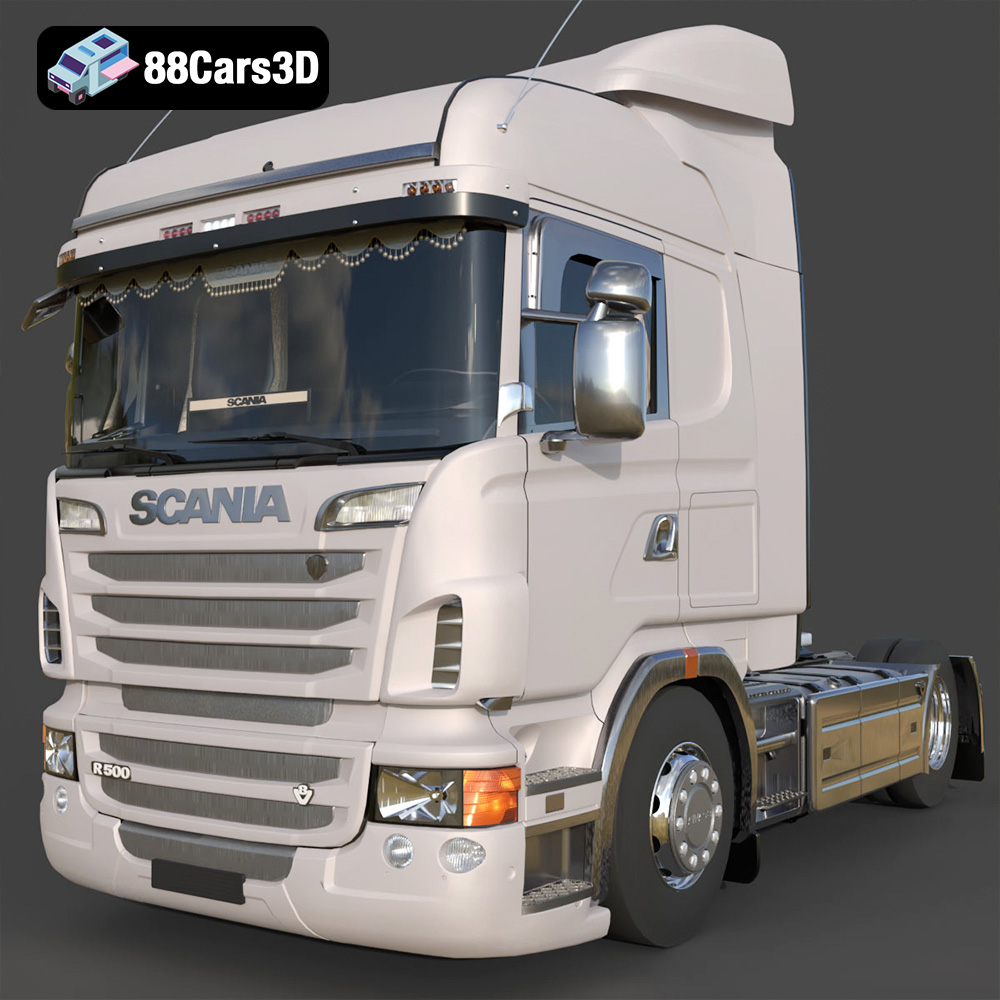
Texture: Yes
Material: Yes
Download the Scania R500 004 3D Model featuring its powerful design, detailed exterior, and functional interior. Includes .blend, .fbx, .obj, .glb, .stl, .ply, .unreal, and .max formats for rendering, simulation, and game development.
Price: $10.79
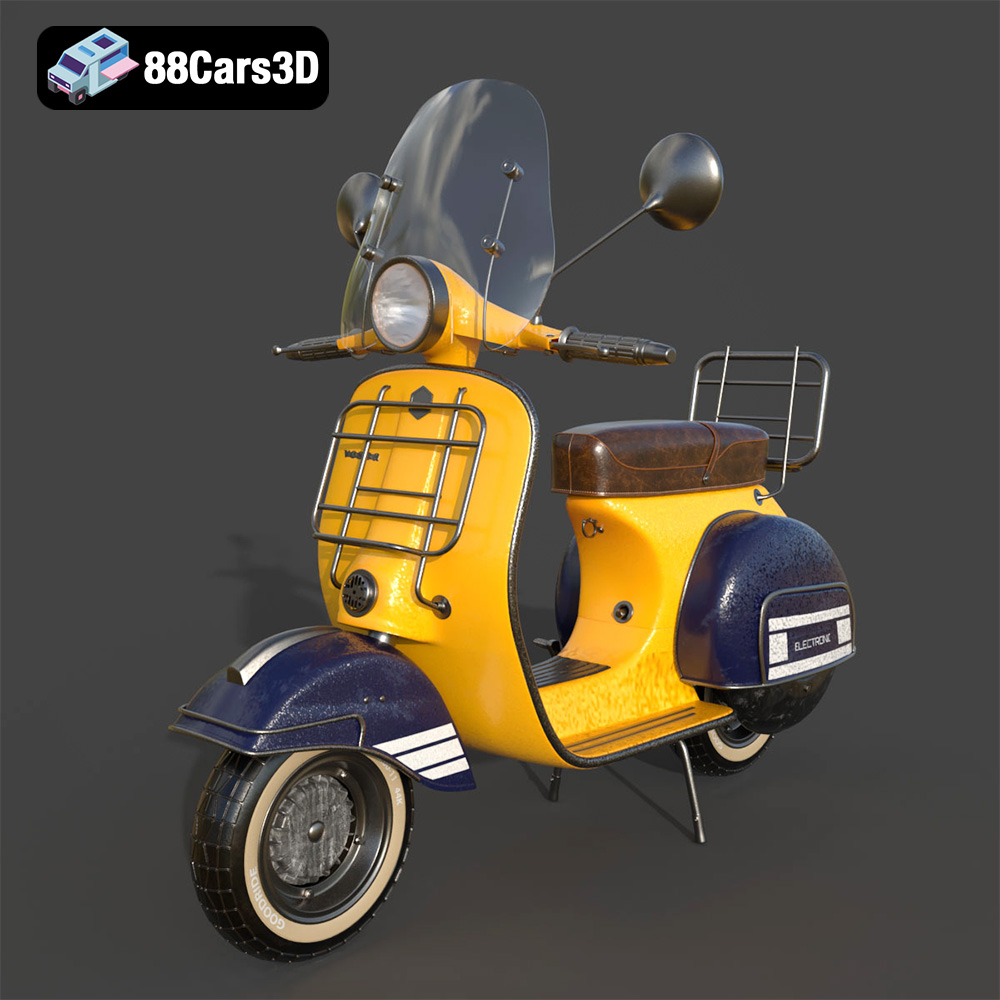
Texture: Yes
Material: Yes
Download the Vespa 5-007 3D Model featuring iconic Italian design and vintage aesthetics. Includes .blend, .fbx, .obj, .glb, .stl, .ply, .unreal, and .max formats for rendering, simulation, and game development.
Price: $20.79
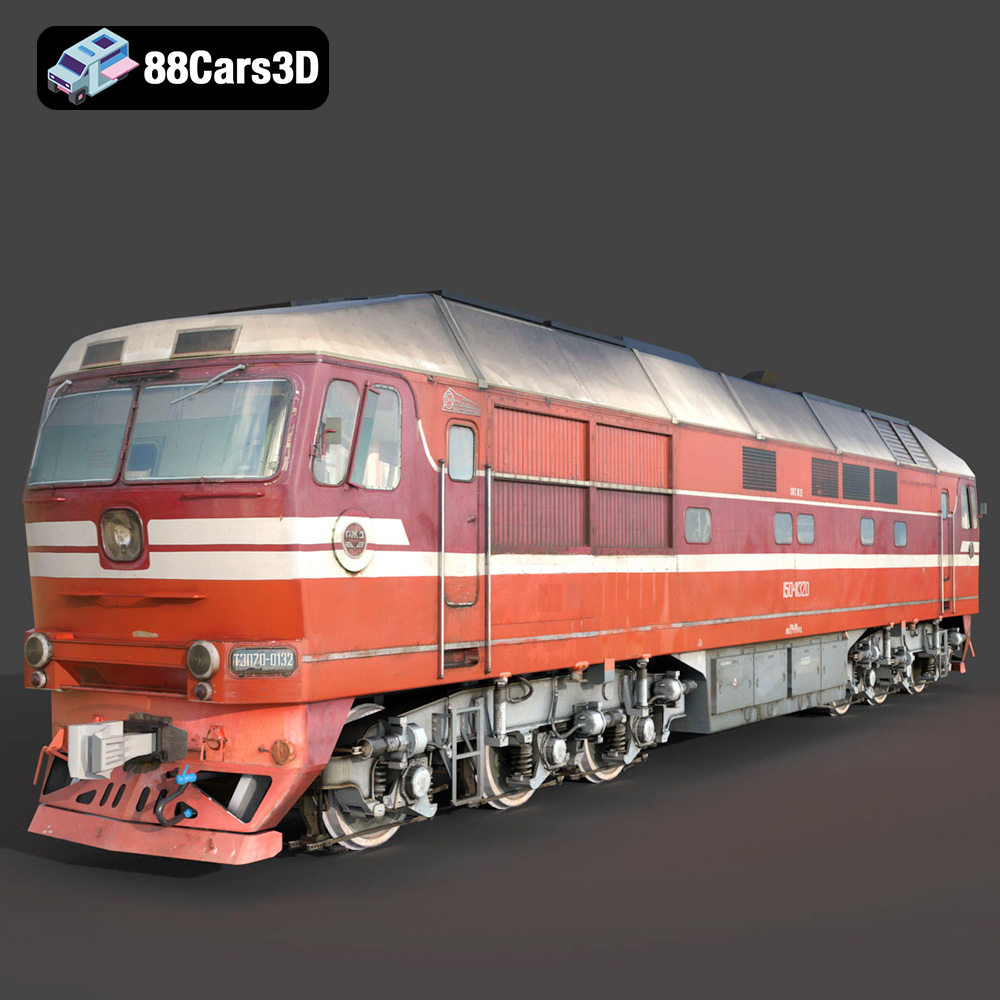
Meta Description:
Texture: Yes
Material: Yes
Download the TEP70 Diesel Locomotive 3D Model featuring detailed exterior structure, cabin interior, and realistic mechanical components. Includes .blend, .fbx, .obj, .glb, .stl, .ply, .unreal, and .max formats for rendering, simulation, AR VR, and game development.
Price: $13.9
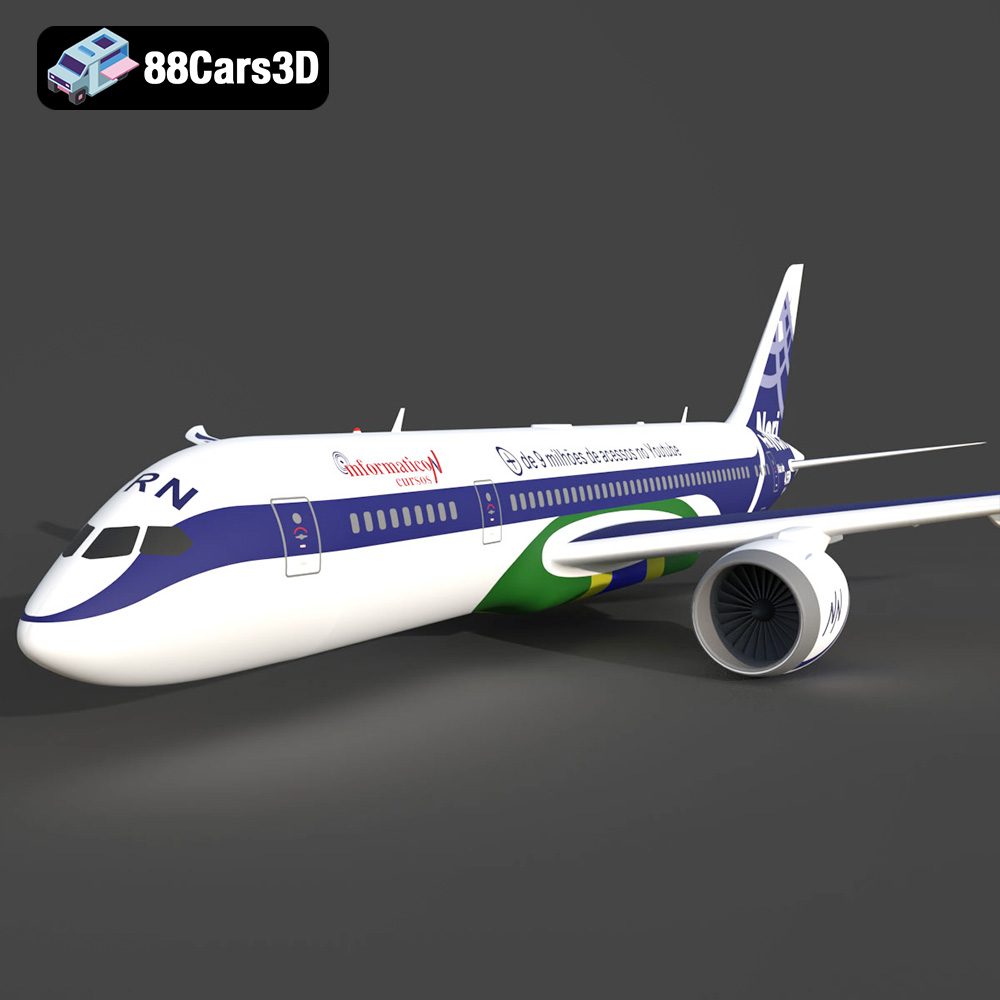
Texture: Yes
Material: Yes
Download the Airplane TRN-007 3D Model featuring clean geometry, realistic detailing, and a fully modeled interior. Includes .blend, .fbx, .obj, .glb, .stl, .ply, .unreal, and .max formats for rendering, simulation, and game development.
Price: $10
Texture: Yes
Material: Yes
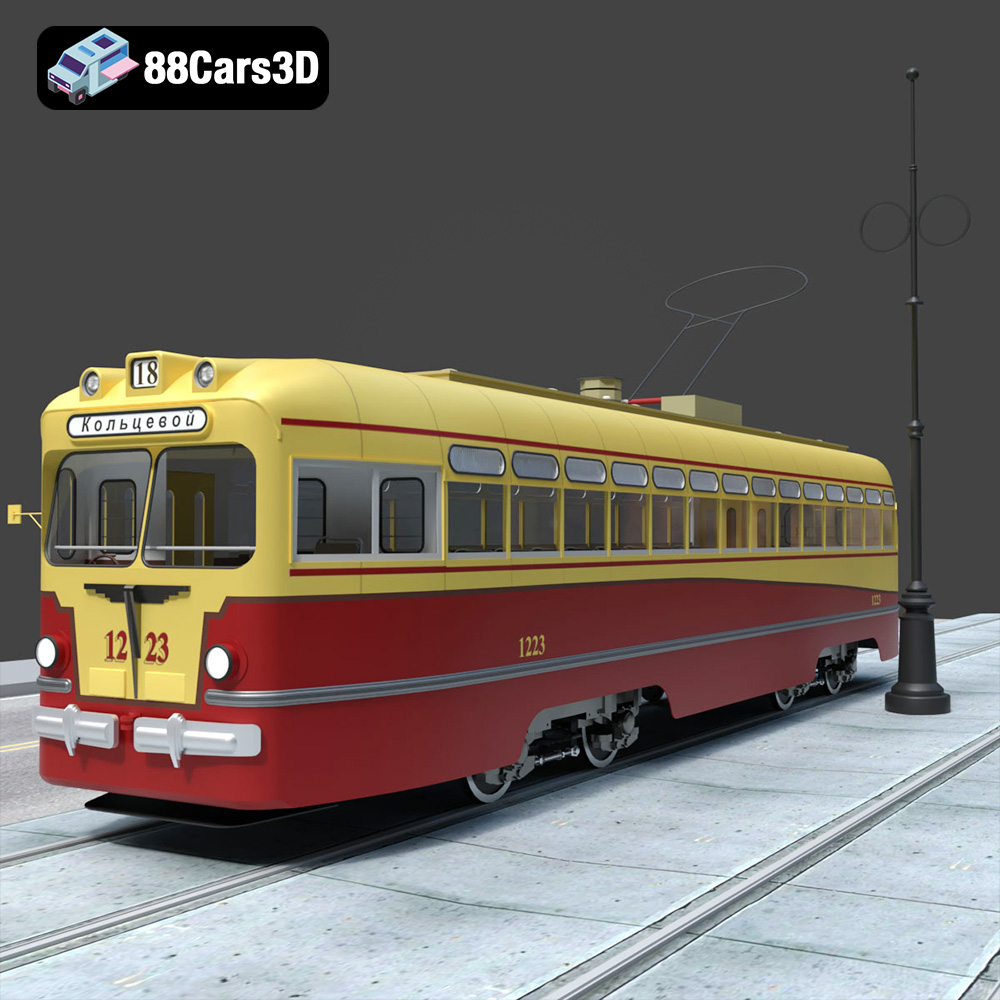
Download the MTB-82 Tram 3D Model featuring clean geometry, realistic detailing, and a fully modeled interior. Includes .blend, .fbx, .obj, .glb, .stl, .ply, .unreal, and .max formats for rendering, simulation, and game development.
Price: $10
Texture: Yes
Material: Yes
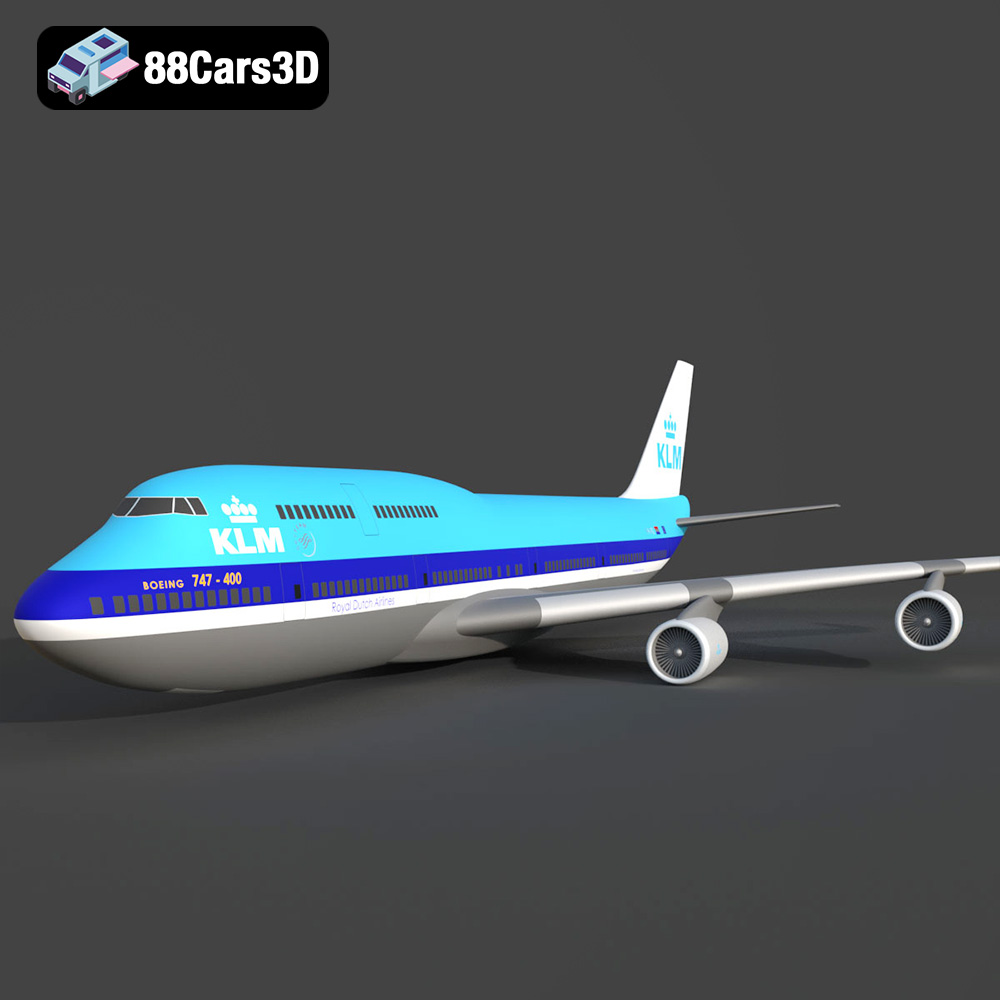
Download the Boeing 747-400 KLM 3D Model featuring a detailed exterior, authentic livery, and realistic components. Includes .blend, .fbx, .obj, .glb, .stl, .ply, .unreal, and .max formats for rendering, simulation, and game development.
Price: $10.79
Texture: Yes
Material: Yes
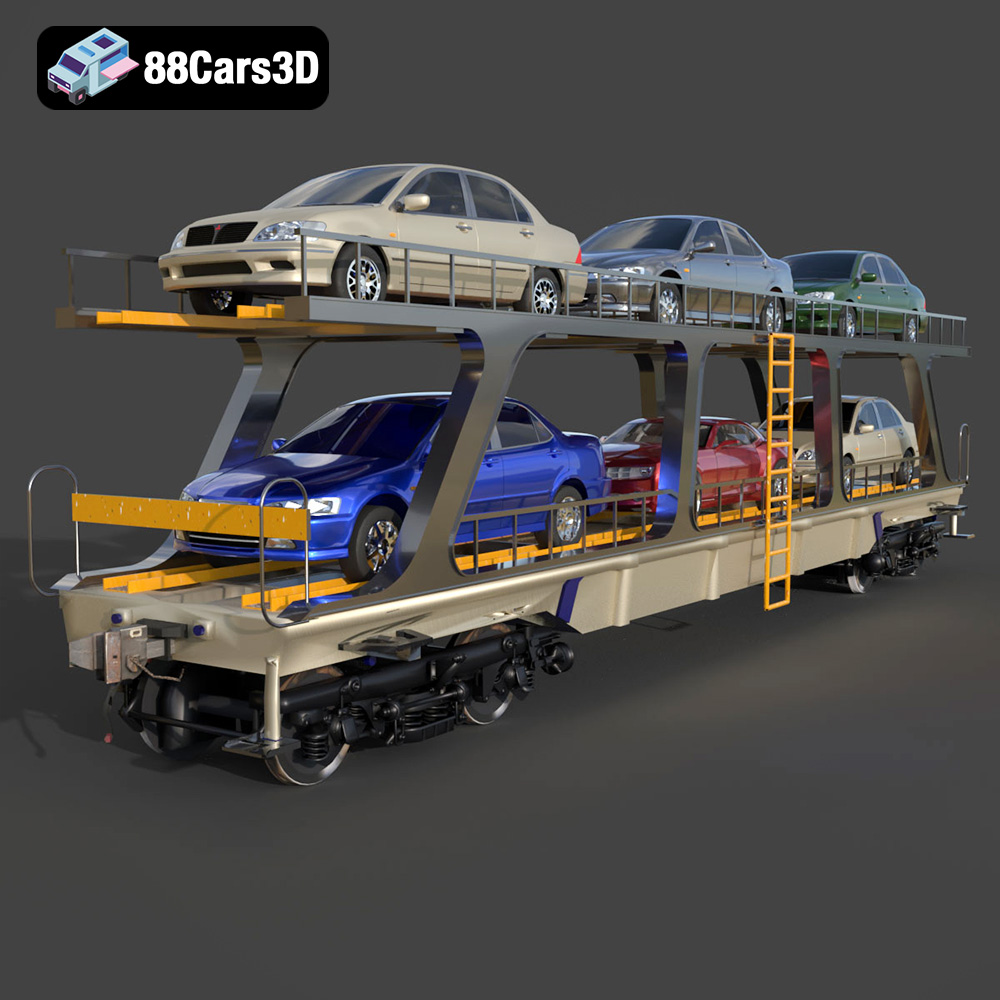
Download the Avtovoz A Wagon 3D Model featuring a robust design for car transport. Includes .blend, .fbx, .obj, .glb, .stl, .ply, .unreal, and .max formats for rendering, simulation, and game development.
Price: $10.79
Texture: Yes
Material: Yes
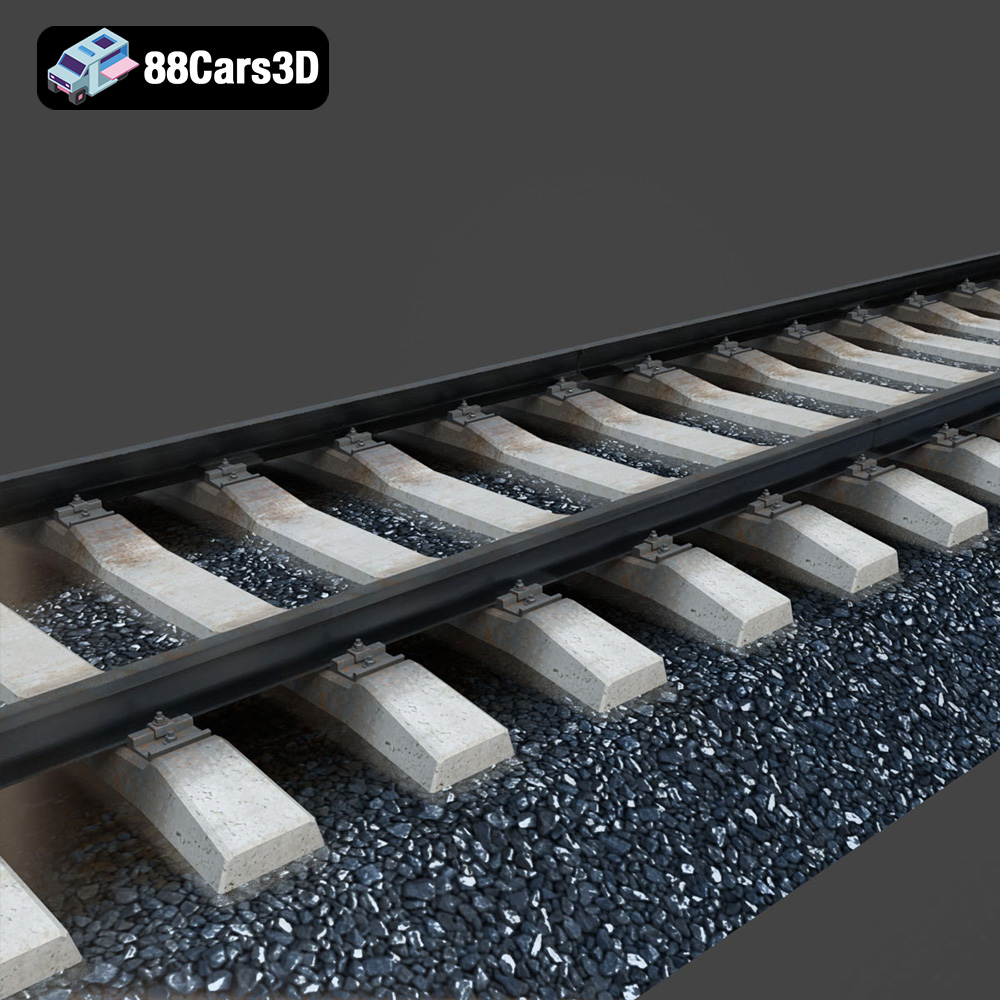
Download the Rail Road 006 3D Model featuring a detailed exterior, accurate proportions, and realistic textures. Includes .blend, .fbx, .obj, .glb, .stl, .ply, .unreal, and .max formats for rendering, simulation, and game development.
Price: $10.79
Texture: Yes
Material: Yes
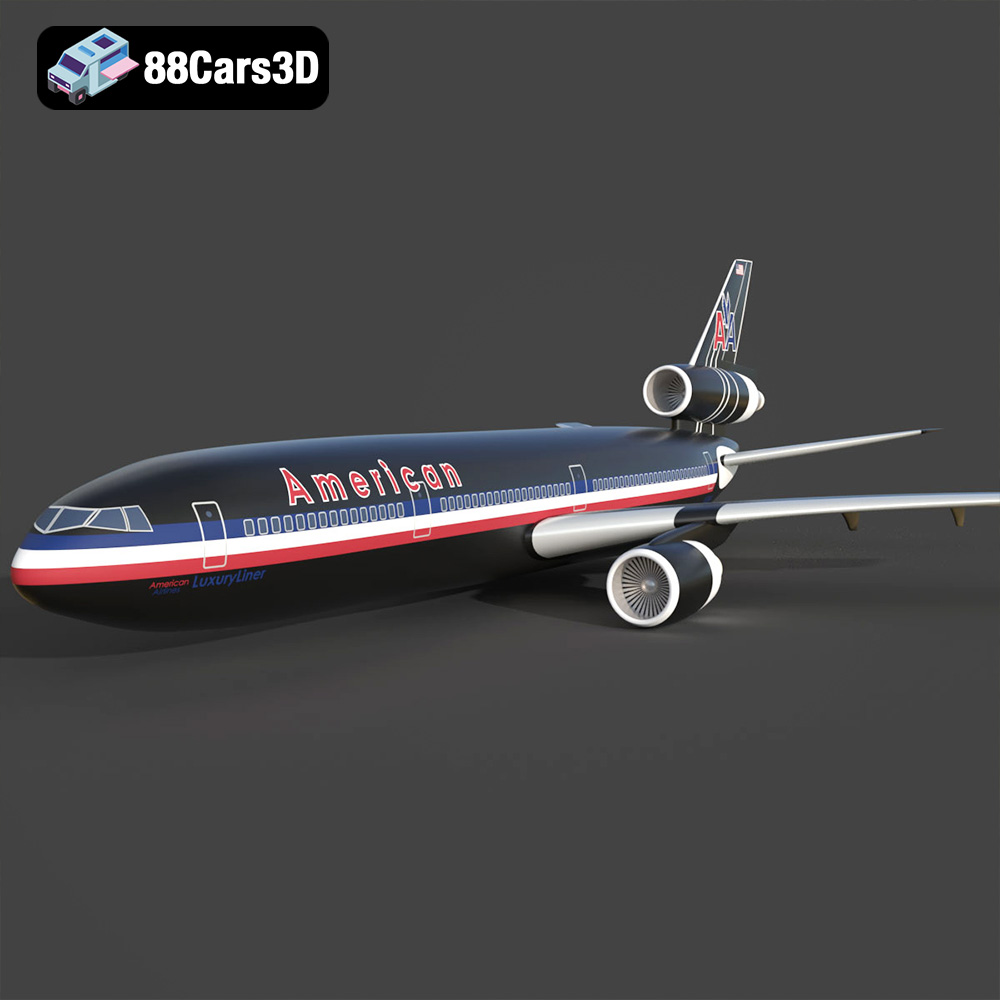
Download the American AA-006 Airplane 3D Model featuring a detailed exterior, cockpit, and landing gear. Includes .blend, .fbx, .obj, .glb, .stl, .ply, .unreal, and .max formats for rendering, simulation, and game development.
Price: $10.79
Texture: Yes
Material: Yes
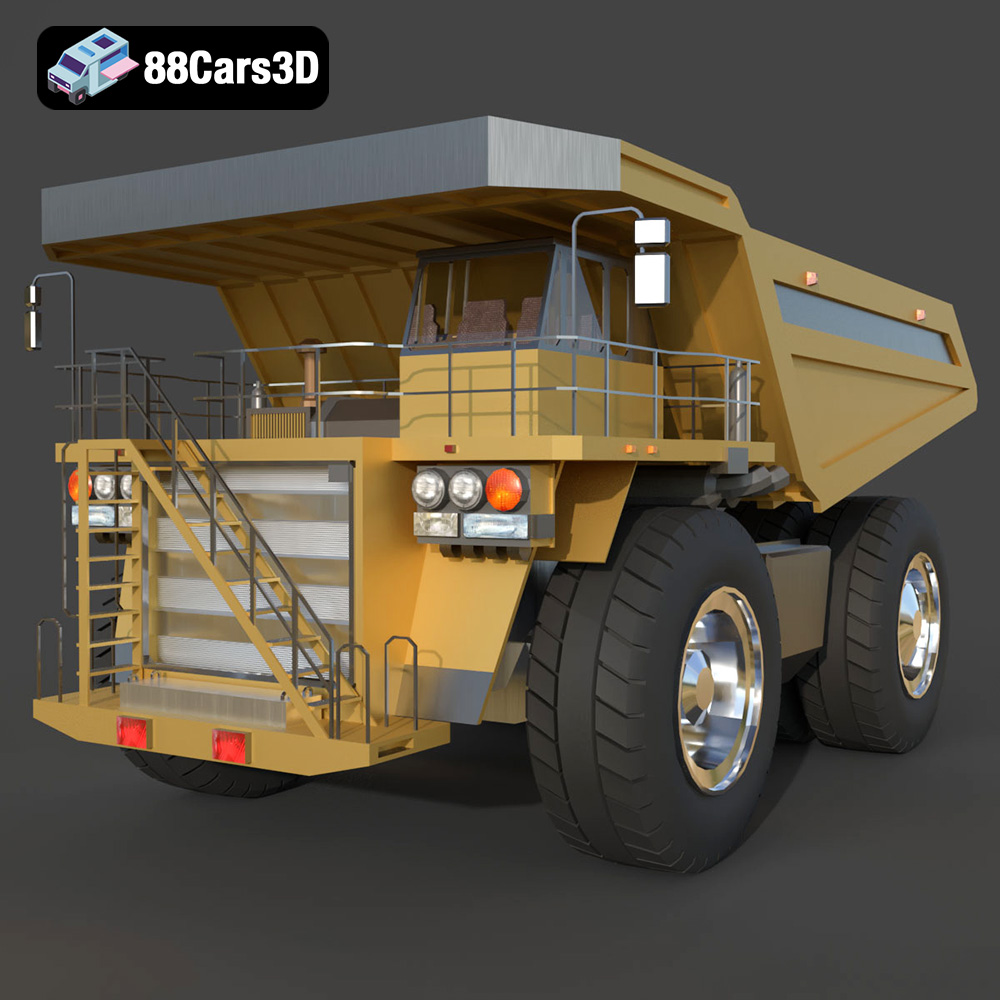
Download the Samosval-003 3D Model featuring a robust dump truck design, detailed exterior and interior, and animatable components. Includes .blend, .fbx, .obj, .glb, .stl, .ply, .unreal, and .max formats for rendering, simulation, and game development.
Price: $10.79

