Get 50% OFF All Premium 3D & STL Models!

In the vast and intricate world of 3D automotive visualization, a car model is only as convincing as its smallest, most meticulously crafted details. While the sleek body lines and aerodynamic contours often steal the spotlight, it’s the tires and wheels that truly ground a vehicle in reality, conveying weight, performance, and authenticity. Far from mere aesthetic add-ons, these components are critical for achieving photorealism in renders, optimal performance in game engines, and precise representation in AR/VR experiences. Mastering their creation demands a deep understanding of advanced 3D modeling, texturing, and optimization techniques.
This comprehensive guide delves into the technical intricacies of creating hyper-realistic tire and wheel models for diverse applications. We will explore everything from fundamental topology principles and advanced UV mapping strategies to the nuances of PBR material creation, sophisticated rendering workflows, and essential game engine optimization tactics. Whether you’re a seasoned 3D artist aiming for architectural visualization, a game developer striving for immersive realism, or an automotive designer pushing the boundaries of virtual prototyping, this article will equip you with the knowledge and actionable insights to elevate your 3D car models to an unparalleled level of visual fidelity. Get ready to transform your virtual vehicles from impressive to utterly believable.
The tire, often underestimated in its complexity, is a marvel of engineering that requires a meticulous approach in 3D. Achieving photorealism means going beyond a simple cylinder; it involves understanding how rubber behaves, how tread patterns interact with surfaces, and how sidewall details contribute to the overall aesthetic. Clean topology is paramount here, not only for visual smoothness but also for efficient UV mapping and deformation if the model is ever animated.
Beginning with accurate dimensions is non-negotiable. Gather precise technical specifications for your target tire, including diameter, width, and aspect ratio. Start with a low-polygon cylinder in your preferred 3D software (3ds Max, Blender, Maya). The initial segment count for the cylinder should be sufficient to represent its circular form without excessive geometry, typically between 24-48 segments for a base mesh, allowing for smooth subdivision later. Extrude and scale edge loops to define the basic profile of the tire, paying close attention to the subtle curvature of the sidewall and the flat contact patch of the tread. Use reference images from various angles to ensure correct proportions and profile accuracy. The goal at this stage is to establish a solid foundation with clean quad-based topology, avoiding triangles or N-gons that can lead to shading artifacts or issues during subdivision.
The tread pattern is where much of the tire’s character and functional realism lies. For high-resolution renders, modeling the tread geometry directly offers the best results. This typically involves modeling a single repeating block of the tread and then using an array or path deform modifier to distribute it around the tire circumference. Ensure that the edges of your tread blocks are sharp but not razor-thin; a slight bevel adds realism. For game assets or situations requiring lower polygon counts, the tread can be faked using normal maps and displacement maps generated from a high-poly sculpt. However, for true close-up realism, especially in automotive rendering, fully modeled tread is often preferred. Sidewall details, such as brand logos, tire size information (e.g., “245/40R19”), and DOT codes, are equally important. For extreme close-ups, these can be modeled as subtle raised geometry using floating geometry or careful extrusion on the base mesh, maintaining consistent quad flow. For slightly less detailed views, a well-crafted normal map derived from high-poly geometry is an excellent solution. When modeling, ensure that the topology around these details is dense enough to hold the shape without pinching, especially when applying subdivision surface modifiers. Aim for consistent edge loops that flow naturally around the contours of the tire, which is critical for smooth deformation and shading.
The wheel, often the focal point of a vehicle’s design, presents its own unique set of challenges in 3D modeling. From intricate spoke designs to the subtle nuances of brake components, every element must be modeled with precision and attention to detail to achieve an authentic appearance. The materials and finishes of wheels vary widely, and the underlying geometry must be robust enough to support these diverse surface properties.
Wheel spokes are often complex, featuring intricate curves, sharp edges, and varying thicknesses. Start by modeling a single spoke segment, ensuring that its topology is clean and ready for subdivision. Use hard-surface modeling techniques, focusing on creating sharp, defined edges using control loops or bevels. Maintain a consistent edge flow that follows the contours of the spoke, enabling smooth transitions and preventing unsightly pinching when subdivided. Once a single spoke is perfected, use radial array or instancing tools to duplicate it around the central hub, ensuring perfect alignment and spacing. Pay attention to how the spokes connect to the rim and the hub – these connection points are critical for structural realism and should not appear to be floating or disconnected. For intricate multi-piece wheels, model each component (inner barrel, outer lip, center disc) separately before assembling them, allowing for distinct material assignments and greater flexibility in detail.
No high-quality wheel model is complete without the accompanying brake components. Even if partially obscured by the wheel, the presence of detailed brake calipers and discs significantly enhances realism. Model the brake disc with proper ventilation holes, if applicable, and ensure it’s slightly recessed behind the wheel spokes. The brake caliper should be modeled with sufficient detail, including visible bolts, fluid lines, and branding, if desired. These components are typically separate objects from the wheel itself, allowing for independent material assignments (e.g., cast iron for discs, painted metal for calipers). Ensure their positioning relative to the wheel and axle is anatomically correct, contributing to the overall mechanical believability of the automotive assembly. Using smooth shading with proper support loops is vital for these curved and often polished metallic parts to render flawlessly.
It’s often the smallest details that elevate a 3D model from good to exceptional. Lug nuts/bolts and valve stems, while tiny, are essential components that contribute significantly to realism. Model lug nuts individually with proper threading or a simplified representation, and instance them around the wheel hub. This not only saves modeling time but also ensures consistency. The valve stem, often overlooked, should also be modeled with its cap, showing the subtle metallic or rubber texture. For extreme close-ups, even the tiny branding on the valve stem cap can be included. While these elements might seem minor, their inclusion demonstrates a high level of attention to detail that discerning viewers and clients will appreciate. When sourcing models from marketplaces such as 88cars3d.com, pay close attention to the inclusion and quality of these minute but impactful details, as they are a strong indicator of a model’s overall production value.
UV mapping is the bridge between your 3D geometry and 2D textures, and for intricate objects like tires and wheels, it demands careful planning and execution. Proper UVs are crucial for preventing texture stretching, maximizing texture resolution, and enabling efficient material application. A poorly UV-mapped model, no matter how well-modeled, will always fall short in realism.
For tires, the UV strategy often involves splitting the surface into distinct, manageable islands. The tread typically requires a planar projection or a cylindrical unwrap along its length, carefully straightened in the UV editor to allow for seamless tileable textures. It’s essential to ensure even pixel density across the tread so that the texture details appear consistent. The sidewalls, with their subtle curvature and text, are often unwrapped using a cylindrical projection, then relaxed to minimize distortion. For optimal resolution on brand names and text, a separate, more detailed UV island might be necessary. The inner rim of the tire, often unseen but important for shadows and reflections, can be unwrapped more simply, perhaps with a basic planar or cylindrical projection. When working in Blender, the UV Editor provides powerful tools for selection, marking seams, unwrapping, and packing. For complex forms, a combination of ‘Smart UV Project’ for initial unwraps and then manual ‘Seam Marking’ and ‘Unwrap’ can yield excellent results. For more detailed insights into Blender’s UV editing capabilities, consult the official Blender 4.4 documentation on UV unwrapping techniques.
Wheels present a different set of UV challenges due to their varying materials and intricate geometries. Each distinct material zone (e.g., polished spokes, painted inner barrel, chrome lip, rubber valve stem, metallic bolts) should ideally have its own UV island, or a well-separated area within a larger UV map. This separation allows for precise texture application and avoids bleeding between different materials. For polished surfaces, seams should be strategically placed in less visible areas to minimize their impact on reflections. Radial patterns, like those found on spokes, often benefit from cylindrical or planar projections followed by careful straightening and relaxation in the UV editor. For repetitive elements like lug nuts or bolts, it’s highly efficient to unwrap one, texture it, and then stack its UVs on top of others, allowing them all to share the same texture space. This technique, known as overlapping UVs, significantly reduces texture memory usage. For very high-resolution models, especially those intended for close-up renders, consider using UDIM workflows. UDIMs allow you to spread the UVs of a single mesh across multiple UV tiles, each with its own texture map, bypassing the resolution limits of a single 0-1 UV space. This is particularly useful for highly detailed car models where every component demands pristine texture quality.
Physically Based Rendering (PBR) has revolutionized the way 3D artists approach materials, offering a more intuitive and physically accurate method for creating surfaces that react realistically to light. For tires and wheels, a robust PBR workflow is essential to achieve the desired level of realism, allowing your models to shine (or scuff) authentically in any lighting condition.
Achieving realistic rubber involves more than just a dark gray color. Real rubber exhibits a unique roughness, subtle reflections, and often a degree of wear and tear. A typical PBR material for a tire will involve several texture maps: an Albedo (Base Color) map for the underlying color, which might range from deep black to a slightly brownish-black depending on age and cleanliness. A crucial Roughness map dictates how light scatters across the surface; new tires are often slightly less rough, while worn tires show increased roughness and micro-scratches. A Normal Map is vital for adding micro-details like manufacturing imperfections, fine tread textures (if not fully modeled), and subtle bumps without increasing polygon count. A minimal Metallic map (often pure black as rubber is not metallic) and a slight IOR (Index of Refraction) adjustment for the rubber are also important. Consider adding subtle variations in roughness and color to simulate dirt, dust, and wear patterns, especially on the contact patch and sidewalls. Some advanced setups might even include a subtle subsurface scattering component to simulate the way light penetrates and scatters within thin layers of rubber, adding another layer of depth, particularly for softer compounds.
Wheels are a showcase for a wide array of materials, each requiring a precise PBR setup.
Texture resolutions for these maps are critical. For hero assets, 4K or even 8K textures are common to ensure crisp details in close-up renders. Software like Substance Painter and Substance Designer are industry standards for generating these complex PBR texture sets, allowing artists to procedurally create wear, scratches, dirt, and other effects, which can then be baked down into efficient texture maps. Within renderers like Corona, V-Ray, Cycles (Blender), or Arnold, these maps are then connected to a PBR shader network, carefully balancing each parameter to achieve physical accuracy. Consistency in the PBR workflow across all materials within your 3D car model, including those sourced from platforms like 88cars3d.com, is key to achieving a cohesive and believable final render.
After investing countless hours into modeling and texturing, the final step in bringing your realistic tires and wheels to life is the rendering process. Proper lighting, camera setup, and render engine settings are crucial to showcase your hard work and achieve a visually stunning result that captures the essence of automotive photography.
Effective lighting is the cornerstone of a compelling render. For showcasing a static car model, a classic three-point lighting setup (key, fill, back light) provides excellent control over highlights, shadows, and form definition.
Beyond traditional lights, High Dynamic Range Image (HDRI) environments are indispensable for realistic automotive rendering. An HDRI acts as both a light source and a reflection map, providing complex, real-world lighting information and incredibly accurate reflections on metallic and glossy surfaces. Using studio-based HDRIs can simulate controlled photography environments, while outdoor HDRIs can place your car in a believable natural setting. Adjusting the intensity and rotation of the HDRI allows fine-tuning of reflections and shadow direction, which is particularly critical for making polished wheel surfaces truly pop.
The choice of camera angle and lens focal length significantly impacts the perceived scale and drama of your render. For automotive shots, a slightly wider focal length (e.g., 50-85mm equivalent on a full-frame sensor) can provide a powerful, grounded perspective. Incorporating a shallow depth of field (DoF) can draw the viewer’s eye to specific details on the tire tread or wheel spokes, blurring the foreground and background and mimicking the aesthetics of professional photography. Experiment with camera heights – a low camera angle can make the car appear more imposing, while eye-level shots offer a more relatable view.
When it comes to render engines, each has its strengths.
Regardless of the engine, understanding render passes (e.g., diffuse, reflection, Z-depth, normal) is crucial for post-processing. These passes allow for greater control in compositing software, enabling adjustments to lighting, color, and effects without re-rendering the entire scene. Final output settings should consider anti-aliasing to smooth jagged edges and proper image format selection (e.g., EXR or TIFF for lossless quality and depth information).
While high-fidelity renders prioritize visual perfection, real-time applications like game engines and AR/VR experiences demand a delicate balance between visual quality and performance. Optimizing your tire and wheel models is crucial to ensure smooth frame rates and a responsive user experience without sacrificing too much detail.
One of the most effective optimization techniques is implementing Level of Detail (LODs). This involves creating multiple versions of your tire and wheel models, each with a progressively lower polygon count.
These LODs are swapped automatically by the game engine based on the model’s distance from the camera. This significantly reduces the computational load. Another critical optimization is texture atlasing. Instead of having separate texture maps for the tire, rim, caliper, and bolts, combine them into a single, larger texture atlas. This reduces the number of draw calls (requests for the GPU to render an object), which is a major performance bottleneck in real-time engines. Plan your UV mapping carefully to maximize packing efficiency within the atlas.
For realistic interaction within a game engine (Unity, Unreal Engine), your high-detail visual mesh is often too complex for physics calculations. Instead, create simplified collision meshes. These are low-polygon, invisible meshes (often convex hulls or simplified primitives) that define the physical boundaries of the tire and wheel. They are used for accurate collision detection, tire friction, and suspension simulations. In Unreal Engine, these are part of the ‘Physics Asset’ system. For AR/VR applications, optimization becomes even more stringent. The target polygon count per model is often much lower than for traditional games, as these experiences demand extremely high frame rates (e.g., 90 FPS or more) to prevent motion sickness.
When acquiring game assets from platforms like 88cars3d.com, always check for the availability of multiple LODs, optimized UVs for atlasing, and clean collision meshes to ensure seamless integration into your real-time projects. Baking normal maps from high-poly models onto low-poly LODs is a standard practice to retain visual fidelity while dramatically reducing vertex count.
The journey to creating truly realistic 3D tire and wheel models is a challenging yet incredibly rewarding endeavor. As we’ve explored, it demands a blend of artistic vision and rigorous technical execution, encompassing everything from meticulous polygon modeling and thoughtful UV layout to sophisticated PBR material creation and strategic optimization for diverse platforms. We’ve delved into the intricacies of clean topology for smooth surfaces, the importance of detailed tread patterns and sidewall text, and the precision required for crafting complex wheel geometries and their accompanying brake components. Understanding how to create physically accurate rubber and metal shaders through PBR workflows is paramount, as is the art of lighting and rendering to bring these elements to life in a visually compelling manner.
Furthermore, recognizing the distinct requirements of different applications—be it a photorealistic marketing render, a high-performance game asset, or an optimized model for AR/VR—is crucial. Implementing techniques like Level of Detail (LODs), texture atlasing, and simplified collision meshes ensures that your beautiful models not only look stunning but also perform flawlessly in real-time environments. The attention to these minute details is what separates a good 3D automotive model from an exceptional one, elevating its overall believability and impact.
As you continue your journey in 3D automotive design, remember that practice, patience, and a keen eye for real-world references are your best allies. Continuously refine your techniques, experiment with new workflows, and never underestimate the power of these seemingly small components to define the character and realism of an entire vehicle. For those seeking a head start with meticulously crafted 3D car models, including expertly designed wheels and tires, platforms like 88cars3d.com offer a curated selection of assets that meet these demanding industry standards. Embrace the challenge, and watch your virtual vehicles roll into a new realm of visual authenticity.
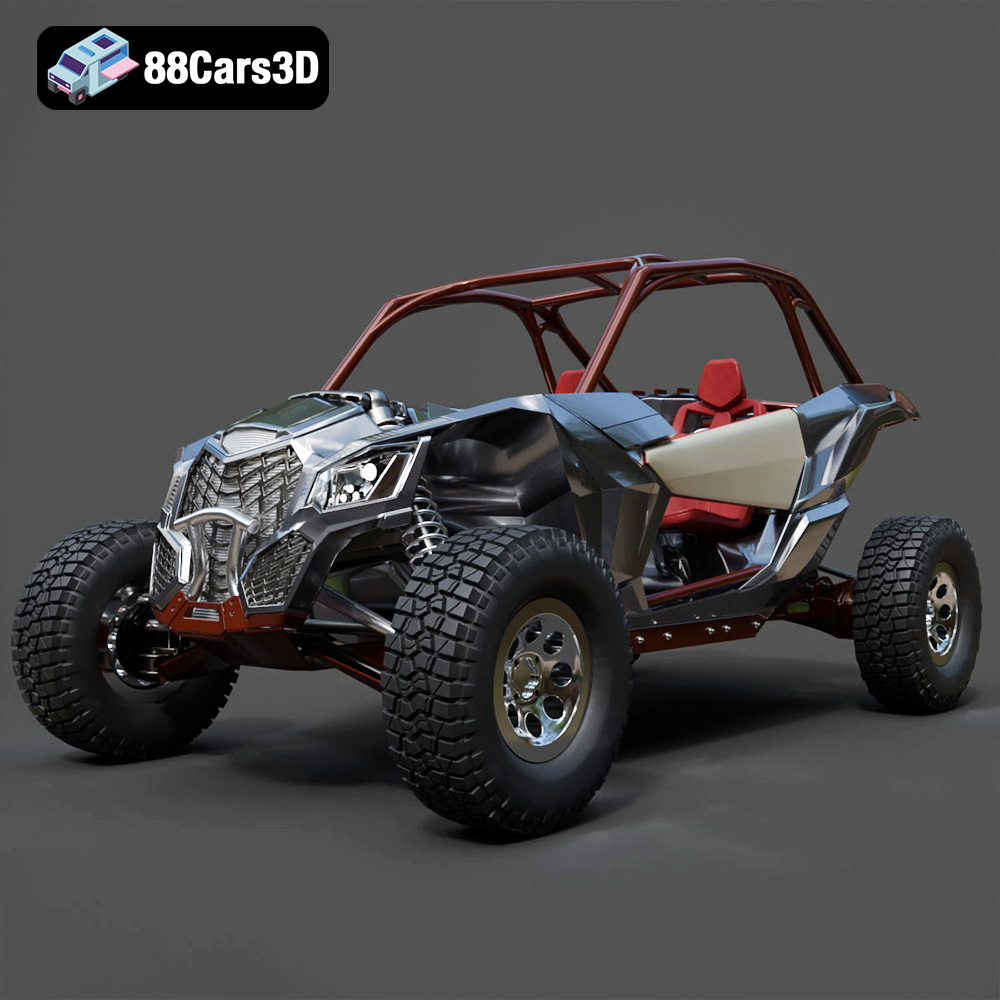
Texture: Yes
Material: Yes
Download the Can-Am Maverick 2019 3D Model featuring an aggressive off-road design, detailed chassis, and rugged tires. Includes .blend, .fbx, .obj, .glb, .stl, .ply, .unreal, and .max formats for rendering, simulation, and game development.
Price: $90.79
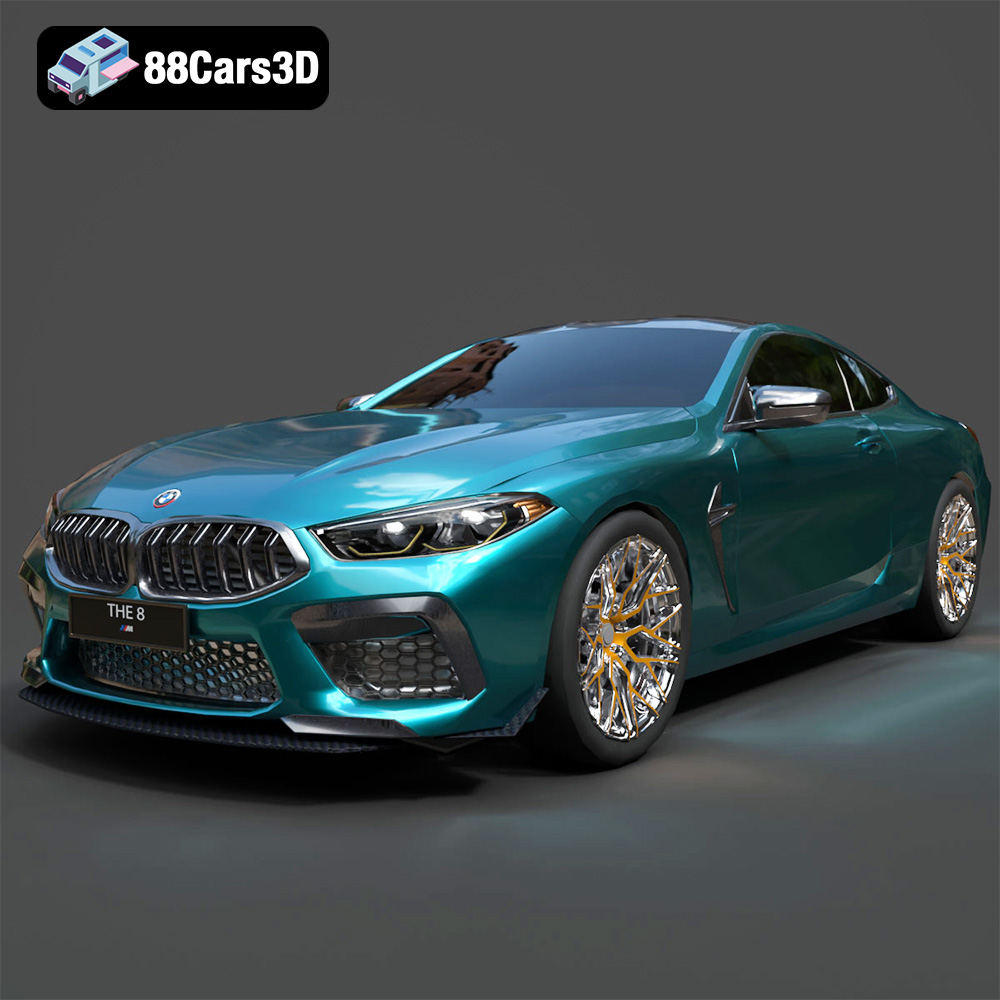
Texture: Yes
Material: Yes
Download the BMW M8 Competition 3D Model featuring aggressive styling, a luxurious interior, and high-performance detailing. Includes .blend, .fbx, .obj, .glb, .stl, .ply, .unreal, and .max formats for rendering, simulation, and game development.
Price: $110.79
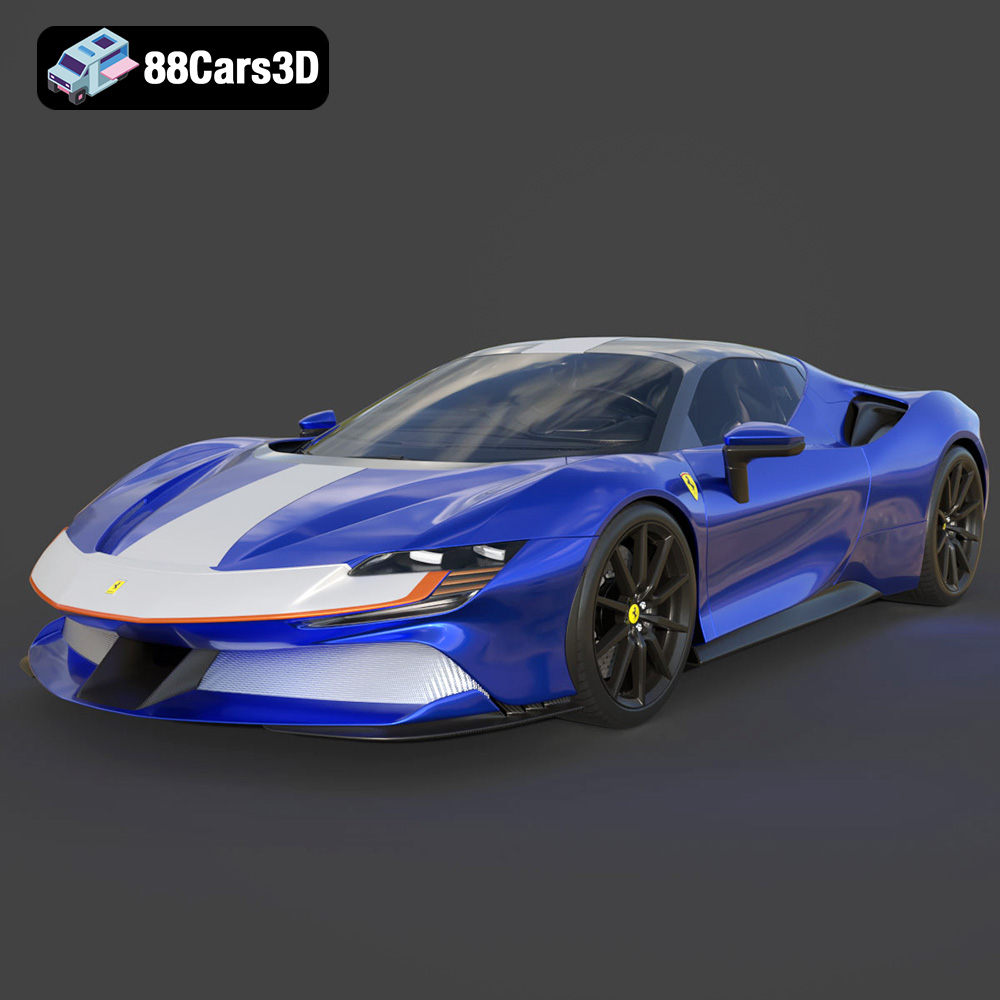
Texture: Yes
Material: Yes
Download the Ferrari SF90 Spider 3D Model featuring a meticulously detailed exterior, intricate interior, and realistic PBR materials. Includes .blend, .fbx, .obj, .glb, .stl, .ply, .unreal, and .max formats for rendering, simulation, and game development.
Price: $110.79
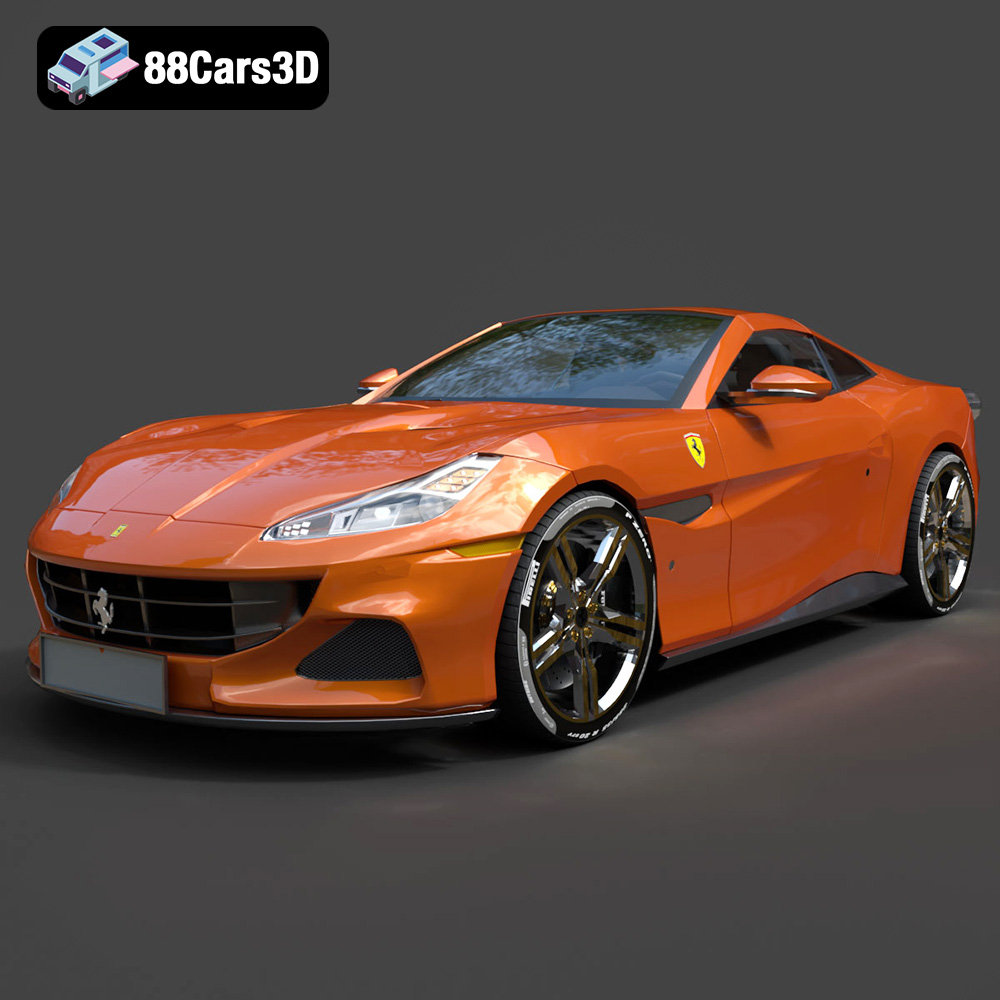
Texture: Yes
Material: Yes
Download the Ferrari Portofino 3D Model featuring accurate body contours, detailed interior, and high-resolution textures. Includes .blend, .fbx, .obj, .glb, .stl, .ply, .unreal, and .max formats for rendering, simulation, and game development.
Price: $110.79
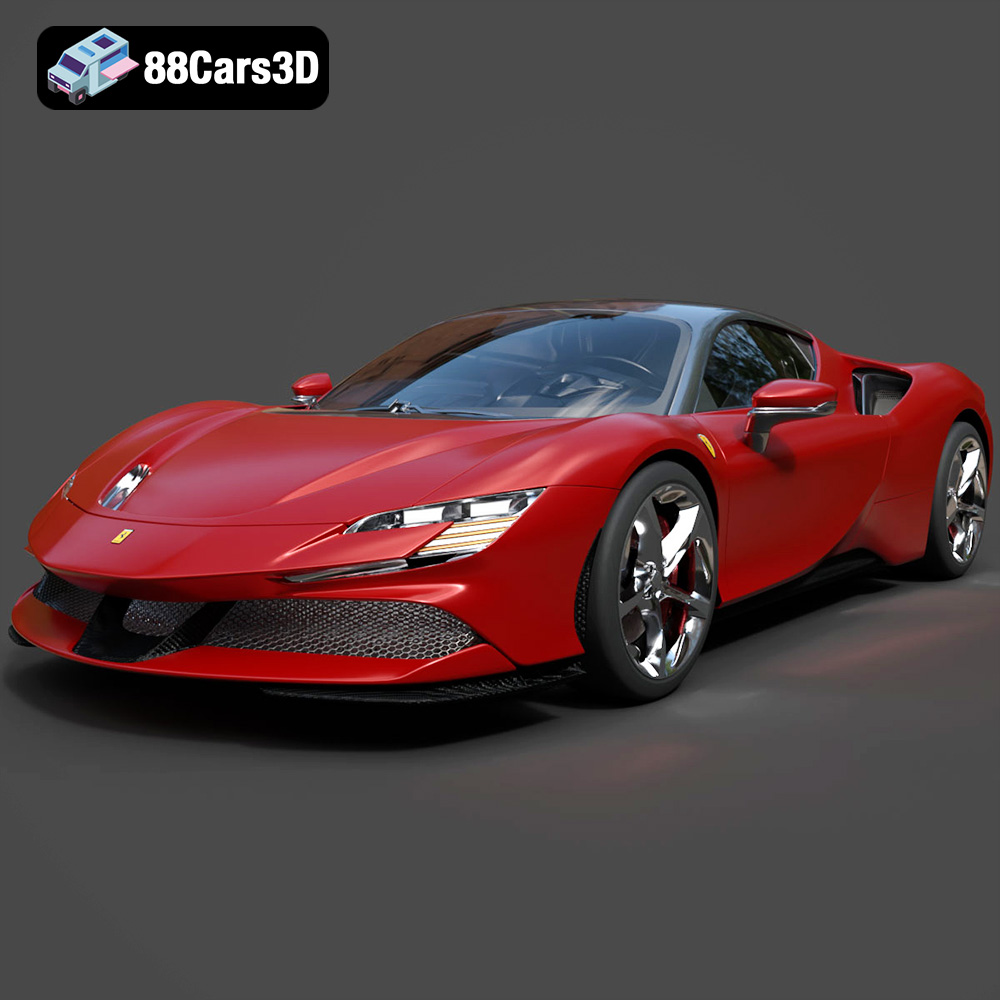
Texture: Yes
Material: Yes
Download the Ferrari SF90 Stradale 3D Model featuring aggressive lines and sophisticated aesthetics. Includes .blend, .fbx, .obj, .glb, .stl, .ply, .unreal, and .max formats for rendering, simulation, and game development.
Price: $110.79
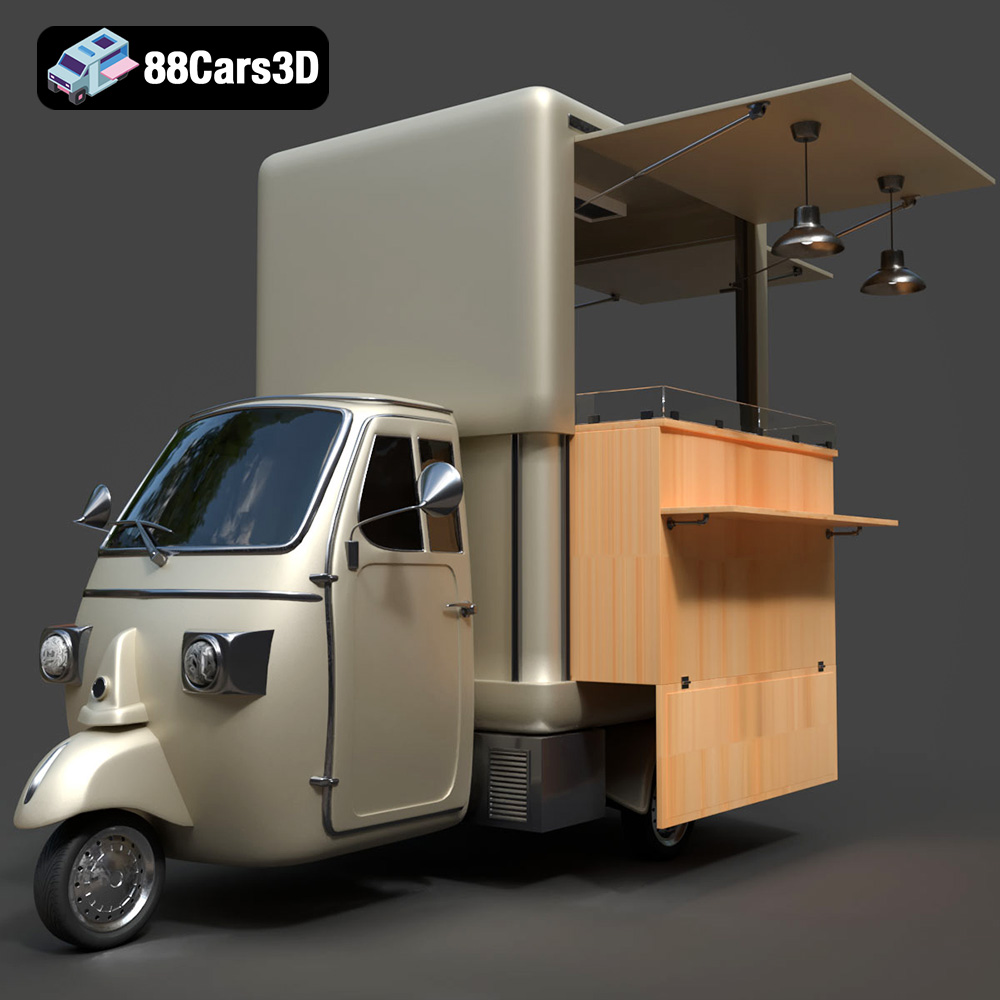
Texture: Yes
Material: Yes
Download the Foodtruck Set 3-006 3D Model featuring a detailed exterior and interior, optimized for various uses. Includes .blend, .fbx, .obj, .glb, .stl, .ply, .unreal, and .max formats for rendering, simulation, and game development.
Price: $23.79
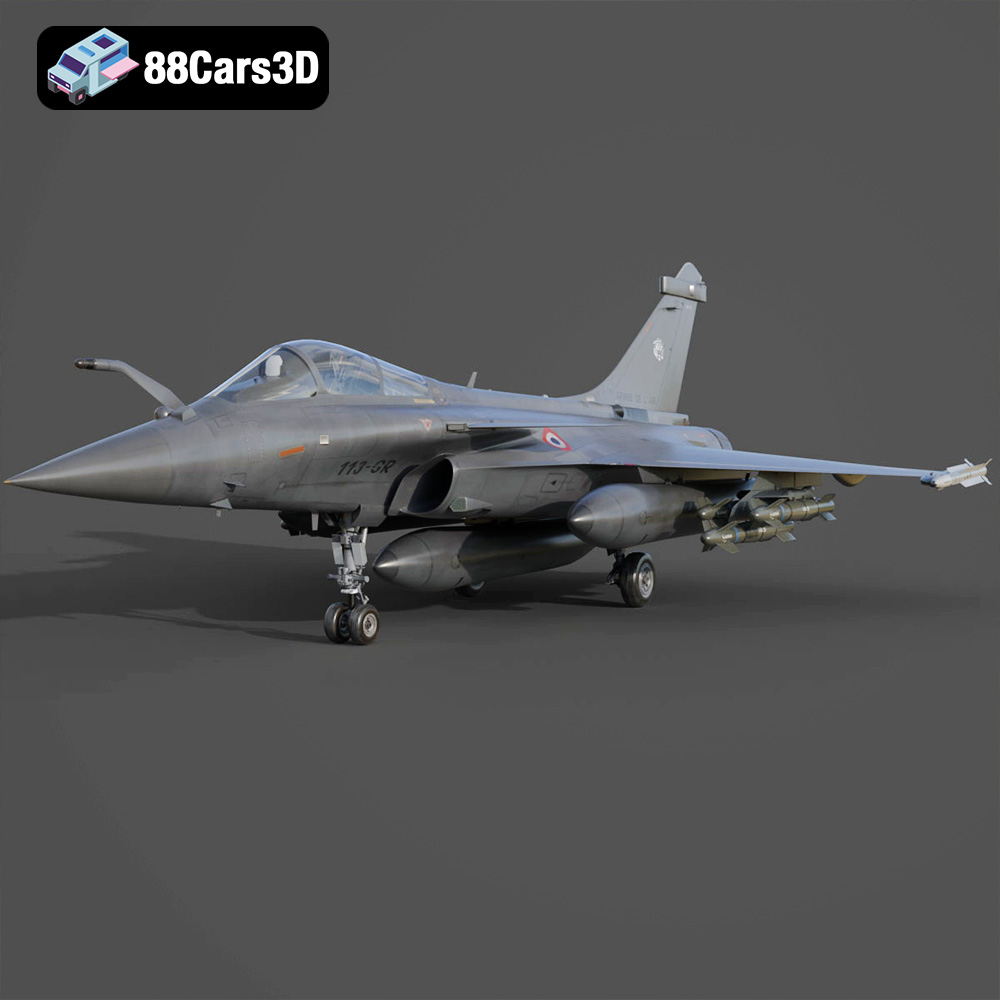
Texture: Yes
Material: Yes
Download the Dassault Rafale Fighter Jet 3D Model featuring a detailed exterior, cockpit, and propulsion system. Includes .blend, .fbx, .obj, .glb, .stl, .ply, .unreal, and .max formats for rendering, simulation, and game development.
Price: $22.79
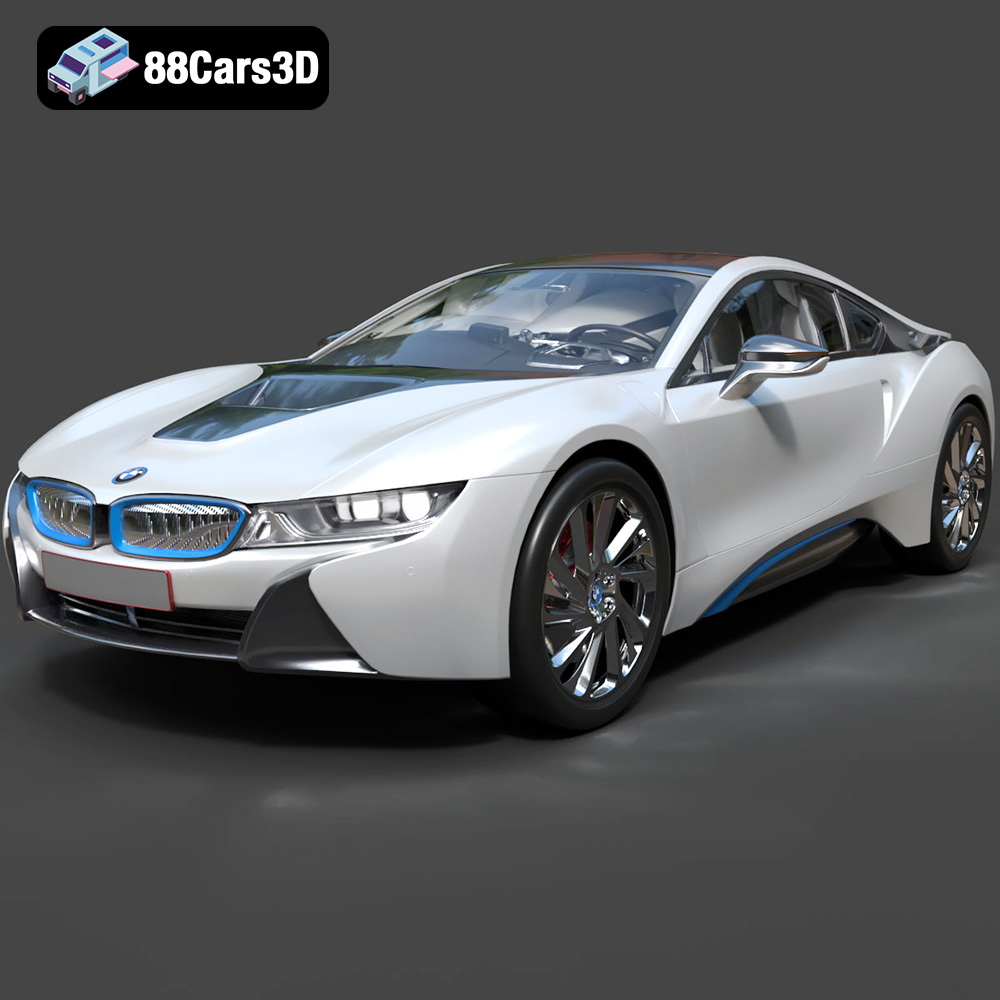
Texture: Yes
Material: Yes
Download the BMW i8 2015 3D Model featuring its futuristic design and detailed interior, capturing the essence of a modern hybrid sports car. Includes .blend, .fbx, .obj, .glb, .stl, .ply, .unreal, and .max formats for rendering, simulation, and game development.
Price: $40.79
Texture: Yes
Material: Yes
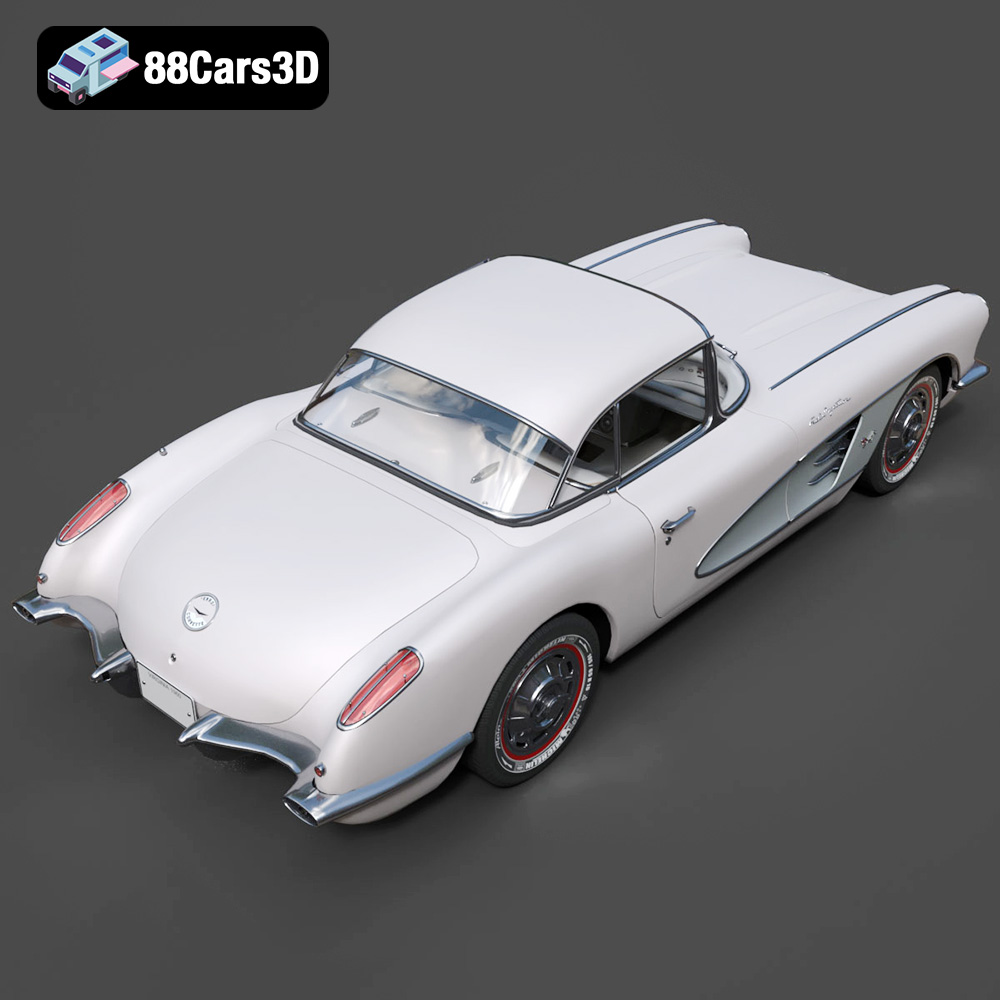
Download the Chevrolet Corvette Coupe 1960 3D Model featuring its iconic vintage design, detailed interior, and classic exterior styling. Includes .blend, .fbx, .obj, .glb, .stl, .ply, .unreal, and .max formats for rendering, simulation, and game development.
Price: $50.79
Texture: Yes
Material: Yes
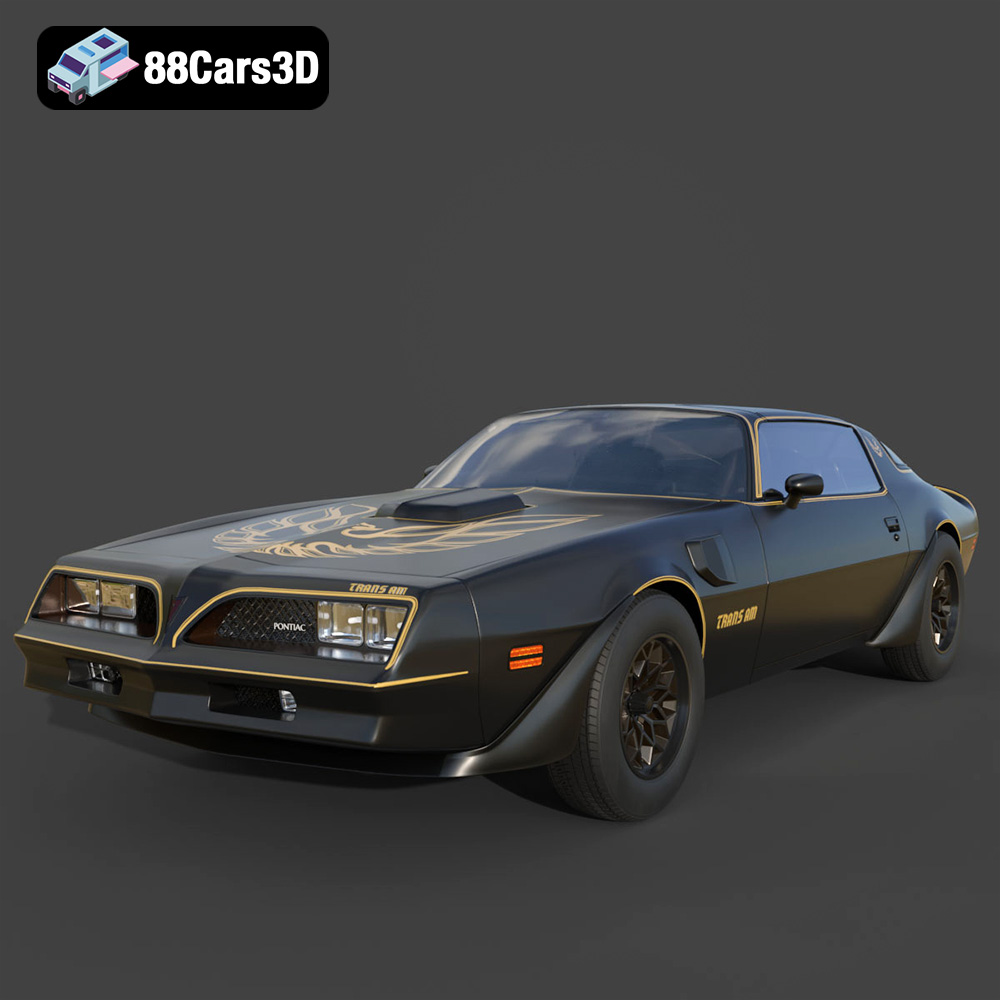
Download the Pontiac Firebird Trans Am 1977 3D Model featuring iconic muscle car design and detailed exterior and interior. Includes .blend, .fbx, .obj, .glb, .stl, .ply, .unreal, and .max formats for rendering, simulation, and game development.
Price: $30.79

